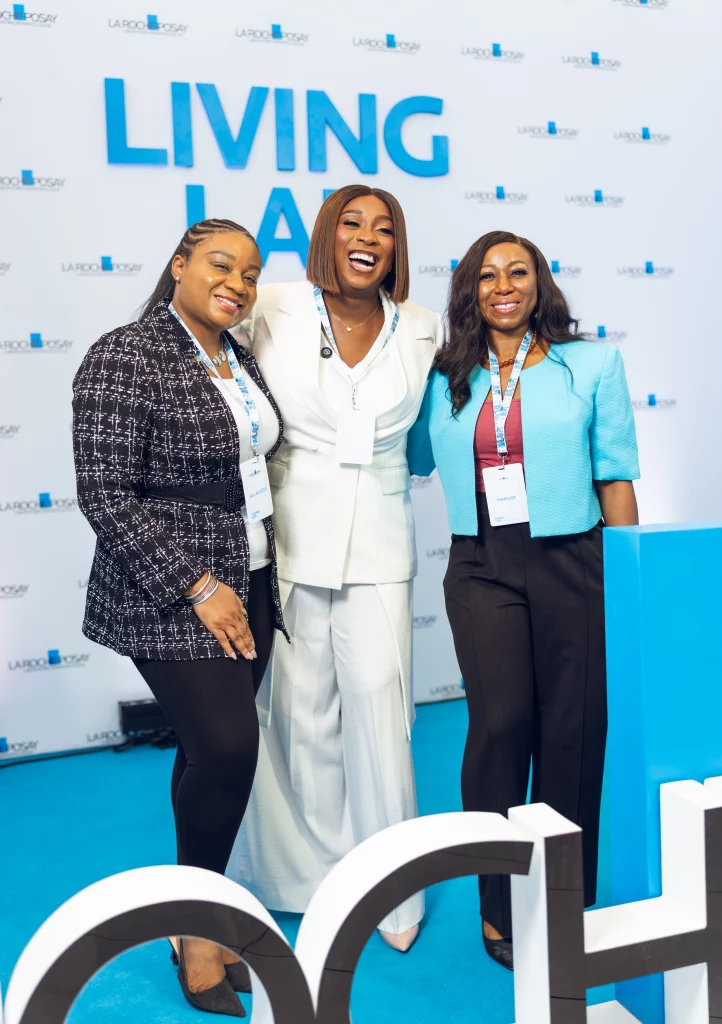
Skincare conversations in Nigeria often swing between two extremes: hyper-filtered social media routines promising glass skin overnight, and quiet struggles with acne, hyperpigmentation, and damaged skin barriers. On Thursday, November 5, 2026, La Roche-Posay bridged that divide by officially opening the doors of its immersive Living Lab Lagos to the public.
Taking place at Oasis by The Five Palm in Victoria Island, the multi-day experience began with an exclusive welcome evening on November 3, followed by an invite-only preview on November 4 for healthcare professionals, public figures, celebrities, influencers, other important guests and the media. But Day Two, the first day open to the general public, was where clinical science met real-world stories.

The Three-Day Panel Programming: Bridging Science and Culture
Across the full three-day schedule, the Living Lab assembled Nigeria’s foremost dermatologists, cosmetic scientists, medical aestheticians, and digital tastemakers to dissect the skin health ecosystem:
Day One (4th Nov 2026 – Strictly by Invitation)
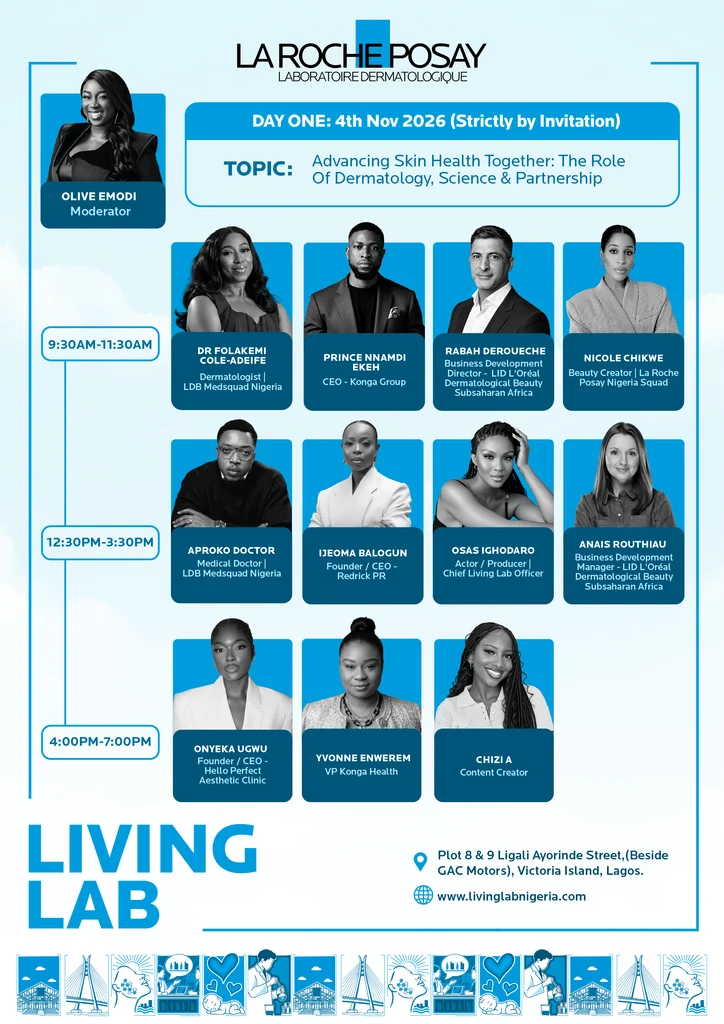
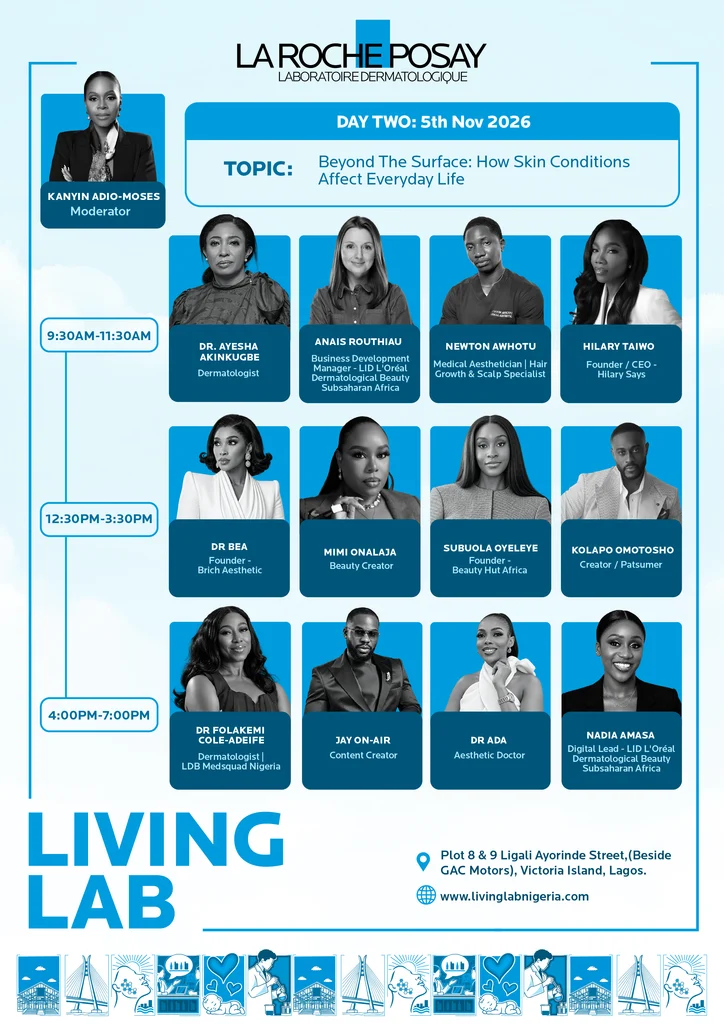
Day Two (5th Nov 2026 – Public Debut)
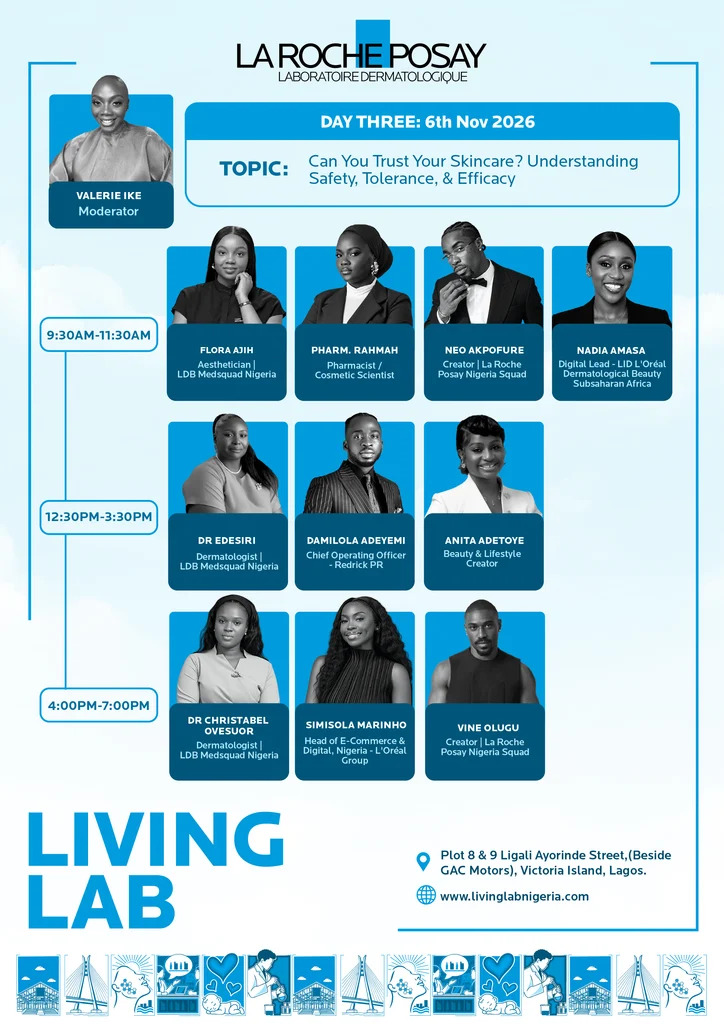
Day Three (6th Nov 2026 – Public Day Two)
Deep Dive: The 9:30 AM Plenary Panel — “Beyond The Surface”
The defining conversation of the entire public launch took place during the Day Two morning session. Moderated by Kanyin Adio-Moses, the panel dove headfirst into how chronic skin conditions do not just sit atop the dermis; they also dictate mental health, professional confidence, and daily quality of life.
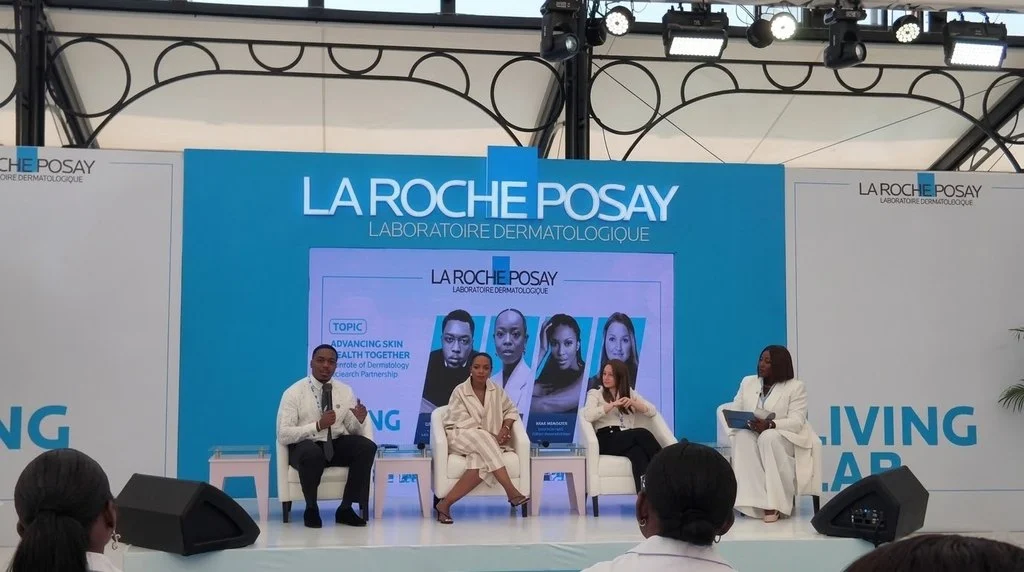
1. The Quality of Life Index & The Psychodermatology Link
The session opened with a powerful premise from the clinicians: clinical skin health is fundamentally incomplete if a doctor only evaluates the lesion and ignores the mind.
“Skin health is more than just your skin. It’s how you look, and it’s how you feel. When we measure the effects of various skin conditions, we consider quality of life. You could have acne, hyperpigmentation, or inflammatory conditions like psoriasis and lichen planus… but skin health is not complete without evaluating your daily quality of life and how that condition affects you mentally.”
Panellists elaborated that social withdrawal, dreading photos, avoiding family gatherings, or turning down job interviews is one of the earliest signs of a severely impacted patient. A clinician cannot treat a condition strictly biologically without confronting its psychological burden, because the two are inextricably connected.
2. Hilary Taiwo on Hyperpigmentation: “It’s Something You Manage, Not Something You Fight”
Skincare formulator and founder of Hilary Says, Hilary Taiwo, offered personal and professional perspective on dealing with dark spots and hormonal melasma:
“I just had to get to a place where I understood that the skin is constantly regenerating. Even if you treat it, it flares at some point. Give it a few months, and it might come back, whether due to inflammation, hormones, or external triggers. For me, getting to the point where I realised hyperpigmentation is something I have to manage for the rest of my life was liberating. Once you accept management over an overnight cure, it doesn’t control your peace of mind anymore.”
3. Newton Awhotu on Youth, Acne Scars, and Setting Realistic Expectations
Medical aesthetician Newton Awhotu highlighted the clinical difference between managing active breakouts and treating secondary scarring, especially in younger patients:
“When you deal with teenagers experiencing acne at school, they are often facing bullying. What you recommend for an older adult is completely different from a young teen, but the common denominator is setting realistic expectations. Acne is something you treat and manage, but acne scars and enlarged textured pores are far more difficult to reverse completely. The appearance can be significantly improved, but early intervention is everything. Address acne early before it becomes permanent structural scarring.”
4. Dr Uzoamaka Iloabachie: Clinical Empathy Over Unsolicited Scrutiny
In one of the most resonant moments of the morning, Dr Uzoamaka Iloabachie (Principal Clinician at Skintisfaction Clinic) urged the room to replace judgment with human empathy:
“The message is to be empathic. It’s not just in clinical consultations or high-stakes interviews; everywhere they go, people stare. People look, and they fail to realise how deeply that wounds someone inside. I have literally walked up to people in public, unsolicited, and said gently: ‘I hope you don’t mind, I’m a dermatologist, could you please come see me, because I can help you.’ Rather than stare, rather than judge, choose to be helpful rather than harmful.”
Inside the Walkthrough: Bringing Dermatological Science to Life
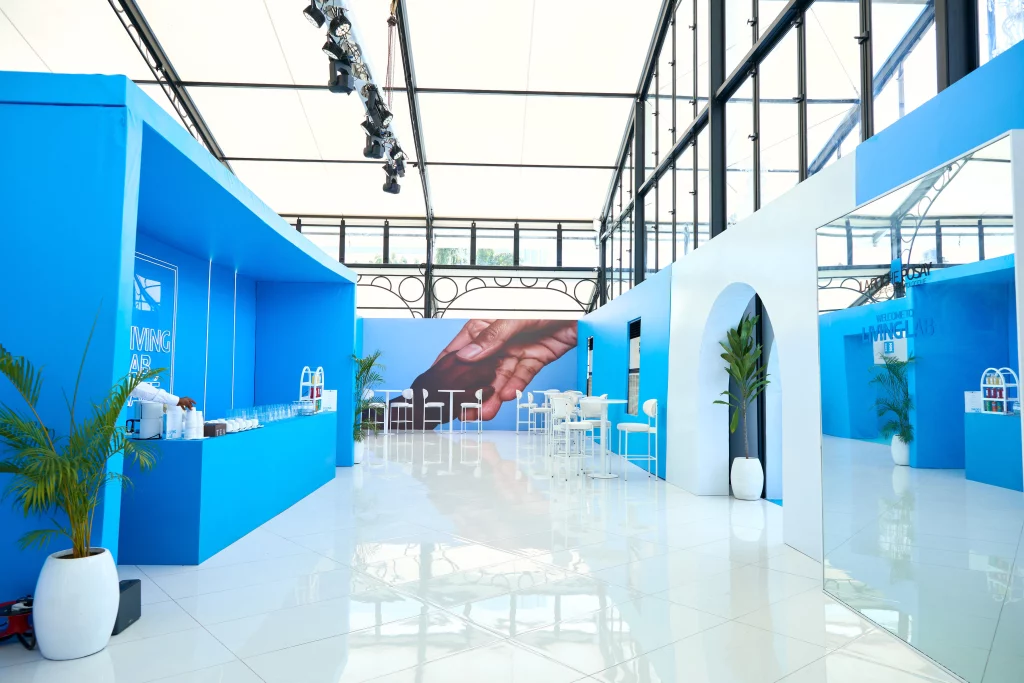
The Nigerian edition of the Living Lab, modelled after La Roche-Posay’s Paris experience, removed the clinical detachment often associated with dermatology. Rather than presenting another cosmetic shopping spree, the venue was divided into structured, educational zones that guided visitors through cohort sessions.
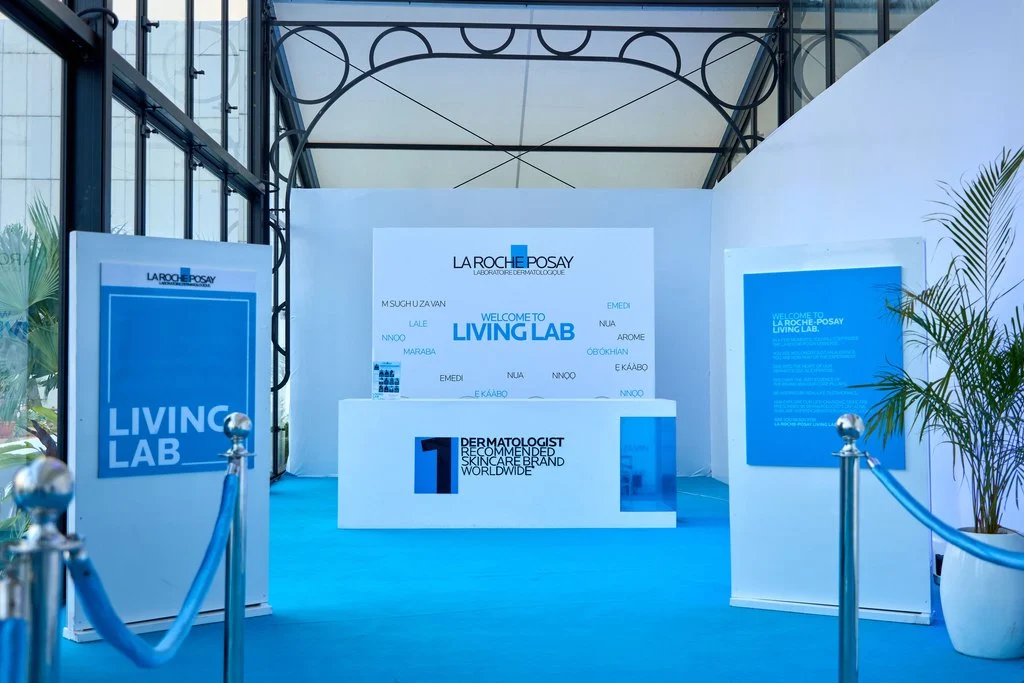
Key Zones Across the Living Lab
Following the morning plenary session, visitors moved into this walkthrough exhibition, structured around the five curated zones:
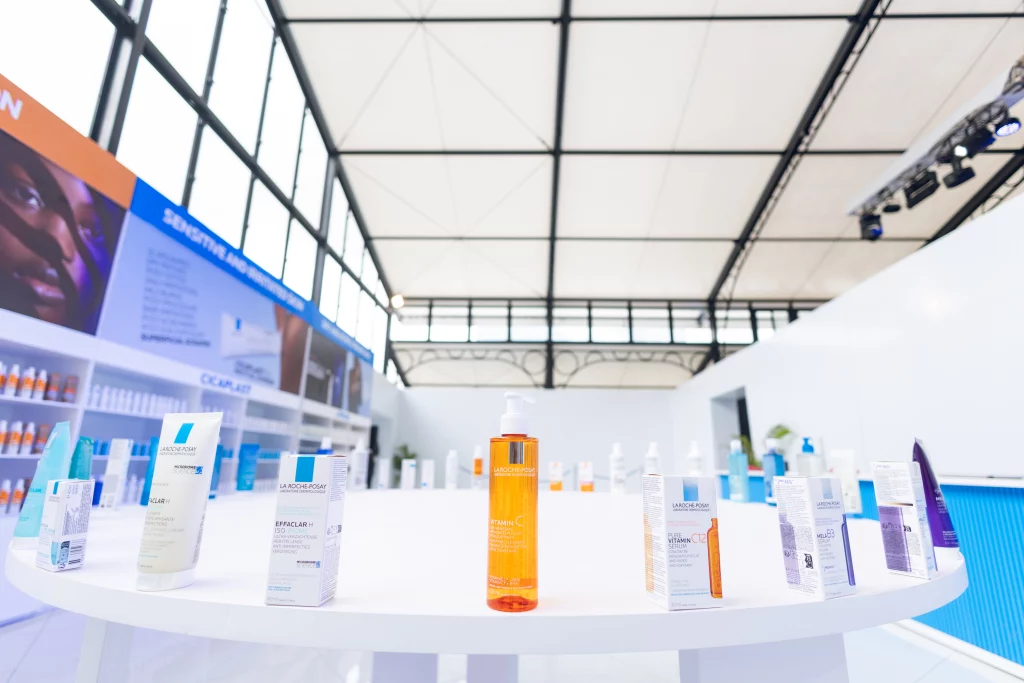
- The Blue House: A walk through 50 years of dermatological heritage, spotlighting how French thermal spring water and active ingredients evolved into globally recognised clinical formulations.
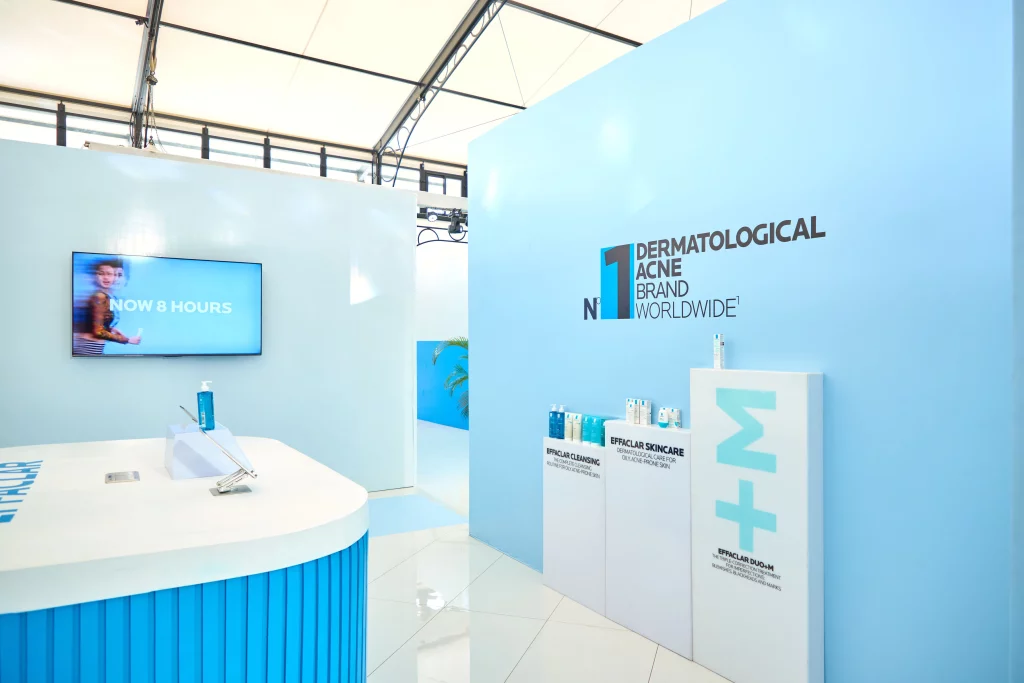
- The Innovation Corners: Interactive hubs dedicated to key dermatological challenges:
- Mela B3: Unpacking Melasyl™ and its inhibition of excess melanin precursors before dark spots surface. This hub breaks down the cellular mechanisms underlying the relationship between UV exposure, inflammation, and stubborn hyperpigmentation.
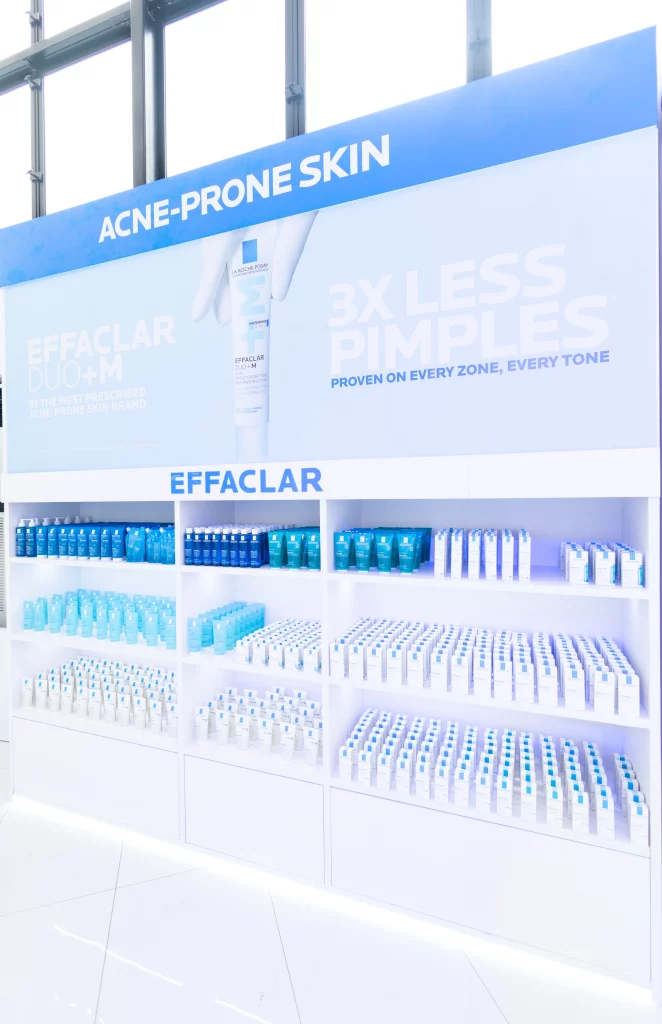
- Effaclar: Exploring non-stripping approaches to acne, oily skin, and post-blemish marks.
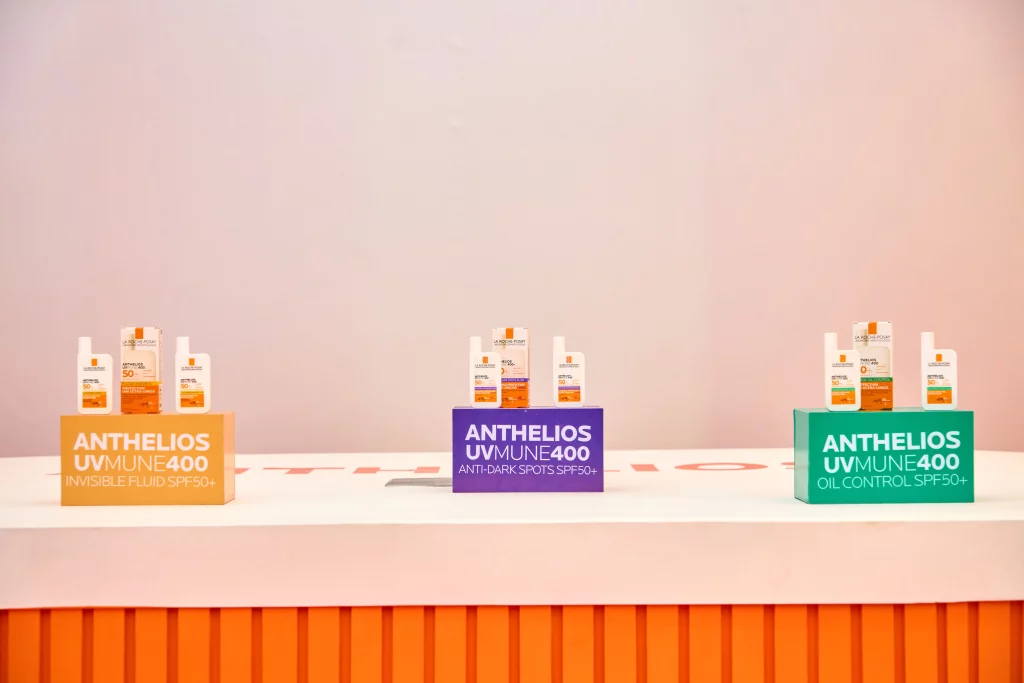
- Anthelios: Showcasing broad-spectrum, zero-white-cast sun protection formulated for tropical climates.
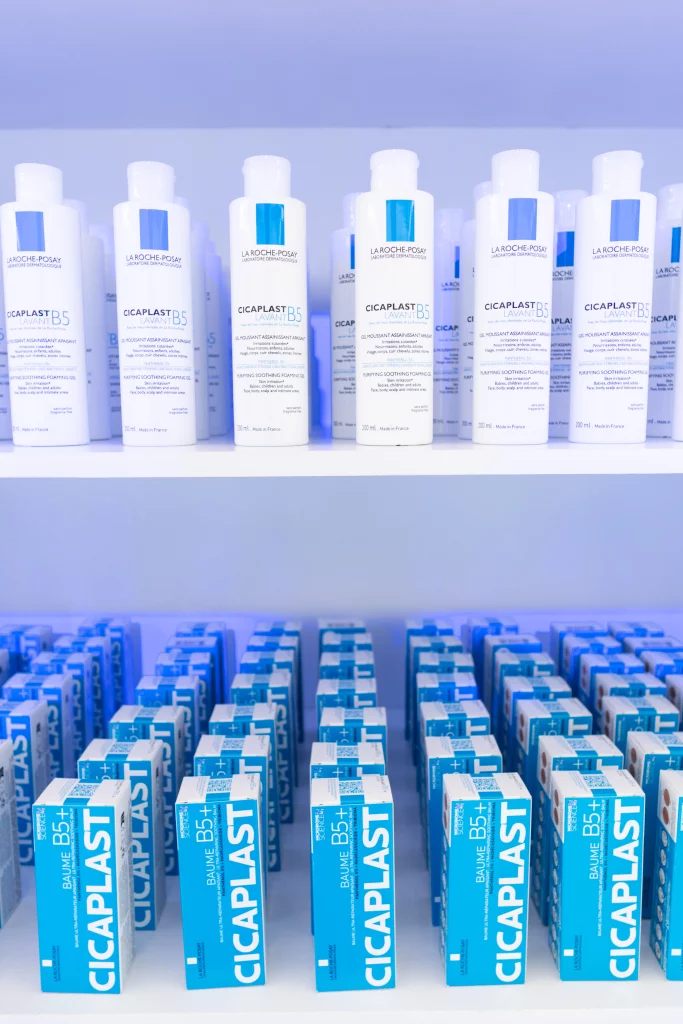
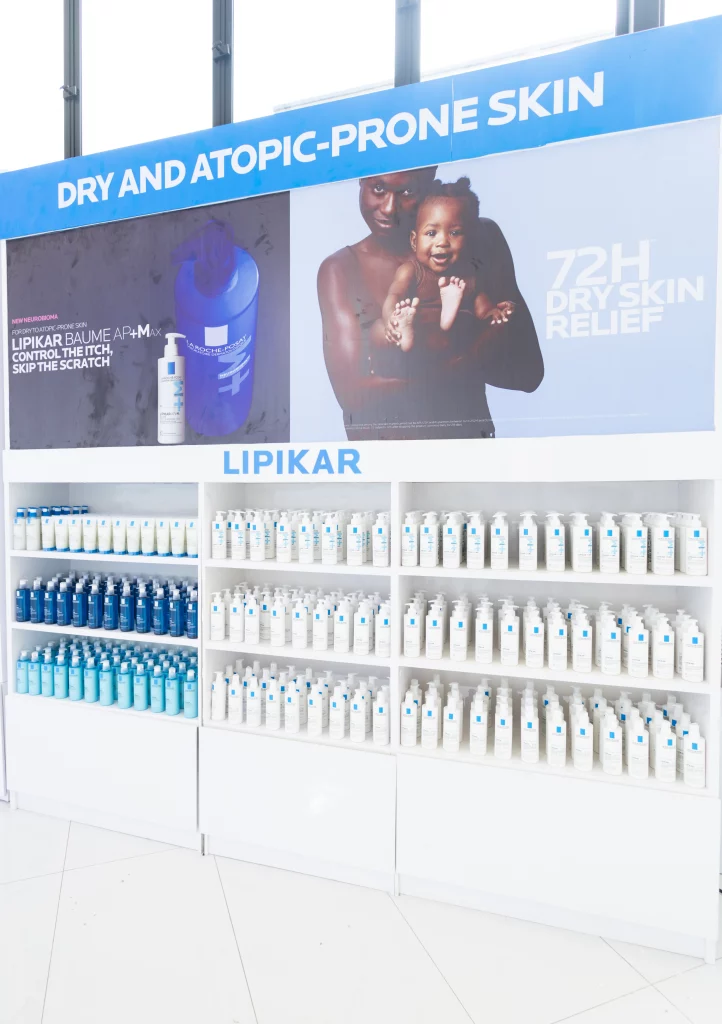
- Cicaplast & Lipikar: Highlighting soothing solutions for damaged barriers, extreme dryness, and atopic-prone skin.
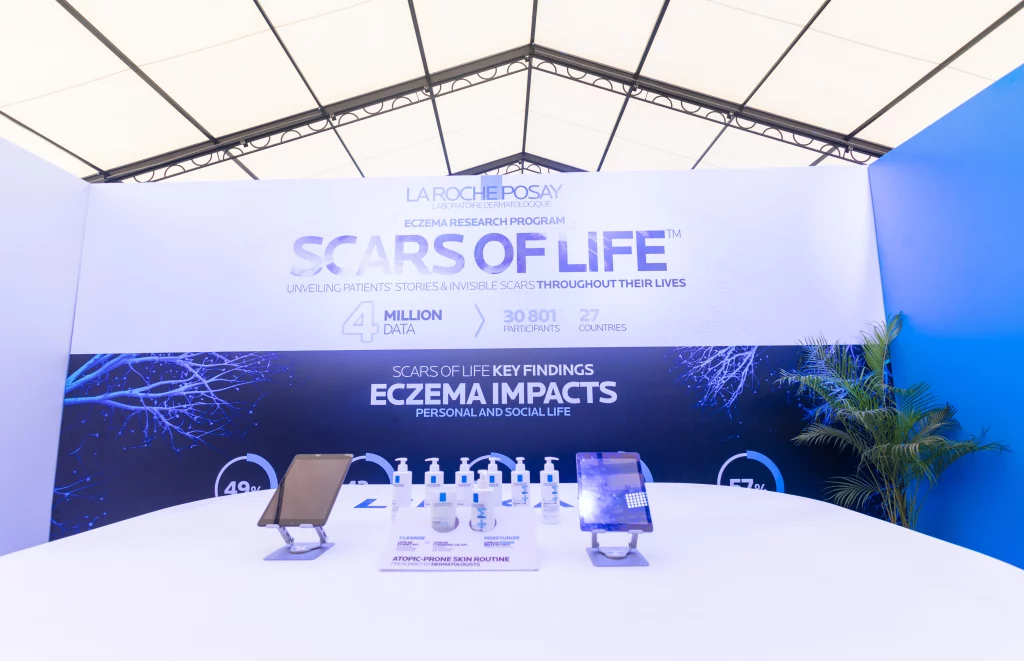
- Scars of Life Cinema: A screening room hosting a documentary exploring the physical and psychological toll of severe skin barriers and atopy.
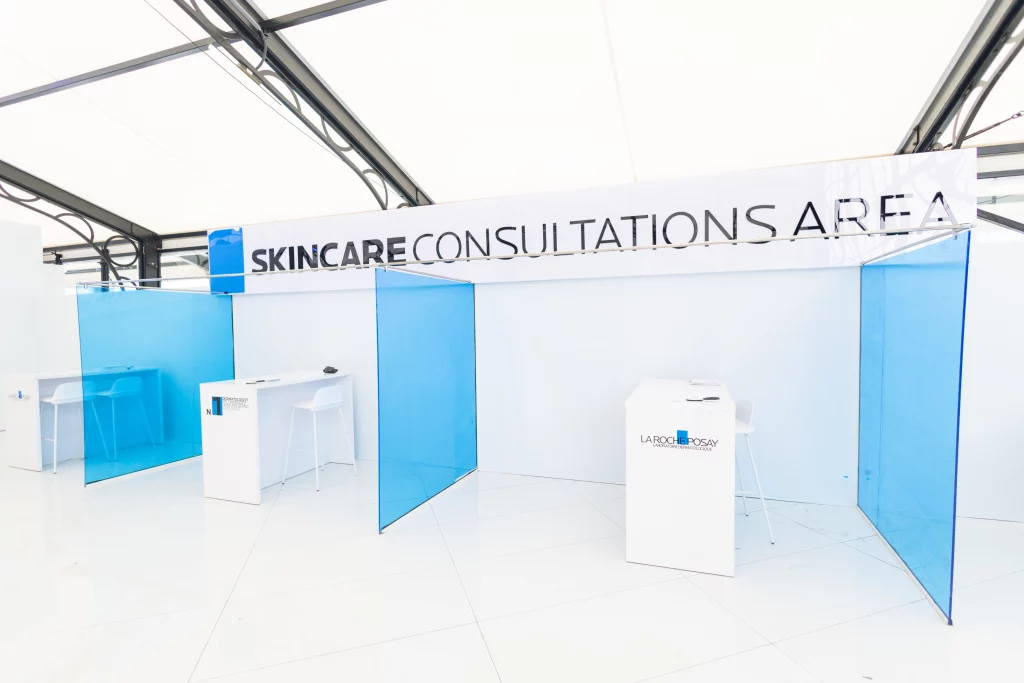
- Free Dermatologist Consultations: Certified dermatologists provided free, one-on-one skin evaluations throughout the morning and afternoon.
- Konga Health Pop-Up Store: An on-site dispensary allowing attendees to shop their newly prescribed regimens with a direct 15% discount.


Why the Living Lab Matters for Lagos
The debut of the Living Lab in Lagos is more than just a brand milestone; it sets a new standard for experiential beauty in West Africa. By demystifying clinical dermatology, confronting the emotional toll of skin conditions, and placing certified doctors at the forefront of the consumer journey, La Roche-Posay has proven that true skin health begins with science, patience, and unyielding empathy.