If the Nigerian government isn’t frustrating Nigerians one way, they’re disappointing them in another. The policies come thick and fast. Before you wrap your head around one, the next is already here and most likely worse than the last.
2025 has seen so many policies that have us suspecting the federal government actually doesn’t like Nigerians. Here are ten of the worst policies Tinubu gifted us this year.
Telecom price hike: Can you help me sub?
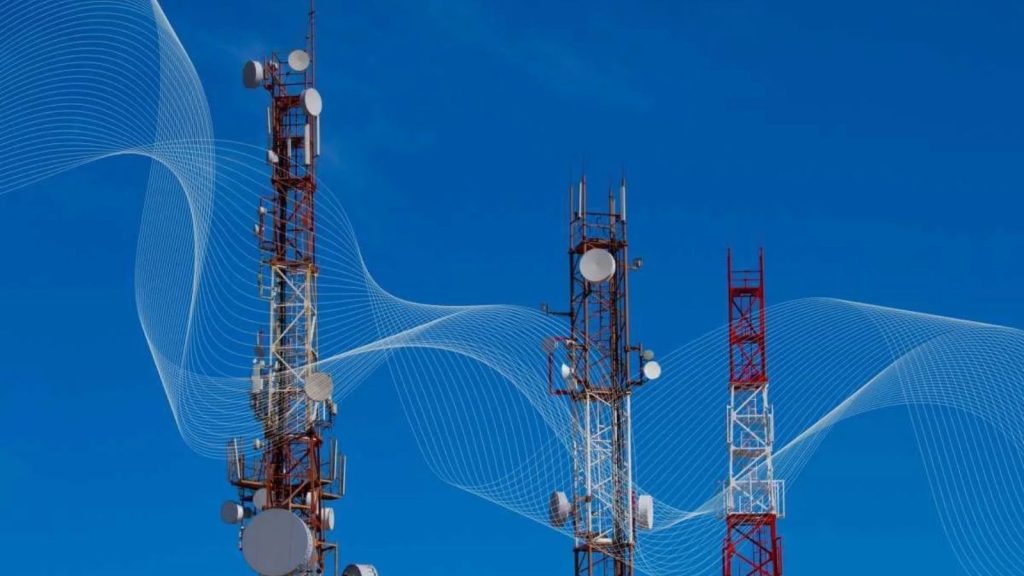
You might have forgotten, so we’re here to remind you that Nigerians actually started the year screaming, and it wasn’t for joy. Our New Year’s present from the Nigerian Communications Commission (NCC) was allowing telecommunication companies to increase their prices by 50%. This was announced on Monday, January 20, 2025.
The Association of Licensed Telecom Operators of Nigeria (ALTON) and the Association of Telecommunication Companies of Nigeria (ATCON) basically told the government they were drowning.
They said they desperately needed to hike prices because the cost of doing business in Nigeria had become too high. They also pointed out that their industry was the only one that had not increased prices since 2013.
According to the telcos, it was either that the prices went up, or the whole industry would collapse. They actually asked the NCC for a 100% increase, but the NCC managed to talk them down to 50%.
Still, this was very bad news for consumers. The Nigeria Labour Congress (NLC) even planned a nationwide protest to fight the hike. But after meeting with the federal government, the NLC called off the plans for the protest.
The hike is so bad, it has resulted in less internet usage for Nigerians as many have simply been priced out. In a country where less than half of the population has access to the internet, this is a big step back. If this is not a bad policy, we don’t know what is.
Shea nut ban: The shea stupidity of it all
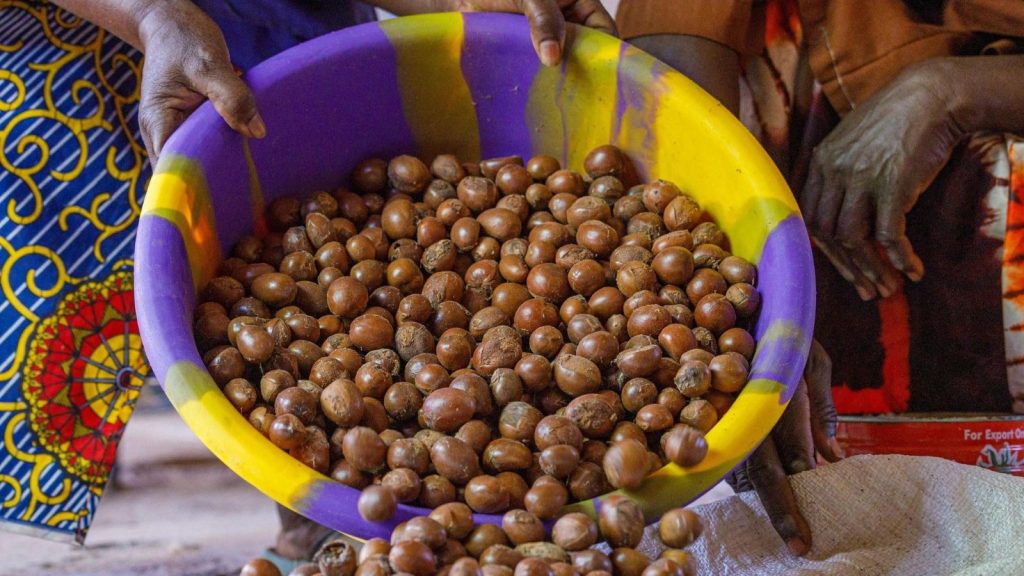
On August 26, 2025, President Tinubu announced an immediate six-month ban on the exportation of shea nuts from Nigeria.
Nigeria is the largest producer of shea nuts in the world. We produce around 40% of the world’s supply. But we don’t have enough processing plants here, so we export the shea nut and import the more expensive finished product, shea butter.
The result is that even though we are the largest producer, we only make one per cent of the $6.5 billion global market.
Tinubu’s concerns were very valid, but as has apparently become customary, his solution was batshit crazy. His immediate ban on exports did not magically lead to Nigeria developing the processing plants. All it did was take away the livelihood of the hundreds of thousands of Nigerians, mostly women, who made their living through shea nut harvesting.
Passport fees hike: If we double the price, will you double your hustle?
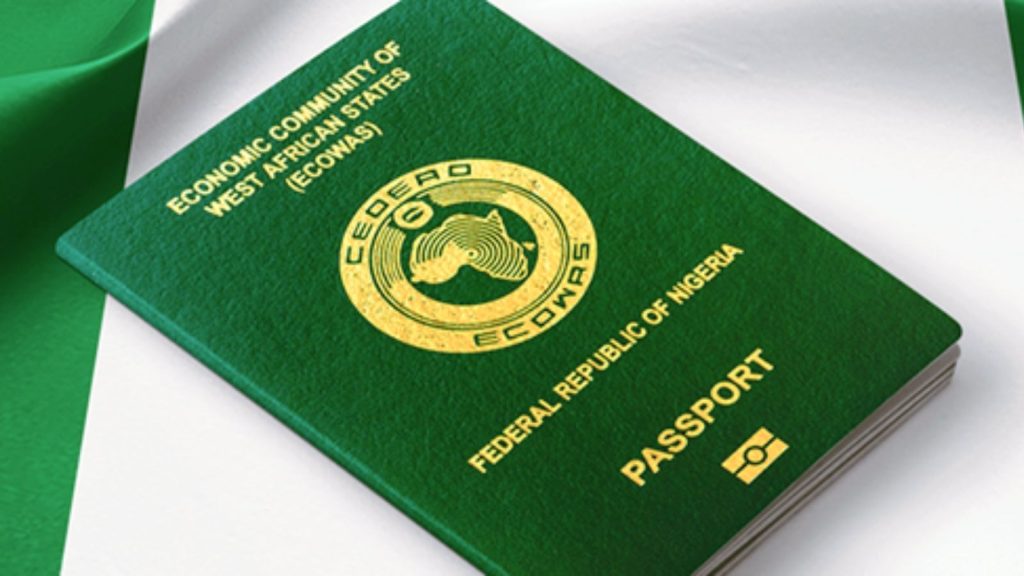
On September 1, 2025, Nigerians were greeted by the Nigeria Immigration Service (NIS) doubling the cost of the national passport. The cost of the 32-page passport, valid for five years, rose from ₦50,000 to ₦100,000. The 64-page passport, which offers a ten-year validity, was also doubled from ₦100,000 to ₦200,000.
The fact that the cheaper option still costs more than minimum wage shows how this government’s policies keep pricing Nigerians out of basic things. It is now a luxury to have a vital means of identification.
APIS $11.5 International flight security levy: Have you considered a road trip?
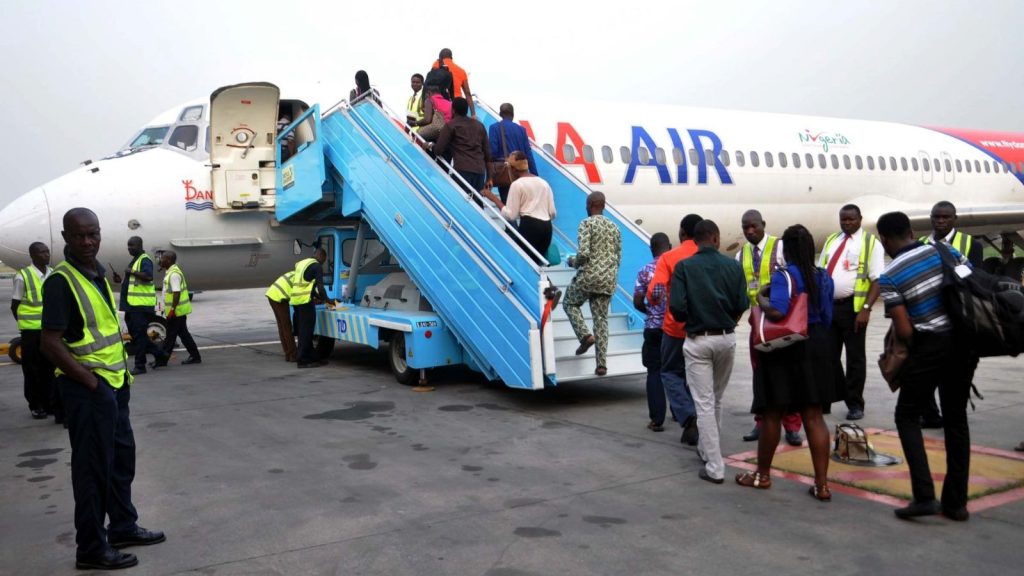
If you manage to afford the doubled passport price and somehow get a visa, the government is waiting for you at the airport. On December 1, 2025, the Nigeria Civil Aviation Authority (NCAA) introduced a new $11.5 Advanced Passenger Information System (APIS) levy.
Aviation stakeholders were very vocal in protesting the new tax. Alex Nwuba, President of the Aircraft Owners and Pilots Association of Nigeria, described the levy as “another blow” to a sector that was already gasping for air.
While APIS is a standard border security system globally, Nwuba pointed out a major difference: most countries actually absorb the cost themselves instead of passing the bill to the passengers.
According to Nwuba, Nigerian travellers are already being squeezed by a mountain of fees, including:
- 5% Value Added Tax (VAT)
- 5% Ticket Sales Charge
- Passenger Service Charge (PSC)
- Security and fuel surcharges
- Airport development levies and navigation fees
So adding the APIS fee makes flying so expensive we may start to see reduced tourism and business travel. Kingsley Nwokeoma, President of the Association of Foreign Airlines Representatives in Nigeria, echoed this frustration, pointing out that in many cases, Nigerians are paying more in taxes and fees than the actual airfare itself.
International flights in and out of Nigeria are already one of one of the most expensive in Africa at about $180 per ticket. And this new tax only made it worse.
New tax reforms: Widen the tax net
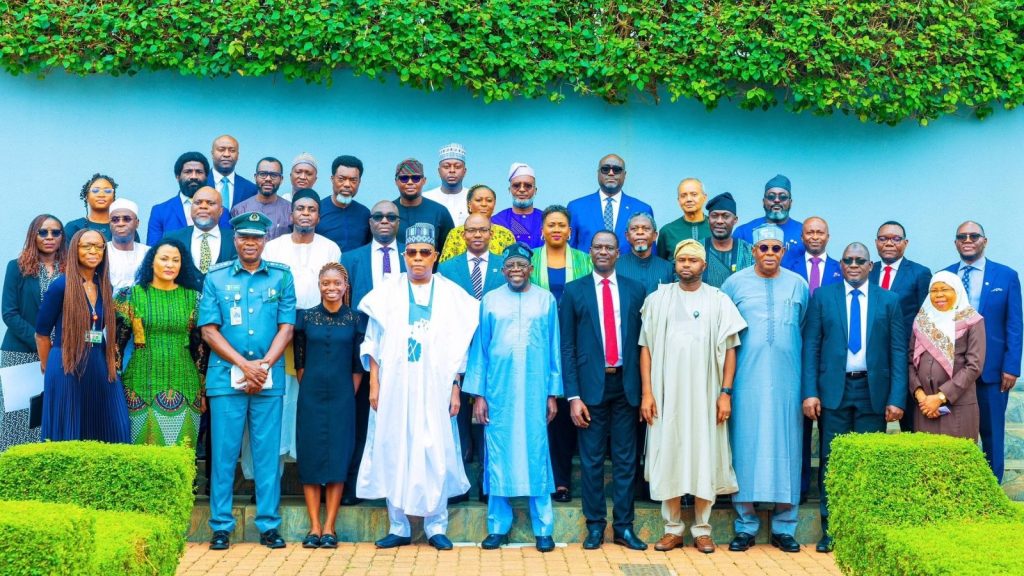
These come in the form of four new tax bills that will take effect from January 1, 2026. The four bills are the Nigeria Revenue Service Act, the Joint Revenue Board Act, the Nigeria Tax Act (NTA), and the Nigeria Tax Administration Act (NTAA).
Tax reform was one of Tinubu’s top priorities. Only two months after he was sworn in, he set up the Presidential Committee on Fiscal Policy and Tax Reforms in August 2023. The committee worked on the bills for a year before presenting them to the National Assembly in October 2024. Tinubu eventually signed the bills into law in June 2025.
The reform is meant to update Nigeria’s tax system to fit our present-day realities. That includes widening the tax net to cover informal industries that were previously difficult to tax. The Federal Inland Revenue Service (FIRS) will be renamed the Nigeria Revenue Service (NRS) and given more powers. The new laws also introduce a progressive tax system, which means the more you earn, the more you pay.
Naturally, Nigerians are very suspicious of the new laws. It is hard to see any tangible developments this government has achieved with the resources it already has. So, it is even harder to trust they will do any better with more taxpayer money.
But Taiwo Oyedele, the chairperson of the tax reform committee, has been on a media tour trying to reassure Nigerians. For example, he claims most Nigerians will not even pay tax because anyone making less than ₦800,000 a year is officially exempt.
Now, the reform bills are more controversial than ever after a member of the National Assembly claimed the version given to the public is actually different from the version the lawmakers read and passed.
Fuel 5% surcharge: Fueling our frustrations
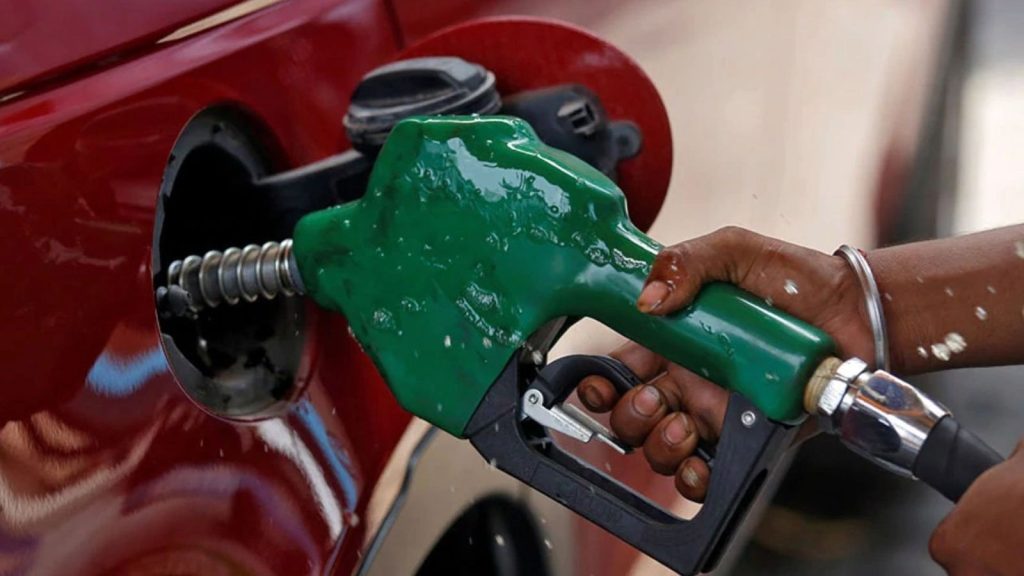
Just when you thought the price of fuel could not get more depressing, the government started thinking about adding a 5 per cent surcharge on every litre.
The surcharge is technically not a new tax. It is included in the Federal Roads Maintenance Agency (Amendment) Act of 2007, but it has not been enforced until now. Including it in the Nigeria Tax Administration Act of 2025 is basically the government’s attempt to bring it back to life. They claim it is necessary to raise funds for transport infrastructure and green energy projects.
But Nigerians understandably hate the idea of fuel getting even more expensive and have been very vocal about it. The Joint Action Front (JAF), which represents pro-worker civil society organisations, has vowed to mobilise Nigerians against the surcharge if the government tries to implement it.
Even the Petroleum Products Retail Outlets Owners Association of Nigeria (PETROAN) have said they will find it “very difficult to obey” if the tax is enforced. Billy Gillis-Harry, the National President of PETROAN, said that if the law is enforced, it could actually force their members to close down their businesses.
The surcharge won’t automatically start on January 1 like the other four tax bills. It needs an official order from the Minister of Finance to happen. But based on how this government has been moving so far, we are already bracing ourselves for the worst.
Tinted Glass Permits: Something for the boys
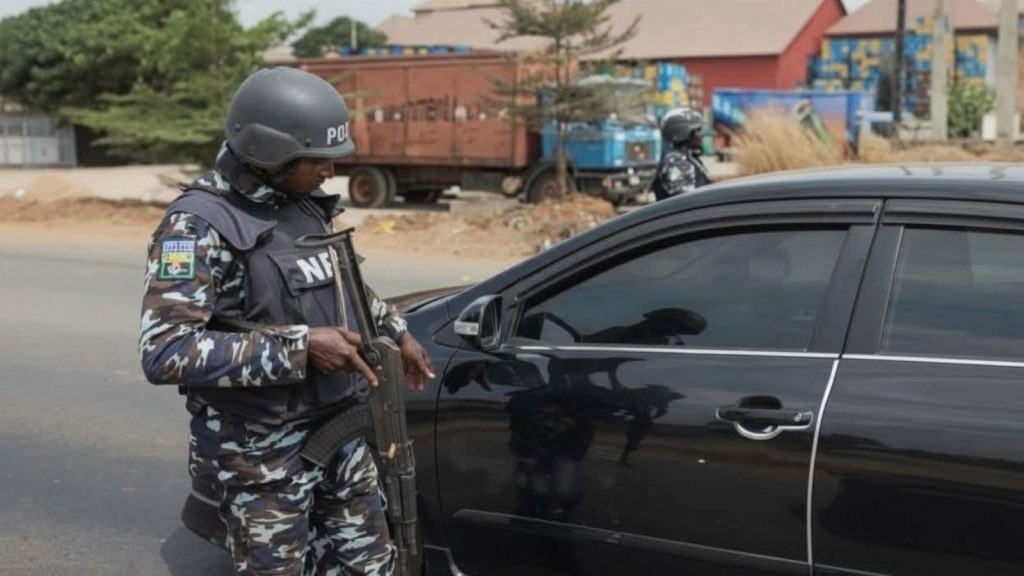
If the Nigeria Police Force fought crime as hard as they have fought to bring back tinted glass permits, Nigeria would be a much safer place.
Back in March 2022, the Nigeria Police Force (NPF) stopped issuing these permits and told officers to stop asking for them during traffic stops. This was a response to constant complaints from motorists about police harassment and extortion.
But by September 2023, just four months into Tinubu’s presidency, the police suddenly changed their minds and announced the permits were coming back. The NPF claims criminals use tinted windows to hide their activities, but with the government in full money-making mode, it feels more like a revenue drive.
At ₦14,200 per vehicle, the police stand to make billions from the millions of cars on our roads. They also seem very eager to seize cars; when enforcement started in October 2025, they impounded over 200 vehicles in just a few days.
The Nigerian Bar Association (NBA) is not having it. They’ve dragged the police to the Federal High Court in Abuja, calling the permit a violation of fundamental rights. Another lawyer, John Aikpokpo-Martins, also sued the police at a Federal High Court in Delta State.
This has led to a confusing “start-stop” drama. In October, after a meeting with the NBA, the Police put their plans to enforce the permits on hold.
But on Monday, December 15, 2025, the NPF suddenly announced that enforcement would resume on January 2, 2026.
Then on Wednesday, December 17, 2025, a High Court in Delta State officially ordered the police to stop the policy across the country until the case is finished.
The back-and-forth between the NBA and the police has been incredibly stressful and confusing for Nigerians. Right now, Nigerians do not know if they should pay for the permits or just wait. Hopefully, we get a final answer in the new year.
Free-on-Board 4% levy: You will like local brands
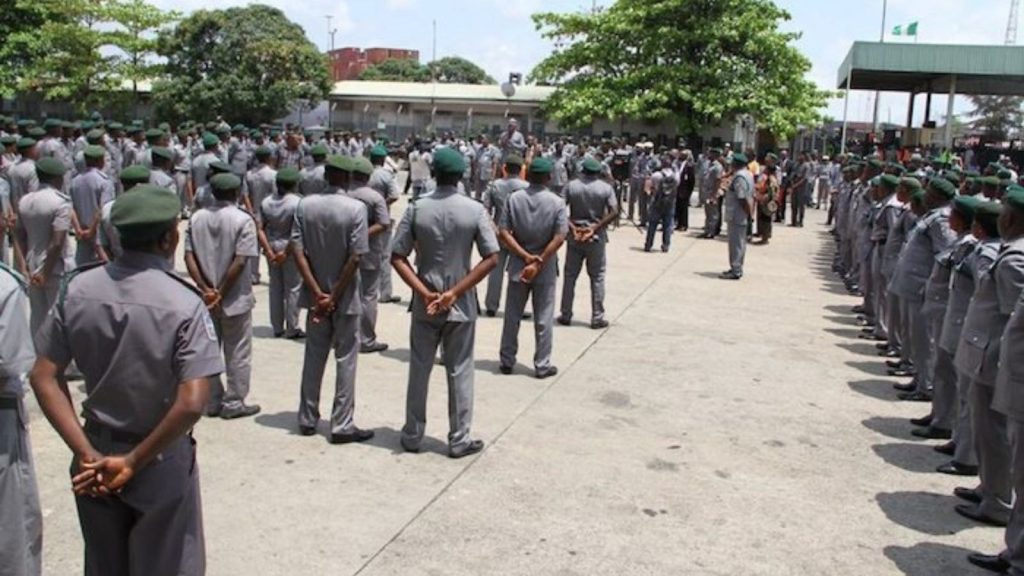
While the police are busy with tinted permits, the Nigeria Customs Service (NCS) is fighting to bring back a 4 per cent Free-on-Board (FOB) levy on imports. This levy is a 4% tax on the FOB value of goods, which was tucked into the Nigeria Customs Service Act of 2023.
To put it simply, the FOB value includes the cost of the item plus all the transport expenses incurred before it even arrives at a Nigerian port. Stakeholders in the import business have really been pushing back against the levy.
Car dealers claim this levy could as much as triple the cost of clearing a single vehicle with customs. Since these huge extra costs are passed straight to the consumer, it makes imported goods like cars a luxury that only the richest Nigerians can afford.
The Nigeria Employers’ Consultative Association (NECA) even estimates that this levy will add ₦2.84 trillion to total import costs, which basically means higher prices for everything, deeper poverty, and less investment.
The NCS tried to start collecting this tax at the beginning of the year, but paused after serious public backlash. However, in June 2025, the Senate hiked the Customs revenue target from ₦6.584 trillion to a whopping ₦10 trillion. With that much pressure to find money, the Service announced that the levy was coming back.
Manufacturers and importers begged for a delay until at least December 2025 to prepare themselves for the levy. Well, the year is almost over, and it looks like we will definitely be talking about this headache again in 2026.
New Education Curriculum: Teacher, don’t teach me nonsense
In September 2025, the Federal Government announced a newly revised curriculum for basic and senior secondary schools.
For a long time, people had criticised the old curriculum for being stale and out of touch with what students actually need. Because of this, the revision was initially welcome, especially since it brought History back to the classroom.
But this government is so talented at stressing Nigerians that it took a potentially good policy and turned it into a massive headache.
While the curriculum definitely needed an update, it is a delicate process that should not have been rushed. Unfortunately, that is exactly what the Ministry of Education did, and the result was total confusion for students, parents, schools, and exam bodies.
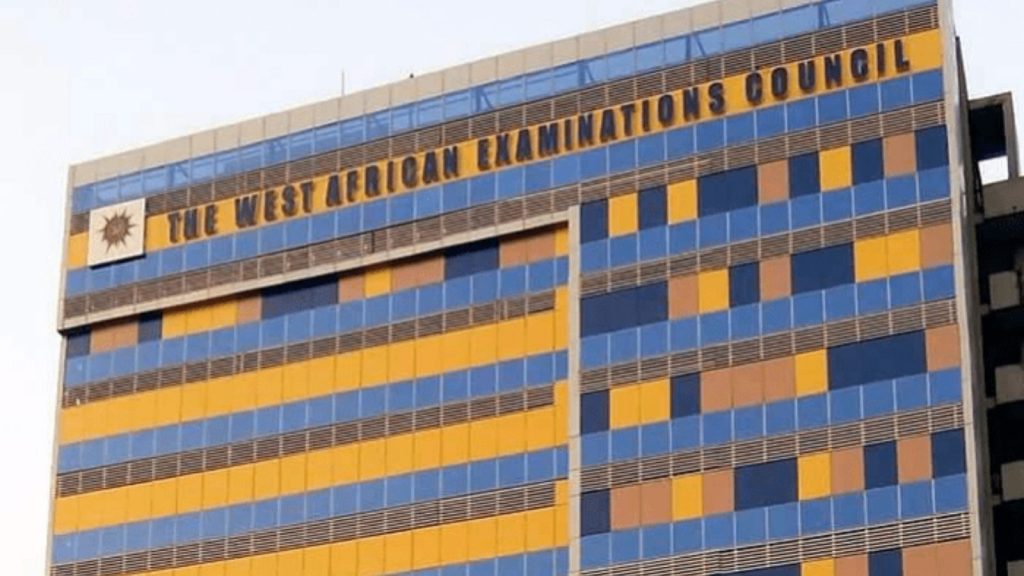
In November, everyone was shocked to find out that current Senior Secondary School 3 (SS3) students would have to write exams on these new subjects for the West African Examinations Council (WAEC) in 2026. This is after these students had already spent the last three years of their lives studying a completely different set of subjects under the old system.
Fortunately, the Senate has stepped in to try and stop this disaster. On December 9, 2025, Senator Sunday Karimi moved a motion to summon the Minister of Education, Dr Tunji Alausa, and the Head of the National Office of WAEC, Amos Dangut, to explain what was going on. Karimi warned that if nothing was done, the country would be looking at a “mass failure.”
Supporting the motion, Senator Adams Oshiomhole said the move looked like the usual habit of Nigerian policymakers rushing to implement ideas without doing the groundwork. He pointed out that we cannot just wake up, think of an idea, and start implementing it immediately. In his words, “We should not plan in a way that will embarrass us as a nation.”
The Senate President, Godswill Akpabio, asked the Senate Committee on Basic and Secondary Education to meet with the Minister and report back in two weeks.
We are honestly amazed at how the federal government could badly botch a good policy and create so much stress out of something that should have earned them praises.
The 2025 Budget is the biggest ever: Where una dey see this money?
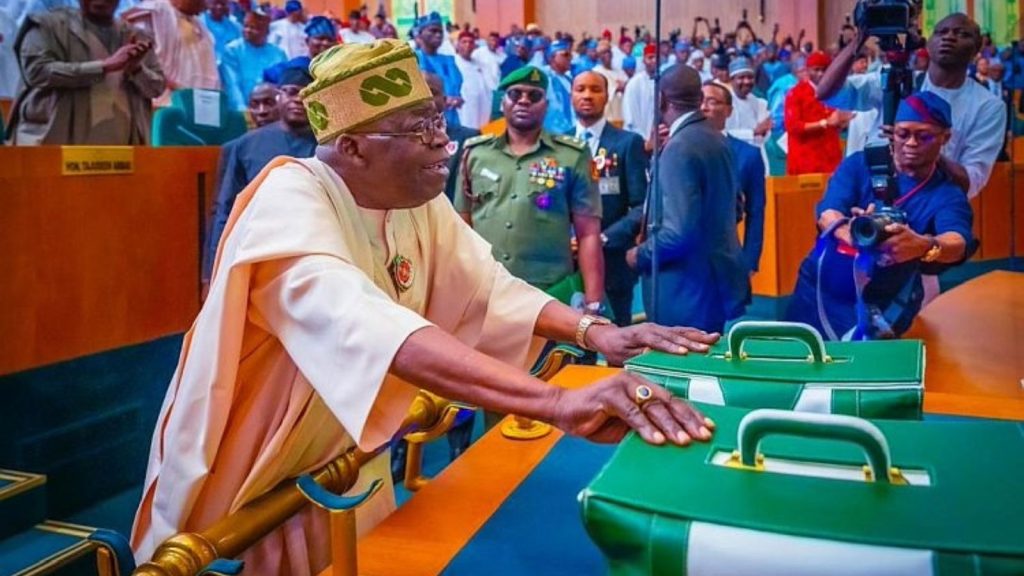
On Thursday, February 13, 2025, the National Assembly approved the 2025 budget.
Initially, a ₦49.7 trillion budget was proposed. But Tinubu said he’d done the maths and based on revenue projections from government agencies, Nigeria could afford a ₦54.99 trillion budget. It is the biggest we’ve ever had and is almost double the 2024 budget of ₦27.5 trillion.
By July, the International Monetary Fund (IMF) was already warning Tinubu that he had miscalculated his revenue and needed to revise the budget. Crude oil wasn’t selling at the price the government had planned on, so we couldn’t afford our extremely large budget.
This particular policy might be the worst one because it basically inspired a bunch of taxation policies and fee hikes that have really hurt Nigerians this year and will continue to do so in 2026.
Let the poor breathe
Nigeria is a poor country. That is just the fact. The majority of the population lives in multidimensional poverty. So asking for the poor to breathe is to ask for Nigerians to breathe, and for Nigeria as a country to breathe. Policies that hurt the poor hurt the majority of Nigerians and choke Nigeria as a whole.
When Tinubu spoke those words, “let the poor breathe,” one would have thought he understood this. But 2025 has shown he doesn’t. Policies that dip the government’s hands into the pockets of a poor population and take what little they have are anti-people.
Endless taxes, hiking consumer services, banning the source of people’s livelihoods before creating alternatives, and releasing convicted criminals while insecurity is rampant are anti-Nigerian policies. Will 2026 be any better?
If there’s one thing we’ve learned in 2025, it’s that this government really doesn’t like Nigerians.
Before you go, help us understand how you and other young people feel about the 2027 general elections by taking this 10-minute survey.
Ever had a moment where Nigeria’s systems made life harder—or unexpectedly easier? We want to hear about your personal experiences that reflect how politics or public systems affect daily life in Nigeria. Share your story with us here—we’d love to hear from you!