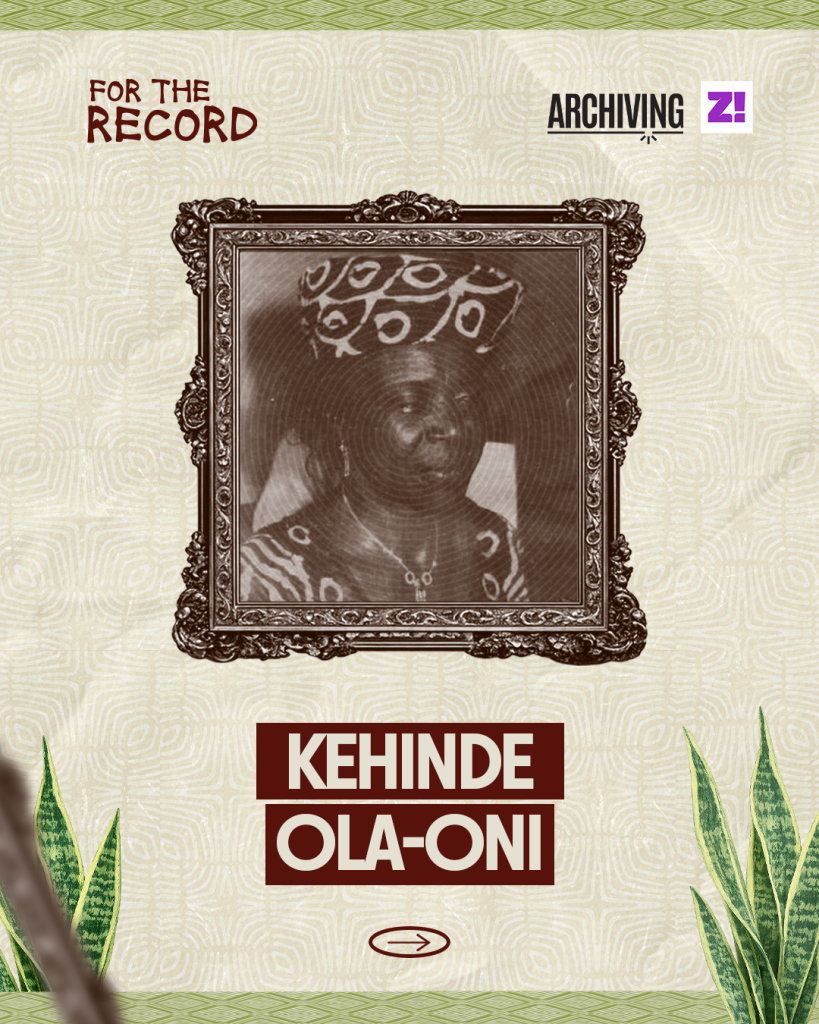
Nigeria’s democracy is the result of years of struggle and immense cost, yet many remain unaware of how central left-leaning women were to that journey; women in groups like Women in Nigeria and the Action Women of Nigeria, under the leadership of Kehinde Ola Oni.
Yet, for so long, Kehinde’s story in mainstream media has been reduced to being the wife and widow of the late political left activist Comrade Ola Oni. Despite her being an activist and leader in her own right, with her own political philosophy and ideological leanings.
Born on the 30th of July, 1943, in Ibadan, Kehinde was involved in sports alongside groups like the Thrift and Credit society, participating in beauty competitions and fashion shows.
In the 1960s, she began working with Chief Fani Kayode, then Deputy Premier of the Western Region and Minister of Local Government Affairs. This era of her career exposed her to the reality of women’s restrictions in Nigeria’s political space.
In a report by The Centre for Development and Population Activities (CEDPA) on women in politics, Kehinde called out what she saw:
“I saw many women around the House of Assembly. Men used them during election campaigns, but I never saw any of them emerge as women leaders.”
That gap, between emerging leaders and only being mobilised for campaigns and how unfairly people in rural areas were treated, made her decide to go into political activism in 1992.
Joining the Women in Nigeria (WIN), a highly intellectual and politically active feminist organization during the military rule after Nigeria’s third republic, Kehinde served as the coordinator of the Oyo state chapter and the national membership secretary. Combining research, advocacy and grassroots mobilization in a period marked by tight political constraints, WIN organized workshops, policy engagements and public discussions on women in politics through which they stood staunchly opposing tokenism.
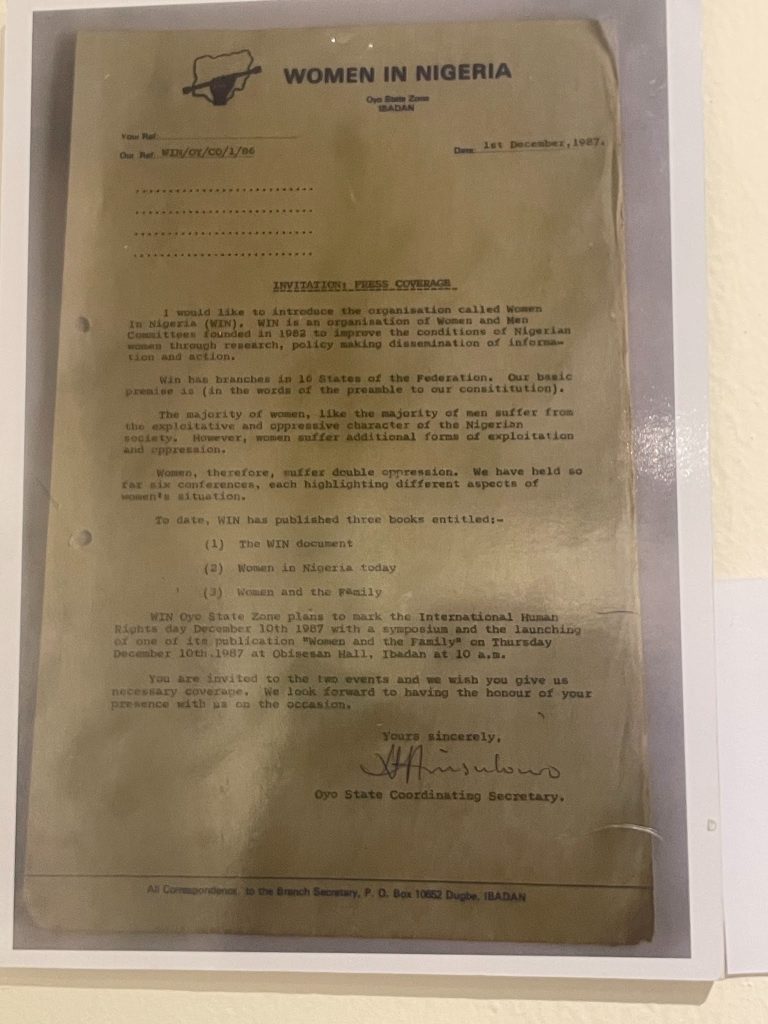
After serving two terms in WIN, Kehinde became burdened with a question: how could she take everything she had learnt in an intellectual organisation and take it all the way down to the grassroots? To market women, to community leaders, to the people most removed from political decision-making? Her answer led to the formation of The Action of Women in Nigeria (TAWN).
TAWN’s primary goal was political education aimed at ensuring women in the grassroots knew their rights and worked to protect and project them. Through workshops, community engagements, and direct outreach, they were able to reach local people, market women and leaders, and community leaders.
A significant influence on TAWN’s approach was 1995’s Fourth World Conference on Women, which shaped their preliminary research and established methodology. TAWN’s ten-year goal was that by 2025, women would become mainstream in decision-making bodies. Also significant was the workshop sponsored by the Women Development and Leadership Group (WODEL), which brought together women politicians, activists and youths to educate them on election processes and how to identify and support capable leaders.
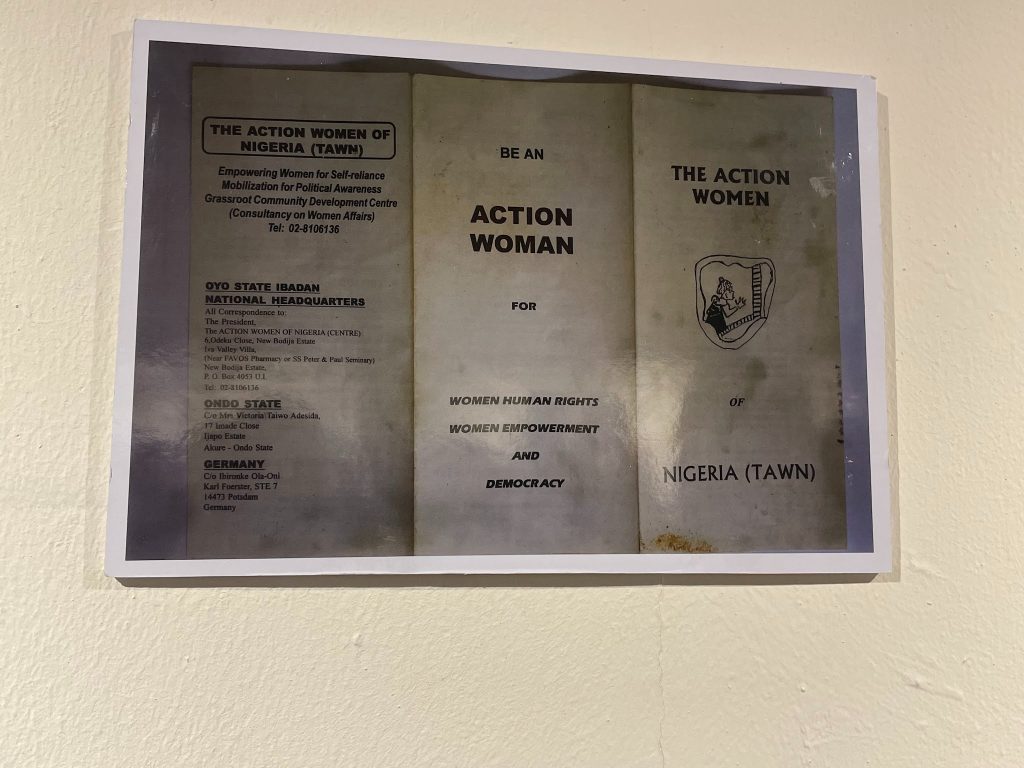
Kehinde’s feminism, situated within a Marxist lens, acknowledged financial limitations and restrictive social expectations, and saw her lead a community of women who facilitated Nigeria’s pro-democracy struggle. Her unflinching philosophy was without trust and collective backing, even the most capable women struggle to succeed.
Her activism for women was also remarkably non-puritan. She did not romanticise the women’s movement but offered a candid critique of its internal weaknesses: rivalry, jealousy, and fragmentation, which served as persistent obstacles to collective progress.
In a 1998 interview with P.M. News journalist Joke Jacobs, she described the granular work of TAWN’s workshops in her own words:
“We gathered all the women politicians, activists, men, women and youths together to sensitize them as regards the election processes, the way to mobilize people and select useful leaders. The agenda is that women must rally round themselves both morally and financially.”