The terrorists, bandits, and kidnappers in Nigeria are not afraid to flaunt their weapons and ransom cash on social media. They post videos of hostages begging their families and friends to pay for their release, all in the full glare of the public.
It honestly feels like you’re almost as likely to see them on your timeline as you are to see streamers and influencers. Anyone who has come across their posts must have, at one point or another, asked a crucial question: How are they getting away with this, and how has their online presence not yet led the government to track and arrest them?
Why is there a terrorist on my feed?
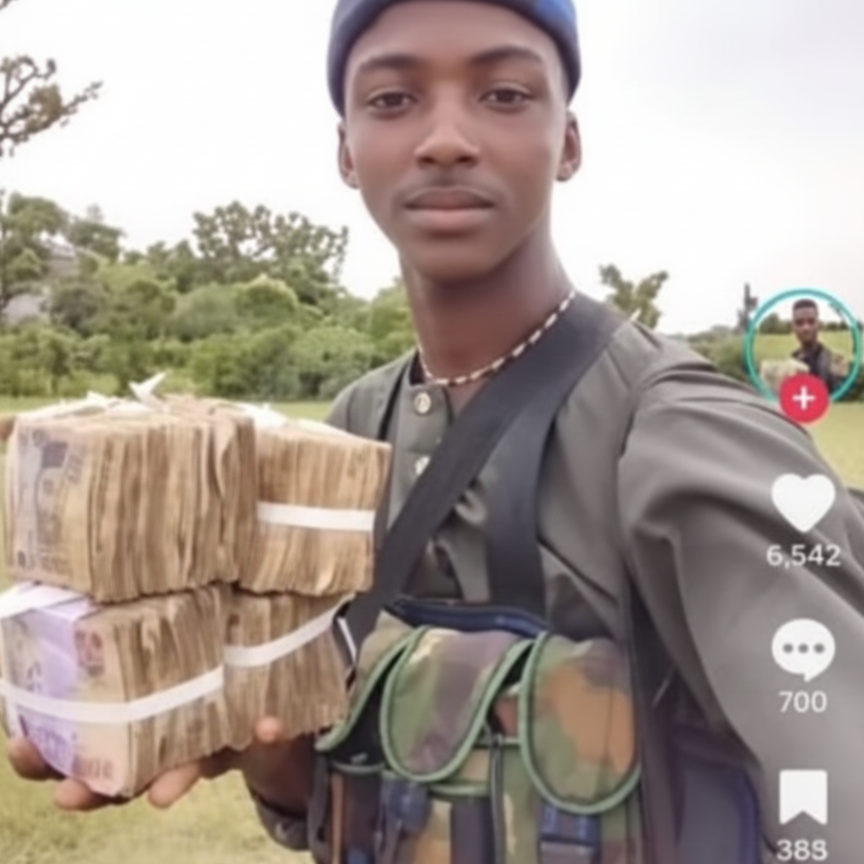
You open up your favourite social media app for another doomscrolling session, and instead of another silly argument on X or cute dance videos on TikTok, you see something very different. It’s men in faded khakis with machine guns, counting massive stacks of cash.
These men are terrorists, bandits, or kidnappers and the cash is ransom money. So you’re probably thinking, “I shouldn’t be seeing this. It does not belong on this platform,” but you open TikTok again another day, and it’s there; you don’t want it to be, but it just is. That is the bizarre reality we are living in Nigeria. Terrorists and bandits have decided that kidnapping and mass murder are not enough; they now need to be content creators.
But why do they feel the need to rub their crimes in our faces?
Everyone’s an influencer now… even terrorists
If you think the terrorists posting videos on social media are out of place amongst your favourite influencers, you are dead wrong. They are influencers too, just with different goals in mind.
Social media may be a new platform, but terrorist groups have, for a long time, used mass media to publicise their activities. This is because it allows the world to know what their motivations are. Most importantly, it is a great job advert.
We have previously discussed how extremist groups in Nigeria use money to recruit soldiers from poor communities. Like in early 2025 when the terror group known as Lukarawas offered ₦1 million to new recruits. The terrorists of Nigerian TikTok are showing off their cash because they want potential recruits to see just how much money they too can make if they join their ranks. The goal is to turn their crime into a successful brand.
To the poor and desperate youths in the Northern parts of Nigeria, where there is little education and few options, these videos advertise crime as a rewarding career path.
During the “End Bad Governance” protests in August 2024, a bandit posted a TikTok video asking the protesters to send him their account details.
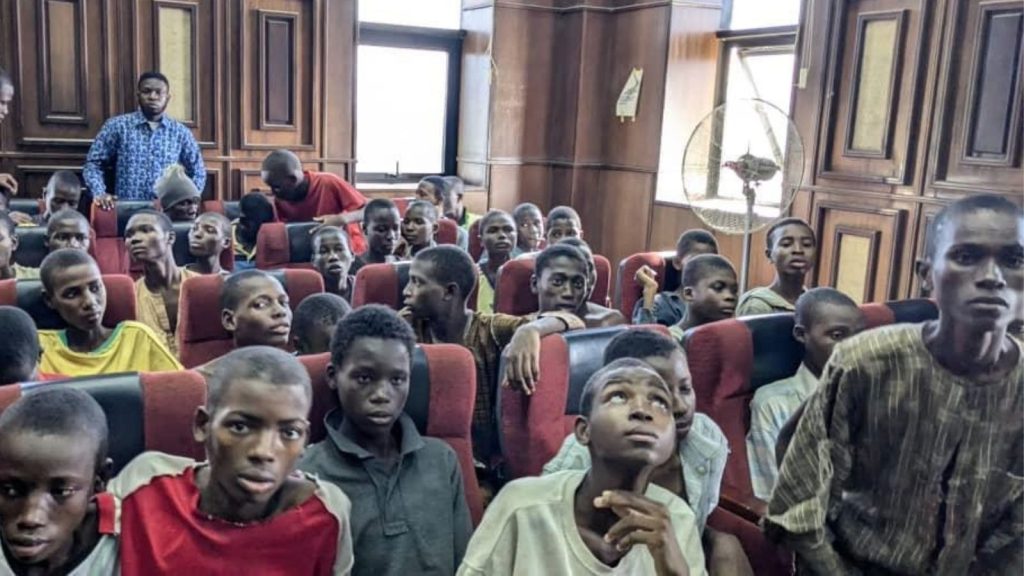
At the end of the protests, which were sparked by widespread hunger, the Nigerian government charged a group of minors with treason for taking part in the protest. Treason carries the death sentence. So for those poor boys, the option becomes: die protesting your hunger, or join the extremists in the forests, counting cash.
In all the madness, there are two nagging questions: Why are the terrorists so bold, and why can’t the government use their digital footprints to track and arrest them?
Where did you buy your audacity?
These extremists appear in these videos barefaced, completely unafraid of being identified. Security experts believe it is a deliberate strategy to show the government just how fearless they are.
Basically, they are saying there is nothing the government can do about it. And so far, the Nigerian government is proving them right. So, if you are asking where they bought their audacity, the answer is that the government sold it to them.
The one group of influencers the government can’t dox
Government mouthpieces who have spoken on the issue seem to want us to believe that the problem is technical.
Special Adviser to the President on Policy Communication, Daniel Bwala, has said that terrorists operating online cannot be tracked because they do not use local internet service providers. According to Bwala, Nigerian security agencies can easily track local internet users because there are regulatory bodies that maintain a database of citizens and their phone numbers. But he claims the terrorists use Elon Musk’s Starlink satellite network, and that makes it impossible for the Nigerian government to track them.
Too many Nigerians have had the harrowing experience of negotiating a loved one’s release over the phone with kidnappers. Well, the Minister of Communications and Digital Economy, Bosun Tijani, says the bandits’ phones cannot be tracked either. Tijani claims they are especially hard to track because they use special technology to bounce their calls over multiple cell towers.
We can’t track them… except when we can
We might have bought Bwala and Tijani’s stories if this government could keep its story straight.
In November 2025, armed men invaded a church in Eruku in Kwara state and kidnapped 38 worshippers. Days later, the worshippers were released. During an interview with Arise News on November 24, presidential spokesperson, Bayo Onanuga, said that the federal government had made contact with the kidnappers and demanded they release the hostages or face consequences.
He said, “They made contact with the bandits to secure the release of the captives. Our security agencies have systems for tracking these criminals, which allow them to monitor developments in real time.”
So which is it? Can the government track these criminals or not?
According to Onanuga, the kidnappers released the hostages because they were afraid of the force the government would come down on them with if they continued to hold them. There is so much to unpack in that statement.
Why did the government get involved in that particular case and not others? Why is the government allowing armed groups to go scot-free after releasing hostages? Aren’t they just going to find another group to kidnap?
We have so many questions.
No more excuses
Whatever the technical limitations that are preventing the government from tracking and neutralising these violent extremists, it should be a priority to fix and address them.
Upgrading the digital capabilities of our security forces must be top of the agenda for any spending on defence. We need more than excuses from this government. We need solutions. We need answers. We need a safer Nigeria. And we need it now.
But if we’re going to get them, we have to demand it. We have to be loud and clear that we are not buying excuses anymore. We want to see results and we want to see action.
Before you go, help us understand how you and other young people feel about the 2027 general elections by taking this 10-minute survey.
Ever had a moment where Nigeria’s systems made life harder—or unexpectedly easier? We want to hear about your personal experiences that reflect how politics or public systems affect daily life in Nigeria. Share your story with us here—we’d love to hear from you!
Click here to see what other people are saying about this article on Instagram