• On October 16, 2020, the National Economic Council recommended that the 36 states of the federation set up judicial panels of inquiry to investigate cases of police brutality by members of the disbanded Special Anti-Robbery Squad (SARS). Since then, state governments have established judicial panels to investigate cases of police brutality within their states.

    1. ABIA STATE

    On October 23, the Governor of Abia State, Okezie Ikpeazu, inaugurated a 17-man judicial panel of inquiry to investigate allegations of extrajudicial killings and brutality by security agents in the state. The chairman of the panel was Justice Sunday Imo, who was a retired Chief Judge of Abia State.

    The Governor said that the panel should investigate killings of extrajudicial killings by the men and members of the Police Force and those of other security agencies, from 2015 to date; investigate all forms of police brutality, extortion and intimidation from 2015 to date; ascertain the immediate and remote causes of #EndSARS protest and other grievances associated with it.

    The Governor mandated the panel to submit its report within 12 weeks. On July 6, the Abia State Judicial panel of inquiry submitted its 5-volume reports to the Governor of Abia State. The panel recommended over #511 million as compensation to victims of police brutality. Justice Imo declared that the panel received 86 petitions and 46 went through full hearing while the remaining were struck out.

    2. ADAMAWA STATE

    On October 20, Governor Ahmadu Umaru Fintiri Adamawa state approved the establishment of the eleven-member judicial panel to look into the alleged brutality by the Special Anti-Robbery Squad (SARS) in Adamawa State.

    The Judicial Panel of Inquiry was headed by Justice Adamu Hobon (Rtd), and members of the panel constituted members of the judiciary, civil society organisations, security, youth and religious and student organisations.

    The panel’s job was to receive and investigate complaints on police brutality or related extrajudicial killings, evaluate evidence and establish the nature of the abuses. The panel was also to establish whether there are people wrongly charged with crimes currently in custody, find out the reasons why they are in custody, find out whether they have been arraigned in court and establish how many have died in custody.

    3. AKWA IBOM STATE

    On October 20, the Akwa Ibom State Government set up a judicial panel to investigate complaints of police brutality, human rights violations and extrajudicial killings in Akwa Ibom state.

    The panel was created after the State Executive Council meeting and was headed by Justice Ifiok Ukana (Rtd) and was made up of other youth representatives, student leaders, and other members from the Ministry of Justice, human rights commission and civil society organisations.

    The panel received 143 petitions, and 28 were about extrajudicial killings and complete disappearance of suspects and death of persons in custody and 22 showed neglected litigations. 85 cases were on human rights cases and over 380 people testified at the panel. The panel submitted a report on 23rd July and its report was in four volumes.

    3. ANAMBRA STATE

    On October 16, 2020, the Anambra State Governor, Willie Obiano, set up a judicial panel of inquiry to investigate the allegations of human rights abuses by the Special Anti-Robbery Squad (SARS) in the state. The panel was headed by retired Justice V.N Umeh, and it was made up of 20 members. The panel was expected to submit its report within 30 days.

    On February 13, 2021, five youth members of the judicial panel of inquiry resigned, claiming that the Anambra State Government had totally ignored the panel and the government had no regard for the victims of human rights violations, police brutality, extortion and extrajudicial killings in the state. The resigning members claimed that infamous SARS units like the Special Anti-Robbery Squad, Awkuzu and numerous other police outfits were still operating in the state.

    The police officers of the Special Anti-Robbery Squad shunned the invitations of the Anambra State Judicial Panel, even though many petitioners complained of police brutality.

    4. BAUCHI STATE

    On October 28, 2020, the Bauchi State Governor, Bala Mohammed, inaugurated a 17-man panel of inquiry into alleged human rights violations by officers of the Special Anti-Robbery Squad of the Nigerian Police Force. At the inauguration, the governor stated that the panel was set up to address the violation of citizens’ rights in the state by receiving complaints and petitions from the public, identifying the culprits and proffering recommendations to the government.

    The panel was headed by Justice Habibu Idris and the panel was mandated to submit its report within six months.

    5. BAYELSA STATE

    On October 21, 2020, the Governor of Bayelsa State, Duoye Diri, constituted a judicial panel of inquiry through a state radio broadcast. The Bayelsa State Government set up the panel in response to the demands of the #EndSARS protesters in the state.

    The Bayelsa State panel of Inquiry was headed by Retired Justice Y.B. Ogola and the panel were given six months to complete its assignment.

    The panel received 50 petitions and it recommended the prosecution of 11 police officers, the demotion of four police officers and the demotion of one police officer. The panel also awarded ₦21 billion as compensation to the victims of police brutality in the state. Eight cases were struck out at the panel and two were adjourned.

    6. BENUE STATE

    On October 21, 2020, the Benue State Government set up a judicial panel of inquiry to investigate cases of human rights violations, police brutality and extrajudicial killings in the state. The panel was headed by Justice Adam Onum, and the governor declared that the panel was to submit its report within six months.

    The panel entertained many petitions including that of a 34-year old man, Terfa Gundu, who alleged that the police poured petrol on him.

    The panel has not submitted its report to the Benue State Governor.

    7. BORNO STATE

    Borno state did not set up a judicial panel of inquiry in the state. Officials of the state claimed there were no cases of police brutality in the state.

    8. CROSS RIVER STATE

    On October 22, 2020, the Cross River State Government set up a judicial panel of inquiry to investigate the allegations of police brutality by members of the Special Anti-Robbery Squad. The panel was headed by Hon. Justice Michael Edem.

    However, just a few days after the composition of the panel, members of the civil society in Cross River State complained about the composition of the panel, stating that the panel was not diverse enough. Many observers concluded that the panel was cherry-picked and the selection process was not transparent.

    On November 11, 2020, the Cross River State panel adjourned due to “technicalities” about whether the panel had the power to investigate the police. The panel had received 39 petitions by the time it adjourned.

    9. DELTA STATE

    On October 19, 2020, the Delta State government formally inaugurated an eight-member panel of inquiry to investigate the allegations of police brutality and extra-judicial killings in the state. The panel was headed by Justice Celestina Ogisi (Rtd) and Omamuzo Erebe was the panel’s secretary.

    On July 9, 2021, the Governor of Delta State, Sen. (Dr) Ifeanyi Okowa received the panel’s report. The Governor said that the Delta State Government will consider and implement the decisions of the panel, and that the state would do its best to support victims of police brutality and extra-judicial killings in the state.

    The Delta State judicial panel of Inquiry received 86 petitions and it heard 49 cases while 37 were struck out. The panel recommended the payment of compensation to victims of police brutality in the state.

    However, some human rights activists in Delta State claim that the Delta State government has not implemented the report and that there would be a procession to mark the one year anniversary of the #EndSARS protests if the government did not implement the report.

    10.  EBONYI STATE

    On October 20, 2020, the Ebonyi State government set up an eight-member judicial panel of inquiry against police brutality, extra-judicial killings and human rights abuses in the state. The panel was headed by Justice Alloy Nwankwo.

    The panel received 71 petitions and recommended the payment of ₦189 million to victims of extrajudicial killings in the state. The chairman of the panel also stated that security agencies involved in extrajudicial killings in the state were recommended for sanctions.

    11.  EDO STATE

    On October 19, 2020, the Edo State government set up a 12-man judicial panel of inquiry to receive complaints from the public about police brutality in the state and to recommend measures for compensation of victims of police brutality in the state. The panel was given 90 days to complete its assignment and the chairperson of the panel was Hon. Justice Ada Ehigiamusoe.

    After nine months, the Edo State Judicial Panel of Inquiry on Police Brutality submitted its report. The panel received 170 petitions, and it recommended the payment of compensation to the victims of police brutality in the state.

    12.  EKITI STATE

    On October 19, 2020, the Ekiti State government set up a 10-member judicial panel to look into cases of police brutality and extrajudicial killings in the state. The panel was headed by Justice Cornelius Akintayo.

    Three months after the panel was set up, the panel recommended over ₦1.5 million as compensation to six petitioners, including four policemen whose properties were violated during the #EndSARS protests.

    In March 2021, the Ekiti State government presented ₦7.4 million to victims of police brutality in Ekiti State, following the recommendations of the Ekiti State Judicial Panel on Police Brutality.

    The Ekiti State government formally received the report of the panel, and it promised to pay another ₦13.8 million to 28 victims of police brutality in the state. The Governor also promised to implement the recommendations of the Ekiti State panel Judicial Panel of Inquiry into allegations of human rights abuses by police officers in the state.

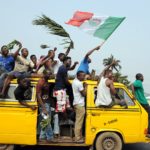
    EndSARS protesters occupy Lagos State House of Assembly, Alausa, Ikeja, Lagos, Nigeria on Friday, October 9, 2020. The protesters are calling for the scrapping of police unit, known as Special Anti-Robbery Squad (SARS) over the squads incessant harassment and brutality of innocent Nigerians. (Photo by Adekunle Ajayi/NurPhoto via Getty Images)

    13.  ENUGU STATE

    On October 27, 2020, the Governor of Enugu State, Ifeanyi Ugwuanyi, constituted a nine-member Administrative Panel of Inquiry to look into cases of police brutality in the state. The panel was headed by Justice Frederick Obieze and it was mandated to conclude and submit its report within sixty days.

    In March 2021, the panel submitted its report to the Enugu State Governor, and the governor stated that the government would implement the recommendations of the panel.

    14.  GOMBE STATE

    On 31 October 2020, the Gombe State Governor, Inuwa Yahaya, inaugurated an 11-member commission to investigate cases of police brutality by members of the disbanded Special Anti-Robbery Squad (SARS) in the state.

    As of November 2020, the Commission claimed that it had not received any petition yet.

    15.  IMO STATE

    On October 19, 2020, the Imo State Governor, Hope Uzodinma, set up a 17-member Judicial Commission to investigate and make recommendations on cases of human rights violations and extra-judicial killings by members of the Special Anti-Robbery Squad (SARS) in the state. The panel was headed by Justice Florence Duruoha-Igwe.

    In June 2021, the Imo State government received the report of the panel of the Judicial Commission on Police Brutality and Related Matters and the commission recommended that ₦770 million should be paid as compensation to victims of police brutality in the state.

    On receiving the report, the Governor stated that the report would effectively guide the state government in tackling issues related to police brutality.

    16.  JIGAWA STATE

    Jigawa State did not set up a Judicial Panel of Inquiry into human rights abuses by members of the Special Anti-Robbery Squad (SARS) in the state.

    17.  KADUNA STATE

    On October 19, 2020, the Kaduna State government inaugurated a judicial panel to investigate human rights violations and police brutality in the state. The panel was headed by Justice David Wyom.

    The panel held its inaugural meeting in December, 2020, and it stated that it had received a total of 28 petitions from the public as at then.

    In June 2021, nine months after its inauguration, the panel concluded its public hearing on police brutality in the state, stating that it entertained 69 petitions throughout the period it sat.

    18.  KANO STATE

    Kano State did not set up a Judicial Panel of Inquiry into human rights abuses by members of the Special Anti-Robbery Squad (SARS) in the state.

    19.  KATSINA STATE

    The Kaduna State Judicial Panel of Inquiry received 61 petitions related to police brutality, human rights abuses and extrajudicial killings by members of the disbanded Special Anti-Robbery Squad (SARS).

    The panel was headed by Justice Abbas Bawale and it commenced hearings on November 23, 2020. Most of the petitions to the panel came from the Funtua zone of the state. Other petitions came from the Daura and Katsina zones of the state.

    20.  KEBBI STATE

    Kebbi State did not set up a Judicial Panel of Inquiry into human rights abuses by members of the Special Anti-Robbery Squad (SARS) in the state.

    21.  KOGI STATE

    The Kogi State Governor inaugurated a 10-member panel of enquiry consisting of personnel from the police, State Security Service, Nigeria Security and Civil Defence Corps (NSCDC), National Human Rights Commission (NHRC), Ministry of Justice and the Nigerian Bar Association (NBA). The Kogi State government codenamed the panel Human Rights Special Intervention Group (HRSIG).

    The chairman of the panel was Ibrahim Alhassan. He claimed that the panel received six petitions and that one of the petitioners claimed that his cow was detained in a police station since 2016.

    The Kogi State Human Rights Special Investigation Group has not released a report of its panel hearings.

    22.  KWARA STATE

    On October 20, 2020, the Kwara State government set up a 10-man judicial panel to look into the complaints of police brutality in the state. The panel was set up to investigate complaints of human rights abuses and extra-judicial killings by the #EndSARS protesters.

    Justice Tunde Garba was announced as the chairman of the panel and the panel included representatives of the civil society organisations, youths, human rights organisations, the state Ministry of Justice.

    In February 2021, the Kwara State Government received a three-volume report of the panel and he promised to implement the recommendations of the committee.

    23.  LAGOS STATE

    On October 19, 2020, the Lagos State Governor, Babajide Sanwo-Olu inaugurated a 8-man Judicial Panel of Inquiry to investigate the alleged cases of police brutality and extrajudicial killings in Lagos State. The panel was headed by Justice Doris Okuwobi and the two youth representatives on the panel were Rinu Oduala and Majekodunmi Temitope.

    The panel was mandated to six months and its job was to determine the causes of police brutality in the state, investigate the cases of police brutality, recommend compensations for the victims of police brutality and recommend the prosecution of culpable SARS officers.

    The Lagos Panel received 230 petitions and it awarded ₦262 million to 19 petitioners,  including to one Charles Otoo, a petitioner who claimed that he was shot by police officers the Ojodu Police Division on the evening October 21, 2020.

    At the Lagos Panel, the Nigerian Army admitted to firing live rounds at “hoodlums” around the Lekki toll-gate protest ground. The panel has promised to submit its report to the Lagos State Governor very soon.

    24.  NASARAWA STATE

    On October 27, 2020, the Nasarawa State Judicial Panel of Inquiry commenced its judicial hearings. The panel was headed by Justice Badamasi Maina (Rtd) and he told members of the commission to approach the commission with their complaints on police brutality by SARS officers in the state.

    On 29 April 2021, the Nasarawa Panel submitted its report and it recommended ₦480 million as compensation for victims of police brutality in the state.

    25.  NIGER STATE

    On 23rd October 2020, Governor Abubakar Bello of Niger State inaugurated a 14-man judicial panel of inquiry to investigate cases of police brutality and other cases of extrajudicial killings by the disbanded Special Anti-Robbery Squad (SARS). The chairman of the panel was Ishaku Usman and the secretary of the panel was Abdulrahim Tariq.

    As of January 2021, the panel had concluded its hearings and the panel received 18 petitions. The Niger State Judicial Panel of Inquiry has not submitted its report of the panel hearings.

    26.  OGUN STATE

    On 17th October 2020, the Ogun State Governor, Dapo Abiodun, set up a Judicial Panel of Investigation to investigate cases of police brutality and extrajudicial killings in Ogun State. The Governor appointed Justice Solomon Olugbemi (rtd) as the Chairman of the Judicial Panel.

    The Ogun State government also set up a Victims’ Support Fund of ₦50 million to enable payment of monetary compensation to deserving victims. The Governor also promised that a forensic laboratory will be set up to aid and support police investigations and crime scene management.

    The Governor of Ogun State also announced the setting up of the Ogun State will be establishing a Forensic Laboratory to support police investigations and crime scene management.

    On July 10, 2021, the Ogun State Judicial Panel of Investigation on Police Brutality and Extra-Judicial Killings submitted its report to the state governor, Dapo Abiodun. The Governor recommended over ₦218 million as compensation to 42 victims and families. The panel made recommendations for the investigation and prosecution of deterrent police officers.

    27.  ONDO STATE

    On 19th October 2021, the Ondo State Governor approved the constitution of a Judicial Panel of Inquiry against the alleged illegal activities of the officers of the Nigeria Police Force in Ondo State. The Chairperson of the panel was Hon. Justice Salisu Adesola Sidiq (rtd), and the panel was given six months to complete its assignment.

    The Ondo State Judicial Panel recommended ₦755 million for the compensation of the victims of police brutality and human rights violation by the police in Ondo State.

    The panel received 77 petitions, out of which 14 were criminal matters and 63 were civil cases.

    28.  OSUN STATE

    On October 23, 2020, the Osun State Governor inaugurated a judicial panel of inquiry to investigate the human rights abuses by disbanded members of the Special Anti-Robbery Squad (SARS). The panel was chaired by Akin Oladimeji, a retired judge of the state high court.

    On August 5, 2021, the Osun State Governor received a report of the Judicial Panel, and he promised that the government will implement the recommendations of the panel.

    For a long time, the report of the Osun State panel remained inconclusive. Seven out of the 13 members of the panel disowned a report of the panel allegedly submitted to the governor by other members of the panel.

    29.  OYO STATE

    On November 10, 2020, the Oyo State Government inaugurated a Judicial Panel of Inquiry to investigate cases of extrajudicial killings and police brutality in Oyo State. The panel was headed by Justice Bolajoko Adeniyi and the panel had eleven members.

    On July 14, 2021, the Oyo State Judicial Panel concluded its panel hearings. The panel received 163 petitions and the panel promised that it would submit its recommendations.

    30.  PLATEAU STATE

    On 17 November 2020, Plateau State Governor Simon Bako set up the Plateau State Judicial Panel of Inquiry to look into police brutality and extrajudicial killings in the state.

    The panel was headed by Justice Philomina Lot and the panel was given six months to complete the assignment.

    31.  RIVERS STATE

    On November 24, 2020, the Rivers State Governor, Nyesom Wike, inaugurated a Judicial Panel of Inquiry to look into the cases of police brutality by operatives of the Special Anti-Robbery Squad (SARS) in Rivers State.

    The panel was headed by Justice Chukwunenye I. Uriri (Rtd) and the panel’s job was to identify victims of police brutality in Rivers State and recommend punishments for perpetrators of police brutality in the state.

    On 19 February 2021, the Rivers State Governor received the panel’s report  and he said the state’s panel received 190 petitions. Governor Wolf said the state would produce a white paper and present it to the Inspector General of Police (IGP).

    32.  SOKOTO STATE

    Sokoto State did not set up an #EndSARS Judicial Panel of Inquiry.

    33.  TARABA STATE

    On October 22, 2020, the Taraba State Governor, Darius Ishaku, set up a 10-man Judicial Panel of Inquiry and Restitution for victims of police brutality and extrajudicial killings by members of the Special Anti-Robbery Squad (SARS) in the state.

    The panel was headed by Justice Christopher Awubra and it said it had received 11 petitions by November 9, 2020.

    On 17 May, 2021, the Taraba State Judicial Panel concluded its hearings but no compensation was awarded to any individual. The panek received 34 petitions throughout the times that it sat.

    34.  YOBE STATE

    Yobe State did not set up an #EndSARS Judicial Panel of Inquiry.

    35.  ZAMFARA STATE

    Zamfara State did not set up an #EndSARS Judicial Panel of Inquiry.

  • Running a country, like most things in life, requires a budget. On Thursday, October 7, 2021, the country got a presentation from Buhari on what it would cost to keep Nigeria ‘working’ in 2022. 

    The presentation was tagged a “Budget of Economic Growth and Sustainability.” According to the president, this budget is meant to diversify Nigeria’s economy, develop infrastructure, improve security and do so many other great things you’ve probably heard before.

    But something you’ve definitely not heard is the content of this particular budget. In 2022, Nigeria plans to spend ₦16.3 trillion naira, even though it plans to make only ₦10.1 trillion. 

    To achieve this already suspect plan, the government will have to borrow about ₦5 trillion. Nigeria currently has a public debt of over ₦33.1 trillion. 

    There are so many other things in the 2022 budget, but all we’re thinking of now is how much each of us will have to pay when our debtors come to collect.

    Budget breakdown

    A budget usually contains how much you make and how much you plan to spend. In Nigeria’s budget, our earnings are classified as “revenue” while our spendings is called”expenditure”. The difference between how much we make and how much we earn is the “budget deficit”.

    This is what Nigeria’s 2022 budget looks like:

    Revenue – 

    In 2022, Nigeria plans to make ₦10.1 trillion. 

    The federal government wants to make ₦5.3 trillion from oil sales and value added tax, while government enterprises like the Nigerian National Petroleum Corporation (NNPC) are supposed to make ₦1.7 trillion. 

    The government wants to make ₦1.8 trillion from other taxes. Dividends from the Bank of Industry (BOI) should come from ₦195 billion and ₦300 billion should come from special funds. 

    The government also wants to earn ₦63 billion from foreign aid and ₦710 billion will come from other sources.

    Expenditure –

    In 2022, Nigeria wants to spend ₦16.3 trillion. ₦6.8 trillion will be to pay for expenses like salaries while ₦4.8 trillion will be to build roads and other infrastructure. Nigeria will use ₦3.9 trillion to pay back debts while ₦768.2 billion will be used to pay for some very important things like pensions.

    Deficit – 

    Nigeria needs ₦6.2 trillion to complete its budget. The government will borrow ₦5 trillion. ₦1.1 trillion will come from loans tied to projects and ₦90 billion will come from the sale of some assets.

    Remember, this is a budget, and it is only a plan. Nigeria may not make or spend up to the amount in this budget. But anything you see, just try to take it like that. 

  • Petrol subsidy is an important issue in Nigeria. It affects the cost of fuel, transportation, food items and many other things. 

    Every month, the Nigerian National Petroleum Corporation (NNPC) pays up to ₦150 billion in petrol subsidy.

    But what is a petrol subsidy?

    Petrol subsidy is money a government pays for petrol so that it is affordable for the people. 

    The government, through the NNPC, currently pays about ₦30 for every litre of petrol Nigeria imports. This payment from the government allows Nigerians by fuel at about ₦165.

    “You mean the government still pays?”

    You bet. Petrol subsidy is a reason Nigeria has one of the cheapest petrol prices in the world, just behind Venezuela, Iran, Angola, Kuwait, Sudan, Kazakhstan, Qatar and Turkmenistan.

    But petrol in Nigeria used to be a lot cheaper. As of June 8, 2000, a litre of petrol in Nigeria was ₦22. And in 2007, a litre of petrol was ₦65. Fast forward to 2021, and a litre of petrol costs ₦165. 

    “Wait, who did Nigerians offend?”

    We’re not sure who we offended, but there is a reason why the petrol price keeps rising even though there’s a subsidy.

    Rising Petrol Prices

    The Obasanjo, Jonathan and Buhari governments have all reduced the petrol subsidy in their time. They claimed that the government pays a lot of money in petrol subsidy, but that Nigerians don’t enjoy the benefits of the subsidy because rich people use the most petrol, oil importers lie about how much petrol they import into Nigeria, and the money for fuel subsidy can be spent on other important things like healthcare and education.

    But many Nigerians argue that the price of things will skyrocket once petrol prices increase.

    Think about the nearest bakery to you that uses a generator or the average Danfo driver. All of those people will jack up their prices once petrol prices go up.

    And Nigerians don’t hide their anger about the issue. Remember the Occupy Nigeria protests of 2012? Yeah, it was people expressing their anger about the removal of the petrol subsidy.

    In that year, Goodluck Jonathan removed the petrol subsidy by increasing the petrol price from ₦65 to ₦141. He later reduced the fuel price to ₦97 and then ₦87. 

    In 2016, the Buhari government claimed to have fully removed the petrol subsidy, and this increased the petrol price from ₦86 to ₦145.

    In September 2020, the Buhari government again claimed to have finally removed the fuel subsidy, and the fuel price increased from ₦145 per litre to ₦160 per litre.

    However, in March 2021, as global oil prices went up, the same government started paying the petrol subsidy again.

    NNPC and Petrol Subsidy

    The Nigerian National Petroleum Corporation (NNPC) has become the only petrol importer into Nigeria because other petrol importers cannot afford the high cost of dollars needed to import petrol. 

    The government has directed the NNPC not to sell petrol above a regulated price of ₦162. This means that even if importers try to import petrol, they won’t be able to make a profit because of the existing price limit.

    So, the high dollar to naira exchange rate is the major reason why the price of imported petrol keeps increasing in Nigeria, and the subsidy is to prevent the petrol price from getting to ₦234 per litre or ₦1,000 per litre like some other people claim.

    Regardless of what the government says about subsidy removal — even if it has been said thrice — the reality is that the government still plays a part in petrol prices in Nigeria. 

    But at what point will they really stop and what does that mean for you when next you are craving bread or trying to jump a Danfo bus? Time, and your pocket, will tell.

    Read: Meet “NNPC”, Nigeria’s Real Oil Baron

  • When the naira is not losing value in its spare time, it’s getting a digital facelift called the “eNaira”.

    Remember that just a few weeks ago, the Central Bank Governor, Meffy, told the owners and supporters of AbokiFX, a website that publishes the exchange rate of the naira, to come to the CBN headquarters for tea a fight.

    Well, non-violent developments are still happening for the CBN — and the naira. On October 4, 2021, the CBN will begin “Project Giant”, the first phase of the Central Bank Digital Currency (CBDC) project named “eNaira”. 

    In essence, the CBN wants to make a digital version of the naira.

    What Is A Digital Currency?

    Digital currency is any type of money that is purely electronic. So if you can touch it and spray it on your friend at their wedding, then it’s not a digital currency.

    Bitcoin and other cryptocurrencies are good examples of digital currencies.

    Why Did The CBN Decide To Make A Digital Naira?

    In 2017, the CBN decided to make a digital version of the naira after concluding its research. Because a lot of people now pay for things online through their mobile phones, the CBN felt a digital currency was the way forward.

    The CBN is not alone in this decision. The central banks of about 80 countries also have plans to create digital versions of their currencies.

    Bitt Inc, a Barbados based financial software company, was chosen to develop the eNaira system and the eNaira will be built on the Hyperledger Fabric Blockchain Technology.

    It is believed that with the adoption of the eNaira, Nigerians will be able to send money, receive money and make payments faster, easier and with lower costs. 

    What Is The Purpose of The eNaira?

    The CBN says that the eNaira will help do these many things:

    • Increase international trade;
    • Bring more people into the financial system;
    • Allow people to send money to Nigeria faster and cheaper;
    • Allow the government to pay poor people easily;
    • Allow the CBN to make better policies to help the naira;
    • Allow people to make payments easily;
    • Allow the naira become more secure; 
    • Allow the government to collect taxes better.

    How Will The eNaira Work?

    The eNaira is a digital version of the naira, and the eNaira will have the same value as the naira.

    Nigerians will be able to download the eNaira app from the GooglePlay Store and the Apple App store from October 4, 2021. People can fund their eNaira wallets directly through their bank accounts or a registered agent at a physical location.

    The eNaira has three different tiers; tier one is for customers without an existing bank account, tier two is for customers who plan to do minimal spending and tier three is for customers who plan to spend regularly.

    You don’t need to have an existing bank account if you want to purchase eNaira of just ₦50,000 in a day. All you need do to fund your wallet is to provide your National Identity Number (NIN) verified phone number. 

    If you want to fund your eNaira wallet with more than ₦200,000 in a day, then you will need to provide your Bank Verification Number (BVN) along with a valid means of identification. If you want to fund your eNaira wallet with more than ₦1 million in a day, then you will have to provide a public utility receipt like your electricity bill.

    All the naira you have will be stored on the eNaira wallet which comes when you download the eNaira app. The wallet generates a security token every time you want to make a payment through it so that your transactions are secure.

    Already, there have been over one million impressions on the eNaira website within the 24 hours that it was launched.

    The naira is surely having an interesting time at the moment. Perhaps Meffy will be in a better mood and we won’t have any fights.

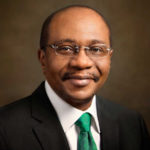
  • On Friday, September 17, 2021, a video of the Central Bank of Nigeria’s (CBN) governor, Godwin Emefiele – lovingly called Meffy by the interwebs – went viral. In it, Meffy was calling out abokiFX — a website popular for publishing currency exchange rates. While speaking to journalists, he said that abokiFX engages in “foreign exchange manipulation and speculation”, and that Olumide Oniwinde, the owner of abokiFX, is an illegal foreign exchange dealer. 

    Meffy also warned that “those who feel they want to support him (abokiFX) to fight me, come out, let’s fight”. 

    So basically this was Meffy that day:

    Why Is The CBN After abokiFX?

    abokiFX posts information about the exchange rate of the naira. The website provides official Bureau De Change (BDC) and black market rates of the naira, including other forex information. 

    But the Central Bank is not convinced that publishing information is all abokiFX or its owner does. According to Meffy, the owner of abokiFX, Olumide Oniwinde, directly benefits from the rates he quotes daily on his website.

    At the press conference, Meffy questioned the operations of abokiFX:

    • Have Nigerians ever asked how abokiFX collects its data?
    • How many BDCs have seen staff of abokiFX come in to ask for daily rates?
    • How many BDCs send daily returns on exchange rate to abokiFX?
    • How does abokiFX determine what the FX rate is?
    • How does abokiFX collect its data?
    • How can an unlicensed single person be the one that sets exchange rates in a country?
    • Why is abokiFX setting the exchange rate in Nigeria?
    • Why is Olumide Oniwinde targeting Nigeria?

    The CBN is concerned about how abokiFX comes about the exchange rate information it displays on its website. The CBN believes that abokiFX is setting the price of the naira out of its own imagination so that its owner can benefit from the fake rates by selling naira at unnecessarily high prices.

    Section 2 of the CBN Act gives the CBN the power to ensure price stability of the naira. By looking at the activities of abokiFX, the CBN is exercising this power.

    What Is The Real Forex Rate of the Naira?

    The official exchange rate to the dollar is ₦410.60. The CBN says this rate is the genuine rate and that it has enough dollars to meet the needs of every Nigerian who needs dollars to import goods, pay international school fees or do other things.

    The CBN claims that every Nigerian can buy dollars and other foreign currencies they need at the official rate and that banks will attend to Nigerians even if their dollar needs are more than the recommended amount.

    But some Nigerians don’t believe this. They say that the exchange rate to the dollar at the BDC and parallel market is still at ₦570 and Bureau De Change operators and black market operators are still relevant in the forex market.

    https://twitter.com/Ambrosia_Ijebu/status/1440631952336252938?s=19

    Why Do Nigerians Buy Forex From Black Market Operators?

    The reason why many Nigerians patronise BDC operators and black market forex dealers aka “Aboki Wire” is because of the lack of access to foreign currency at the banks. Some Nigerians claim that bank officials keep forex while others claim that banks won’t sell dollars or other foreign currencies to them to pay for visas and other personal things.

    According to a comment from a Nairametrics article:

    Since 2015, the CBN has banned 41 items including rice, furniture and textiles from access to forex so as to “help conserve foreign reserves”. The CBN also banned the sale of forex to Bureau De Change operators to help stop illegal activities. But these moves may be part of the reasons why the unofficial rate of the naira to the dollar and other currencies keeps increasing.

    At the moment, the price you have to pay to get dollars may just depend on who you believe more — Meffy or Aboki Wire.

  • Nigeria is currently in a lot of debt and Nigerians are stressed out — with good reason.

    A recent cause for this stress is the news that President Muhammadu Buhari has asked the National Assembly to approve his plan to borrow over $4 billion and €710 million from international organisations to finance projects in the 2021 budget. 

    The President also asked the National Assembly to allow him to seek $125 million in grants for special projects.

    Buhari practically said:

    The new loan request is coming just four months after the President requested that the National Assembly approve his plan to borrow over $8.3 billion and €490 million from various international organizations. This request was approved.

    In March 2021, the National Assembly also approved the President’s plan to borrow $22.7 billion for “infrastructure development”.

    But Exactly How Much Is Nigeria Owing?

    You may want to sit down for this next part. As of March 31, 2021, Nigeria’s total public debt stood at over $87.2 billion which is about ₦33.1 trillion.

    Of that debt, $43.5 billion is to be paid by the federal government while the state governments and the Federal Capital Territory owe $10.8 billion.

    At the time, Nigeria also owed a total of $32.8 billion or ₦12.4 trillion foreign debts while we owed $54.3 billion or ₦20.6 trillion domestic debts.

    Be honest, this is what you thought when you saw what “we” owed:

    These numbers are just from March and they don’t include the recent May and September loan requests by the Federal Government or any of the new loan plans by the 36 state governments. The foreign exchange rate was also different at the time of calculation.

    Who Is Nigeria Owing?

    As of March 31, 2021, these are the people Nigeria owes abroad:

    • International Monetary Fund – $3.44 billion
    • International Development Association – $11.09 billion 
    • International Bank for Reconstruction and Development – $410 million
    • African Development Bank – $1.59 billion
    • African Growing Together Fund – $210,000 
    • African Development Fund – $942 million
    • Arab Bank for Economic Development in Africa – $5.88 million
    • European Development Fund – $51.3 million
    • Islamic Development Fund – $29.7 million
    • International Fund for Agricultural Development – $223 million
    • Exim Bank of China – $3.4 billion
    • Agence Française Development – $486 million
    • Japan International Cooperation Agency – $74.6 million
    • Exim Bank of India – $34.5 million
    • Kreditanstalt Fur Wiederaufbau – $183.7 million
    • Eurobonds – $10.3 billion
    • Diaspora Fund – $300 million
    • Promissory notes – $179.5 million

    Nigeria owes a total foreign debt of $32.8 billion as of March 31, 2021.

    Nigeria Can Pay This Money Back, Right??

    Borrowing money is not a bad idea if you can pay it back. But Nigeria is currently swimming in so much debt, and it is not making enough money to justify taking on more debts.

    This year alone, Nigeria will be paying back ₦3.12 trillion in debts. On top of that, Nigeria plans to borrow another ₦5.6 trillion.

    These debts are unsustainable because the government wants to spend ₦13.5 trillion yet Nigeria plans to make only ₦7.99 trillion, and we have not made more money since the ₦10 trillion we made in 2014.

    South Africa, for instance, wants to spend R2 trillion in 2021, but the country makes R1.36 and will be borrowing R689 trillion. South Africa will also be paying back debts of R232 billion, but it has a very good tax system that can help it to generate revenues easily.

    Economists say that Nigeria’s “debt to GDP ratio” (that is Nigeria’s total debt compared to Nigeria’s total productivity) currently stands at about 32% and apparently, that is still low and in line with the World Bank’s recommendations.

    But economists also agree that Nigeria’s “debt to revenue ratio” (that is Nigeria’s total debt compared to how much Nigeria actually makes) is becoming a concern. 

    Nigeria must reduce its debts and start making more money if it does not want to be caught in a debt trap.

  • On Friday, September 10, 2021, the Lagos State House of Assembly passed two bills to be signed into law by the governor: a bill on the collection of Value Added Tax (VAT) in Lagos state and a bill on the prohibition of open grazing in Lagos State.

    The anti-open grazing bill follows an agreement by the 17 governors of the southern states in Nigeria, who met in Asaba, Delta state on May 16, 2021. They agreed to sign laws prohibiting the open grazing of cattle in their states and the movement of cattle by foot across the southern region of Nigeria by September 1, 2021.

    Since the meeting, ten southern states have passed anti-open grazing laws in their states, namely: Bayelsa, Rivers, Oyo, Ekiti, Enugu, Lagos, Ondo, Akwa Ibom and Osun States. Abia and Ebonyi states say that they already have similar laws in place, while the Ogun State Governor is yet to sign the bill into law.

    Delta state is still working on its anti-open grazing bill, while Imo, Edo, Anambra and Cross River States are not currently working on any anti-open grazing law.

    What Is “Open Grazing”?

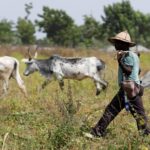
    Open grazing is when cattle and other domestic animals are allowed to roam freely and consume grass or plants on whatever lands they come across.

    In Nigeria, up to 2,000 people die every year due to deadly clashes between farmers and cattle herders over rights to openly and freely graze. These clashes made about 62,000 people homeless between 2015 and 2017.

    There is usually disagreement over land or water when herders allow their cattle to roam into farmers’ lands. At other times, conflict happens because the livestock of the herder has either been stolen or farmers have prevented herders from grazing on their land.

    Will The Anti-Open Grazing Laws Stop The Deadly Clashes?

    The anti-open grazing laws in southern Nigeria are supposed to stop cattle herders from allowing their livestock to graze anywhere in public. This is supposed to prevent any more opportunities for farmers and cattle herders to clash. But it is not that simple.

    Saleh Alhassan, the National Secretary of Miyetti Allah Kautal Hore — an association for cattle herders, has described the law as “satanic and empty”, and that members won’t obey the anti-open grazing laws. The association has also claimed that its members have freedom of movement as guaranteed by Section 41 of the constitution, even though lawyers are quick to point out that the constitution means free movement should be enjoyed by humans and not cattle.

    The Miyetti Allah Cattle Breeders Association (MACBAN), another association for cattle herders, has warned that the price of a cow may cost ₦2 million if the Lagos State government passes the anti-open grazing law because it will be expensive to rear cattle in the state.

    Now that some southern states have begun passing the anti-open grazing laws, cattle herders will have to breed their cattle in enclosed spaces like ranches or grazing reserves if they do not want to run afoul of the law. Already, President Muhammadu Buhari has approved the review of 368 grazing reserves in 25 states in Nigeria, and some states like Zamfara and Gombe have begun plans to establish ranches for cattle herders.

    The frequent clashes in Nigeria between farmers and cattle herders is a situation that is not going away anytime soon because it borders on the tough questions concerning the right to movement and the right to property. A lot of careful laws and policies will have to be employed to address the situation. For now, we will have to wait and see what happens next.

  • Rivers VAT not for Abuja people, I don’t care if heaven falls!”, Wike insists

    If you’re wondering why governors seem to be in a stand-off with the federal government, we have the tea. The situation is about a type of tax called Value Added Tax (VAT) and which level of government has the power to collect it — the Federal Government of Nigeria or the state governments.

    Whoever wins this battle is certainly going to get richer by about ₦1.5 trillion.

    The Federal High Court Ruling

    On August 10, 2021, in a lawsuit marked FHC/PH/CS/149/2020, Justice Stephen Dalyop Pam of the Federal High Court ruled that it is the Rivers State Government, not the Federal Inland Revenue Service (FIRS), that should collect Value Added Tax (VAT) and Personal Income Tax (PIT) in Rivers state.

    The judge granted all of Rivers State’s requests over the matter, and it agreed with the state’s argument that the Federal Government of Nigeria, through the FIRS, cannot collect VAT because it does not have the power to do so under items 58 and 59 of the “Exclusive Legislative List” of the Constitution and items 7 and 8 of the “Concurrent Legislative List” of the Constitution.

    The Federal Government of Nigeria has been collecting VAT across Nigeria since 1993, but Rivers State has basically said “enough”.

    What Is VAT?

    The Value Added Tax is a tax that is collected at every stage of production of an item or service, from the beginning of production to when the item or service is finally sold. 

    In Nigeria, VAT is charged on all goods and services except on medical products, basic food items, books and educational materials, baby products, fertilizers, farming machinery, medical services and a few other goods and services in the first schedule of the VAT Act.

    Nigerians pay a 7.5% VAT on everything we buy, including recharge cards, wines, cars and many other things.

    What This Means

    VAT is the second-highest generating tax in Nigeria after the Companies Income Tax, and Nigeria made about ₦1.5 trillion from VAT in 2020 alone. But it is not the amount of money that is provoking emotions, it is the way the money is shared.

    Under Section 40 of the VAT Act, 15% of the VAT pool must go to the Federal Government, 50% to the states and 35% to the Local Government. 20% of the entire money must also be shared according to where they are gotten from.

    But Rivers State is not happy with this arrangement. According to the governor, Nyesom Wike, the state generated ₦15 billion from VAT in June 2021 but only got ₦4.7 billion when the VAT pool was shared according to the current sharing formula, whereas Kano State generated ₦2.8 billion naira from VAT in June 2021 and got the same ₦2.8 billion naira it made.

    If states begin to collect their own VAT following the new court ruling, it would mean that every state in Nigeria gets to keep the VAT money it makes, and states like Lagos, Rivers, Oyo, Kaduna, Delta and Katsina where up to 80% of VAT is collected will get to keep their fair share without giving it to the federal government.

    Rivers State, for instance, would be able to keep its VAT money and use it to develop the state, something in the range of the ₦15 billion it generated from VAT in June 2021 alone. Already, Lagos State House of Assembly has passed the state’s VAT law to ensure that it starts keeping the VAT money it makes.

    But there’s also a downside to it. Many states who don’t make as much money from VAT rely on the national sharing pool. Because Nigeria’s 36 states and 774 local governments all share 85% of the total VAT money, it means that many states get allocation from the VAT pool even though they contribute less than 20% to it. This is the reason why Gombe’s governor has pleaded with other states to be their “brother’s keeper,” because if each state begins to collect its own VAT, about 30 states in Nigeria will suffer a significant decline in their revenue. And this is because there is little production and consumption activity going on in those 30 states, so there’s only a little VAT to collect.

    The Federal Inland Revenue Service (FIRS), the agency that collects taxes on behalf of the federal government, has already filed an appeal to overturn the judgement of the Federal High Court. We’ll have to wait and see where this case leads. But one thing is certain: the question about who has the power to collect VAT in Nigeria is far from over.

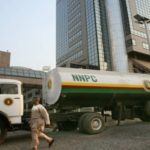
  • On Thursday August 26, 2021, President Muhammadu Buhari declared in a statement that the Nigerian National Petroleum Corporation (NNPC) made a profit of ₦287 billion in 2020. 

    The President claimed that it was the first time the NNPC was declaring a profit since it was established on April 1, 1977.

    While there are reports that the President’s claim is false, it doesn’t take away the fact that the NNPC itself is a very important corporation ― that made a ton of money in 2020.

    How NNPC Works

    The NNPC is responsible for carrying out commercial activities in oil and gas in Nigeria for the government of Nigeria. This is according to the preamble of the NNPC Act of 1990.

    This means that the NNPC looks for crude oil, refines crude oil, buys and sells petroleum and other petroleum products, operates pipelines for the transportation of natural gas and does all other activities related to oil and gas in Nigeria, for the government of Nigeria.

    Basically, the NNPC is Nigeria’s oil company.

    NNPC Leadership 

    Currently, The NNPC’s Group Managing Director is Mallam Mele Kyari. He was appointed by President Muhammadu Buhari on July 7, 2019.

    Mr Mele Kyari replaced Maikanti Baru as NNPC GMD. Maikanti Baru served as the Group Managing Director of the NNPC from July 2016 to July 2019. 

    NNPC’s Group Executive Director for exploring crude oil or “upstream” activities is Adokiye Tombomeiye. The Group Executive Director for Gas and Power is AbdulKabir M. Ahmed and the Group Executive Director for petroleum refining is Mustapha Y. Yakubu.

    The NNPC Group Executive Director for selling petroleum products or “downstream” activities is Adeyemi Adetunji, and the Group Executive Director for Finance and Accounts is Umar I. Ajiya. 

    Aisha Ahmadu Katagum is the NNPC’s Group Executive Director for Corporate Services and Hadiza Y. Coomasie is the NNPC’s Secretary and Legal Adviser.

    You can read more about the management of the NNPC here.

    Financial Accounts of the NNPC

    Since 1977, the NNPC has been inconsistent with opening its account and disclosing whether it was making a profit or not. It wasn’t until October 2015 that the corporation announced that it would commit to making its financial account public.

    Since then, we’ve been privy to information like the NNPC’s ₦308 billion loss in 2018 and ₦1.7 billion loss in 2019.

    You can read more about the NNPC’s audited account of 2020 here.

    “NNPC Limited”

    On August 20, 2021, President Muhammadu Buhari signed a new Petroleum Industry Act that will regulate oil and gas operations in Nigeria.

    Under this new act, the NNPC will be replaced by “NNPC Limited”. NNPC Limited must make a profit and its shares can be sold to Nigerians through an open and transparent process ― like at the Nigerian stock exchange.

    With this new law, the NNPC should perform better, and it should start declaring profits as a company engaging in oil and gas activities on behalf of Nigeria.

    But things may just remain the same. After all, this is Nigeria.

  • Nigeria is tough and the people who refuse to pay up their debt don’t make living here any easier. If you’ve been aired or blocked by someone you lent money to, here’s a guide on how you can legally get your money back.

    The first thing you need to know is that if anyone in Nigeria owes you a debt, you have to act fast. If you try to get the money through a law court after six years, the court won’t answer you — and that’s according to Section 21(1) (a) of the Statute of Limitation Law.

    Also, when trying to get back your debt, avoid sending any threatening or intimidating messages to your debtor. While we know that being owed can get you very angry, you also don’t want those threats of violence to backfire into a criminal case against you. So please, no violence.

    And most importantly, do not involve the police in a debt recovery case in Nigeria as the police are meant to fight criminal issues, not issues between normal people. Involving a lawyer from the start is a better option.

    Now, Time To Get Your Money Back

    Do you have an agreement in writing with the person you lent money to about the steps you can take to recover your debt if they don’t pay up, like selling a property? If yes, then good for you. You can simply follow the steps in that agreement to recover your debt.

    If you don’t, that is still alright. There’s no need to escalate things. You can try sending them a message reminding them of their debt. Sometimes that’s all you need to do.

    But if all else fails, here’s how you can “gently” get your money back:

    Send The Person A Letter of Reminder:

    You can send your debtor a “letter of reminder”. This letter should be written by your lawyer, and it should remind the person owing you that you will take the case to court if they fail to pay up your money.

    Try Mediation and Arbitration:

    To get back your money, you can involve third parties — if the other party is willing to discuss it with you, of course. In mediation, a third party can help you and your debtor reach an amicable settlement. 

    In arbitration, you and the other person must follow the final agreement reached by the arbitrator, and the decision can be enforced in court because it is legal. But there must have been an agreement that you and your debtor will use arbitration to settle matters in the original loan agreement.

    Write The Person A “Letter of Demand”:

    If you are getting uneasy and your debtor is still unwilling to pay up, then you can employ the services of a lawyer to draw up a “letter of demand”, warning the person of the things that will happen if they do not pay back your debt within a period.

    The letter of demand usually confirms the exact money you are owed, a clear time when the debt should be paid back and the legal consequences of failure to pay back the debt.

    A letter of demand usually serves as a good notice to the debtor before you take matters to court.

    Try Taking Legal Action –

    Finally, in the case where the debtor has failed to pay up even if you have sent them letters and tried to be reasonable with them, then you should take the matter to court. 

    The court will enforce a decision for your debtor to pay you back your money, after hearing the facts of the case.

    The appropriate court to take a case of debt recovery depends on the amount you are owed. But you can recover your debt in a Magistrate Court, State High Court or Federal High Court.

    By involving a lawyer early on, following the relevant procedures and eventually taking the matter to court, you can recover all the debt that is owed to you without breaking a sweat, literally.