Nigeria has a child mortality rate that ranks among the worst in the world. It is a staggering reality that in 2024, a child’s life can be cut short by circumstances that are entirely avoidable. We aren’t just facing a health crisis; we are facing a systemic failure that makes child loss a routine occurrence. Let’s break down the statistics that define this emergency.
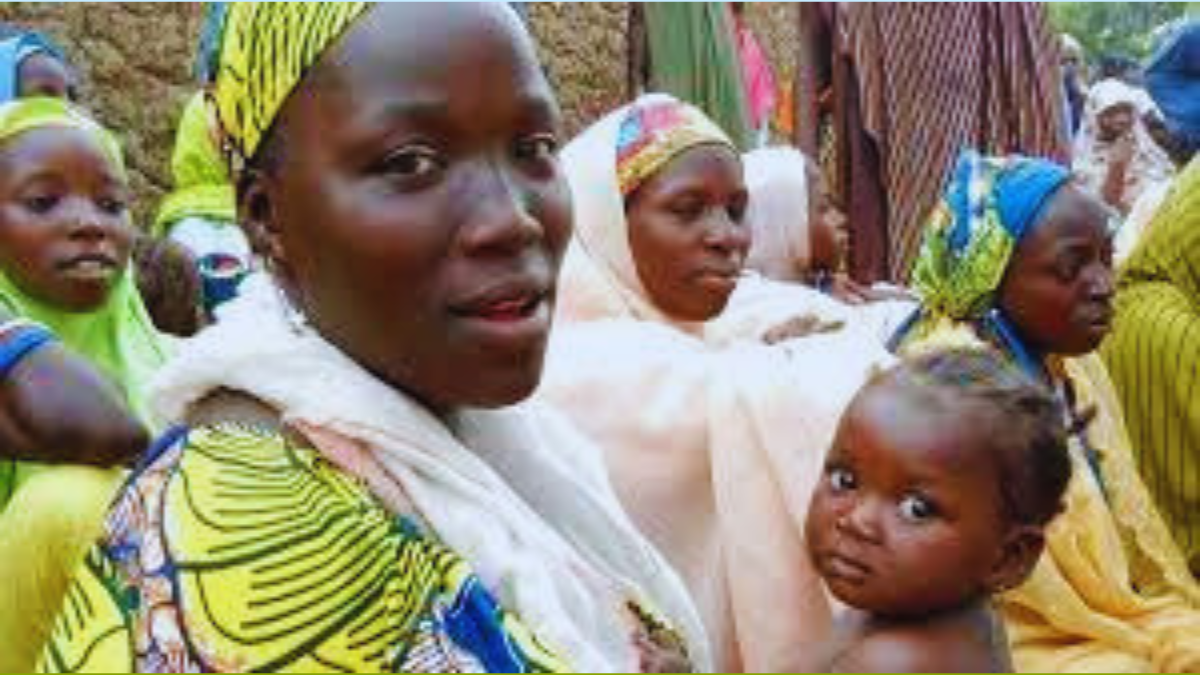
With 105 deaths per 1,000 live births, we lose at least 260,000 children annually. That is a daily loss of 700 lives, a preventable occurrence happening on our watch. These are not mere numbers; they are human beings with names and potential, whose lives are being snuffed out by preventable causes. This is more than a health crisis; it is a profound loss of our nation’s future.”
Immunisation specialist Dr. Fatima Kumo (NGF-MNCH) believes Nigeria’s high mortality rate has created a normalised crisis. When 1 in 10 children die before their fifth birthday, society often accepts these deaths as a sad reality. She refutes this idea, emphasising that the crisis is not simply an act of fate, but a preventable systemic failure that demands urgent solutions.
What fosters child mortality in Nigeria
Child mortality in Nigeria is driven by a triple threat, with malnutrition standing as the primary culprit. All the while being the direct consequence of a widening poverty gap and chronic insecurity, especially with the rampant insurgency in Northern Nigeria. Malnutrition acts as a gateway, stripping children of their natural defences and leaving them defenceless against common illnesses like diarrhoea.
Using a Swiss chess analogy, Dr Fatima explains,
“Imagine five slices of Swiss cheese lined up. Each slice represents a defence: Nutrition, Vaccination, Clean Water, Maternal Education, and Clinical Access. Each slice has holes (failures). A child is malnourished (Hole 1), doesn’t have a clean environment (Hole 2), catches a preventable bug (Hole 3), the mother doesn’t recognise the danger signs due to lack of education (Hole 4), and the nearest clinic is out of stock of antibiotics (Hole 5). The child doesn’t die of “one thing”; they die because the system failed them on five different levels.”
Quite similarly, Public Health Nutritionist Ayooluwa Okunjolu adds,
“A child born underweight or weak because the mother lacked good nutrition or great antenatal care. That child will then grow in an environment with unsafe water, poor sanitation or food insecurity. When illness strikes, the child’s body is already vulnerable, and the immune system is not strong enough to fight it.
The reality of child mortality is not mainstream enough
The troubling disconnect in Nigeria today on this matter is that while hundreds of children die daily, the national outcry remains muffled. The normalisation of this loss is a tragedy in itself because no society should become accustomed to a pattern where young lives are snuffed out in such volume. According to Dr. Fatima, this passivity is fueled by low public awareness; people simply do not realise that these deaths are a systemic crisis rather than an inevitable fate.
This systemic crisis is compounded by a deep-seated sociocultural lens that often masks the reality of child mortality. When a child dies of something as preventable as measles or diarrhoea, the reality is so jarring that many turn to mystical or spiritual explanations to cope. It is psychologically easier to attribute a loss to ‘dark forces’ or a ‘malevolent spirit’ than to accept that a child died because of a broken healthcare system. In our deeply religious society, our primary coping mechanism to process an enormity of grief that would otherwise be unbearable is chumming it up to the will of God. Yet, this same comfort creates a barrier to eradication, fueling what Dr. Fatima Kumo identifies as a ‘crisis of trust’ and a widening gap in health literacy.
“A mother who is shouted at by a nurse during her first delivery is unlikely to return when her child has a fever. We talk about Free Healthcare, but if a mother has to spend a lot of money on transport to reach a facility through roads that are oftentimes poorly accessible.”
Furthermore, the truth of this reality is not often reported in many indigenous languages. Therefore, it becomes easy for myths and misconceptions to fester among communities that lack access to facts in a language that they understand.
“The local herbalist or religious leader is often more culturally accessible, speaks the local language, and offers empathy that the clinical system lacks”
A silver lining: SARMAAN
Nigeria is scaling up a proven lifesaver with SARMAAN in the fight against child mortality. Following successful trials in Niger, Malawi, and Tanzania that saw a 14% drop in child mortality, the Ministry of Health launched a localised response. It started in 2022 with infants in Jigawa and has since grown into the ambitious SARMAAN II. Today, in Sokoto, this collaborative effort is reaching children from 1 to 59 months old, tackling the root causes of mortality through the mass distribution of life-saving antibiotics at the community level.
The collective effort required
While there are significant government and private sector interventions, Nigeria’s child mortality crisis persists due to its deep systemic and cultural roots. Dr. Fatima Kumo suggests the one way forward through what she calls the Nigerian Blueprint.’ This plan focuses on two critical pillars: achieving Universal Health Coverage by revitalising Primary Health Centres and incentivising essential services like immunisation and antenatal care. It is a shift from treating symptoms to fixing the system itself.
“We must start funding the PHCs in every ward. 80% of child deaths can be prevented at the PHC level with basics such as vaccinations, rehydration, oxygen, antimalarials, health education talks, etc. Give incentives for mothers to attend antenatal care and complete the immunisation schedule.”
Okunjolu added that poverty as a system needs to be dealt with to remove the cost of survival to shift the possibility of care to clinical needs rather than hinging on the amounts present in the parent or caregiver’s bank account. He also emphasised the need for trust and strategic allocation of resources.
“Build trust by the consistent removal of informal costs, which is an incentive for caregivers to come to the hospital early and not when it is a very severe case. Focus resources where the losses are rampant, as the mortality is not evenly spread, so there is a need to target local government areas with high intensity and equip them with trained staff, healthcare commodities and outreaches.”
Ultimately, by shrinking the gap between data and awareness, we can finally bridge the divide between our most served and most neglected communities, ensuring that no child’s life is ever accepted as cheap again.