Every year, the same conversation happens online.
“Valentine’s Day is a capitalist scam.”
“I don’t celebrate it.”
“Love is every day.”
“I’m focusing on myself this year.”
And then February 14, 2026, came, a Saturday, and Nigerians quietly left their houses.
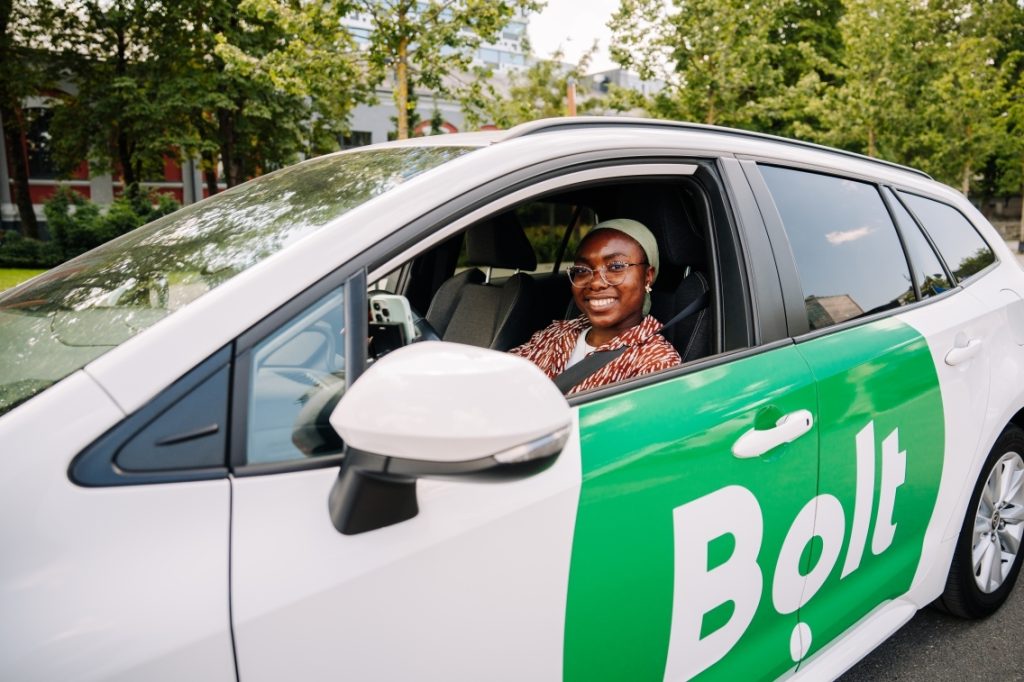
According to data from Bolt, Valentine’s Day recorded the highest number of ride requests and completed trips anywhere in Nigeria so far this year. Not Christmas. Not New Year. Just one Saturday, apparently, when nobody was celebrating anything.
So who exactly was outside?
Because the internet timeline was full of people claiming they were indoors, healing, resting, minding their business. Meanwhile, restaurants were full, rooftops were booked, and cars were moving nonstop from afternoon until late night across Lagos, Abuja and other cities.
This is the annual Nigerian Valentine’s paradox. Publicly, nobody rates it. Privately, everybody has a plan.
Some people were going on proper dates, making reservations, coordinating outfits, and living a soft life. Some were attending “just dinner with a friend” that required three hours of getting ready. Some were delivering apologies in person because certain conversations cannot happen over WhatsApp. And some people who said they were “not doing anything this year” somehow still needed to get somewhere by 7 pm.
The most interesting part is the timing. The movement didn’t start late at night; it began from mid-afternoon. On a normal Saturday, people ease into the day, but this one had a clear schedule. By early afternoon, people were already heading home to get ready, making salon runs, or suddenly becoming “busy after 4 pm.” Valentine’s Day in Nigeria isn’t spontaneous romance; it’s a carefully coordinated operation.
And then there are the soft launches. February 14 is the official day of posting a hand across a table, two wine glasses, or a mysterious shoulder that never shows the person’s face. No caption, just a heart emoji and confusion in the comments.
For drivers, the night looked like a relay race, one drop-off immediately followed by another pickup. For everyone else, it was a coordinated nationwide outing by people who had spent weeks pretending they had no plans.
What the numbers really revealed is simple: Nigerians may joke about love, but they will not miss an occasion. Even in a tough economy, people still make space for enjoyment, companionship and small happiness.
So yes, online, everyone was “just at home”.
But the streets and the data told a very different story.
In Nigeria, we don’t always admit romance.
We just quietly book a ride and go.