Modern digital design has necessitated the use of high-resolution textures. They add value to gaming platforms, improve web designs, improve 3D modeling, and reinforce branding. Designers are increasingly using sharp and clear surfaces to make images more interactive and engaging. Clarity of textures enables realistic reflection, complex designs and realistic appearance of materials that attract viewers. Software such as CapCut now offers functionality that simplifies the process of creating textures so that it can be produced quickly, without compromising quality. Its AI-powered features produce ultra-detailed textures in high precision, which saves time and effort. With the digital world becoming more and more of a world of clarity, it is essential to consider moving to efficient texture workflows when it comes to professional-level work.
What Does it Take to Have a Crystal-Clear Texture?
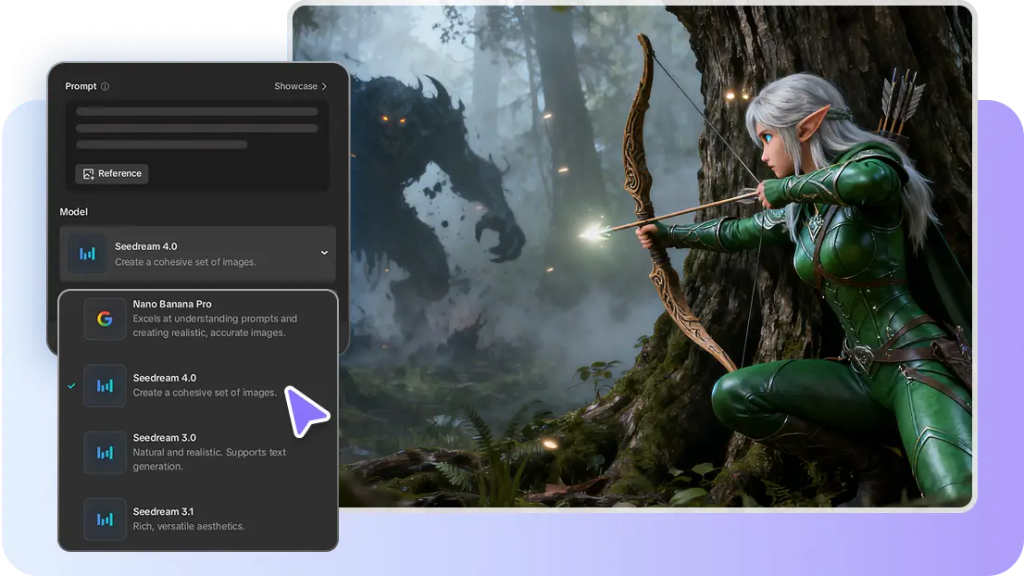
The crystal-clear texture is dependent upon the resolution, sharpness, micro-detailed, and correct lighting. Higher resolution means that patterns can be viewed even at zoom. Micro-detailed shots are those that pick tiny irregularities on the surface, such as the weaves of a fabric or the pores of a skin. Lighting is very important in bringing out depth, contrast and material properties. Applications such as Seedream 4.0 in CapCut reproduce fineness patterns with an impressive precision, and the textures can be felt. Various textures, e.g., metal, skin, wood, fabric or abstract shapes, demand different degrees of detailing. Even minor surface disruptions can add to the realism, and textures become more realistic. A combination of these aspects will guarantee that every digital surface has a natural and professional appearance. In fact, AI image generator technology helps bring such high fidelity to every creation efficiently.

Creating Effective Prompts to Texture Generation
The process of developing detailed textures starts with developing clear and descriptive prompts. Add material type, color shade, light, and certain patterns to instruct the AI. When imitating a given style or texture, reference images come in handy. The aspect ratios are to be aligned with the desired output, be it 3D objects, a site background, or elements within the UI. An example is that wide textures are more effective as web headers whereas square textures are used as icons on apps or branding images. Accuracy in timely language has a direct influence on the quality of the produced textures so that the end product matches the creative intent. Properly integrated prompts save time and minimize the requirements of manual editing.
Steps to Generate Crystal-Clear Textures Using an AI Image Generator Quickly
Step 1: Launch the Texture Editor
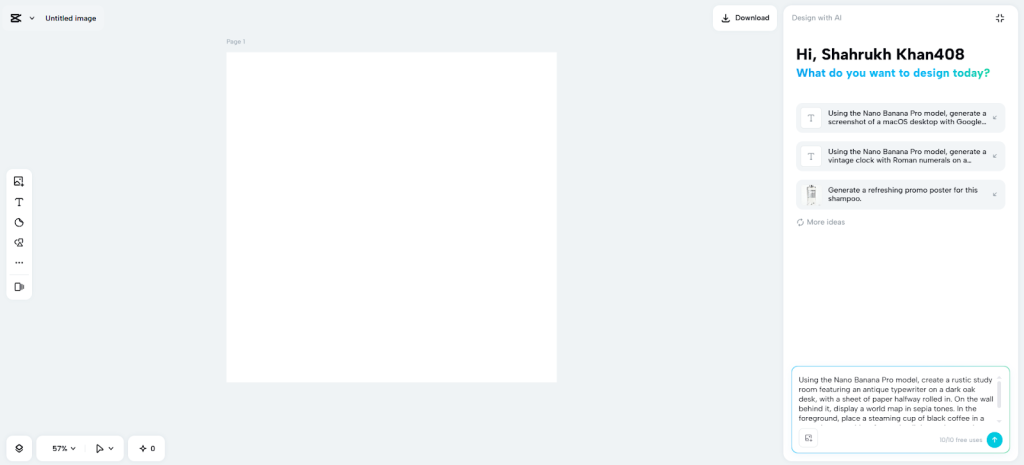
Start CapCut online and select the “Image” tab. Click “New image” to enter the interface where high-resolution textures can be created efficiently.

Step 2: Set Model and Proportions
Enter a detailed description of the texture you need in the prompt box. Pick a model such as Seedream 4.0, Image 4.0, Image 3.1, or Image 2.0 Pro depending on clarity and realism requirements. Choose an aspect ratio that fits your project. Upload reference images if you want the AI to mirror specific patterns.
Step 3: Generate and Perfect Textures
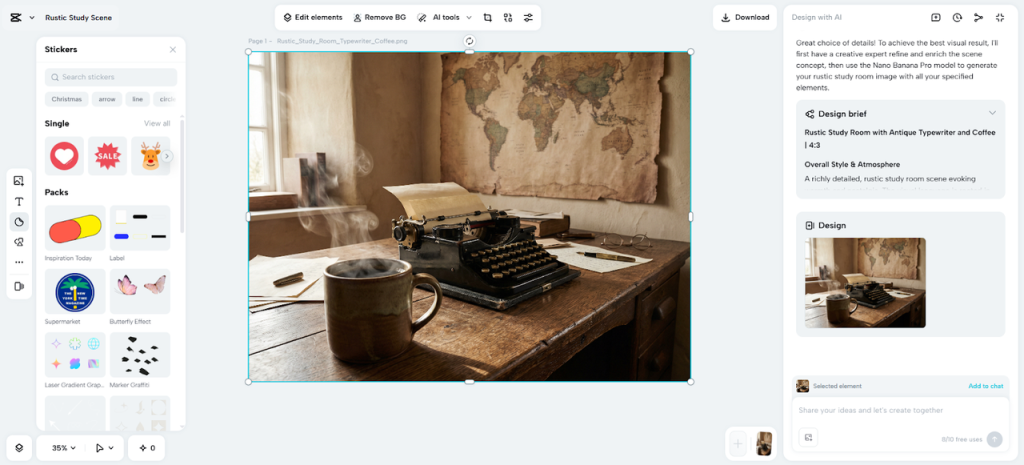
Click “Send” and let the AI produce the texture. Use CapCut’s tools for color correction, AI upscaling, background replacement, and more. Additional customization with shapes, text, or stickers can refine the look further.
Step 4: Download and Implement
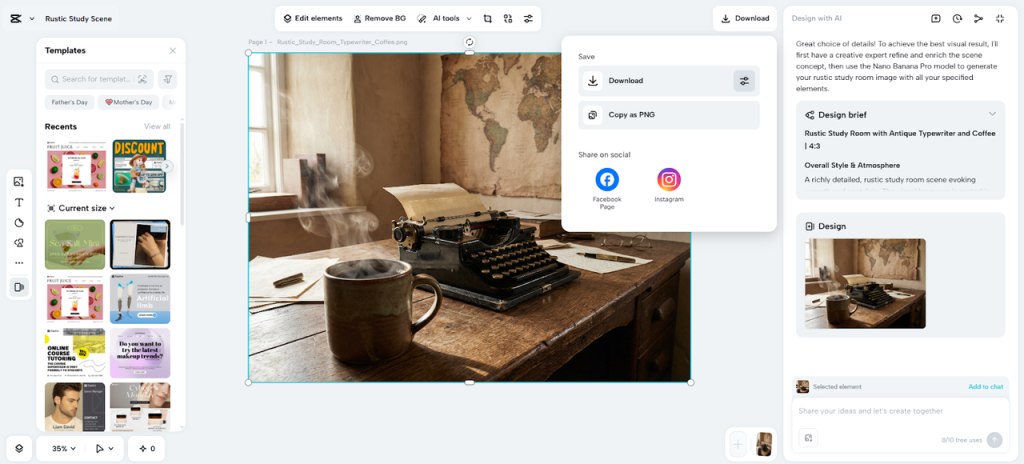
Once satisfied, click the “Download” tab. Adjust format, size, and quality through the filters icon, or copy the texture as PNG for instant use.
Production of Specific Texture Categories using AI
AI is used to produce a variety of textures. The complex textures such as marble, velvet, brushed metal, and microtextures of the skin require great detail and accuracy. Graphic and abstract textures can be used to improve branding, digital art, and user interface features, giving them visual appeal without being distracting. Organic realism is added to projects with natural textures, such as stone, sand, ripples of water, and foliage. CapCut can quickly create even highly complex surfaces, and its creators can experiment with any category. Furthermore, integrating a AI logo generator can assist in matching textures to specific branding elements, ensuring cohesive and polished designs.
How to Improve and Edit Textures in CapCut
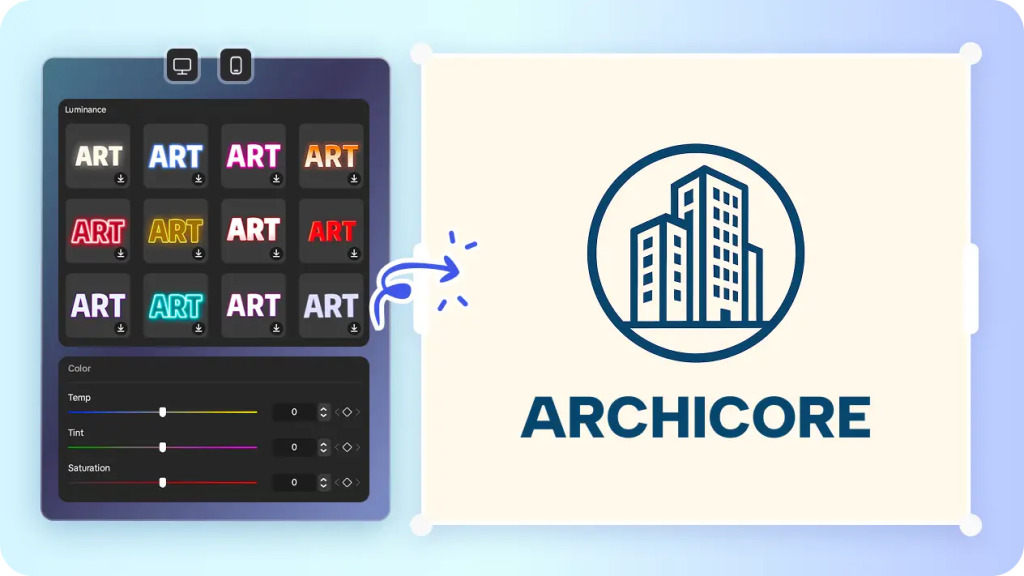
CapCut offers superior tools to enhance textures. The color grading and lighting adjustments can be used to get the right visual tone needed in a project. AI upscaling can scale resolutions into 8K and textures can be used in large-scale displays and high-end renders. Also, there is color correction, which guarantees that the textures are in line with the branding rules, keeping all visual materials consistent. Layers, filters, and selective effects enable a fine-tuning of every detail and do not require any external software. Directly refining textures in CapCut gives designers a continuous workflow and provides quality visuals with an efficient output.
Application of CapCut Textures in Various Industries
CapCut generated textures have a wide range of use in industries. Websites acquire a more three-dimensional background and packaging design takes advantage of the simulated qualities of real materials. Higher textures in digital art projects and app user interfaces make their appearances more tactile and engaging. CapCut has image-to-video movement features that allow video creators to add textures to motion graphics, creating dynamic images. The loopable textures are also applicable in animated backgrounds or interactive media, which will make users more engaged. Using these capabilities, digital creators increase the scope of their creativity and ensure uniformity and clarity in each asset.
Conclusion
CapCut is a technology that changes the way texture is created by integrating speed, accuracy and a professional level of tools. Natural surfaces as well as abstract graphics can now be created and perfected in a short time, with crystal-clear textures. The AI models, seedream 4.0 and others, are flexible to various design styles and detail. Through CapCut, creators are able to create ultra-detailed textures that can be used on any platform or medium. The opportunity to experiment with various models and settings promotes innovation and opens the potential of digital textures. Modern AI-driven texture generation is fast, precise, and versatile and now an essential component of professional design workflows.