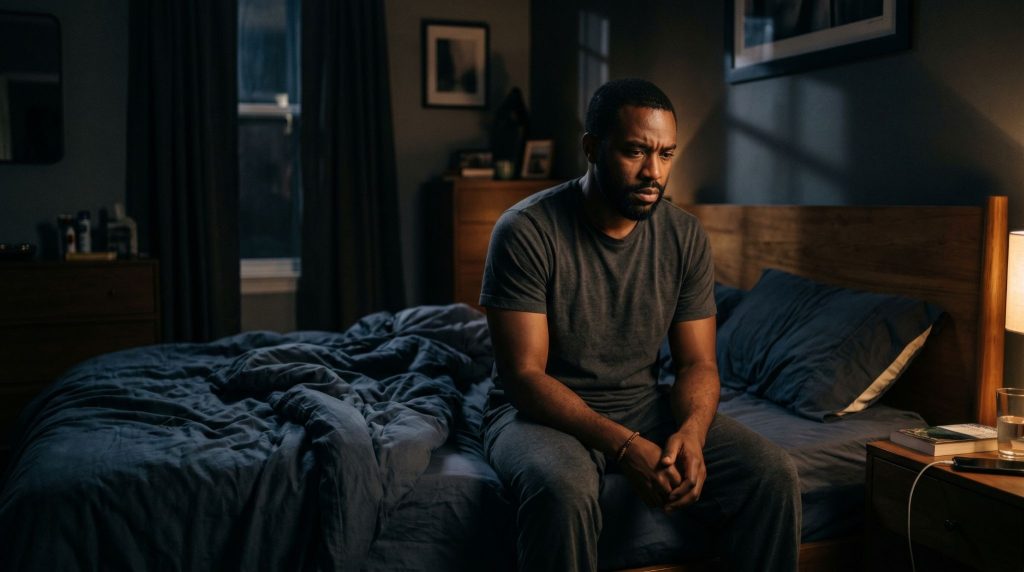
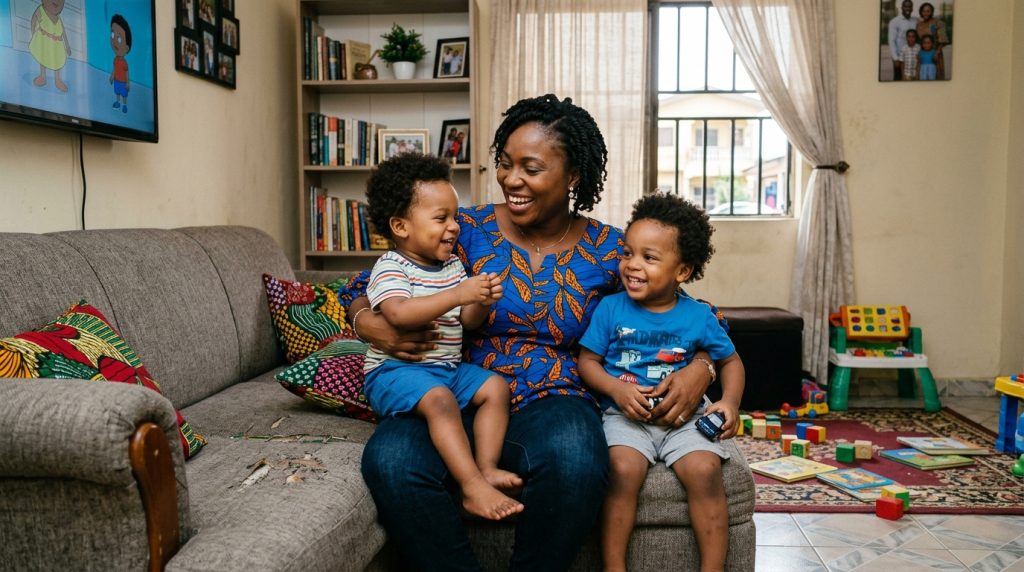
After his wife nearly passed from complications, Gideon* (36) believes denying her wish for another baby is necessary to protect his family. But how much strain can their marriage survive before it reaches a breaking point?
This is Gideon’s explanation as told to Mofiyin:
I married the love of my life in 2019. We’d been together for three years before that and had a beautiful relationship.
We were happy when she got pregnant for the first time in 2021. But from the start, the pregnancy was difficult. She battled extreme symptoms, including dizziness and blurry vision, so severe that we had to see an ophthalmologist. Still, we assumed it was normal for a first pregnancy.
Five months in, things got worse. She struggled to breathe and her blood pressure shot up. The doctors eventually diagnosed her with severe preeclampsia, and from that moment, her condition deteriorated quickly. It took a huge emotional and mental toll on us as we tried to cope with the fear and uncertainty of what would happen at full term.
Get More Zikoko Goodness in Your Mail
Subscribe to our newsletters and never miss any of the action
At just eight months, she had to undergo an emergency C-section. During the delivery, she suddenly started seizing and lost consciousness. It was the most terrifying moment of my life. The doctors discovered a clot in her lungs, and I could sense their panic as they pushed me out of the room. They eventually revived her, but told us she had come close to dying.
She spent weeks in intensive care for weeks, and her complications dragged on for more than a year. Even after she stabilised, the doctors warned that another pregnancy could risk her life or cause permanent organ damage.
After that experience, I was certain we would never go through another pregnancy. So when she brought up having another child last year, I was genuinely shocked. She said she’d read about it and believed there was a chance she wouldn’t have complications.
I immediately told her I was against it, and she dropped the idea for a while. But earlier this year, she raised it again. She insists a second child is important because our daughter is lonely. She has refused to engage with logic, saying she is keyed into NSPPD prayers. Her father also claims that God told him nothing will go wrong.
But I was there when she nearly died, and I refuse to go through that experience again.
The issue has now escalated to the point where it’s affecting our marriage. We stopped having sex in April after she insisted I stop using condoms, and I refused. I told her that if I can’t protect myself, then we shouldn’t have sex at all. I’m not trying to punish her. I just want to protect our family, but she refuses to see my point. Right now, she has also involved my parents.
Her insistence feels selfish. Through it all, she refuses to acknowledge that we’re not financially stable enough for another child. I’m the only one with a full-time job, and I recently took a pay cut after changing careers.
I just wish she would be content with the second chance life has given us, but either way, I’m standing my ground. Even if everyone in the world agrees with her, this is still a decision both of us must agree on.
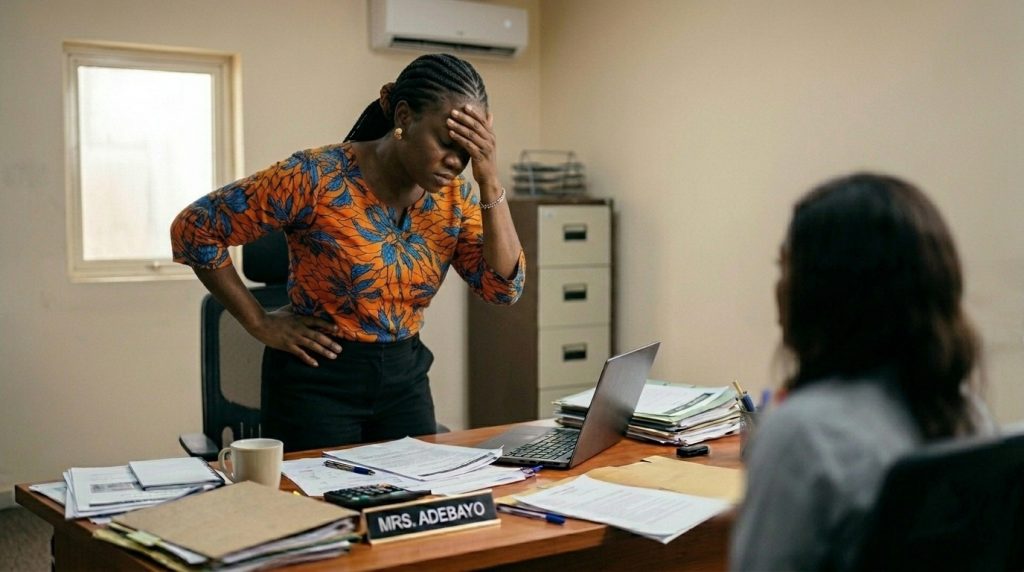
The people who handle your business are often the ones you trust the most. Which is why the betrayal feels shocking when things go wrong.
We asked some Nigerian employers about the craziest and most unexpected things they’ve experienced at the hands of employees, and they had stories for days.
“My staff rented out my office BQ” — Doreen*, 49
In 2022, I noticed a strange man walking around my company’s property. When I asked who he was looking for, he casually told me he lived there. I was confused because nobody was supposed to be living on the premises.
After further inquiry, I found out my admin officer had connived with some staff to turn the unused BQ into a short-stay apartment. They furnished it with a mattress and collected money from guests without my knowledge. It had been going on for over a year, but I only found out because one guest ignored their instructions to use the back gate.
Meanwhile, I was the one paying millions in rent for the property.
“He kept having sex in my office” — Joseph*, 37
I run a logistics company, and one morning last November, I walked into my office and found a used condom in my workspace. I was disgusted and asked questions.
That’s how I discovered that a senior employee had spent the night with a woman in the office. At first, he denied it, but eventually confessed and begged for forgiveness. I let it go, but asked security to keep an eye on him.
A few weeks later, he did the same thing. This time, he tried to justify it by saying his wife was pregnant and that he couldn’t afford hotels. That was the end of his job.
Get More Zikoko Goodness in Your Mail
Subscribe to our newsletters and never miss any of the action
“She built her business by stealing from me” — Amara*, 57
I knew a female church member who begged for money because her husband couldn’t provide. I felt sorry and hired her to help manage my warehouse, where I sell biscuits and drinks in bulk. I paid her well and sometimes gave her products for her children.
Over time, I noticed cartons went missing during deliveries. They were small numbers, so I blamed the suppliers or delivery workers and absorbed the losses.
After more than two years working for me, the woman suddenly stopped showing up. I later discovered she had opened her own shop selling the same products. That was when everything clicked. I realised she’d most likely been stealing from me for a long time to build her own business. I couldn’t prove it, so I’ve left it to God.
“My driver used my car for Uber” — Gbolahan*, 46
I hired a driver in 2024 to take my children to and from school. Almost immediately, I noticed I was spending an unreasonable amount on fuel. When I complained, he blamed a faulty fuel pump, and the mechanic confirmed there was an issue, so I set my suspicions aside.
Still, the expenses never made sense. I started filling the tank myself, thinking he had been pocketing the money I sent him, but my fuel never lasted.
This went on for four months until my gateman revealed the truth. The driver had been using my car for Uber and delivery jobs. He even encouraged the gateman to learn to drive so they could hustle together.
“She gave my relative STI’s and disappeared” — Tolu*, 38
I hired a nanny in her 20s to help with my children. Around the same time, a distant male relative moved in with us while he settled in Lagos. A few weeks after he moved out, he came by one evening. I heard shouting downstairs, ran down, and found him pinning my nanny against the wall. He claimed she’d infected him with multiple STIs.
That was when I found out they’d been sleeping together the whole time. I was shocked because I’d assumed she was naïve. She denied having any infections, so my husband and I calmed the situation and asked her to get tested the next morning.
By the time we woke up, she had disappeared. She packed overnight and ran away. This happened in 2018, and I still can’t get over how insane it was.
“He tried to steal my contract” — Tunde*, 27
I got a contract job from a foreign company, but outsourced most of the work because I was juggling multiple projects.
We agreed on payment, and things ran smoothly for months until the client sent me screenshots. The guy I’d hired had messaged them directly, claiming he did the work and asking them to give him the contract instead.
They didn’t give it to him, but the situation damaged my relationship with the company, and I lost the gig anyway. When I confronted him, he blocked me.
“My cleaner was eating my children’s lunch” — Aishat*, 29
I hired a woman to clean my house and walk my children to school because I leave for work very early. A few weeks in, my three-year-old started complaining of hunger at school. It didn’t make sense because I always packed enough food for both children.
Things only became clear when their teacher called to ask why my children kept coming to school with half-empty lunch packs. That was when I realised the nanny had been eating their food before taking them to school. I couldn’t understand why, because I always left lunch for her. When I confronted her, she denied everything and even tried blaming my toddler.
“She sent me drunken insults at midnight” — Sharon*, 36
I own a salon. Earlier this year, I woke up to multiple voice notes from one of my braiders on Instagram. I opened them immediately, thinking it was an emergency. Instead, they were filled with vicious insults and curses.
By the next morning, she had unsent everything. When I confronted her, she denied it until I showed her my replies and missed calls.
She eventually broke down and blamed it on alcohol and relationship problems, but I couldn’t move past the things she said.
“She started Ajo with my money” — Damilola*, 34
I hired a salesgirl for my clothing store last year. She was polite and hardworking, so over time I came to trust her completely and barely visited the shop.
Last month, she said she couldn’t come in because of a family emergency, so I opened the store myself. While I was there, the woman handling ajo contributions stopped by to collect her daily ₦2k payment and mentioned that my employee usually took the money directly from my cash drawer.
When I confronted her, she claimed the money came from her aunt. The same aunt denied it. Still, I gave her another chance because she’s struggling financially.
The argument against women in certain offices has never really been about capability. If it were, it would have collapsed under the weight of evidence long ago. It is, more precisely, about memory: how quickly the women who disprove the argument are forgotten, and how persistently the argument survives them.
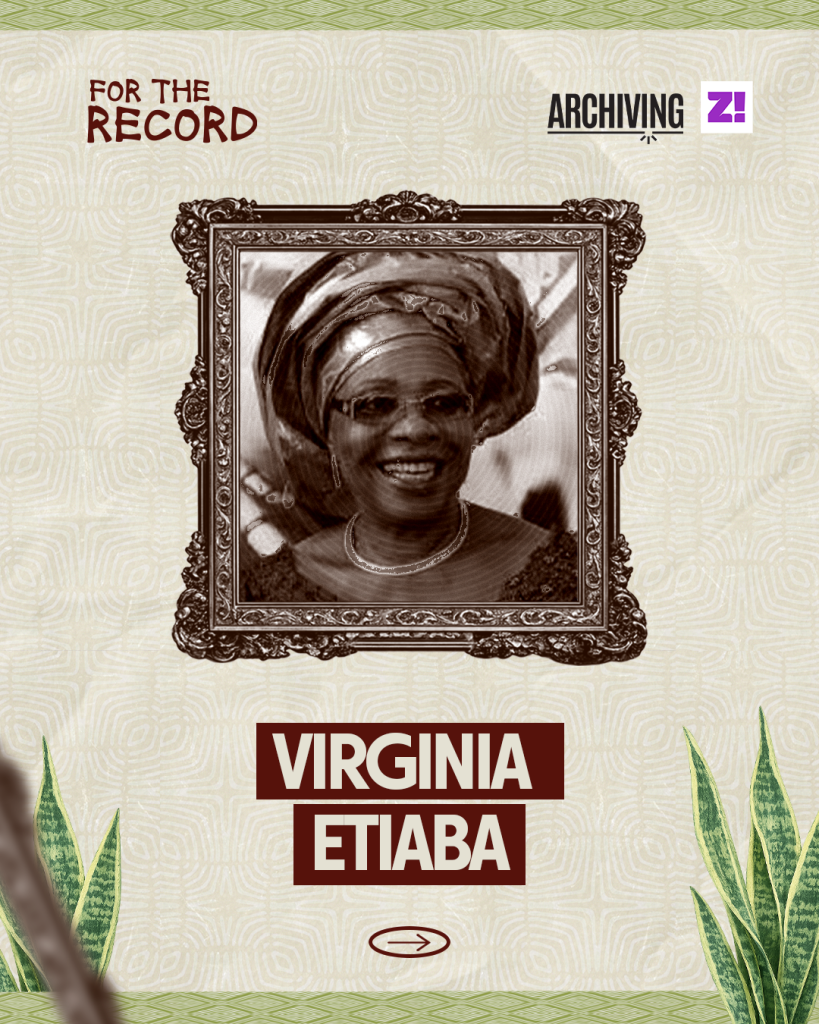
Virginia Etiaba, Nigeria’s first female state governor, is one of those women. Despite a brief tenure, it is nonetheless a milestone for women in Nigerian politics.
Born on November 11, 1942, in Ezekwuabor Otolo-Nnewi, Nnewi North Local Government Area of Anambra State, Etiaba was raised by her uncle, Chief Pius Ejimbe, in a family that prioritized education. This early influence and growing up in Nnewi, a town known for its entrepreneurial spirit and industrial growth, instilled in her values of learning, community responsibility, and a pragmatic approach to leadership that would inform her career in education despite earning a diploma in banking and finance.
Etiaba devoted 35 years to teaching across Nigerian states, working in Kaduna, Abia, Rivers, and her hometown, moving up from classroom teacher to headmistress, to education inspector. She founded Benneth Etiaba Memorial School, Nnewi, in 1989, in honour of her late husband.
In 1991, she retired from the Anambra State civil service, but her political career did not begin when she was selected as running mate to Peter Obi of the All Progressives Grand Alliance (APGA) for the 2003 Anambra governorship election. Following Obi’s delayed victory, she was sworn in as deputy governor on March 17, 2006, supporting the administration’s focus on infrastructure, security, and anti-corruption reforms. Notable among these reforms was the introduction of the Anambra State Integrated Development Strategy, a framework targeted at multisectoral growth within the state.
On November 2, 2006, the Anambra State House of Assembly impeached Obi on allegations of gross misconduct and dereliction of duty.
Virginia, at 64, became governor of Anambra State, shattering a national glass ceiling in a male-dominated area.
Her emergence was not without controversy, as some felt accepting the office meant being disloyal to Obi. Despite criticisms and underestimation for being viewed as just a placeholder, she defended her actions as upholding the law while advocating for due process.
In her 97 days in office, Etiaba prioritized stability amid controversy. She maintained the ongoing projects across road construction, healthcare, and education, also paying salaries and pensions. She engaged stakeholders for peace, and resisted pressures to dissolve Obi’s structure.
One decision that stood apart during her 97-day reign was signing the Child Rights Act into law. The Act, which domesticates the UN Convention on the Rights of the Child, prohibits child marriage, child labour, and sexual abuse, while guaranteeing access to education and healthcare. Although it had been adopted at the federal level under the Obasanjo administration in 2003, many states had yet to assent to it. Anambra state, under Virginia’s leadership, became the first state in South-East Nigeria to sign this act into law and one of the first four states nationally.
On February 9, 2007, the Court of Appeal in Enugu nullified Obi’s impeachment, and she handed over the position. It is remembered as a rare act of statesmanship, integrity, and respect for judicial authority: a leader who held power and gave it up when the law said to.
Virginia has also battled personal struggles; she is a colon cancer survivor after being diagnosed in Nigeria and treated at King’s College Hospital, London. She was conferred Commander of the Order of the Niger (CON) in 2010 by the Goodluck Jonathan administration. On her 78th birthday, she was hailed as a trailblazer by the late President Muhammadu Buhari.
Since leaving office, she has mentored women, continued to support APGA, and advocated for education in Anambra. She remains, in the plainest sense, evidence that the argument against women in office was never about capability, and that the women who disprove it deserve to be remembered long after the argument has moved on.
Four Acclaimed Nollywood Actors Headline and Executive Produce Original Stage Play Premiering This July in Lagos.
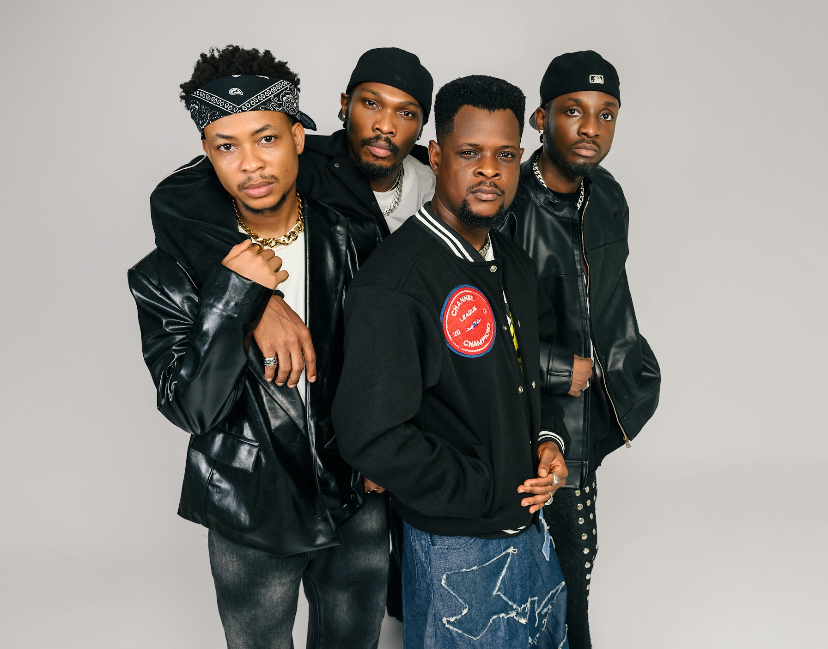
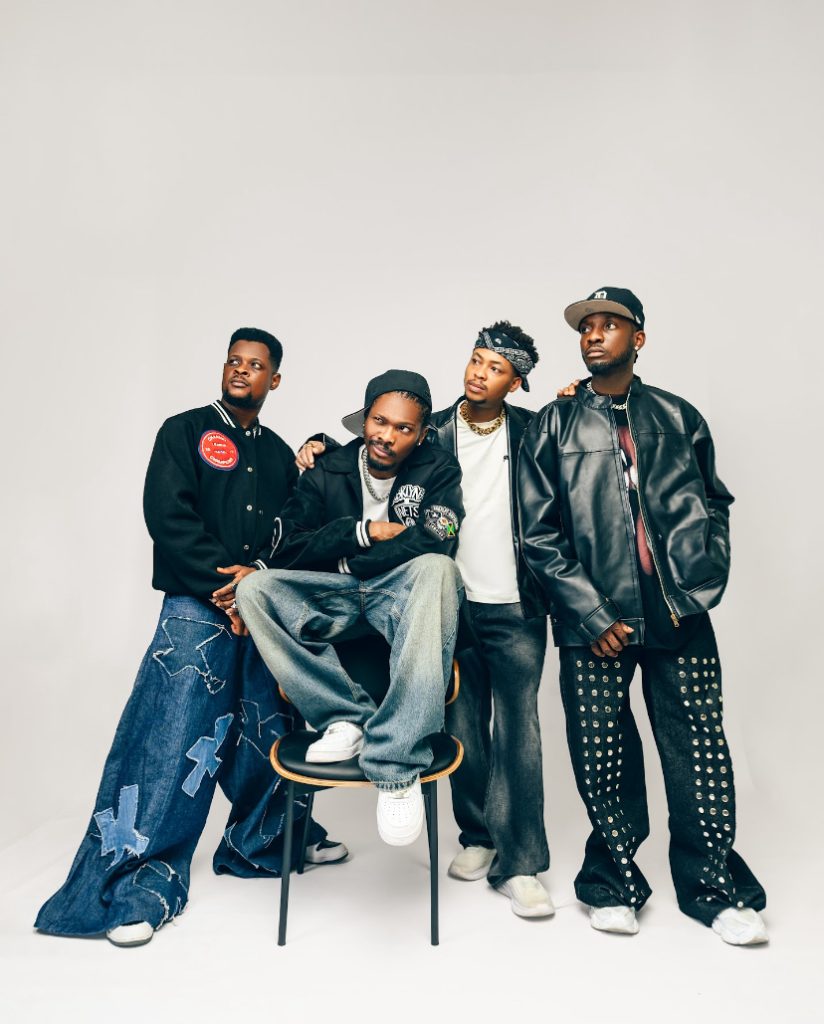
LAGOS, Nigeria – May 19, 2026 – Years after captivating audiences in the beloved Nigerian coming-of-age film Kasala, four of Nollywood’s most exciting talents, Emeka Nwagbaraocha, Chimezie Imo, Tomiwa Tegbe, and Mike Afolarin, are reuniting on stage in ‘PROJECT X… ALMOST FAMOUS’, a powerful new theatrical production they are headlining and executive producing.
The production also marks the official launch of The MECT Company, a creative collective founded by the four actors. Born from years of deep friendship, collaboration, and a shared commitment to authentic storytelling, The MECT Company aims to champion emotionally honest and culturally resonant narratives across stage and screen.
Directed by Goodness Emmanuel and written by Chiemeka Osuagwu, ‘PROJECT X… ALMOST FAMOUS’ is a moving, witty, and deeply relatable story that follows four friends and former members of the defunct music group 4-Eva. As they navigate the relentless pressures of life in Lagos, the play explores themes of brotherhood, survival, ambition, failure, hope, and the healing power of laughter and music.
Set against the vibrant chaos, humour, and emotional weight of contemporary Lagos, the production captures the realities, dreams, and complexities faced by young Nigerians today. Blending sharp dialogue, live musical elements, vulnerability, and social commentary, PROJECT X… ALMOST FAMOUS promises a raw, energetic, and immersive theatrical experience.
Performance Schedule
Dates: Saturday 18th & Sunday 19th July 2025,
Saturday 25th & Sunday 26th July 2025
Venue: MUSON Centre, Agip Hall, Lagos
“Since Kasala, each of us has continued to grow individually, but there’s something special about coming back together,” the actors shared. “This project is personal. It’s about the friendships that hold us up, the dreams we refuse to let die, and the city that tests us every single day.”
More details, including ticket information, cast expansion, and official artwork, will be announced in the coming weeks. Lagos, get ready for the reunion. ‘PROJECT X… ALMOST FAMOUS’ is coming to the stage.
The Nigerian experience is physical, emotional, and sometimes international. No one knows it better than our features on #TheAbroadLife, a series where we detail and explore Nigerian experiences while living abroad.
Success* (28) is a medical doctor who moved to the UK to escape insecurity and poor salaries. In this story, she shares her experiences with the culture shocks of British medical practice, racist microaggressions and why she finds herself praying less often since relocating to the UK.
This model is AI-generated and not affiliated with the story in any way
Where do you live currently, and when did you leave Nigeria?
I live in the United Kingdom (UK), and I left Nigeria in early 2025.
What inspired you to leave Nigeria for the UK?
Everything. But let me start with the insecurity. I grew up in the northern part of Nigeria, so I saw firsthand the terrorism and religious intolerance. When I was young, there were times we had to be searched with bomb detectors before we entered church after a church had been bombed on Christmas Day.
Another catalyst for my relocation was the salaries for doctors in Nigeria—it’s just too little. When I practised in Nigeria, I earned ₦300,000 per month, and that was barely enough to cover my basic needs. In addition to the reason I mentioned, I had always wanted to leave Nigeria as early as my primary and secondary school days. I got a peek at what life was like abroad from friends who vacationed abroad with their parents.
It’s the reason I studied medicine. I knew that healthcare workers were highly sought after in many parts of the world. So I knew it would give me a good chance to leave Nigeria.
What was life like for you in Nigeria before you left?
Working in a private hospital, I was making about ₦300,000 a month. I was only able to afford a shared apartment with that. But it was a terrible experience. We only had electricity between 4:00 AM and 6:00 AM. So I had this huge power bank that I’d charge at work and in church on Sundays. That was how my life was in Nigeria; it wasn’t easy.
As you said, doctors are in high demand in many parts of the world. Why did you choose the UK?
I chose the UK because the migration pathway for other countries is quite expensive. Though we are highly sought after, the process doesn’t come cheap. The UK is relatively cheaper than other countries, but it still cost me about ₦7 million to migrate. That was because I passed my exams on my first try. Some people have had to write the exams twice or thrice, and that increases the cost.
The Naira Life Conference is returning on August 22, 2026, in Lagos! Come learn from finance experts and industry leaders, and partake in unfiltered conversations about building wealth and diversifying your income stream in a country like Nigeria. Real stories, expert advice you can actually use, and a community ready to build wealth together. Secure your spot here.
There are very few doctors in Nigeria, currently about one doctor for every 10,000 patients. Do you have any feelings about that?
It does bother me because I’m always thinking about my family back home. What happens when my parents or other loved ones need medical care? Here, people can walk into the hospital almost dead, and we’re able to get very good outcomes because we have all the equipment we need. It makes me think back to my time in Nigeria, where we didn’t have the equipment, and we didn’t even have enough hands. It makes me worry about my family, but I can only put them in my prayers.
I also think about the times when I was back home in Nigeria, when I couldn’t really take care of my basic needs—it was difficult for me to get a place, having a car could only be a dream, and I was basically living off my parents. I think about all of these things.
With the way the Nigerian government is running the country, I don’t think you can blame doctors for leaving. I don’t feel guilty because I know that the Nigerian political system did not create a conducive environment for us to stay.
Doctors spend a lot of time in school, go through a lot of difficult exams, and a lot of money is spent training us. But when we graduate, we get paltry salaries, worth next to nothing. A lot of doctors have to work in multiple hospitals to make ends meet. I did that too: I would work a morning shift in one hospital and then a night shift somewhere else. That’s the reality for many doctors in Nigeria.
Yes, Nigeria needs doctors. But leaving is the best option at this time. We want a good life for ourselves and our families. We want safe lives too. I’ve heard of doctors getting kidnapped back in Nigeria. It’s really crazy.
How has life been in the UK so far?
My life is much better compared to when I was in Nigeria. First of all, I have a better work-life balance. I don’t have to work two jobs just to make ends meet. There’s a 48-hour cap every week. You are not meant to work more than 48 hours a week. So this means I have time to do other things with my life.
I can afford my own place. I have savings and investments now, unlike in Nigeria, where I couldn’t afford to do either.
Food here is actually cheaper than back home. When I was in Nigeria, I always had anxiety about going to the market because the spaghetti I bought for ₦500 this month could become ₦1,000 the next. But here, prices are very stable. I think my life here is better. I can support my family more, and I have a better community. Overall, it’s just better.
What’s your support system like?
I don’t have any nuclear family here; I’m the first person in my nuclear family to actually leave Nigeria. I have some members of my extended family here, but we are not so close.
But I have my church members. I also go to the gym, and I’ve made friends there. I have friends at work too. I know some people say not to make friends at work, but I’ve had a different experience. I have really nice coworkers.
Now my support system is actually growing. I’m getting to know more people and becoming acquainted with my environment.
Are these friends Nigerian?
The majority of friends I’ve made here are Nigerians or fellow Africans. It’s just easier to make friends with people you share similar cultures and backgrounds with. For example, the town I live in is white-dominated, so once you see a Nigerian, there’s this internal joy that you feel. It’s like any Nigerian at your workplace is automatically your friend.
I think if you’re able to have non-African friends, that means you both must have a very strong bond for that friendship to actually work out, because you’ll have very little in common.
Get More Zikoko Goodness in Your Mail
Subscribe to our newsletters and never miss any of the action
Have you felt any sort of discrimination or racism since you arrived in the UK?
I have, but it’s nothing overt. What I feel at times is what we call microaggressions. An example was when I was looking for a house; landlords would see my name,, noticed that it doesn’t sound British, so they wouldn’t call me for house viewings.
But at work, I don’t feel any form of racism from my colleagues or from patients. The National Health Service (NHS) has a strict policy against racism. If any patient is racist to any doctor, that patient can be ordered out of the hospital, as long as they don’t have an emergency condition. So patients are cautious about what they say.
It’s the same with colleagues from other nationalities who are non-African. I notice that whenever they are talking to me, they try to carefully pick their words because they don’t want to come off as offensive. I think that can also affect making friends with non-Africans, because they’re always second-guessing everything they say. That doesn’t allow for real connections to form.
What about the growing anti-immigrant rhetoric? Does that make you feel uncomfortable?
It has created a bit of uncertainty because the policies are constantly changing, and you don’t know which policy they will come up with next, or how it will affect you. The Prioritisation Act, for instance, basically says that UK-trained doctors have to be considered for jobs first before doctors from other countries. This was passed after I came here.
I’ve heard British doctors at work talking about how immigrant doctors are taking their jobs. Initially, when I came to the UK, I was always telling people that I got my job from Nigeria. But I noticed they were not really happy to hear that. It was more like, “Okay, you’re one of the people who took our jobs from us.”
I felt guilty about it for a very long time. But I had to deal with the guilt and tell myself that I got the job because I deserved it, and I worked for it. With time, I stopped telling people how I got my job. I only mention it to people I really feel comfortable with.
But one thing I always say is that there’s love at home. So if they say that I can’t stay here anymore, I’ll go back to my country.
Apart from working, what activities do you get up to in the UK?
I’m kind of an extrovert, so I spend more time outside than at home. During my free time, I go to the gym. I’m also learning how to swim. I sing, so I’ve joined the choir in church. I love going to shows too. During the summer, there are usually events happening around, like Afrobeats concerts. I usually go for those kinds of things.
I visit my friends, and my friends come over to see me. I travel, and it’s safe. I’ve always loved travelling, but in Nigeria, I couldn’t really travel so much because of the insecurity and the accidents. But here, the roads are freer, and it’s safer, so I travel easily without any restrictions or any anxiety that something bad will happen to me.
I also use my free time to bulk cook. You can’t be late to work; there’s a very strong work ethic here. So when I’m not at work, a huge chunk of my time is spent preparing for my next period at work. I clean my house, iron my scrubs, and cook in bulk so that nothing delays me when I’m going to work the next day.
What culture shocks did you experience when you arrived?
They like queuing. There’s a queue for everything. There was a time when I first arrived, and I wanted to jump the queue with my normal Nigerian mentality, and someone confronted me about it.
Another thing is that everyone tries to be polite. Unlike in Nigeria, where people show their anger. For British people, even when they are really angry, they smile, and they try to be calm. Trying to unlearn that Nigerian directness so you don’t get labelled as aggressive is not easy.
It’s also the same at work. You have to learn how they communicate. In Nigeria, we have a direct way of communicating; you can tell people exactly what needs to be done. But you don’t want to look patriarchal in the UK, so there’s a way you try to use flowery words: “Oh, would you like to do this?” “Do you think it will be okay if you do this?”
Also, unlike in Nigeria, where you can gossip and make some jokes at work, you can’t just make any type of joke here because it may be offensive to the next person. I miss the laidback work culture that we have in Nigeria.
As for the accent, when I came here initially, it was difficult to hear what people were saying. In Nigeria, I used to believe I had a very good command of English, but when I came to the UK, I was taken aback by people asking me to repeat myself because they couldn’t understand me. At times, I have to spell a word to make them understand my pronunciation of it. For someone who learned English as a first language back home, that was a big shock.
Definitely. How did you manage?
I try to speak as slowly as possible so that people can hear me, and I don’t get offended if someone tells me to repeat what I say. Also, I try to demonstrate. When I’m conversing with a patient, if I want to talk about any eye pain, I may just point to my eye so that they can easily get what I mean. I also avoid using big words or complex grammar and just try to use the simplest English possible, and that actually helps.
On a scale of one to ten, how happy would you say you are in the UK?
I’ll say 20.
Wow.
I feel that all the things Nigeria took away from me in 27 years cannot be gotten back in one year. It’s a journey, but so far so good.
I am happier in the UK. I’m less anxious, and I’m praying less. I know people might see that as a bad thing, but in Nigeria, most of my prayers were built out of anxiety: “Let me have food to eat,” “As I’m going to work, may an okada not crush my leg,” “May I not be kidnapped,” “May I not have an accident.” All those kinds of things. I don’t have those anxieties anymore.
Do you want to share your Abroad Life story? Please reach out to me here. For new episodes of Abroad Life, check in every Friday at 12 PM (WAT).
Whether it’s the Closeup toothpaste in your bathroom, the Knorr cubes in your mum’s soup or the Vaseline always in your bag, chances are Unilever Nigeria Plc is already part of your daily routine.
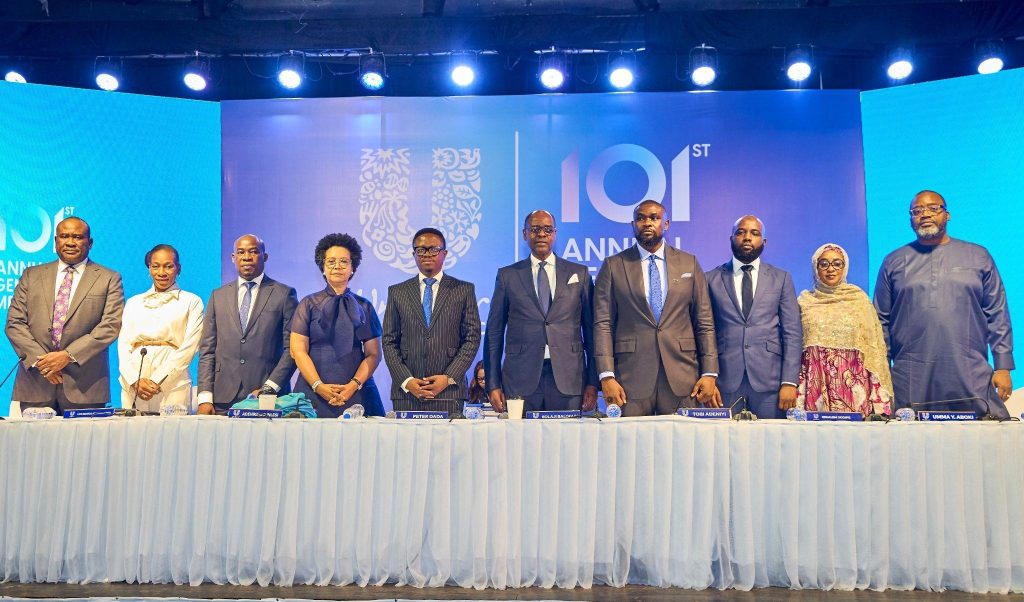
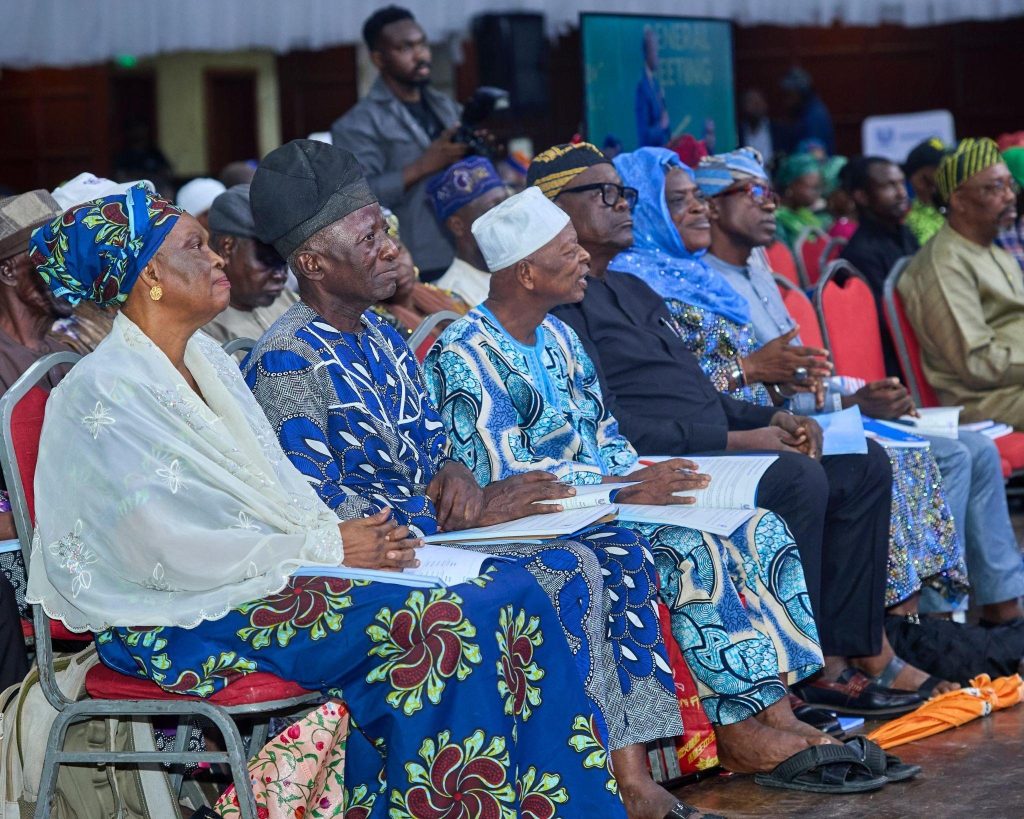
I never thought much about that until I attended the company’s 101st Annual General Meeting (AGM) at the Muson Centre in Lagos. In the middle of all the big business conversations happening in the room, I kept thinking about how the company has managed to stay this present in Nigerian homes for decades while still trying to keep products accessible in this economy.
According to Chairman Bolaji Balogun, the answer has been resilience in its operations and continuous investment into improving products and how the business runs behind the scenes.
And judging by the company’s 2025 numbers, that approach seems to be paying off. Unilever Nigeria Plc recorded a turnover of ₦214.3 billion in 2025, up from ₦149.52 billion in 2024, while profit more than doubled to ₦32.2 billion. Shareholders at the meeting also approved a dividend payout of more than ₦18.67 billion, which definitely got people excited in the room.
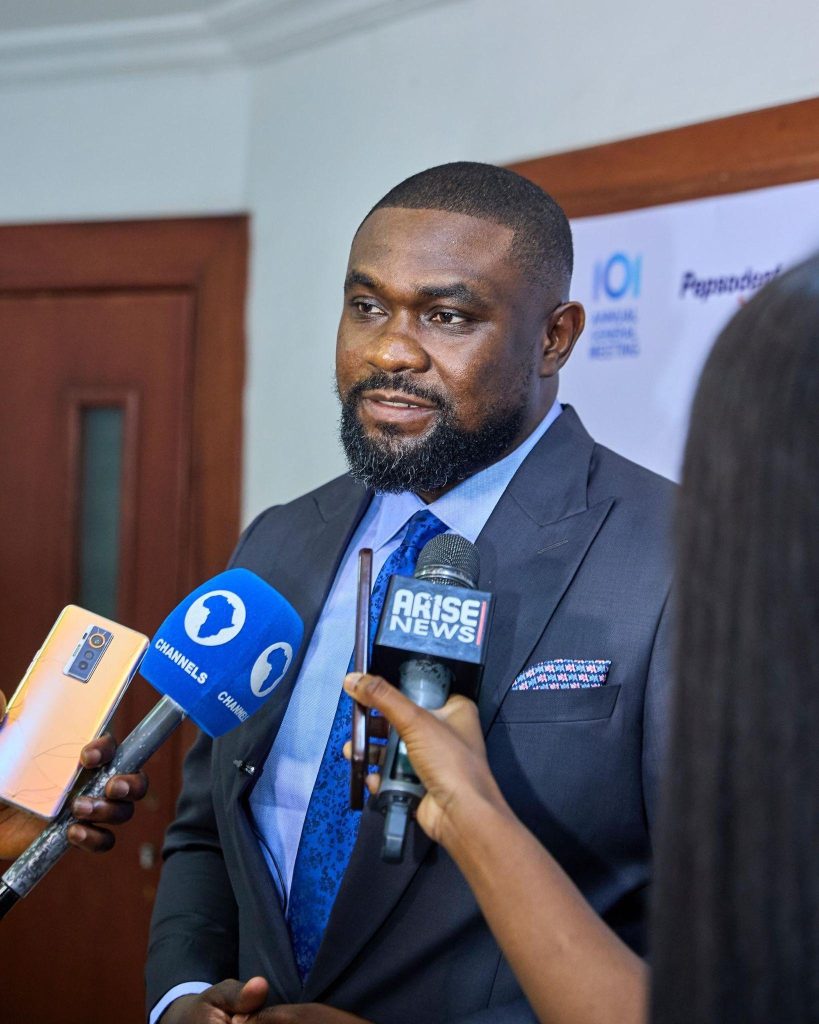
Speaking during the meeting, Managing Director Tobi Adeniyi said the company’s recent momentum came from focusing heavily on what it calls its power brands, as well as ensuring that the company stands out from the clutters. A move that has established that Nigerians truly desire these brands while they continue to brighten everyday life for all.
“We made sharper choices in our work and strengthened innovation across the business,” he said. “And as you can see, that paid off.”
The company also stressed its focus on improving operations while still trying to keep products affordable for consumers, something that matters even more now when Nigerians are thinking twice before buying basically anything.
Even shareholders acknowledged the company’s efforts. Shareholder representative Kolawole Durojaiye praised the management team for what he described as disciplined operations that have improved profitability and overall growth.
From the conversations throughout the AGM, one thing became pretty obvious: Unilever Nigeria Plc is trying to evolve with a new generation of consumers while still staying familiar to the millions of Nigerians who already interact with its products every day.
So next time you use some Rexona deodorant before heading out or argue with your family over who finished the Pepsodent without replacing it, keep in mind that there’s an entire operation behind the scenes making sure those products stay on shelves and inside Nigerian homes.
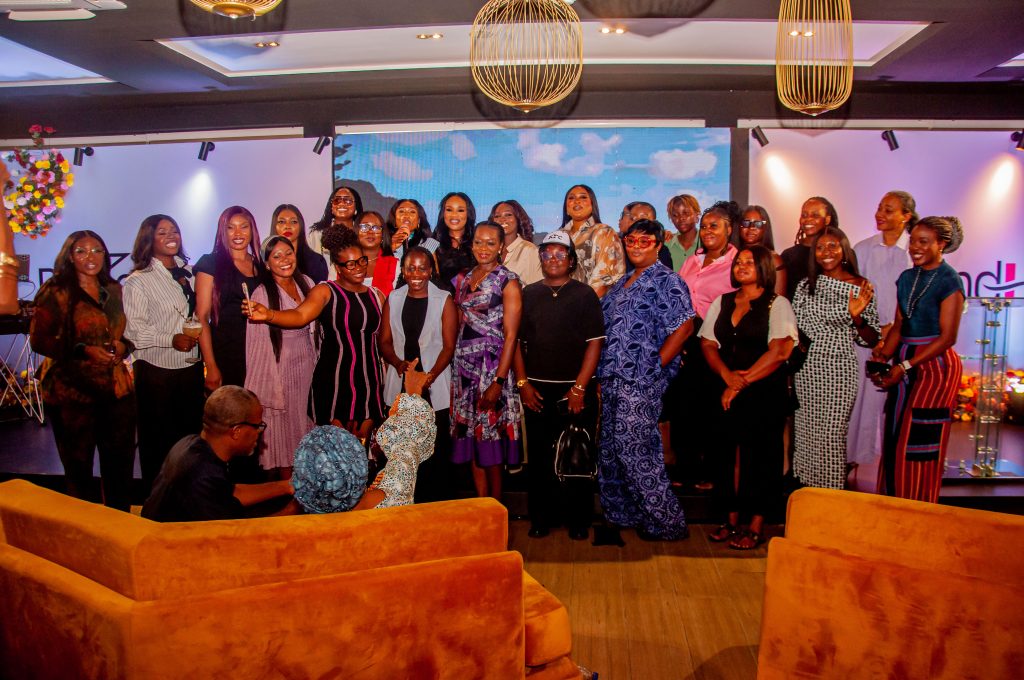
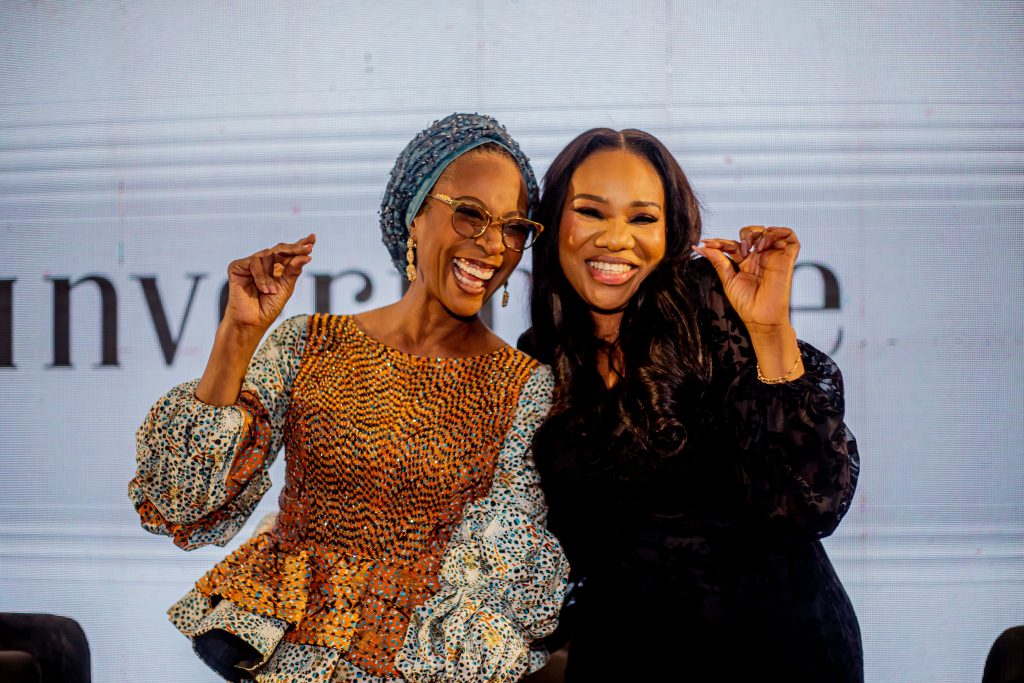
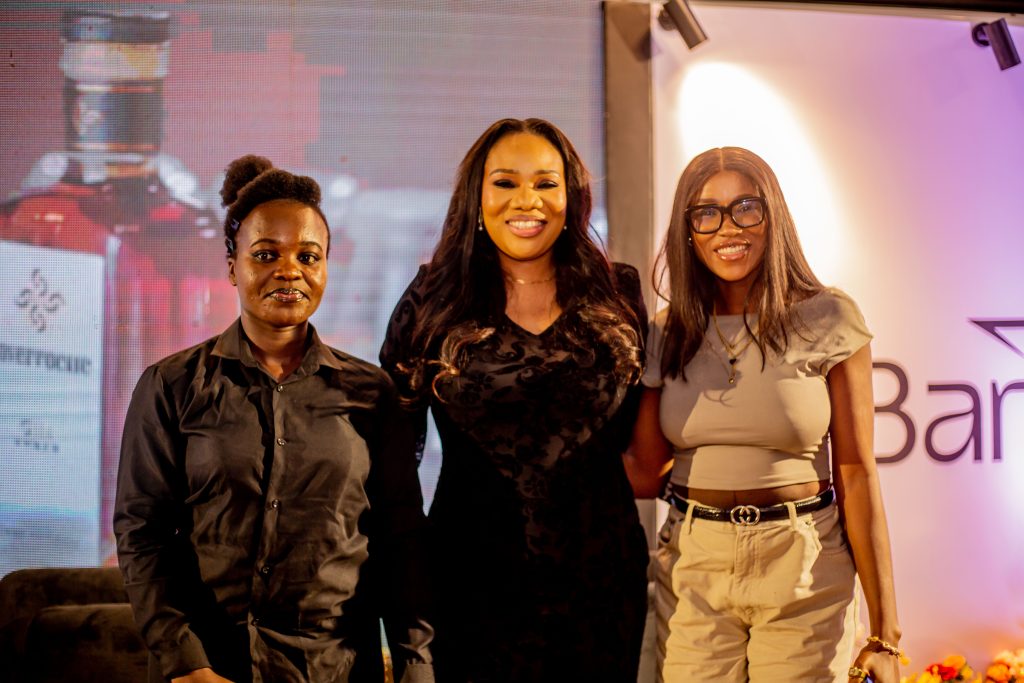
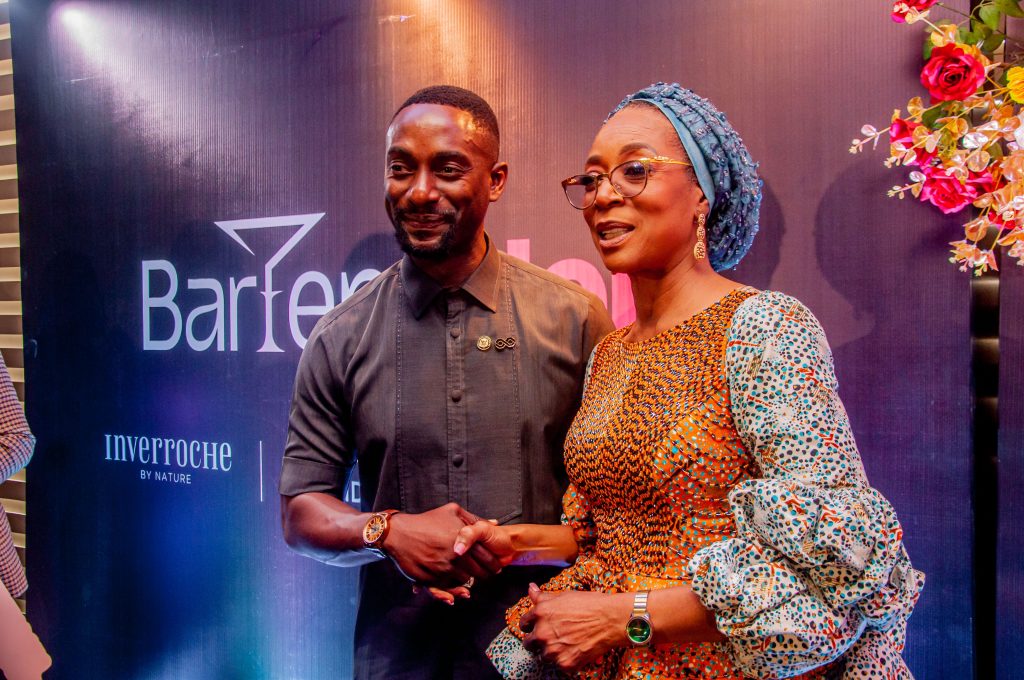
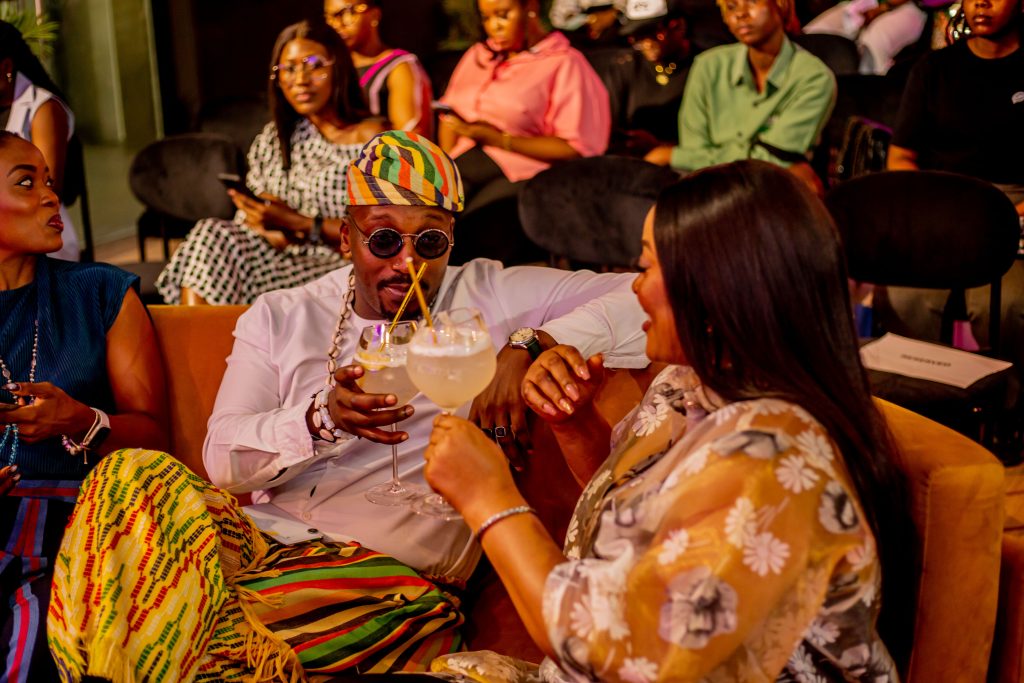
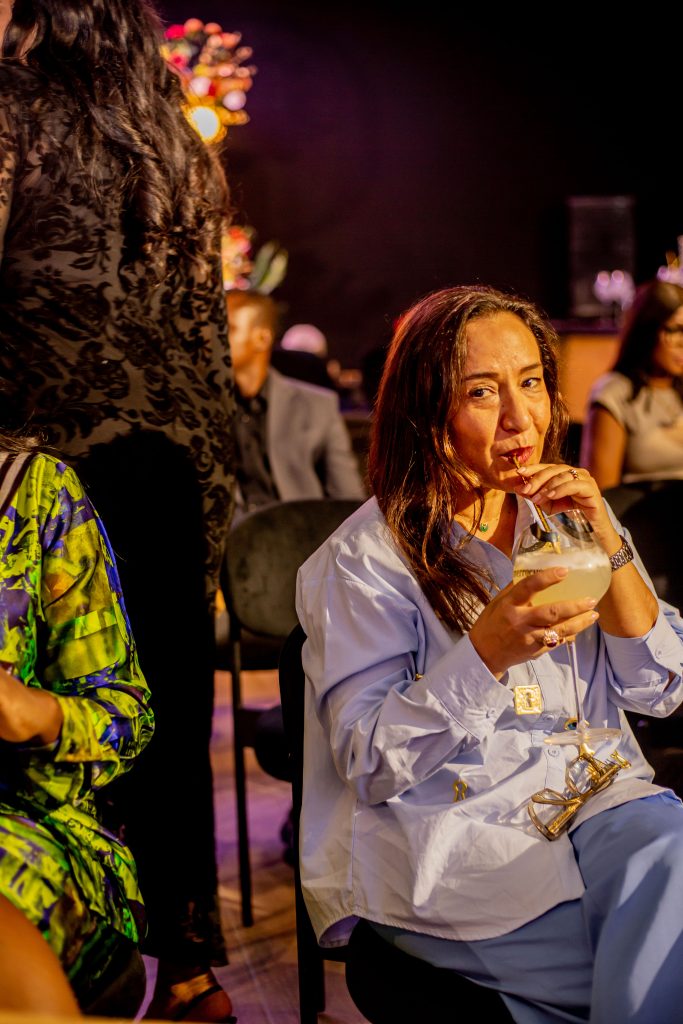
Inverroche Gin has made a deliberate choice to back the women building Nigeria’s bartending industry, and on May 12th, 2026, that investment took shape in Lekki, Lagos. Through BartendHer, a platform created to give Nigeria’s female bartenders visibility, recognition, and community, Inverroche Gin stepped into a space that needed a brand willing to show up with intention. That is exactly what happened.
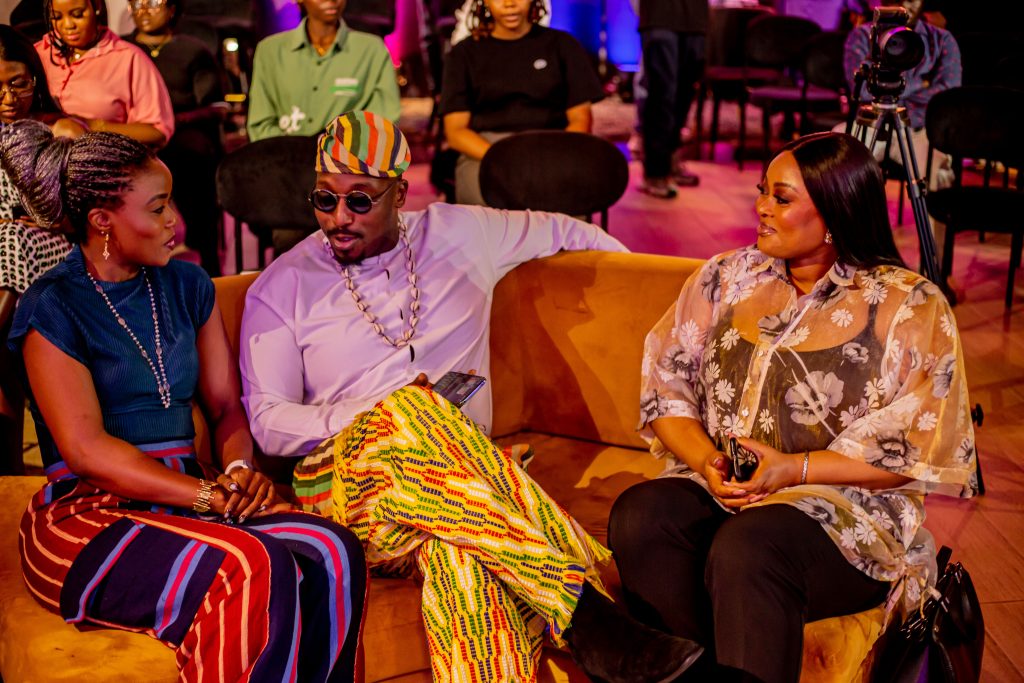
The afternoon brought together female bartenders alongside a room of industry leaders, business executives, and senior public figures, all gathered around a single purpose: to spotlight the women behind the bar and give their craft the recognition it deserves. Inverroche Gin anchored the experience throughout, from the cocktails guests enjoyed to the conversations the brand made possible.
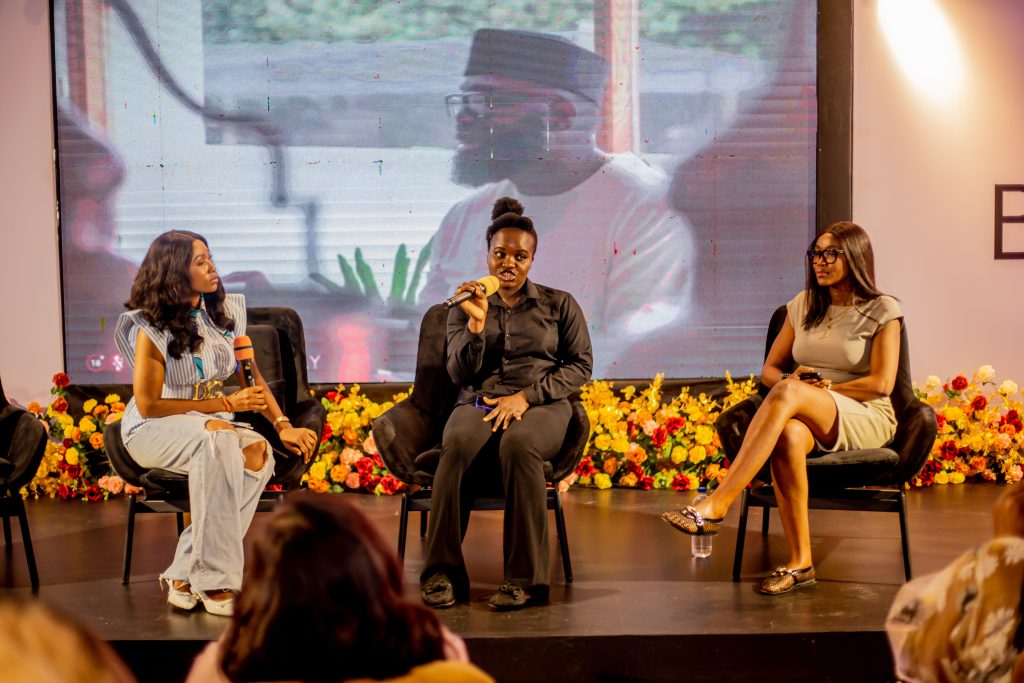
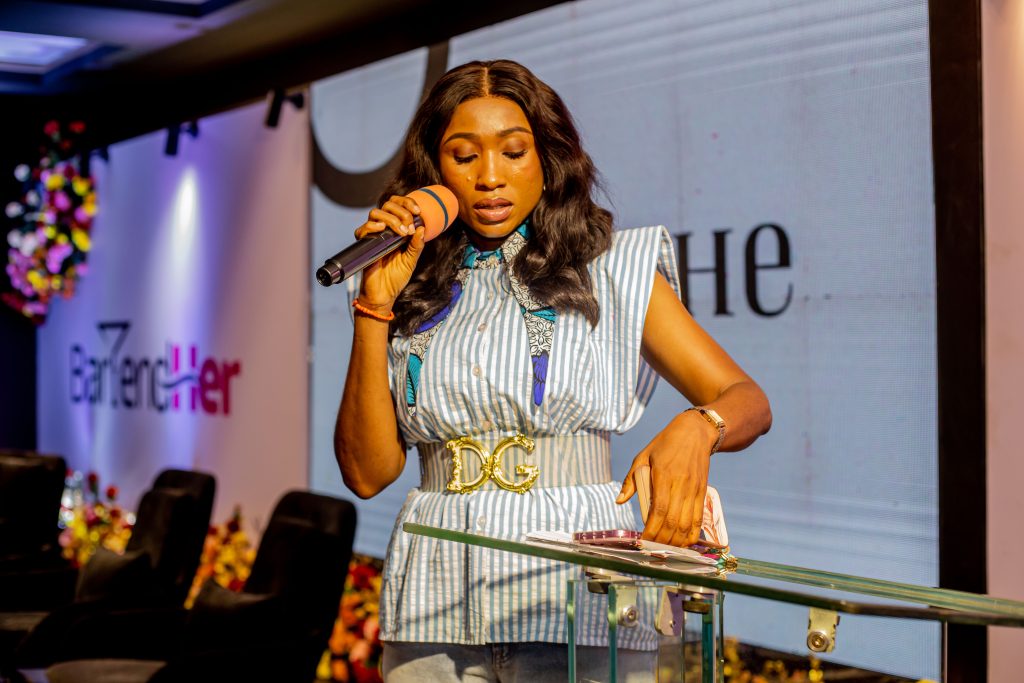
The bartender’s voices set the tone. Myad Omile, founder of The Thirsty Nerd and a seven-year veteran of the industry, spoke honestly about walking into rooms where her expertise was questioned before she had made a single drink. Rosemary Aliri of Rose Bar Events spoke about choosing excellence and perseverance in the face of industry challenges. Happiness Cletus of The Bar Muse brought the aspirational note: female bartenders are relevant, strong, and ready to compete globally. These were not anecdotes. They were the reason Lara Rawa, the spirits curator who founded BartendHer, built this platform. Lara has spent years mentoring the women in that room, and BartendHer is the infrastructure she created to extend that support beyond any single event. The community lives at BartendHer.ng, and the door is open.
A roundtable featuring Mr. Nahi Habib of RSVP Lagos, Ms. Benedicta Ogar of Cavodah Hospitality, and Ms. Lola Bowole of Providus Bank moved the conversation from personal experience to professional strategy, covering career pathways, systems, and what sustainable success looks like in Nigerian hospitality.
Ebere Aham, Market Lead for Inverroche Gin, addressed the room with clarity: “People see the final drink. People don’t see the long hours. People don’t see the emotional intelligence, the work that goes into curating the final glass. Day after day, you’re true to your craft.” That statement captures exactly why Inverroche Gin built BartendHer. The brand, founded by Lorna Scott, has always understood what it means to build something with dedication and purpose. Backing these women is a natural extension of that identity.
The afternoon ended with professional headshots for each bartender in attendance. Being seen is where recognition begins, and Inverroche Gin made sure these women were seen.
One financial experience can reshape an entire life. A scam, months of struggling, or one humiliating moment can permanently alter how someone thinks about spending, saving or taking risks. We spoke to Nigerians whose worst money experiences still affect the way they move money today, and the stories are equal parts heartbreaking and painfully relatable.
“I traded forex with my school fees and lost it all” — James*, 29, M
My dad sent me ₦280k for my final-year school fees after complaining for weeks about how hard it was to get money. But at the time, Forex boys on Twitter were posting insane daily profits, and one part of me genuinely believed I could double my money before sorting out school fees.
I lost everything in two days.
I still remember staring at red candles on the charts at 3 a.m. and trying not to die. Telling my dad was worse than the loss itself. He was so disappointed and didn’t talk to me for months. He only paid the fees (while still beefing me) because my mum begged him to. I honestly believed I’d have an extra year or he’d disown me. To this day, I can’t hear “USD/JPY trading” without remembering the worst week of my life.
“I borrowed money for Detty December. Then I lost my job” — Queen*, 27, F
I got my first big girl job in 2024, and that December, I was determined to “be outside”. Almost every day, I turned up at a party or an event. I even started borrowing money because I was confident my January salary would cover everything. By January 8th, my account balance was down to ₦8k, and I owed a loan company ₦75k. Unfortunately, I got laid off that same week.
The shege I experienced that month is one for the books. It inevitably got to the point where the loan app called and sent threats several times. They went as far as sending obituary texts to my contacts and my mum, who fainted out of shock. It was a terrible time. To date, my phone is always on silent mode because of the trauma of those loan calls.
“₦700k once vanished from my account. Now, I screenshot every alert” — Tolani*, 35, F
In 2019, I woke up to find that over ₦700k had disappeared from my account due to random transactions I didn’t make. I dragged this matter with my bank and court for months, while I borrowed money to survive. Eventually, I only got part of the money back.
Since then, I have constantly monitored my account like a security guard. I screenshot every transfer and debit alert I get. I can be doing a random thing on my phone and subconsciously open my bank app to make sure my money is still there.
The Naira Life Conference is returning on August 22, 2026, in Lagos! Come learn from finance experts and industry leaders, and partake in unfiltered conversations about building wealth and diversifying your income stream in a country like Nigeria. Real stories, expert advice you can actually use, and a community ready to build wealth together. Secure your spot here.
“I hoard money by default” — Josiah*, 31, M
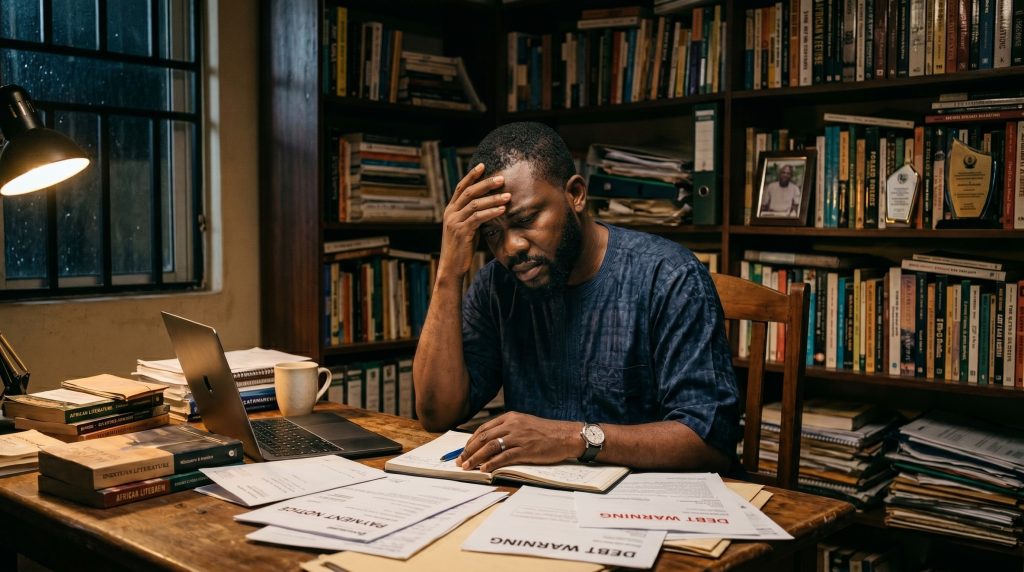
My first employer once delayed salaries for four months. Every week, they sent motivational emails, promising that it was a temporary situation and they were working on a fix. It was an especially dark period for me as I didn’t have financial support or a second job. I sold my phone to afford food and made it a daily habit to trek for two hours to and from work.
The crazy thing is that even though I earn well now, that period permanently damaged my relationship with money. I panic whenever my account balance drops below a certain amount, even though I know I’m fine. I hoard money by default; I don’t know how to spend it.
“I miscalculated date expenses and embarrassed myself” — Dele*, 26, M
I went on a first date with this fine babe to a restaurant I couldn’t afford, but I wanted to impress her. I had mentally calculated that the bill would be ₦67k, which was just around what I had in my account. Unfortunately, I didn’t prepare for the service charge and VAT. When it was time to pay, my card kept declining.
I genuinely wanted the ground to open. The waiter stood there like a debt collector, while my date suddenly became very interested in her phone. In the end, she quietly paid the bill and told me to repay her later. Omo, she blocked me everywhere the moment we left there. I still get flashbacks whenever I eat out, and I compulsively check my account balance to avoid history repeating itself.
“I overwork because I don’t want to be broke again” — Nkechi*, 32, F
During COVID, I lost my job and spent eight brutal months unemployed. I exhausted my savings and borrowed from friends to survive. This is embarrassing, but I once slept with my elderly landlord so I wouldn’t pay rent.
Two weeks later, the stupid man still came to disturb me for rent and implied I should sleep with him again. I had to move back to my parents’ house, something I had been avoiding because of my dad’s wahala.
Today, I have three jobs and barely sleep because I’m terrified of ever returning to that place financially. My employers praise me for being hardworking, but honestly, a lot of it is fear. Rest feels dangerous, and I can’t even imagine turning down work.
“I buy things in bulk because of an embarrassing supermarket experience” — Ogechi*, 28, F
I was dead broke a few years ago when an uncle sent me ₦50k. I rushed to the supermarket nearby to buy some provisions, forgetting that I’d borrowed money from the same account. I only realised that my account had been debited when I tried to pay. I had to leave the cart and walk away. I doubt people noticed, but I was so embarrassed.
Now, whenever I have money, I overbuy essentials because running out of things makes me anxious. My house always has excessive noodles, toothpaste, and foodstuff because scarcity mentally scarred me. I’ve had situations where the food item expired unused.
*Names have been changed for the sake of anonymity.
Subscribe to our newsletters and never miss any of the action
Closeup Nigeria just announced the Everybody Go Chop N500 Million promo, and as the good Samaritans that we are, we need to let you know what that means for you and your pockets.
1. The Prizes Are Real
When we say ‘prizes,’ we are not talking about mere gift cards. Nothing like that, please. Closeup took a look at the state of the economy and decided to dream of bigger prizes like cash, airtime, dinner for two, and paid utility bills. Very intentional of them, actually.
2. Every Pack Is a Guaranteed Win
You would think this promo would go with a Russian Roulette route and adapt the lucky draw technique, but fortunately for everyone involved, every Closeup Red Hot 130g promo pack comes with a guaranteed win. You, me, your neighbour, your mum or even your youngest sibling, our win is guaranteed.
3. The Process Is Simple
We know what you’re thinking. A guaranteed win? The process might take your lives, but once again, you are quite lucky. All you need to do is buy the pack, find your 8-digit code, dial *8011*5#, follow the prompt, and collect your reward. No unnecessary shalaye. You’re welcome.
4. You Were Planning on Buying Toothpaste Anyway
Let’s not lie to each other. You were already thinking of getting a new toothpaste to replace the last one, so you might as well buy the Red Hot 130g promo pack and win big with it. Goodluck!
When Joke* (32) got married four years ago, she never imagined she’d spend most of it raising children alone in Nigeria while her husband lived abroad.
In this week’s Marriage Diaries, she talks about almost considering divorce after getting pregnant alone in Nigeria, navigating postpartum depression without her husband physically present and why she sometimes feels like a single mother in a loving marriage.
Got a marriage story to share? Please fill the form and we’ll reach out.
I didn’t even like the idea of marriage as a child
I had very mixed feelings about marriage growing up.
I remember one Christmas when I was still in junior secondary school. Some cousins and family friends were spending the holiday at our house, and we were all playing games in the living room. During the game, someone jokingly mentioned me getting married in the future, and I immediately rejected it “in Jesus’ name”.
Unknown to me, my mum was somewhere nearby listening to us. The moment she heard me, she immediately started praying against it. She was saying things like, “God forbid you won’t have your own home and marriage.”
Looking back now, it’s funny, but that reaction really captured how I felt about marriage at the time. It simply didn’t appeal to me. I honestly can’t even explain why. It wasn’t because I grew up around terrible marriages or anything like that. I think I just didn’t fully understand what marriage meant then, so I rejected the idea naturally.
Things started changing when I got older and began having crushes. That was when romance entered the picture for me. Suddenly, marriage started looking exciting, like the relationships I was reading about in novels or watching in films.
I imagined this beautiful life where it was just my husband and me always together, always in love and constantly doing life side by side.
Get More Zikoko Goodness in Your Mail
Subscribe to our newsletters and never miss any of the action
I married the only man I ever dated and became embarrassingly clingy
One of the biggest surprises in my life wasn’t even marriage itself. It was discovering the type of partner I became once I fell in love.
My husband is the only man I’ve ever dated, and from very early in the relationship, I realised I was extremely clingy, like embarrassingly clingy.
I always wanted to be around him. At some point in university, I practically moved into his hostel and abandoned the self-contained hostel my parents were paying for. Whenever we were together, I always wanted physical closeness. Holding hands. Leaning on him. Resting my head on his shoulder. Just always touching him somehow.
Even when we fought, it affected me physically. I used to feel genuinely sick whenever we weren’t on good terms. Then, the moment we reconciled and I was back around him, it felt like my body reset itself.
That closeness continued after marriage, too. Everybody around us knew we were always together. If you saw him somewhere, chances were high that I was nearby too.
Which is why people still struggle to believe that I’ve survived this long-distance marriage for almost three years now.
I almost considered divorce after finding out I was pregnant
The biggest test in my marriage began about a year after we married, when my husband relocated abroad.
It wasn’t a random decision. We both knew relocation was part of his long-term plans even while we were dating. Initially, we intended to move together, but financial and logistical constraints made that impossible. So we agreed he would travel first while we sorted out mine afterwards.
That period was one of the hardest emotional experiences of my life.
I cried constantly before he travelled. Everybody kept reassuring me that it was temporary and that I would join him soon, but none of it really comforted me. Then, just as I was beginning to adjust to his absence, I found out I was pregnant. Honestly, I almost lost my mind.
I couldn’t imagine going through pregnancy alone while my husband lived in another country. I started having terrible, intrusive thoughts. Sometimes, I would think about ending the pregnancy and starting over with my life here in Nigeria. Other times, I would convince myself my husband would eventually abandon me abroad while I remained stuck here alone with a child.
Looking back now, I realise how emotionally unstable I was during that period. But throughout everything, my husband remained incredibly reassuring. My in-laws were also amazing. His family genuinely stepped in and supported me emotionally in ways I’ll never forget.
Then later, I discovered I wasn’t just pregnant. I was carrying twins. That news almost finished me completely.
The Naira Life Conference is returning on August 22, 2026, in Lagos! Come learn from finance experts and industry leaders, and partake in unfiltered conversations about building wealth and diversifying your income stream in a country like Nigeria. Real stories, expert advice you can actually use, and a community ready to build wealth together. Secure your spot here.
Nobody prepares you for the loneliness of long-distance marriage
One thing nobody warned me about was how emotionally difficult long-distance marriage could become.
And honestly, who exactly would have warned me? Most of the marriages around me involved couples physically living together. My parents lived together. My husband’s parents, too. Even extended family members weren’t doing this type of arrangement.
But Nigeria happened, and suddenly we found ourselves building a marriage over phone calls, video calls, and prayers. It’s been almost three years, and my husband still hasn’t met our children in person.
When I gave birth, the house was full. Both families came around. My husband himself was constantly calling and checking on me. But honestly, none of that replaces physical presence.
There were moments when I became deeply depressed, even though people were physically around me. I think what hurt most was the fact that the one person I truly wanted beside me wasn’t there. Some of the painful moments have honestly faded from my memory now, maybe because I subconsciously suppressed them just to survive.
But it was very hard.
Sometimes we’re not even fighting. We just miss each other
One thing my husband and I agreed on very early was that we couldn’t allow unnecessary conflict to destroy our marriage. Distance was already difficult enough. Adding constant fights on top of it would only make things worse.
Of course, saying that is easier than actually doing it. There are times I snap at him for no real reason. Sometimes, I don’t pick up his calls, or I just don’t have the emotional energy to talk properly. Other times, he’s overwhelmed with work, school, and trying to survive abroad, so our conversations start to feel forced.
During moments like that, tensions can rise quickly, and we both end up saying things we don’t really mean. But most times, the real issue isn’t even the argument itself; we just miss each other terribly.
Sometimes, it’s even sexual frustration affecting both of us emotionally. I’m personally not a fan of toys or trying to maintain intimacy through phone activities. Not because I’m pretending to be overly moral, but because those things don’t really do much for me emotionally. I want physical closeness. I want my husband physically beside me.
So whenever we start getting irritated with each other, we usually remember that we’re both already suffering enough from the distance itself. At that point, it becomes easier to choose understanding over unnecessary fights.
Marriage forced me to become independent
I think marriage has changed me in many ways.
For one, I’m no longer as clingy as I used to be. Sometimes, I wonder if stress and motherhood simply replaced that version of me. Or maybe I just adapted because I no longer had anybody physically present to cling to.
Ironically, even the twins aren’t clingy children anymore. They’re constantly running around, scattering the house and trying to escape from me. Maybe when my husband and I finally reunite, that soft, clingy side of me will return.
But beyond that, marriage has also forced me to become extremely independent. Our families have been wonderful and supportive, but the truth is that everybody still has their own lives to live. Eventually, I had to develop systems that helped me survive daily life with the children mostly on my own.
Now, I handle things that would have once overwhelmed me completely. Sometimes, my husband will still be stressing on the phone trying to organise help for something, only for me to casually mention later that I’ve already handled it myself.
Still, I always remind him that becoming independent doesn’t mean I’m superhuman. Once we finally reunite, I fully expect to be babied properly. I’ve earned it.
Staying in the marriage was the hardest compromise I’ve made
I think the most difficult compromise I’ve made was choosing to remain in this marriage and raise our children mostly alone instead of walking away when things became emotionally overwhelming.
When I first discovered I was pregnant, I kept it secret for about a week because my mind was in such a dark place emotionally. Then, later, finding out I was having twins made things even more intense. I spent so much time praying because I genuinely couldn’t process the idea of parenting two children alone while my husband was in another country.
But somehow, with support, prayers and intentional effort from both of us, we’ve survived it.
And honestly, my husband has done everything possible to make this journey easier for me despite the distance. I’ve never lacked financially since he left. Before I even mention a problem, he’s already trying to solve it from abroad.
Even while raising the twins, we still parent together through calls and video chats. The children know their father well, even if they haven’t physically touched him in years.
Through all this, he has remained a good husband. Which is why, despite how difficult this journey has been, I don’t regret staying.
I just miss my husband deeply.
*Names have been changed to protect the identity of the subjects.
Got a marriage story to share? Please fill the form and we’ll reach out.