Sex toys are no longer the secret that they used to be. People now talk about them on TikTok and in girl group chats. Late-night ‘just curious’ online orders have also made them more common among Nigerian women.
But talking about them is different from owning them, using them freely, or storing them safely. Especially if you’re not trying to feel like you’re doing something wrong. If you live with family, have roommates, or are dating an insecure partner, the stakes are higher.
We spoke to six women about how they actually use their toys, where they hide or keep them, and how they deal with the accompanying stigma. Here’s what they have to say:
1. “Using a Sex Toy Is Equal Parts Scary and Empowering” – Tito*, 27
I live alone, so the only person I was hiding from was myself. After I bought my first clit sucker, I didn’t unwrap it for a while. I left it on my vanity table, and every time I looked at it, I felt ashamed and excited. The first time I used it, it felt like I had taken on more than I could handle, but I just didn’t want to stop either. The stigma for me was internal. Having grown up as a “good girl”, I didn’t feel good knowing that I loved to touch myself.
2. “I Still Feel Guilty, Like I Should Pray About It” – Atirade*, 26
I’ve always been religious. Self-pleasure was out of the question for me because I was keeping myself for marriage. But you know what they say on Twitter about getting more horny the older you get as a woman? They did not lie at all. Once I turned 23, I just couldn’t stand it anymore. Lacking a romantic interest at the time didn’t help. So I placed an order. My friend had a rose, and she told me she could send me the vendor’s contact, a very discreet babe. I used it and felt slightly sinful. My Muslim roommate doesn’t know I have a rose, and I’d like to keep it that way.
3. “I Bought One After Too Many Disappointments in Bed” – Seyi*, 31
I spent a big part of my twenties accepting average sex because I didn’t know any better. But eventually, I figured that if I was open-minded enough to have sex, there was no reason not to try a sex toy. My first time using a vibrator, I cried a little because the entire experience opened my eyes to how much I had been missing. I love what it feels like to explore my sensitive areas and tease myself till I orgasm. But it’s not a conversation I’m itching to have with my friends or sexual partners.
Get More Zikoko Goodness in Your Mail
Subscribe to our newsletters and never miss any of the action
4. “I Use It With Partners and Alone Because I Don’t Care” – Rukevwe*, 28
I’m very open about using sex toys. It’s 2026, and there’s no reason to feel shame. I’m not the first person to use them, and I won’t be the last. If someone is going to sleep with me, they should know that I have toys and I’m not shy about using them. Some of my sexual partners, especially the men, pretend to have no issues using them. But after I get down to it, they start making passive-aggressive comments. I’ve learnt to filter them early.
5. “Sometimes, the Secrecy Turns Me On” – Zubee*, 24
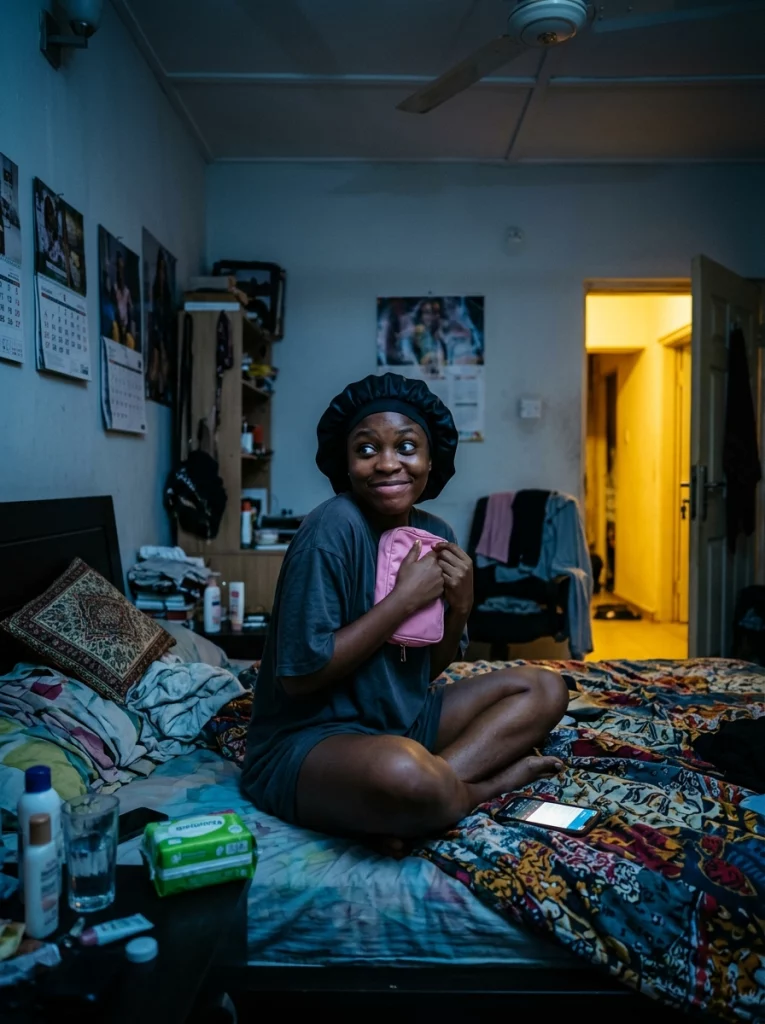
I live with my family. Basically, my parents and two brothers. In my house, privacy is nonexistent. My vibrators live inside the same bag as my pads and tampons. One time, my mum had our cleaner clean my room while I wasn’t around. I came back as she was cleaning and saw her pick up the bag from the floor where I dropped it. The way my soul jumped out of my body? My mum would have been devastated if she saw it. But I can’t lie, I love the secrecy and sense of danger that I get from owning sex toys at home.
6. “My Boyfriend Felt Like He Was Competing With My Rose” – Oma*, 29
I used my rose after sex this one time because I didn’t orgasm. Afterward, my boyfriend didn’t speak to me or cuddle like he usually would. I went to sleep. The next time I tried to have sex with him, he asked me, “Wasn’t I enough? Do you prefer plastic?” The way I was so dumbfounded? Because, to be very honest, absolutely nothing beats the sexual tension when I’m having sex with a man. It simply can’t compare to using a rose on my own. I love having both options like mad.
Sex toys aren’t replacing anyone or anything. They’re simply forcing conversations people have spent years avoiding. Who gets to experience pleasure? Who gets judged for it? And why does a small device make so many people uncomfortable? For these women, the answers are still taking shape, but the toys are clearly here to stay.
Everyone has that one thing their partner does that makes them question their life choices. It could be leaving dirty plates in the sink for days or having a hygiene habit so outrageous that you wonder how the relationship survived.
We spoke to Nigerians about the most disturbing hygiene habits they’ve secretly tolerated, and some of these stories might make you lose your appetite.
“He showers only once a day” — Debbie*, F, 27
My partner and I have been together for a few months. We live separately, but whenever we visit each other, we sometimes spend a few days together. He ticks most of my boxes, but I hate that he showers only once a day. This man will return from work in this Lagos heat, and go straight to bed without bathing.
One time, I was going down on him and caught a whiff of his ass crack. The smell was so bad that I immediately sent him to the bathroom. I spoke to him about it afterwards, and thankfully, he took it well. I even tease him about it sometimes.
“He used to leave cigarette ashes on the floor” Tolani*, F, 27
My ex and I dated for four years. He was my first boyfriend as an adult, and he had a habit of smoking cigarettes whenever he wanted to use the toilet. He’d leave ashes scattered on the floor, which I found disgusting. I never complained, though. He was paying my rent, funding my lifestyle and even bought me a car.
I put up with it until I discovered that he had removed the toilet bowl from its usual position and was using it as an ashtray on the bathroom floor. That was my breaking point, and I ended the relationship.
Get More Zikoko Goodness in Your Mail
Subscribe to our newsletters and never miss any of the action
“He stored his urine in a custard bucket and used lime as deodorant” — Destiny*, F, 25
I once dated a 33-year-old man who lived in a face-me-I-face-you compound. A month into the relationship, I discovered that he stored his urine in a custard bucket and used lime as deodorant.
He kept the bucket in his room and would pee into it several times throughout the day without emptying it. When I couldn’t take it anymore, I confronted him. He explained that he used the bucket because he didn’t like sharing a toilet with his neighbours.
As for the lime, he believed it trapped sweat and prevented body odour. I never date men with questionable hygiene, but I really loved him, so I decided to overlook it. We were together for five months before we broke up over compatibility issues.
“She uses her own spoons to dish food for her cat” — Anthony*, M, 30
I’ve been dating my girlfriend for nine months, and we’re in a long-distance relationship. We try to visit each other often and spend extended periods living together. During one of those visits, I discovered that she uses her tablespoons to dish out food for her cat. She also doesn’t keep the cat’s plate separate from hers, so she washes everything together in her kitchen sink.
I was horrified when I found out, so I started using forks to eat. She considers the cat her baby and takes care of it like a toddler; I honestly don’t know how she’ll react if I bring it up. She’s otherwise great and generally not a messy person, but I’m not sure how much longer I can keep using forks at her place.
“She used to leave dirty plates in her sink for days” — Sarah*, F, 26*
In 2020, I dated someone who would leave dirty plates in the sink for days. She didn’t enjoy cooking and usually ordered takeout, but whenever she cooked something, typically noodles or rice, she’d leave the dirty plates and pots unwashed.
One time, I got really hungry while visiting her, so I went out to buy cornflakes. The only clean plate I could find in the house was an empty takeaway pack. Thankfully, there was also a clean plastic spoon, so I used both to eat before washing them and returning them to her kitchen cabinet. I never brought up the issue because it honestly didn’t bother me, and I really liked her.
“He leaves streaks of urine on the toilet seat” — Stephanie*, F, 37
I love my husband to death, and we’ve been married for five years. He has his flaws like everyone else, but one habit I absolutely hate is that he doesn’t aim properly when he uses the toilet at night. He never turns on the light when he wakes up to pee, so I often wake up to find streaks of urine on the toilet seat and sometimes even on the floor.
I’ve never mentioned it to him, but I’m beginning to wonder how long I’m willing to put up with it. I don’t want to become one of those women who spend their entire lives cleaning up after their husbands.
“He leaves food particles in the sink” — Afolabi*, M, 29
I’ve been with my boyfriend for two years, and we lived together for six months. During that time, I noticed that he would dump his plates in the sink with leftover food still in them. Even when he eventually washed them, he would leave the food particles in the sink. It’s one of the nastiest things I’ve had to deal with in a relationship because it leaves the kitchen looking untidy. I believe people should wash their plates immediately after eating, but if that’s not possible, they should at least rinse off the leftovers. He’s genuinely a great guy, and I love him, so I’m choosing to tolerate it for now. But I know I’ll soon get the ick.
Siblings can get away with a lot when they have someone willing to cover for them. But what happens when protecting a sibling means keeping a secret that could put someone else’s life at risk?
For Bukola (46), telling her parents about her younger brother’s pregnant girlfriend was the right thing to do, even if it meant losing the close relationship they’d shared for years.
This is Bukola’s explanation, as told to Betty
Jide, my younger brother, was born seven years after me. He was an “accident baby” and the last-born, so everyone in our family doted on him. We were closest in age among our siblings, which made us especially close.
Growing up, I had countless memories of covering for him whenever he got into trouble, and he always returned the favour. He often used his last-born privileges to beg our parents and get me out of beatings or chores.
But Jide grew into a young man who struggled to take responsibility for his actions. He was used to getting his way and had a dismissive attitude towards consequences.
In his third year at university, he got his girlfriend pregnant. She had to put her education on hold, and her family didn’t take the news lightly. They demanded that Jide marry their daughter and take responsibility for the baby. My family begged them to wait until he graduated, so he could at least finish school and become financially independent . After much persuasion, they agreed.
My parents were initially upset, but they eventually warmed up to the idea of becoming grandparents. They also hoped the responsibility would finally make Jide take life seriously. I shared that hope. I figured that if he focused on his studies and graduated with good grades, we could pull some strings, get him a job and help him set up a home for his new family.
Unfortunately, things didn’t go as smoothly as I’d hoped.
In 2010, during my brother’s final year, another woman showed up at my gate in tears. She accused Jide of ruining her life and caused such a commotion that my neighbours became worried. I brought her into my house and asked her to explain what had happened.
It turned out that Jide had started seeing another woman and gotten her pregnant too. She was almost three months along, and he had been pressuring her to get an abortion. However, she was too afraid to go through with it. After making some enquiries, she found my address and came to beg me to convince him to let her keep the pregnancy.
I promised to speak to Jide and calmed her down before she left. The next day, I went straight to Jide’s school to confront him. He tried to deny everything, but eventually admitted that he was responsible. Then he begged me not to tell our parents. He insisted he could still convince her to get an abortion and wanted me to keep quiet until he sorted things out.
Get More Zikoko Goodness in Your Mail
Subscribe to our newsletters and never miss any of the action
I agreed, at least initially. But when I got home, I couldn’t stop worrying about what might happen to the lady. I knew how badly Jide wanted to avoid another responsibility, and I wasn’t convinced he would handle the situation properly.
I eventually discussed it with my husband, who said I needed to tell my parents. If Jide managed to pressure the woman into having an abortion and something went wrong, I knew I would struggle to live with the fact that I’d helped him keep it a secret. I went to my parents and told them everything. They were livid.
They summoned Jide home, and that’s when everything fell apart. I’ll never forget the look of betrayal on his face when he realised I’d exposed his secret.. He tried to lash out at me, but everyone else shouted him down.
In the end, Jide was forced to marry his first girlfriend after graduating. He was also required to send a fixed amount of money to the mother of his second child every month.
I expected his anger to fade once he settled into his new responsibilities, but it never did. He became cold and distant. He stopped initiating contact with me and would even avoid calling on special occasions like my birthday.
I’ve tried to apologise and repair our relationship, but I don’t think he’s interested in burying the hatchet with me.
I don’t regret my decision because I couldn’t have lived with myself if anything happened to that lady. Still, I miss the relationship I had with my brother, even though I also enjoy living with a guilt-free conscience.
If you became Nigeria’s president tomorrow, where would you even start? Would you fix the economy, tackle insecurity or sort out the education system first?
Seyi Makinde said he has his own answers. On Wednesday, November 4 2026, he unveiled his 2027 presidential manifesto, titled The Reset Agenda. The manifesto outlines what he hopes to do if Nigerians elect him president in the January 16 2027 election.
According to Makinde’s manifesto, he wants to reset four major areas:
The economy
Security
Education
Governance
What aspects of these four areas is Makinde promising to reset? And what could these plans mean for ordinary Nigerians? Let’s break it down.
Photo: Seyi Makinde Campaign
His plan to reset the economy
Seyi Makinde has based his economic reset agenda on these points:
The government can’t exactly control market prices, especially since global commodity prices also determine how much things cost.
The high cost of living is not only caused by how expensive things are; other factors like poor roads, unreliable electricity supply, delayed approvals, and insecurity also contribute.
So, since the government can’t control the price of every single thing, it will tackle the things (like those listed above) that make everyday life expensive for Nigerians
In September 2026, BusinessDay reported that food, transport and housing accounted for about 59% of Nigeria’s overall inflation in August. Food alone contributed the largest share.
Makinde says he wants to address some of these problems by:
Improving roads and transport systems to make moving people and goods easier.
Reducing transportation costs.
Making it easier for businesses to operate.
Making government services less stressful: He wants to do this through a system he calls “Tell the Government Once.” Through this system, he says Nigerians would no longer need to submit the same information to different government agencies because those institutions can securely share the information among themselves.
How he plans to reset security
For security, Seyi Makinde says he wants to replicate some of the security measures he introduced in Oyo State at the national level, including the state’s 615 toll-free emergency line, CCTV cameras and a security control room. He plans to replicate these on a national level by:
Improving communication between the police, military and other security agencies.
Using information from residents and security agencies to identify threats before attacks happen.
Creating stronger channels for communities to report suspicious activities.
Reviewing major security failures to find out what went wrong and prevent similar incidents.
In Nigeria, kidnappings, banditry, terrorism, and attacks on communities continue to make travelling and living in some parts of the country frightening.
On November 10 2026, The Punch reported that the Nigeria Police Force recorded 418 homicide incidents and 227 kidnapping cases in just eight weeks. The police also recorded 168 banditry incidents and 51 acts of terrorism within the same period.
It would be interesting to see how Makinde will execute his plans to reduce the level of insecurity across the 36 states in the country.
How he plans to reset the education system
For Makinde, getting children into classrooms is only half the job. They also need to learn and stay in school.
And Nigeria has a serious learning problem. In October 2026, the United Nations Children’s Fund (UNICEF) reported that nearly three-quarters of Nigerian girls lack basic literacy and numeracy skills. One in four girls also remains out of school. In September 2026, Minister of Education Dr. Tunji Alausa said Nigeria has between seven to eight million out-of-school children.
Improve children’s reading, writing and mathematics skills.
Measure the success of the sector by whether students are actually learning instead of the number of schools built or students enrolled.
Expand technical and vocational education.
Create more opportunities for apprenticeships and practical skills training.
Work with communities to address the reasons children leave school, including poverty, insecurity and long distances to schools.
In practical terms, Makinde wants to ensure that young Nigerians actually learn, and that they do so in an environment befitting learning. With his vocational education plan, he also wants young Nigerians to have more options outside university education.
The Big Daily is your weekday shortcut to the biggest news shaping Nigeria. We cut through the noise, connect the dots, and explain why the news actually matters, all in one quick read.
Makinde also wants to change how power is shared between the Federal Government and state governments. He believes states should have more freedom to handle problems in their areas, while government offices should be strong enough to do their jobs properly.
His plans include:
Giving state governments more control over issues like security and the revenue (money) they collect.
Making government offices stronger so they can keep working properly, even when new leaders take over.
Making it easier for Nigerians to see how public money is spent and check whether leaders are keeping their promises.
Making government officials explain their decisions and answer for their actions.
Makinde’s proposal to give states more control over security fits into this wider debate about how much power state governments should have to address problems within their territories.
A November 3 BusinessDay report raised concerns about weak oversight of state government spending. It examined the EFCC’s decision to monitor FAAC allocations to states and local governments, as well as the ability of state assemblies to hold governors accountable.
Makinde’s promise is that this will not be the norm in his government; Nigerians will be able to see how public money is spent and whether the government is delivering on its promises.
So, what happens next?
Makinde’s Reset Agenda covers four areas that affect almost every Nigerian: how much things cost, how safe people feel, the quality of education and how the government works.
The manifesto gives an idea of the direction he wants to take Nigeria if elected. However, many of the proposals still need clearer details on funding, timelines and implementation. There’s a lot of “I will,” but Nigerians would prefer to hear how he actually wants to do these things.
For now, Nigerians have a set of promises to examine as the 2027 elections approach. And as with every campaign manifesto, time will tell whether the candidate can turn those promises into policies that improve people’s lives.
Get More Zikoko Goodness in Your Mail
Subscribe to our newsletters and never miss any of the action
GridLocked is a daily pop culture guessing game built for Nigerians. Every weekday by 9am, you’ll get six clues, sixty seconds, and an answer only a Nigerian would know.
Today’s GridLocked is a TV show.
How many clues do you need to get it right? 👀
Share your result when done, but don’t spoil the answer for others. (Missed the last GridLocked? Play it here.)
22 NOVEMBER 2026
Guess The TV Show01:00
Title
Guesses: 0
00:00
How To Play
The Goal: Guess the answer for the day before time runs out. (The answer could be a person, place, song, movie, or even slang.)
The Lock: You cannot type a guess until you have revealed at least one tile.
The Reveal: Tap any tile to reveal a clue. Every clue on the grid describes the answer for the day.
The Clock: You have 60 seconds to guess right. The timer starts the moment you flip your first tile. (You get multiple guesses.)
The Score: ⬜ (White) = A tile you flipped 🟪 (Purple) = A tile you kept hidden.
Best Result = ⬜🟪🟪🟪🟪🟪 | Guesses: 1 (Only needed one clue and one guess to get it right)
Come back every weekday by 9am for a new grid or subscribe to Z Daily, Zikoko’s daily newsletter, to get new GridLocked puzzles, real Nigerian stories and other fun content in your inbox.
How to Play GridLocked
The Goal: Guess the answer for the day before time runs out. (The answer could be a Nigerian person, place, song, movie, or even slang.)
The Lock: You cannot type a guess until you have revealed at least one tile (clue).
The Reveal: Tap any tile to reveal a clue. Every clue describes the answer for the day. The fewer tiles you flip, the better.
The Clock: You have 60 seconds to guess right. The timer starts the moment you flip your first tile. (You get multiple guesses.)
The GridLocked Squares: What Do They Mean?
When the game ends, you see your guess count, total time spent, and the number of tiles flipped. The tiles are shown as white and purple squares.
⬜ (White) = A tile you flipped
🟪 (Purple) = A tile you left closed
The fewer white tiles you have, the better your result.
Best Result = ⬜🟪🟪🟪🟪🟪 | Guesses: 1 (Only needed oneclue and oneguess to get it right)
The topic of how young Nigerians navigate romantic relationships with their earnings is a minefield of hot takes. In Love Currency, we get into what relationships across income brackets look like in different cities.
Interested in talking about how money moves in your relationship? If yes, click here.
TW: Emotional and financial abuse
How long have you and your partner been together?
Segun and I have been dating for a little over a year. If you ask me, our relationship is nearly 30 years too late, and we should have gotten together a long time ago.
What do you mean?
We’ve been friends since we were in our twenties. We both worked at the same hospital in 2001, earning ₦15k a month, and since we were among the few young people there, it only made sense that we were drawn to one another.
We weren’t that close, but over the two years we worked together, the one reason I didn’t lose my mind was Segun. He helped me whenever I was overwhelmed and was always encouraging, even when he needed encouragement himself. There were so many late-night shifts that he covered for me so I could sleep.
He showed genuine care not just for me, but for people around him, and I loved that about him. He was also quite ambitious.
Segun eventually left the hospital to pursue his master’s degree, but we still kept in touch over the years.
Awww. So when did love blossom?
Funnily enough, not for a long time. Back then, I saw Segun as a friend and nothing else. This was partly because after he left, we were never physically together long enough to form an intimate connection. Also, I fell in love with another man, Obinna.
Obinna was my mum’s friend’s son, and we met through our families. He was charming, worked in Oil and Gas, and I was quickly drawn to him.
By the time I was 25, I really wanted to be in a relationship. It was that stage where it felt like everyone else was getting married or having their first child, and I didn’t even have a prospective match.
“We can get married.” Obinna had told me, and he filled my head with all these ideas of what our life would look like: two children, trips abroad, that kind of thing. He even suggested I quit my job so he could take care of me, and God knows I nearly did, but something told me not to.
In 2003, about two years after we met, we had a big wedding in Port Harcourt. Segun even showed up.
However, I wish I had taken more time to get to know Obinna personally rather than just seeing him around family and friends, because marrying him proved to be a mistake.
Why?
For starters, he was not a kind man.
Obinna could be nice one second, but then switch up the next. I remember a day very early in our marriage when we had just been laughing, but when I asked him what he wanted to eat, his whole demeanour changed. He yelled at me that I was stupid, and if I didn’t know what he wanted to eat at this stage, it was because I was a bad wife.
Another time, he took us out for dinner, and they had made a very small mistake with his order. I told him to leave it since it wasn’t a big deal, and he had agreed. However, when we got home, he told me I was the most useless person he knew, and that things like what I had just done were the reason no one respected me.
There were a bunch of other things: finding porn and flirty messages on his phone, being snapped at whenever I did something he didn’t like, but never knowing what he didn’t like because he was always moving the goalposts.
I thought what was missing in our life were children, and while Obinna was softer with the son we had in 2004, I quickly learnt that our child was just another way he could yell at me for failing.
I would flinch every time he cried because I knew Obinna would be watching, waiting for an opening to call me a bad wife and bad mother.
I’m so sorry that happened to you. Was he also like this about money?
Far worse.
As I said, Obinna worked in Oil and Gas, but I was only making ₦45k a month as a nurse. He was clearly the stronger earner. Don’t ask me what his salary actually was because he never let me know. He paid for everything. I don’t recall contributing to the house. I wish I had; maybe he would have had more respect for me.
By 2008, we had three children, and Obinna got even more ammunition against me. If I did something he didn’t like, he would threaten not to buy the food or take care of the children. If I asked him for money to restock foodstuff, he would call me spoiled, even though he easily spent a lot of money on himself.
He also regularly guilted me whenever he found out I had bought anything “non-essential” for myself with my own money. I had to start hiding makeup from him. There was an odd period when I had to hide my shampoo from him because he said that if I were money-savvy, I would have used my body wash on my hair.
I’m sorry, what?
I know how it looks, but where was I supposed to go? We had three children. Since he wasn’t beating me, I told myself the situation was bearable. I didn’t feel physically threatened by him, but my relationship with money suffered.
I rarely took care of myself. Beyond the essentials and dressing up a few times, I would feel guilty buying things for myself, even snacks. I constantly struggled with wanting to treat myself better and not wanting to spend money. I even used to judge people who spent a lot of money on themselves.
Where was Segun in all this?
We’d kept in touch, but not closely. I never told him what was happening, so Segun had no idea I was unhappy in my marriage. He had moved to Ibadan for a work opportunity. We rarely spoke, usually only calling to congratulate each other on life achievements we saw through each other’s WhatsApp and Facebook.
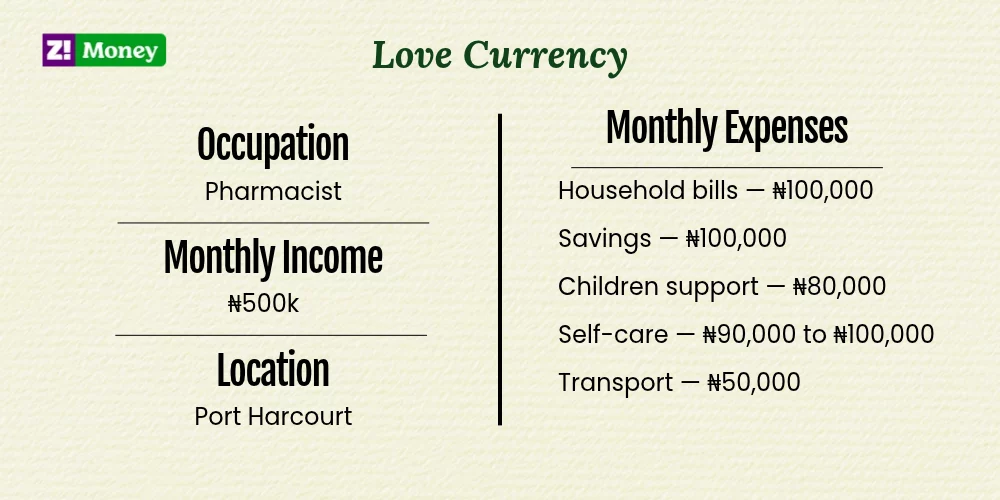
At some point, he transitioned into the real estate business. Seeing his ambition and progress ultimately pushed me to return to school and become a pharmacist. My first job after my career change raised my earnings to ₦150k. I remember breathing a little freer the first time that money hit my account. Over time and with experience, my salary grew to ₦500k.
Obinna was against my career. I couldn’t tell you why. I think he didn’t like me earning more money, but it’s a good thing I did, because in 2021 things changed drastically.
He died.
We surveyed 5,000 workers across Nigeria’s formal and informal sectors to examine what Nigerians earn, where the money goes, and whether hard work actually translates to financial security. This is what we found. Download the Zikoko State of Income Report.
Oh wow
Yes. Obinna died five years ago.
He had struggled with heart issues over the years, but he never took his health seriously. Despite doctors telling him to take it easy, Obinna would often go out drinking. He was overweight, yet refused to live a more active lifestyle. His anger didn’t help, as he constantly had high blood pressure.
One day, while I was at work, his colleague called to tell me they had to take him to the hospital. He’d had a stroke. Within days, he passed away. He was only 55.
As terrible as he had been to me, I still felt his loss heavily. I was a single mum in my forties. Thankfully, Obinna had left behind about ₦30m, money I had no idea he even had. I gasped the day I saw his savings, and I remember thinking, even as I grieved, that staying in the marriage had been worth it after all.
Interesting
2021 was also the year that Segun fully came back into my life.
He had called to share his condolences, and to comfort me, he talked about his own loss. His wife had passed away from breast cancer in 2015, and we bonded over our shared trauma.
But over time, our conversations stopped being about our spouses and started being about our work lives, our hobbies, our problems and our wins. Over the course of five years, we carefully fell in love. I say carefully because after Obinna, I wanted to be smarter with my heart.
In 2025, I asked him to visit me in Port Harcourt. He did. He took me to dinner, and I remember, guiltily, comparing his kind behaviour to the server with Obinna’s bad behaviour. However, I was not guilty enough, because when Segun told me he liked me, I didn’t hesitate to confess I liked him too.
We’ve been dating long-distance ever since, as Segun still lives in Ibadan.
I’m so happy for you.
I’m happy too. So far, Segun is nothing like Obinna. He’s funny and kind. We stay up late on calls, and he always tries to help.
He’s also really nice to my kids, which would have been a deal-breaker for me. He sends them messages on all their birthdays, and last Christmas he sent them presents.
What’s the financial dynamic between the two of you like?
Amazing. We don’t talk much about finances since we aren’t married, but he sends me money whenever he feels like it. Nothing less than ₦100k at a time, and at least twice a month. He always tells me to spoil myself. I can’t remember the last time I heard those words.
Sometimes, I worry he doesn’t mean it or that he’ll switch up, but so far he hasn’t shown any signs of doing so. He told me his business has a ₦5m monthly turnover, so sending me money isn’t something he struggles with.
In March, I saw these ₦80k heels I really liked, but I hesitated to buy them because I didn’t want to waste money. When I took a picture to send to Segun, I panicked halfway through, thinking he’d tell me I was spoilt and senseless.
But all he did was praise me in a way Obinna never had, then he sent me double the money for the shoes.
Sometimes, Segun will be the one to send me pictures of jewellery he thinks I’d like, and before I can protest, he’ll buy them and have them delivered. My last daughter turned 21 recently, and even though he has his own daughters, Segun paid for her dress, nails and hair for her photoshoot. Everything was ₦180k.
I keep waiting for him to switch up or become this terrible man, but I have to remind myself that this is Segun, and he has never been that sort of person.
Having him spoil me has made it easier for me to spoil myself.
That’s sweet. What’s next for both of you?
Telling our children about our relationship. They don’t know I’m dating Segun. They think we’re just really close. But I’m travelling to Ibadan for Christmas with my kids to spend time with his family, and hopefully everything works out. I think my children like him, so I’m not so worried.
I don’t know what our future looks like. I haven’t thought about it too deeply, but for now, I’m grateful to have him at my side.
Interested in talking about how money moves in your relationship? If yes, click here.
*Names have been changed for the sake of anonymity.
On the Streets is a Zikoko weekly series about the chaos of modern dating: from situationships and endless talking stages to heartbreak and everything it means to be single in today’s world.
For Maria* (28), love isn’t enough to keep a relationship going. After years in difficult relationships, she’s come to see dating as a means to an end.
In this episode of On the Streets, she shares why she believes relationships are transactional and why she now prioritises what a man can offer her.
What’s your current relationship status, and how do you feel about it?
I’m single. I’ve taken a break from dating because I haven’t met anyone I feel is worth my time.
I’m no longer willing to compromise on the kind of man I date. He should be able to meet my financial needs before I consider what I can offer him in return. For me, relationships are purely transactional.
That’s interesting. How did you arrive at this viewpoint?
A terrible relationship I had earlier in life changed how I saw dating.
I was 18 and in nursing school when I met Muri* through friends. He was very tall and had a commanding presence, so he was hard to miss. I was attracted to him from the beginning, and we eventually got close.
Muri was the kind of guy other girls wanted to be seen with, so I felt good about being his girlfriend. But I soon realised things weren’t as rosy as they seemed. He had a terrible temper and knew how to manipulate arguments until I was the one apologising. Sometimes, he’d get so worked up that he’d smash things. He also hit me a couple of times.
Oh. Why didn’t you walk away?
He would always apologise and become nice afterwards. That cycle became so familiar that I gradually normalised it. Eventually, I’d even push him during arguments because I knew that if he hit me, he’d immediately become apologetic.
We fought so often that even his neighbours were against the relationship. They always had to separate us. Still, we always found our way back to each other.
I didn’t know anything outside him. He was my first everything, and my dreams were quite simple back then. I wanted to finish school, practise as a nurse, then get married.
But four years into the relationship, I caught him cheating. I found out in the worst way possible.
Get More Zikoko Goodness in Your Mail
Subscribe to our newsletters and never miss any of the action
What happened?
I’d finished school and travelled home, but had to return to Ibadan on short notice to sort out some errors with my clearance. I decided to surprise Muri by showing up unannounced.
When I got to his place, I found another girl there, literally in her underwear. He swore nothing had happened and claimed she was his brother’s girlfriend. But after she left, I found an open pack of condoms in his room. He couldn’t deny it anymore.
I was upset and left to stay with a friend. But when he came to beg and apologise, I forgave him. The truth is, I didn’t care that he’d cheated.
Why not?
Growing up, my dad cheated on my mum, and I’d seen similar behaviour among other men around me. Somewhere along the line, I started believing that cheating was just in men’s DNA. I thought that since I’d caught Muri, he’d become more conscious of his behaviour and treat me better. He actually improved for a while, but it didn’t last.
I was supposed to move in with him full-time after school, but he kept making excuses. He’d say his brother was staying with him or give me some other reason I couldn’t settle in. So I kept moving back and forth, only visiting whenever I could.
That arrangement continued until I heard that he’d gotten another woman pregnant and planned to marry her.
Wow. How did you find out?
I heard about it through rumours in 2021, which I eventually confirmed.
What hurt most was that we were still communicating. We spoke almost every day, yet he never thought to tell me or even apologise. When I confronted him, he showed very little concern for how I felt.
That was the last straw. Even after I cut him off, he hardly batted an eyelid. He went ahead and got married. That experience drove me into depression.
I’m sorry. How did you cope after that?
At the time, I was about 23 and didn’t know what I wanted to do with my life. I was doing my internship, but I’d realised I hated working in a hospital.
Then a friend introduced me to escort work for cash. We worked at bars, mainly serving drinks and tending tables. I was exposed to a completely different lifestyle and started earning much more money than I would have earned at the hospital. Sometimes I made five times as much as full-time nurses at my internship hospital earned in just one weekend.
That experience opened my eyes. I interacted with various men and observed how many of them pursued women who were dismissive, talked down to them, or weren’t readily available. I began to realise that money and the way people treated each other played a much bigger role in relationships than I’d previously understood.
Did that influence how you approached dating?
Definitely. In 2022, I got involved with a guy who also worked as a hypeman at the bar. I didn’t have romantic feelings for him, but I enjoyed his company because he respected and valued me.
I also wanted to start a business and learn a few beauty trades, and he helped fund some of those plans. I realised that if you’re going to give someone your time and energy, it’s only fair that they meet your needs too.
He wasn’t consistent and never wanted to make the relationship official, so I left him when I met Segun*.
Tell me about Segun. How did you meet?
We also met at the bar. He noticed me and sent someone to ask for my number. I hadn’t even seen him when we started talking and getting to know each other over the phone.
He was very direct and told me he wasn’t going to waste my time. I liked that because it seemed we understood each other. When I eventually met him, though, I was a little disappointed. He looked much older than I expected, at least a decade older than me.
I won’t pretend I liked him. I liked what he had to offer me, and I thought my feelings might grow over time.
I see. What was the relationship like?
It didn’t get very far because he could be condescending. I didn’t like the way he spoke to me. He was often rude and talked down to me, and I wasn’t going to accept that from anyone. We argued a lot because I always stood up for myself.
He did help me in several ways, though. He introduced me to useful contacts, supported me in opening my first spa and even helped me get a car.
One issue was that he wanted me to quit my job at the bar. He complained about it constantly until I eventually gave in and left. By then, I was already making enough money to be comfortable.
But I eventually got tired of the relationship and cheated on him in 2024.
Oh. How did that happen?
I met a guy at my gym who was very flirtatious. I found him attractive and was sexually interested in him, so we started talking. I knew it wouldn’t lead to anything serious because he didn’t have much to offer me. It was only meant to be a brief affair.
But Segun eventually found out after my security guard told him. When he confronted me, I denied it, and he became very aggressive. He raised his hand at me, which set me off. I got really angry and threatened to use a kitchen knife on him if he didn’t leave.
I knew the relationship wouldn’t survive that incident. He became withdrawn and eventually said he wanted to break up. I told him I felt the same way. It was a very toxic relationship that had to end.
Did you get involved with anyone else after Segun?
For a while, I just enjoyed myself. I’m very picky, so I didn’t want to be tied down to just anyone. But last year, I met John* via Instagram, and we eventually entered a serious relationship.
He reached out via DMs, but I ignored him for a while. He was persistent, so I eventually gave him a chance.
We spoke for quite some time, and I liked his voice. He sounded good, and I liked the impression he gave me. As we got to know each other, he told me his family lived in Spain, that he owned properties there and that he was only in Nigeria temporarily. He also claimed to be involved in politics.
A few weeks into talking, though, I noticed inconsistencies in his stories. I decided to ask around and discovered that much of what he’d told me wasn’t true. He wasn’t as wealthy as he’d claimed, his family wasn’t based in Spain, and he’d only travelled there for a work project before returning to Nigeria. His claims about being involved in politics were also untrue. He lied to impress me.
Did you still date him?
Yes. Finding out he’d lied didn’t change the fact that he still had a lot of money. I was still getting what I wanted from the relationship.
I also liked that he wanted to be childfree and didn’t want to get married. I’d decided long before meeting him that marriage and motherhood weren’t for me. I feel children tie women down, and many men may use them as leverage in a relationship.
John wasn’t like other men who pestered me with marriage. I thought we’d have an enjoyable run because we seemed to want the same things. But eventually, he showed his true colours.
What did he do?
He was extremely promiscuous, and I caught him cheating multiple times. I routinely checked his phone and eventually discovered that he even attended orgies and visited brothels for threesomes.
At first, I didn’t care that much. I’d even told myself that if I met someone else I liked while we were together, I’d return the favour. But his behaviour became relentless. No matter how many times I confronted him, he’d keep doing the same thing. He was like a dog.
I eventually became irritated and decided that no amount of money was worth the stress, especially after I developed a minor infection. I didn’t feel he took my concerns seriously. He begged me to stay and tried to change my mind with money, but once I’d had enough, I blocked him. We were barely together for 10 months.
How did you feel after the relationship ended?
It didn’t feel like much of a loss. He was taking more from my life than he was adding to it, so I didn’t see the point of staying. He made me realise that I no longer want to be tied down to anyone.
I’ve also been thinking about entering the escort business, though I’d prefer to explore online platforms. I’ve come across platforms abroad that are more structured and allow women to earn money by talking to men. I tried registering on one using a VPN, but I was kicked off, so I’m still figuring out other ways to get into it.
I also know that many men feel insecure about that line of work, so I probably won’t be getting into a relationship anytime soon.
So, how have these experiences shaped your idea of love and relationships?
I think with my head. Women need to be more practical about relationships. Society already puts us at a disadvantage, so we should be intentional about the choices we make.
When you have means, you’re in a better position to make decisions and less likely to depend on a man who will mistreat you.
Finally, how are the streets treating you these days? Rate it on a scale of 1 to 10.
10/10. If there was an 11, I’d choose that.
I love being single. For now, I’m happy with how my business is going and where my life is headed. I just want to keep enjoying my freedom.
Rotating savings groups, popularly known as Ajo or Esusu, are a common way for many Nigerians to raise capital and are built on trust and the promise that everyone will eventually get their money. But sometimes, things go very wrong.
From members who disappear after collecting their payouts to coordinators who can’t account for contributions, these Nigerians have stories about ajo that turned into financial nightmares.
“My ajo member lost her husband after receiving her payout, then she disappeared” — Bisi*, 36, F
In 2024, I joined an ajo with 11 fellow market women. We contributed ₦50k/month to collect ₦550k. I planned to use it to pay my shop rent. My turn was the last.
After the fourth woman collected her payout, her husband died, and she closed her shop to mourn. After three months had passed, we started to worry. Her numbers were unreachable, and no one knew where she was.
The first three women who collected their full turns refused to contribute more so the money would go round, and some people angrily stopped contributing. It was a whole mess, and the coordinator got arrested. I lost ₦350k and only got ₦100k back.
“He collected our money, then resigned” — Tunde*, 31, M
I never liked the idea of ajo and keeping my money with people, but had to do it in 2023 because I needed urgent cash to move apartments. I joined a group of four other colleagues at work, contributing ₦250k/month.
I had contributed only once when the organiser, who collected the first payout, resigned. He didn’t even tell anyone, and I found out by chance through his manager. When the other ajo group members and I confronted him, he claimed he intended to continue even if he wasn’t working there. We refused, and he agreed to pay us back. He never did.
“The coordinator used our money to pay their rent” — Joan*, 32, F
My church’s women’s group decided to organise an ajo to raise our yearly dues. We contributed ₦20k monthly, and one woman volunteered to collect and distribute the money. Everything was fine until it was time for the first payout, and she started giving stories about her bank app.
After weeks of excuses, she confessed that she’d used the money to pay her house rent because her landlord was threatening to throw her out. She promised to refund us after her next salary, but that never happened. The church begged us to let the matter go. I was so pissed.
“My friend ran away after collecting ₦1 million” — Dara*, 28, F
I started a ₦200k/month ajo with five of my friends last year because I wanted to travel for my birthday. I was the organiser but got my old friend from uni, Fola* (who was part of the ajo), to hold the money so I wouldn’t spend it.
I collected first and went on vacation without issues. Fola collected the second one. The third person’s time came, and she didn’t remit the money. When we visited her house, her neighbour told us she’d travelled out. I had to borrow from loan apps just to settle my other friends. I know I’ll catch Fola one day and show her why they don’t mess with Ijebu women.
“The coordinator tried to relocate with our money” — Ebuka*, 43, M
My ajo group coordinator had an arrangement where you could choose to keep your payout with him to do business with for three months, then he’d give you 20% extra. He sold electronics and had been doing this arrangement for years with no issues.
When I tried to do the same in 2025, everything scattered. I didn’t need my ₦2 million payout immediately, so I left the money with him. He disappeared by the second month.
I later heard he ran away with so many people’s money. It took us almost a year to track him down, but by that time, he’d spent all the money. Apparently, he tried to travel abroad but got scammed. He’s now in prison.
“Someone got pregnant and wanted to change their payout slot” — Mariam*, 28, F
I’d been doing an ajo with five other women for three years without issues. Last year, a new person joined, and she was supposed to collect last.
Two months in, she announced she was pregnant and needed her money earlier to buy baby things. She expected us to rearrange our turns. One person agreed, but the rest of us refused since we already had plans. I needed the money for my business.
That’s how she started insulting us, saying we were wicked witches. People insulted her back, and the group chat turned into a battlefield. I had to leave the group for my sanity.
“My ajo group turned into a court case” — Eniola*, 40, F
My ajo group coordinator mistakenly paid someone twice in 2024. She didn’t notice until it was time to pay the last person. When she tried to get the money back from the woman who got double payment, she said, “You too, why did you make that mistake? I didn’t remember either, and I’ve spent the money.”
That was like ₦4 million. Both of them sha dragged themselves to the police. Thankfully, I didn’t lose any money as I’d already gotten my payout, but it turned me away from ajo groups. Last I heard, those women are still fighting in court.
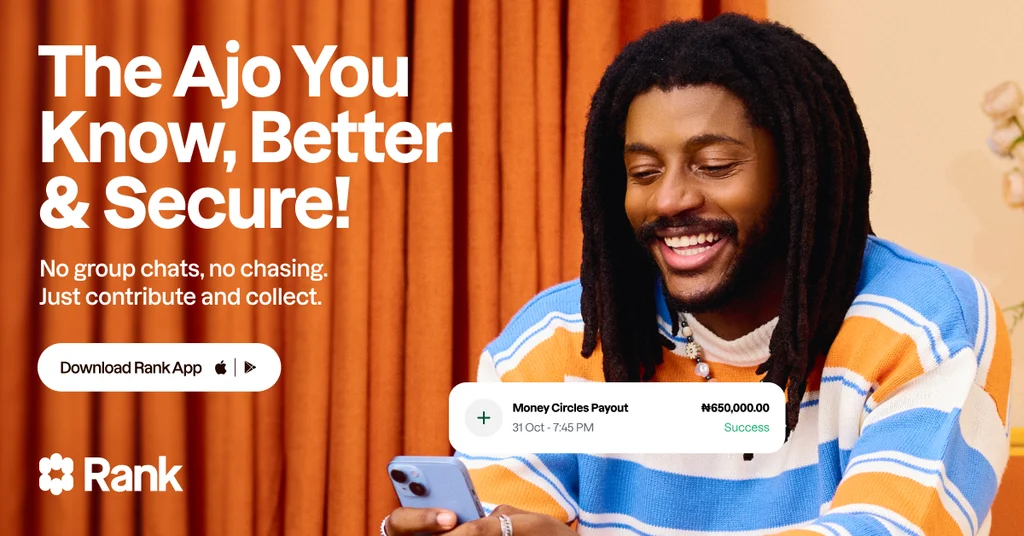
Ajo savings don’t have to end in cautionary tales. With Rank’s Money Circles, you can enjoy the familiar experience of saving and collecting money in turns without having to find members, chase payments, or worry about who will disappear next.
Choose how much you want to contribute, how often you want to save and your preferred payout slot. Rank handles the member verification, collections and payouts, so you can focus on what you want to do with your money. Start here.
Get More Zikoko Goodness in Your Mail
Subscribe to our newsletters and never miss any of the action
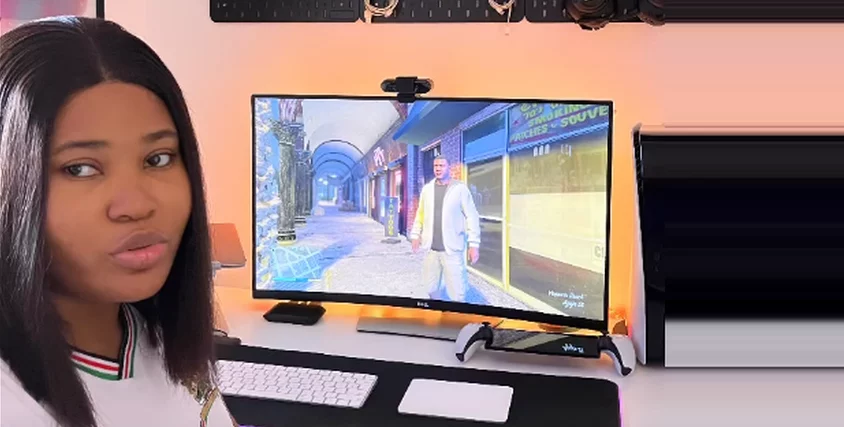
Stefkaly has made a name for herself in the Nigerian gaming industry. Still in her early 20s, she has built a prominent social media following, worked with popular international brands, and earns a living by streaming gameplay from the comfort of her home.
But it has taken her a lot to get here: from a draining career in healthcare to a pivotal career switch into tech, before finally becoming a gamer and dealing with all the societal and gendered issues that come with it. Here is how Stefkaly broke into the gaming and streaming world, and how you can do it too.
This is Stephanie’s story, as told to Azara.
Gaming is not a woman’s hobby.
At least, that’s what I heard growing up. For girls, gifts were usually clothes and jewellery, while boys got game controllers and consoles. For a while, I believed it was the natural order of things, but as I approached my teenage years, I began to see things differently, thanks to my brother.
It was 2005, and my parents had gifted him a SEGA game. I would watch him in fascination as he racked up high scores and beat character after character. Being a bystander soon bored me, and I wanted to experience his excitement for myself.
So, when we got older and he switched to playing games like Pro Evolution Soccer (PES) on his laptop, I would wait for him to leave it unattended and then try those games myself. I liked the feeling, and I soon began to desire my own games.
The opportunity finally came to me around 2014, when I got my first phone. I started playing mobile games and would go to friends’ houses and game centres to play console games too. I was drawn to football games like Dream League Soccer and PES, and I’d play them for hours. I liked to win, and luckily for me, I usually won. Beating other players quickly became my guilty pleasure.
But playing the games was just that: playing. In Nigeria, it’s a common expectation that you “grow up,” get a university degree, secure a job and be serious. I couldn’t exactly make gaming my job, so I set it aside and labelled it a hobby while I pursued a university degree.
By 2019, I was a social worker at a hospital, where I helped patients navigate difficult and vulnerable moments. While the work was meaningful, it was often emotionally demanding.
At the time, I was also tinkering with design and creative work, which led me to digital design. A career with more earning potential, more creative freedom, and new opportunities? It was a no-brainer.
In 2020, I got a freelance opportunity and was invited to apply for a job. This allowed me to explore digital design alongside social work. It started small, but a month into it, I began earning some money.
After a while, I could afford a bunch of my wants: I got an apartment, furnished it to taste, and started funding little pleasures like travel and tech gadgets.
After two years, I was able to make my favourite purchase ever: my gaming console.
Despite my journey into an “adult job”, gaming never left my life. I played on my phone, in my friend’s houses, game centres, and anywhere I could affordably access my favourite hobby. But with the money I was making from digital design, I could finally make my dream of having my own gaming setup a reality, and I did.
In 2021, I bought myself a PS5 and started recording myself playing games, usually FIFA, choosing to record my reaction or just the gameplay. I’d upload the videos to TikTok, while still exploring going live and streaming on Twitch and YouTube. Doing these things should have been enough to take gaming beyond a hobby, but, to be honest, I still saw it as something I did for fun. Even with most financial barriers to gaming gone, my old ideologies about it didn’t make me consider it as a career.
So, for fun, I started joining online communities to meet other gamers and creating content on TikTok and Instagram.
By day, I was a social worker and digital designer, working on cases and international projects. By evening (at least, on the evenings I made time for it), I was gaming and putting out content. I was fine continuing that way, but in 2024, a popular international brand reached out to me for a sponsorship deal.
Get More Zikoko Goodness in Your Mail
Subscribe to our newsletters and never miss any of the action
It was an amazing deal. They had seen my gaming content, and the sponsorship was for a programme that connects gaming and music, particularly the integration of music into my gaming content. The brand paid me good money for that deal.
That was when it hit me that gaming could be a job, and I swore to take it seriously.
Since then, I have worked with Samsung, Xiaomi, Spotify, and other well-known companies. I’ve also made some money streaming on Twitch and TikTok, from subscribers and from people who give gifts during streams. But my brand deals have been the most lucrative part of my gaming and creator business. Thanks to how much I’ve earned, I’ve been able to build a decent gaming setup.
It has been nothing short of incredible, but gaming isn’t always easy, especially since I game alongside my digital design work. It has been a hassle trying to figure out how to manage both jobs, and usually one side suffers more than the other. I think I have a better handle on it now than I did at the start, but I’m still figuring it out.
As if my personal problems aren’t already a challenge, being a gamer in Nigeria comes with its own struggles. For one, the epileptic power supply is hard for a streamer. Not too long ago, I got a time-sensitive brand deal for a company I really liked. I had planned to make two videos for them in the evening, but moments after I set up my camera to record, NEPA took their power, nearly causing me to miss my deadline.
I don’t think I had panicked like that in a long time. I eventually finished the videos, but the situation scarred me enough that I got an inverter system.
Even when I manage to get consistent electricity, I still have to deal with backwards male players.
“What are you doing here? Shouldn’t you be in the kitchen?” This is something a man on my stream said to me. I don’t get comments like this often, but when I do, it always reminds me just how underestimated women are in the gaming space.
For the most part, I have a pretty good community, but some Nigerian men still think gaming isn’t a place for women. They like to taunt until I pick up my controller and show them what I can do. Funny enough, most of that disrespect disappears once I beat them, which is usually the case.
Beyond creating content and streaming, I’ve also started taking things a step further by hosting my own gaming events. It’s another way for me to bring gamers and creators together, create experiences around something we all enjoy, and help build the gaming community here in Nigeria. I love that I’m now able to create these opportunities rather than just wait for them to exist.
I’d love to see more of that happening in Nigeria. Gaming is still largely seen as just a hobby, and I think that’s a missed opportunity.
Buying games in Nigeria is also unnecessarily expensive. There are so many games and tools I buy that I know are more affordable abroad. Plus, with most of our country being impoverished, no one even thinks of buying games. Again, many see it as a hobby, and many Nigerians can’t afford hobbies.
I really think that, if gaming were made accessible, it could be as lucrative as any other major career field in Nigeria. Abroad, people compete in tournaments and win hundreds of dollars. Imagine how many lives could change if opportunities like that were made available here?
Beyond Nigeria’s development, I also think about my future. I’d still love to grow my career by connecting with more brands. I want gaming and educating people about gaming to be a full-time, long-term career, and I expect that to happen for me.
While I want to achieve more, I’m quite comfortable where I am now. It has taken me a lot of dedication to turn something “not meant for women” into a multi-million-naira business, and if I had known playing my brother’s games would turn into this, I would have fought for my right to play sooner.
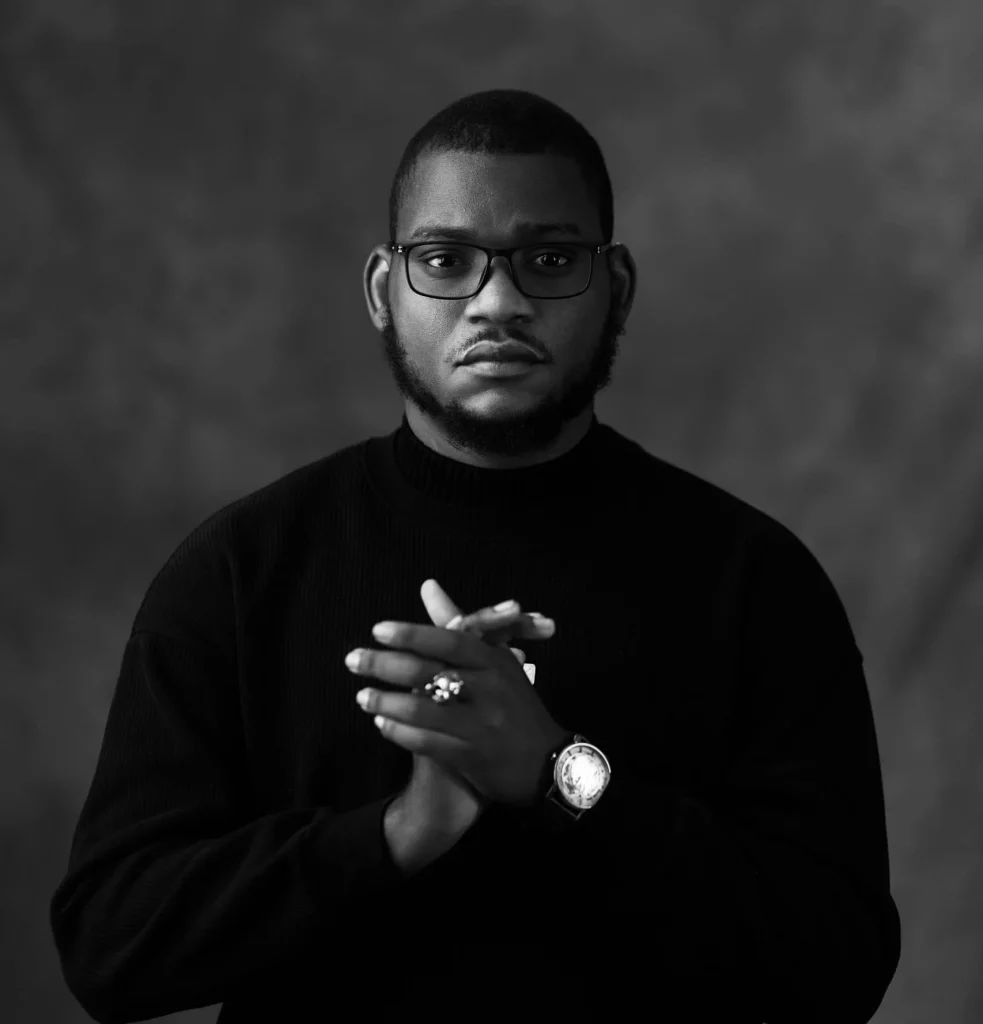
In a market where entrepreneurship is often defined by building one company at a time, Christian Brain Okoli is taking a different approach.
Across finance, media and fast-moving consumer goods, Okoli is building businesses and platforms that sit around some of the most important parts of Africa’s emerging economy: how people understand money, how brands reach consumers, and how African products are built and distributed.
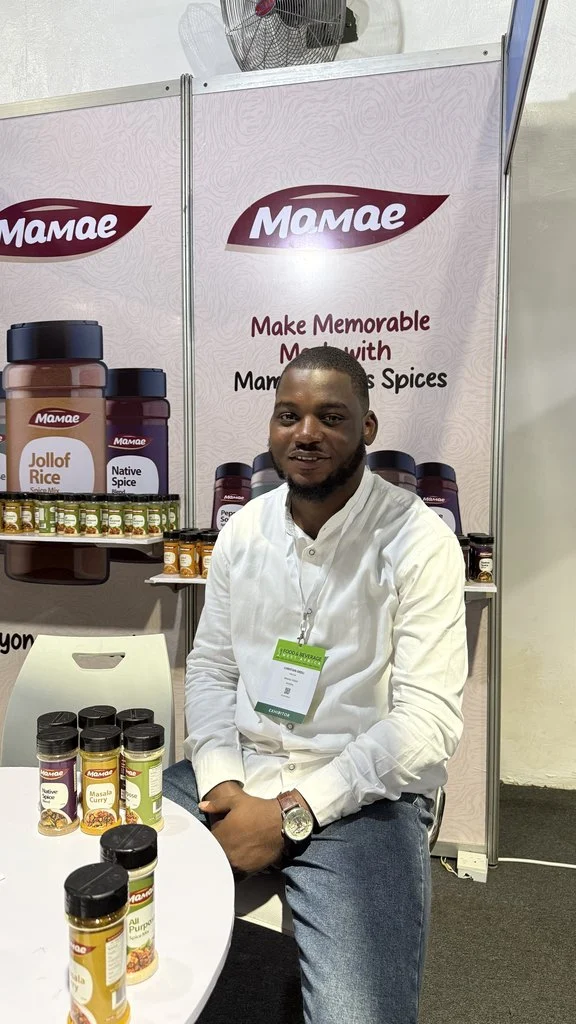
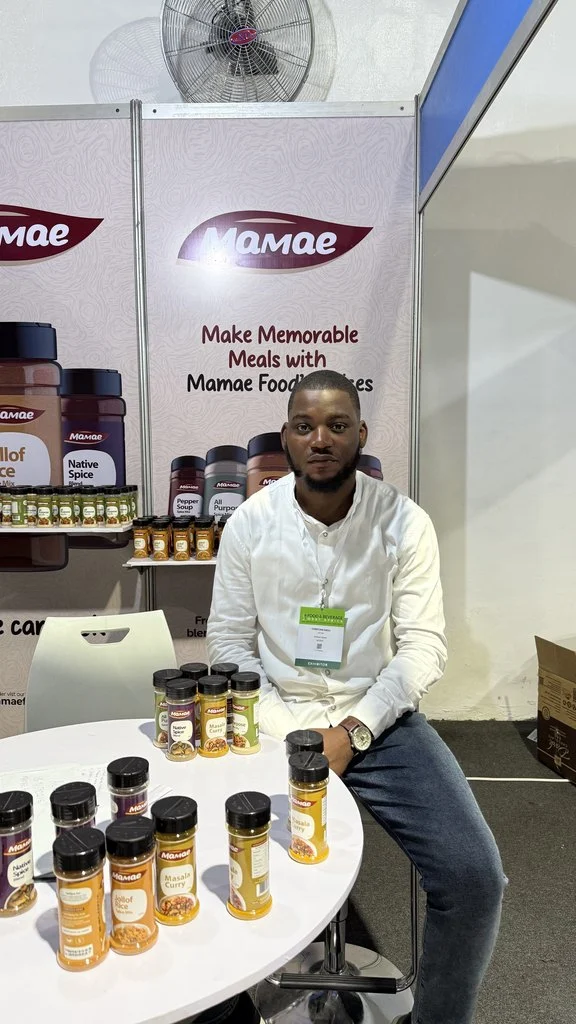
His portfolio includes TrybeOne Finance, a financial education and investment community; BlueAfric Media, a media and strategy business; and Mamae Foods, a consumer brand focused on natural, additive-free food products.
On the surface, the businesses operate in very different industries.
The underlying strategy, however, is closely connected:
Build an audience. Understand what they need. Create products and platforms around those needs. Then build the distribution to take them further.
From content to businesses
Okoli’s entry point into much of this ecosystem has been media and content.
Through BlueAfric Media, he has built experience across media, strategy, branding and communications, working with organisations and institutions including the Nigerian Communications Commission (NCC), New Age, the Central Bank of Nigeria (CBN), Xend Finance, the West African Health Organisation (WAHO), AB InBev, MTN and the Enugu State Government.
The company’s work across different sectors has given Okoli exposure to how major organisations build brands, communicate with consumers and compete for attention in an increasingly digital economy.
Through its broader media ecosystem, including BlueprintAfric, Okoli has also developed a platform focused on African business, culture and economic stories.
That experience has increasingly shaped how he approaches entrepreneurship.
Rather than seeing content as the end product, Okoli sees it as infrastructure.
An audience creates distribution. Distribution creates opportunities to introduce products, educate consumers and build communities.
That thinking is particularly visible in his work in financial education.
Building a financial education platform
Through TrybeOne Finance, Okoli has focused on helping young Africans understand investing, financial markets and wealth creation.
The platform has grown into a community around financial education, with content covering Nigerian stocks, mutual funds, money-market instruments, ETFs, personal finance and broader wealth-building strategies.
The objective is straightforward: make financial information easier for ordinary people to understand and engage with.
The community has also helped members invest more than ₦200 million, according to figures shared by Okoli.
For him, this is important because Africa’s growing financial markets cannot be separated from financial literacy.
More people may have access to investment platforms than ever before, but access without understanding can create its own problems.
His approach has therefore been to translate complex financial concepts into practical language.
That has also shaped his identity as a financial creator.
Instead of focusing exclusively on global markets, his content increasingly examines the institutions, companies, markets and financial stories shaping Africa itself.
From explaining businesses to building one
The next part of the strategy is perhaps the most tangible.
Mamae Foods represents Okoli’s move from talking about businesses to building a consumer business himself.
Mamae is positioned around natural, additive-free spice blends and food products, with a broader ambition of building an African food brand capable of reaching consumers beyond Nigeria.
The business has expanded its distribution across Nigerian markets and has also begun reaching international consumers, including markets in Europe.
For Okoli, FMCG presents a different kind of challenge from media and finance.
There are no shortcuts.
You have to source raw materials, manufacture, package, distribute and sell a physical product.
You have to understand retailers, distributors, consumers, margins and supply chains.
It is also where the importance of distribution becomes clearest.
A great product does not automatically become a great business.
It needs to reach people.
The common thread: distribution
This may be the strongest connection between Okoli’s businesses.
Media provides attention.
Finance provides knowledge and community.
FMCG provides physical products.
Distribution connects all three.
The same understanding of audiences that helps a media company build brands can help a consumer company understand customers. The same community built around financial education can become part of a broader ecosystem around entrepreneurship and wealth creation.
It is a model increasingly relevant to Africa, where businesses often have to solve several problems simultaneously: consumer education, distribution, trust, infrastructure and access.
Building beyond a personal brand
For Okoli, the ambition is moving beyond becoming a large social-media personality.
The bigger opportunity is building companies and platforms that can exist beyond the individual.
His businesses sit in different sectors, but they share a common philosophy: build for the African consumer, understand distribution and use media as an engine for growth.
That distinction matters.
A creator can build an audience.
An entrepreneur builds systems around that audience.
And ultimately, Okoli’s strategy is about building those systems.
The bigger picture
Africa’s next phase of economic growth will not be built by one industry alone.
It will require stronger consumer businesses, better financial literacy, deeper capital markets, stronger media companies and entrepreneurs capable of connecting these different parts of the economy.
That is the space Okoli is positioning himself within.
From teaching people how to understand money, to helping organisations communicate, to building a consumer food company, his businesses reflect a broader bet on the African consumer and the opportunities that will emerge as the continent’s markets deepen.
The ambition is bigger than content.
It is bigger than one food brand.
And it is bigger than one financial community.
It is an attempt to build an interconnected business ecosystem around money, media, products and the people driving Africa’s next economic chapter.