Simi is an economist, a chartered accountant and a mother of two. She has built a career in finance and now works as a senior economist in the Canadian federal government. However, long before any of these achievements, Simi was a struggling student whose teachers called her “olodo”. Years later, even after earning a first-class degree and succeeding professionally, she still hears that word whenever things don’t go as planned.
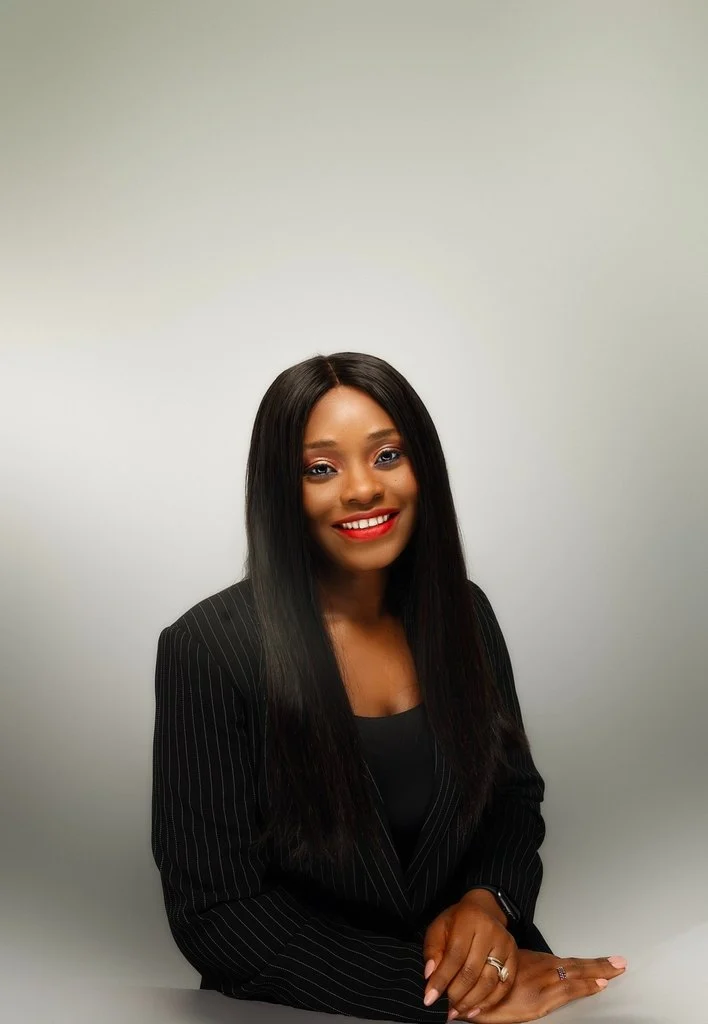
This is Simi’s Story As Told To Sofiyah
I struggled in school for as long as I can remember. Throughout primary school, I was usually at the bottom of my class, and there were times I even had to repeat classes or change schools. My teachers often called me “olodo” (dunce), and after hearing it so often, I started to believe I was not intelligent. I became withdrawn and stopped expecting much from myself academically because I thought there was no point trying to be someone I wasn’t.
Education was really important in my family, though, so my poor performance was quite difficult for my father to handle. Whenever I brought home a bad report card, he would get upset and sometimes cry. I knew he wanted better for me, but I interpreted his disappointment as another confirmation that I was letting everyone down. My mother had died in 2001, when I was nine, and I don’t think anyone around me was intuitive enough to connect the changes I was going through after her death to how I was doing in school. Looking back, I wish someone had paid more attention to how I learnt and why I was struggling, rather than merely assuming I was not good at academics.

After secondary school, getting into university became another struggle. Between 2007 and 2009, I wrote JAMB and post-UTME examinations several times without getting admission. I watched people around me move on to university while I remained at home, unsure of what would happen next. During that period, I tutored primary school pupils and helped children with their schoolwork, even as I was still trying to make sense of my own education.
I was eventually admitted to the University of Lagos in 2009 to study Economics. My father died the following year, when I was 18, and when he died, my financial security went with him. I knew that to survive, I had to find ways to support myself financially. I sold sachet water and eggs in Moremi Hall (a prominent female hostel at UNILAG), among other things, while trying to keep up with school. It was a difficult period, but I had friends, my boyfriend, who is now my husband, and my faith to lean on.
At university, I became determined to do well, though much of that determination stemmed from fear. I had spent years being told I wasn’t smart, and I didn’t want to give anyone another reason to call me “olodo”. I could spend 10 to 12 hours studying, writing out my notes, practising past questions and reading ahead of lectures. Eventually, I began to understand that I wasn’t incapable of learning; I simply needed to find a method that worked for me. Writing things down helped me retain information, while teaching other people what I had learnt and joining study groups helped me understand my courses better. I also developed a genuine interest in Economics.
Even with all that effort, I didn’t really get everything right. While I was still in university, I failed the ATS 2 examination in 2010 and the ICAN Professional examination in 2012. The second failure was particularly difficult because I had put so much pressure on myself to succeed. I began questioning whether I was really as capable as I wanted to believe, and the word “olodo” would creep back into my thoughts. I wondered if all those years of studying had only helped me get lucky. However, with my boyfriend’s support, I kept going.
In 2013, I graduated with a first-class degree in Economics and a CGPA of 4.7 out of 5.0. I also qualified as a chartered accountant that year. After struggling academically for much of my childhood, reaching that point meant a lot to me, although it didn’t completely erase the doubts I had grown up with.
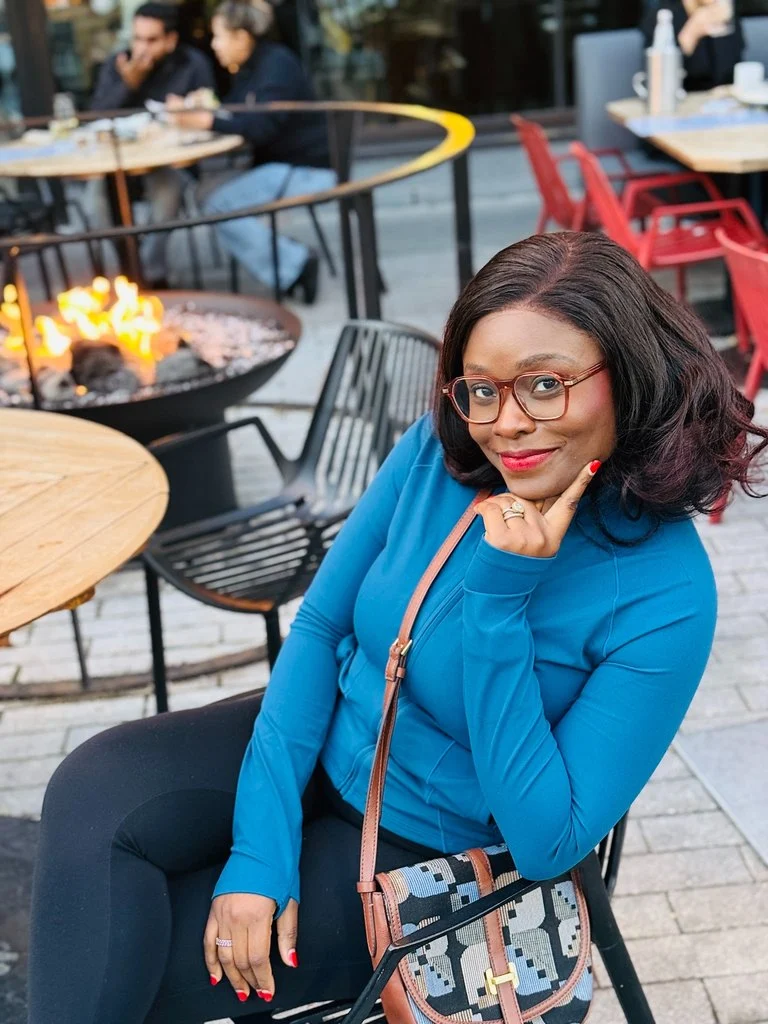
My father had died in 2010, before he could see my academic turnaround, and I often wish he had been around to witness it. After university, I worked at Access Bank before joining KPMG (Klynveld Peat Marwick Goerdeler), where I worked in financial risk management. I was building the career I had once struggled to imagine for myself, and for a while, I felt I had finally moved beyond the person I thought I was as a child.
In 2020, my husband and I decided to move to Canada. I was pregnant when we arrived, and I expected that my experience at Access Bank and KPMG, along with my professional qualification, would help me find a job. Instead, I spent more than 18 months applying for roles without getting anywhere. I sent out hundreds of applications, but employers didn’t seem to recognise the experience I had gained in Nigeria. It was frustrating to start over professionally, especially while adjusting to a new country and caring for a newborn during the pandemic.
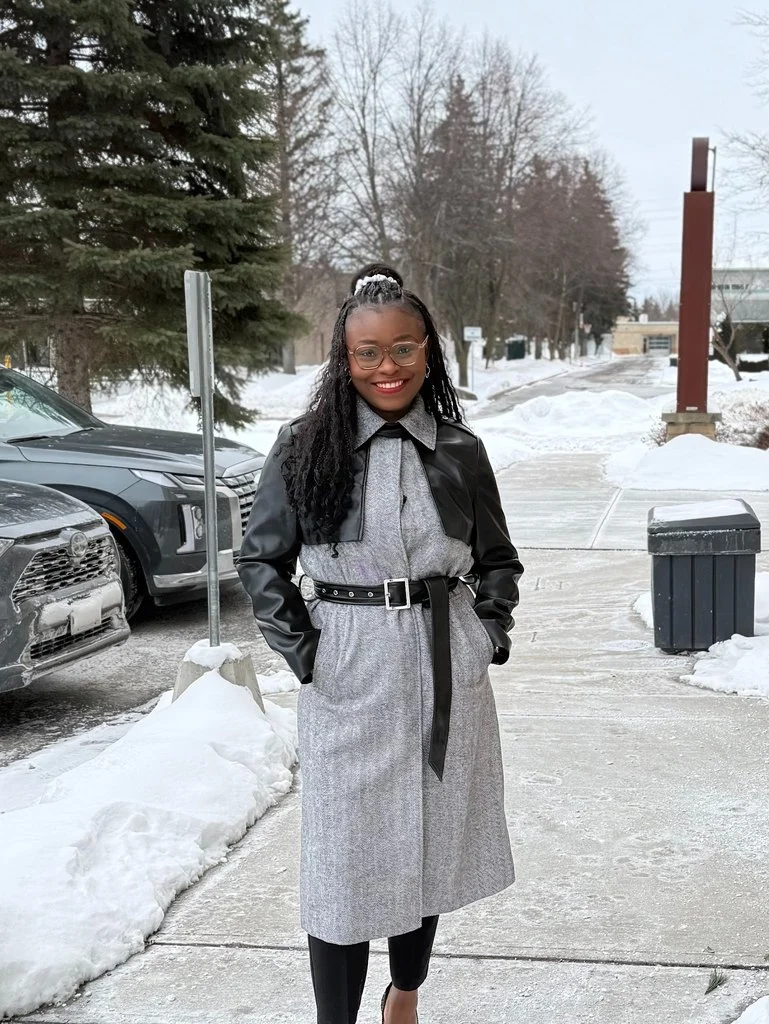
That period brought back feelings I thought I had outgrown. I began wondering whether I had only been successful in Nigeria because I was familiar with the system, or whether I had simply been lucky. When applications went unanswered, and opportunities didn’t materialise, I found myself questioning my abilities again. It felt as though I had gone from being the child teachers called “olodo” to becoming a professional, only to find myself doubting whether I deserved any of it.
You’ll Like: What She Said: At 20 I Turned My Passion for Heart Health Into a 40,000-Person Movement
Eventually, I realised I needed to change how I presented my experience. Instead of relying on the names of the organisations I had worked for or the titles I had held, I started explaining the actual work I had done, the problems I had solved and the value I could bring to a new role. I also volunteered to gain Canadian experience and returned to school for my Master’s.
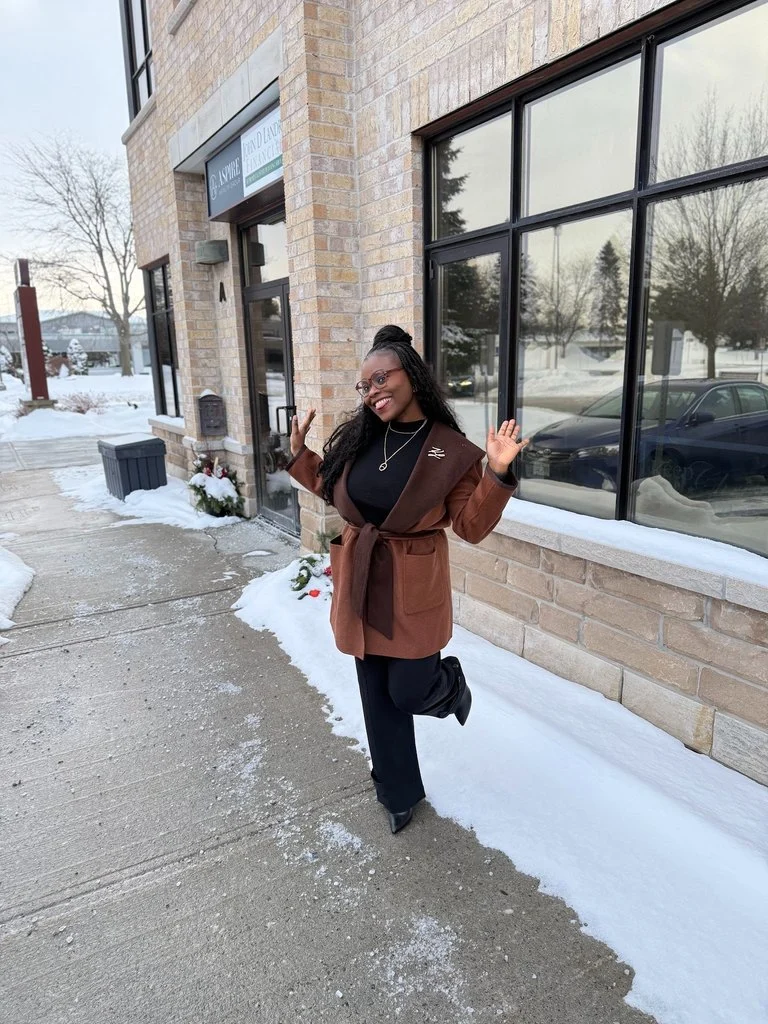
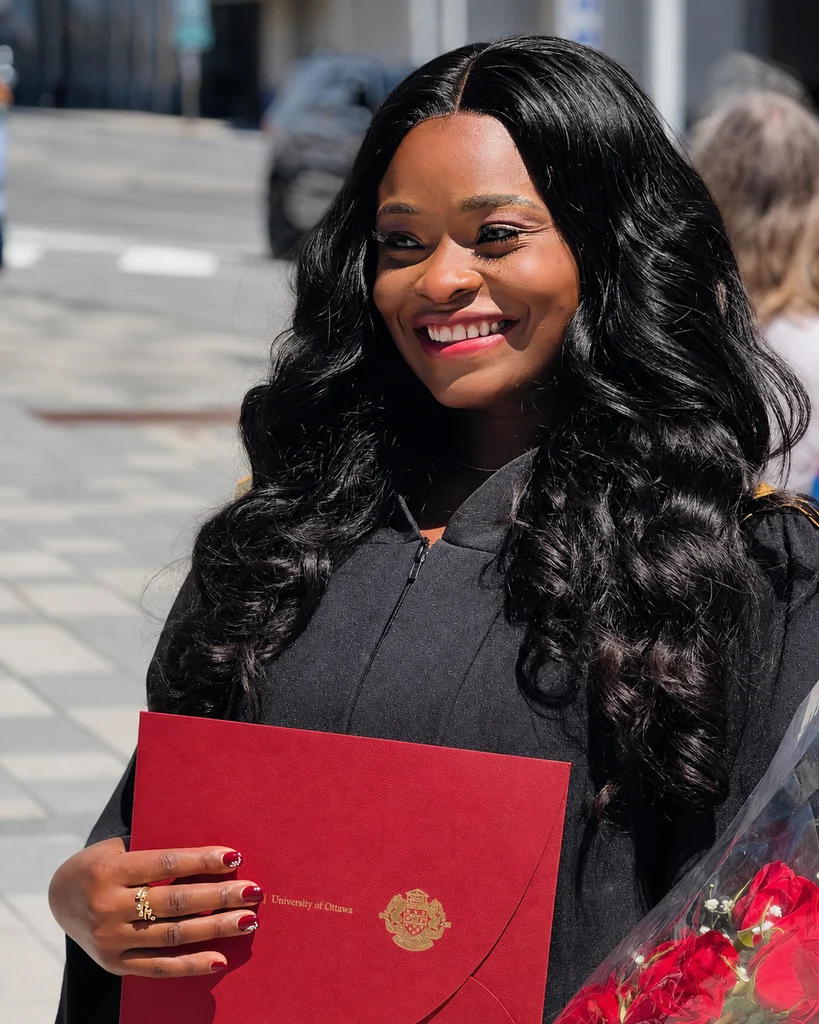
I completed a master’s degree in International Development at the University of Ottawa in 2022, graduating with a full scholarship and a 4.0 GPA. I earned straight As while raising a young child, planning my days around his naps, reserving late nights for more demanding assignments and sharing responsibilities at home with my husband.
My master’s degree opened another door when a classmate recommended me for my first job in the Canadian public service. I have since progressed to become a senior economist in the federal government, working in financial stability. I’ve been promoted three times in under four years, and my current role was one of just 15 positions filled from more than 1,000 applications.
On paper, I have come a long way from the girl who struggled in primary school. Yet, even with these achievements, I still have moments when I struggle with failure or question whether I’m good enough. Sometimes, that old word comes back.
For a long time, I measured my progress by how much I could achieve. I had a picture of what success should look like: getting a PhD, working at the World Bank and reaching certain milestones by a particular age. I thought that if I kept achieving more, I would eventually feel secure in myself. I’m learning that it doesn’t quite work that way. There is always another goal to reach, and if my sense of worth depends on getting everything right, I will never feel like I’ve done enough.
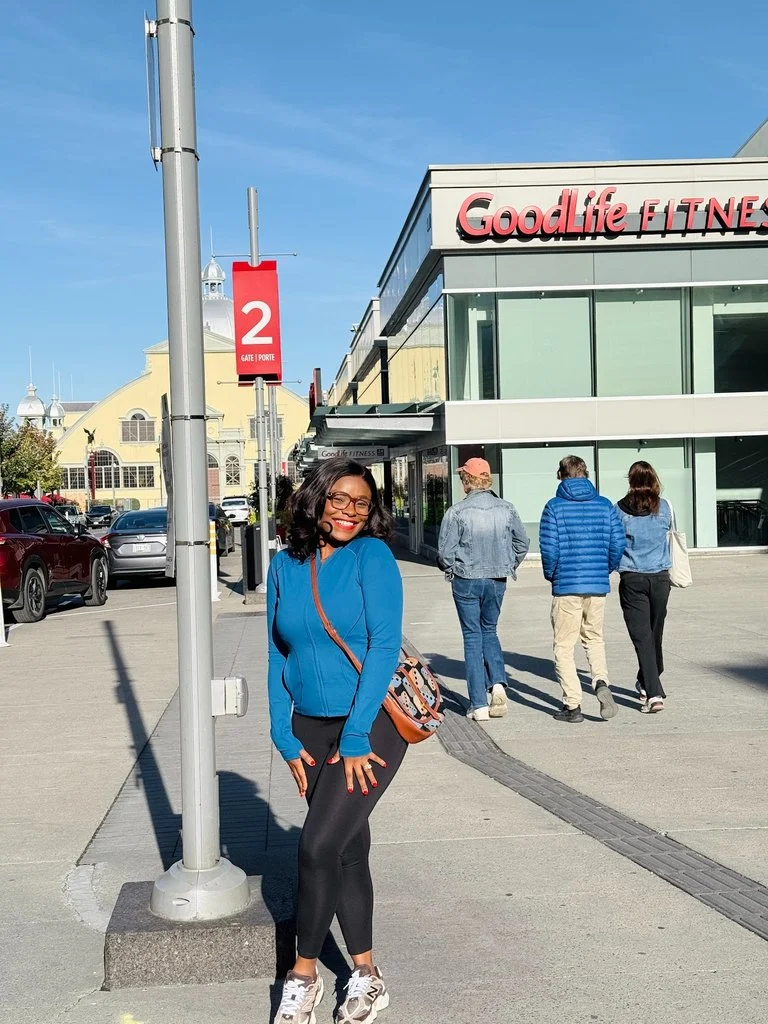
Having children has also made me think about how easily words can shape a person’s confidence. When my children struggle with something, I try to focus on the effort they’ve put in and what they can do differently next time, rather than making them feel that a difficult subject or a bad result reflects their intelligence. I don’t want them to grow up believing they have to keep achieving things to prove they are worthy of confidence or respect.
I still wish my parents had lived long enough to see the life I’ve built. I wish my father could have seen the results that once seemed impossible to him, and I wish my mother had been here for the good years. Their absence is something I carry alongside my achievements.
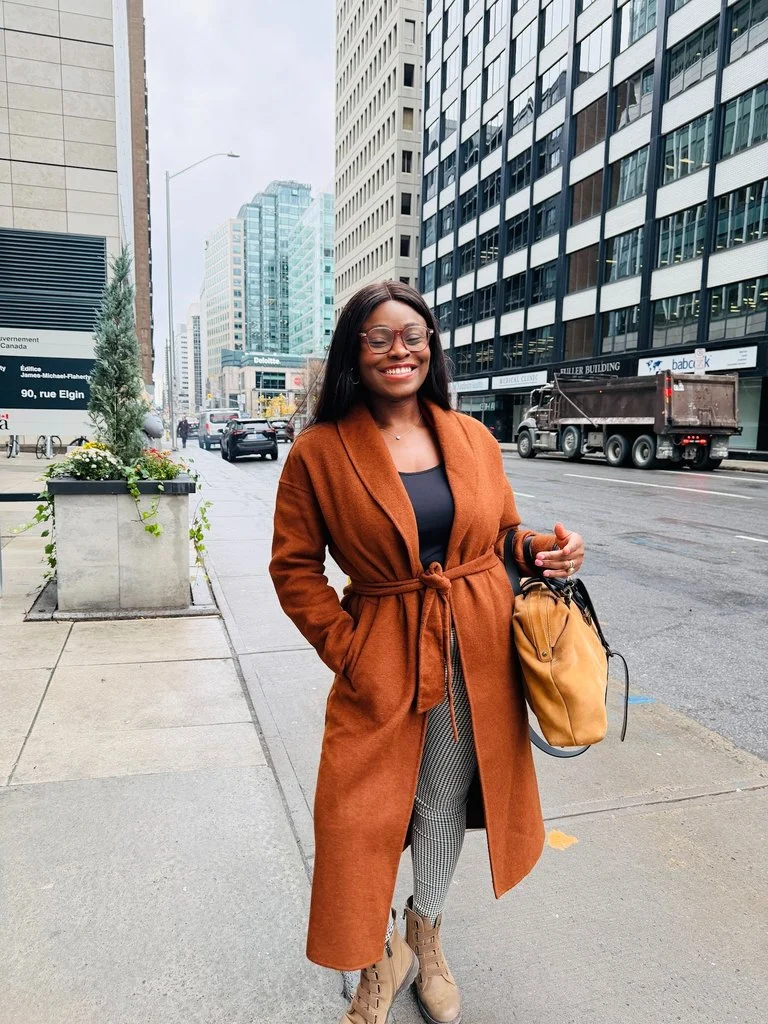
I want my children to know that I was once the girl teachers called “olodo”, but I don’t want them to think they have to go through what I did to become successful. I want them to understand that struggling doesn’t mean they are incapable, and that one person’s opinion of them, even when it comes from a teacher, doesn’t have to become the story they tell themselves for the rest of their lives.
Next Read: Affordable Korean Skincare Products For Glass Skin Under N30,000