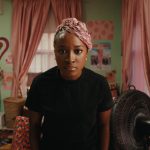
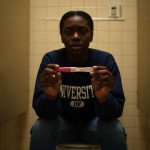
The Zikoko Life Series Production is back, and Blessing Uzzi is still our showrunner. This time, she doubles as writer and co-director of Before We Fall Asleep, starring Tobi Bakre and Onyinye Odokoro.
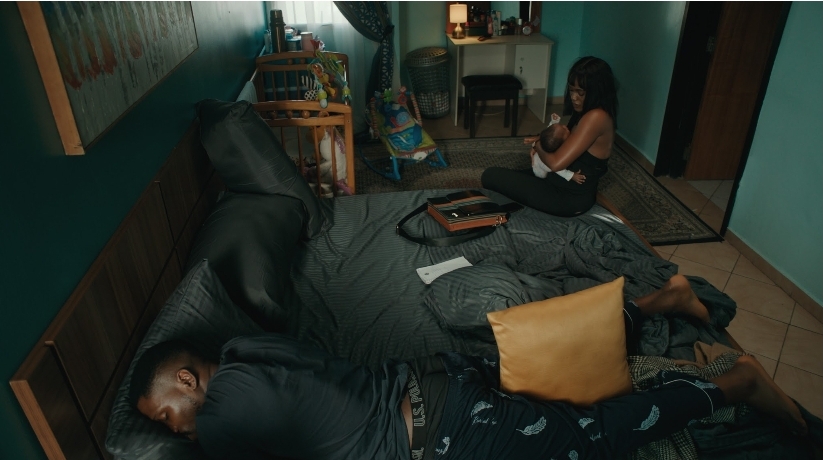
Before We Fall Asleep flips the script on the typical Nigerian household. When a sudden job loss forces Tola to become a stay-at-home dad while his partner carries the financial load, their seemingly happy life hits a wall. It’s an uncomfortable dive into what happens to a relationship when traditional expectations shatter.
Blessing walks us through being a showrunner of the three-part anthology for the second time. More importantly, her message for the film she wrote is simple. “We are partners. You’re not helping me; I’m not helping you. We are doing what we’re supposed to do.”
Running Zikoko Life the second time comes with its own pressure, particularly the pressure not to drop the standard you already set. Blessing Uzzi kept the same directors and writers from the first season on purpose. “I wanted the work to keep the same level of quality,” she says. The only new addition to the team was Kaelo, and even that wasn’t really a gamble because of how familiar his work was. “I barely ever hire a stranger,” she says. “Somebody I don’t know anything about.”
Her vision for the anthology as a whole has stayed consistent too. “My vision was to do something artistic and equally commercial,” she explains, pointing to how deliberate she and her team were about which Zikoko articles made the cut. It’s the same bar every time. Something people will actually watch, and something that still says what it needs to say.
The Word “Help” Is Doing A Lot Of Damage
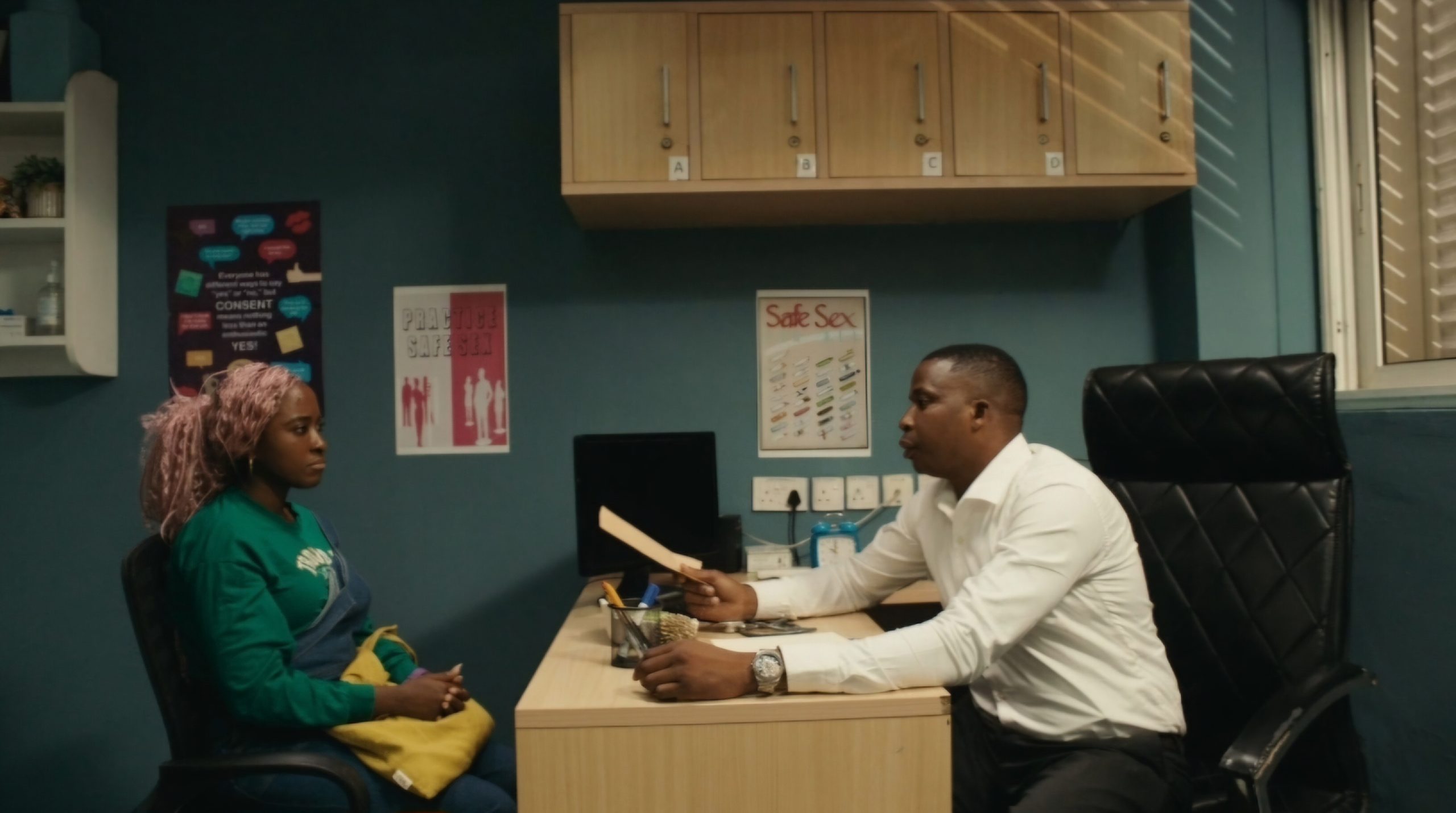
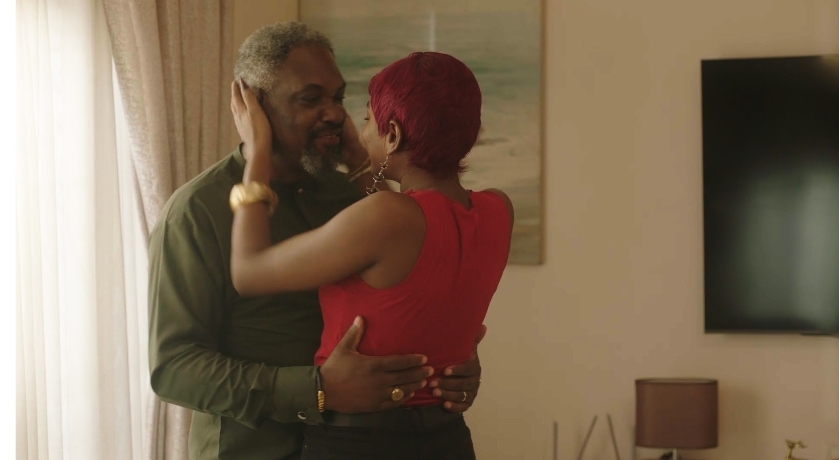
How often have you heard a Nigerian man say he’s “helping” his wife with the kids and household tasks? It sounds generous on the surface. But when you sit with it for a second, the word starts to give itself away.
Helping implies the job was never his. It implies he’s doing the woman a favour by stepping outside his own responsibilities to lend a hand. That he can stop lending it whenever he pleases. But it’s also his child, his home and his mess.
Blessing caught herself doing exactly this while writing the film. “It’s almost the default mentality,” she says. “You think he is helping, but helping with what? It is his child, it is his family. It’s also the woman’s child.” She’s watched this play out even in her own generation, where the shift is only partial. “We’ve made progress on men understanding that they’re part of the family. That they’re not doing their wives a favour by participating,” she said. “But there’s still work to do.”
That’s really what the film is about. Before We Fall Asleep challenges the way we’ve all been trained to think of domestic work as women’s work. With men occasionally popping in to assist. Even when the man isn’t contributing financially.
Choosing Relatability Over Literary Lines
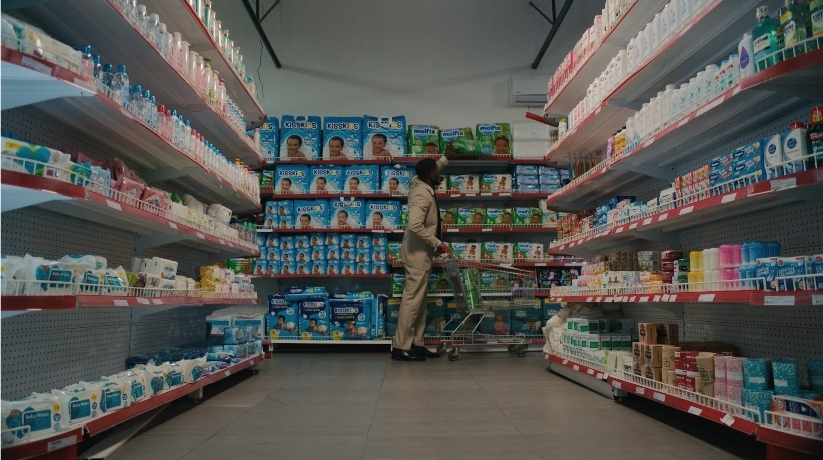
Blessing’s intentionality as the showrunner of the production is evident across many things, even language. In an emotionally charged scene in Before We Fall Asleep, Tola (Tobi Bakre) tells Nazo (Onyinye Odokoro), “I felt naked. I felt like you didn’t cover me.” The line was originally written by Blessing as ‘I didn’t feel loved in that moment’, but changed when Tobi asked for the change. Blessing agreed instantly. She says, ‘Tola wasn’t written to be somebody you can’t relate to. He’s an average Nigerian man, a middle-class guy, and the new line simply sounded more like him.’
“There’s a slight shift there,” she says, “but it’s a shift towards the everyday language that an average Nigerian would relate to.” Blessing swapped one sentence for another, and the scene moved from something literary into something real. Tola sounds exactly like your uncle, your brother, your ex. Someone you can relate to. This is the vibe of the entire film. Scenes that make up the daily lives of Nigerians.
Married Or Not, Are You Actually Partners?
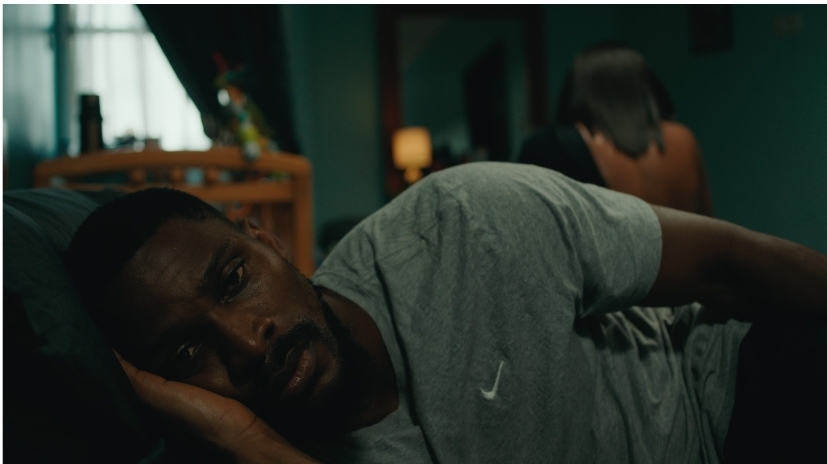
Tola and Nazo live together, have a child, and argue as every married couple does. But still, there’s something different about them that Blessing decides on.
’I don’t think Zikoko set out to tell conventional stories,’ she said. Their unconventional relationship ‘adds a layer’ of the exact discomfort Nigerian society is quick to serve. ‘Knowing Nigerians, there’ll be a bit of judgment’. But her actual argument goes deeper than the judgment. ’Whether you are married in the Nigerian traditional sense, or not, you’re together,’ she said. ’You’re partners. If not, don’t be together.’
Two Tired People Trying to Make It Work
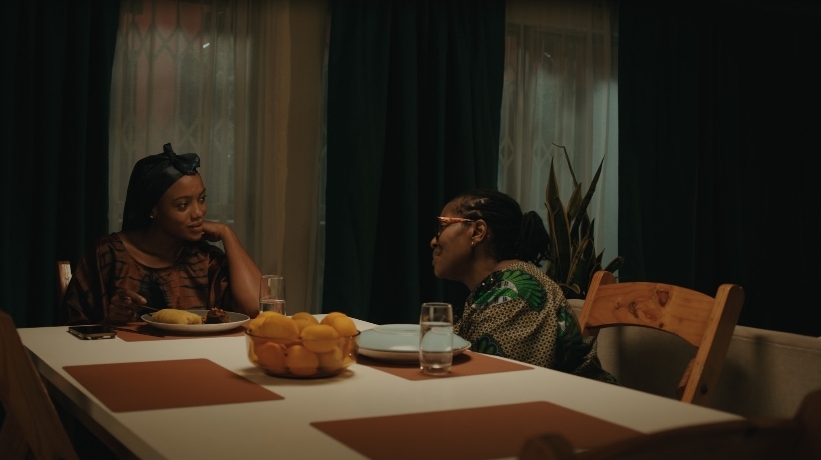
Blessing says she struggled with drafts of the script because one partner kept showing up as a villain. She scrapped multiple attempts before deciding to write it herself. “I always like to put a mirror in front of everyone,’ she explained.
Her instruction to herself, and to anyone watching the film, is simple. ’You need to understand these two people.’ ’Whoever you feel for is left to you, but understand them. See them as humans. See what they are struggling with, and see how they’re trying to make this work. These people don’t hate each other.’
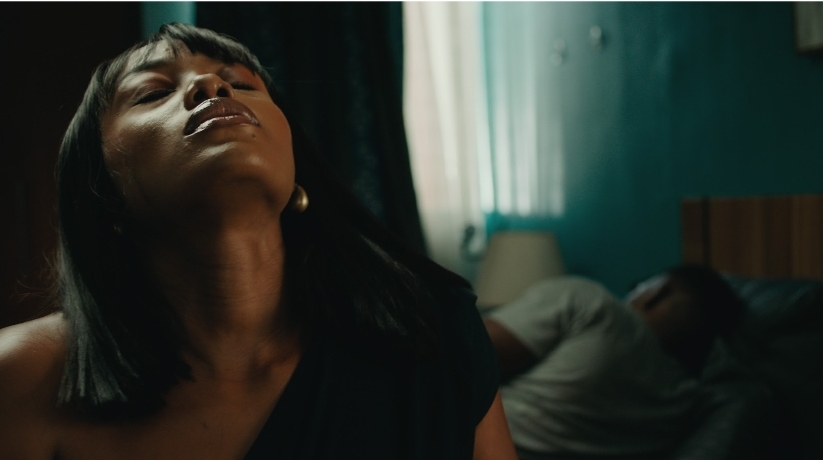
Wearing two hats for this project, as the showrunner and writer, wasn’t always easy for Blessing. As showrunner, Blessing is usually the one reading everyone else’s scripts and giving notes. Writing her own meant that she had to go looking for that same outside eye. “I remember sending it to Dika, and we all had a conversation that led to some of the rewrites,” she says. “When you’re the one writing, it’s easier to miss a lot of things you don’t see.”
Before We Fall Asleep is not about who’s wrong. It’s about whether you’re building a life with someone, or letting them carry it while you lend and call it love.
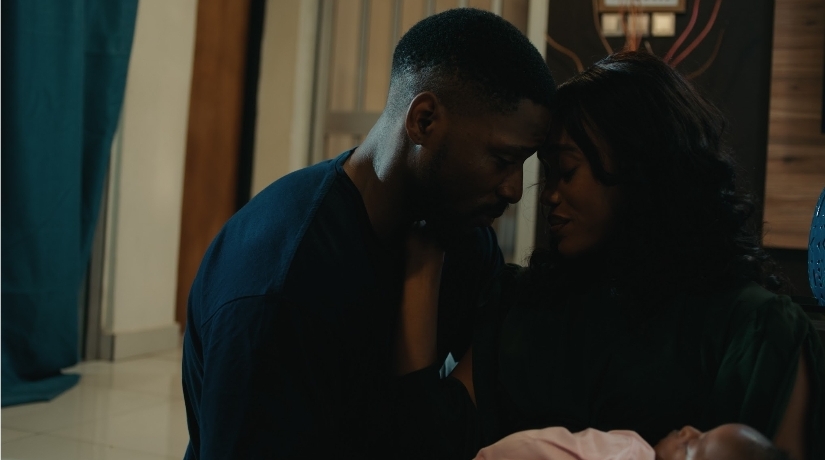
Go watch the film. Then have an uncomfortable conversation with whoever you’re building your own life with.
Next Read: Kaelo Iyizoba Explains Why Before We Fall Asleep Refuses to Pick Sides