In Zikoko’s upcoming release of the second part of its Life Production Series, Onyinye Odokoro plays Nazo in Before We Fall Asleep. Onyinye Odokoro, as Nazo, becomes a young mother who is navigating financial strain and the quiet erosion of partnership. For Onyinye, saying yes to the role was really about starting a conversation.
In this interview, Onyinye talks about the intricacies of what drew her to the role. The intimacy of romantic partnership, and the conversation that started it all.
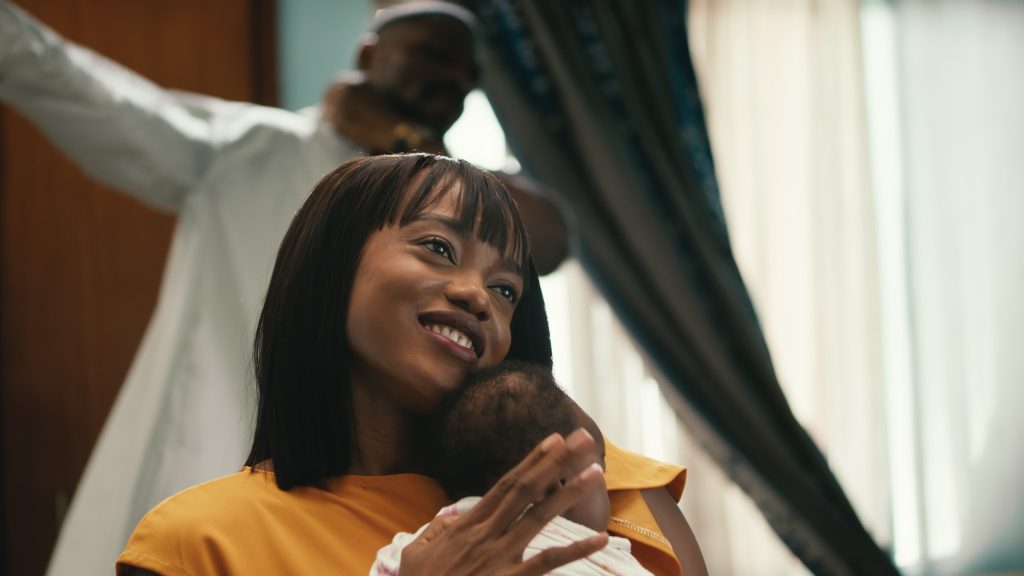
This film deals with the difficult side of love, the parts we don’t usually see. What made you want to be part of it?
I naturally lean towards stories that explore nuance. Not stories that are black or white, but stories that sit in the complexity of relationships. Whether romantic, platonic, or family. When I read the script, I remember myself, Blessing, Tobi, and director Kaelo all leaving with different views. And that’s the thing. It’s a story that drives conversation. It’s not necessarily about right or wrong. It’s open-ended, and it leaves room for the audience to talk.
The film takes a different approach to reproductive responsibility. Usually, the cost falls entirely on the woman. Why does that shift matter?
I think art has a responsibility to shape culture. If there’s something we’d like to see change in society, we as artists have a responsibility to reflect that in our stories. The approach in which reproductive responsibility is portrayed hasn’t been the healthiest. A child is brought into the world by two people and both of them should be responsible for the child. From the point of conception until the child leaves this world. So this film asks, how do we move that needle forward? How do we portray something better than what we’ve had?
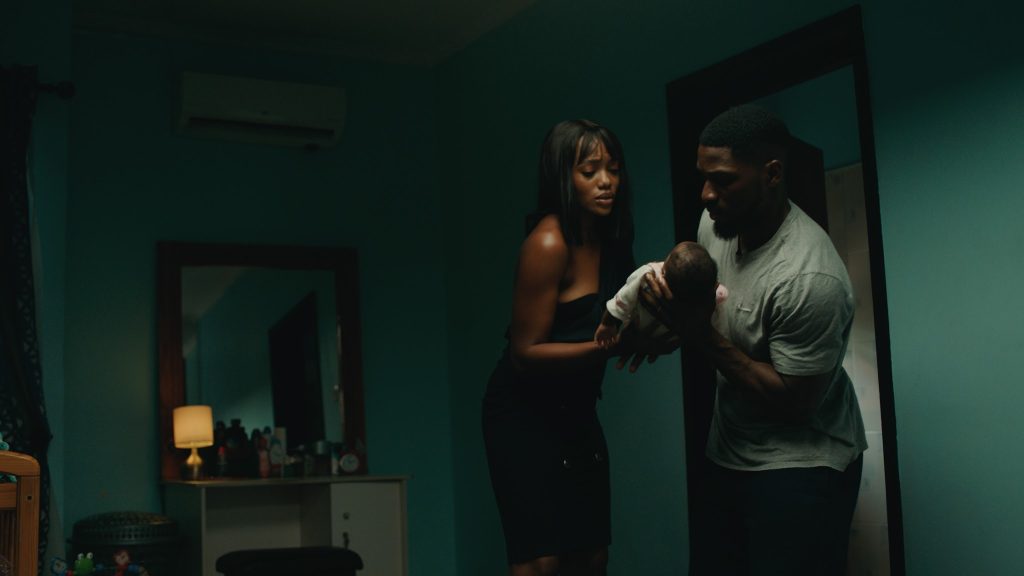
The story also deals with the pressure of traditional gender roles on couples. What was important to you in portraying that authentically?
What mattered to me most is what the story says at the end. Are we sticking to what wasn’t working, or are we moving forward? The film presents two sides. You see what happens when you hold on to traditional roles, the good and the bad of it. And you see what it looks like when a couple chooses partnership instead. So it’s like presenting two choices, and then letting the audience ask themselves which one they want.
It’s not black or white. Neither is it “she’s wrong” or “he’s wrong.” It’s just, this is what happens in homes. This is real. So my job was to show that authenticity so that people can have real conversations about it.
What does partnership actually look like in this film?
It’s consideration and difficult conversations. Grace and forgiveness. It’s putting the other person above yourself. And when a child enters the picture, it’s less about both of you and more about the child.
Nazo and Tola are a new couple navigating something neither of them has been through before. They have outside pressure, their families, and ideas of who a husband or mother or career woman is supposed to be. And we see them fail. We see how damaging that failure is. But we also see them win, and we see what partnership produces. The film is basically making the case that when you partner, things just get better.
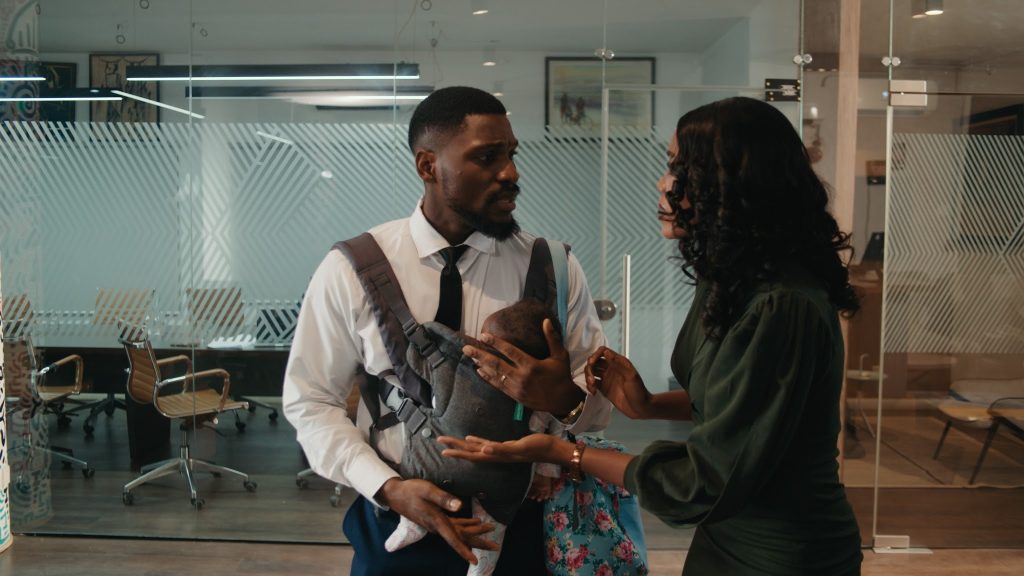
What was your experience like playing a romantic lead opposite Tobi Bakre for the first time?
It’s not exactly my first time working with Tobi, actually. We worked together on Slum King. So this is the second time, but the first time in a romantic role specifically.
Tobi is a great guy. He was up and ready for rehearsals, very committed. He has a spirit of excellence, like he genuinely wants to do things well. And he’s a friend, so there was a lot of laughter. Even filming late into the night, we were keeping each other going. In between takes, we were having arguments. Not real ones, just like, “Tobi, they are going to come for your character on Twitter. The way you played that scene, you’ve turned yourself into the villain.” We’re looking forward to seeing whose side people end up on.
How did you prepare to play the character of Nazo, from the table read to production?
It always starts with asking a lot of whys. But the peculiar thing with this one is that it’s based on a real-life situation. I read the original article it was inspired by. The script itself was also very elaborate and clear.
And then there’s Kaelo, our director, who did something I’d never experienced before. He pulled me and Tobi separately into what I can only describe as a therapy session. He was asking about our childhoods, our relationships with our mothers and fathers, all of it leading us toward our characters. Tobi came out of his session saying he felt like a load had been lifted off him. And honestly, that’s what it was.
After that, it was a done deal. I understand Nazo because I understood why. And that’s really the whole process. Why does she say this line? Why does she think this way? You keep asking why until you get to the root. And when you find it, you can slip into that character’s shoes completely.
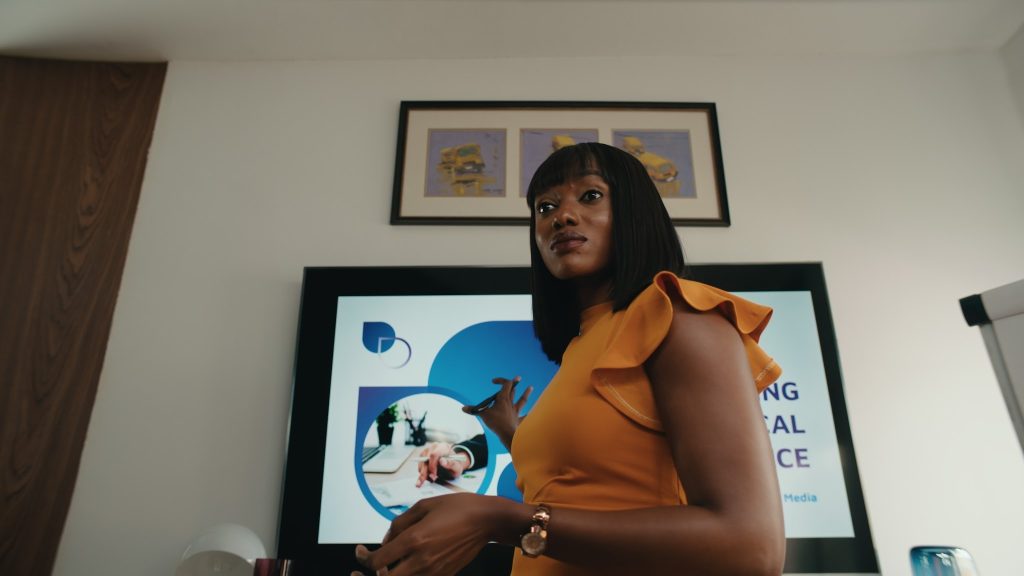
What makes going that deep worth it?
Honestly? It’s my job. I don’t take it as a special compliment because depth is what the work requires. I’ve played lighter characters too. The emotional weight is different, but the depth of preparation is always there. For Nazo specifically, it was worth it because that’s what she deserved. I wanted to stay true to her and remain authentic to who she is. That’s what justifies the work.
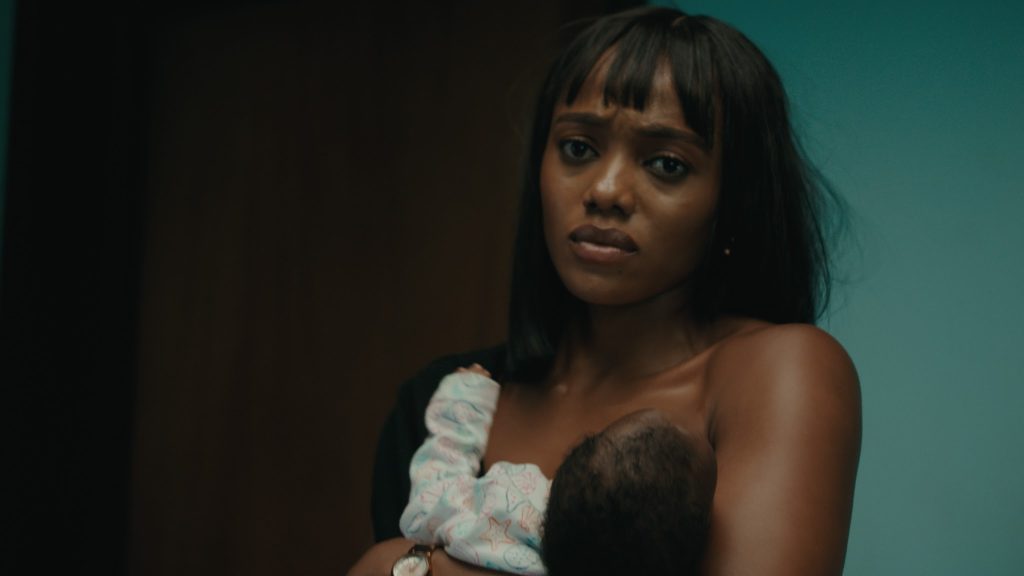
What was it like working with Blessing Uzzi and BluHouse Studios?
Blessing is someone I’d say yes to any time, any day. There’s something Uzoamaka said at the premiere of Call of My Life that I think captures it perfectly. Blessing is a believer in people. She doesn’t need you to have the numbers or a million followers or to look a certain way. She believes in you, and she takes a chance.
There was a moment during production that really stayed with me. We had delays on set, and we were about to film the high-conflict scene of the film. I was telling someone how exhausted I was. How worried I was about going into that scene on empty energy. And without me even asking, Blessing said we were pushing the scene to the next day. Because her actors were tired. There was no point doing something if they weren’t going to do it at their best.
Not every producer would do that. I don’t know if I told her how much that meant to me then, but it really touched me. That’s what BluHouse is. Quality, care for the work, and care for the people.
How do you think the film will land with audiences?
I have no idea, honestly. I think it’ll be controversial. The conversations will be polarizing. Some people will be firmly on one side, some on the other, some completely in the middle. And I’m looking forward to all of it.
What do you hope they take away?
What I hope people take away, especially couples who are new parents or going through financial pressure together, is that it’s not you against them. It’s both of us against the world. Because for a partnership to work, it takes love. Real love. Patient, selfless, forgiving love. And if there’s a couple already losing each other through something like this, I hope this film gives them a reason to find their way back. Whatever cracks have formed can be fixed. But it takes two.
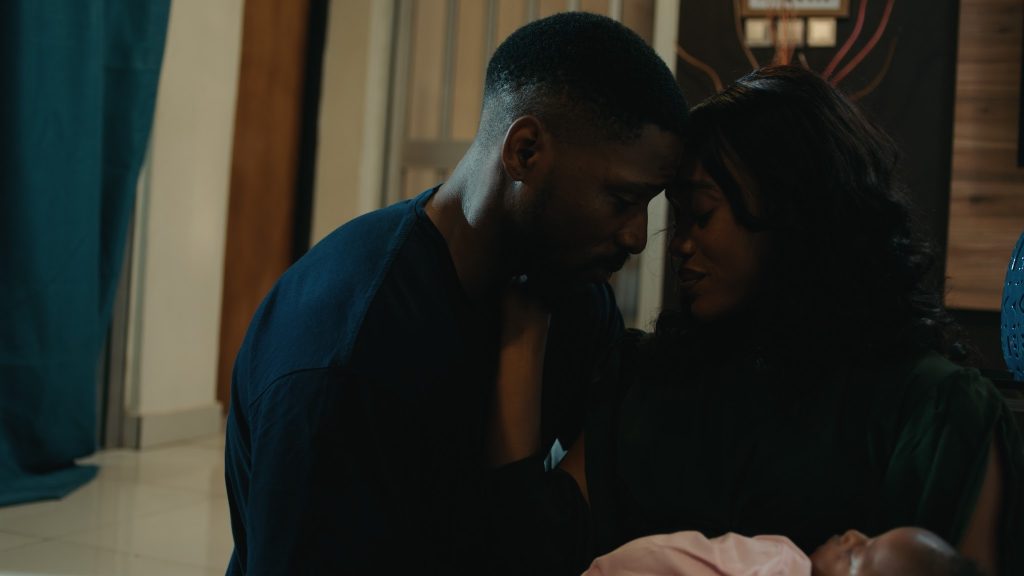
Before We Fall Asleep is a BluHouse Productions film, part of the Zikoko Life Series Production and directed by Kaelo. Starring Onyinye Odokoro and Tobi Bakre.
Read Next: Kaelo Iyizoba Explains Why Before We Fall Asleep Refuses to Pick Sides