On Sunday, July 26, Ibrahim Mbaya breathed his last, dying at the hands of the very people with whom he passed the night.
The day before his death, the 25-year-old model and University of Jos graduate had attended a social event on campus. Because it was too late to return to his home in the Rayfield area of the State, he passed the night at his friend’s place in Ring Road.
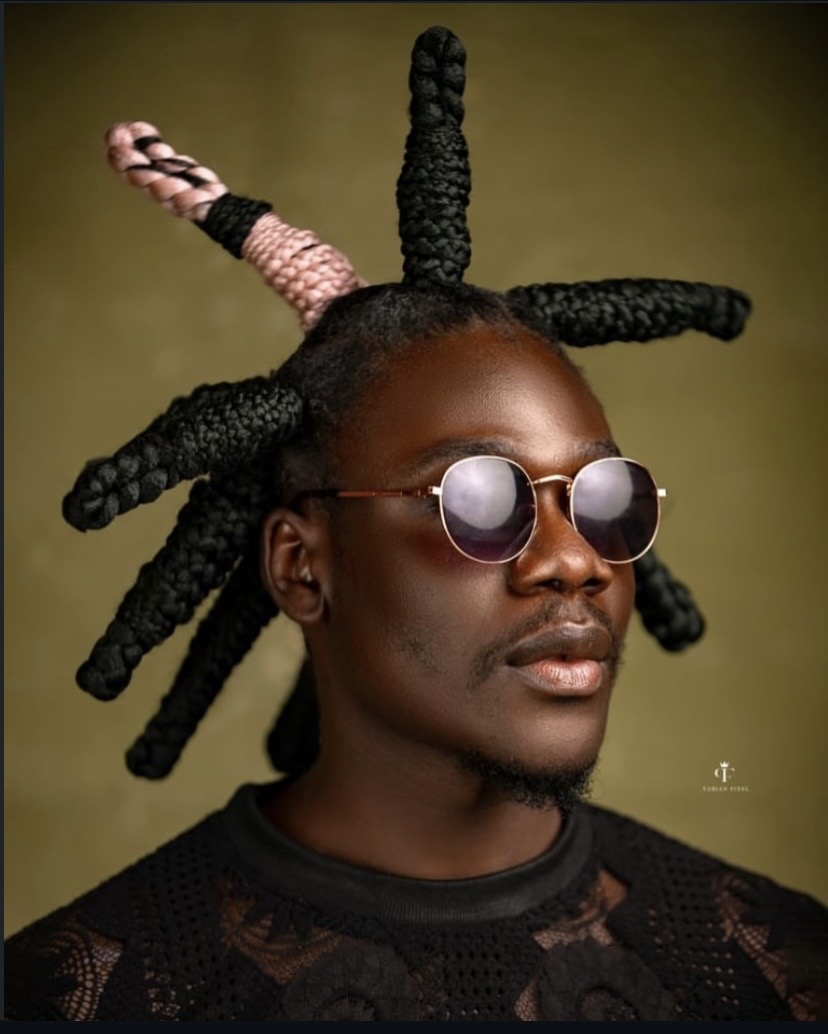
When it was discovered the next morning that an iPhone had allegedly gone missing, Ibrahim’s friends swore he stole it, then beat him to death.
In a video that has since gone viral on social media, his attackers could be seen beating him with whips and heavy wooden planks as he lay on the ground, begging for his life.
The Plateau State Police Command, which has arrested three suspects in connection with the beating, say that Ibrahim was declared dead on arrival when he was brought to Jos University Teaching Hospital (JUTH) that day.
And so, just like that, Ibrahim’s story came to an end, not by nature’s doing, but by people who took the law into their own hands. Ibrahim’s life had barely started; a look at the 25-year-old’s Instagram shows he dreamt of a successful fashion career. But he will never experience it, not because he didn’t work towards it, but because his life was snuffed out over an allegation.
How many more people have to die?
Ibrahim’s story is deeply painful. It is the story of hundreds of people in Nigeria. It is a story that has been told far too often, of men, women, and even children; a story of mindless killing in the name of jungle justice.
In October 2012, four young men in the Aluu area of Rivers State— Chiadika Biringa, Ugonna Obuzor, Lloyd Toku and Tekena Elkanah — were wrongly accused of theft, given a mock trial, stripped naked, marched around the Aluu community, beaten, and set ablaze. Like Ibrahim, they had their lives ahead of them. They were aged 18-20.
In March 2025, 16 Fulani hunters travelling back to Kano State were stopped at Uromi, Edo State, lynched and set on fire. A mob, which found hunting weapons with them, had concluded they were among the bandits terrorising the country. Because of the profiling done by that mindless mob, 16 people travelling to celebrate Eid with their loved ones never made it back home.
In June 2026, a mob of over 100 people in the Maraban Jos area of Kaduna State accused a woman of child theft and took her life. The mob, without looking into the allegation, went to the Police Station where the woman had been taken, overpowered the police personnel there, then lynched and burned their victim.
In May 2022, Deborah Samuel Yakubu, a student of Shehu Shagari College of Education, was accused of blasphemy, then severely beaten and set on fire by her fellow students.
Sometimes it takes the shape of profiling, and other times, the shape of tribal and religious intolerance, but in every case, it is clear as day that Nigeria has a jungle justice problem, begging to be resolved. The question is, why isn’t it?
As of 2024, Amnesty International said it had documented 363 cases of mob violence resulting in the deaths of at least 555 people between January 2012 and August 2023. The number could be more.
Amnesty International said that the incidents resulted from an “upsurge of blasphemy killings fueled by alleged incitement from clerics, Allegations of corruption and policing failures perpetuating violence.
The victims, according to the organisation, were either burnt alive, tortured to death, or buried alive.
The government has to do more
Amnesty International has accused the Nigerian government of not doing enough to stop mob violence, and we’re inclined to agree. The government’s failure to protect citizens and prosecute instigators and perpetrators of this practice encourages people to replicate it.
Jungle justice is a crime, and it must be treated as such. When religious leaders instigate mob violence, they must be prosecuted and jailed, and when numerous members of a community engage in it, law enforcement agencies must thoroughly investigate it until it finds the culprits.
We must also do more as a people; be the dissenting voice when someone is instigating violence, be the person who calls the police, and even when these efforts fail, be the person who helps the police identify the perpetrators.
Human life is sacred, and we owe it to ourselves to treat it as such.