They say when it rains, it pours. It seems the same applies when temperatures reach hellish levels because Nigerians are in for a perfect storm of high temperatures and an energy crisis. And this storm is courtesy of the government. Tinubu’s administration is letting people suffer through extreme heat with no electricity.
Na we dey hot
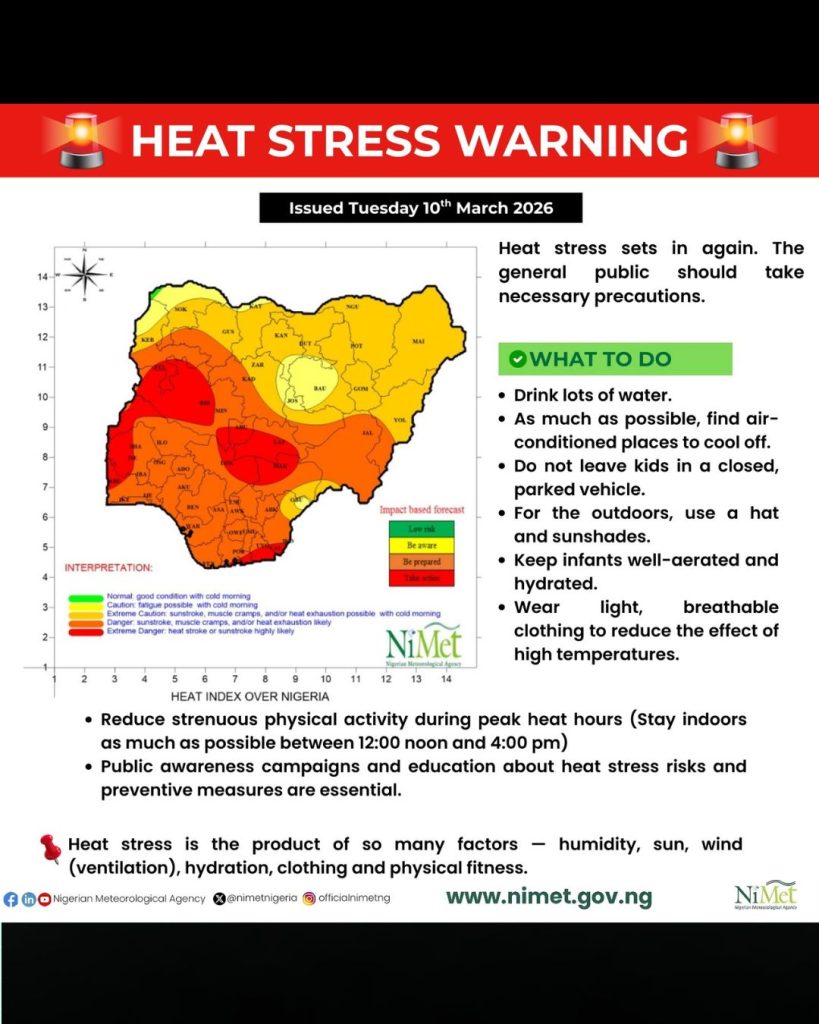
On March 10, 2026, NiMet put out a statement titled “HEAT STRESS WARNING.” It warned that temperatures are rising across the country and reaching levels that put people at risk.
If you think this just means more sweat and the solution is deodorant, think again. Heat stress happens when your body can’t control its internal temperature because the external heat is too much.
Early symptoms include:
- Mild discomfort
- Fatigue
- Thirst
But it can get worse. It may lead to:
- Heat rash
- Cramps
- Fainting
- Heat exhaustion
- Kidney damage through Rhabdomyolysis
In the worst cases, heat stress can lead to heat strokes and then death if medical care doesn’t come quickly.
NiMet didn’t just drop the warning and dip, though. It gave advice too. Top tip: “Drink lots of water.”
Second tip: “Find air-conditioned places to cool off.”
And that’s where the problem lies. How are Nigerians supposed to access air conditioning during a power crisis?
The debtors
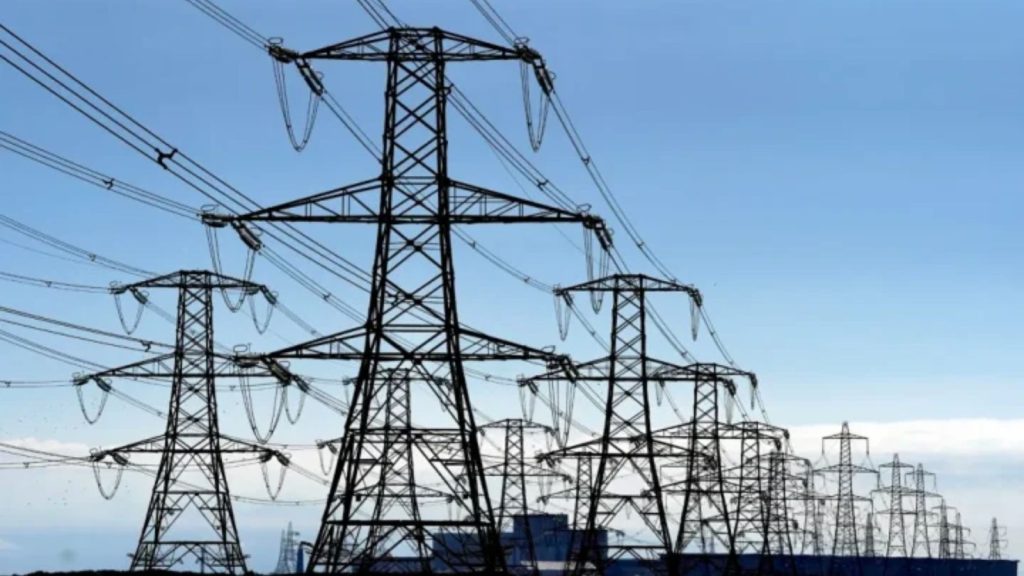
The federal government owes Electricity Generating Companies (Gencos) about ₦6.8 trillion. Without that money, Gencos can’t pay their gas suppliers the ₦3.3 trillion they owe. Without getting paid, the gas suppliers don’t want to supply gas anymore.
This embarrassing debt chain has shut down 16 of Nigeria’s 33 power plants (basically half). About 70% of the national grid’s power comes from these gas-powered thermal plants. The grid has an installed capacity of 13,625 megawatts, but in February 2026, it only managed 4,102 megawatts (about 32%).
If these debts aren’t paid soon, Nigerians should expect even more blackouts.
Adding fuel to the heatwave
To make things worse, a war in the Middle East has turned fuel into a luxury item.
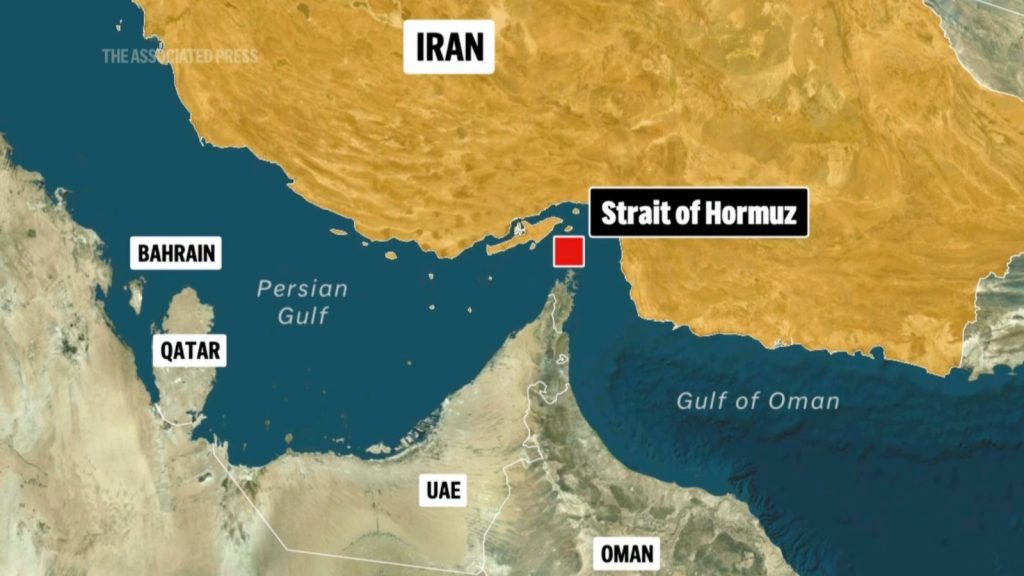
In late February 2026, the United States and Israel attacked Iran with missiles, killing its supreme leader, Ali Hosseini Khamenei, along with other top officials. The conflict has led to a blockade of the Strait of Hormuz, a key sea passage for global crude oil supply. About 20% of global oil passed through it daily before the blockage.
Now oil prices have jumped, and Nigerians are feeling it at the pumps.
An unrefined government
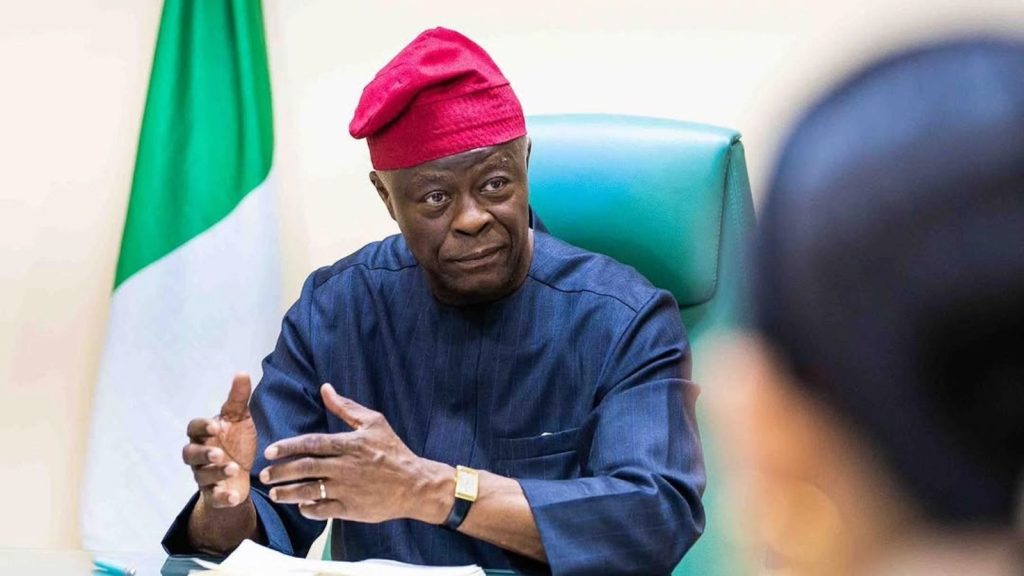
As bad as things are, Finance Minister Wale Edun has said things would be much worse without the Dangote Refinery. But it’s embarrassing that Nigeria’s only lifeline is a single privately owned refinery while government-owned ones sit idle.
If the refineries were working, Nigeria would have been shielded from the fuel price hike. But we’re not because we still import a lot of the fuel we use. In 2025, over 60% of the fuel consumed in Nigeria was imported.
Within days of the conflict, petrol pump prices jumped from around ₦875 per litre to over ₦1200. That’s around a 40% increase. Globally, we are the most affected country. The next most affected country is Laos with a 32.9% price change.
Meanwhile, in India, petrol prices have remained the same despite the conflict. This is because India refines most of the fuel it needs domestically, thanks to facilities like the Jamnagar refinery, the largest refinery in the world.
In Nigeria, a war thousands of miles away is wrecking household budgets and forcing people to make hard choices about their energy needs. It’s ridiculous that at current prices, Nigeria’s ₦70,000 minimum wage will get you less than 60 litres of petrol. That’s not enough to fill the tank of a 2009 Toyota Camry. And you’ll be lucky if it keeps your small Tiger generator running for up to four days.
Not his problem
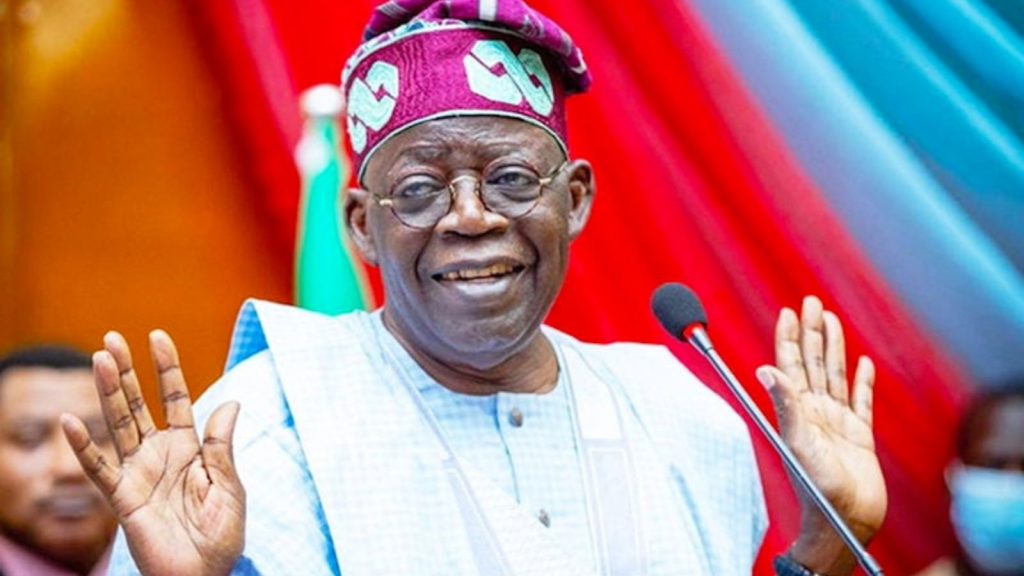
In 2025, the federal government budgeted ₦10 billion for a solar project to take Aso Rock off the national grid. In 2026, another ₦7 billion was allocated, with the State House Permanent Secretary, Temitope Fashedemi, saying the villa is expected to be off-grid by the end of March 2026.
So Tinubu is spending ₦17 billion to give himself twenty-four-hour solar power while leaving Nigerians stuck with a shaky grid collapsing under debt.
It’s shameful, the presidency is looking out for itself while millions of Nigerians cannot afford to power their homes.
What should people who cannot afford to go off-grid do?
Hot and skinny
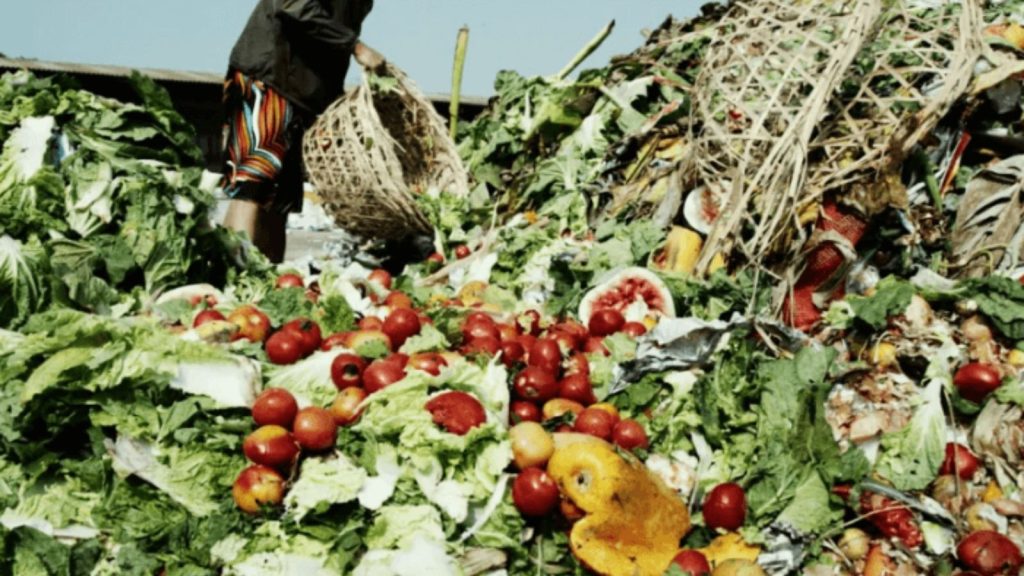
Heat stress isn’t the only danger. This heat and energy crisis is about to make Nigerians hungrier, too.
In February 2026, the Organisation for Technology Advancement of Cold Chain in West Africa (OTACCWA) reported that Nigeria loses between 30 and 40 million metric tonnes of harvested food yearly due to a lack of cold storage. We recorded about ₦5 trillion in post-harvest losses in 2025.
But forget the money for a second. That’s millions of tonnes of food wasted while children are literally dying of hunger.
A 2024 study in the Climate Change journal found that higher temperatures increase pathogen growth in food, making it spoil faster. Rising temperatures, plus no energy to refrigerate food, mean even more losses.
You’re hot, but are you bothered?
Nigerians are at risk of dropping dead in extreme heat, but can’t access air conditioning because the grid is failing and fuel prices are too high. If they survive that, they have to battle hunger because the food in their refrigerators has spoiled.
The failures of the Tinubu administration have left Nigerians vulnerable. They can’t afford to cool themselves or their food, and it will cost lives.
While we don’t blame Tinubu for the weather, we can’t help but note how ridiculous it is that Nigerians who currently deal with a high cost of living and don’t earn enough, have to squeeze themselves dry to buy fuel, which they did not have to, so that they can mitigate a heatwave which puts their lives at risk.
This is the Nigerian experience, courtesy of the Tinubu administration; living under an administration that not only denies you basic human needs but also robs you of the ability to afford alternatives that make up for its failures.
Zikoko’s HERtitude is back this April 2026. Grab your tickets here.

Click here to see what other people are saying about this article on Instagram