Talk True is a Zikoko limited series for medical myth-busting. With each episode, we’ll talk to medical professionals about commonly misunderstood health issues to get the actual facts.
As a child, I had very clear skin. When my older cousins started breaking out, I was sure it would never happen to me. And for a while, it didn’t, until 17, when I woke up with half my face covered in painful cystic acne. I tried everything: pharmacy prescriptions, black soap, toothpaste, lemon juice, Cacatin, shea butter; if someone recommended it, I used it. Nothing worked.
My skin didn’t start healing until I simplified my routine and stopped following every “skincare rule” I thought I knew. Looking back, I realised most of what I grew up believing was just bad advice.
It made me curious about the myths other women also had to unlearn. So I asked 16 women to share theirs and got Dr Olufolakemi Cole-Adeife, a consultant dermatologist, to debunk them.
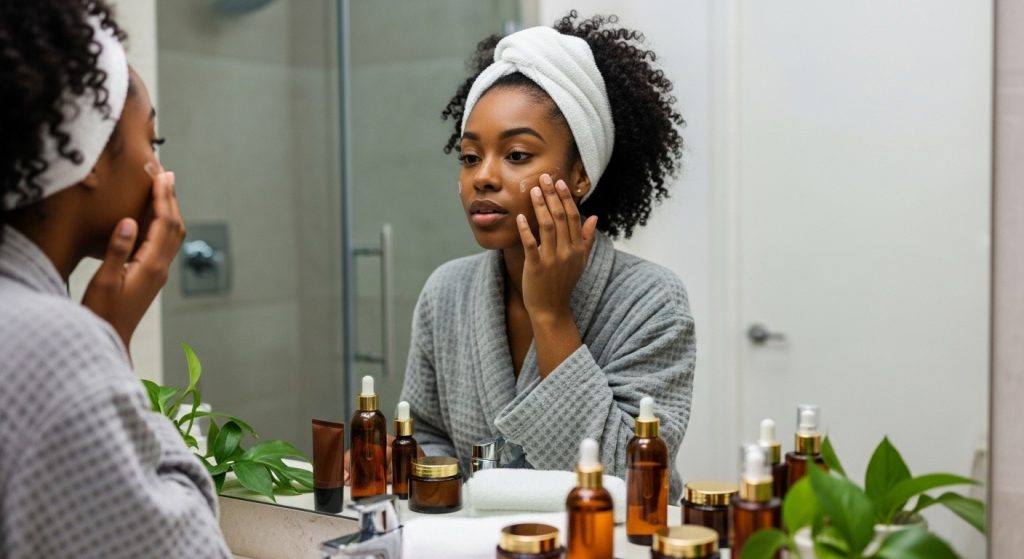
1. “If you have oily skin, you don’t need moisturiser”— Chioma, 32, Marketing Executive
Growing up, my older sister told me that putting cream on oily skin was like adding fuel to a fire. So for years, I’d wash my face and leave it bare, thinking I was doing the right thing. My skin was constantly shiny by midday, and I’d blot with tissue paper every hour. It wasn’t until a dermatologist explained that my skin was overcompensating for dehydration that everything clicked. Now I use a lightweight gel moisturiser, and ironically, my skin produces less oil than it did when I was avoiding moisturiser completely.
Expert Opinion: Moisturization helps control oil, and when the skin is dehydrated, it may cause it to produce more oil. For oily skin, choose a lightweight, non-comedogenic formula that is more water-based or a gel formula.
2. “Higher price means better product. Expensive cream = clear skin” — Aza, 27, Content Creator
Good old YouTube and social media are where I learned this skincare rule from. I’d watch these beauty influencers with glowing skin use ₦50,000 serums, and I genuinely believed that was the secret. It worked at first, or at least that’s what people around me were saying, then my face went back to its usual rough, black, spot-ridden self. I kept buying really expensive toners and serums, thinking I just needed to find the right one. Instead, I broke out in fungal acne and had the dullest skin of my life. My bank account suffered too.
The turning point came when I started investigating the actual ingredients in products rather than just the price tags. I realised there’s more to skincare than just having one particular skin type. When I saw no improvements for months despite spending so much, I knew something was wrong. Now I know that expensive doesn’t mean it’s good. I’ve also learned that results aren’t as immediate as the YouTube girlies make them seem. It can take time, and that’s fine. Less is more. I buy smaller sizes to test things out first, which saves me from wasting money and having regrets.
Expert Opinion: The price doesn’t always correlate with efficacy. Sometimes all you are paying for is the brand name. What really matters is proven, science-backed ingredients and formulations.
3. “No need to go to a dermatologist, just know your skin type and find products that have the skin type tag” — Ngozi, 45, School Administrator
My mother taught me this skincare rule, and I passed it on to my daughter before I knew better. The logic seemed sound: figure out if you’re oily, dry, or combination, then buy products labelled for that skin type. I never thought I’d need a doctor for something as simple as skincare. But over the years, I developed hyperpigmentation that wouldn’t fade no matter what ‘for dark spots’ cream I bought. Then came the psoriasis. It started small, just a few patches I thought were dry skin, but it spread. That’s when I finally went to see a dermatologist. I cried in that office when she showed me what years of using the wrong products had done. Now my rule is simple: anywhere it hurts, go to who knows best, doctors.
Expert Opinion: Skin concerns are more complex than “types”, and we all have unique concerns that transcend skin types. A dermatologist consultation will address real issues with evidence-based solutions in a personalised way.
4. “You only need sunscreen on sunny days” — Folake, 29, Graphic Designer
Lagos’ weather is unpredictable; one minute it’s sunny, the next it’s raining. I only wore sunscreen when I knew I’d be under direct sunlight for extended periods, like on beach trips. Regular cloudy or rainy days? I didn’t bother. I couldn’t understand why my dark spots weren’t fading despite using all the brightening products. A dermatologist friend finally explained that UVA rays can get inside a building as well. I was getting sun damage while sitting by my office window every single day. Now my sunscreen sits right next to my toothbrush; it’s that non-negotiable.
Expert Opinion: Ultraviolet B rays are low on cloudy days, but UVA rays are present even on cloudy, rainy, and indoor days (UVA can penetrate glass). UVA is a major trigger or aggravator of hyperpigmentation, so please use sunscreen every day!
5. “Drinking lots of water hydrates your skin enough” — Amaka, 35, Pharmacist
You’d think that as a pharmacist, I’d know better, but even I fell for this skincare rule. I drank at least three litres of water daily and genuinely believed my skin would be plump and hydrated from the inside out. Don’t get me wrong, I felt great internally, and my body appreciated it. But my skin? Still dry and flaky, especially around my nose and forehead. I finally accepted that while water is essential, my skin barrier needed direct, topical help. Adding a good moisturiser to my routine made all the difference. Now I do both: hydrate from within and nourish from the outside.
Expert Opinion: Water is great for overall health, but the skin still needs topical hydration and moisturisers for the best results.
You’ll Also Enjoy: 10 Nigerian Influencers Share the One Skincare Product They Swear By
6. “Natural ingredients are always safer or better, and gentler than clinical treatments” — Temi, 38, Small Business Owner
I was that person who swore by everything ‘natural’ and ‘organic.’ Chemical-free this, plant-based that. If it came from the earth, it had to be better than something made in a lab, right? I made face masks from ingredients in my kitchen: turmeric, honey, raw tomatoes, you name it. Then I tried raw lemon juice as a toner because someone on Instagram said it would brighten my skin. I got burns. My face was red, stinging, and peeling for weeks. That’s when I learned that natural doesn’t automatically mean safe. Now I look for products that have been properly tested and formulated, whether they’re natural or not.
Expert Opinion: Some natural products can irritate the skin, too. Isn’t poison ivy or “werepe” natural? Safety comes from proper testing, not just from being “natural” or unprocessed.
7. “Black/darker skin doesn’t need sunscreen” — Jennifer, 42, HR Manager
I genuinely believed melanin was enough protection. I’d hear about sunscreen and think, ‘That’s for oyinbo people.’ Why would I need it when I’m already dark? But after a beach vacation where I thought I was immune to sun damage, I came back with dark patches that took months to fade. The sun doesn’t discriminate. Now I wear SPF 50 every single day, rain or shine. My skin has never looked more even.
Expert Opinion: Darker skin can burn, tan unevenly, and is prone to hyperpigmentation from the sun’s rays. Sunscreen is more important for lighter skin tones to prevent skin cancer, but it is important for darker skin as well to prevent hyperpigmentation and premature skin ageing.
You’ll Love: Why Nigerian Women Still Need Sunscreen, According to Olapeju
8. “Your skin gets used to a product, so it stops working” — Blessing, 31, Software Developer
I had this amazing serum that cleared my breakouts within weeks. I was glowing. Then, about three months in, I started breaking out again. Immediately, I assumed my skin had ‘gotten used to it’ and the product stopped working. I switched to something else, then something else again when that ‘stopped working’ too. I was cycling through products every few months, spending so much money. Turned out, I’d been slacking on my routine during a stressful work period, and I’d also been eating terribly. The product was fine, it was me.
Expert Opinion: Other factors may be involved in the recurrence of breakouts while using a product, like the level of consistency or changes in diet and environment. It may not be related to the product. Also, beware of imitation products, which are quite common in our environment these days.
9. “Exfoliating every day makes skin clearer and smoother”— Hauwa, 26, Journalist
I read somewhere that exfoliation was the key to smooth, glowing skin, so I thought more must be better. I exfoliated every single day, sometimes with a physical scrub in the morning and a chemical exfoliant at night. For a week or two, my skin felt incredibly smooth. Then it started stinging whenever I applied anything, even water. My face was red, sensitive, and breaking out in places I’d never had acne before. I’d destroyed my skin barrier trying to make it perfect.
Expert Opinion: Exfoliation is great for the skin, but over-exfoliation damages the skin barrier. Two to three times a week is ideal.

10. “Retinol thins the skin permanently” — Funmi, 51, University Lecturer
When I started noticing fine lines in my late forties, a colleague recommended retinol. But another friend warned me that it would thin my skin permanently and make me look older in the long run. I was terrified and avoided retinol for two years. Finally, at a conference I attended for work, I learned the truth: retinol thickens the skin over time. I started using it properly, with sunscreen during the day, and the results have been incredible. My skin looks firmer and healthier. I wish I hadn’t wasted those two years being afraid.
Expert Opinion: Retinol can cause temporary dryness, but it actually thickens skin over time by boosting collagen production.
11. “Home/DIY hacks (toothpaste, lemon, baking soda) will clear pimples and popping them helps them heal faster” — Chiamaka, 21, University Student
TikTok convinced me that toothpaste would dry out my pimples overnight. I also saw videos of people using baking soda as an exfoliant and lemon juice to fade dark spots. I tried all of them. The toothpaste burned my skin and left dark marks. The baking soda was so harsh that my face felt raw for days. And the lemon juice? Let’s just say I learned about photosensitivity the hard way when I stepped outside after applying it. As for popping pimples, I thought I was helping them heal faster. Instead, I spread the infection and now have scars on my cheeks that I’m still trying to fade. I’ve learned to leave the DIY hacks alone and use actual acne treatments from the pharmacy or a dermatologist.
Expert Opinion: Most DIY hacks actually burn or irritate the skin. Popping pimples can spread infection and worsen scars.
12. “Coconut oil or heavy oils are safe for everyone” — Ivie, 28, Fashion Designer
Coconut oil was my everything. I used it on my hair, my body, and my face. Everyone online was raving about how natural and moisturising it was. But my face started breaking out with these deep, painful cysts that wouldn’t go away. I couldn’t figure out what was wrong because I was using something ‘natural’ and ‘healthy.’ When I finally stopped using coconut oil on my face, the cystic acne cleared up within weeks. Not everything that works for everyone will work for you.
Expert Opinion: Coconut oil or heavy oils are often comedogenic and clog pores for many people. They may be okay for some, but they can trigger breakouts in those with acne-prone skin.
13. “Products sold in stores or markets are automatically safe” — Maryam, 44, Civil Servant
I used to buy my skincare products from the market near my house. They were cheaper than pharmacy prices, and I assumed that if they were being sold openly, they must be safe and approved. I bought a cream that promised to clear dark spots in two weeks. Within days, my face started peeling and burning. I showed my sister, who’s a nurse, and she was horrified. The cream contained steroids and mercury, ingredients that are banned but still make their way into products sold in unregulated markets. I had to see a dermatologist to repair the damage, and it took months. Now I only buy from trusted pharmacies and verified retailers, even if it costs more. My skin is worth it.
Expert Opinion: Hmmm… not always. Some are unregulated, fake, or harmful. Always buy from trusted retailers.
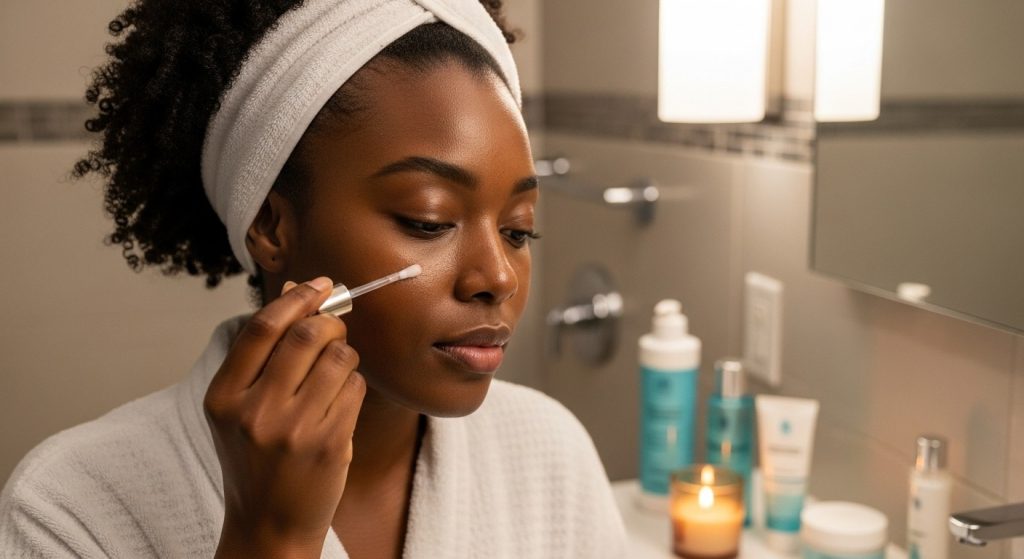
14. “Bleaching creams recommended by friends/influencers are harmless” — Adanna, 33, Banker
I had a friend who went from dark-skinned to significantly lighter within months, and everyone kept complimenting her. When I asked what she used, she recommended a cream she got from an influencer. She looked happy and confident, so I thought it must be safe. I used it for about six weeks, and yes, I got lighter. But then my skin started developing strange discolouration patches that were lighter than others, and some areas that looked almost grey. My skin also became extremely sensitive; anything I applied would sting.
I went to a dermatologist who told me the cream contained steroids and hydroquinone at dangerous levels. She warned me about the long-term damage: thinning skin, increased risk of infection, and permanent discolouration. I’m still dealing with the aftermath years later. I wish I’d loved my original skin tone enough to never touch that cream or skincare rule.
Expert Opinion: Bleaching creams are never harmless! Most contain steroids, mercury, or hydroquinone and cause skin damage, discolouration and increase the risk of skin infection. Avoid! All skin colours are beautiful!
15. “Dark spots will go away if you scrub harder or use strong acids frequently” — Bongee, 25, Entrepreneur
I learned from my mum to scrub hard to remove dark spots. I have sensitive skin plus aquagenic pruritus, so I was always scratching or slapping my body and dealing with wounds. My mum would tell me to scrub harder during baths to ‘remove the dead skin’ and make the dark spots fade. I used rough sponges and harsh black soap, thinking that was the solution. It only made things worse; my skin was constantly irritated, and the dark spots got darker from all the inflammation.
When I moved out and started bathing myself gently with just mild soap, I noticed my skin didn’t fall apart like I thought it would. In fact, it started healing. I’ve learned that less is more. My skin can’t handle harsh products, even black soap, so you’ll find me shopping in the baby section now. Gentle care has done more for my dark spots than years of aggressive scrubbing ever did.
Expert Opinion: Hard scrubbing just creates more inflammation and results in darker spots. Gentle, consistent care with twice- or thrice-weekly hydroxy acid washes or creams works best.
16. “You must lighten your skin to remove acne marks quickly. Fairer skin is more beautiful anyway, so good!” — Zainab, 60, Retired Teacher
In my generation, fair skin was considered the standard of beauty. When my daughters were young, I encouraged them to use lightening creams because I genuinely believed it would make them more beautiful and help fade their acne scars faster. I used those creams myself for decades. Now, at sixty, I’m dealing with thin, fragile skin that scars easily and has uneven pigmentation that no amount of makeup can hide. My daughters, thankfully, didn’t listen to me for long. They embraced their natural skin tones and treated their acne properly with dermatologist-recommended products.
Watching them now, confident and glowing in their natural complexions, I realise how wrong I was. Skin health has nothing to do with being light or dark. Beauty truly does come in every shade. If I could go back, I would tell my younger self that my deep brown skin was already beautiful, and that treating acne marks doesn’t require changing your skin color. I share my story now so other women don’t make the same mistake I did. Love your skin at every shade, it’s the only one you’ve got.
Expert Opinion: Skin health is not about skin colour. Light skin does not equate to healthy skin. If you do not treat the underlying causes of acne, the dark spots will persist. Treating acne marks doesn’t require lightening your skin tone. Beauty comes in every shade!
Dr. Olufolakemi Cole-Adeife is a consultant dermatologist and one of Nigeria’s most passionate voices for healthy, beautiful skin — backed by science, not hype. She combines clinical expertise with public education to empower people with accurate skincare guidance, especially for African skin types. From research to community advocacy to content creation, she champions safe, inclusive skincare for everyone. She is an award-winning doctor recognised globally for her impact in dermatology and public health, and was recently honoured with the ILDS Young Dermatologist International Achievement Award for the African region. She regularly engages and educates her online community on skin health as Foladermadoc on Instagram and TikTok.
Next Read: The Real Cost of Clear Skin for Women in Nigeria