For many young Nigerians, maintaining a polished social media presence, from curated meals and designer outfits to skincare routines and travel adventures, involves meticulous planning, disciplined saving, and real spending.
Social media isn’t just a hobby for the five Nigerians we interviewed for this story. It’s a business, a passion, and sometimes an investment in themselves. They reveal how much it costs to maintain a feed that turns heads, builds influence, and keeps followers engaged.
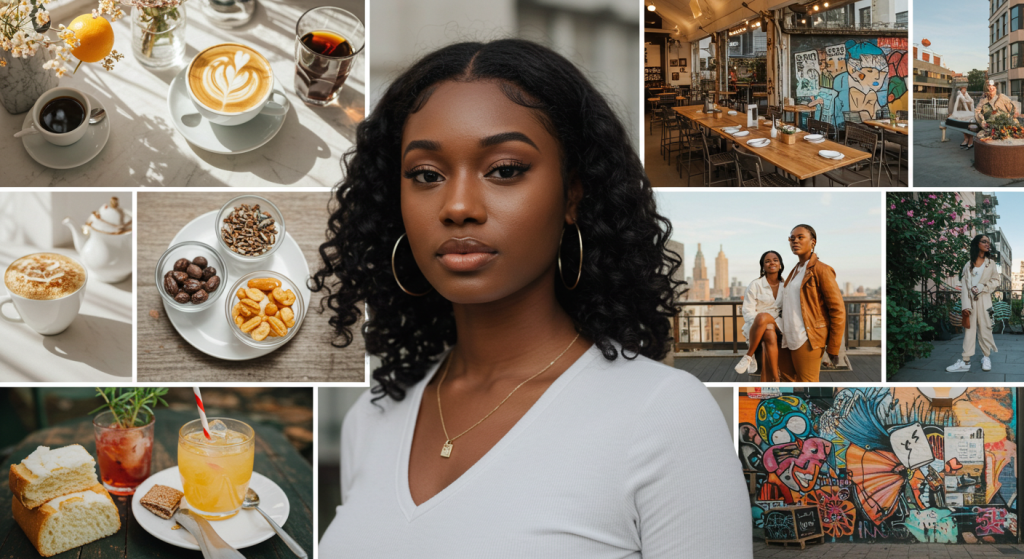
“Every carefully planned outing is both a memory and a business strategy” — Esme*, 22, Content Creator
When people hear “content creator,” they think it’s just taking random pictures and posting them online. But it’s work. As a lifestyle creator, my entire brand depends on how well I can curate experiences. I have to plan my week ahead — the restaurants I’ll eat at, the events I’ll show up to, the resorts I’ll sneak away to. If I don’t have content, then I don’t have a business.
It didn’t start this way. Back in school, I posted because I genuinely enjoyed it. Then, after graduation, I decided I didn’t want to be tied to a 9-to-5. That was when I took content creation seriously. I knew the kind of brands I wanted to attract, so I started showing up in the spaces they cared about: expensive restaurants on the Island, rooftops with city views, art galleries, resort weeks, and curated Lagos events.
On restaurant days, I easily spend ₦50k–₦70k on food and drinks — a plate of spaghetti here, a mocktail or cocktail there, pastries, maybe even a full course if I know I want more than one look. Doing this 4–5 times a month, my food and drinks budget easily adds up to about ₦300k.
I plan my outfits and schedule fittings with my tailor. I used to shoot my own content, but now that I’ve grown to over 45k followers, brands send me clothes, wigs, and even offer free photography and video coverage. I don’t have to chase collaborations anymore; I let the quality of my feed do the talking.
Still, it’s not cheap to stay relevant. I buy new attire myself when I’m not getting free outfits or sponsored shoots. I spend money on makeup artists, transportation, and whatever it takes to make sure my content is always top-tier. I’ve signed deals worth about ₦3 million for six months of content, so I have to balance brand campaigns with organic, everyday lifestyle posts. I never want my page to feel like an endless ad. It has to feel real, with people constantly engaging with my content.
At the end of the day, this is my job. My content is my product. Lagos is my office — every restaurant, rooftop, and carefully planned outing is both a memory and a business strategy.
“I spend about ₦50k every two weeks cooking different dishes just for content” — Sofia*, 24, Corper
My biggest dream is to become a private chef, but the journey started much smaller. In university, cooking brought me joy. Every two or three weeks, I would host my friends in my hostel and cook a full spread for them to eat. My friends loved it so much that they convinced me to try a food business. I gave it a shot, but I had to stop after a semester. Selling food in school is tricky — you either sell at lower prices to compete, or you compromise on quantity and quality to turn a profit. Neither felt right to me.
Although I left the business, I never stopped cooking. Instead, I turned to Instagram. I was already following food creators, learning how they styled plates, adjusted lighting, and made dishes look as good as they tasted. Inspired, I began creating my own food content — carefully plating dishes, shooting with my phone, and posting once a week. Sometimes a lucky friend got to eat the food. I even dropped recipes, and slowly, people started engaging with my posts.
Cooking for Instagram became its own business. These days, I spend about ₦50k every two weeks on ingredients. I cook in bulk, prepare different varieties at once, and then spread the social media content over days. On top of that, I’ve invested in props, lights, tripods, and better plates — all the small details that make food look irresistible on camera.
The first time I charged ₦150k to cook for someone, it confirmed that all the money and effort were worth it.
Right now, I balance NYSC with an IT support job, which gives me up to ₦200k monthly. Out of that, I deliberately set aside money to fund my content. Because even though cooking started as joy, it’s also my future. Every reel I post, every plated dish I share, is me building toward the private chef I know I’ll become.
“To look like my Pinterest board, I sometimes burn through half my ₦200k allowance” — Anita*, 21, Recent Graduate
I don’t have the height or body of a model, but I have taste. Fashion is my playground. I can put together outfits for days, and nothing excites me more than styling looks for Instagram. However, consistently looking good in Lagos doesn’t come cheap.
The truth is, clothes here are hard to buy. You’re either stuck with expensive Instagram boutiques or big-name brands selling nothing but their name at outrageous prices. I’ve tried thrifting, but it’s stressful. The markets are chaotic. I either get scammed or get completely lost in the crowd. Sometimes I get lucky with thrift pages on Instagram, but even then, the finds rarely match the mood boards I’ve carefully built on Pinterest.
Since this is something I do consistently, I’ve had to strike a balance. I survive on the ₦200k allowance I get from my parents every month, so I budget carefully. I buy from Shein because I can find exactly what I want, but the exchange rate makes it a painful experience. I mix those buys with thrift pieces I can style creatively to soften the blow. On average, I spend about ₦100k every two months on new clothes and accessories just to keep my Instagram fresh.
The trick is knowing how to pair things. Not every post has to feature a brand-new outfit. Sometimes it’s about styling old pieces in new ways so the results look intentional, curated, and Pinterest-worthy. That’s the skill.
This isn’t about becoming a stylist or building a fashion career. I just genuinely love dressing up. My dream is to grow beyond the 2,000 followers I have, so brands will start sending me clothes and accessories to style. Until then, I’ll keep creating colourful, fabulous looks because it makes me happy and because I believe consistency will eventually pay off.
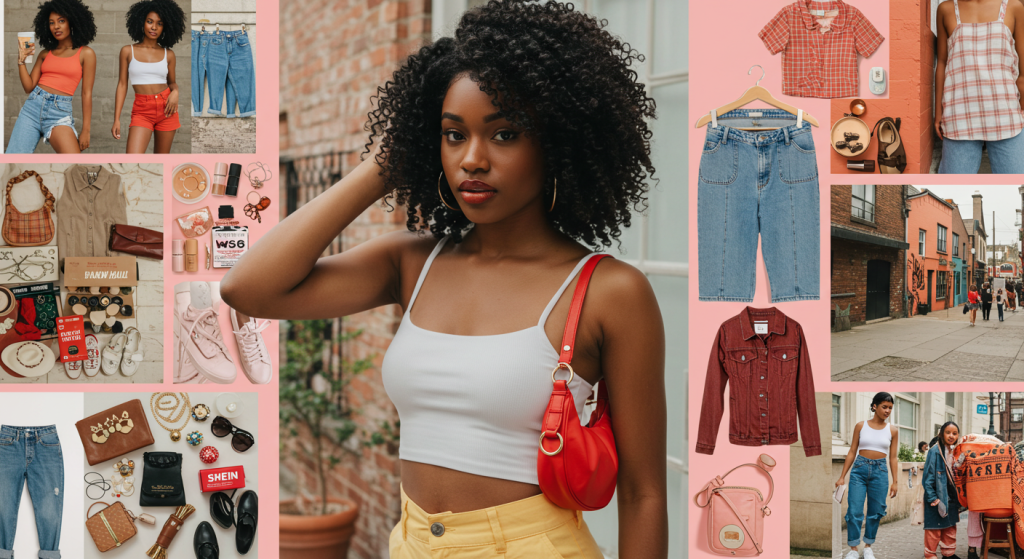
“I spend over ₦200k on skincare quarterly because taking care of myself and sharing on Instagram is an investment” — Korede*, 26, Tech Bro
I know what people think when a guy posts skincare routines online: “Vain,” “extra,” “probably gay.” I hear it all the time from friends. But for me, it’s an investment. I treat my skin like some people treat their laptops or cars: carefully, consistently, and purposefully, and yes, it also makes great content.
I spend over ₦200k quarterly on skincare: K-beauty imports, serums, moisturisers, sunscreens, masks. I read labels, research ingredients, and test products until I know what works for me. It’s a routine, but it’s also an education.
My feed is full of shelfies (photos of skincare products neatly arranged for the gram), unboxing videos, and nighttime routine reels. Every post is carefully planned — lighting, camera angles, and even background colour matter. Good lighting costs money; ring lights, cameras, and backdrops aren’t cheap, but I’ve learnt they’re necessary if I want my content to feel professional.
I started posting because I loved the process: the glow after a good routine, the satisfaction of seeing visible results, and the creativity in styling shots for Instagram. But slowly, it became a business as well. Brands started noticing and sending me skincare PR packages. People began asking for tips. My followers expect new content weekly, and I ensure that I deliver it.
It’s about how I present myself, feel in my skin, and communicate my passion for self-care. And yes, if it inspires someone else to take care of themselves or makes them smile, that’s a bonus. Skincare is a lifestyle for me, and it’s worth every naira I spend.
“I save almost everything I earn all year, so when travel time comes, I can fully fund trips, and keep my feed curated for months” — Mariam*, 25, Banker
Travel has always been my escape. I live for airports, boarding passes, and the thrill of a new country. Posting travel reels, for me, is about building a “passport aesthetic,” a curated feed that feels aspirational and authentic.
I earn about ₦500k a month, and, fortunately, I still live in my parents’ house, so I don’t have rent or major bills. I save almost everything I can throughout the year, because I know that when my annual leave comes, I want to fully immerse myself in travel without worrying about money. By setting aside roughly ₦300k each month, I’ll have built up a travel fund of around ₦2.5 million by the eighth month. That’s enough to cover flights, hotels, tour guides, and outfits to an African country.
Planning is everything. Before I even step on the plane, I map out content ideas for every destination. I plan what to shoot, where to shoot it, and the outfits I’ll wear so I have posts ready for the next couple of months. Every trip is carefully curated to maintain a consistent, engaging, and on-brand feed. It’s all about creating a story that lasts long after I’ve returned home.
Travel keeps me sane. It’s the highlight I look forward to all year, and the discipline of saving, planning, and executing content around it allows me to enjoy it fully. Every post, reel, and shot is part of the bigger picture, building my personal brand, one flight and one city at a time.