In primary school, Tolulope Itegboje was usually top of his class. It was a small school with pupils from similar backgrounds, so it was easy to stand out. Everything changed in secondary school.
It doesn’t matter how you start
In a class of about 30 students, he would come anywhere between 20th and 27th.
It was a new environment, and it was tough in many ways. The students came from very different backgrounds. Some were middle-class, others were from the top percentile.
He was going through all of this while becoming an adolescent, dealing with changes in his body, a face newly minted with pimples and attraction to ladies.
His dream was to become the Senate President because he had seen Chuba Okadigbo, the Senate president in 1999, wearing a red Igbo chief cap that made him majestic, and he wanted it for himself, too. Later, he thought he would become a petroleum engineer, but he didn’t go through with it.
You can study anything at university
At this time, he decided he wanted to pursue a career in something that was either important, the office looked good, or would help him make money.
So he studied Economics at Baylor University in the US. Even that was tough for him; he had to switch to Marketing.
Subscribe to Zikoko Pop newsletter, The Feed, for the most important pop culture news
ALSO READ: Akinola Davies Jr. on How to Make a Successful Arthouse Nollywood Film
Find a film you love to inspire you
It was at the time that he first watched City of God, a Brazilian film about drug life in Rio de Janeiro, that he loved. To him, the directors Fernando Meirelles and Kátia Lund were so permissionless in their storytelling. The cast was mostly black, at the time rare for a Hollywood film.
But after he watched The Lord of the Rings, the deal was sealed. He was going to become a filmmaker. The themes and characters resonated, so he took electives in filmmaking at university. He learnt the basics of production editing, directing, and script writing. When he graduated, he got a job at an advertising agency, where he worked on commercials, applying his filmmaking courses to marketing.
But even that was not enough.
Get filmmaking experience
He returned to Nigeria for NYSC and was lucky to work at DVWorx Studios under veteran director Femi Odugbemi (The Man Died: 2024). He went on shoots, worked on films and documentaries and later worked with another veteran, Tunde Kelani (Saworoide: 1999).
A friend, Bolaji Kekere-Ekun, commissioned him to make a documentary, Lady In The Water, to accompany Kekere-Ekun’s film Nkiru about Mami Wata.
A film school can be good
Kekere-Ekun had gone to film school before making the film, so Itegboje started considering film school. After applying to a bunch of MFA (Master’s in Fine Arts) in Filmmaking programs but didn’t get in. Kelani, whom he had worked with, had gone to the London Film School, which offered an MA (Master’s of Arts), so Itegboje tried his luck and got into the film school.
He wanted to become a writer and director, but the course structure didn’t allow students to specialise in their first year. By the end, he also wanted to produce.
He used part of his fees to make his graduation film, which the school refunded. He returned to Lagos, full of creativity and new ideas.
Funding would be tough, but keep creating
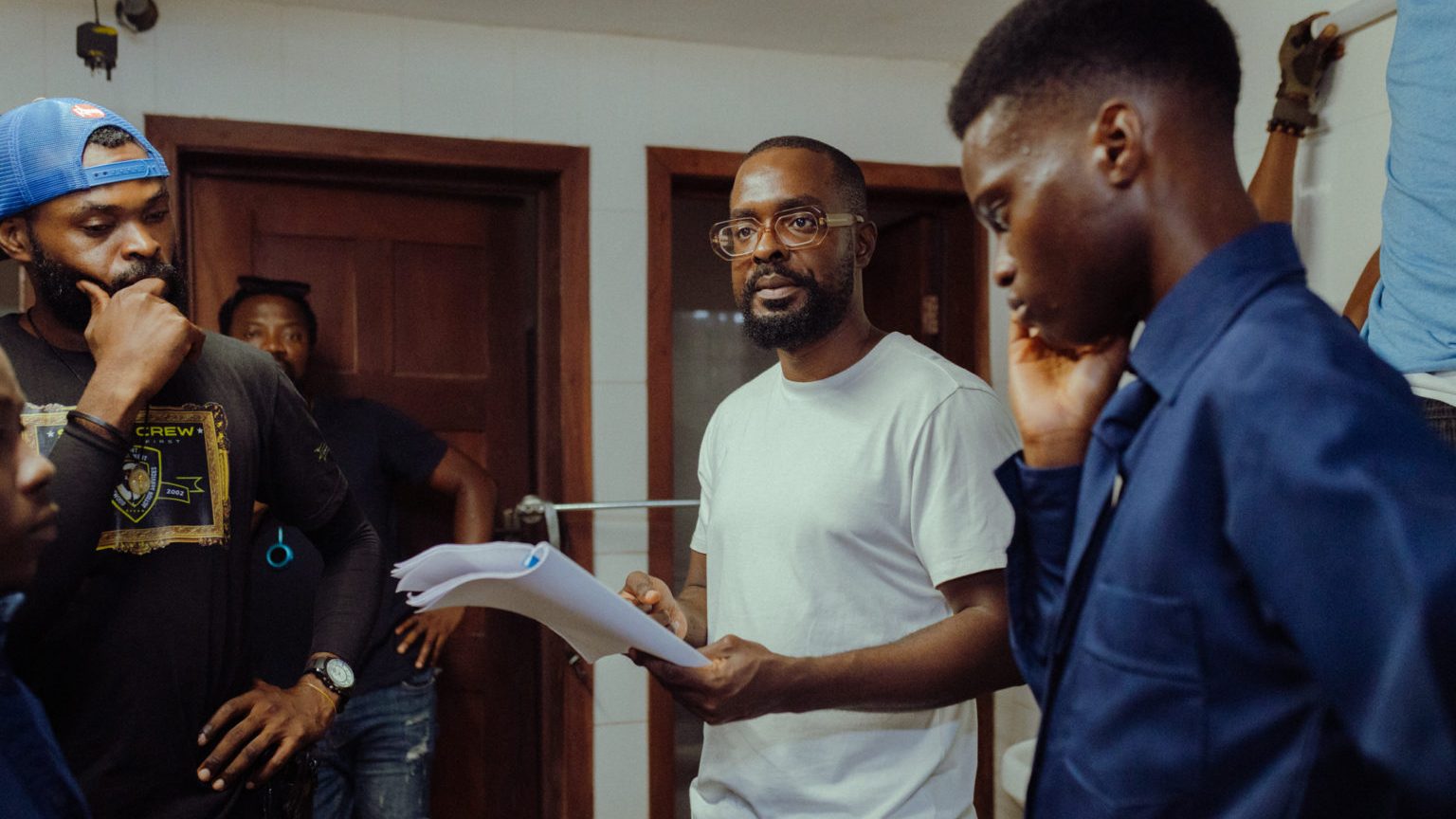
But he soon realised that finding funding for those kinds of films in Nigeria was tough. Itegboje took freelance work, and eventually, Steve Babaeko sought someone to lead production at Zero Degrees, the production arm for X3M Ideas, his advertising agency. Itegboje reached out and got the job. The role sharpened his skills and left room for his side projects.
Make the film you want
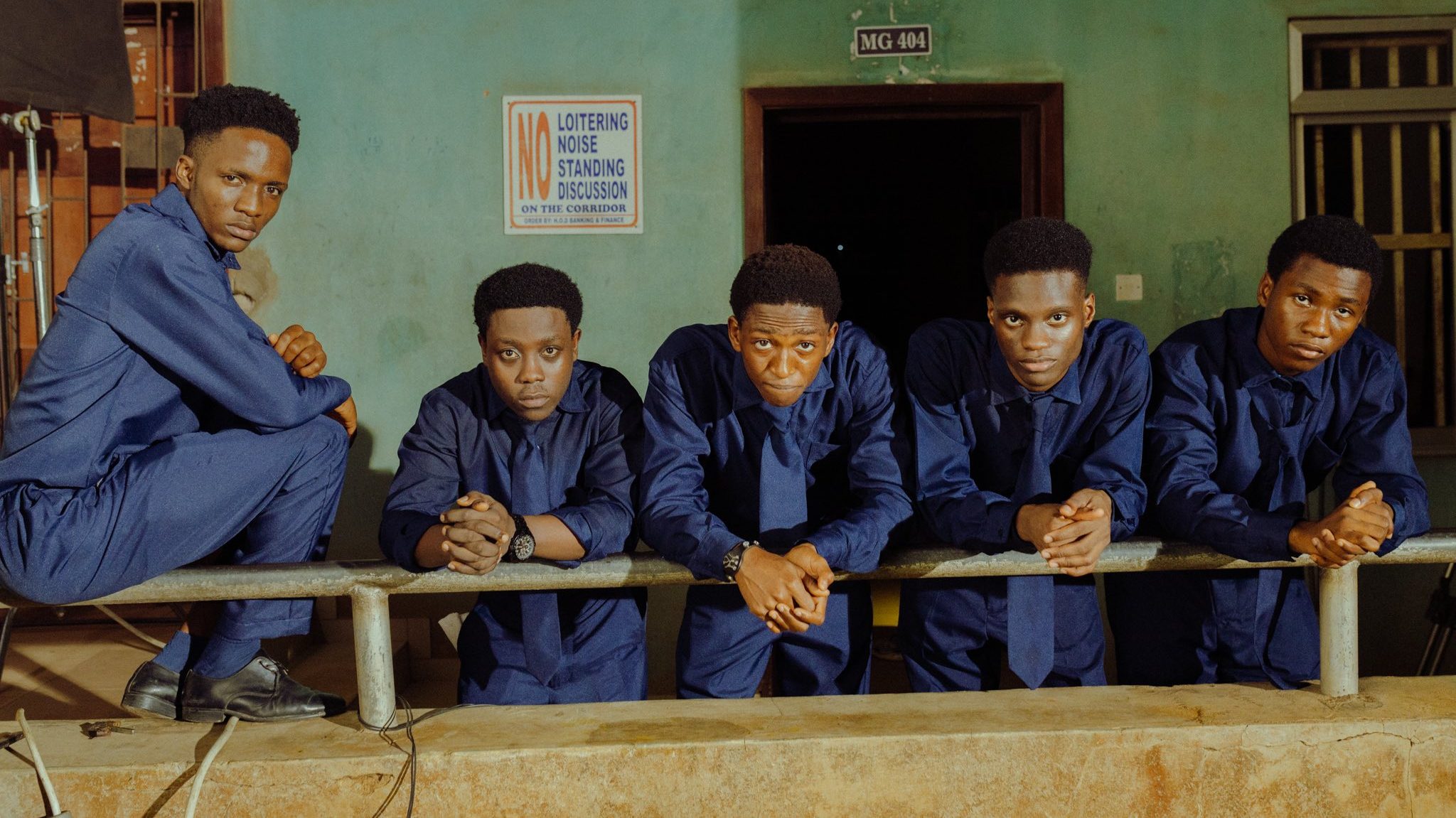
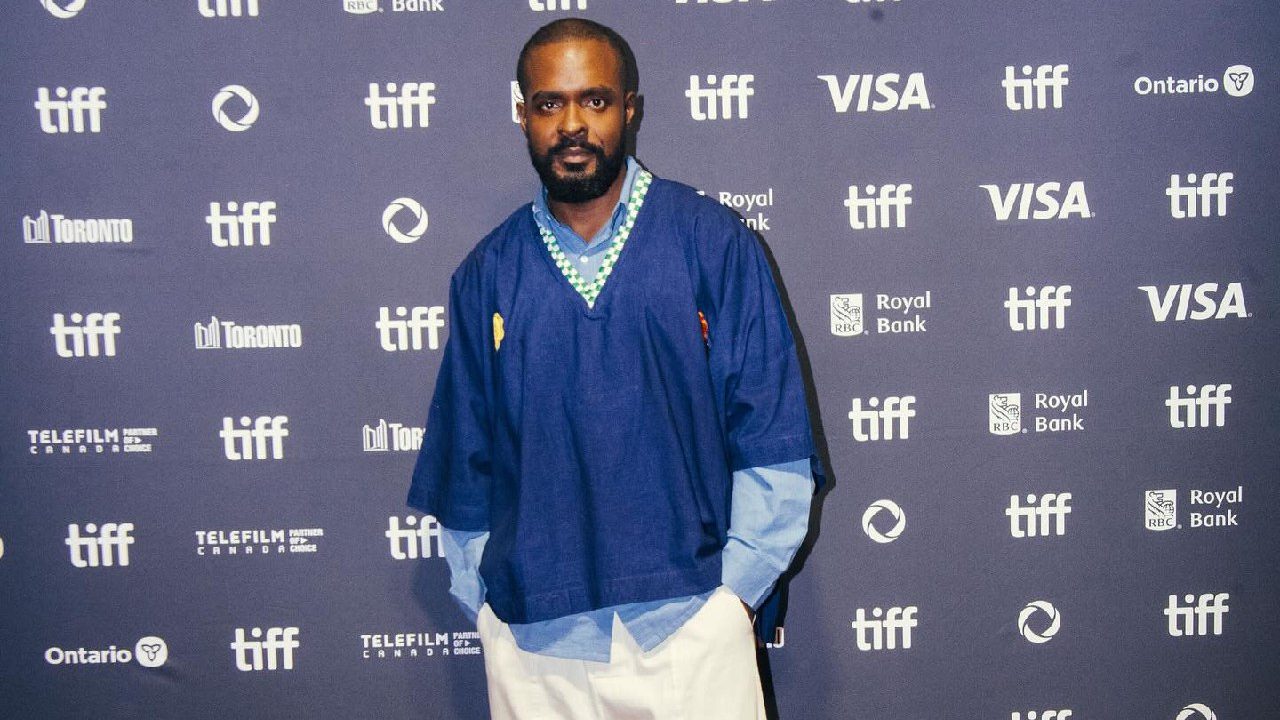
One of those side projects became Bam Bam, a short film he wrote and directed that screened at the Toronto International Film Festival (TIFF) this year. TIFF receives thousands of submissions worldwide, but only a tiny fraction are selected.
Bam Bam’s selection immediately cements his place among a new coterie of Nigerian filmmakers, including Akinola Davies, whose My Father’s Shadow was an official selection at the Cannes International Film Festival this year, and CJ Obasi, whose black-and-white feature film Mami Wata has been heralded as one of the best movies of this era of Nigerian cinema.
Your film should be fresh
Bam Bam is a coming-of-age sci-fi that follows Babatunde (Ambrose Nwoga), a young secondary school student who strikes up a friendship with an AI, Bam Bam (Kelechi Udegbe), who then dispenses tips to Babatunde to woo the female student he has a crush on.
The storyline is familiar if you have been following the news around AI. There have been reports of people falling in love with AI, using ChatGPT as therapists. Most recently, the family of a young boy in the US says he committed suicide after an AI he had developed a bond with told him to. But Bam Bam is not one of these horror stories. Itegboje doesn’t even see Babatunde’s relationship with Bam Bam as the residue of a mental illness he might have.
Instead, the commentary Bam Bam makes is about how AI is filling the voids that have been left in the human psyche with the rise of remote work and online dating. The argument of the film is that ChatGPT and other large language models we spend time chatting away with are more likely to know us better than our neighbours, colleagues at work or even lovers.
The festival would be transformational
Screening Bam Bam at TIFF was transformative for Itegboje. He didn’t understand the scale of the festival until he was there in person. This year, TIFF started on September 4th and ran until the 14th. Bam Bam screened on the 7th.
In the days preceding it, not having the huge marketing budget that allows big studios to fly cast and crew into the city, dripping in head-to-toe high-end designer goods, he had to do word-of-mouth marketing for the film at the festival. On the screening day, his colourist, Speedy, was in Toronto and so came to see the film. It was just them who worked on Bam Bam in the hall. He didn’t know most of the other people who came to see the film.
Later, he learnt that a lady whom he didn’t know and had not marketed the film to but came to see it worked at Paramount Canada. That is the kind of opportunity that a film festival like TIFF provides.
Being in TIFF underscores how far Nigerian filmmakers have come as global players in cinema. But it could also affect the cadence and storytelling of Nigerian films. Some of these film festivals have themes. Some others have moods.

Keep making films that answer questions you have
At times, the kinds of films accepted can be similar depending on the dominating mood of the festival. There are times when it wants female directors. There are times when it wants queer stories. Sometimes it wants foreign language films. These days, the mood is foreign films, preoccupied with local themes. Bam Bam and My Father’s Shadow fall under this mould. It could mean that more filmmakers would want to make films that fit that mould.
Itegboje is more interested in movies that try to answer his questions. With that as his lodestar, he is safe from what some might call a “Western gaze.”
It remains to be seen what this interest in this mould of foreign content would bode for Nigerian filmmakers who are accepted to these prestigious film festivals. Would they create fair partnerships with Nigerian filmmakers to make films that answer the questions that they have?
It has never really been Hollywood’s style, especially with African filmmakers, to cede that amount of control to Nigerians. The kind of cross-collaboration we saw with Namaste Wahala between Bollywood and Nollywood has never happened between Nollywood and Hollywood. The closest we have had is My Father’s Shadow, which was funded by the British Film Institute, which is categorically not Hollywood. My Father’s Shadow just went to the cinema in Lagos last weekend, and accurate data on how it is performing is only just being collated.
So we don’t know how local audiences would react to this new Nollywood mould. But for what it’s worth the critics have been very generous with their praise of the movie.
What happens after you screen at an international film festival?
However, Itegboje and his short Bam Bam still have a long way to go before they hit cinemas in Lagos. He is considering multiple options, including a series, a feature film, or a graphic novel. But he first wants to take it to more film festivals. He hopes it is acquired, and he finds a distributor.