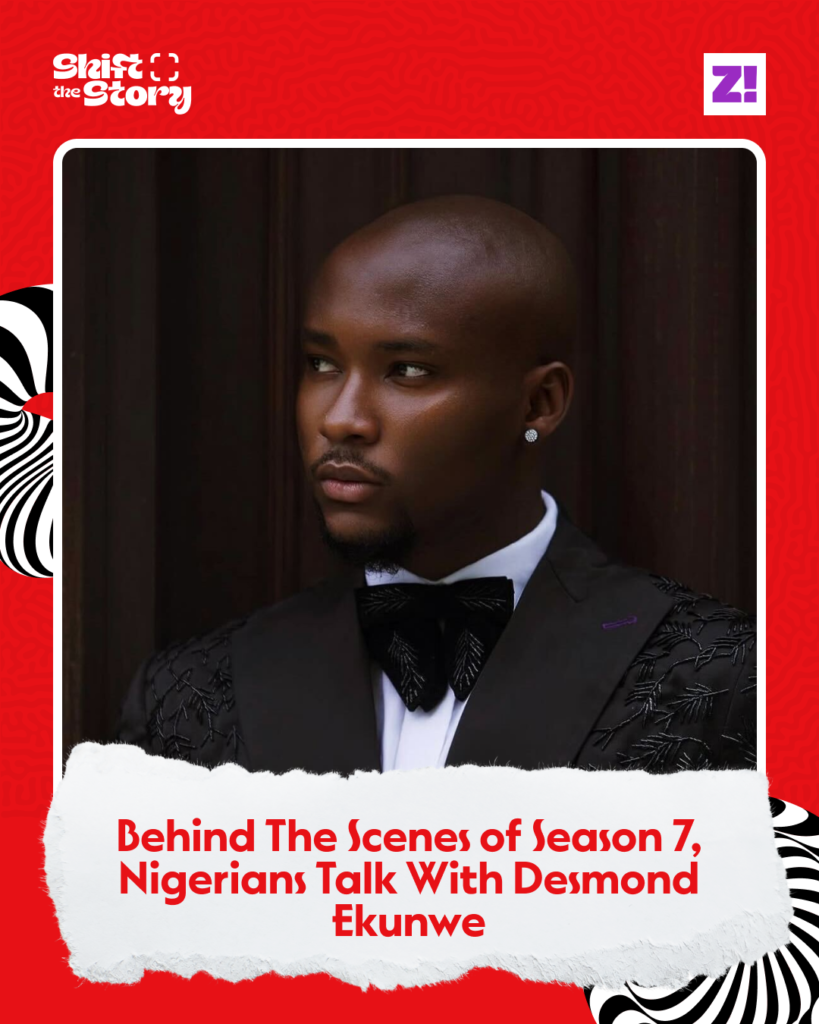
The last episode of Season 7 of Zikoko’s Nigerians Talk is out, and today we’re discussing BTS with award-winning producer Desmond Ekunwe. With over five years of experience in the film industry and 11 years in media working with companies like YNaija and RED, Desmond talks us through his unique experience producing season 7 of Nigerians Talk and working with the Zikoko team.
From shooting stars like Timi Dakolo and brands like Lipton and Knorr to listening to Nigerians talk about things that affect everyday living. In this article, Desmond shares his views on how talk shows like Nigerians Talk are important in shifting the narrative.
How did you get into film production?
My first degree was actually in history. But that only happened because I didn’t want to wait an extra year before starting school. A friend from secondary school was doing the same thing, so I didn’t feel alone. Then I started working at a radio station and figured there was no point in changing. I only started veering into film in 2021, and my first experience with that was Timi Dakolo’s music video for his song, Obim, with Noble Igwe through Red Media Africa.
I had been to film school at the time, the Urban Life Creative Academy, and I remember feeling so much excitement watching my passion translate into film and business. The year the music video came out, I quit my job and went to film school for a year at the Multi-Choice Talent factory. Since then, I’ve done a few films, attended festivals, and won some awards. I’ve even done some work for AMVCA courtesy of the Multi-Choice Talent factory, but yeah. That’s how I came into film.
How did you get involved in the production process for Nigerians Talk?
I’ve always been a fan of Zikoko’s content, so I always wanted to work with the team on a project. When talks for season 7 started, Anita reached out and asked if I would be interested in coming on board. And I was. Anita was very detailed with her request. I had to develop concept notes outlining the process and everything we wanted to achieve. So, I had to provide topics for each episode, which were based on two themes: Women’s Economic Power and Sexual and Reproductive Health, the shoot style, speakers, etc.
I liked how detailed everything was. I mean, it scared me at first because it was a lot of writing and paperwork. But it felt like a great opportunity, and I was really excited to collaborate with Zikoko. I remember telling Matilda about how we did really great work with the time we had.
Also Read: Can Women Really Manage The Kitchen And The Boardroom?
Would you say Nigerians Talk is different from other talk shows you’ve produced?
The thing about talk shows is that you tend to predict what people will say, and you have to guide them to that point. But with Nigerians talk, you almost can’t guess what the speaker would say. There were moments when one speaker would say something, and you could feel the shock from the other person and how they put themselves together in one piece. The topics were very serious and controversial, so I saw how people genuinely felt about things in real life. You realise that people aren’t as exposed or educated as you’d think. People have diverse opinions, and people agree with these opinions.
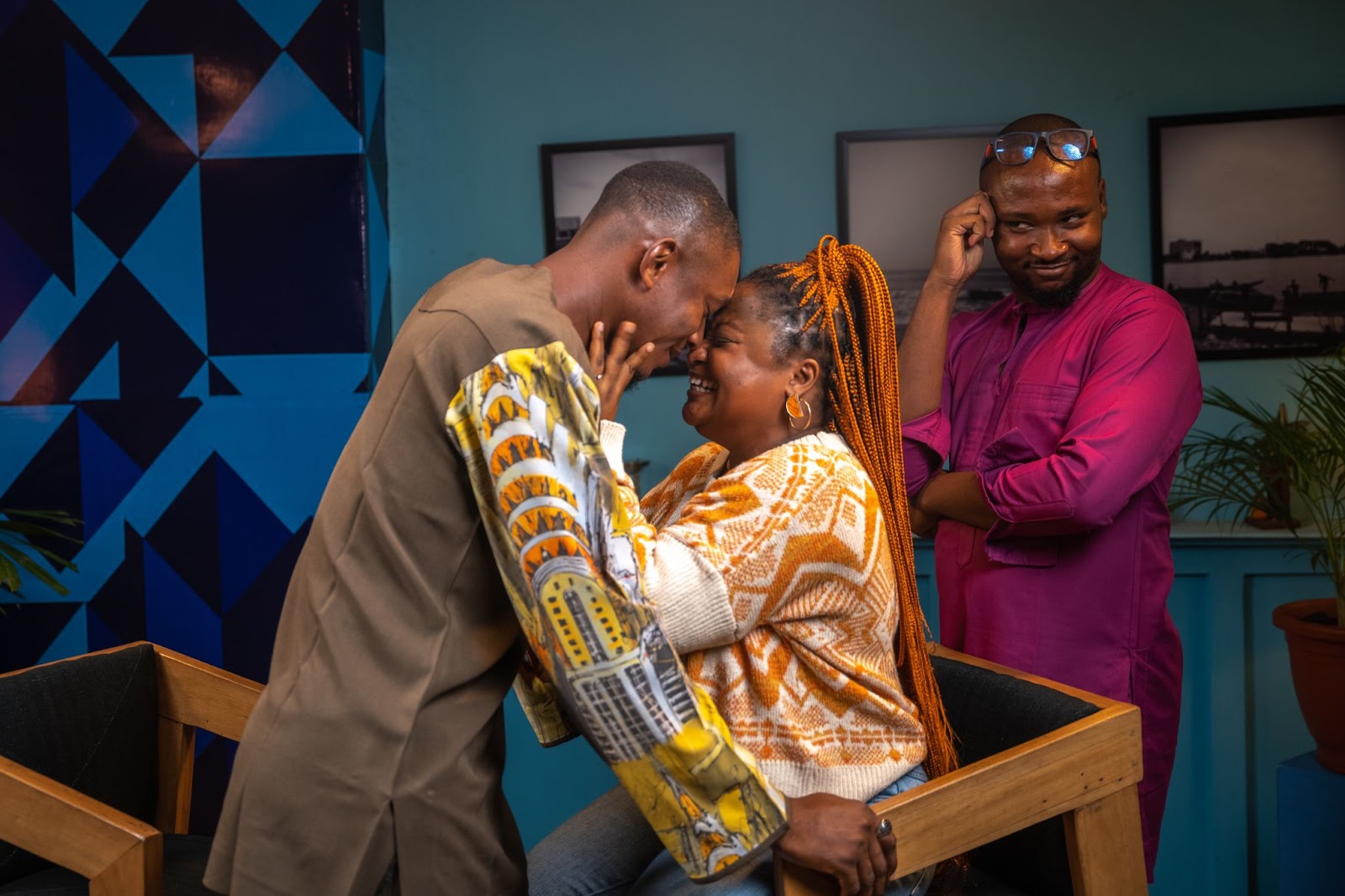
For example, the guy in the last episode, people might think we paid him to say all those things, but those were his takes. And this is replicated across the 10 episodes. We encouraged them to speak freely and made the setting such that the chairs were a bit high to add a bit of discomfort in their interactions and to help the mood. But yeah, I think that’s the difference for me. People say the darndest things on Nigerians talk, and you’re like, Wow.
Some episodes felt like I was seeing Twitter conversations come to life. How did you select the topics and the guests?
Like I said, the season was influenced by two main themes. So, I just made sure the topics aligned with the themes. For the guests, I think the topics helped with that. In the one where they talked about sharing responsibilities in relationships, we thought it would be nice to include a couple. Then, the ones on sexual and reproductive health issues, we included doctors and sex therapists.
Generally, people who knew what they were talking about. Some people requested to be on it. Some I’d met on previous talk shows, with strong opinions, who I thought would be a good fit for some of these episodes.
There was also a pre-screening process, where we spoke to guests to see how they felt about topics. We’d gauge their responses and decide what episode to put them on from that.
We even had some operational issues along the way. Sometimes people would back out on filming day, and we’d have to start looking for replacements. A lot of them were scared because, obviously, we were putting this on the internet. But now that it’s out, I’ve had people saying they wish they had come on, some of them wish they had said more. There was even a current Big Brother Naija housemate who was supposed to be in one of them. But she came to meet me and was like if she came on to speak her mind, it might scatter the internet. So, she backed out at the last minute.
Did you have to nudge or guide the guests toward conversation at any point?
We started each one by telling them to speak freely. We encouraged them to start with stories because those usually help people feel comfortable. There were about ten to twenty questions for each interview or topic?, which helped start conversations. So, some people would answer these questions with personal stories, which usually got the conversation going. Some people would open up after two or three questions.
How did the team strike a balance, making the conversations serious and light-hearted at the same time?
I think things are a lot more hostile over screens. When you see people or interact with them on social media, you might want to fight, but in real life, you think this person should know better. Sometimes you don’t even have the energy to argue; you just laugh. Some of the guests we had, after discussions they would shake each other and keep it pushing. We also made people feel like they could say whatever without judgment.
Levi in episode 10, because of how relaxed everyone was on set. He called me when he started seeing the comments on his video, and it was like a lot of the things he said are being taken out of context. But they weren’t. We just didn’t react like the online community did. That was even a reality check for me because it made me realise that some of these people are not as tough as they seem.
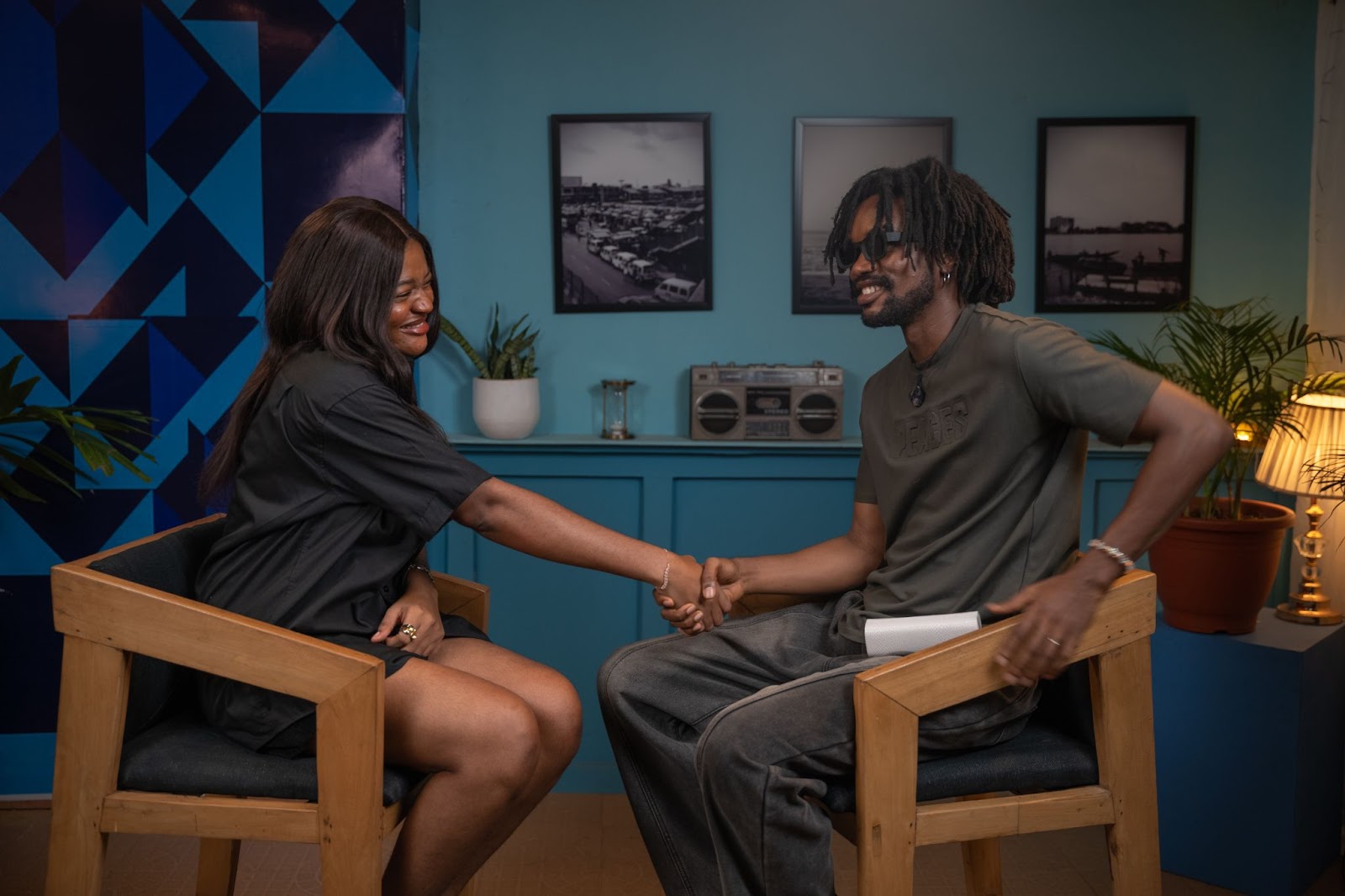
Do you think it would’ve been different if you were working with TV professionals?
Probably. For instance, a lot of the people we had on screen were excited to be there, and some people just wanted to share their thoughts. It wouldn’t have been the same if I were working with TV personalities.
Another thing I really enjoyed was watching them get into the flow of things. Some people started out feeling anxious, but after five minutes, they feel like they’ve been doing this for a while. Some of them even wanted to talk longer than we anticipated. The experience was exciting for me, watching people become personalities, finding out what they’re passionate about, etc. I remember there was one girl who said she wasn’t on social media, but decided to join after the shooting. Things like that, you wouldn’t get with TV personalities.
I like that. This season was very much in line with themes, as you said, which are part of a campaign we’re currently pushing- #ShiftTheStory. Do you think the talk show was a good way to explore the topics?
I think it’s one of the many ways to pass a message and have it stay with people. It’s like you’re being fed different thoughts, and you get to choose who you agree with. Some people become more exposed to other ways of thinking, and some people see that the world is more advanced than they’re used to.
With shows like this, we also see how important certain topics really are and how they affect people’s realities, especially women. So, it creates room for advocacy. One of the episodes talks about how women need to be selfish with their ambitions. These are conversations that we need to have, actually and shows like Nigerians talk make it mainstream and accessible.
How would you say you’re measuring the season’s success?
Engagement. Both on and off screen. Off-screen would be seeing how the speakers engaged with each other and how they changed their views on certain things. On screen would be the comments. Some people in the comment section were with us from episode one to episode ten.
I think another thing would be just how the team put the show together so well. It’s the kind of level of excellence I want to be involved in. Everybody brought their A-game. Whether we had stayed over time and were coming in really early the next day. The morale was great, and I really loved that. Shoutout to the Zikoko team.
Read Next: 6 Sex Myths Northern Nigerian Women Grew Up Hearing