At 24, Halimah has travelled to 12 countries and 45 cities. This year alone, she’s been to four countries, spending approximately ₦10 million. In this story, she shares how she juggles her 9–5 banking job, side gigs, travel fund, and investments to keep this lifestyle alive. Here’s how she makes it work.
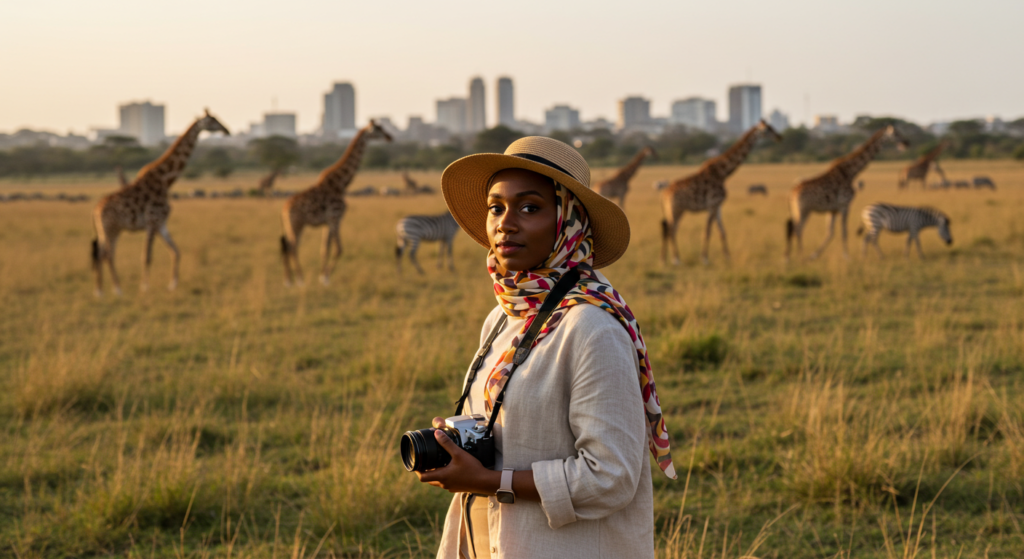
The Trips (and What They Cost)
Between the long hours and the never-ending demands of my banking job, travelling is never something I can just do on a whim.
Every trip has to be planned around my 21 days of annual leave and financed with months of side gigs. But even with those limits, I’ve carved out four escapes this year: to Abidjan, Rwanda, Kenya, and South Africa. These were all solo trips, exhausting my travel balance for the year.
South Africa was the big one, my June winter getaway, and easily the most expensive at around ₦5 million. Before that, Abidjan in May cost about ₦2 million, while Rwanda and Kenya, which I combined into one July trip to save on flights, came to just over ₦3 million. Altogether, I spent a little over ₦10 million on trips in 2025.
Here’s the full breakdown:
South Africa (8 days)
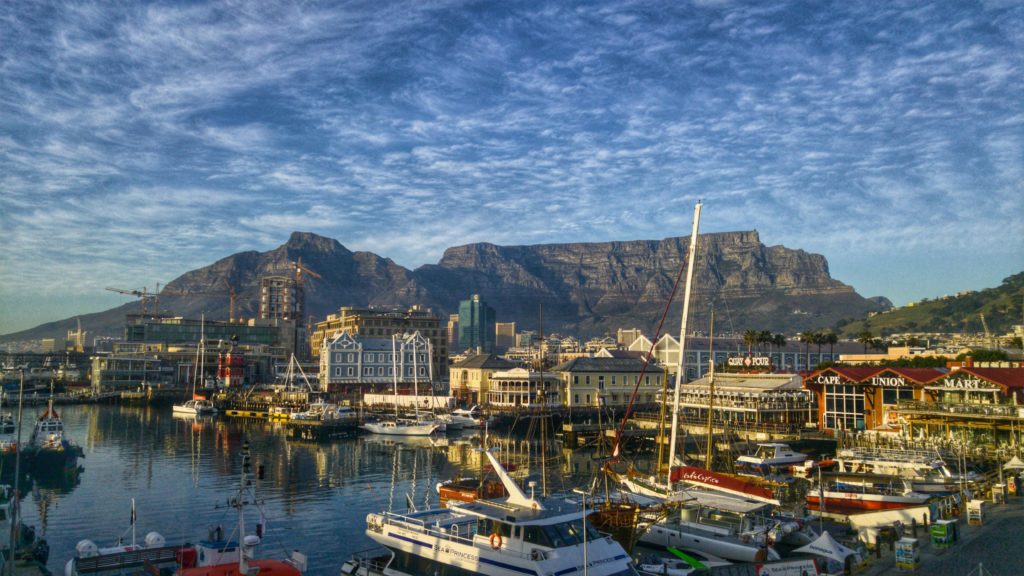
South Africa drained me the most financially. ₦5 million disappeared into solo accommodation, direct flights (layovers would’ve cut costs, but I didn’t want the stress), and endless Ubers. Travelling alone means there’s no one to split bills with, no friend to share the cost of an Airbnb or rides.
I split my time between Johannesburg and Cape Town — Soweto’s history pulled me in, Cape Town’s mountains and wine valleys slowed me down. Looking back, it was my most expensive trip, but also the most layered: equal parts fun, education, and reflection. Worth every naira.
Breakdown:
| Category | Cost |
| Visa and flight | ₦1.8m |
| Hotel | ₦1.2m |
| In-country transport | ₦450k |
| Food & dining | ₦600k |
| Activities & tours | ₦700k |
| Shopping & extras | ₦550k |
Total: ~₦5.3m
Rwanda & Kenya (8 days)
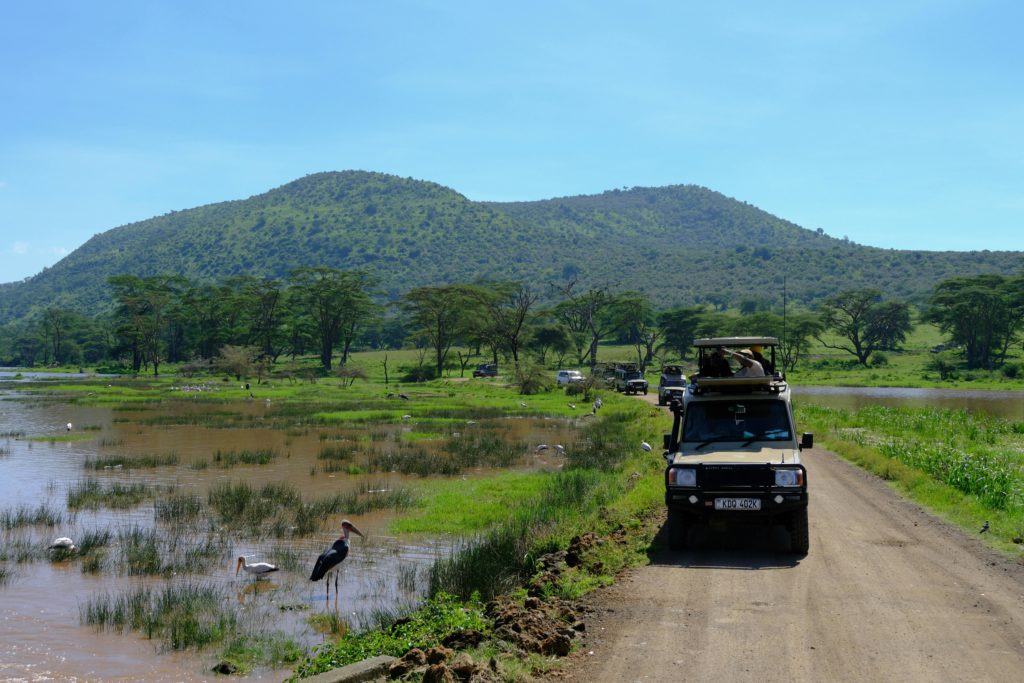
I combined Rwanda and Kenya into one trip, spending three days in Kigali and then flying to Nairobi for another five days. The connecting flights worked smoothly: Abuja to Kigali, a short Kigali–Nairobi hop, and then back to Abuja. It saved me money compared to booking two separate round-trips and gave me a richer experience in one travel stretch.
Rwanda was quiet. I walked through places heavy with history, where the past isn’t tucked neatly into textbooks but preserved in memorials and streets that still carry echoes of what came before.
Then Kenya swung me in the opposite direction — pure adventure. The safari was the highlight, watching elephants move slowly across the landscape while I sat in silence, awed. But it was also the little things: the Nairobi-to-Mombasa train ride where giraffes wandered past the window, or hopping between towns like Diani and Mombasa, even though I knew work deadlines were waiting for me back home.
Altogether, Rwanda and Kenya came to about ₦3.4 million, with flights, food, hotels, and tours quickly stacking up.
Breakdown:
| Category | Cost |
| Multi-city flights (Abuja–Kigali–Nairobi–Lagos) | ₦1.5m |
| Hotels (Kigali + Nairobi + Mombasa) | ₦500k |
| Food | ₦450k |
| Activities (safari, memorials, tours) | ₦550k |
| In-country transport (train, taxis, buses) | ₦250k |
| Souvenirs | ₦150k |
Total: ~₦3.4m
Abidjan (4 days)
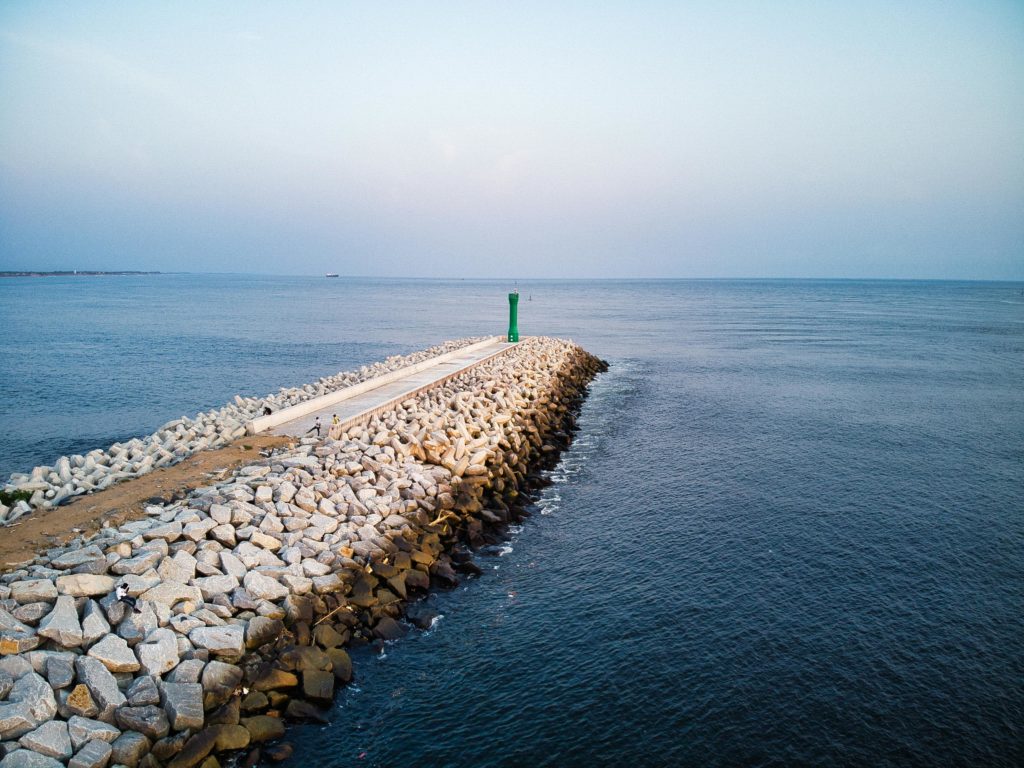
Abidjan was a shorter trip, four days, and very different. I wasn’t in hotels or tour buses; I stayed with a friend and slipped into a softer rhythm. I ordered food, asked for directions, and let myself just live there, even if only for a few days. It was less about checking landmarks off a list and more about feeling out the city at my own pace.
At just under ₦1.7 million, it was easily the cheapest trip of the year, made lighter by not paying for accommodation.
Breakdown:
| Category | Cost |
| Flight | ₦850k |
| Accommodation | Stayed with a friend |
| In-country transport | ₦185k |
| Food | ₦250k |
| Activities | ₦200k |
| Shopping & extras | ₦250k |
Total: ~₦1.7m
How I Fund the Trips
The short answer: Multiple income streams.
Travel had always been a quiet obsession, long before I could afford it. I spent hours poring over countries, cultures, and experiences, quietly promising myself that one day I’d see them for real.
That day came in 2022, during my final year in uni. Exams had just ended when ASUU declared an eight-month strike. What seemed like a pause in life became the doorway to something bigger.
A few months into the strike, I stumbled into Web3. Crypto projects were everywhere, money moved fast, and I jumped in through writing content, managing communities, and participating in the blockchain ecosystem. My first payout was $400 for writing PR release copy for a crypto project, and that became my first travel fund.
By September, I was ready to spend it on a one-week group adventure to Ghana and the Benin Republic. We crossed borders by road, stayed in an Airbnb, and spent about ₦500,000 each on transport, accommodation, food, and experiences. That trip gave me my first taste of freedom and a clear lesson: if I could fund one trip, I could fund many more.
Since then, most of my trips have been solo, just me, my passport, and my relentless drive to see the world. So far, I’ve been to over 12 countries and more than 45 cities. I honestly don’t know how much I’ve spent in total; I’m too afraid to add it up.
To make it happen, I’ve had to build multiple income streams, each one fueling the next adventure.
After NYSC in 2024, I entered banking through a graduate trainee programme. My accounting degree and ICAN qualification gave me the credentials to stand out. Today, I work in the customer service department, drawing a steady base pay of about ₦500,000 a month.
But my real leverage comes from freelance side gigs, where I write everything from whitepapers to blog posts, content strategy, and UX copy for tech and Web3 companies. On a strong month, I pull in ₦3–5 million across all my income streams; on a slow month, around ₦1 million.
Then there’s travel planning. What started as a hobby, helping friends map out trips, has grown into a proper income stream. I now design itineraries for individuals and groups, often luxury packages, which bring in solid returns. And because I genuinely love it, it rarely feels like work.
Income from travel planning isn’t always steady. Some months are packed with clients, others are quiet, with demand largely following holidays and seasons.
All these add up to a strategy that funds my adventures: I save about ₦1–1.5 million monthly in a separate travel account. Roughly 40–50% of my earnings go straight into it. The rest is enough to live comfortably, fuel my car, pay rent, eat well, and invest.
My travel fund is back to zero for this year. I’ll start rebuilding it this month, gearing up for next year’s adventures. The cycle never changes: work, save, travel, repeat.

How I Make It Work (Habits & Hacks)
It takes discipline, I won’t lie. I’ve had to cut off impulsive spending and bad money habits. My most crucial money hack is simple: if I don’t need it, I don’t buy it. That mindset alone has saved me millions. I live by a scale of preference, prioritising needs over wants.
I channel discipline into a dedicated “travel-only” account with a locked savings feature. That account is sacred: no withdrawals unless they are for flights, visas, or travel expenses.
I’ve also learned to be strategic: book flights during sales or pick cheaper layover routes, travel off-season when rates are 20–30% lower, and plan trips around value rather than hype. These little decisions add up, allowing me to travel the world and return home to a comfortable lifestyle.
Work-life balance is a different kind of hack. Between my banking job, freelance writing, and travel planning, I can’t afford to be careless with time. The key is to plan ahead so deadlines and trips don’t clash.
I’ve lost a few opportunities while away, but never enough to regret the choice — travel always pays me back in memories. It can be exhausting juggling everything, but I make sacrifices because I know my goals. Thankfully, I’ve never had a bad client review.
When choosing destinations, I start with the practicals — visa requirements, safety, and budget. But beyond that, I travel for vibes: the food, the mountains, the islands, the people, the hidden gems. Each country offers something different, and I let that determine how much I spend.
Outside of travel, I don’t just let my money sit idle. I invest in safe, long-term instruments like commercial papers, corporate bonds, treasury bills, and FGN bonds. That’s the banker in me, making sure part of my income works for me in the background. My 40–50% travel savings are entirely separate from these investments. That way, my trips never eat into my long-term financial growth.
I don’t save in regular bank accounts because the returns are usually measly. Instead, I try to put at least 20% of my monthly income into these safe, long-term investments. 40–50% goes into my travel account, and the rest covers my lifestyle.
The truth is, my banking salary alone could never fund this lifestyle. It barely covers flight tickets. The job is draining, and some days I want to walk away. But for now, I keep it for the stability: the CV boost, the steady pay, and family expectations. Eventually, I’ll leave when the timing feels right. Until then, I’ll keep stacking gigs, saving smart, and booking my next escape.
The Road Ahead
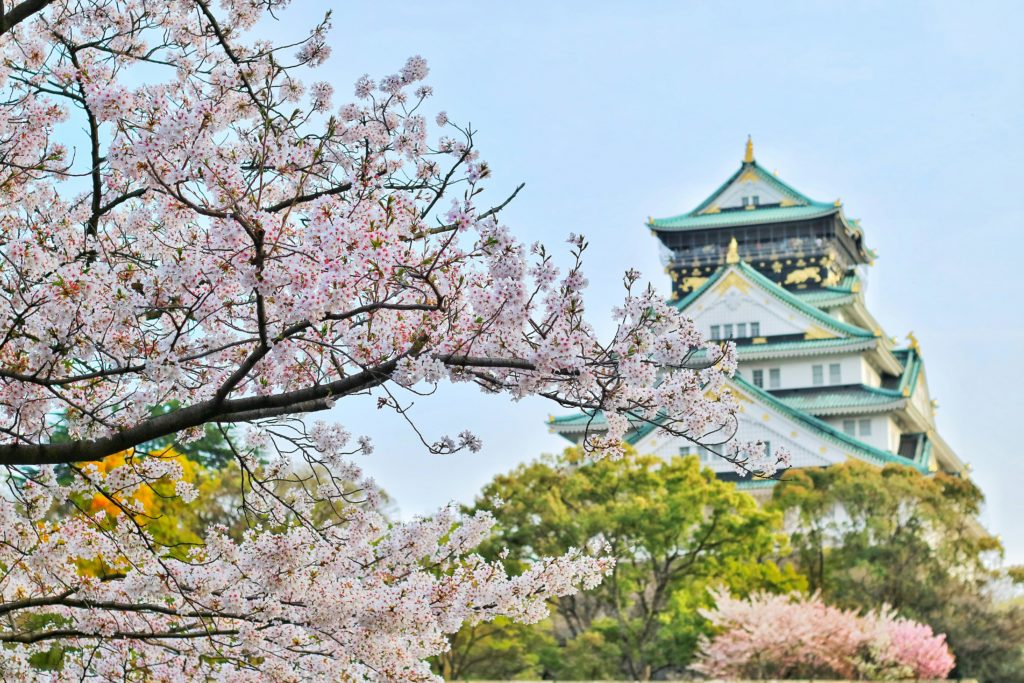
The next destination on my radar is Asia: Japan, South Korea, the Philippines, Thailand, Vietnam, Malaysia, and Singapore, maybe all at once or in parts. It’s a big dream, so I plan to stack smaller, budget trips next year while I prepare for it.
Of course, being Nigerian comes with its biggest travel tax: visas. Sometimes it feels like embassies want your left kidney before granting you entry. I’ve lost count of the rejections, especially from places like the UK, the US, and Canada. But each “no” only makes me more determined. One of my life goals is to give my kids dual citizenship, the gift of freedom to see the world without these walls.
Safety is another constant shadow, but I pack my bags and go anyway. I research good neighbourhoods and sometimes pay extra for secure hotels when I have to.
Travel isn’t always glamorous. Luggage gets lost, documents pile up, clearances are endless, and the bureaucracy is exhausting. But I still go because travelling is proof that no matter where I start, I get to decide how far I go.