Fatimah, 23, moved to the UK for school in 2021. Three years later, she launched a snack business, even though her student visa didn’t allow it. She grew fast, sold out, and built a loyal customer base. But within seven months, the business crashed. In this story, she shares how she navigated visa restrictions, lost it all, and is now rebuilding legally, sustainably, and with full control.
As told to Aisha Bello

When I launched “MyChips.ng”, my plantain chips brand, from my small apartment in the UK, I knew I was taking a risk. I was a 22-year-old Nigerian student navigating a new country on a restricted student visa, and technically, I couldn’t register a business here. But I had a fire in me and £2,500 in savings from part-time jobs I juggled as a student. That was enough to get started.
What I didn’t realise was that starting the business would be the easy part. The real challenge was surviving everything that followed.
The Hustle Before My Chips
I moved to the UK in 2021 to study Hospitality Management. To make ends meet, I picked up hospitality shifts with an agency: waitressing, bar backing, and food running. If I clocked enough hours, I could earn up to £440 every two weeks. On the side, I cooked for Nigerians in the diaspora: birthday parties, christenings, and private dinners. One time, I made £1,300 from a single buffet gig.
I also poured my love for food into content creation. Through cooking videos and traditional Nigerian recipes, I grew a community, over 26k followers on Instagram and nearly 13k on TikTok. The response was overwhelming. My dishes went viral, and people kept asking me to turn the creativity into something tangible.
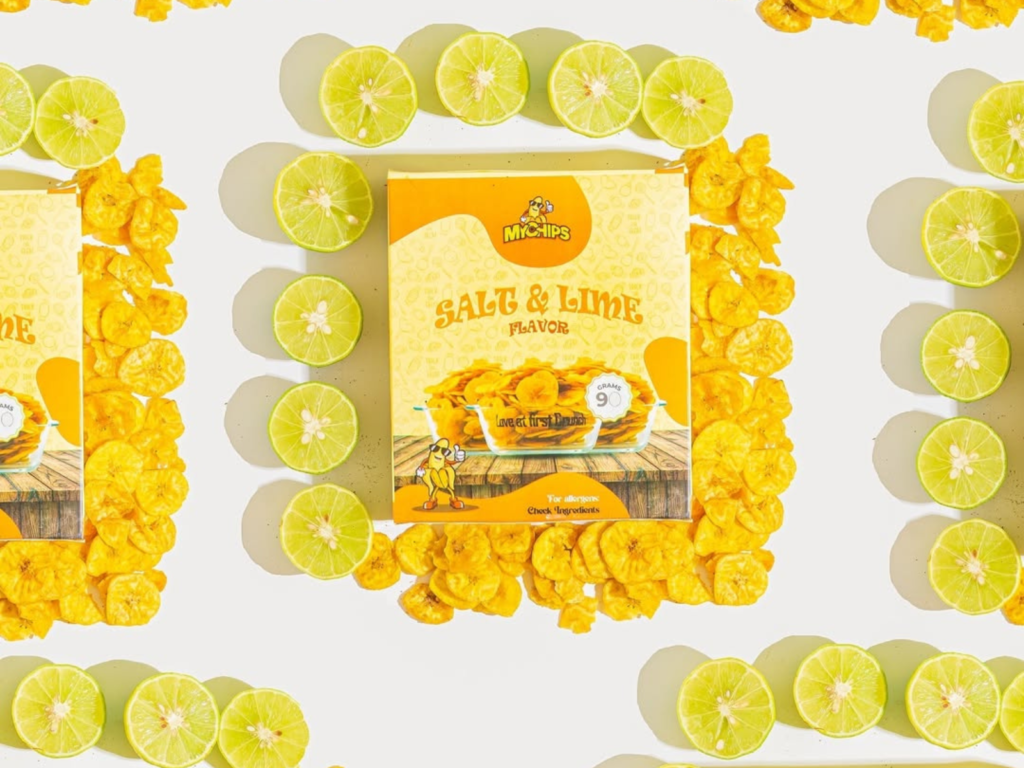
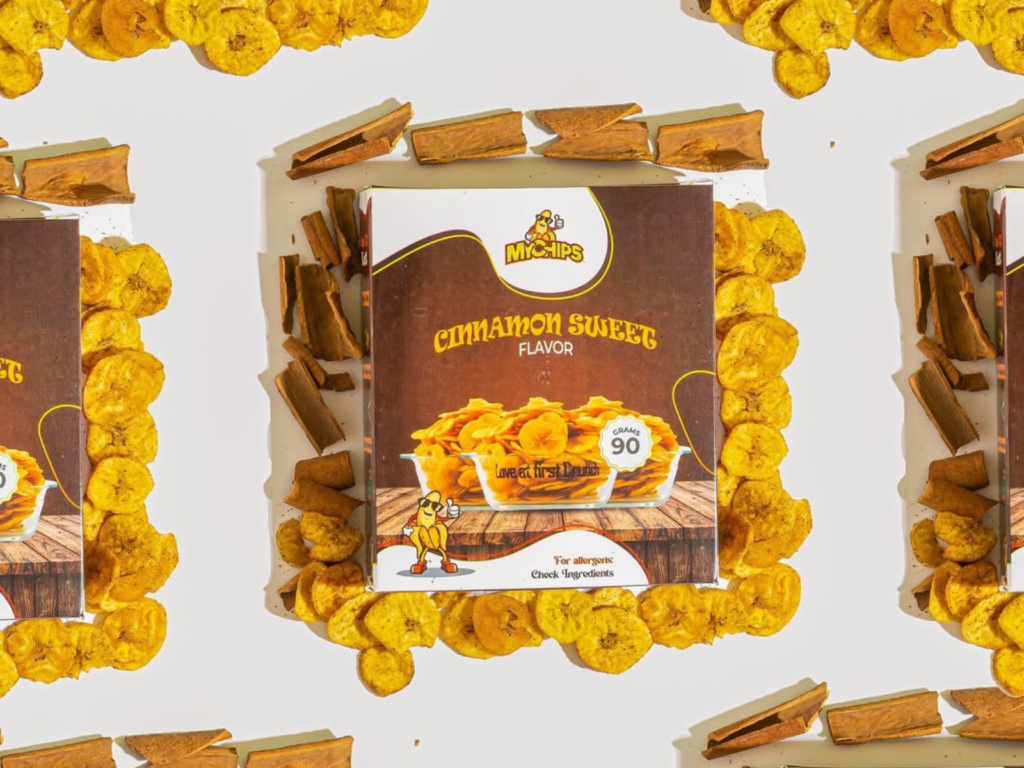
So, in my third year of university, I launched my own chips brand — nostalgic, homegrown plantain chips made without preservatives or additives. I infused traditional spices and bold flavours like cinnamon, lime and spicy saffron mix. My dream was simple: to give Nigerians abroad a taste of home, while building something that was entirely mine.
A Business Built in Two Countries
Because I was on a student visa, I couldn’t legally register the business in the UK. So I registered it back home in Nigeria, even though I was based in the UK. The plan was to handle production entirely from Nigeria. I leaned on a friend-turned-sister to manage things on the ground, vetted and hired vendors to fry and pack the chips, brought on a graphics designer, and handled everything else, branding, marketing and sales remotely.
Every detail mattered, from sourcing materials and spices to opening a business bank account. My goal wasn’t just to sell snacks; I wanted to create something meaningful and different. We pledged to donate 10% of our monthly profits to charity. The plan was simple: produce in Nigeria, ship to the UK, and sell directly from my apartment.
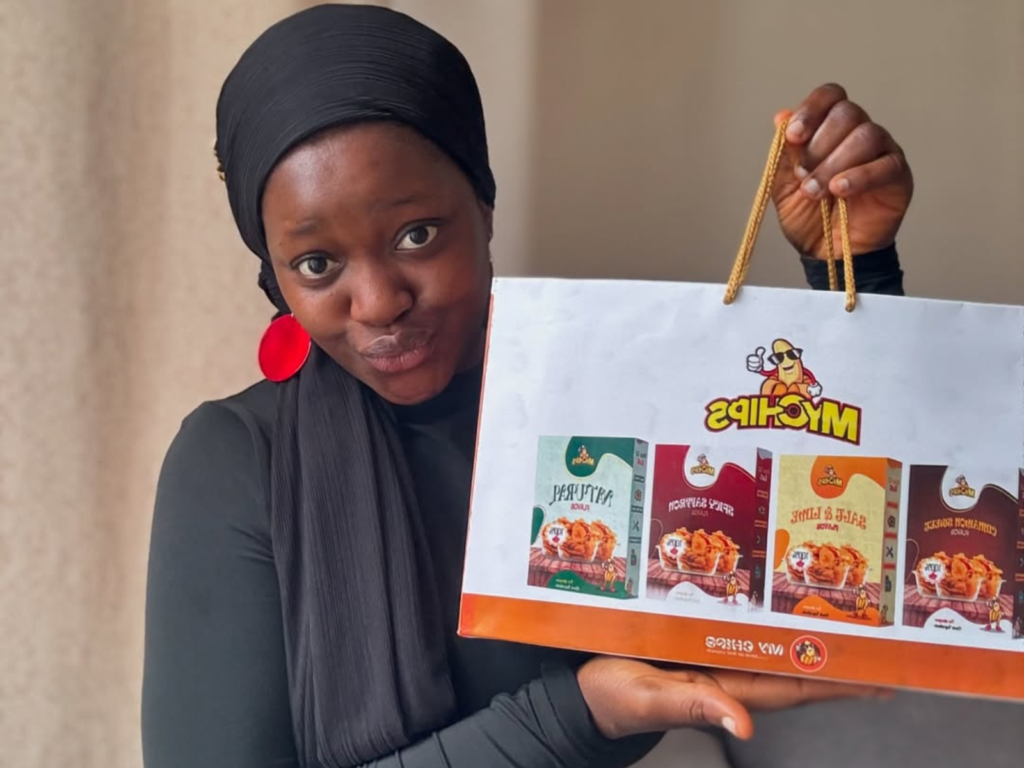
In August 2024, I got my first real validation. MyChips.ng was the second-fastest-selling brand at a UK trade fair. Even after the event, orders kept flooding in. We made over £1,300 in sales and completely sold out. For the first time, it felt like this wasn’t just a dream. There was real demand, and I had found my market.
Then Everything Crashed
We sold out the first batch quickly and shipped another one by October. Sales continued, but profit margins were tight. Still, the business felt stable until it wasn’t.
I had partnered with an African grocery store in the UK to help manage inventory, sales and distribution. In November, I sent her a second shipment using Royal Mail express delivery, a service I had used many times without issue. A few days later, she posted a photo of my chips on Instagram, so I assumed the new shipment had arrived.
I was wrong.
17 days later, when she paid for the earlier batch I had sent, I asked about the second. She said she never received it. When I checked the tracking, Royal Mail had marked it as “presumed lost.” I couldn’t file a claim for compensation because I wasn’t a registered UK business. If they found out I was a student operating a business, I could face serious legal consequences. So I had to walk away quietly.
That lost batch cost me over £1,250. I had spent £700 on production (₦1.4 million at the time) and £520 on shipping. Before it even left Nigeria, my manager sold a few packs locally. But between those and what we managed to sell in the UK, we barely made £500.
I had lost money, the business was clearly spiralling, and it didn’t stop there.
I soon discovered that the woman I’d commissioned to handle production in Nigeria was overcharging me, inflating raw plantain prices with outrageous margins because “she’s in the UK; she can afford it.” Then my packaging vendor tried to steal my signature cinnamon-flavoured spice blend from her to enhance his own plantain chips brand. I was heartbroken. I’d built MyChips.ng on trust and intention, and now it felt like everything was falling apart.
The Cost of Carrying Too Much
I was in my third year, juggling internal pressure to graduate with a first-class, fulfil business orders, maintain a curated social media presence, and run a cross-continental business while pretending I was fine.
But I wasn’t. I couldn’t sleep. I lost weight, then gained it back unhealthily. My once-vibrant personality dulled. I disappeared from social media for six months, and my follower count on social media dropped. My business decline had taken a toll on me physically, mentally, emotionally and financially.
So, after seven intense months of operation, I shut everything down. I paused the business, stepped away from content creation, and focused on two things: finishing with a first class and staying afloat.
The Break That Changed Everything
During that break, I joined a six-week enterprise programme hosted by my university. They trained participants in business development, pitch strategy, and delegation. I made it to the semi-finals and didn’t win, but the experience shifted my mindset.
One thing a mentor said stuck with me: “Your job is to work on the business, not in the business.”
That hit hard. I’d been running the business blindly — without structure, proper financial records, or clear systems. I was operating on passion and the thrill of bringing something new to market, which alone wasn’t enough to sustain a real business. I realised I had to step back and rebuild effectively.

A Legal Pivot and a Second Chance
After graduating in July 2025 with a first-class degree in hospitality management, I switched to a Graduate Route visa. It allowed me to work full-time and finally register my business legally in the UK.
But because another business had already taken my brand’s original name, I rebranded from MyChips.ng to MyCheeps.uk, registered as a limited company, got a GS1 barcode for product tracking, and opened a business bank account with Revolut.
I wasn’t just rebranding; I was reclaiming control. After everything I’d been through, I knew I could no longer entrust the fate of my business in anyone else’s hands. The betrayals cut deep, from recipe theft to inflated costs and zero accountability. I built my chips business on trust, and it almost broke me.
So this time, I’m doing it differently and doing it all in the UK. I’ll oversee every aspect of production, finances, management and distribution, so nothing slips through the cracks again.
The data also backed my decision. About 80% of our previous sales came from the UK, even though my manager had sold several packs in Nigeria. The market was clearly here, and this is where I’m choosing to build and scale my business.
We’re planning a soft relaunch at the same trade fair that changed everything last year. This time, they gave us a free stall. If the reception is strong, we’ll relaunch fully by December 2025.
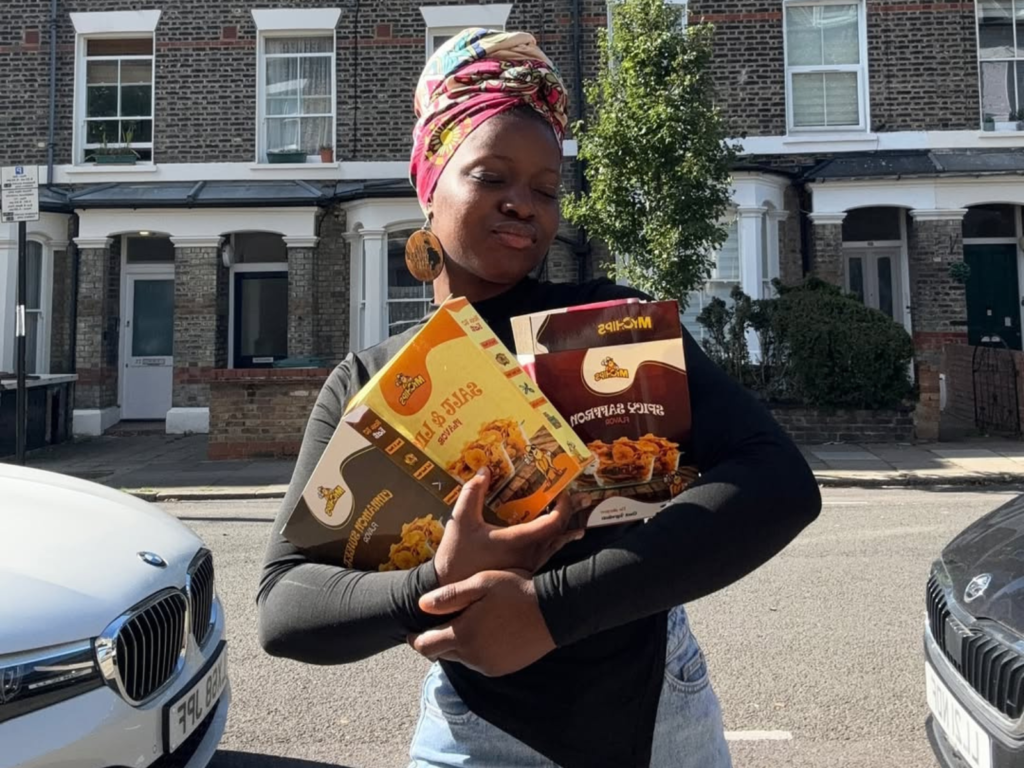
Things already look promising. Over 10 African stores and restaurants across the UK have shown interest in stocking MyCheeps.uk. My current workplace even wants to carry them as bar snacks. I’m pricing strategically: £2 per pack wholesale, with enough margin for retailers to sell at £4 or £5.
The Lessons That Matter
I learned the hard way that dreams without systems collapse and that trust without structure is just hope in disguise.
Now, as I prepare to relaunch legally as MyCheeps.uk, I carry the weight of those lessons — the sleepless nights, the vendor betrayals, and the moment I had to choose between my visa and filing a claim for a £1,250 loss. It’s all part of who I am now as a founder, building with intention.
The business was never just about plantain chips. It’s about building a proudly Nigerian, culturally rooted, health-conscious snack brand created legally, ethically, and sustainably in the UK. The vision hasn’t changed. I still want to give Nigerians abroad a sense of home and community. But this time, I’m doing it with structure, clarity and a deeper understanding of what it takes to grow something that lasts.
Next Read: “It’s Exhausting But It Pays the Bills” — 4 Nigerians on Working UK Care and Support Jobs
Join 1,000+ Nigerians, finance experts and industry leaders at The Naira Life Conference by Zikoko for a day of real, raw conversations about money and financial freedom. Click here to buy a ticket and secure your spot at the money event of the year, where you’ll get the practical tools to 10x your income, network with the biggest players in your industry, and level up in your career and business.