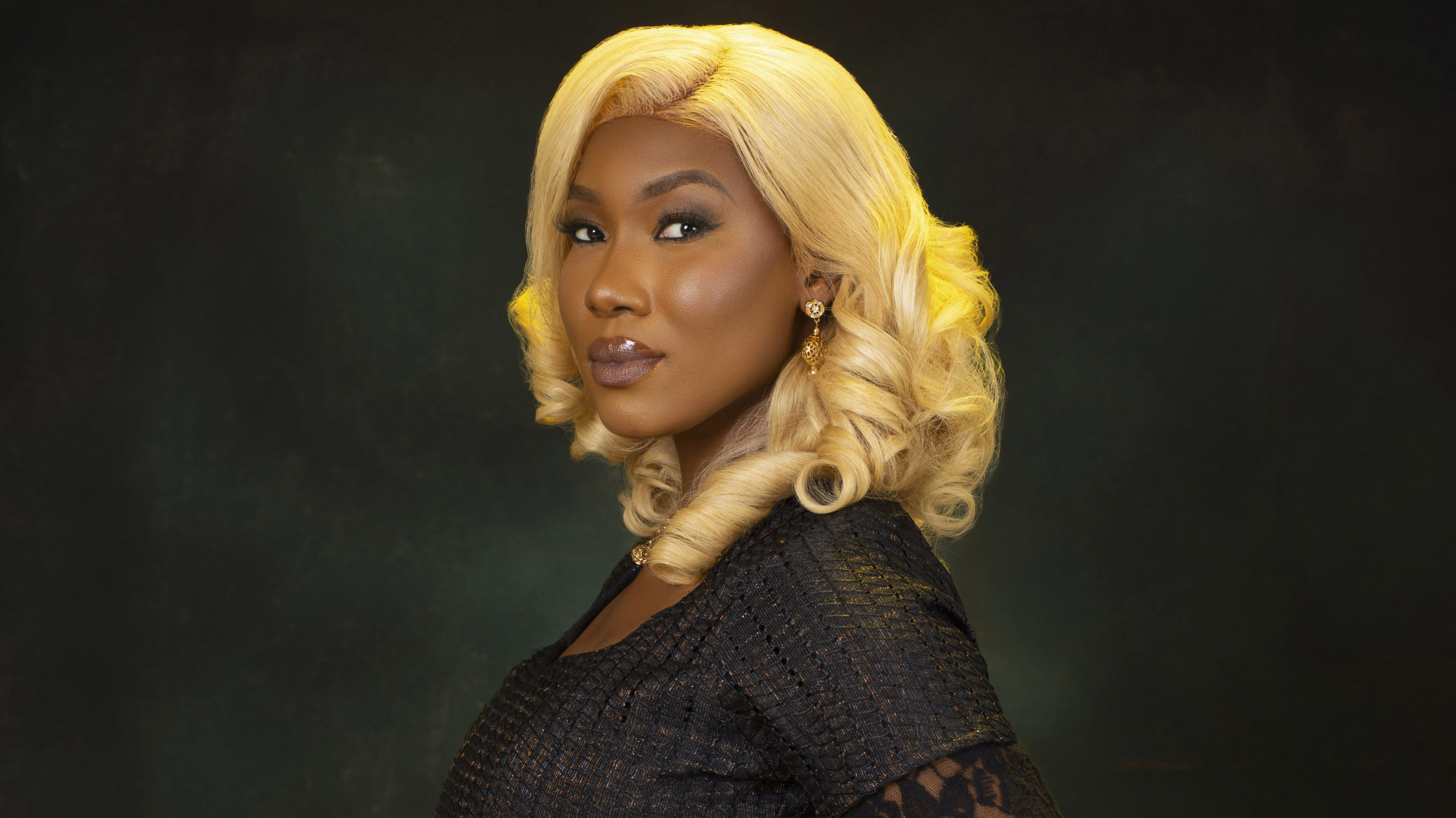
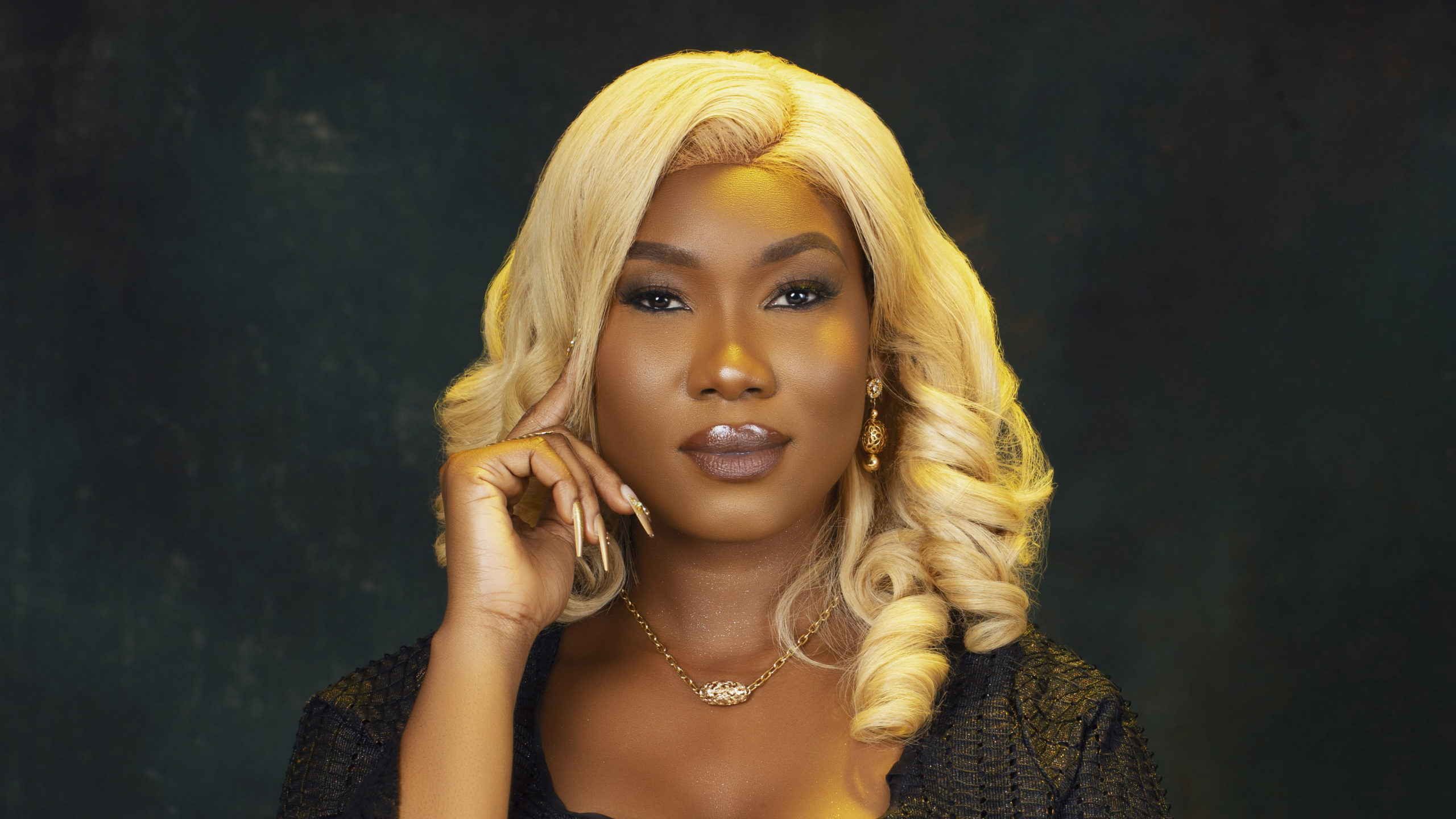
By Nollywood’s metrics, Tosin Adeyemi is still a rising star, but she’s already making waves. She has delivered acclaimed performances in blockbusters like House of Ga’a and the AMVCA-nominated Tokunbo.
She appears in both Akinola Davies Jr.’s My Father’s Shadow and James Omokwe’s Osamede, the two Nollywood films selected for this year’s Cannes Film Festival. How has she pulled this impressive feat off?
Here’s how Tosin Adeyemi did it, as told to Dennis.
On studying Theatre Arts to become a professional actor in Nollywood
The first thing you should know about me is that I like to dance. As a child, I was always dancing — at parties and in school. But when I wanted to go to university, dancing was not my first option. Like many of my peers, I wanted to study Law. Mass Communication was my second option.
But my sister was already at the University of Lagos and had roommates studying Theatre Arts, so she suggested I do that instead.
Studying Theatre Arts at UNILAG doesn’t prepare you for the realities of being a working actor. We spent a lot of time learning about the Renaissance period, Sophocles, and Aristotle. But they don’t necessarily teach you acting, to be honest. We learnt theory, but not enough about contemporary life as a working actor. In large part, this is because our lecturers were mostly not practising actors.
We didn’t do any film or TV training — just stage and theory. That’s why many people who want to transition from stage to film end up going to film school. They assume, “You want to act? Go figure it out.”
However, there was much to learn about acting in school, about discipline, and the ethics of the work. Being able to practice on stage shaped me, even if school didn’t fully prepare me for the real world.
How to start out as an actor in Nollywood
I started while still in school. I did small performances here and there. I joined a theatre group, where we rehearsed for three weeks for a performance that paid us ₦3,000. But things got better, and I landed my first major role in a musical. I auditioned but didn’t get in the first time. A second audition came up, and I got in as a backup singer.
When I graduated and went for NYSC, I continued acting. I didn’t show up at my Place of Primary Assignment (PPA) for four days. I was redeployed to another city, but I didn’t let that faze me. I knew I had talent, and I was honing my craft. The only way I could share it with the world was through auditions and getting paid.
Looking back at those early days, it was exciting. That mindset cuts across everything I do. I don’t usually think about who’s watching; I just go for something and trust the results will follow.
It wasn’t until five years in that I realised, “Oh wow, I’ve been doing this for half a decade.” It was stressful, but I didn’t really see it that way. To be fair, those theatre days were some of the best of my life. We did other kinds of activities, like trust tests during rehearsals. Once, we broke in pairs, took turns blindfolding each other and allowed the other person to lead. It was fun — stressful, yes — but fulfilling.

ALSO READ: How Gbubemi Ejeye Got the Lead Role in “Farmer’s Bride”
On Getting the roles in My Father’s Shadow and Osamede
Lala Akindoju, the actress, asked me if I would audition for the role in My Father’s Shadow. The director, Akinola Davies Jr. and writer Wale Davies were at the audition. I did, and a month flew by, and I thought I wouldn’t get the role, but then Akindoju reached out and said I had gotten the role. For Osamede, I got a message from the director James Omokwe, and I was told to send a video audition. I did that, and they asked me to send another one in Benin. I asked my friend and my mother to translate it for me. It was a long process, but I sent it. I don’t even speak Benin. I am from Edo State, but I speak Imoga, which is different from Benin. That was how the journey began, and I spoke Benin from the beginning to the end of the film.
On getting paid as an upcoming actor in Nollywood
In the early days, acting didn’t pay much, but it was enough. I started with the ₦3,000 just like I said. Back then, as a student, the little I was making was sufficient. Even after school, I lived with my parents. I never really thought it wouldn’t be enough. Over the years, I’ve always been busy and the pay has gotten better. Even when they were paying ₦90k or ₦200k, it was still okay.
But also it wasn’t just theatre I was doing. I also did voiceovers.
How to transition from stage to Nollywood
I’m an actor, and whatever platform I get — film, radio, stage — I use it to showcase the gift God gave me. Film and TV just happen to be more visible and give you global recognition. But it’s all about using what God gave you.
I’ve always wanted to do film and TV, I just didn’t get the opportunities. I used to audition for both theatre and film even back in school, but film offers didn’t come as often. Now, they’re coming more. I just go to auditions when I see it and do my best.
How to work hard as an actor
People think we enjoy luxury, but this work is hard. Staying in character, doing deep character work — if you act badly, people will see it. Imagine being someone else for so long, and people are watching your every move. You’re telling a lie, but they believe it.
Then, there are times the emotions linger. Sometimes, after I’ve just finished a very emotional scene and we need to shoot the next one, it might take me time to reset. They say “cut,” but I’ve been crying, and I can’t just turn it off instantly. Still, I know it’s a job. Every actor should understand that. At the end of the day, it’s about living the emotions.
If you’re still crying after the “cut,” it’s natural. People who work in film are used to this, so it’s not awkward. Sometimes, the set is just silent from the heaviness of the scene. The crew might be teary, too. It happens.
Can a Nollywood actor be successful and not be a celebrity?
The dynamics of Nollywood are different from those of Hollywood. Here, it is harder to be successful and not be a celebrity. Many actors overseas aren’t even on social media. But in Nigeria? I’m not sure. Our industry feeds off content, razzmatazz, and paparazzi. I don’t think you can be a successful actor here without being a celebrity.
This is a situation that both the audience and the film industry have created and now thrive on. Whether it’s sports or entertainment — whatever puts you in the public eye — you’re expected to be visible. I’ve introduced myself to people as an actor, and they asked me, “You say you act, but I’ve never seen you on Africa Magic or Netflix.” Just because you haven’t seen me doesn’t mean I’m not successful. I might just be on stage.
How much does a Nollywood actor earn in 2025
For film, it really varies depending on the project. But I’ll use day players as an example. Day players are people who are paid a salary for their work. They are paid per day. Sometimes, famous actors also work as day players, so that factors in.
When I started, it used to be ₦3,000. But now things have changed. Some earn ₦30k to ₦50k per day. Others get ₦100k. It depends on the number of shoot days.
For stage, it depends on your negotiating skills and the production’s budget. One actor might charge ₦1 million, another ₦300k for the same role.
How to get roles in Nollywood
Getting a role in Nollywood, even for cinema films, is easier now. The internet helps. There are auditions happening every day. Africa Magic commissions a lot of projects. Producers are giving young actors chances through auditions. Just record a monologue, submit it, and hopefully you get picked.
Also, when sending your monologue, you do not need to cry and shout. We tend to think pain is the strongest emotion, but it’s not. Joy, laughter, and stillness are just as powerful.
There used to be a time when only big names and skit makers got roles in movies. That is changing. More filmmakers are open to using new faces, as long as they can deliver.
Right now, I am just so happy to be one of the new faces. In five years, I want to have been in five times more films, and I hope I can do that.