• MTN recently hiked their data bundles by 50%, and Nigerians are feeling the pinch. While users struggle with higher bills, investors are cashing in big, and the company is locking in higher revenue. 

    We spoke to a financial expert and everyday MTN users to break down what this really means.

    What’s going on here?

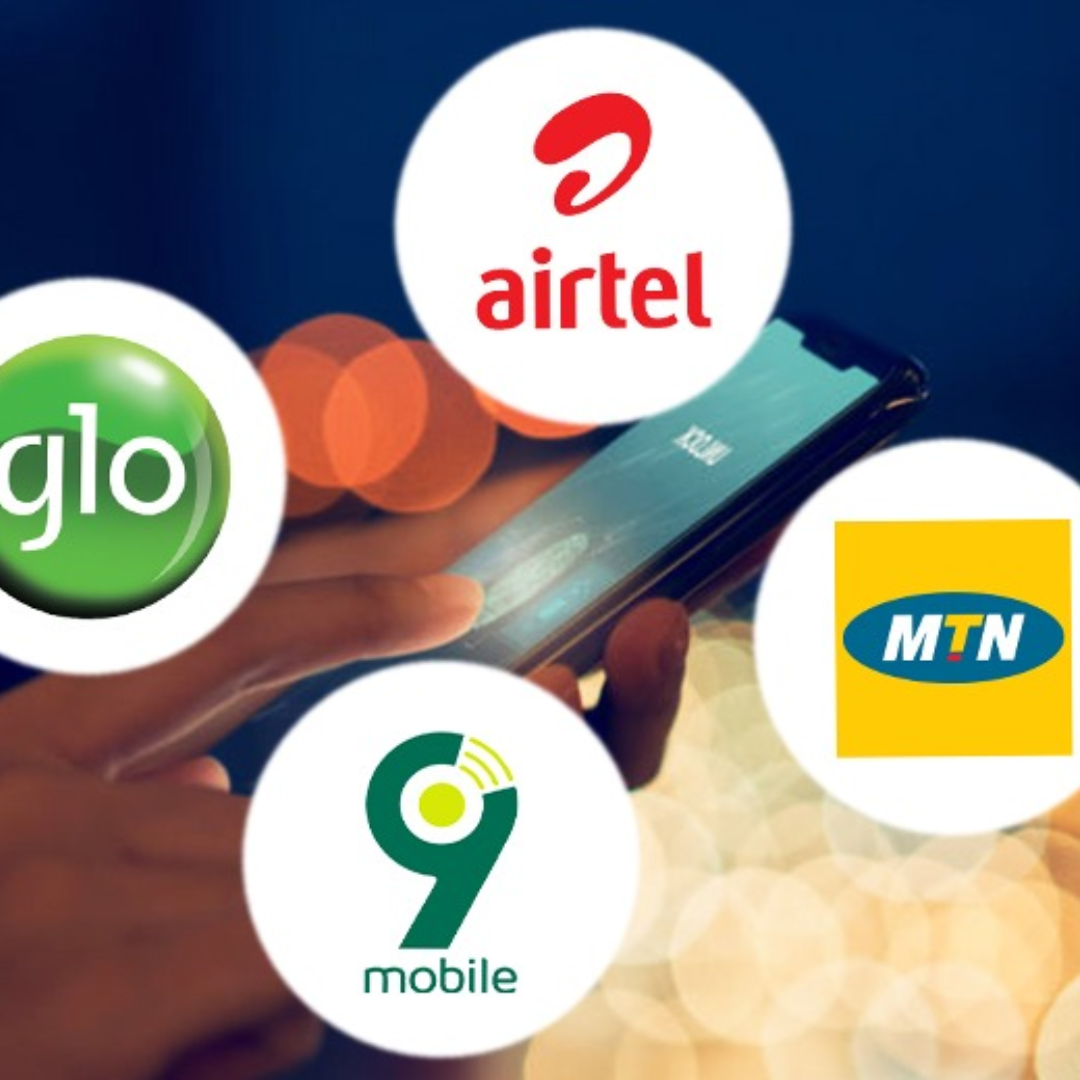
    On February 11, 2025, MTN Nigeria made its internet services more expensive. The Nigerian Communications Commission (NCC) approved this 50% hike for the entire telecom industry, including Airtel, Glo, and 9mobile, on January 24, 2025.

    But today, we’re focusing on MTN’s data price increases and how they impact users, investors, and the company’s overall revenue.

    What does it mean for you? 

    Remember when ₦1,500 got you 6 GB of MTN data and lasted most of the week? Well, those days are over. MTN has asked its users to either double their internet budget or cut their mobile usage in half. The NCC suggests that this move is necessary due to “rising operational costs” and “infrastructure maintenance”— corporate speak for “Telecoms need more money.”

    MTN Nigeria’s CEO, Karl Toriola, has also justified the price hikes, arguing that tariffs should have increased by approximately 300% to keep up with the naira’s devaluation and the country’s escalating inflation. 

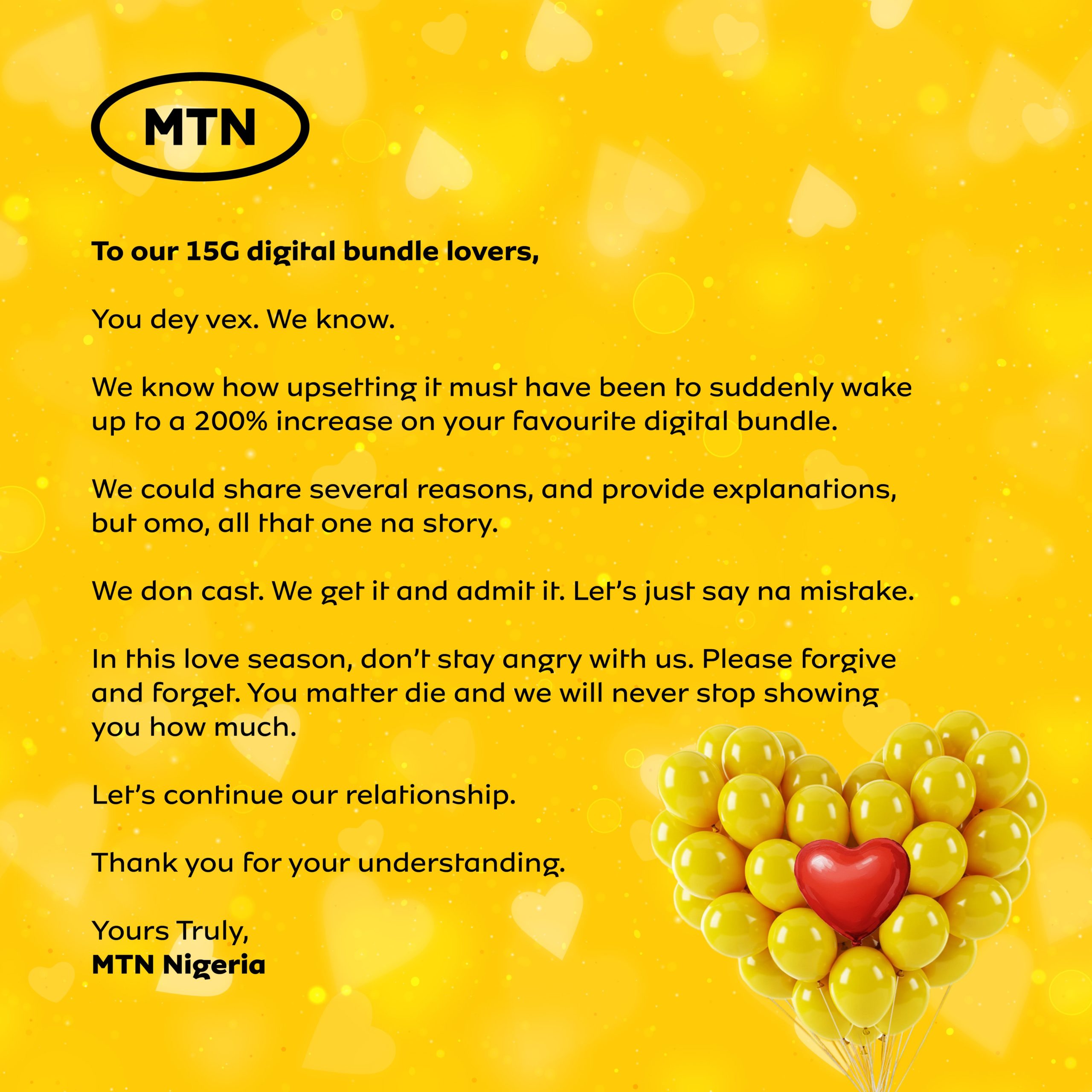
    As if the 50% tariff increase hadn’t already stirred up enough controversy, MTN increased a 15GB weekly plan that cost ₦2,000 to  ₦6,000, a whopping 200% increase. This hike sparked outrage among customers. On February 13, the Nigeria Labour Congress (NLC)  protested the hike, demanding an immediate reversal to avoid severe consequences. 

    According to the Union, “If the telecommunications companies fail to revert to the old tariff by the end of February 2025, a total shutdown of their operations nationwide will commence from March 1, 2025.”

    This forced MTN to roll back the 200% increase.
    How much more are you paying?

    MTN has asked its customers to forgive and forget this particular hike, but the 50% approved by the NCC still stands.

    This means you’re paying: 

    • ₦750 for a 2 GB daily plan (previously ₦500)
    • ₦900 for a 2.5 GB daily plan (previously ₦600)
    • ₦3000 for a 7 GB weekly plan (previously ₦1,500 for 6 GB)

    NCC says this is necessary to keep telecoms service running smoothly in Nigeria, but at what cost?

    Why should you care?

    Unless you’re using smoke signals to communicate or prefer to go outside and touch grass, this affects you. 

    Let’s break down who’s winning and taking the L in this situation.

    For your wallet: That monthly data budget? Multiply it by two

    If you do anything online: run a business, work remotely, take online classes or even doom-scroll on social media, your wallet will likely feel this pinch.

    For most users, this means either spending more money or spending less time on the internet: 

    Tolani, 22 (MTN User): “All we do in Nigeria is complain, but we always adjust to new situations in time. I normally subscribe to the 25 GB plan with ₦6,500. Also, I don’t like seeing my data run below 20 GB, so once it gets there, I top it up. 

    Although the plan is now ₦7,500, I still pay for it. But it’s frustrating because it doesn’t seem to last anymore.”

    Sharon, 22 (MTN User): “I used to get 15GB for ₦2,000, so this price increase feels frustrating and insensitive. We need to boycott MTN.

    I just paid ₦3,000 for the same plan, and it’s irritating. I’ve been searching for online data vendors with cheaper options. I considered switching networks, but MTN is my primary line, and I need it for easier access.”
    For Markets: MTN brought happiness this week

    MTN investors and shareholders are currently having their “To the moon” moment. 

    The Nigerian stock market has been on a winning streak for the past five years, and MTN Nigeria is on this train, too.

    But first, what does this mean?

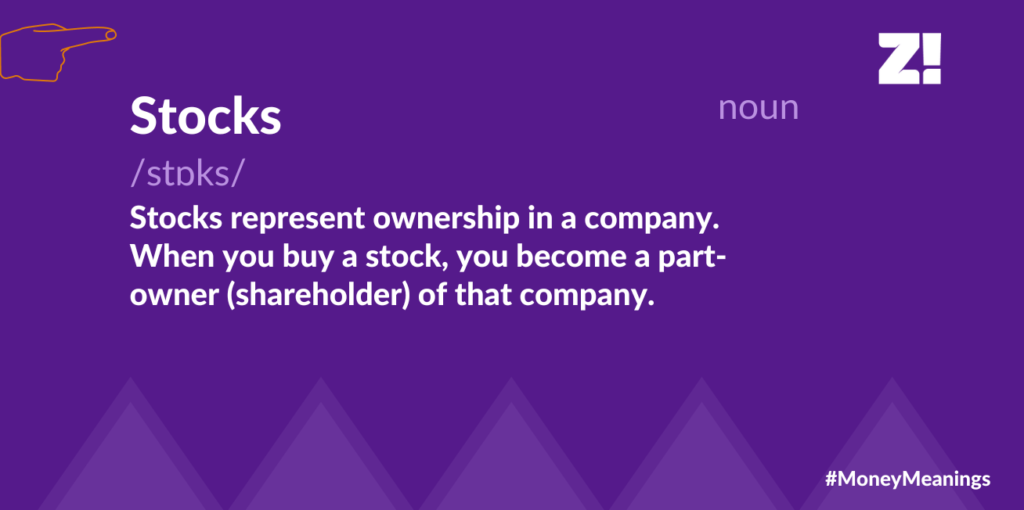
    Stocks:
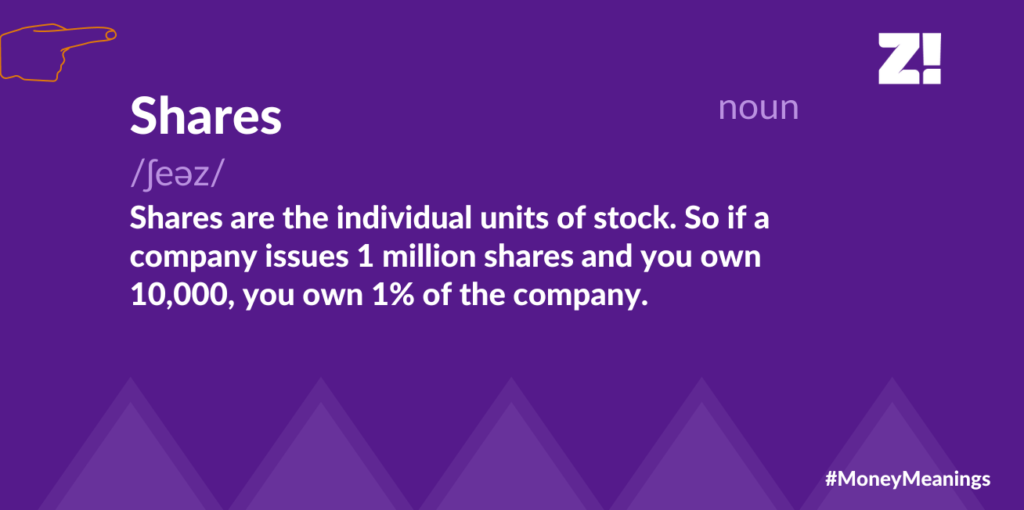
    Shares:
    Now, let’s break down what this means for investors:

    This tariff increase directly influences MTN Nigeria’s stock price by shaping revenue expectations, boosting investor confidence, and impacting overall profitability. 

    Here’s exactly how:

    1. Higher tariffs = more revenue

    When MTN increases prices for data and voice plans, it generates more revenue—provided customers continue buying. Investors see this as a growth signal, driving up demand for MTN shares and, in turn, increasing the stock price.

    2. Investor confidence in profitability

    A 50% increase in some data plans means MTN expects to make more money per user, improving its profit margins—and investors love growth.

    The numbers do the real talking:

    MTN’s stock has significantly appreciated between October 2024 and February 2025.

    In October 2024, the stock traded at around ₦175 after a sharp decline due to economic challenges. However, by December, it began to recover, reaching approximately ₦200 by year-end.

    By January 10, 2025, MTN’s stock had surged over 20%, hitting ₦242 and climbing to around ₦250 by month-end.

    Following the tariff increase, MTN’s stock has recorded a 32.1% gain from January to date, closing at ₦264 on the Nigerian Exchange (NGX).

    If you invested heavily in MTN shares last year, you’re likely celebrating with other shareholders right now.
    Despite the market’s unpredictability, finance professional Azeez Lawal projects that “MTN shares will likely reach ₦300 or ₦350, depending on the company’s performance before the end of 2025, and the assumption that FX remains stable at current levels.”

    For *Kalejaiye, who bought ₦13 million worth of MTN shares (78,799 units) at ₦171 per share in October 2024, his investment has grown to ₦20.8 million—a 54% return.

    He said, “Even though it seemed like bad timing—MTN had just reported a significant loss in their September 2024 press release—I still bought their shares at ₦171 with a plan to hold for 6-8 months. I had hoped the NCC would approve new telecom tariffs within that period and  projected a 40% increase, and luckily, news of the tariff hike broke before December.”

    The Bigger Picture: Why MTN is really doing this

    The NCC press release justifies the reason for this 50% tariff increase, stating:

    “Tariff rates have remained static since 2013, despite the increasing costs of operation faced by telecom operators. The approved adjustment is aimed at addressing the significant gap between operational costs and current tariffs while ensuring that the delivery of services to consumers is not compromised.”

    While this increase has boosted MTN’s stock market value, there’s more to consider:

    As Lawal puts it: “Many of the companies who suffered major foreign exchange (FX) losses, including MTN, in 2023 and 2024, when the naira began to lose value, have significantly repriced their products to reflect the full impacts of the FX loss.”

    According to the Corporate Finance Institute, FX loss means:
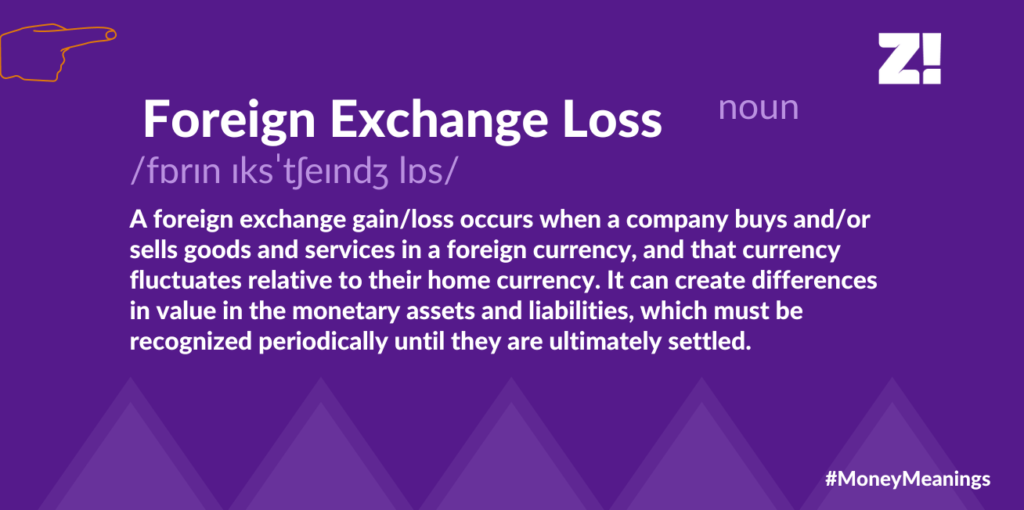
    In the first nine months of 2024, MTN recorded a net FX loss of ₦900 billion, leading to negative shareholders’ funds.

    Despite this, MTN generated a solid ₦2.4 trillion in revenue from data services alone during the same period.

    “When you look closely at it, this 50% tariff increase offset the impact of FX losses in the industry,” Lawal says.

    “In 2025, MTN will recover its FX losses, and its share price is expected to appreciate significantly,” he says. “With a 50% increase in revenue from data services, it’s clear that MTN investors are set to lock in substantial profits this year.”

    “We’re already seeing the signs.”
    Reports project that MTN’s voice and data revenues could grow by 40-50%, potentially pushing their total revenue to around ₦4 trillion in 2025.

    For those complaining about declining call quality or data running out faster, you may be experiencing what’s known as shrinkflation

    Lawal explains: “When a product originally sells for ₦2, but due to cost pressure and FX losses, the price rises to ₦4 and then to ₦6. At some point, further price hikes drive customers away, so companies shrink the product size instead of increasing the price again. Many products you know have gone through this journey.”

    The Key Takeaway

    This price increase tells three critical stories. For MTN, it’s about balancing their business needs with customer satisfaction. For customers, it’s about adapting to higher costs in T-pain’s economy. Investors, on the other hand, continue to lock in profits. 

    What happens next depends on how well MTN delivers better services and how customers adapt to the price changes in a market where switching networks isn’t always the solution. Nigerians may have no choice but to pay more or use less.


    ALSO READ: 20 Made-in-Nigeria Products That Are Cheaper Than Their Imported Alternatives

    [ad]
  • Photo credit: JC Communicationz

    Unless, of course, you live under a rock, haven’t touched your devices today, or are completely drowning in the news of Trump’s endless Presidential orders, you must have heard by now that the Nigerian Communications Commission (NCC) has made an announcement saying it’ll okay an increase in tariff rates charged by telecommunication companies in the country.

    You might have also heard that there are plans to sue the federal government over the increment. We tracked the entire story so you don’t have to.

    How it started

    Since 2024, the Association of Licensed Telecom Operators Of Nigeria (ALTON) and the Association of Telecommunication Companies Of Nigeria (ATCON)  have begged the Nigerian government to allow it to increase the prices of their services. To plead their case, the two associations pointed out that the telecom industry was the only industry that had not experienced any price increment since 2013 (12 years) and that a price review was not only long overdue but was compulsory to avoid the collapse of the industry.

    ALTON and ATCON’s request was made in the first quarter of 2024 but it was not granted–the Nigerian Communications Commission (NCC) told them it would conduct a cost-based study to decide if it would approve their request but as the year drew to a close in December, the telco operators showed they were not backing down by announcing they might suspend their services in some parts of the country if their demands are not met.

    A brief back-and-forth

    The telco operators asked for a 100% increase but the NCC said it was not going to approve that because it would weigh down on Nigerians who are already seeing immense shege due to the crazy inflation rates, hike in fuel prices, and other issues in the country but the companies weren’t having it because they too were suffering from the same issues.

    On Wednesday, January 15, The Minister of Communications, Innovation and Digital Economy, Bosun Tijani, said again that while the government was considering the request from the telcos, there was no way it would approve a ten per cent increase but would instead keep it within the 30 to 60% range. This time, the Association of Telephone, Cable TV, and Internet Subscribers of Nigeria (ATCIS-Nigeria) said it wasn’t going to happen on their watch.

    Increment announced

    On Monday, January 20, the NCC announced it had decided to increase the tariff by 50%. The announcement came in the form of a statement signed by NCC’s Director of Public Affairs, Reuben Muoka, and we read it so you don’t have to.

    In the statement, the NCC basically says that it landed on this decision after “taking into account ongoing industry reforms that will positively influence sustainability.” The commission also reminded Nigerians that tariff rates had not been increased since 2013, even though the cost of providing the services has since skyrocketed and that the increment is compulsory in order for the telecommunication operators to operate in a way that’ll benefit the customers.

    The NCC did not state a specific date when the tariff hike is expected to start, but it instructed telecommunication companies in the country to first “educate and inform the public about the new rates.” This means that your telecom service provider will let you know before they implement the new rates.

    ATCON threatens to sue FG

    Barely 24 hours after the NCC announced the 50% tariff hike, another group, the National Association of Telecoms Subscribers (NATCOMS) also announced it was going to drag the commission to court for the hike.

    Explaining their decision to sue, the association’s president, Deolu Ogunbanjo, told Channels TV that the move was totally unfair to Nigerians. “… It is so much for subscribers to bear. Already, we are grappling with a lot of things that are surrounding the business climate here—fuel cost, electricity cost, and all that—you are now looking at telcos asking for 100%, and  NCC now is granting them 50%. It is a no-no,” he said.

    Ogunbanjo also explained that NATCOMS is understanding of the need for a price increment and that it had propose a 5 to 10% increment to the NCC but was shocked to see that the commission had ignored subscribers and approved 50% increase instead.

    Does ATCON have a chance at winning?

    We actually can’t determine whether or not the association will win its case mostly because the NCC is empowered by section 108 of the Nigerian Communications Act (NCA) 2003 to approve tariff charges by telecommunication operators in the country.

    We will keep an eye out and tell you first when we hear anything.


    News is boring, but we make it fun. Subscribe to The Big Daily to be the first to know the day’s biggest news. 

  • I’m already broke from all the girls I’m chasing, and so I’m really concerned if we will actually be paying more for electricity by September. But it turns out there’s no answer on Obasanjo’s internet for that. In fact, the more you look, the less you see – even if you’re wearing binoculars.

    Backstory

    So reports filtered in early Wednesday morning that the President had approved electricity tariff increase by September 1. Now, an electricity tariff increase was supposed to have gone ahead by April 1 this year, but it was moved to July because of the economic challenges caused by the Covid 19 pandemic and the opinion that Nigerians were cash-strapped (or broke) at the moment. The July tariff increase was later postponed to the first quarter of 2021 after the National Assembly met with the regulators and concluded that the “time was not right” because of, again, economic challenges caused by Covid 19.

    Multi-Year Tariff Order

    You may be wondering what soil these tariff increases grow from, and how they come about? Well, according to the Electric Power Sector Reform Act which was enacted in 2005 after NEPA was unbundled (bet you still say “UP NEPA”), the National Electricity Regulatory Commission (NERC) is empowered by Section 76 of the Act to establish a methodology for determining electricity tariffs within the Nigerian Electricity Supply Industry.

    The NERC subsequently came up with what they called the “Multi Year Tariff Order” which is basically a 15 year effective pricing plan for Nigeria’s electricity industry, subject to review every 5 years – accounting for inflation, interest rates, exchange rates and generation capacity.

    The last tariff increase was in 2015 and the next one was supposed to be this year – 2020. However: “men plan and Covid plans, but Covid is the best of planners”.

    “And the borrower shall be a servant of the lender”

    Ordinarily, and going by the facts above, we shouldn’t be seeing any electricity tariff increase till the first quarter of 2020 – which means I can go on with my lau lau spending. But Nigeria wants a $3 billion loan from the World Bank, and electricity tariff increases are reportedly part of World Bank’s conditions for giving this money. That meins, we die there.

    I mean, the release from the NERC yesterday night says it all. The government does not want to increase electricity tariffs, but it also wants to fulfill loan conditions, and so it has come out with an ambiguous statement on how there will be no tariffs for the “poor and vulnerable” and how Buhari has directed an end to estimated billing and has ordered mass metering. The communique by NERC also stated the tariff increases will be conducted by the DISCOS on per customer basis. But when, at what specific price and at which electricity customer class, we still do not know.

    All of this reminds me of the exact same issue we have with PMS where fuel subsidies have been removed but fuel prices are still being regulated. Instead of us to fix the underlying issues in a sector, we will rather paper the cracks. “Nigeria – my country, my country”.

    Check back every weekday by 10am for more Zikoko Citizen stories.

  • NERC To Increase Electricity Tariffs

    NERC Issues Licences To Power Ariaria Market In Abia – Channels ...

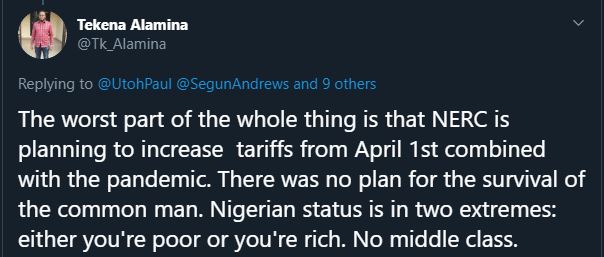
    I hate to be the bearer of bad news but the Nigerian Electricity Regulatory Commission (NERC) plans to increase electricity tariffs around the country starting on the 1st of April 2020.

    Even though NERC’s decision to do this was disclosed back in 2019 during its December Minor Review of Multi-Year Tariff Order 2015 and Minimum Remittance Order for the Year 2020, a source at Ikeja Electric spilled the tea to PUNCH that in light of recent events they had received no order from NERC to suspend the tariff increase.

    The government’s decision to initiate a 2-week total lockdown on 3 states with a population of like 50 million people (giving nothing but a 2 days notice) was insane enough. With NERC’s decision to carry on with a tariff increase in the middle of said lockdown caused by a damn pandemic, you just have to stop and ask yourself what exactly you did to piss off some angel in heaven that they made sure you were sent to Nigeria to be born.

    Or what we as a nation did wrong to be cursed with a line up of incredibly shitty leaders.

    Remember that power supply in most parts of this country is erratic as hell and that this increase is coming at a time when the governments of other countries are waving/subsidizing bills to make life easier for their citizens during the “stay at home” period.

    Needless to say, Nigerians are not feeling this decision and can see it for what it really is.

    https://twitter.com/kelvinBmd/status/1244909149760229377?s=20

    What’s up, Zikoko Fam? It would mean the world to us if you spared a few minutes to fill this Reader Survey. It’s so we can bring you the content you really want!