• When 20-year-old Layla* created a YouTube channel in January 2025, it was going to be a side hustle for the occasional extra cash. Instead, she found early success — really fast. Seven months in, she’s steadily raking millions monthly from her faceless YouTube channel. Here’s how she did it.

    As Told To Boluwatife

    My YouTube “career” started as a barely-thought-out idea. I use “career” loosely because I’m nowhere close to being an expert. I’m a 400-level medical student who just wanted a side hustle. Somehow, I got monetised in three months, made ₦6m in the following three and now earn at least ₦1m/month. 

    How I Started

    In late 2024, I started considering doing something extra besides my regular school schedule. This “ginger” came from reading Naira Life stories about other medical students making money from side hustles. I wasn’t the best person at tech or business, but their stories challenged me, and I began searching for options that could work for me. 

    I found one on Facebook. 

    One day, while doomscrolling on the app — yes, I’m that Gen Z who still uses Facebook unapologetically — I found a video of someone talking about creating on YouTube. Over the next two months, Facebook’s algorithm recommended similar videos. I also joined a YouTubers’ community where creators discussed their channels, content and growth. 

    In January 2025, I decided to try YouTube content myself. While I hadn’t decided on a niche, I knew I wanted a faceless channel. I love to talk, but showing my face or doing voiceovers required filming and editing, and medical school wouldn’t give me that time. 

    I already knew how to edit videos with CapCut, and many people online were creating storytelling-type content. They’d script, then create images and voice-overs with AI, edit the clips, and post. I could do that with CapCut.

    The first niche I tried out was motivational storytelling. My first video had 81 views in two days, which wasn’t a flop. But most of the views came from Indians, which was bad. Participating in the YouTuber community taught me that channels with predominantly Indian and Nigerian viewers made less money than those with viewers from countries like the US, UK, and Australia. 

    I hadn’t even told anyone I’d created a channel because I wanted the YouTube algorithm to do its thing. See, I’d learned that, as a creator, you don’t want your audience to be your family members or friends.

    The algorithm brings your audience to you if you use the right keywords and hashtags and provide value. It’s better that way because you have an engaged audience. So, I didn’t need to beg people around me to view my content to boost my numbers. Everything I’d seen from the community pointed to one thing: It’s better to trust the algorithm and optimise for an audience from the right countries. 

    In other words, I had to try another niche. I abandoned that channel, took a break and opened another one in February. 

    Trying Out A Different Content Direction

    For the new channel, I explored other genres of storytelling. I studied different content types: billionaire stories, family stories, and even stories about black people. 

    I settled on revenge stories. 

    Writing comes easily to me, and I felt like I wouldn’t have problems finding revenge plots to write about.

    After picking out the niche, I began to research. I used tools like TubeBuddy and vidIQ to research popular keywords and hashtags for revenge stories on YouTube. Then, I studied similar creators to observe their style, patterns, how they created their videos, posting schedules, everything. 

    I didn’t focus on big channels. This group already has an established audience, so they don’t need to do much to get views. Instead, I focused on medium-sized channels and creators with between 1000 and 10,000 subscribers. 

    The idea wasn’t to copy them. I just needed to figure out why people watched their content. And I did. I noticed that a big part of the “draw” came from their thumbnails and titles, so I implemented that in my own content.

    My first video did 600 views in about four days. It was so wild to me. I didn’t tell anyone about my channel, yet 600 people I didn’t know were watching and commenting. It was a confirmation that I was on the right track.

    I was writing my professional exams around this time, but I made time to post at least once daily. Scripting the stories was the most taxing part, but editing was straightforward. I’d just create AI images for the footage and have CapCut read the script with the AI voice. 

    Sometimes, it was difficult to keep to my schedule, but my views kept increasing daily, and the progress was consistent. I had no choice but to be consistent. 


    ALSO READ: 55 Ways To Make Money Online, Offline and from Home as a Nigerian


    Getting Monetised

    I started the channel in February, and by the first week in May, I had reached the 1000 subscribers and 4000 watch hours threshold to get monetised. Reaching the watch hour threshold was very easy; it was the subscriber condition that even took me that long. I know people who spent years trying to hit the monetisation milestone, and I got there in less than three months. 

    Monetisation wasn’t entirely seamless, though. YouTubers get paid through Google Adsense, and to set up my account, I needed to verify my identity. I didn’t have a government ID, and apparently, YouTube doesn’t recognise NIN slips. I heard some people who tried to verify with NIN had their accounts banned, so I didn’t even try it.

    I tried to get a voter’s card, but the INEC office I visited told me they only print cards during election season. The workers there even laughed at me and said, “Even if you go to Abuja, you won’t get anything.” I still wonder what the staff do when there are no elections.

    In the end, I used my dad’s driver’s license to verify my account so I wouldn’t miss the 20-day deadline YouTube gave for the verification. So, technically, it’s his channel; the money only enters my account. 

    This is how I make money: YouTube pays based on the number of people who watch my videos. They determine this via two metrics: CPM, which is what advertisers pay, and RPM, which is what YouTube pays after removing their cut. I think YouTube collects 45%, but they don’t show how they split this on the backend.

    After YouTube monetised my channel, I noticed I could see my earnings update daily. I remember seeing that I made $20 (about ₦30k) in one day and excitedly estimating I’d make about ₦900k by the end of May. 

    The thing about YouTube payments being dependent on views is that, you can’t exactly estimate how much you’ll actually make. By the end of May, I made over ₦1.5m. 

    It was surreal. I told my mum, “Put some respect on my name. You can’t be telling me to wash plates. I earn six figures now.” 

    In June, I made ₦1.7m, and then around ₦2.8m in July. It’s safe to say a minimum of ₦1m is the baseline, and I’ve never done anything to promote my channel. I just research keywords, write my stories, and post them at least once a day. Some of my videos now do over 200,000 views.

    Future Plans

    YouTube is very much in my future. I’m considering starting a new channel in addition to this one, most likely with my face. My challenge with that is, no matter the niche I choose, my audience will most likely be Nigerian because of my face and voice. 

    It might be depressing to compare how much lower the income from that channel will be, especially since I’m used to earning from American viewers, but I may just do it for the love of yapping. 

    I’ll be in medical school until 2029 — I’m already so over it — so it’ll take a lot of deliberate effort to create content around my schedule, but I honestly love it. 

    No matter how stressed I get from presenting patients and collecting unnecessary insults, it all just melts away when I pick up my phone to edit. Even when I get creative blocks, I only need to see what others are doing or log on to YouTube Studio for content inspiration. 

    It also doesn’t hurt that YouTube pays well. I’ve gone from being overly frugal to spontaneously treating myself to things I enjoy. I  hang out with friends more, and I treat my family too. I still save more than I spend, though. I currently have about ₦2.9m in savings and am also working towards building a dollar savings portfolio. 

    I also want to get into investments, but the more I read about options, the more confused I get. I’m also a bit of a scaredy-cat. I’ll literally cry if I put my money in anything and it crashes. 

    Right now, I’m taking things one day at a time, and I like my progress. I love what I do, and I know what my future career path looks like. I’ll most likely end up working in media or as an on-air personality while having my YouTube channels on the side. 

    I can say for sure, though: A hospital is nowhere in the future I envision. 


    *Subject’s name has been changed to protect her identity.


    NEXT READ: How I Built a £100K Stock Market Portfolio 2 Years After Moving to the UK

    Get More Zikoko Goodness in Your Mail

    Subscribe to our newsletters and never miss any of the action

    [ad]

  • Every week, Zikoko seeks to understand how people move the Naira in and out of their lives. Some stories will be struggle-ish, others will be bougie. All the time, it’ll be revealing.


    Tired of the stress of moving money across borders? With Juicyway, you can seamlessly send, receive, and convert fiat or stablecoins like USD, CAD, USDT, and USDC in Nigeria—at great rates. Free multi-currency accounts, instant transfers, and top-tier security? Say no more. Click here to get started!


    Nairalife #323 bio

    What’s your earliest memory of money?

    It was 2003 — the year my mother died — and I was 8. My aunt, her boyfriend and I were on the bus, and her boyfriend asked me to read a figure in the newspaper. I think it was 15 million and something-something thousand. When I pronounced it correctly, he gave me ₦15, and I used it to buy sweets. 

    I’m sorry about your mum

    Thank you. The newspaper incident happened because my aunt’s boyfriend was trying to cheer me up. We were going to my aunt’s workplace, and I think he wanted to take my mind off the whole thing.

    I imagine your mum’s passing away led to some changes at home 

    It stirred me into independence. My dad remarried a few years later and had four more children. I had to transition from being an only child to an elder sister to my siblings. Plus, my step-mum and I didn’t get along at all, so I was pretty much independent.

    Things didn’t change much on the financial side. My mum worked at a bank, and my dad was a contractor. I didn’t grow up looking for food to eat or anything like that. Even after my mum passed, my dad still made enough to keep us comfortable. I had a BlackBerry phone at 15. We were above average. 

    Do you remember the first time you earned money?

    I do. I’m really good at explaining stuff, so at uni, people came to me to simplify lecture notes and explain things in a way they could understand. At first, I did it for free until people started becoming entitled. I’d go home during the holidays or school breaks, and people would ask me, “Why weren’t you available to teach us?” 

    At some point, I thought to myself, “You know what? I can charge these people.” So, I started charging each person between ₦200 and ₦500 per lecture. I did that from 200 level to my final year. That said, it didn’t bring serious money, so I lived on my ₦20k monthly allowance, which was enough for whatever I needed in school.

    I also had a few internships during school holidays at an NGO. I only worked there when school was out and got paid ₦15k/month each time. I think I did that twice. Then, after I graduated from university in 2017, I got an opportunity to travel to the US for a five-month work and travel program. 

    How did that happen?

    Someone at my uni organised work and travel programs for students in my department — a student exchange program. I can’t remember how much the process cost, but I know my round-trip ticket was ridiculously cheap. It was just ₦350k, but it also came with insane layovers. I spent three days travelling through different cities before finally reaching my destination. The point is, I got there. 

    A few days after I arrived, I got a job flipping burgers in the food section of an amusement park, earning $5/hour for 30 hours/week.

    Wait. I thought it was an academic program

    They didn’t really send us like that. It didn’t matter where we worked; they just wanted us to meet people from around the world and experience other cultures.

    Plus, each person had to pay for their accommodation from the money they earned. I stayed in an extended-stay apartment with five other Nigerians. I think the rent was $750/month, and we split it equally. So, I had to make money. 

    A few weeks after I started the amusement park job, I found another at a Wendy’s restaurant. The program didn’t allow us to work more than 40 hours/week, so I cut my hours at my first job so I could do 20-20 at each job. Wendy’s paid $7/hour, bringing my income from both jobs to around $800/month, minus tips. The tips were so good. Sometimes, I earned up to half of my income just from tips.

    So the money was good

    It was, but the work was hell. Both jobs had me standing 16 hours every day. At some point, I even broke down.

    To be fair, maybe I didn’t need to work that hard. My aunt had encouraged me to save as much money as possible, but I also wanted to balance it with having a good time. So, one salary was for spending and shopping, and the other was for saving. 

    I returned to Nigeria in November 2017 with about $2k in my account, which I gave to my aunt to keep. For context, I started living with her when I got into uni, and she had sponsored me for the US program.

    What happened after you returned to Nigeria?

    NYSC was the next step. Service year taught me hunger. Allawee was ₦19800, plus another ₦4k from my PPA that was always delayed. It was ridiculous. 

    By this time, my aunt had stopped giving me an allowance because I stubbornly refused to do my NYSC in the same state, so I had to make do with allawee. Thankfully, she paid my rent, but it was a real struggle surviving on ₦19,800. I learnt a new dimension of independence. Interestingly, my service year also changed the trajectory of my life. 

    How so?

    Corp members learned blue-collar skills as side hustles, but it didn’t make sense to me. I thought, “There have to be more lucrative options”. I came across a place where people learnt digital marketing and how to build websites; it intrigued me. 

    I joined them and learnt how to code on Adobe Dreamweaver using HTML and a few other languages. Throughout the service year, I attended weekend classes and learnt even more. 

    After NYSC in 2018, I got a job at a publishing firm. My salary was ₦50k/month to build websites and do digital marketing for them. The job made me realise my skills were pretty basic, so I learned a lot on the job and watched YouTube videos to keep up. 

    I learnt everything from SEO to digital marketing and website building. I was intrigued by the advent of digital marketing and how small businesses were moving from traditional marketing to digital. I knew that was where I wanted to be, so I kept honing my skills.

    Unfortunately, my employer was an asshole who owed salaries and never paid in full. After he withheld my salary for three months, I just left. This was in 2019.

    Did you have other income opportunities?

    Somehow, I found myself offering freelance services. I met my first client at a supermarket, and we entered into a conversation. He said he was a lawyer and also sold books. I mentioned I could build websites, and that’s how he said he needed an e-commerce website for his books. Before I knew it, he sent me ₦100k, and I remember staring at my account balance in shock. 

    I built the website, and he settled the domain and hosting. It turned out super nice. I wanted to do even more, so I got certified in digital marketing and kept learning. I was also applying for jobs and found one on LinkedIn towards the end of 2019. It was an on-site role, so I had to move to Lagos. I moved in with a friend, and we shared the ₦600k rent. My aunt paid for my half. 


    Join 1,000+ Nigerians, finance experts and industry leaders at The Naira Life Conference by Zikoko for a day of real, raw conversations about money and financial freedom. Click here to buy a ticket and secure your spot at the money event of the year, where you’ll get the practical tools to 10x your income, network with the biggest players in your industry, and level up in your career and business.


    How much did your job pay?

    My salary as a digital marketer was ₦125k/month. I also took on the occasional social media management and website-building side gig for anything between ₦50k – ₦150k. I kept my 9-5 job until 2021, when something very funny happened.

    What was that?

    I got pregnant. My job became hard to manage with pregnancy, especially with the late nights, and my partner wasn’t having it. We decided I’d quit, and he’d support me pending when I could get a new job.

    However, he became super distant and annoying after I had my child. He struggled to sustain us as a family, and I knew I needed to find a job immediately. I couldn’t depend on him for money.

    A few months later, in 2022, I got a job heading the digital marketing team in a fintech company. 

    Energy!

    My starting salary was ₦350k, and it increased to ₦420k in 2023. That same year, I took on an additional remote role with a foreign company that paid ₦300k, bringing my income to ₦720k. 

    My new income allowed me to afford nicer things for my child and live independently of my partner. I didn’t have to ask him for the smallest things like data anymore, and I think he couldn’t handle that switch. We eventually separated, so we co-parent now, and fantastically at that. 

    I switched jobs in 2024 to one that paid $800/month, and about six months later, I got a contract offer that really improved my life. I worked with that client for three months, making $3k/month. It was such a fun time. I bought things I needed and even started buying stupid things.

    Within those three months, I bought a car, changed my apartment, and put my daughter in a better school. I even got on Ozempic. Like I said, stupid things. 

    I’m screaming. Curious, how much was your pay in naira at the time? 

    It fluctuated a lot. The $800 from my 9-5 was usually about ₦1m, and the $3k was ₦4m and some change. 

    My 9-5 salary was paid to my traditional domiciliary account, and I often converted it by transferring dollars to the black market BDCs; they also had domiciliary accounts. However, I received the $3k from my client through a payment platform that allowed me to convert the funds to naira on the platform or transfer dollars to my domiciliary account. They had good rates, so it was pretty seamless. 

    I still go through the same process. The three-month contract was extended by a year, so I still work with the client today. 

    What’s your monthly income like these days?

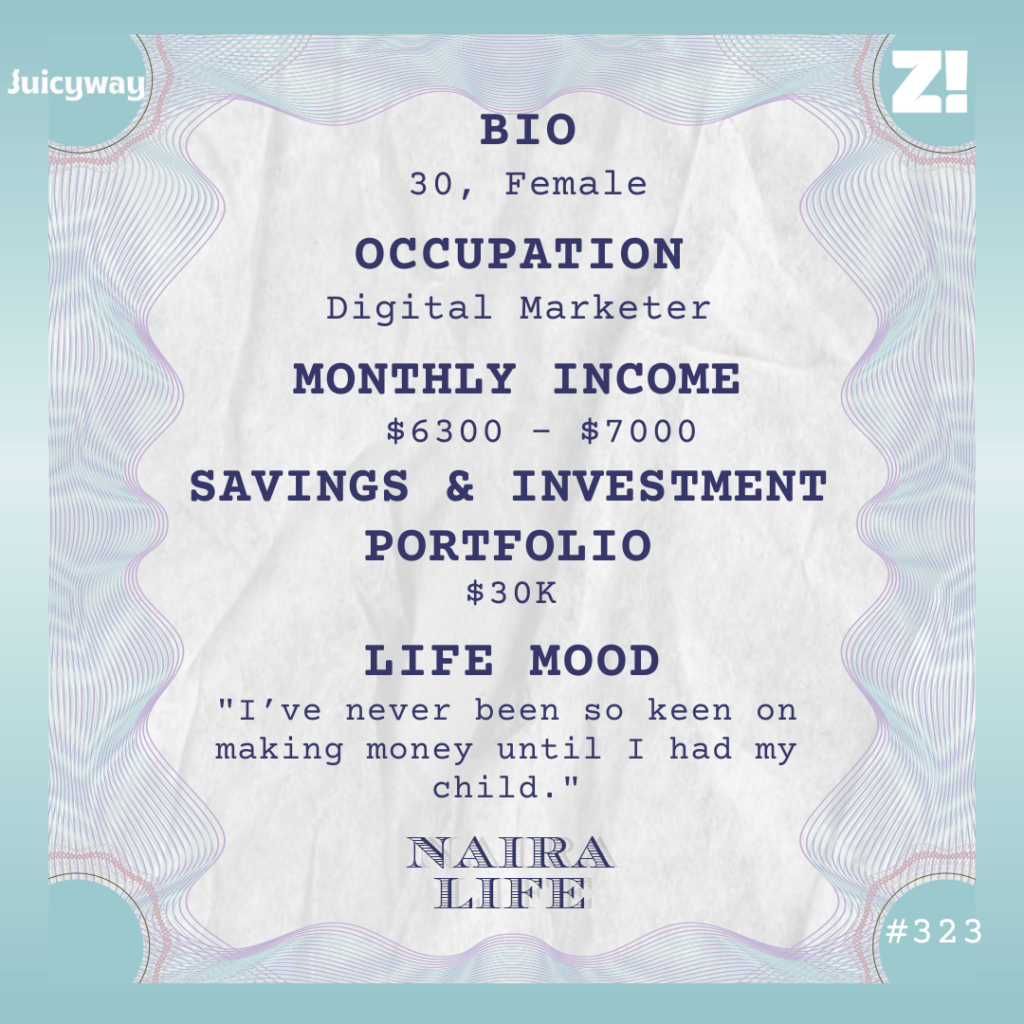
    I currently work three full-time jobs, which is actually crazy. My income from all three is $6300/month. Bonuses sometimes push that to $7k, which is about ₦11m after conversion.   

    Also, I recently founded a marketing agency with a Mexican friend. The agency is based in Mexico, and my friend is white-passing, so she helps us close leads faster. She’s the face of our company, and I’m the brains. 

    We currently have about 7 clients we charge between $2k- $4k per month, depending on the scope of work. We share the profit 40:40:20 — 40% for each of us, and 20% back to the business and to pay staff. I don’t consider the agency as an income source. It’s more like a contingency plan; I save whatever profit I make for my child’s future. 

    I’m still stuck on the three full-time jobs part

    See, I have an obsessive need to work. I don’t ever want to return to a time when I cannot provide for my daughter. 

    Plus, I plan to japa to Mexico to fully scale my agency so I can “retire” from full-time work. So, I need the money from my three jobs as well. I just want to be comfortable to the point where I can afford anything my child wants.

    What do these japa plans look like now?

    It should happen sometime next year. My child will be done with kindergarten and transitioning to primary school, so it’ll be the perfect time to move. I also got her a Spanish tutor, so she already speaks Spanish as a second language.

    I save ₦5m/month from my income and have about $30k in my total portfolio. I have about $5k in investments using online financial services platforms. I also bought about $5k worth of foreign stocks in my daughter’s name in 2024. I get pretty good ROI on my investments, and they’ve helped with my portfolio. 

    So, I’m pretty much set for the move. The cost of living in Lagos and the city I plan to move to is similar. Rent, groceries, and everything else are pretty much the same. So, I’ll maintain my current lifestyle there. 

    Speaking of lifestyle, how has your income growth impacted your relationship with money?

    I used to be really bad with money. I like to eat, so I have this bad habit of visiting restaurants people have reviewed on TikTok just to have a personal experience. I actually have a spreadsheet of all the restaurants I’ve visited in Lagos. I go on these dates with my child.

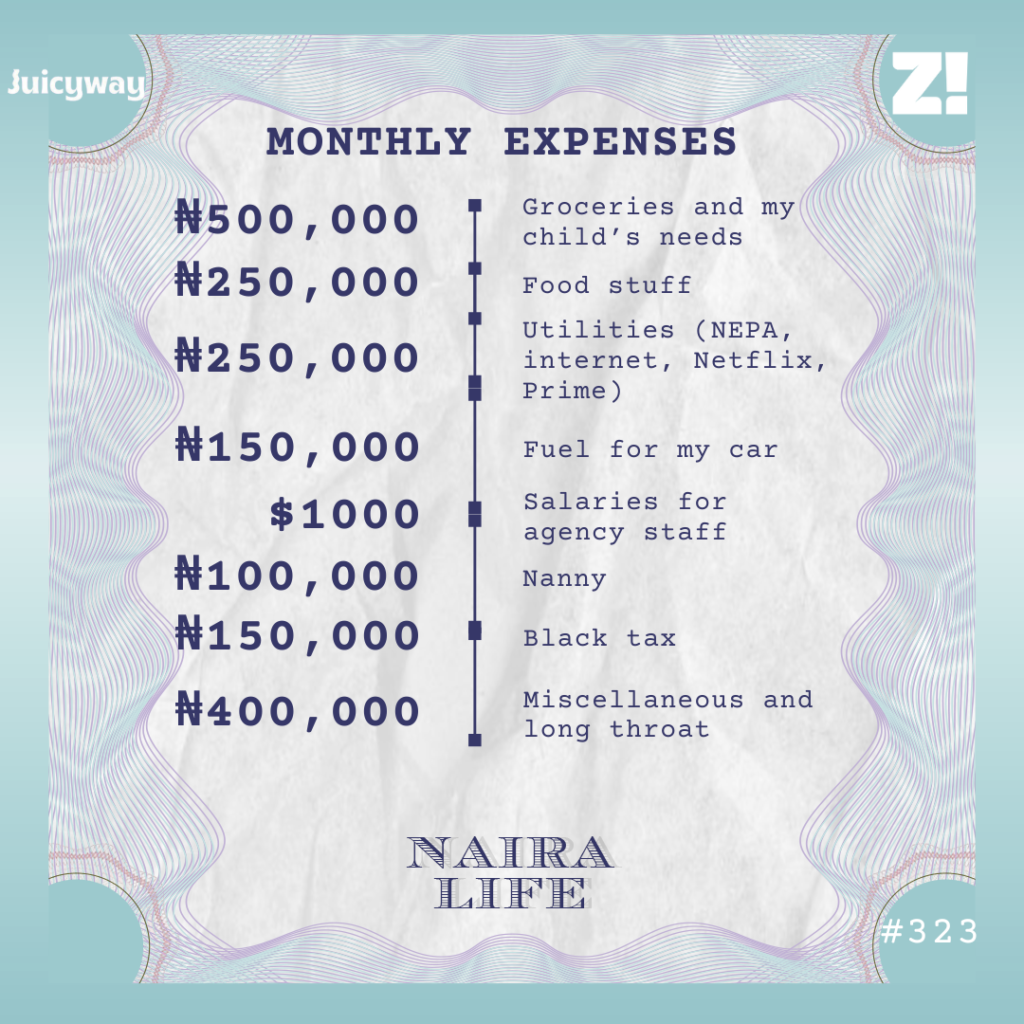
    But now I’m becoming more reasonable. I need to save for the rainy days, so once I go grocery shopping every month, I buy my kid’s stuff, pay bills, pay my staff salaries, and buy the things I need, I save the rest. Now I have like ₦400k budgeted for miscellaneous expenses every month. If e finish, e finish.

    Walk me through your typical monthly expenses

    Nairalife #323 expenses

    This is after I take out my savings. I also sponsor my nanny through university. The black tax is to three of my step-siblings in university. I give them ₦50k each. I also send my dad money occasionally. 

    You know the saying, “more money, more problems”? That’s my life right now. Every time I open WhatsApp, one family member asks me for stuff. But my daughter is why I work so hard. I’ve never been so keen on making money until I had my child.

    What was the last thing you bought that made you happy?

    I got a new phone a few weeks ago. My phone started acting weird, and I didn’t think of fixing it; I just bought a brand new one, which made me really happy. It was an iPhone 15 Pro, and it cost ₦1.7m.

    Also, buying my car last year was one of my proudest moments. I bought it for ₦10m, and it was a birthday present to myself.

    Is there anything you want right now but can’t afford?

    Probably a citizenship by investment in one of the Island countries like St Kitts. That costs $500k. But honestly, I’m very content with the life I have right now. Not bad for a single mum.

    Not bad at all. How would you rate your financial happiness on a scale of 1 -10?

    9. I want to scale even further to the point where I know my child has everything she needs if I’m not here anymore. 

    I have an insane fear of dying. Because I lost my mom at a young age, I worry that my child may not have me for long (even though I know say I gallant until 88 haha) but all in all, once I get to a point where I’ve saved enough for my child — I honestly don’t know when or how much that is — then I’ll finally get to a 10.


    If you’re interested in talking about your Naira Life story, this is a good place to start.

    Find all the past Naira Life stories here.

    Subscribe to the newsletter here.

    Get More Zikoko Goodness in Your Mail

    Subscribe to our newsletters and never miss any of the action

    [ad]

  • Every week, Zikoko seeks to understand how people move the Naira in and out of their lives. Some stories will be struggle-ish, others will be bougie. All the time, it’ll be revealing.


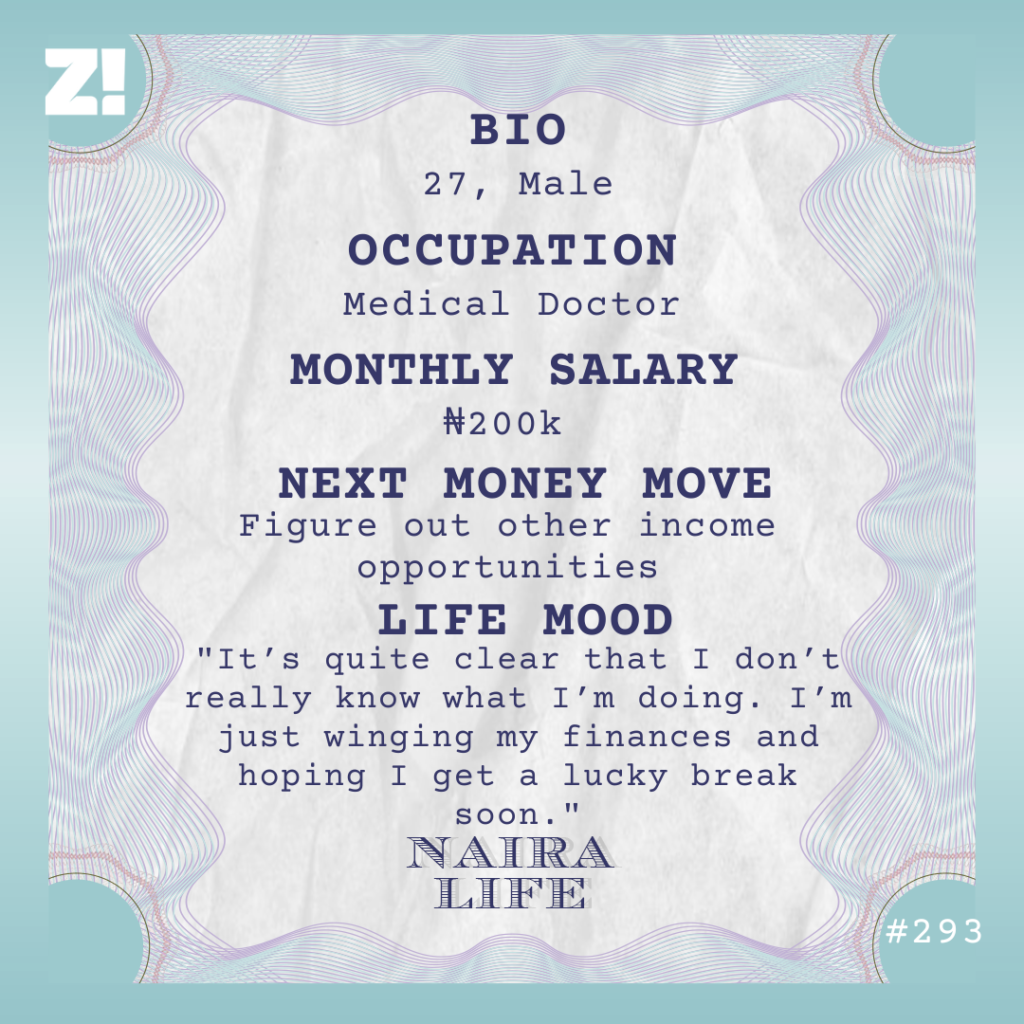
    Nairalife #293 bio

    What’s your earliest memory of money?

    It was in 2008. I remember it because it was also the first time I saw my dad cry. I was 11 and had returned home from school to find my parents crying in the parlour. Apparently, my dad had lost millions to a scammer who was supposed to facilitate the purchase of some acres of land. 

    To make things worse, the money was the settlement my dad got from his bank job when the bank folded up earlier that year. So, there was no job and no money. I remember how scared I was that day. The way my parents lamented, I thought it was the end of the world, and hunger would kill us the next day.

    You’re here, so it’s safe to say that didn’t happen

    But things changed. We moved to a smaller apartment, and my sisters and I transferred to a government school. My dad started a small drycleaning business, and my mum opened a provisions shop to add to what she made at her teaching job.

    As the firstborn, I had a bit more “sense”. So, even though I was young, I quickly realised that those random “Daddy, take us to Mr Biggs” requests wouldn’t work again. My younger sisters weren’t as understanding. I remember my sister once crying for two hours because she was tired of eating eba every day. When threats didn’t work, my mum had to beg her to stop crying and just eat.

    The whole situation sort of gave me a money-focused mindset. It was simply: Having money equals good, and not having money equals bad. It’s the reason I chose to study medicine at the university. I was a smart student, and all my teachers suggested I should study medicine because of that. But I was pursuing money.

    What made you think doctors had money?

    The only person who had a car on our street was a doctor. I mean, it made sense to think someone who could afford a car was rich. Plus, my teachers and everyone I told about my medicine aspirations kept talking about how easily doctors found jobs. 

    So, when I graduated from secondary school in 2012, I decided it was either medicine or nothing. I even forfeited a year because the first uni I applied to gave me microbiology, and I didn’t want that. I decided to use that year to work small while still pursuing admission for medicine.

    What kind of work did you do?

    Teaching. My mum helped me get a job teaching primary school students at her school. I taught mathematics and got paid ₦15k/month. That was the first time I’d earn anything, and ₦15k felt like ₦1.5m. 

    I didn’t have to worry about transportation because I followed my mum to work, so I mostly spent my salary on my siblings, as per big brother. My dad made me drop ₦5k at home every month, though. He said it was to teach me responsibility. I didn’t mind. 

    But damn, I worked hard during that period. I’d teach in the mornings and study all night for JAMB and post-UTME. My efforts eventually paid off — I got admitted for medicine the second time I wrote JAMB and moved on to uni in 2013.

    Did you do anything for money while in uni?

    Between trying to survive medical school and squatting in different hostels to save on accommodation, I didn’t have the time. My parents gave me a ₦10k monthly allowance, and I billed my aunt and uncle whenever I was broke. That usually brought an additional ₦2k – ₦5k.

    Let me tell you something funny. I had the opportunity to write for money in 400 level. A former classmate who’d dropped out to study abroad asked me for help writing a term paper he needed for class. When I sent it to him, he said a few other students would pay if I did the same for them. I refused the offer.

    Why?

    I thought it’d distract me. I was in the middle of professional exams and was scared of failing. It was better for me to manage what I got from home, focus on school, and graduate to start making medicine money.

    By now, though, I already knew “medicine money” wasn’t what I thought it would be. Doctors in private hospitals struggled to survive, and working with the government or very big hospitals was the only way to earn decently. So, my focus shifted to becoming a doctor and working in a government hospital. 

    Did things go as planned?

    At all. After I finished medical school in 2020, the next step was housemanship — the one-year compulsory internship young doctors must undergo before practising. Everyone usually wants to do their housemanship in a government institution or teaching hospital because they pay better and you get more experience. 

    But placement is very competitive. Someone I know was asked to bring ₦200k so they’d help “work” his placement. I didn’t have that kind of money. Ultimately, I settled for a private hospital that paid ₦80k/month. 

    Was that good money?

    I’m not sure I had time to consider whether it was good or bad. But I worked constantly. The hospital offered me accommodation — a bed in the doctors’ room — and I jumped at it, thinking I was saving money. I soon found out that living at the hospital meant work always came to me, whether I was on duty or not.

    Housemanship was the longest year of my life. Once, I was on a 48-hour call and dozed off while clerking a patient. It was wild. The only good thing about that period was how much I saved. I had no time to spend, so I kept my money in my account. Sometimes, I lent my dad money to handle one thing or the other, but I mostly saved. By the time I finished my house job in 2021, I had saved ₦600k.

    Nice

    I used the money to buy a phone and laptop. I actually didn’t need a laptop; I just thought it was cool to have one. Looking back, I should’ve used the money to rent an apartment. Instead, I returned home to live with my parents.

    You say that like it was a bad decision

    I don’t know. Maybe things might have happened differently if I’d stopped living at home then. My dad passed away in 2021, and it affected my mum so much that she started having blood pressure issues. The home’s responsibilities automatically fell on me. 

    Thankfully, my two sisters had graduated from university, so I didn’t have to worry about school fees. But they also lived at home, and I had to step up as the man of the house. 

    How did you do that without a job?

    I began job-hunting like my life depended on it. Forget the scam about doctors not needing to look for jobs because there are always jobs waiting for them. That’s not true. Also, I hadn’t gone for NYSC, and some hospitals wanted the certificate. I honestly saw NYSC as a waste of time. I didn’t understand why I had to spend a whole year earning ₦33k when I could earn more working at a hospital.

    At the end of the day, NYSC won. After months of job-hunting and relying on loan apps to feed and support the home, I reluctantly processed my NYSC call-up in 2022. I borrowed ₦35k from a loan app to settle someone at NYSC so I wouldn’t get posted outside my state. 

    My PPA was a mission hospital that only paid ₦15k/month. Add that to the government’s ₦33k, and I had ₦48k/month. Since the money didn’t go anywhere, I had to turn to loan apps. I borrowed no less than ₦20k every month, sometimes more. All my salary went to repaying loans. I honestly hated it, but I had no choice. I had to transport myself to work, drop money at home for food, buy medication for my mum and still have enough left to pay our ₦250k/year rent.

    Sounds tough

    I’m still at it, and it’s tough. Sometimes, I struggle with resentment. My sisters now work but don’t drop money at home because they know egbon will handle it. I can’t complain outwardly because it’s my responsibility to be there for them. It just gets difficult, you know?

    I finished my service year in 2023 and now work in a hospital that pays ₦200k/month, but I don’t feel like I earn that much. I’m always taking loans because my salary finishes in two weeks, and the crazy interest rates on these loans have kept me in a loan cycle. Just last month, I took a ₦35k loan to fix the generator at home. By the time I’m supposed to pay it back in six months, interest will have pushed the total amount I should repay to ₦47k.

    Mad. Can you break down what takes your money in a typical month?

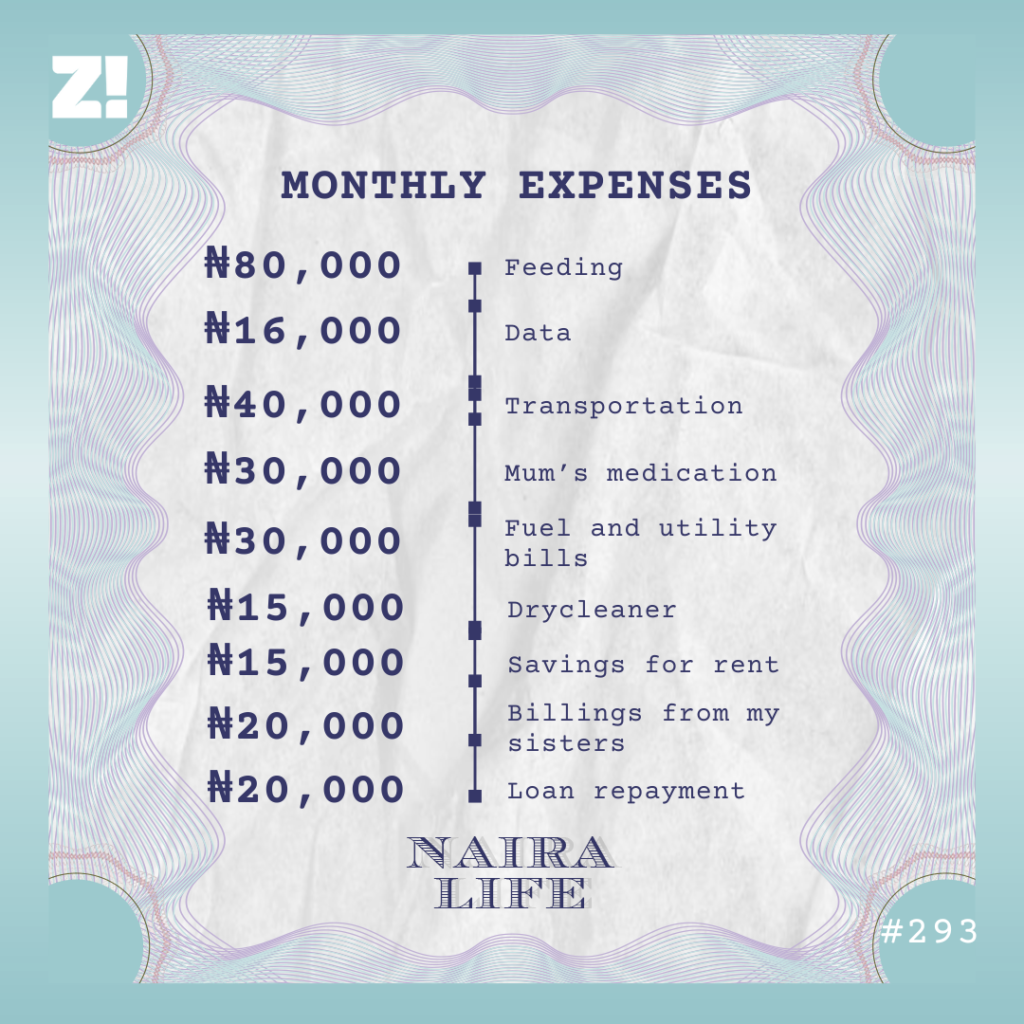
    Nairalife #293 expenses

    Shey you see I spend more than my salary? This breakdown doesn’t even include the random times I decide to spoil myself by eating out or buying a new pair of trousers. Damn, my finances are really in the mud. Can I tell you something?

    Sure

    Most of the time, I feel like a threat to my patients because I’m always thinking about money. I’m on autopilot, and my mind isn’t on the work again. I’m constantly brainstorming what extra things I can do to make money, but I always end up at the same conclusion: I can’t do anything else for money as long as I’m practising. 

    For context, I’m almost always on call at my job. I’m the junior doctor, but the medical director is the only other doctor in the hospital, and he’s always at his government job. So, I work almost 24/7, and it’s extremely dangerous. 

    The other day, I mistakenly prescribed a dextrose saline infusion to a patient with high blood sugar. Thankfully, the nurse caught that in time. I still don’t know whether to put that mistake on exhaustion or disinterest.

    Hmm. Have you considered what you’d do if you weren’t practising?

    That’s one reason I regret not taking that writing job seriously in uni. Now, I hear how people earn dollars simply by sitting down in their houses to write. I still remember the lady in this Naira Life who earns close to ₦1m with social media right there in her house. 

    I’m considering those types of jobs now. I’m currently taking some free online writing and content marketing courses. After that, I’ll look into social media marketing. If I can find a way to get more free time outside the hospital, I also want to explore software development. Right now, I’m open to everything.

    It’s not that I want to abandon medicine completely; I spent too many years on it just to abandon the field like that. I only want to make money so I can japa and practise medicine in a sane country that rewards effort. I don’t have actual timelines now, but I know 2028 must not meet me in this country.

    What’s an ideal amount you think you should be earning?

    In medicine, with my current experience level, maybe ₦400k. But once I get skills in tech and content marketing, maybe ₦600k – ₦800k. 

    With that, I wouldn’t be as dependent on loans. And I’d have enough to get my own place and put my family on a monthly allowance, so it’s not like I’m just spending and spending as needs arise.

    Fair. How would you describe your relationship with money?

    Nonexistent. It’s quite clear that I don’t really know what I’m doing. I’m just winging my finances and hoping I get a lucky break soon.

    What’s your biggest financial regret?

    Taking my first loan from a loan app. I can’t even remember what I took it for, but I wish I never did. Those apps are like bed bugs. It’s tough to get rid of them once you try them once or twice.

    What about the last thing you spent money on that made you happy?

    I got my mum a dress for her birthday. At ₦50k, it was quite expensive, but the look of gratitude on her face made it worth it. 

    On a scale of 1-10, how would you rate your financial happiness?

    5. I need a lucky break soon before I lose my mind.


    If you’re interested in talking about your Naira Life story, this is a good place to start.

    Find all the past Naira Life stories here.

    Subscribe to the newsletter here.

    [ad]

  • Ever wondered what Nigerian political leaders get up to when they aren’t running the country? You’d be surprised to know some of them still work hard to secure the bag on the side. 

    From interests in agriculture to the media, we take a look at Nigeria’s past presidents and heads of state, and what they do to get their money up.

    Sir Abubakar Tafawa Balewa (1960-1966)

    He served as the first and only Nigerian prime minister after independence. Outside of politics, Sir Balewa was a teacher by profession. He graduated from teacher training school in 1933 and went on to teach English in Bauchi. After bagging a diploma from London University Institute of Education in 1946, Sir Balewa returned to Nigeria where he served as headmaster of Bauchi Middle School and briefly as Inspector of Schools before he entered politics.

    Nnamdi Azikiwe (1963-1966)

    Nnamdi was Nigeria’s first president. Before politics, Azikiwe was fully involved in publishing. In 1934, he launched his own nationalist newspaper in the Gold Coast (now Ghana). He returned to Nigeria in 1937 and launched the Western Pilot, a newspaper dedicated to fighting for independence from British colonial rule.

    Major General Aguiyi Ironsi (January 16, 1966 – July 29, 1966)

    He became the first Nigerian head of state after the 1966 coup led by Major Emmanuel Arinze Ifeajuna and Major Chukuwemeka Kaduna Nzeogwu. Ironsi didn’t have many interests outside the military, having joined the Nigerian army at 18 in 1942. He remained in the army until his assassination on July 29, 1966.

    General Yakubu Gowon (1966-1975)

    He succeeded Major General Agunyi Ironsi as Nigeria’s Head of State. After his time in office, the general has been mostly involved in peacekeeping and academic activities, including founding the Yakubu Gowon Centre, focused on peace and conflict resolution.

    General Murtala Muhammed (1975-1976)

    General Muhammed served as head of state after leading a counter-coup that ousted General Agunyi Ironsi. Muhammed was primarily a military officer and didn’t engage in notable business activities outside his military and governmental roles.


    ALSO READ: The New National Anthem of Nigeria: Full Lyrics of ‘Nigeria, We Hail Thee’


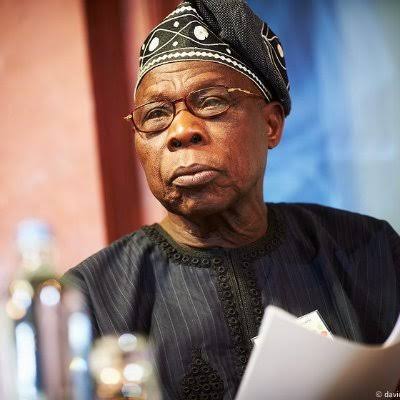
    General Olusegun Obasanjo (1976-1979, 1999-2007)

    Obasanjo took over as Nigeria’s military head of state after General Murtala Muhammed’s assassination in 1976 and returned as a democratically elected president in 1999. When he’s not working to make Nigeria a better place, the elder statesman is a farmer and agricultural entrepreneur. He launched Obasanjo Farms in October 1979 after handing over

    power to a civilian administration. Obasanjo also owns Bells University of Technology, Nigeria’s first private university of technology, which commenced operations in 2005.

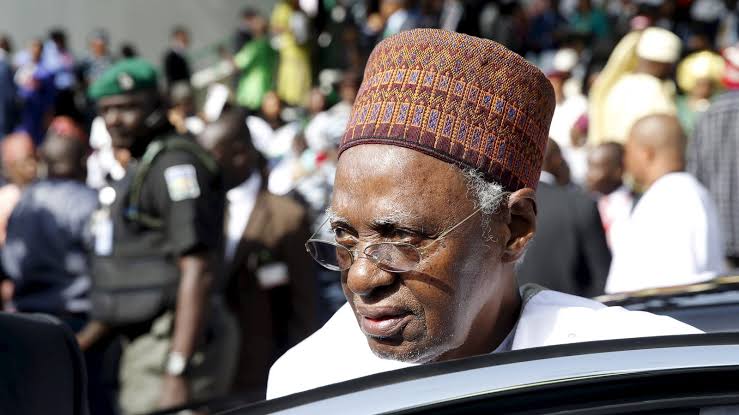
    Shehu Shagari (1979-1983)

    Shehu Shagari was the first democratically elected president after then military head of state, Olusegun Obasanjo, transferred power to a civilian government. Outside politics and his administrative roles in government, Shagari was a trained teacher who taught at several schools, including Sokoto Middle School and the Teacher Training College in Zaria. He kept a relatively quiet life after his presidency and didn’t engage in notable business ventures.

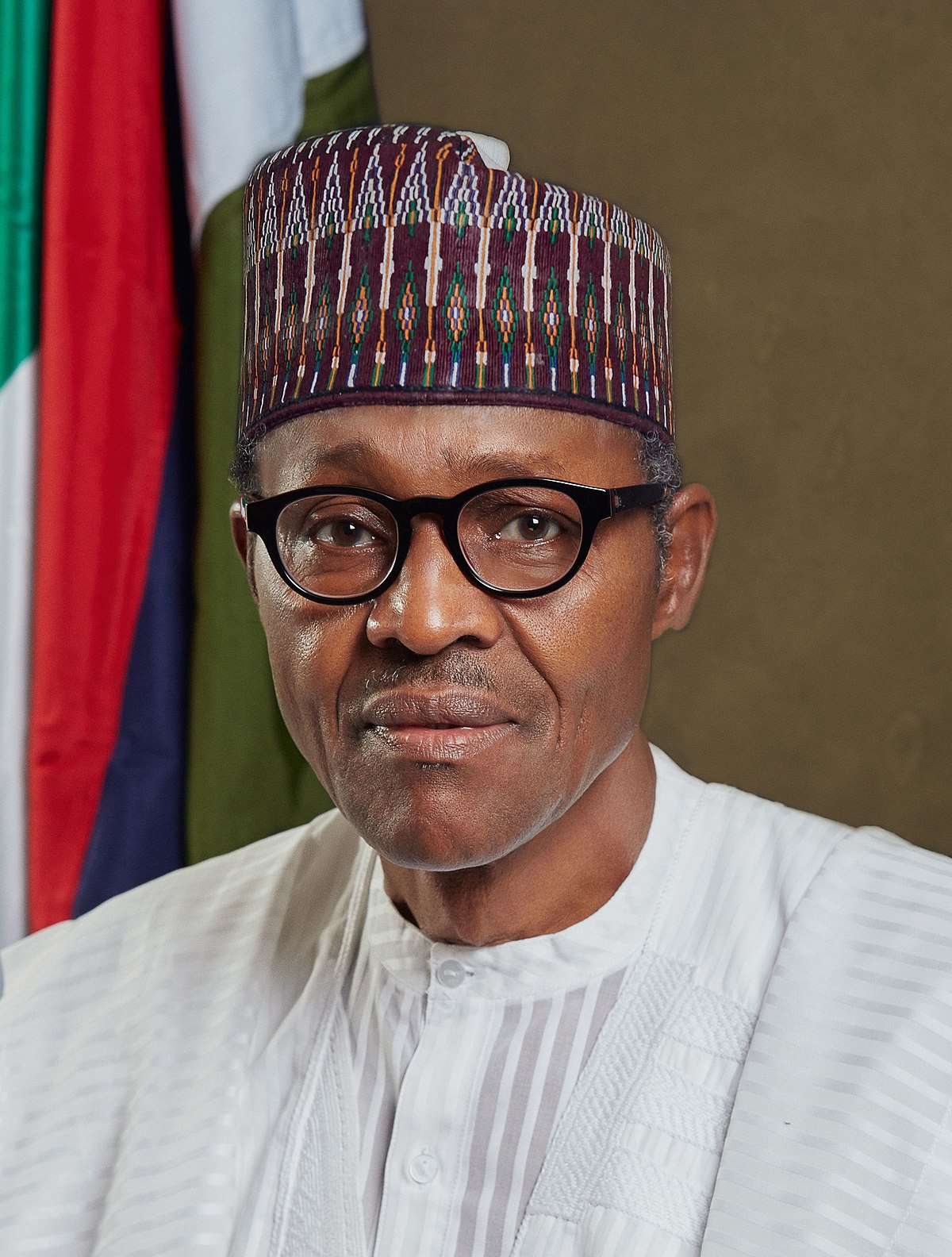
    Muhammadu Buhari (1983-1985, 2015-2023)

    Buhari became Nigeria’s military head of state after the coup that toppled Shehu Shagari’s government in 1983. He returned as a democratically elected president in 2015. Although primarily known for his military and political career, Buhari has some interests in agriculture. He owns a modest cattle farm in Daura, his hometown. The former president has always been vocal about continuing to engage in farming activities after his retirement from office.

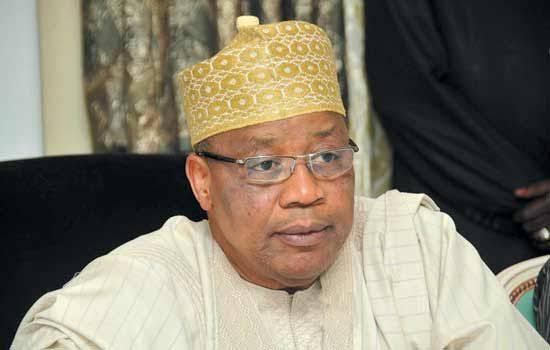
    General Ibrahim Babangida (1985-1993)

    Babangida served as Nigeria’s military head of state between 1985 and 1993. In 2006 and 2010, Babangida tried to make a comeback as Nigeria’s president, announcing his intention to contest in the 2007 and 2011 presidential elections but withdrew his candidacy on both occasions. Not much is known about his dealings outside of politics, but he’s rumoured to have various business interests, primarily in real estate and oil services.

    Ernest Shonekan (August 1993-November 1993)

    Ernest Shonekan was Nigeria’s interim president after the annulment of the June 12, 1993 presidential elections. He served as head of state for 83 days. Before politics, Shonekan, a University of London and Harvard Business School alumnus, worked in the private sector. He rose through the ranks at the United African Company (UAC)—a company involved in manufacturing, logistics and warehousing, agriculture, and real estate—to become chairman and chief executive officer. Shonekan returned to the corporate world after he was ousted from power by General Sani Abacha. He launched the Nigerian Economic Summit Group in 1993, creating opportunities for private sector leaders and senior public sector officials to discuss and dialogue on the future of the Nigerian economy.

    General Sani Abacha (1993-1998)

    He succeeded Nigeria’s interim president, Ernest Shonekan, after carrying out what would become Nigeria’s last successful coup d’état. General Abacha was mostly a career military officer who didn’t have major business interests outside the military.

    General Abdulsalami Abubakar (1998-1999)

    General Abubakar became Nigeria’s head of state after the death of General Sani Abacha in 1998. Like others on this list, Abubakar mostly focused on his military career. Post-military, the retired general has been involved in many peace and mediation efforts but has no major known business ventures. He was once rumoured to be the owner of The Integrated Energy Distribution & Marketing Limited, a company that won the bidding for four distribution companies (DISCOs) in 2012.

    Umaru Musa Yar’Adua (2007-2010)

    Late Yar’Adua succeeded former president Olusegun Obasanjo after winning the presidential elections in 2007. Before he ventured into politics, his primary interests were in education and agriculture. He lectured at the College of Arts, Science, and Technology in Zaria, Kaduna State, and worked as the general manager of Sambo Farms Ltd. in Funtua, Katsina state.

    Goodluck Jonathan (2010-2015)

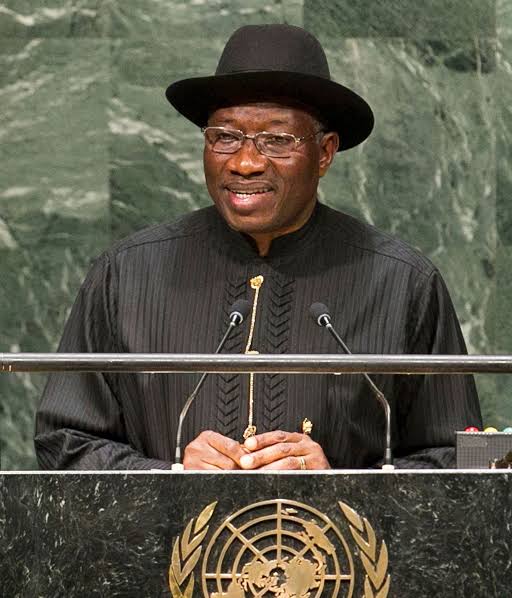
    Former president Goodluck Jonathan was the first president from the South-South region in Nigeria. He was primarily involved in academia, working as an education inspector and lecturer before he ventured into politics in 1998. Since he retired from the presidency in 2015, Jonathan has continued to pursue his interest in education and peacekeeping activities. In 2019, he was appointed as the honorary special advisor to the Bayelsa Education Trust Fund board. The ex-president is also rumoured to own Ebele Integrated Farms, which focuses mainly on fish farming.

    Bola Tinubu (2023-present)

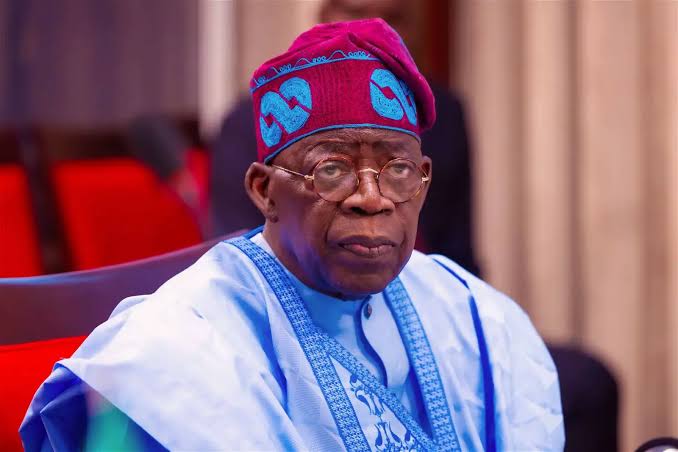
    President Bola Tinubu, former governor of Lagos State between 1999 and 2007, was elected president in 2023. Although he’s mostly known for his strong involvement in the country’s politics, Tinubu has other business interests. Before he ventured into politics, the president, who has a degree in Business Administration, worked with top firms like Deloitte, Mobil, and Primerose Group. He owns media organisations like Television Continental (TVC) and The Nation, and is rumoured to have huge stakes in real estate and energy companies.