• There’s a common belief that misogyny is always silently lurking right outside the door of every Nigerian woman. And despite the rise of new-age feminism and increased awareness of women-focused issues, recent events keep reminding us that this belief isn’t a lie.

    For many Nigerians, the idea that  “abortion is healthcare” has always clashed with strong religious and moral beliefs, often leaving vulnerable women without real autonomy over their bodies. That risk might get even worse soon. On October 26, the Nigerian Senate started considering a controversial bill that proposes a 10-year jail term for abortion-related offences.
    So, what exactly is this controversial bill about?

    The Senate started its debate with promises of “updating” Nigeria’s Criminal Code, but somehow, in the process, abortion rights got lost in translation. 

    At first glance, the Criminal Code Amendment Bill 2025 looks promising. It aims to increase penalties for sexual offences like defilement and assault — a move that signals progress. But the proposed amendment to the present abortion laws in the bill quickly derailed the initially progressive nature of the debate. 

    The present laws guiding abortion practices in the country state that if someone supplies drugs or instruments for abortion, they will be sentenced to up to three years in prison. However, the amendment proposes a stricter and much brutal sentence by pushing for an increment to ten years imprisonment without the option of a fine.

    But the “no nonsense” approach of this amendment was not the only part that stirred up controversy and further debates; its vagueness also left room for questions, forcing some lawmakers to push for clarity on how the bill intends to define an “unlawful abortion.” If the bill gets passed without further modifications, even a medically necessary abortion could be punished. It offered no clarity, no safety net, just fear and controlled autonomy. 

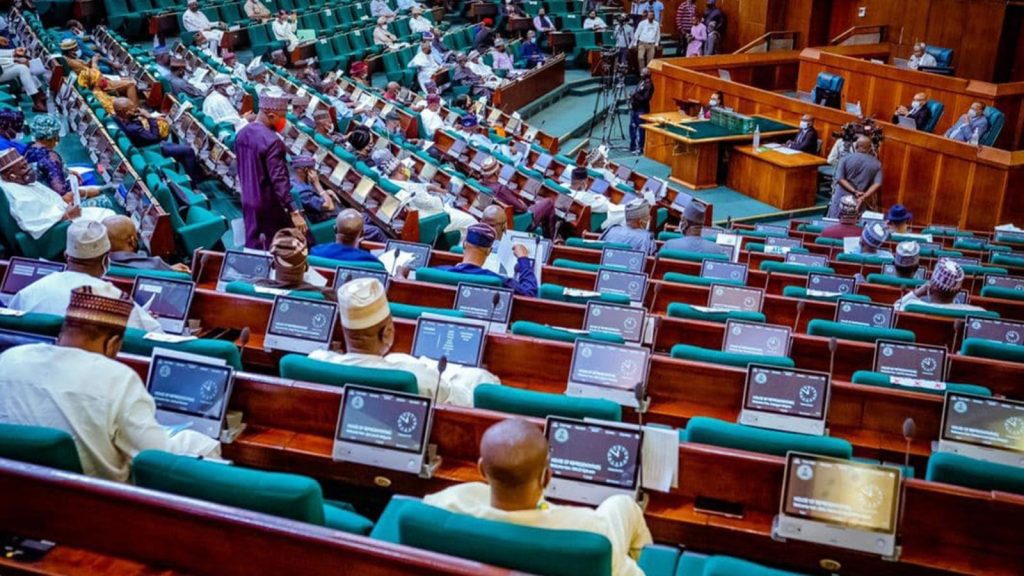
    The lawmakers, who would often echo ayes at the end of similar debates, were split. Some argued abortion could save a woman’s life. Others said women often face unbearable circumstances, including economic hardship, rape, or health crises, which might necessitate terminating a pregnancy. 

    The chamber was in such a frenzy that Senate President Godswill Akpabio had to call a pause, though this is far from a full halt on the bill, as it has now been sent to the Committee on Judiciary, Human Rights, and Legal Matters for further review. In two weeks, the committee will report back, and the abortion clause could either be reshaped or deleted. Until then, Nigerian women are left waiting in uncertainty. 

    Why is this bad news for women?

    Nigeria already has some of the strictest abortion laws in the world. For context, abortion is only allowed when a woman’s life is at risk. There’s no legal protection for survivors of rape, incest, or women who simply want to have a choice over their reproductive lives. This is why hundreds of thousands of unsafe abortions happen every year, contributing up to 15% of maternal deaths.

    Women end up at quack clinics, take unsafe pills, risk infections, infertility, or death.

    The amendment does nothing to fix the root causes, like the limited access to contraception, poor healthcare infrastructure, social stigma, and lack of sex education. Instead, it threatens to pile more punishment on women. Now, doctors might hesitate to provide life-saving care because they fear the possibility of a ten-year jail term, simply for aiding a patient. If this bill is successful, fear becomes the law, and in a country where unsafe abortions contribute to up to 15% of maternal deaths, this is more than just bad policy; it’s deadly.

    It’s even more unfortunate that when the Senate had the chance to get a woman’s input from Senator Natasha Akpoti-Uduaghan, who pointed out that abortion directly affects women, she was shut down because Senate rules prevent reopening concluded debates. 

    What can Nigerians do?

    This is where your action matters. There are concrete steps you can take to make your voice heard:

    1. Pressure your representatives. Flood their lines, emails, and social media with calls to protect women’s rights. Lawmakers listen when the people push. Find their contact details here.
    2. Spread awareness. Talk about the bill with friends, share credible information online, and correct false narratives. Public scrutiny can stop lawmakers from passing harmful laws quietly.
    3. Support advocacy groups. Organisations fighting for sexual and reproductive health rights need volunteers, donations, and public attention. Stand with them.
    4. Demand legal clarity. Push for definitions that protect women and healthcare providers, not laws that punish them vaguely.
    5. Stay focused on the Senate committee. The next two weeks are critical. The louder Nigerians get, the harder it becomes for lawmakers to ignore.

    At the end of the day, this isn’t just another bill. It’s a reminder that whenever Nigeria tries to move forward, there’s someone ready to drag women’s rights five steps back, and that cycle needs to be broken. 

    [ad]
  • Photo credit: Nairametrics

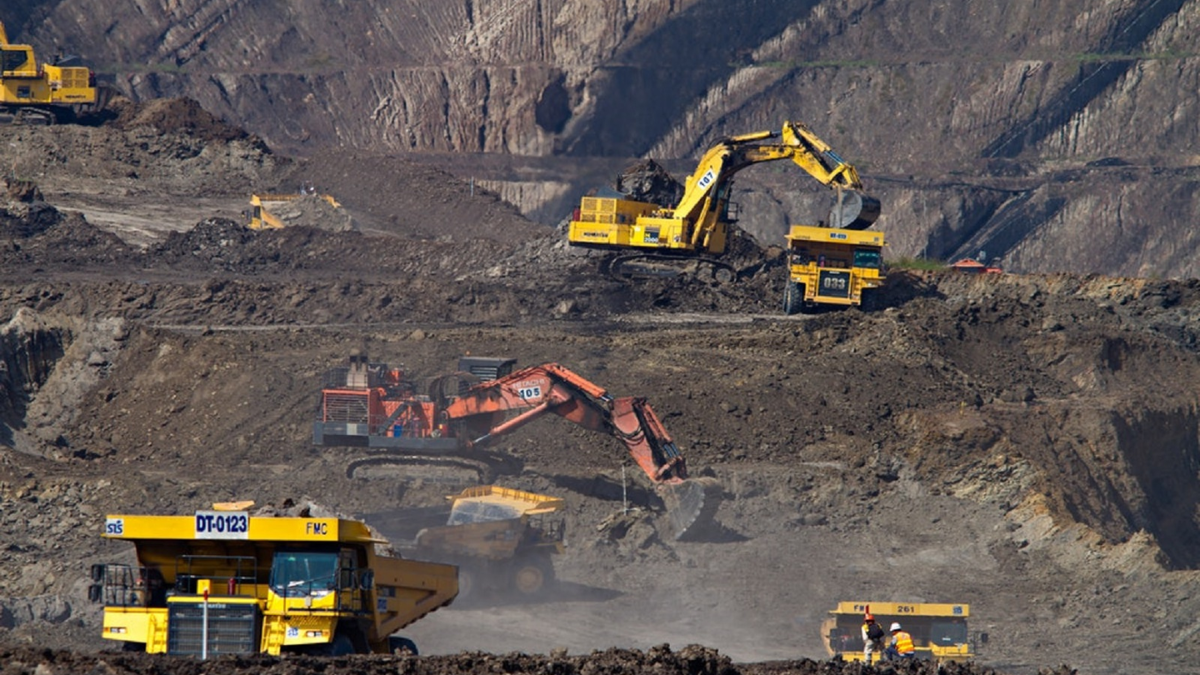
    Wake up, kids! A new update just dropped–Nigeria is about to get a mining school and it’s expected to have some ripple effects on the country

    On Tuesday, December 10, the Nigerian Senate passed a bill to establish a Federal University of Mining and Geo-Sciense in Jos, Plateau State.

    The bill is looking to upgrade the already existing Nigerian Institute of Mining and Geo-Sciense (NIMG), Jos, into a federal university, and it was sponsored by Diket Plang, an APC Senator representing Plateau Central.

    Are mining schools a thing?

    This idea is not new, neither is it original to the Nigerian Senate. In fact, Nigeria is actually pretty late to the party. Mining schools exist in different countries in the world, with ever-changing curricula that reflect technological advancement of times.

    Mining schools typically offer programs ranging from mining engineering to geosciences and more. Recently, mining schools like McGill University, Canada, offer courses in robotic mining, and University of Queensland, Australia has also introduced artificial intelligence and virtual reality to its programs.

    Will this school affect your life?

    The proposed university will impact you in many ways, whether you’re interested in enrolling for a program or not. How? It’ll help diversify Nigeria’s economy and ultimately get rid of the things currently making life difficult in Nigeria, like sky-high inflation, unstable exchange rate, and general high cost of living.

    How?

    Nigeria currently runs a mono-product economy (this means that it relies on one product for money). The product it depends on is oil, and it’s currently responsible for more than 95% of the country’s export earnings, 70% of government revenue, and 90% of new investments.

    Because the country makes all its money from this singular source, the economy is always shaken by changes in global oil prices (and it’s been shaking a lot lately). Bad oil prices lead to harsh consequences like inflation and criminally high exchange rates, which trickle down to every aspect of Nigerians’ daily lives. They also affect the amount that the government is able to spare for development and other things.

    Even though it refuses to act like it, Nigeria is rich in over 40 mineral resources like Lithium (used in electric cars and batteries), iron ore, gold, limestone, and zinc, all currently valued at about $750 billion. Yet, these resources hardly generate revenue for the country; in 2023, the mining sector only managed to contribute a meagre 0.77% to Nigeria’s Gross Domestic Product (GDP).

    By reviving its mining sector, Nigeria can turn around its constant economic issues and make the lives of its citizens better however a couple of problems like lack of geological data, weak human capital (no skilled, educated, or experienced workforce in the sector), and lack of enforceable regulations, have been identified as roadblocks preventing the mining industry from reaching its full potential.

    The establishment of a well funded, functional mining university will solve some of those problems by producing a skilled workforce, driving mineral exploration and exploitation, improving mining practices, and driving research. It’s not the magic wand that will fix all of Nigeria’s problems but it’s a start.

    The bill to establish the University has not become law yet but it’s almost there. Following its passage at the Senate on Tuesday, it will now be transmitted to the House of Representatives for alignment, and then to the President for an assent. Is this something you’re rooting for?

  • The National Assembly elections (Senate and House of Representatives) were conducted on February 25, 2023. But only 98 out of 109 senate seats and 325 out of 360 seats for the House of Representatives have been declared by the Independent National Electoral Commission (INEC). This is because elections were postponed in certain places, and some results were declared inconclusive. 

    Some of these places include: Enugu East, Kebbi North, Plateau Central, Sokoto North, South and East, Yobe South and Zamfara Central. The Commission announced that supplementary elections will be held in these regions after the governorship elections conducted on March 18, 2023, but a date hasn’t been announced yet.  

    However, on March 7, 2023, INEC released the names of the senators-elect for the tenth senate and here are some key things to note in the current senators-elect list:

    Don’t hold your breath for gender inclusion

    The 2023 elections had many turns, including almost giving us Nigeria’s first female elected governor, Aisha Binani. While we seem to have moved forward, the reality is different, as the incoming tenth National Assembly will only have three women in the Senate compared to the seven we have presently.

    These women are Banigo Ipalibo Harry of the Peoples Democratic Party (PDP), Adebule Idiat Oluranti of the All Progressives Congress (APC) and Ireti Kingibe of the Labour Party. 

    The APC controls the Senate

    The Senate has 109 seats, and in the elections, the APC won 57. The PDP won 29 seats, and the Labour Party 6. 

    The New Nigeria Peoples Party (NNPP) and the Social Democratic Party (SDP) won two seats each, while the Young Progressives Party (YPP) and All Progressive Grand Alliance (APGA) had one seat each.  

    30 current lawmakers return to the Senate

    In the National Assembly elections, 55 incumbent senators contested to retain their seats but only 30 won their re-election bids. Some prominent names are Orji Kalu, current Chief Whip of the Senate, Seriake Dickson, Danjuma Goje and Adamu Aliero. 

    Fewer ex-governors grace the Senate

    It has become “normal” to see former Nigerian governors end their careers in the Senate. A fine example is the current National Assembly which consists of 17 ex-governors. 

    However, things will be different in the tenth National Assembly as there’ll be only 11 governors in the Senate. These governors are Godswill Akpabio, former governor of Akwa Ibom state; Seriake Dickson, former governor of Bayelsa state, Ibrahim Dankwambo, former governor of Gombe state; Aliero Adamu, former governor of Kebbi state; Gbenga Daniel, former governor of Ogun state, Ibrahim Shekarau, former governor of Kano state, Orji Uzor Kalu, former governor of Abia state, Adams Oshiomole, former governor of Edo state, Danjuma Goje, former governor of Gombe state, Abdul’aziz Yari, former governor of Zamfara state and Ibrahim Gaidam, former governor of Yobe state. 

    The tenth National Assembly is expected to be inaugurated on June 13, 2023, and hopefully, the legislative arm effectively serves and protects the interest of Nigerians for the next four years.

  • The Independent National Electoral Commission (INEC) has now made available a partial list of legislators-elect based on the February 25 National Assembly (NASS) election. 

    The NASS comprises two legislative houses. The upper house is the Senate, with 109 seats: three for each of the 36 states of the federation and one for the Federal Capital Territory (FCT). 

    The lower house is the House of Representatives (HOR). There are 360 available seats in the HOR, varied unevenly across constituencies. Lagos and Kano have the most seats, with 24, while the FCT has the least; two seats. 

    By May 29, when a new administration takes office, they too will reconvene to constitute Nigeria’s tenth national assembly. Here are a few things to look out for:

    Fewer ex-governors than usual

    [The Nigerian Senate / Arise]

    The Nigerian senate is perceived as a retirement home for term-limited governors. Since 1999, many past governors have found the senate a lucrative cash cow to fund their baby boy lifestyles. However, that trend is about to change.

    Several outgoing governors lost their bids to transfer to the senate, including Ben Ayade of Cross Rivers, Simon Lalong of Plateau, Okezie Ikpeazu of Abia and Samuel Ortom of Benue. Only two out of nine outgoing governors successfully transferred to the senate.

    Upsets in the national assembly

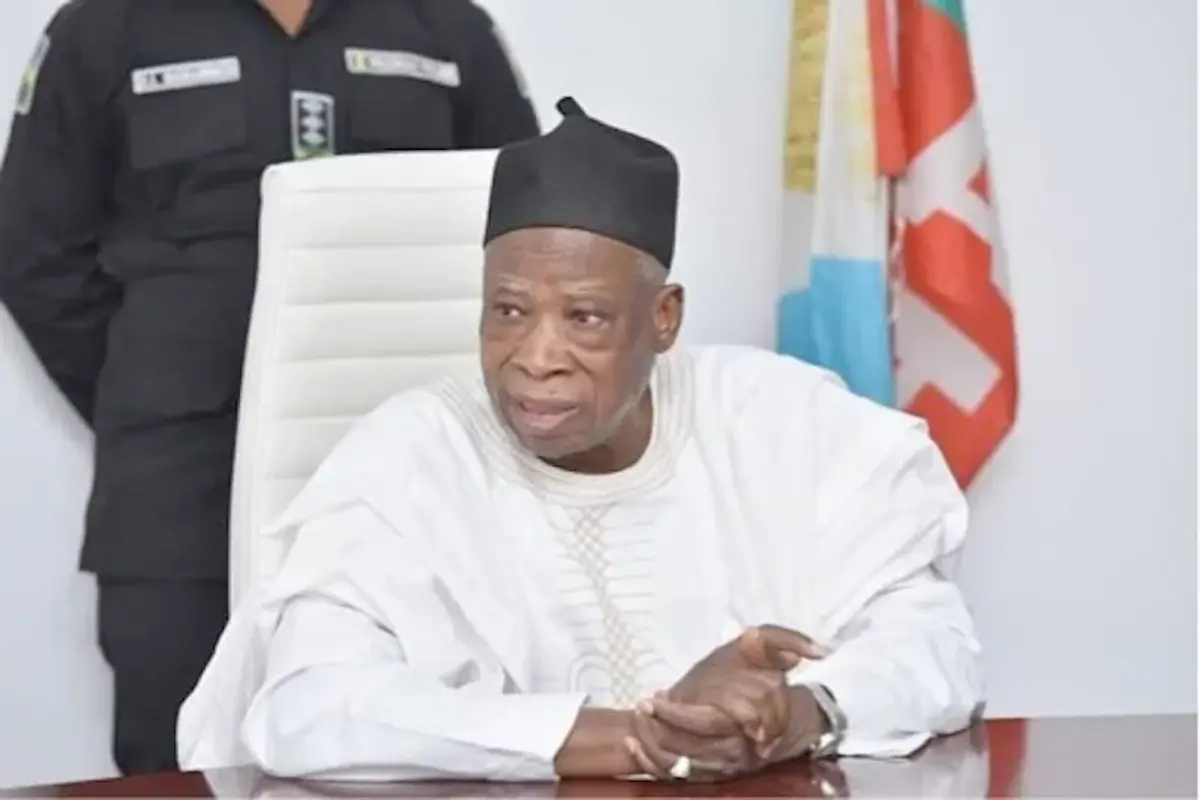
    There were a few shocks from the national assembly elections. The All Progressives Congress (APC) chair, Abdullahi Adamu, who vacated his seat (Nasarawa West) upon assuming the position of party chair, lost his senate district to Aliyu Wadada of the Social Democratic Party (SDP).

    [APC chair, Abdullahi Adamu / Vanguard]

    The senate spokesperson, Ajibola Basiru, a former attorney general of Osun representing Osun Central at the senate, lost to the People’s Democratic Party’s (PDP) Fadeyi Olubiyi.

    In the HOR, the deputy chief whip, APC’s Nkeiruka Onyejeocha from Abia, lost her re-election bid as she bowed out to Amobi Ogah of the Labour Party (LP).

    Fewer women seats

    While INEC is yet to release a full list of legislators who won seats in the national assembly, we can infer, based on the ones seen so far, that women’s representation in Nigerian politics still has a long way to go. Only three women made it to Nigeria’s senate.


    It’s disheartening as 378 women contested for office at the national assembly. We can only hope results from the March 11 elections boost better returns for women running for elective offices at the state level.

    Oshiomole and other familiar faces make their senatorial debut

    Former labour union chair, Edo governor and APC chair, Adams Oshiomole, has completed the quadruple as he clinched a seat at the senate. Oshiomole defeated the PDP incumbent, Francis Alimekhena, by some distance to earn a seat in the red chamber. 

    Oshiomole is not the only new entrant. Ned Nwoko of Delta North district, who has had his fair share of controversy, defeated the APC incumbent, Peter Nwaoboshi, who finished third. Jimoh Ibrahim, another controversial businessman representing the Ondo South district, is another new entrant to the senate running under the APC’s banner.

    Labour Party makes significant inroads into the national assembly

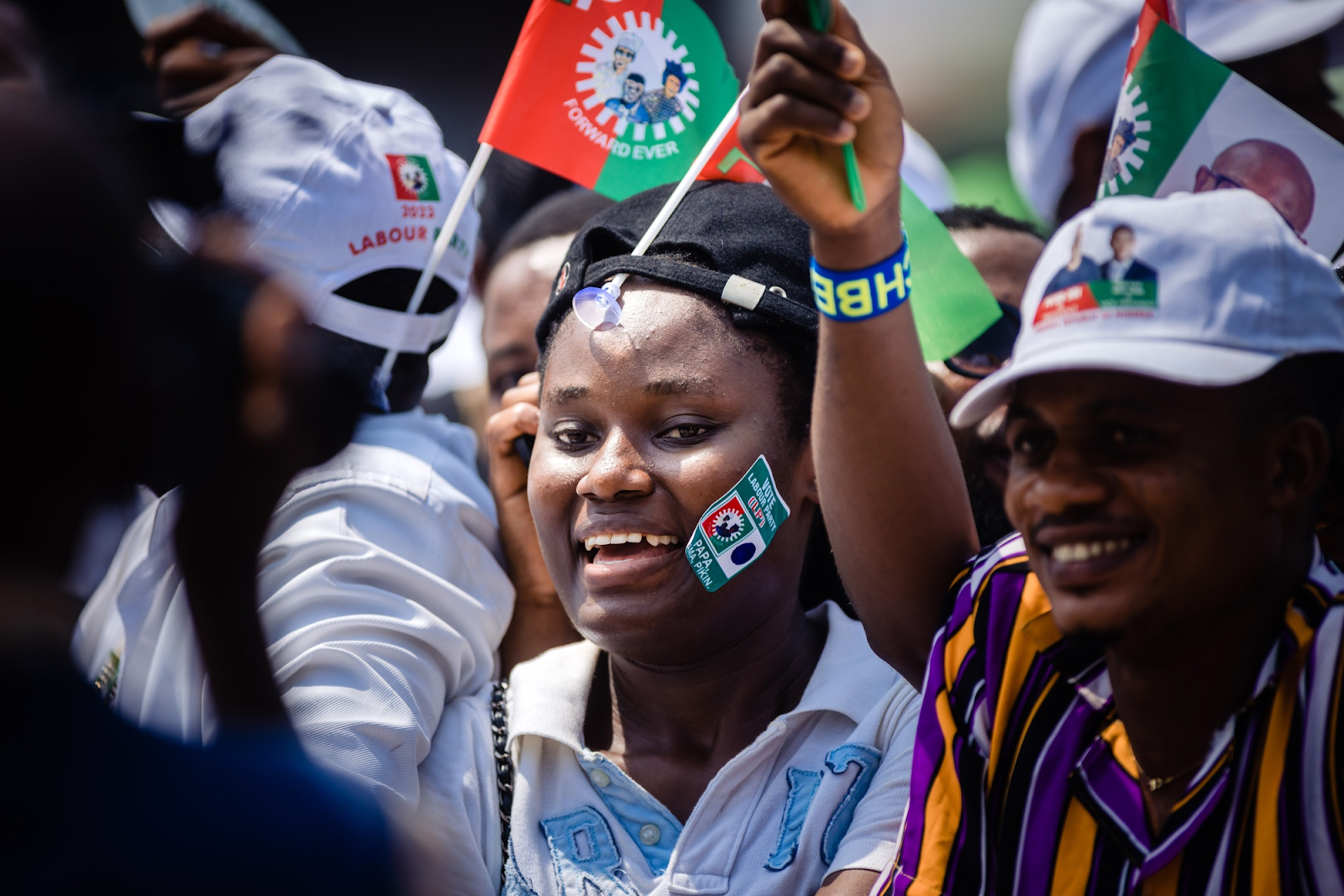
    [Labour Party Supporters / Bloomberg]

    Off the back of the Obidient movement, the LP can count itself as one of the big winners at the just concluded general elections. While the top position didn’t materialise, yet, the party can boast 40 out of 469 seats in the national assembly. These include six in the senate and 34 in the HOR. This is an impressive feat, given that the LP won zero seats in the 2019 elections. The tenth assembly is taking on a different structure now. Let’s see how it performs over the next four years.

  • Everyone dreams of retiring early with money that scares poverty for good. Nigerian politicians have discovered that the key to achieving this dream is being a member of the Senate.  

    What’s the Senate?

    Nigeria’s National Assembly consists of two chambers, the House of Representatives and the Senate. The Senate, also called the Red Chamber, is modelled after the federal Congress of the United States. For equal representation, it’s composed of 109 senators, with the 36 states represented by three senators each. 

    The Senate is the highest law-making institution in the country, with the authority to impeach the president, vice president, and other executive officials. 

    For many Nigerian politicians, the Senate seems to be where most of them hope to end their careers, and we’ve seen this repeatedly happen, especially with former governors.

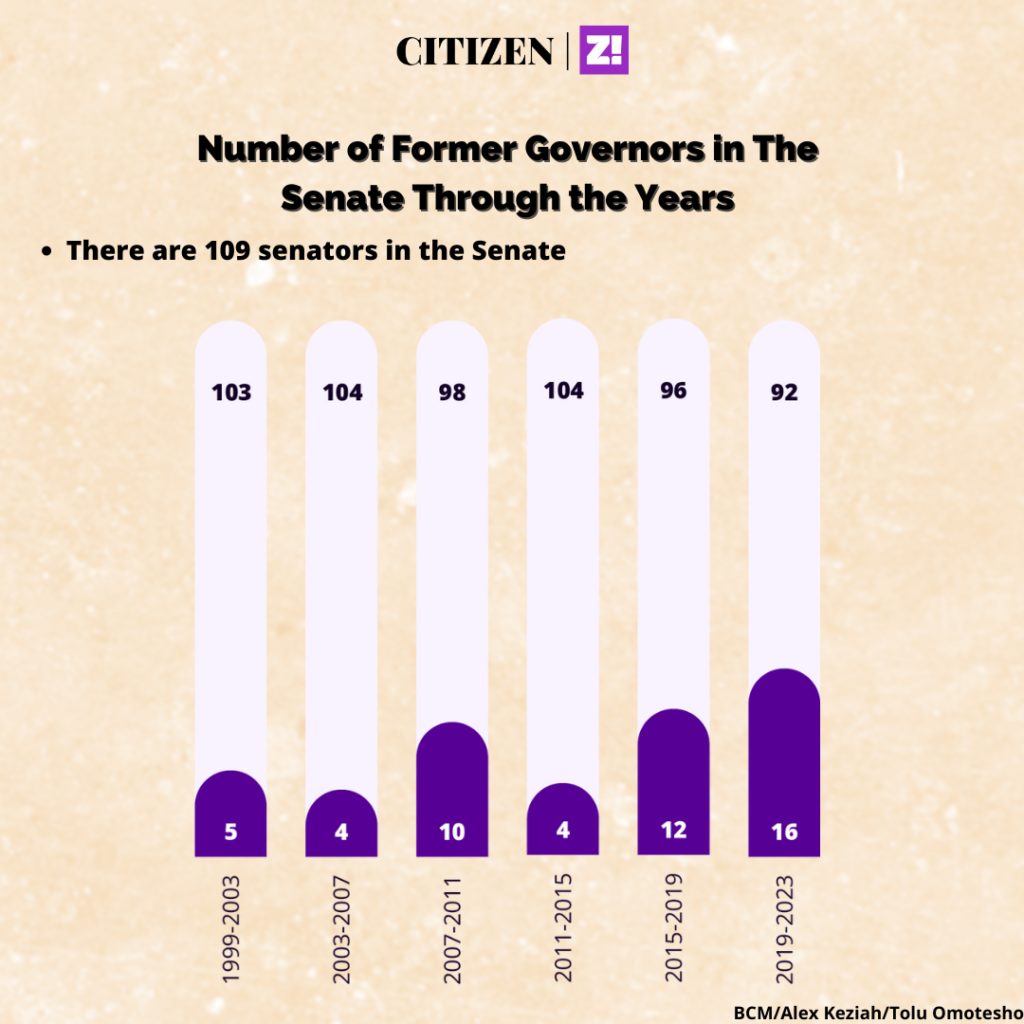
    The current 9th Assembly consists of 16 former governors representing their state. They are:

    Danjuma Goje

    He was not only the Minister of State, Power and Steel from 1999-2002 but also served as the Governor of Gombe state from 2003 – 2007 under the People’s Democratic Party (PDP). 

    He now represents Gombe Central in the Senate and was re-elected to represent the region in the 2023 national elections held on February 25, but this time, under the All Progressives Congress Party (APC). 

    Ibrahim Gaidam

    Ibrahim Gaidam is a three-term governor of Yobe state. He was formerly the deputy governor till he took office in 2009 when the then-Yobe state governor, Mamman Bello Ali, died of Leukemia. 

    Gaidam stayed in office till 2019, after which he joined the Senate to represent the Yobe East district. 

    Kashim Shettima

    Many people now know Shettima as APC’s vice-presidential candidate for the recently conducted 2023 presidential elections. He was a former two-term governor of Borno state, from 2011 to 2019, before representing Borno Central in the Senate. He is now the Vice-President of Nigeria in waiting.

    Aliyu Wammako

    He served as the governor of Sokoto state in 2007 and currently represents Sokoto North district in the 9th Assembly (2019-2023). 

    Adamu Aliero 

    He was the former governor of Kebbi state from 1999 to 2007, after which he became a senator representing Kebbi Central. 

    He was also re-elected in the elections held on February 25, 2023, defeating the incumbent governor of Kebbi state, Atiku Bagudu.

    Kabiru Gaya 

    Kabiru Gaya was the governor of Kano state from January 1992 to November 1993. He was elected to the Senate to represent Kano South in 2007. He has since remained in office for the past sixteen years. 

    Ibrahim Shekarau

    This former Minister of Education (2014-2015) was previously Kano’s governor from 2003 to 2011. He represents Kano Central in the Senate and won his re-election in the recently concluded elections.

    Theodore Orji Kalu

    Theodore Orji was governor of Abia state from 2007 to 2015. He currently represents Abia Central in the Senate.

    Orji Uzor Kalu

    This Nigerian politician also doubles as a businessman. He’s the Chairman of SLOK Holdings, the Daily Sun and New Telegraph newspapers. 

    Senate former governors represents

    He was Abia’s state governor from 1999-2007 and represented Abia North in the Senate. He was also successful in his re-election in the election held on February 25, 2023.

    Sam Egwu

    Sam Egwu was the governor of Ebonyi state from 1999-2007. He became a member of the Senate in 2015, representing Ebonyi North. However, he lost his third term bid as a senator in the last election to APC’s Onyekachi Nwaebonyi.

    Chimaroake Nnamani 

    Chimaroake’s a medical doctor who served as Enugu’s governor from 1999 to 2007. 

    He first joined the Senate to represent Enugu East in 2007. He lost the seat in the 2011 elections under controversial circumstances. He ran again for the same seat in 2015 but was again unsuccessful. However, his luck finally changed in 2019 when he beat the incumbent Senator, Gilbert Nnaji.

    Rochas Okorocha

    Rochas currently represents the people of Imo West in the Senate, but before now, he was their state governor from 2011 to 2019.

    Ibikunle Amosun 

    Amosun’s a two-term governor of Ogun state (2011-2019). 

    In 2019, he was accused of illegally importing about 4 million rounds of ammunition and many firearms without obtaining the necessary approvals. Despite calls for his arrest and probe, nothing was done. 

    Instead, he’s now a member of the Senate representing Ogun Central. Nigeria’s sometimes a joke that writes itself.

    Seriake Dickson

    Seriake Dickson’s a lawyer who, unlike many of his counterparts, was a member of the House of Representatives (2007 -2012) before becoming governor. 

    Senate former governors represents

    He was Bayelsa’s governor from 2012-2020 before joining the Senate to represent Bayelsa West.

    Abdullahi Adamu

    He was the governor of Nasarawa state from 1999 to 2007 and currently represents the people of Nasarawa West in the Senate.

    Tanko Al-Makura

    This politician and businessman was Nasarawa’s governor from 2011-2019. After this, he was elected into the Senate to represent Nasarawa South. 

    This trend of ex-governors becoming legislators has repeated throughout our history from as far back as 1999. Let’s break this down.

    Former governors in the 8th National Assembly (2015-2019)

    • Enyinnaya Abaribe: Deputy governor of Abia state from 1999-2003. He joined the Senate in 2019 to represent Abia South.
    • Theodore Orji: joined the Senate in 2015 and represents Abia Central.
    • Godswill Akpabio: joined the Senate in 2015 and represents Akwa Ibom North-West district.
    • Akume George: Benue state governor from 1999-2007, joined the Senate in 2007 to represent the people of Benue North-West.
    • David Mark: Niger state governor from 1989-1990, joined the Senate in 1999 to represent Benue South.
    • Sam Egwu: joined the Senate in 2015 to represent Ebonyi North.
    • Rabiu Musa Kwankwaso: Kano state governor from 1999 to 2003 and 2011-2015. He became a senator in 2015 to represent Kano Central. 
    • Bukola Saraki: Kwara state governor from 2003-2011. He became a senator in 2011 for Kwara Central. 
    • Jonah Jang: Plateau state governor from 2007-2015. He joined the Senate in 2015 to represent Plateau North
    • Abdullahi Adamu
    • Aliyu Wammako
    • Sani Yerima: Zamfara state governor from 1999-2007. He joined the Senate in 2007 to represent Zamfara West. 

    Former governors in the 7th National Assembly (2011-2015)

    • Abdullahi Adamu
    • Danjuma Goje
    • Sani Yerima
    • Bukola Saraki

    Former governors in the 6th National Assembly (2007-2011)

    • George Akume
    • Sani Yerima
    • Abdullahi Adamu
    • Danjuma Goje
    • Godswill Akpabio
    • Theodore Orji
    • Aliyu Wammako
    • Sam Egwu
    • Rabiu Musa Kwankwaso

    Former governors in the 5th National Assembly (2003-2007)

    • David Mark
    • Felix Ibru: Delta state governor from 1982-1983. He joined the Senate in 2003 to represent Delta Central district.
    • Tunde Ogbeha: Akwa Ibom governor from 1987-1988. He joined the Senate in 2003 to represent Kogi West. 
    • Iyiola Omisore: Deputy governor of Osun state from 1999-2003. After his time as deputy governor, he joined the Senate in 2003 to represent Osun East.

    Former governors in the 4th National Assembly (1999-2003)

    • Ike Nwachukwu: Imo state governor from 1984-1985. He joined the Senate in 1999 to represent Abia North.
    • Melford Okilo: the first governor of Rivers state from 1979-1983. He joined the Senate in 1999 to represent Bayelsa. 
    • David Mark
    • Maina Maaji Lawan: Borno state governor from 1992-1993. He joined the Senate in 1999 to represent Born North. 
    • Ali Modu Sheriff: Borno state governor from 2003-2011. He joined the Senate in 1999 to represent Borno Central. 

    It’s not surprising that in certain areas, Nigeria might be considered backward. Some legislators have been in power since the 90s with the same old ideologies. It’s almost like the Senate has become a vacation home with guests who refuse to leave for new people and minds to take over. 

    We hope this changes eventually, but looking at what has happened recently in the elections, it might be difficult for this to happen anytime soon. 

  • Without question, house-hunting in Nigeria is the ghetto

    On top of paying agents outrageous inspection fees to show you overpriced apartments that look like crack dens (looking at you Lagos), you can also occasionally encounter ridiculous rules that border on discrimination.

    “The area does not flood, as long as it doesn’t rain.”

    Added to all this, your prospective landlord wants you to pay a year’s rent in advance. Or two years. Or three, if the wickedness is sponsored by your village people.

    That last part may be changing soon if things work out well in Abuja.

    A bill to regulate annual rent payment was introduced for the first reading in the Senate on January 18, 2022.

    The bill was sponsored by Senator Smart Adeyemi (Kogi West – APC) and was presented for second reading and debated in the chamber on February 1.

    We don’t have the document because it’s not been made public yet, but here’s everything we know about it from what has been said in the Red Chamber:

    The bill only applies to the FCT

    Paying annual rent is a big headache for tenants in Nigeria

    Non-FCT tenants feeling intense jealousy

    The full title of the bill is “A Bill for an Act to Regulate the mode of payment of rent on Residential Apartments, Office Spaces, etc in the Federal Capital Territory (FCT) and for other matters connected therewith, 2022 (SB. 893).” It’s a mouthful, I know.

    One thing the title tells us is that this bill only applies to residents of the FCT. This is because housing is a state issue, and the National Assembly can only make a law of this nature for the FCT which it has state legislative control over.

    Only the Houses of Assembly of the other 36 states can separately legislate on the same issue for their territories if they want.

    Rent advance reduced to 3 months maximum

    The rent control bill, if passed, will stop landlords from asking tenants to pay advance rent of more than three months in the FCT. This is to be followed by monthly payments starting from the fourth month.

    The average advance rent requested by landlords tends to be one year, but Senator Adeyemi and others who support the bill believe it places a huge burden on tenants, especially low and middle-income earners struggling in these Sapa times.

    When the bill passed first reading last month, the lawmaker said, “Many people are involved in corrupt practices to get their rents paid, while the ladies took to prostitution.”

    From where to where?

    There’s opposition to the bill

    Of course, the bill has haters. Chief among them is former Enugu state governor turned lawmaker, Senator Chimaroke Nnamani (Enugu East – PDP) whom we cannot say for certain is not a closet FCT landlord.

    In his argument against the bill, he said advance payment timelines should be determined by market forces such as availability of land, cost of building materials and income.

    The senator implied that if the government has such a hard-on for resolving pressing housing issues, “Government can go into housing schemes, mortgage schemes, housing credit facilities, not control the business of private individuals in an emerging African democracy.”

    It's not surprising that landlords don't want annual rent payment controlled

    They may take our lives, but they will never take our three years advance rent!”

    The rent control bill is set for public hearing soon

    The bill has been passed for a second reading and referred to the Senate Committee on Housing to report back within four weeks.

    The committee is charged with conducting further legislative action on the bill. This process includes a public hearing that you can attend to contribute to the final draft. So if you only want to be paying your landlord weekly, they will at least hear you out.

    The bill will then be returned to the chamber for a third reading and will be passed or rejected.

    If passed, it will be forwarded to the president, who is an FCT homeowner himself, to sign into law or reject.

    The final decision to pass the annual rent bill lies with Buhari

    “So I must sign this and block my own bag? Is this a prank?”

    The bill is long overdue

    The annual rent system in Nigeria has come under public attention many times, and the only real surprise here is that it took this long for the National Assembly to attempt an intervention.

    The Minister of Works and Housing, Babatunde Fashola, has long campaigned for landlords to switch to a monthly rent system which is practised in many developed countries.

    Supporters of rent control argue that the annual payment system has worsened inequality in housing supply, but real estate developers have argued that there are no adequate frameworks to protect landlords if tenants default in a monthly payment system.

    If passed into law, Senator Adeyemi’s rent control bill is expected to encourage similar legislation in other states (looking at you, again, Lagos).

    Every state in Nigeria could have an annual rent bill if this one is successful

    Non-FCT tenants calling their state legislators right now to start cooking their own rent control bill

  • Citizen is a column that explains how the government’s policies fucks citizens and how we can unfuck ourselves.

    Lawal Adijat Opeyemi of the New Nigeria People’s Party (NNPP) will be contesting in the Lagos East Senatorial by-elections which is scheduled to hold this Saturday, December 5, 2020.

    The by-election became a necessity after the death of Senator Bayo Osinowo earlier this year, who represented Lagos East Senatorial district, following a brief illness.

    A by-election is an election that is held to fill a vacant legislative seat when a member of the legislature has resigned or died, and their seat has been declared vacant.

    The New Nigeria People’s Party (NNPP) will be represented in the Lagos-East senatorial by-election by Lawal Adijat Opeyemi, who will be joined by 11 other senatorial aspirants.

    Read: Everything You Need To Know About The Upcoming By-elections

    Lawal Adijat Opeyemi

    A cursory glance at Adijat Lawal’s social media platforms highlight her plans as a Senatorial candidate.

    According to her: “Our nation needs a change in governance. She needs the forward thinking generation who are willing to follow through with their words and promises by taking positive steps towards achieving a unified goal”.

    She has also said that, if elected into office, her Senatorial office will run an open policy where citizens have access to her.

    She adds that empowering women and youths is a promise she’ll deliver on once she gets into office, and that “moving forward together is our utmost purpose”.

    Lawal Adijat Opeyemi’s Manifesto

    Lawal Adijat’s manifesto is based on two key points of: value and accomplishments.

    According to her, she values people and resources, and that she intends on making the best use of people and resources.

    On accomplishments, she says she will develop community connections, work closely with leaders and youths, and work hard at empowering and developing women, who make up 60% of her electorates. This includes market women, widows, and elderly women.

    You can keep up with Lawal Adijat Opeyemi’s campaign promises and activities on Twitter and on Instagram.

    We hope you’ve learned a thing or two about how to unfuck yourself when the Nigerian government moves mad. Check back every weekday for more Zikoko Citizen explainers.

  • For a state as dysfunctional as Nigeria, certain things surprisingly occur like clockwork. For instance, you can be certain politicians will catch the slumming bug at the start of an election cycle, taking sudden interests in street food and market women affairs. Or how sometime during the year, you can bet your last Apple Capri-sonne, at least one politician will be fingered for misappropriated funds entering into the hundreds of millions of Dollars.

    Yes, like clockwork, it’s almost a given that the mace of a state or even the National Assembly will be snatched ⁠(and not in the way your waist in last Sunday’s outfit was) at the first signs of trouble for the Speaker of the house in question.

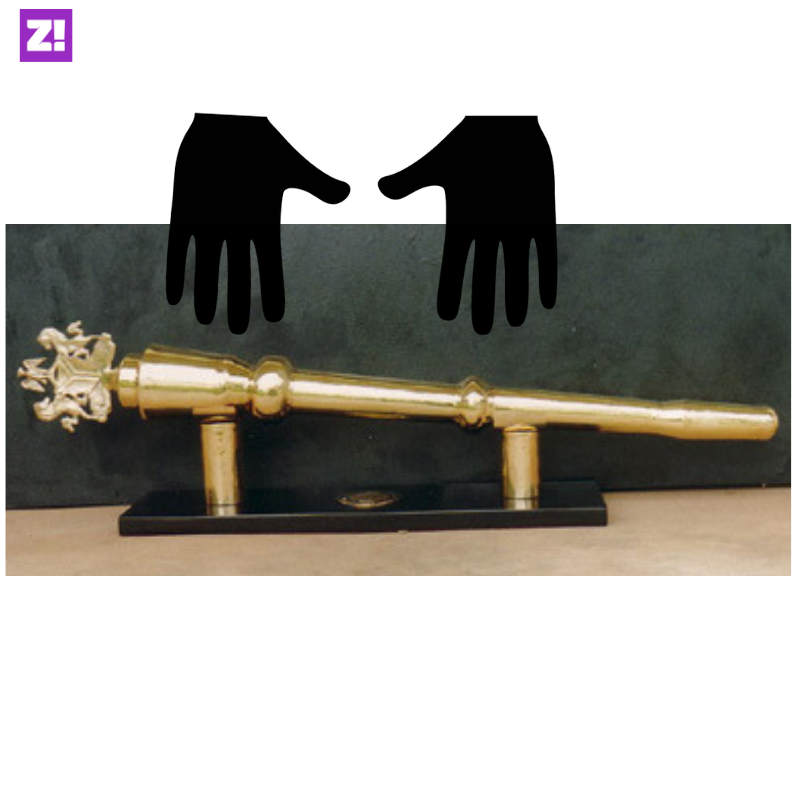
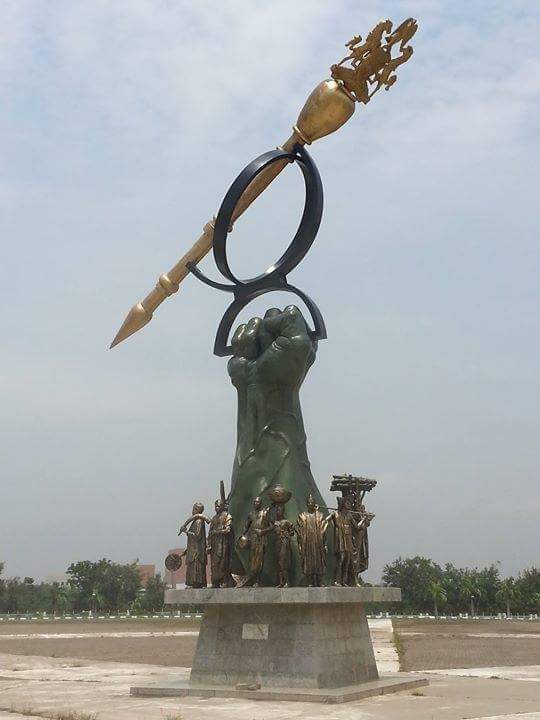
    Now to backtrack a little, the mace is a symbol of authority for the Nigerian legislature. In the past you may have taken it to be a rather intricately designed spear, to be hurled at unruly lawmakers during sessions ⁠— or at least my overly imaginative 6-year old brain did. But what it truly represents is legitimacy for any sitting of the Senate; without which, a recognised sitting of the house cannot hold.


    As true beacons of respectability in the state, the lawmakers know of and appreciate the power of the mace. It is why, rather than having disagreeable decisions made in its presence, they steal it altogether to ensure the right decisions (as they see it!) are made.

    Embarrassing us to no end and adding several feathers to the cap of Nigeria’s most unfortunate events, here are some instances of the sacred mace being snatched by members/agents of the country’s legislature:

    1. Stolen In Kaduna

    On September 24th, 2013, following a power play to remove the then Speaker of the Kaduna House of Assembly – Alhaji Usman Gangara, and other leaders of the state legislative house for poor and uninspiring leadership, the mace mysteriously went missing.

    Well, that is if you call the speaker, Alhaji Gangara coming in earlier in the day of September 24th to retrieve the mace so no legitimate session would hold ⁠— mysterious.

    Unfortunately for him, the remaining members of the house, using the mace previously adopted by the former legislature, decided on his removal, and appointed another speaker – Alhaji Shehu Tahir (PDP-Giwa West), as the new Speaker, by 19 out of the 34 member legislature.

    2. Whisked away in Rivers State

    2013 was a busy year for mace theft. Back then, while Rotimi Amaechi served as state governor, the House of Assembly was divided into 2 blocs in the state – one which pledged loyalty to Amaechi and the other to the present day governor of the state – Nyesom Wike, who was then serving as the state minister for education.

    27 members were loyal to Amaechi, while 5 picked sides with Wike.

    Those 5 however, announced a move to impeach the speaker of the house – Mr. Otelemababama Amachree; causing a ruckus that saw the very grown, very respectable remainder of 27 members of the house, taking away the mace forcefully, until 3 out of the 5 members were injured.

    3. Spirited away in the Senate.

    Mr. Chuba Okadigbo served as  Senate President between the years 1999 and 2000, before an alleged involvement in a contract scandal led to his impeachment from the office.

    But let it never be said that he didn’t put up a fight to retain his seat. Upon word reaching him that a plot to remove him was underway, the Senate President adjourned the house and took the mace away from the National Assembly to an unknown location.

    The mace was on one part stated to have been hidden away in Ogbunike, Anambra State. Then there was talk that it was being kept in the safety of a 7-foot python. His private residence was visited by members of the police where he and members of his household present were harassed to divulge the whereabouts of the mace.

    However, despite his best efforts, he was voted out on the night if August 8, 2000 by a session presided by John Azuta Mbata, who was acting as Senate President Pro Tempore.

    4. Carted off in Anambra

    In 2017, following allegations of financial impropriety and gross misconduct, plans were in the offing to remove the speaker of the Anambra House of Assembly – Mrs. Rita Maduagwu.

    On April 6, 2017, while present in the house at time motions were being laid in favour of her removal, the Speaker quietly made away with the mace to prevent the plot from going through, surprising the majority present in the house to carry out the impeachment procedures.

    Despite best efforts however, her removal was confirmed on November 30, 2018, with a majority of 20 to the 30 members of the House of Representatives.

    5. Abducted in Abuja

    When you get upset, do you:

    a.Throw a tantrum

    b.Eat the pain away, or

    c. Examine the reason for your dejectedness and find ways out of it?

    For Delta State lawmaker, Ovie Omo-Agege, the answer would be none of the above. Upset with his suspension from the Senate on April 12, 2018 for refusing to support the Electoral Act Amendment to re-organise the order for the elections (a perceived act against President Buhari) — sitting and sulking away his hurt would not suffice.


    Instead, he did what any rational thinking lawmaker would do — invading the National Assembly with thugs and stealing the mace. He denied any involvement with the abduction of the mace despite being seen in full view leading the thugs into the building, and the mace was eventually discovered at the City Gate, Abuja.

    For all his effort, Omo Agege is being considered a contender for the Deputy Senate Presidency. Don’t you just love highly unlikely happy endings and things coming full circle?