• 2025 was a year of reckoning for Nigerian music. Not because it lacked enduring and crossover hits, but because artists were forced to slow down and go back to the drawing board. Some artists took risks, some raced for dominance, while others made deliberate statements in a series of releases. Additionally, the underground movement made its mark with fresh and innovative sounds.

    Across genres, albums arrived with clearer intentions, deeper emotional stakes and an impressive commitment to craft. This list highlights the projects that did more than carry us through 2025 with bold sonic experiments, catchy anthems, and intimate reflections.

    20. No Sign of Weakness — Burna Boy

    In No Sign of Weakness, Burna Boy returns to familiar territory. The one that comes with snarling defiance, bravado and self-protection. But the armour now feels worn. The African Giant persona, once driven by underdog hunger, has hardened into a defensive shell. The album cycles through battle cries, ego massages and echoes of paranoia, with Burna Boy sometimes sounding more intent on guarding his legacy than expanding it.

    His trademark fusion of reggae, dancehall, afropop and r&b melodies remains. The lyricism asserts dominance, responds to detractors and reflects his own human nature. Weariness may be lurking, but Burna Boy’s prolific work rate is undeniable.

    Listen: Apple Music | Spotify

    19. 5IVE — Davido

    Davido’s 5IVE arrives as a confident and drama-free statement from an artist firmly in his element. It had a rollout that was a masterclass in modern afrobeats marketing and set up expectations for a new chapter in his sound. Musically, the album leans into afrobeats, amapiano and r&b-influenced production. Throughout 5IVE, Davido’s worldview feels triumphant and assured, echoing biblical metaphors tied to his name and celebrating resilience in both his personal and career journey.

    However, while the production value is high and features are mostly impressive, the writing often feels surface-level, especially in its treatment of love and relationships. The lyrics favour catchy phrasings over deeper, emotive songwriting. Songs like “10 Kilo” nod to an older cultural moment, while tracks like “Holy Water” and “With You” keep the momentum going. In all, 5IVE may not be Davido’s best work, but it’s a solid and memorable release that reflects his current state.

    Listen: Apple Music | Spotify

    18. CATHOLIC BOYS — Latino Perrico

    When Latino Perrico isn’t in an art studio painting on canvases, he’s writing rap verses and spitting bars that reflect his personal life, professional drive, and Igbo heritage. On his latest, Perrico’s Catholic upbringing is at the intersection of rap music. He thoughtfully examines faith, tradition and patriarchy. It’s definitely not religious, but CATHOLIC BOYS is perhaps the closest secular equivalent of what “Behold Among Men” or “Ami Nyekom Obong” is to a Catholic faithful.

    It gets more special with a verse from the legendary Modenine, and a tight-knit roster of relatable rappers like Jeriq, Shewrotee, Mxna and Quincy Raph — all from the same ethnic background and sharing the same walk of faith. This is a special homage to his Catholic upbringing. If you find priests, acolytes or altar servers looking for enjoyable rap music, send this to them.

    Listen: Apple Music | Spotify

    17. Healers Chapel — Wizard Chan

    It’s been five years since the release of Halo Halo, and Wizard Chan has stayed busy building a universe of his own. As a contemporary voice driving the Gyration style of music from the South-South, he flourishes on creativity and universal worldviews.

    In tracks like “By the River”, “In My Defence” and “Sober,” he takes a minimal but deeply introspective route, and amps up the mood on songs like “Amen (God My Dealer)” and “Oh My Home”, reflecting the joy of communal gyration. The rest of the album taps into faith and emotive musings. Healers Chapel moves between traditional and hip-hop production, evoking a sense of familiarity, relief and wonder.

    Listen: Apple Music | Spotify

    16. SUNZ ON PEGASUS — Mxps Rellington and Igho Mike

    It’s been an exciting year for Nigerian hip-hop, especially outside the label-powered mishmashes made to hustle the charts. On the other side of the radio, SUNZ ON PEGASUS grooves on soul-drenched and hazy drumless loops and body-gearing boombap. It’s refreshing, contemporary, and minimalist, yet dark and shiny enough to inspire breathtaking, street tales in precise rap verses. With experience and lessons from the trenches, Mxps Rellington and Igho Mike bring heartfelt stories that feel like a noir thriller movie.

    Listen: Apple Music | Spotify


    Subscribe to Zikoko Pop newsletter, The Feed, for the most important pop culture news


    15. AFRIKA MAGIK — Show Dem Camp

    AFRIKA MAGIK comes at a time when the world (read: Nigerian fans of Show Dem Camp) itches for, or perhaps needs, another Clone Wars-type music project. The economy is still weakened, and the standard of living is still kissing the dust. In fact, all the ills, issues and epigenetics of Nigeria that have been presented in the Clone Wars series are still prevalent today. But this isn’t that. This is contemporary Nigerian, particularly Lagos stories in a groovy, afro-centric hip-hop way.

    It’s in this realisation that one finds the beauty of this album: free-form, loose in concept and alive with vibrant features and production. In not carrying the weight of the world on their heads and shoulders, they have time to be mundane, to be like everyone else, to find their own little joys and chase inspirations and side quests.

    Listen: Apple Music | Spotify

    14. The Feast — Falz

    Since his early days as a comic content creator and rapper with several viral moments, Falz the Bahdguy has grabbed listeners’ attention with humorous, relatable pop references ranging from Nollywood’s Toyin Tomato to Skiibii’s fake death. Don’t forget Falz has catchy and killer hooks too, whether he’s dedicating an album to a personal situation or the socio-political state of the nation.

    On his sixth solo album, the qualities that brought him into the limelight remain intact, but they are now shaped by maturity rather than whimsy alone. The extremely goofy edge of his “Wazzup Guy” era has faded, replaced by a more reflective and conscious artist who turns onward to examine himself and society with greater clarity and intent. The focus and title of the album are inspired by the need to feed his fans with substantial music after a brief break. Throughout the album, he explores his place in Nigerian music, romance, body positivity, lit turn-ups, and personal history.

    Listen: Apple Music | Spotify

    13. I Dream In Colors — Magixx

    The journey of life overflows with deep waters. Magixx recounts on his debut album, I Dream In Colors, all the times he almost drowned and how he keeps his head above water. He finds resilience in his openness to let vulnerability run at the core of his debut. Magixx slows down the flow to a controlled tempo, with moody production as the album shifts from afropop and Igbo gyration to r&b, busted-and-blue chords and tungba-tinged soundscapes.

    His lyricism is honest, stark, sensual, and sometimes shallow or saccharine. But he impressively balances them with reflections on personal burdens, vices, love and relationships, loss and heartbreak, and lingering doubt and triumphs. Even while navigating struggles, I Dream In Colors carries a hope that the past may linger, today may hurt, but the future is all that really counts.

    Listen: Apple Music | Spotify

    12. Cavy In the City — The Cavemen.

    Since their early appearances on tracks with the likes of Femi Leye and Lady Donli, the musical sibling duo have ingrained themselves in the fabric of contemporary Nigerian music. From playing at the BBC Proms and the Love Supreme Jazz Festival to serving as musical directors of Wizkid’s historic More Love, Less Ego concert at Tottenham Hotspur Stadium, the Okorie brothers continue to actively negotiate tradition and show younger generations that highlife still lives and breathes.

    On Cavy in the City, The Cavemen. step out of the nostalgic shadows of their debut and into a more consciously crafted, modern sound. Their music is no longer about paying homage to the music that raised them, but about expressing themselves in the present day. ROOTS and Love and Highlife are raw and rooted in imagined highlife music of the 1960s. At the same time, Cavy in the City incorporates contemporary elements without compromising the rhythmic strengths of the genre.

    Listen: Apple Music | Spotify


    READ NEXT: The 10 Best Nollywood Movies Of 2025


    11. Olamidé — Olamide

    This is Olamide’s twelfth album and a peek into who he is, what he likes, and how he thinks at the moment. His bursts of singing explore romance, sex and the thirst for a good time. Olamide lays it bare on the opening track, “Prelude”, echoing the efforts of finding and realising purpose.

    As the music moves from rowdy keys to bouncy afropop and dancehall pockets, Olamide keeps the groove sparkling. Tracks like “99” and “Kai” have trended across TikTok and the charts, turning his songs into instant pop hits with lasting appeal. Over a decade and a half in the game, Olamide is still consistent, relevant, churning out hits; it’s this rare mix among his peers that makes Olamidé one of 2025’s standout albums.

    Listen: Apple Music | Spotify

    10. XOXO — Lojay

    XOXO is a snapshot of Lojay’s catchy melodies, sharp songwriting, dance-ready jams, soul-rendering pop ballads and emotional complexities. All these elements that established him as a generational talent on EPs like LV N ATTN (with Sarz), GANGSTER ROMANTIC and Loveless (with JAE5) aren’t missing on his debut album.

    “Memory” recollects a heartbreak story, “Somebody Like You” throws him into a state of longing, and songs like “Mwah!”, “Shiver”, and “Miss Mariana” are sensual yearnings that are as effective as any pickup line. Lojay’s long-awaited album is here, warmly giving or demanding hugs and kisses, depending on how you see it.

    Listen: Apple Music | Spotify

    9. GE3 (The Beginning) — A-Q

    Two decades into the game, A-Q makes his best album. GE3 (The Beginning), the last of his God’s Engineering trilogy, is filled with the knowledge he has gained. He begins with his humble beginnings in Surulere, Lagos, then segues into braggadocio and the state of Nigerian hip-hop, the music business, industry politics, national history, and online validation. Despite the dense and overflowing rap verses on this album, A-Q adds colour by featuring artists such as Qing Madi, Ajebo Hustlers, Terry Apala, and Dwin, the Stoic.

    He is in his big homie phase, dropping life lessons in songs and including talents such as Blaqbonez and Bkay, which he helped push to wider audiences. A-Q raps blazingly hot, but he sounds sobering. If a curious mind asks who’s really rapping in 2025 and consistently in the last decade, the unbiased answer to the question is A-Q.

    Listen: Apple Music | Spotify

    8. This One Is Personal — Tiwa Savage

    Interview clips and excerpts that went viral during the media run of Tiwa Savage’s latest and fifth studio album might have overshadowed the music. But This One Is Personal, which she once called her last body of work, is a damn good album. It interestingly feels like a cinematic scene of a woman letting her hair down. African Number One Bad Girl relaxes the persona to let Tiwa Savage dominate.

    Just like the artwork, which sees Tiwa atop a huge pile-up of mattresses, the music is a heap of parallels. It is the crush of heartbreaks and the flames of new love, the weight of celebrity and unseen private battles, undying ambition and unseen fatigue, the emotional and psychological tolls of tabloids and trolls, self-scrutiny and grace. Above all, this is Tiwa Savage at her best, in her r&b bag.

    Listen: Apple Music | Spotify

    7. Virtuoso — Rybeena

    Rybeena is likely to end as one of the best voices of Nigerian street-pop. His songwriting equally probes existentialism (from angles of the three major religions in this part of the world) as much as it lusts for luxury and mundane experiences. When he sings, his baritone blasts out like a 5 a.m. call-to-prayer if possessed by an Ajiwere born in the digital era. The mastery and interpretation of combined multiple Yoruba music styles and modern genres into a refreshing personalised delivery is a successful attempt on Virtuoso, his debut album.

    “New Taker” is a Fuji-tinged song that reminds new money that riches come and go; when/while you (still) have, invest in what will save you on rainy days. “Ivory Coast” borrows from Makkosa. The patterns of Ebenezer Obey’s juju, as well as Simi’s alternative pop, show up in “Despasito.” The highlight is “Agba Singing”, a life-na-jeje and aspirational song that drags the crowd to an amapiano party.

    Listen: Apple Music | Spotify

    6. Fuji — Adekunle Gold

    The title of Adekunle Gold’s acclaimed yet divisive album is more a personal narrative than a special nod to Fuji music.

    The main goal of Fuji, which is also an acronym for “Finding Uncharted Journey Inside,” is that Adekunle Gold spent the past decade exploring diverse music styles, and it’s time to cross genre lines again and establish an elderly statesman, or perhaps Don Corleone status, while at it. He has earned an OG status anyway.

    Since his debut in 2014, he has remained relevant, releasing an album almost every two years, marrying a famous singer, becoming a father, collaborating globally, and appearing at several international music and fashion shows. Adekunle Gold returns with a more cultural move. He’s commanding attention like never before, and he knows it. Take the door-breaking album opener “Big Fish.” Adekunle’s very opening lines on the song go: “You know I came into the game since 24 / Ogo wey dem never see before / Make or break and I made my decision / Ni mo gbe were wole, new dispensation.” It only gets bolder from here.

    Listen: Apple Music | Spotify


    Get More Zikoko Goodness in Your Mail

    Subscribe to our newsletters and never miss any of the action


    5. Sweet Songs 4 You — TML Vibez and Lasmid

    Nigeria’s TML Vibez and Ghana’s Lasmid, two artists whose music usually favours the street, are at their best love-struck, heavy with emotions they can only untangle in songs. Surprisingly, Sweet Songs 4 You offers an intimate window into their inner world.

    Set against lush production, they move with personal styles and zero constraints. Anchored by their songwriting, TML Vibez and Lasmid lay bare vivid reflections on longing for lasting love, romantic getaways, canal desires, and the need to be seen beyond fame. Throughout the album, they find refreshing ways to sing about matters of the heart, and they do it with ease.

    TML Vibez is one of the most versatile street-pop artists right now. He displays how effortless it is for him to shift from hustle mode to make tracks like “ghana jollof” or “ololufe” that sound like he has been spending the last three months in the most romantic relationship and not writing about his previous grimy life in a street kid diary. Lasmid excels at maintaining creative and consistent melodies. Musically, the two of them level up here.

    Listen: Apple Music | Spotify

    4. SPIRAL — Tim Lyre

    Tim Lyre has an innate ability to tap into personal experiences. Whether it’s love, death of ego, existentialism, sonder or socio-politics, he knows how to reimagine them into a tight-knit artistic production.

    SPIRAL captures Tim Lyre at a crossroads. He’s reflecting on his past, charting his present and examining his environment. In the two-and-a-half years that it took to create this 16-track double-sided album, Tim Lyre had been in an accident, been stolen from — all these experiences transform into the narratives about loss, relationships and motivation. “Miles”, featuring Moelogo, is grounded in hope. “Economy” with Show Dem Camp explores the state of the country and the financial situation of the masses. The album closes out perfectly with “WAY/2/ME,” which mirrors Tim Lyre’s journey and his current phase of rediscovery.

    Since his SoundCloud days in the late 2010s, Tim Lyre has always expressed himself through his music. And with SPIRAL, he writes the most plainspoken and absorbing parts of that narrative so far.

    Listen: Apple Music | Spotify

    3. Chapter 1: Where Does Happiness Come From? — Made Kuti

    Four years past For(e)ward (2021), Made Kuti marches into a new adventure to find where happiness comes from. In an exhilarating 55-minute performance that’s a revolution, revival and racing respiration packed into a rave, he steep deeply into temperate admonition. Like every Afrobeat musician, Made balances political and social commentary with musical depth, confronting societal excess and violence through songs like “Life As We Know It.”

    But there’s a bigger purpose here. Chapter 1: Where Does Happiness Come From? highlights the need for genuine connection in a digitised world. It calls for a new kind of change that starts from within. It reaffirms that authentic happiness stems from individual and collective responsibility, rather than external factors.

    Listen: Apple Music | Spotify

    2. SABALI — Peruzzi

    Rebirth takes patience. Peruzzi’s new album SABALI proves that. It took him approximately 1,700 days after the release of the unappreciated two-sided Rum & Boogie album (2021). Rum & Boogie laid the foundation for his new album, showcasing an entirely new facet of Peruzzi’s artistry and songwriting, something different from the recognisable melodies of hit songs that credit him as writer and composer. On SABALI, Peruzzi makes his pen bleed, hitting on the undeserved ignore his music gets. While not making that his central theme, or necessarily presenting it as a validation dependency, he’s reproving the acknowledged fact that he’s a brilliant artist who fits in any musical pocket he finds himself in.

    He goes from the fiery drill of “El Sucio Guapo” to sensual reggae on “Legalize” and “Ecstasy” and fusions of highlife on “Cooking Pot” and “Mad Oh” with The Cavemen.

    In mainstream afrobeats, taking four to five years to release a project, while stabilising an identity, is usually a risky artistic route, especially if you aren’t a Big 3. Many music consumers have expressed frustration with albums spanning more than 15 tracks, but SABALI’s 52-minute runtime is an easy listen and barely grating. Titled SABALI for a reason, the album fully rewards patience.

    Listen: Apple Music | Spotify

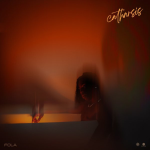
    1. catharsis — FOLA

    As often seen in music around the world, first albums are mostly either trailblazers and propellers or disasters. FOLA’s first EP, what a feeling, and the public’s reception made it apparent that the 24-year-old singer-songwriter is ready to deliver a major killer debut project, rather than a first-time guillotine that takes him to slaughter. And not only is catharsis the best album of 2025, but as a music project that’s two minutes short of what the traditional industry term ‘album’ implies, it reiterates that artists are the deciders of what is conventional or not, norm or not, hot or not.

    FOLA has had a great year: he’s the biggest breakout act of the year, released a widely-acclaimed and longest-running No. 1 album of the year, top-charting songs, threw his first sold-out (and overcrowded) headlining show, and is the top-lover boy in afrobeats this year. Thanks to a personal and emotionally-driven music that brings his romance and self-reflection to the forefront of his songwriting. Across catharsis, FOLA fully embraces his pop-star, though the pressures of rising stardom are inescapable.

    afrobeats-infused r&b drives the grooves of most of the tracks, which move between romantic complexity and ambition. When there’s a break in mood on “disco” featuring Young Jonn, the album shifts from introspective tension to a lighter performance.

    What’s next for FOLA after such a fruitful year is consistency, quality and breaking into a new artistic peak that keeps him above streams and popularity.

    Listen: Apple Music | Spotify

    Honourable mentions:

    Detox — Sewà

    Journey Through Life — Femi Kuti

    Viva La Vida — Joeboy

    Omoboy — PayBac iBoro

    Greatly Exaggerated — Damon Grass

    Dream Man — Oyedele

    Files ‘26 — cosamote

    Vice Versa — President Zik and Hotyce

    No Excuses — Blaqbonez

    ALSO READ: The 10 Best Nollywood Movies Of 2025

  • Every year, the Nigerian music scene pulls off a miracle: it births a new generation of artists who altogether redefine the soundscape, challenge the old guard and give us new songs to obsess over. From Afrobeats to alternative, street-pop, R&B to hip-hop, 2026 is shaping up to be a year of creative and boundary-pushing artists.

    I’ve done the search, sifting through the independent releases, the sleeper hits and the underground gems to identify important voices.

    These are the ten Nigerian artists who should be on your radar: rising stars and underrated talents whose music, style and vision promise to make them impossible to ignore.

    Jamz FR

    What makes Jamz FR exciting is her fusion of styles and her ability to navigate between bangers and introspective tunes. She taps into the essence of Afropop while layering in influences from R&B and reggae‑tinged vocal styles. When artistry is rooted in authentic experiences and a lifelong love of music, you’ll get songs with clarity and heart like “Sober”, “Lose Ya” and her latest “Jamzy Vibe.”

    Reehaa

    Reehaa stands out because she brings a female presence to a space often dominated by male streetpop acts. She has a music style grounded in both tradition and contemporary youth expression. She writes about real experiences and youthful perspectives in ways that feel relatable to her generation, not as an imitation but as an authentic voice of her own. Her songs often blend Yoruba and Pidgin English and lends her music cultural depth and broad appeal.

    Her music carries both upbeat tracks and more introspective ones. Her recent singles, such as “Sati Ramoni” and collaborations with artists like Shallipopi and DJ Neptune, demonstrate her growing confidence, versatility and relevance. She’s increasingly seen not just as a rising woman in music, but as a contender shaping the future of Nigerian Street-Pop.


    Subscribe to Zikoko Pop newsletter, The Feed, for the most important pop culture news


    Musta4a

    The velvety falsetto of Musta4a’s voice distinguishes him from his peers in the Nigerian contemporary music scene. Across Afropop, R&B and those hazy, soul-leaning pockets where emotions reside, he operates with ease. Though he’s a lover at heart, his songwriting stitches reflection and youthful exuberance that feel admiringly dreaming or lived in. Both approaches work for him.

    His latest release, Musty & Yugo Vol. 1, an EP with Yugoszn, is proof of his instincts for forward-thinking collaborations and his ability to create chemistry. He’s growing his catalogue, he’s signed to a major publisher (Sony Music Publishing (West Africa)), and momentum is gathering around him. All these suggest one thing: a fuller evolution is on the horizon, and next year might be when it finally tips.

    Abstraktt

    Abtraktt’s journey from underground releases to broader acclaim shows a creative restlessness that refuses to sit still. His music weaves hip-hop, trap, and afrobeats to convey everyday experiences. Abstraktt’s first EP, The Yellow Tape, marks a turning point and showcases his ability to shift between introspective storytelling and high‑energy tracks that groove just as hard as his lyrical raps. His latest, Uncle Yellow, showcases his approach as rhythm‑forward hip‑hop that favours versatility over genre limits.

    With a growing catalogue that resonates with a broad audience and a knack for memorable hooks, Abstraktt is an artist worth watching as he pushes his Hip‑Hop style into 2026 and beyond.

    Elestee

    From her early appearances opening for Ladipoe to her breakthrough releases, Elestee has demonstrated a range across styles, blending rap with Afropop. Her debut projects, Lifesize Teddy and POISN, showcase her lyrical ability, vocal flexibility and willingness to cross genre lines. Tracks like “Space”, featuring Ajebo Hustlers, have become some of her most-streamed songs, helping establish her presence in the Nigerian music landscape.

    Elestee can deliver tight rap verses, shift into sung choruses and adapt her voice to different moods. She refines her sound with every release. Her recent EP, Mentally I’m Here, marks another step in her journey, showcasing her growth and her determination to seize her moment.


    READ NEXT: The 2025 Nigerian Songs Getting Nigerians Through the Year


    Syntax, The Creator

    Ibadan remains a breeding ground for alternative artists and musicians experimenting with music in a constantly evolving way. Syntax, The Creator is one of those artists and he makes music that takes listeners into spaces of introspection, celebration and creative expansiveness.

    His Room 203 (2024) and Rvivi (2025) EPs express this vividly, with collaborations and features that expand his sound. If experimentation is where your interests lie, this singer-producer is always ready to turn “What if..?” into “What is” with his music.

    Fimi

    Versatility sets Fimi apart. One moment, she’s dropping compelling, braggadocious and sensual rap verses. Next, she has flown into melodic hooks and artsy performances into her visuals, displaying the traits of zeitgeist hip-hop. She’s a new voice contributing to a growing space for authentic female participation in Nigerian Hip-Hop. In 2026, Fimi is an artist to watch.


    Get More Zikoko Goodness in Your Mail

    Subscribe to our newsletters and never miss any of the action


    oSHAMO

    As Afrobeats expands, the most recent releases are fusions that incorporate other styles. oSHAMO is a new artist at the heart of this approach. Born in Lagos and now based in the UK, his music seamlessly mixes Afrobeat, Fuji, Amapiano, and hip-hop with exciting melodies that carry the heart of Nigerian musical heritage into new sonic spaces. His debut EP First of My Kind maps his journey from Agege to London and marks him as a storyteller as much as a performer.

    On his new EP, I D R I S, he gets personal and transitions to both infectious dance-floor moments and introspective narratives. In his own way, he serves as a cultural bridge, threading the soul of Lagos into London’s global soundscape.

    Sewà 

    Sewà grounds her music in Afro-soul, but with the gleams of R&B, jazz and pop. It’s a rich fusion that carries both mainstream and niche circles in its arms, but the speciality of Sewà’s music lies in her stories. She backs it up with her debut album, Detox. Every song is a sincere narrative, whether examining love, loss, reflection or personal growth. 

    With sold-out shows both in Toronto and Nigeria, including stage performances with established artists like Asa and The Cavemen., Sewà is emerging as one of the new, bold voices of alternative music in this part of the world.

    Zaylevelten

    Zaylevelten is one of Nigeria’s most compelling emerging voices in rap and alternative Afro‑fusion. He fuses street energy, trap influence and experimental sound into something distinctly his own. Zaylevelten’s breakout came through a series of strong releases and viral moments, especially a track like “Maye.” This song helped him build a loyal fanbase that connects with his unpolished and laid-back delivery.

    He doesn’t chase trends, he shapes them, with glitchy trap styles, sharp flows and beats that defy easy categorisation. That experimental edge places him at the forefront of a new underground movement in Nigerian music. A key part of what makes Zaylevelten stand out is his work as a producer under the name Tenski. He plays a major role in crafting his own sound, producing much of his material, and ensuring identity, self-sufficiency and that the music reflects his vision from the ground up.

    His recent project, 1t g0t crazy and its deluxe version, showcase his off‑kilter experimentation and street‑aware confidence, with features that also signal his growing influence.


    ALSO READ: 10 Nigerian Music Projects That Deserved More Love in 2025


    [ad][/ad]

  • Yesterday, the 23rd of November 2025, made it ten years since Olamide released  “Don’t Stop”, a dance-ready jam that compels a damsel not to quit dancing and have a good time. A decade later, Baddo (as he’s fondly called), hasn’t slowed down a bit. In the ten years since, he has released nine albums, become a music executive, signed global artists like Fireboy DML and Asake, and received Grammy nominations.

    Olamide hasn’t stopped performing either. On the anniversary of “Don’t Stop”, the Afrobeats legend sold out OVO Arena Wembley and filled it up with his fans, passionately singing his lyrics back to him.

    From his entrance and reunion with his former artists on stage to a tribute to an older Nigerian music legend, Olamide Baddo delivered an impressive two-hour performance to his audience in the UK.

    Olamide’s grand entrance

    In a bourgeois style, Olamide appeared on the OVO Arena Wembley stage: styled in a suit and pulled in a vintage car that looks like a 1958 Jaguar XK150. His entire entrance simply implied his “big-boy” arrival in London. And like that old saying goes: When in Rome, act like Romans. Olamide Baddo cosplayed the wealthy corporate-lad Londoner look, while delivering jams straight out of Lagos, Nigeria.

    The YBNL Mafia

    Badoo brought out his former YBNL artists, such as Lil Kesh, Pheelz, and Asake — whom he rocked the stage with, performing songs like “Shoki”, “Amapiano” and “99”. Fireboy DML, who’s still signed to Olamide’s YBNL record label, was present, but didn’t perform.

    Olamide and Asake

    His performance with Asake extinguished the rumours and flames of bad blood. This is their first reunion on stage since Asake left YBNL. It was a significant moment that showcased Olamide’s admirable leadership and cordiality with his signees, both past and present. 


    Subscribe to Zikoko Pop newsletter, The Feed, for the most important pop culture news


    Olamide brought more acts

    Olamide’s artists weren’t the only ones present at the event. He had a lineup of established and rising stars, including Lojay, Joeboy, Seyi Vibez, Darkoo, Soundz, Ashidapo, and Daecolm (who featured on Olamide’s “99”).

    Asake and Seyi Vibez

    Asake and Seyi Vibez’s warm interaction at Olamide’s Wembley show puts to rest the gossip that both artists aren’t friendly.

    This was one of their rare interactions, coming after two years of comparisons due to their Fuji and Islamic music influences, and street style. At some point, fans of both have accused one of imitating the other, often leading stan wars on social media platforms like X and Instagram.

    Hopefully a collaboration soon, good sirs?

    Olamide checked on fan

    Olamide stopped the music while performing to ask security to check on a fan who wasn’t looking well.

    He threw shots

    In the middle of performing “Lambebe”, the jam he made with music producer Major Bangz in 2014, Olamide took a breather, leaving the multitude to sing.

    The whole arena sang and echoed the lyrics to the song. It was an infectious head-swell moment that prompted Olamide to say, before he jumped to perform “Stupid Love”, that: “Won de wi pe baba iya won ni fans. Won ni sorire.” His statement is subliminal and a brag to anyone who thinks he has fallen off, to come and see him on a big stage, with thousands of fans in London, singing his old and new jams, word for word.


    READ NEXT: The 40 Greatest Olamide Songs of All Time, Ranked By Fans


    Special nod to Fuji music

    Olamide paid a heartwarming tribute to Fuji music by performing renditions of some Fuji hit songs. He did a rendition of Pasuma’s “Importer and Exporter” and Wasiu K1 Ayinde’s “Omo Naija.”

    He also performed Obesere’s “Osha Mo Condition Ti Mo Wa” from the Fuji legend’s Life In Europe album. These moments exemplify the impact and current resurgence of Fuji in contemporary Nigerian music.

    Olamide turned the concert into a Tungba gathering and even told the audience to take off their jackets and dance.


    Get More Zikoko Goodness in Your Mail

    Subscribe to our newsletters and never miss any of the action


    Olamide performed an unreleased

    Another special treat here as Olamide performed an unreleased love song, before he segued into “Rock”, another romance single in his discography.

    He performed OG hits too

    Olamide performed his old hot songs such as “Stupid Love”, “Motigbana”, “Melo Melo”, “The Money” featuring Davido, and “Wo” (the show’s closer).

    Reactions

    From fans to music critics and industry veterans like Joey Akan, Ayomide Tayo (AOT2) to ID Cabasa, the praise of Olamide is a current conversation.


    ALSO READ: Wizkid’s Son Makes Music that’s Nothing Like His Dad’s


    [ad][/ad]

  • While the global spotlight often shines exclusively on Nigerian Afropop hits, 2025 has been quietly rich with exceptional projects that thrive outside the mainstream orbit. This is not the sound of the radio; it’s the sound of alternative genres, intricate lyricism, and experimental production.

    This list curates the essential non-Afropop albums and EPs, spanning hip-hop, R&B, alternative, and fusion genres that might have slipped under your radar. Discover 10 of the best, most underrated Nigerian music projects of 2025 that deserved more love than they got from fans.

    10. Greatly Exaggerated — Damon Grass

    It’s been over a decade since rapper Damon Grass emerged as the winner of Don Jazzy’s Enigma Rap competition. Afterwards, he temporarily hung up the mic to focus on school, a day job and financial stability. Now in 2025, he returns to the game with his official debut album, Greatly Exaggerated.

    Damon finds himself rhyming and swinging between smug braggadocio, baller lifestyle, limelight ambitions and street orientations. He announces himself as one of the rising Nigerian rappers to look out for.

    Apple Music | Spotify

    9. God’s Engineering 3 (The Beginning) — A-Q

    A-Q brings his trilogy to a close with God’s Engineering 3 (The Beginning), an album defined by its sharp lyrical precision and unwavering personal conviction. Across eleven focused tracks, GE3 serves as a profound examination of the rapper’s journey.

    He delves into his past, paying homage to his roots on Ramlat Timson Street in Surulere, Lagos, while simultaneously launching a pointed critique against the superficiality of today’s rap scene. With this album, A-Q commands absolute attention.

    Apple Music | Spotify


    Subscribe to Zikoko Pop newsletter, The Feed, for the most important pop culture news

    8. Sweet Songs 4 You — Lasmid and TML Vibez

    Singers Lasmid and TML Vibez collaborate on a project defined by raw emotions and seamless melodies. Their artistic connection is palpable, and this shines through in their styles and verses.

    Sweet Songs 4 You champions emotional honesty and transparent lyricism, paired with minimalist yet soulful production. The project uses space and silence as key elements, allowing them to perfectly underscore the deep sense of longing, ache of hope, and vulnerability poured into every single note.

    Apple Music | Spotify

    7. This One Is Personal — Tiwa Savage

    On her candid latest album, Tiwa Savage exchanges the funfair of pop music and spectacle of fame for clarity. She examines her innermost emotions, unpacking the complications of affection and the inherent power that comes from choosing self.

    The production leans closely towards atmospheric R&B sounds, allowing moments of unvarnished strength and brutal honesty. This One Is Personal delivers on its title, giving us Tiwa at her most intimate and musically evolved.

    Apple Music | Spotify


    READ NEXT: The 10 Best International Collaborations in Nigerian Music


    6. Healers Chapel — Wizard Chan

    Healers Chapel is a well-crafted sonic sanctuary made for a world grappling with pain and uncertainty. Across 14 tracks, Wizard Chan seamlessly weaves his Ijaw cultural roots and heritage, with threads of reggae, hip-hop and Afro-fusion in ways that feel ethereal.

    This album is a detailed map of the emotional terrain of faith and hope. It offers reflection as much as quiet solace and commentary on societal issues. It’s a layered, shared and deeply human experience, where finding peace means recognising the power of your community and your past. With Healers Chapel, Chan invites listeners into a journey of healing.

    Apple Music | Spotify

    5. Detox — Sewà 

    If you’re looking for music that blends R&B, folk and fusions of other soulful sounds, Sewà’s music should be on your radar. Her debut album, Detox, explores introspection, longing, love, heartbreak, patience, ambition, and resilience in a deeply personal way that remains relatable to the general human experience.

    Her lyricism employs English, Pidgin English and Yoruba. It’s in this witty command of language and her soulful delivery, that Sewà cements her place as a globally relatable artist who’s rooted in her heritage. Detox is more than a debut album, it’s emotional cleansing.

    Apple Music | Spotify

    4. I Wish I Had More Time — Braye

    Braye’s brilliant EP, I Wish I Had More Time, is a statement on the fragile state between intimacy and ambition. He addresses this ubiquitous struggle with compelling honesty and graceful musicality.

    This EP offers a deep dive into internal conflict, carefully navigating themes of self-doubt, profound yearning, and the silent tug-of-war between romantic connection and life’s larger purpose.

    Apple Music | Spotify

    3. SPIRAL — Tim Lyre

    SPIRAL, Tim Lyre’s double-sided album, mirrors life’s cyclical nature. It’s a 16-track project that moves fluidly from deep introspection to renewal, transitioning smoothly between moments of melancholy and uplift. Lyre dissects core human experiences like personal development, relationships, loss and professional drive.

    Whether he’s adrift, examining financial freedom or having thoughtful closure, he makes his album feel simultaneously vast and intensely private. SPIRAL is genre-fluid, emotionally relatable and brilliantly curated to stir the soul.

    Apple Music | Spotify


    Get More Zikoko Goodness in Your Mail

    Subscribe to our newsletters and never miss any of the action


    2. Goodgirl — Goodgirl LA

    On her bold self-titled EP, singer-songwriter Goodgirl LA flips the script on what it means to be a “good girl.” With sultry vocals and unapologetic lyrics, she invites Nigerian women into a world where desire, power and authenticity reign.

    She also embodies sexual liberation with confidence, showcasing her ambition and resilience. This six-track EP isn’t just a statement; it’s a celebration of women who want more, feel more, and claim more. Goodgirl is sexy, fearless, and it’s Goodgirl LA at her most confident and honest.

    Apple Music | Spotify

    1. Paradise Now — Obongjayar

    Paradise Now finds Obongjayar traversing an musical territory marked by nervous energy, immediate necessity, and dense, complex production. It’s a rich canvas for dissecting everything from personal friction to systemic failures.

    His singular voice carries the album, guiding listeners through the diverse sections of his boundary-pushing alt-R&B, Afro-dance, punk, disco, and indie rock. From longing to self-assertion, optimism to resistance, Obongjayar makes strong statements that put his album among the year’s best releases.

    Apple Music | Spotify


    ALSO READ: The 20 Best Nigerian Lyricists, Ranked By Fans


    [ad][/ad]

  • Nigerian-born artist, Mr Eazi, is back with Maison Rouge, a 7-track EP he recorded while living in a guesthouse of the same name in Cotonou, Benin. And according to him, the music takes him back to the Banku Music that started it all.

    In 2015, Mr Eazi made a rallying call that signalled the start of his music movement: “Make we bankulize!” While living and receiving a tertiary education in Ghana, he had been greatly influenced by Ghanaian bounces, highlife and pidgin, as well as Nigerian chord progressions and patterns. So he fused them into a rhythm, resulting in a ballad-like yet groovy sound that captures the warmth and communal essence of West African life and experience.

    In his rallying single “Bankulize”, Mr Eazi isn’t just singing about food and romance, he’s singing about daily experiences and feelings. Banku, after all, is a complete meal that’s delicious, pocket-friendly and generally loved across social lines. It’s the kind of dish that satisfies both the student stretching a tight budget and the couple seated for a weekend food date. By invoking Banku, Eazi builds a shared language of simplicity and enjoyment that cuts through borders, regions, class, and status.


    Subscribe to Zikoko Pop newsletter, The Feed, for the most important pop culture news


    Music boosts the cultural and social aspects of a dining experience. However, it must have been a remarkable thought in the 16th century that the fermented and cooked maize meal created along the South-Eastern coast of Ghana would not only be passed down as tradition, but also influence contemporary West African pop music in the 21st century.

    Five hundred years after its introduction, Banku — a single-serving dumpling that’s eaten with okro or groundnut soup and now sold on Nigerian streets — has been transformed into music. This transformation didn’t happen in isolation. Cultural exchange and migration carried both the dish and its name across borders.

    To “bankulize” is to have a good time without excess and find comfort in what’s familiar yet deeply satisfying. It’s Eazi’s way of turning everyday influences, memories, flavours, and rhythms into a music subgenre and a metaphor for cool, content living.

    His approach to this relationship-themed EP is personal, much like writing in a diary. He sings in his unique laid-back delivery style, fitting perfectly into the album’s mood and release statement: “Just me, my thoughts and melodies.”

    If you fawned over the clips and photos of his talked-about wedding to Temi Ajibade (nee Otedola), or/had expectations of a wedding-themed music, you’re in for something else. The first track, “Violence”, is Eazi singing about how what was thought to be simple love has become the survival of the fittest. It’s a sombre deduction of the situation he finds himself in, where his relationship is headed. “Wait For Your Love” is about unrequited love. His patience has run out, and he’s moving on.

    “Casanova” deeply leans into highlife sound. Under light percussion and minimal vocal backups, Mr Eazi hits each strum of the guitar, extending his good-loving arms to his partner. “Make E No Tey” plays next, and for the time in this EP, a track feels like his personal experience rather than a first-person narrative. Here, he’s an impatient man consumed by love that feels like destiny; all he can think of is when he’ll hold his lover again and finally begin their forever.


    READ NEXT: It’s Something Different at Adekunle Gold’s “Fuji” Party. And It Raises Questions


    Next is “Corny”, a contrasting blend of hope, fierce protection and intense devotion. Though Eazi fears his love interest might turn out corny or unpredictable, he’s ready to tear down mountains for her. “Bus Stop”, the most percussive track on the EP, follows. He confesses his love, one could feel a smile reach his eyes, as he simply states, “Baby, before I dey always run away from love / Wey as I see you, I no wan to ever run away from your love o.”

    Maison Rouge ends with “Love Me Now”, a gentle love confession. He sings with the sharp clarity of a man who suddenly understands the void she leaves, declaring he’d take her and their love in the present moment, leaving no space for a later time that felt too far away.

    This isn’t the music for the club. It’s drawn from Eazi’s introspective musings, or perhaps others’ shared experiences. The simple songwriting achieves a universal resonance that causes listeners to feel as though they’re hearing their own life story set to music. This EP maintains Eazi’s sit-down, conversational tone, but captures the fading appeal of youth and transitions to maturity.

    Since Mr Eazi started making waves in 2016, his music has gone from place to place. As expected of a globe-trotter, his sound is highly influenced by the urban music of areas that have been home to him in his time of creation. His sonic palette expands as he sees more of the world, and her perspective broadens.

    His music has gone from his debut Accra to Lagos, gone past his sophomore Lagos to London, and explored South African sounds on his third album, Chop Life Vol. 1: Mzansi Chronicles. By 2023, Eazi was already on a global sound expedition, exploring new ways to provide a refreshing experience for music and art consumers in general. He has completely integrated his creative activities with his entrepreneurial side. He has placed himself as the guy at the edge of curiosity and the front lines of sprawling trends among his peers. A result of this is the fourth album, The Evil Genius, an immersive art exhibition featuring sixteen unique artworks created for each track on the music project.


    Get More Zikoko Goodness in Your Mail

    Subscribe to our newsletters and never miss any of the action


    Maison Rouge, his fifth music project, might not be Mr Eazi’s best work. But it continues to be inspired by personal stories and his local environment. He once chased the fleeting thrill of cool kid parties and the attention of every coveted babe, but not anymore. He’s now content to have traded those pursuits for the occasional, casual night out and a quiet, single connection.

    Speaking of connection, Eazi stays committed to the Banku Music sound that brought him to the limelight a decade ago. Industry trends have not dictated the beat of his drums. And his quiet time has been devoted to refining his sound and finding himself again. The influences in his music can be subtle at times, but the fusions deliver an enjoyable listening experience, as heard here, just like a well-made banku dish gets the fondness of excited taste buds.

    Even though to “bankulize” no longer feels the same, Mr Eazi brings the groove back.


    ALSO READ: 5IVE: Another Chapter in Davido’s Psalms


    [ad][/ad]

  • Two years after Tequila Ever After, Adekunle Gold returns with his sixth album. Titled FUJI, it is his first release in full embrace of Fuji, a genre of Yoruba music birthed in the late 1960s, which he reveals is what he’s “meant to do.” It’s the first album he’s drawing attention to his royal heritage of the Kosoko kingdom.

    He digs into his family history. In homage to his forebearers, he returns to the palace and bows to pay respect to his king, the custodian of his ancestry. The throne accepts him like a true prince. Drummers with quick hands and tongues for chants and eulogy put him in a groove with their rhythms. All these are documented as part of the album rollout.

    Two minutes and twenty-four seconds short of a forty-minute listening time, this 15-track-long album opens impressively. It begins with a sample from Sakara musician Lefty Salami’s Oloye Eko album, which honours King Kosoko from the 1950s. The sample rings out: “Omo Oba ki jagun bi eru…T’Oba Oluwa lase”—meaning “a prince doesn’t fight wars like slaves…the will of God, the Supreme King, is final.” Then it fades into Adekunle Gold switching flows and singing of his transition from nothing to great. A peasant-prince now wines and dines with elites. A small fry now disturbs the deep blue sea. Hence, his new sobriquet “Big Fish” is also the title of the opening track.


    Subscribe to Zikoko Pop newsletter, The Feed, for the most important pop culture news


    He has wanted these moments all his life: magazine covers draped in gold, front row seats at international fashion shows. Although his politics have never been a public discourse, it tickles the ears to hear him sing specifically that he has never collected “Bourdillion (Tinubu’s) money.” He made his bones without a handout from any politician. His success did that for him. In realisation of that, and that success attracts success and so does influence, he emphatically rebukes, “I don’t wanna go, I don’t wanna go / I don’t wanna go back to poverty.” It’s money in Adekunle’s line of sight. And there’s no better way to keep cash flow than to innovate or creatively captivate what’s currently popular.

    Fuji has always influenced contemporary Nigerian music, dating back to LKT, and has had a particularly significant impact in the last four years. It’s the tail of 2025, and Adekunle Gold joins a growing roster of artists hybridising the culture and sound. Though his songwriting and sound gestures to a fusion of Afropop, Tungba, R&B and Amapiano, not Fuji in a purist’s approach or the neo-Fuji that’s common with the likes of LKT, Dekunle Fuji, Small Doctor, Olamide, Reminisce, Asake and Seyi Vibez. The look he presents, as seen on his curtain-call album art, is urban and gives no specific nod to Fuji. But a man can style himself as he likes, though on a closer look, it’s a vestige of his Mexican misadventure.

    “Don Corleone” is the second track, featuring shimming and repetitive ad-libs, as well as backup vocals from his wife, Simi. Like every non-Sicilian artist who has referenced Don Vito Corleone to project their strict and ruthless-when-necessary side in their music, Adekunle Gold likens himself to Mario Puzo’s classic The Godfather character. But don’t fret — AG Baby, as fondly called, still wants you to dance…though only if you’re a spender.


    READ NEXT: The 10 Greatest Fuji Music Albums of All Time


    With a tweak that encourages diligence and patience, “Bobo” continues his narrative that you’re noticed only if you’re rich, with features that carry emo-pop and street-pop sensibilities from Lojay and Shoday. “Coco Money” follows and plainly advises to stay out of his sight if money isn’t involved. 

    Now, love is in the air. “Believe”, the track that follows, is a serenade of a promising love, much like Bill Withers and Grover Washington Jr.’s “Just The Two of Us” (1980) — the song it samples. Here, he’s a young lover trying to keep his love youthful. Next, on “My Love Is The Same,” themes of family and sacrifice roll into a moment of fatherhood with his daughter, Adejare. He apologises for not being around to spend time together as much as he’d have loved to.

    The music switches back to prospective love in the 6lack-featured “Love Is An Action”, a title that reiterates the message of the sampled song, “What You Won’t Do For Love” (1978) by Bobby Caldwell.

    With the dots of American samples and Hollywood references on the album, followed by “Many People”, a Tungba-pop track that directly borrows from veteran Tungba-Gospel artist Yinka Ayefele’s song of the same title, the Fuji is yet to kick in. “Attack” with TkayMaidza, Cruel Santino, Mavo, the new generation lamba maestro, launches straight to a neon-light party where girls bring their friends to mingle. If anything, this song gives the youngsters more visibility than it reinvents Adekunle Gold.

    “Only God Can Save Me”, featuring Davido, finds rhythm in Amapiano and throws the two married singers into a confession and temptation with infidelity.

    Ten tracks in, it’s clear that the signalled Fuji is largely missing from the album’s sound, neither in the sample nor in the choice of featured artists. Instead, it vaguely hangs in his voice, tickling mostly the delivery of his choruses.

    Adekunle Gold says the album’s title carries a deeper meaning. “Fuji is bigger than music. It is Lagos, it’s street royalty, it’s our story, our hustle, our heritage turned global.” All these are valid, except for limiting Fuji to Lagos, but his album is nothing like the music and culture. It only pays tribute to the genre in name, not in approach, style, or sonic appeal. Presenting a certain thing and offering something entirely different is a spineless appropriation.

    This creates a fascinating cultural conundrum, especially now that African music genres move so fluidly around the world. If the name Fuji is used willfully, without an accurate context, won’t that enable listeners outside the culture to incorrectly assume the music is something else, rather than the existing, better-known Fuji genre?

    It’s noble that he’s shining a light on his inspirations. He even brought out Fuji music legends like Saheed Osupa, Taiye Currency, and Obesere at the Mainland Block Party, which he headlined in Lagos on October 5, 2025. But, interestingly, Fuji is only in his rollout, not in the music.

    Siriku “Barrister” Ayinde, the progenitor of Fuji music, blended Were, Sakara, Juju, Apala, Aro, Gudugudu and possibly  Highlife to create the sound. If this is the route Adekunle Gold is taking with Pop, R&B, Tungba and Amapiano, perhaps he should call it something different.


    Get More Zikoko Goodness in Your Mail

    Subscribe to our newsletters and never miss any of the action

    Anyway, the Afropop grooves on, but the eleventh track, “Lailo”, isn’t spectacular. It’s a reiteration of every saccharine lyric about love that you’ve heard from Adekunle since his magnum opus Afropop Vol. 1. On the soul-stirring “Simile”, which he wrote in 2019 after his father’s demise, he searches for an anchor to rest on, unwilling to be swept away by life’s fleeting tides. On this track, he brings back his band, 79th Element, and grabs assistance from Soweto Gospel Choir.

    In less than six minutes before he takes the final bow and drops the curtain on the album, “I’m Not Done”, with American pianist Robert Glasper touches on tenacity and longevity. “Obimo” ends the album. You can call it a bonus track.

    FUJI has been lauded by many as his best since Afropop Vol. 1, if not the top contender. But here’s an irony worth considering, as writer Ojo O observed in a recent Substack discussion: nothing on this Fuji-themed album is a strong option if brought next to Dammy Krane’s “Faleela”, or Seyi Vibez’s “Fuji Interlude”, or Falz’s “No Less.” Adekunle Gold did not refine the Juju-Tungba sound that came to him instinctively before grafting to a global sound. The result is a loss of musical grounding. He no longer has a centre to perform from with conviction, and his global experiments haven’t been as creatively rewarding as he often claims.

    Afropop Vol. 1 is a critical success because he took time to bring the listeners into his pop world-building. Ten singles in, and the audience was aware he was making a switch from the folksy sound.

    Post-Afropop, he began moving very fast, and the audience began to take the backseat. Adekunle Gold doesn’t give listeners enough time to love what he’s become before he splits himself into another thing.

    But maybe winning takes care of everything.

    Don’t get me wrong: six studio albums into a decade-long mainstream career is a serious discipline that deserves applause and more. And there’s no doubt that this is an enjoyable project that outranks many so far this year, in terms of quality and its flamboyant rollout. But FUJI, just like his last two albums, forces the audience to accept a new idea without proper preparation, and lacks the authenticity that allows them to bond with the artist and the body of work.

    However, this is the new Adekunle. He’s not a Fuji artist, just a man, or a prince if you’d like, who has loved Fuji since juvenile — and is interpreting it the best way he can.

    Score: 6.5

    Editor’s note (October 10, 2025): Editor’s note: A previous version of this story included phrasing similar to a Substack comment by Ojo O. The piece has been updated to include proper credit. We remain committed to maintaining accurate attributions in our documentation.


    ALSO READ: What Happens When the Most Avid Fuji Fans Come Out to Play?


    [ad][/ad]

  • The music industry is full of horror stories, but nothing prepares you for when the nightmare comes from the very people who once shook your hand as brothers.

    At the heart of this story is Papi Gunzo, an artist and collaborator whose attempt to help spirals into a costly battle.

    What began as an act of friendship and creativity and was supposed to be a rescue mission for a talented friend, an artist trapped in a suffocating management deal, quickly unravelled into a cautionary tale of control, betrayal, and the hidden traps that lie within the music industry’s machinery.

    This is Papi Gunzo’s story as told to Marv.

    I had an artist-friend, someone I worked closely with. She was signed to a big-name management company, the type that handled the top Afrobeats stars. But her career was suffocating. She recorded countless songs, some with me, some with others, yet none ever came out. She cried, begged, fought, pleaded, but nothing. Her label locked her music in a vault, and she was breaking down before our eyes.

    Nothing worked. She came to cry to me and some of our other friends. It worried me and other friends she informed about it. So, instead of watching our friend waste away under a management deal, I came up with a plan. We’d release a joint project under my name, with me providing the production. On paper, the royalties and credit would be hers. My distributor would handle the release, and this way, her music could finally see daylight.

    It was a great plan. We were all happy about it and got to work.


    Subscribe to Zikoko Pop newsletter, The Feed, for the most important pop culture news


    We made magic together — songs, a three-track EP we were incredibly proud of. We got it ready for release and informed her manager of our plans. He was happy to be part of the process. He even signed off on the splitsheet when I sent it, and a few months before the release of the EP, he gave us money to push the project, pledging full support. Everything seemed clear.

    My distributor, after asking if I could vouch for my friend and assure them there wouldn’t be any issue, released the EP. I came through for my friend. I delivered on my word.

    When the EP dropped, though, she wasn’t promoting it. I was concerned and reached out to her to ask why she was holding back. Our conversation ended with her agreeing to make content. And she did. She sent me the content. They were good. I was happy for her. But then I didn’t see them online.

    She said her management took the posts down and stopped her from promoting the EP. She said she reposted the content again, but they pulled it down, saying she needed permission. Still, I told myself it wasn’t really my project and I moved on.


    READ NEXT: My Mother Is a CAC Prophetess. But After My Sister Died From a Spiritual Attack, I Left the Church


    One morning, a year later, I woke up to a nightmare.

    An email from my distributor’s lawyer said I was in breach of contract. Someone had flagged the songs on the EP for copyright infringement, and if I couldn’t counter it within 48 hours, my distribution deal and all the other conversations I had on the table would vanish.

    I was furious, confused. I knew I hadn’t stolen anyone’s work. So, I dug. And what I uncovered stung the most: the person who flagged the EP and filed the takedown was none other than my friend’s manager: the same man who had given us money, arranged studio sessions, signed the splitsheet, and smiled in my face as a brother. 

    It’s messed up, and it really got to me because we have a personal relationship. He was supposed to be a brother to me. We didn’t have any beef or problems. In fact, just a week earlier, before the copyright infringement issue, he had invited me to his house, and we had even hung out together.

    When I confronted her manager, his excuse was that he had “missed” the splitsheet. Out of anger, I stripped away all respect and asked him straight: “What the fuck is going on, man? You’ve invited me cheerfully to your house before. Why couldn’t you use the same energy and just tell me face-to-face that the project wouldn’t work?” 

    He said he was following orders. Then he apologised and had the audacity to give me a condition that if I wanted to keep those three songs (the EP), I should forfeit my production fees and only be paid for some seven other unreleased songs I had made with her. This would cost me about ₦2m, just to salvage three tracks that hadn’t even earned me £1. Imagine that!

    I refused. Then, I swung into action and sent a request to my distributor, in all caps: “TAKE THAT SHIT DOWN.” I wanted the EP permanently taken down. After that, I gave the manager a condition too, that if within three months, they fail to clear the other seven songs she made with me, the management company would lose the rights forever.

    My friend, on the other hand, was just as shocked. She couldn’t help me or pacify anyone on my behalf. She just kept crying and apologising to me. I had to calm her down and console her because it was her manager moving weirdly, not her.


    Get More Zikoko Goodness in Your Mail

    Subscribe to our newsletters and never miss any of the action

    Eventually, I received my payment from the management company. But since that incident, the relationship with my distributor hasn’t been the same. Direct access and strength of promotion haven’t been the same. Before I could call or ask for a meeting on demand. I mail in the morning, and I get a reply a couple of hours later or at most, the next morning. Everything went well until after the issue. The first time I noticed, I sent an email, and for two weeks, there was no response. Later, I got hit with a “Oh, sorry, I didn’t see it. It’s so bad, all the songs that I have released since that incident haven’t got any support from them. Whenever I reach out to ask what’s going on, they’d say they missed my emails, they were on leave or holiday. 

    I still have access to my backend and can release music under them whenever I want, but there won’t be any form of support from them. There’s no point releasing with my distributor anymore if they won’t offer any support and access. 

    I might as well pay DistroKid and keep the 30% that would have gone to them. I have repeatedly tried to explain my story and show that I can be trustworthy and be a reliable business partner, but they aren’t hearing me out. The Head of Distribution just stopped replying altogether. I’m moving on.

    All this, because I tried to help a friend stuck in a bad management deal. Looking back, I regret ever putting that project out.

    I could have been sued for copyright infringement. But the documented splitsheet and the paper trail I kept were my saving grace. It protected me from losing everything. But the damage was done.

    Right now, all I’m focused on is getting bags, finding creative ways to release my music. I have some serious Afrobeats and Hip-Hop bangers lined up — I’m open to a platform that’s ready to distribute them properly.


    ALSO READ: Had I Known: 8 Nigerian Actors and the Roles They Regret Turning Down


    [ad][/ad]

  • Collaborations have long been central to Nigerian music’s global rise. From early exchanges that brought juju and Afrobeat to Western ears, to today’s gospel and Afrobeats remixes topping charts worldwide, international pairings have done more than boost streams, they’ve changed how the world engages with Nigerian music.

    In selecting the best international collaborations Nigerian music, we looked past headlines to songs where both sides brought something essential, and where the Nigerian voice remained at the centre. This list highlights ten of the most impactful collaborations, chosen for their artistic chemistry, cultural influence, and the ways they helped redefine Nigerian music on the world stage.

    10. “Peru” — Fireboy DML

    Running time: 3m 7s

    Featured artist: Ed Sheeran

    Genre: Afrobeats

    Release year: 2021

    When Fireboy DML dropped“Peru” with British singer-songwriter Ed Sheeran in December 2021, the result was an electric banger that went far beyond Africa’s borders.

    “Peru” peaked at #2 on the UK Official Singles Chart, earned diamond certification in France and charted in over 20 countries. It also became one of the most-streamed Afrobeats collaborations ever, cementing Fireboy’s global rise.

    9. “Monsters You Made” — Burna Boy

    Running time: 3m 37s

    Featured artist: Chris Martin

    Genre: Afrobeats

    Release year: 2023

    Burna Boy’s music sometimes is a vessel for political consciousness, and “Monsters You Made” featuring Coldplay’s Chris Martin is one of the sharpest examples of that vision. Released as part of Burna’s Grammy-winning album Twice As Tall, the song is a searing protest anthem that confronts the legacies of colonialism, systemic oppression, and the cycles of violence they create.

    The timing of its release, in the wake of global conversations about police brutality, racial injustice, and protests like #EndSARS in Nigeria and #BlackLivesMatter worldwide, gave the song additional urgency. It stands out as one of the most unique international collaborations in Nigerian music.

    8. “Nara” — Tim Godfrey

    Running time: 4m 56s

    Featured artist: Travis Greene

    Genre: Contemporary Gospel

    Release year: 2018

    Nigerian gospel artist Tim Godfrey solidified his reputation as a trailblazer in contemporary African gospel with the release of “Nara,” a worship anthem that resonated far beyond church walls. The song, inspired by gratitude and faith, features Grammy-nominated American gospel singer, Travis Greene.

    The track’s production, rich with choir backing, dynamic instrumentation and a call-and-response structure, make it perfect for both personal devotion and large congregational gatherings. Though deeply rooted in Nigerian Christian worship traditions, its message is universal.


    Subscribe to Zikoko Pop newsletter, The Feed, for the most important pop culture news


    7. “Blow My Mind” — Davido

    Running time: 3s 19s

    Featured artist: Chris Brown

    Genre: Afrobeats

    Release year: 2019

    Davido’s link up with American R&B superstar Chris Brown for “Blow My Mind” remains one of the clearest signs of Afrobeats’ growing integration into mainstream global music. The track leans into a smooth fusion of Afrobeats rhythms and R&B melodies that give colour to Davido’s signature energy and Chris Brown’s sultry vocals.

    The single also dominated streaming platforms, becoming one of Davido’s most successful international releases, peaking high on charts across continents. Beyond its streaming milestones, “Blow My Mind” showed that popular Nigerian music had evolved to a point where partnerships with international megastars could happen on equal footing, not as token features, but as genuine collaborations where both voices carried weight.


    READ NEXT: The 10 Most Viewed Nigerian Music Videos Of All Time On YouTube


    6. “Excess Love (Remix)” — Chioma Jesus

    Running time: 8m 27s

    Featured artist: J J Hairston & Youthful Praise

    Genre: Contemporary Gospel

    Release year: 2019

    Few Nigerian gospel songs have achieved the reach and resonance of “Excess Love,” the 2018 breakout single by Mercy Chinwo. With its simple yet profound lyrics proclaiming the overwhelming and unconditional love of God, the song quickly became a staple in churches and gospel circles across Africa and the diaspora.

    The 2019 remix elevates the track into new territory by bringing in American gospel powerhouse, JJ Hairston and his choir, Youthful Praise, who are known for high-energy worship and strong choral arrangements. The interplay between Mercy’s soulful and emotive delivery and the choir’s powerful harmonies created a version that felt bigger, more universal and perfectly suited for global worship spaces.

    5. “Chop My Money (Remix)” — P-Square

    Running time: 4m 32s

    Featured artist:s May D & Akon

    Genre: Afrobeats

    Release year: 2012

    P-Square already established themselves as one of Africa’s biggest pop duos, but “Chop My Money (Remix)” with Akon and May D elevated their profile on the global stage. Adding Akon, a Senegalese-American superstar with a massive international following, gave the track an extra layer of global appeal. The collaboration wasn’t just a casual link-up. It followed P-Square’s landmark joint venture deal with Akon’s Konvict Muzik in 2011, which signaled their ambitions to expand beyond African borders.

    Culturally, the track represents a turning point. It’s one of the first mainstream Nigerian collaborations with an internationally recognised African diaspora star who had already conquered Western charts. At the time, it also set a precedent for more Nigerian artists to pursue strategic collaborations as a pathway to international recognition.

    4. “Ase” — King Sunny Adé

    Running time: 9m 13s

    Featured artist: Stevie Wonder

    Genre: Juju

    Release year: 1984

    In 1984, King Sunny Adé, already celebrated as the king of juju music, released Aura, an album that boldly pushed Nigerian sounds into global spaces. One of its standout tracks, “Ase,” also the opener, features American legend Stevie Wonder.

    Their partnership wasn’t random; Wonder had long admired African rhythms and Adé was already a Grammy-nominated global ambassador for juju. “Ase” fused Adé’s intricate talking drum patterns, layered guitar riffs and Yoruba-rooted rhythms with Stevie Wonder’s signature harmonica flourishes. The significance of “Ase” lies in its timing. It’s a reminder that the story of Nigerian music’s global reach didn’t start in the 2010s — pioneers like King Sunny Adé were already bridging continents.


    Get More Zikoko Goodness in Your Mail

    Subscribe to our newsletters and never miss any of the action

    3. “Essence (Remix)” — Wizkid

    Running time: 4m 23s

    Featured artist: Tems & Justin Bieber

    Genre: Afrobeats

    Release year: 2021

    When Wizkid released “Essence” featuring Tems in 2020, it quickly became one of the defining tracks off his Grammy-nominated album Made in Lagos. But its reach grew exponentially with the “Essence (Remix)” in 2021, when Canadian pop superstar Justin Bieber joined the track. Bieber’s verse slid into the lush soundscape created by Nigerian producers Legendury Beatz and P2J, adding a new texture without compromising the original composition.

    Commercially, the remix is a big deal. It became the first Nigerian song to break into the Billboard Hot 100’s top 10, peaking at No. 9. It also went platinum in the U.S. and topped R&B/Hip-Hop airplay charts, making history as one of the most commercially successful Nigerian songs ever. Beyond the numbers, “Essence (Remix)” was hailed as “the song of the summer” in 2021 by major American outlets.

    2. “Calm Down (Remix)” — Rema

    Running time: 4m

    Featured artist: Selena Gomez

    Genre: Afrobeats

    Release year: 2023

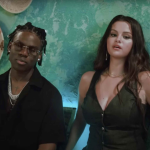
    “Calm Down” immediately stood out for its hypnotic blend of Nigerian rhythm and global pop. With its sticky hook and Rema’s smooth yet urgent delivery, the track was already a viral success across Africa and parts of Europe. But the “Calm Down (Remix)” featuring American pop star Selena Gomez, catapulted the record into historic territory.

    The remix became one of the biggest Afrobeats crossovers in history. It peaked at No. 3 on the Billboard Hot 100, making Rema the highest-charting Nigerian artist in U.S. history at the time. The track also topped the Billboard Global (Excl. U.S.) chart, stayed on the Hot 100 for over a year, and amassed billions of streams across platforms. It was certified multi-platinum in the U.S., U.K., and several European countries, and its music video crossed over 1 billion views on YouTube. This remix cemented Rema’s reputation as one of Nigeria’s brightest international exports and introduced Selena Gomez to Afrobeats’ growing movement

    1. Live! — Fela Kuti & Africa 70

    Running time: 1h

    Featured artist: Ginger Baker

    Genre: Afrobeat

    Release year: 1971

    In 1971, Live! brought together one of the most iconic cross-cultural collaborations in Nigerian music history: Fela Kuti and his band Africa 70 performing alongside Ginger Baker, the legendary British drummer best known for his work with Cream. Ginger Baker, fascinated by African drumming traditions, had travelled extensively across the continent, even setting up a recording studio in Lagos. On Live!, Baker sits in on drums and percussion, blending smoothly with Tony Allen, Fela’s own drumming genius and Afrobeat’s backbone.

    While Live! was initially more celebrated in Europe than Nigeria, it was pivotal in introducing Afrobeat to a broader international audience. For Baker, it was proof that Western rock could learn from African traditions, and for Fela, it was another step in asserting Afrobeat’s global significance.


    ALSO READ: 10 Nigerian Musicians Who Used To Be Famous and What They Do Now


    [ad][/ad]

  • On YouTube, not all music videos are created equal. Some explode with millions of views within days, while others take their time.

    In today’s digital era, a single click can turn a local anthem into a global obsession. Nigerian artists have mastered this formula, pairing irresistible music with visually striking videos that travel far beyond our borders. 

    From romantic tales shot like Nollywood blockbusters to colourful party scenes dripping in luxury, these videos perfectly complement the songs. 

    Here are the 10 most-viewed Nigerian music videos of all time on YouTube. 

    10. “Reason With Me” — Rudeboy

    Running time: 4m 20s

    Views: 264M

    Director: Clarence Peters

    Genre: Afrobeats

    The video opens with Rudeboy and his girlfriend living in poverty. He is a hustler, and she is a young woman who is tired of their difficult circumstances. The central conflict is that she can’t “reason with him”—she can’t see the vision for their future and chooses to leave him to seek a better life elsewhere. The song follows his rise to fame and fortune, as he becomes a successful man living in a mansion, driving expensive cars, surrounded by luxury.

    At its climax, the now-successful Rudeboy is confronted by his ex-girlfriend, who now wants to “reason with him” and get back together. But he’s already with someone else. The video sticks for its genuine storytelling. No wonder it became the most-viewed African music video of 2019.

    9. “Ye” — Burna Boy

    Running time: 3m 53s

    Views: 290M

    Director: Clarence Peters

    Genre: Afrobeats

    The video for “Ye” is simple. It opens with some ladies and Burna Boy glamorously dressed, holding a wad of cash in a dark room with fluorescent lights. He sings and smokes as he charismatically postures behind murals of Fela Kuti.

    Though Burna and his friends in “Ye” are glamorously dressed, this is not a glamorous video, as it’s shot in very few locations. When it came out, many viewers expressed that it didn’t do justice to the song, as it fails to reflect the themes of survival, hardship, and the rat race in Nigeria. 

    Burna Boy chooses to show his wealth and celebrity lifestyle, and the public rewarded him for it.

    8. “Fall” — Davido

    Running time: 4m 17s

    Views: 312M

    Director: Daps

    Genre: Afrobeats

    The video opens with Davido in the back of a luxurious Rolls-Royce, tension thick between him and his on-screen lover. He storms out of the car, takes a walk on the street and is distracted by a ballerina dancing in a lit-up dance studio. He’s glued to her performance, mesmerised, almost forgetting himself. He stays there until their eyes meet.

    The video then transitions into a world where Davido imagines himself and the lady dancing at a party. He stays in that daydream until a gentle tap from his chauffeur jolts him back to his reality.

    7. “Joro” — Wizkid

    Running time: 4m 23s

    Views: 316M

    Director: Adriaan Louw

    Genre: Afrobeats

    This music video shows the irresistible pull of music on a mesmerised model (Georgia Curtis), who starts dancing after a red light lands on her. Wizkid appears in a candle-lit room, moving body to rhythm and performing as an almost hypnotic presence, offering distance and connection.

    Most of the video focuses on the model’s sexy and ravishing dance moves. The tension between his lofted charisma and the model’s graceful surrender turns a simple song into a visual narrative of attraction, devotion and synergy.


    Get More Zikoko Goodness in Your Mail

    Subscribe to our newsletters and never miss any of the action

    6. “Last Last” — Burna Boy

    Running time: 2m 53s

    Views: 328M

    Director: Burna Boy

    Genre: Afrobeats

    This is Burna Boy’s directorial debut, and it unfolds within the intimate setting of his home and close circle of friends. They’re together, pouring drinks (“shayo”), lighting up “igbo” (weed) and celebrating in a no-frills vibe. One even forgets that the song is about heartbreak and using substances as a coping mechanism.

    Then flashbacks and milestones enter with intercuts of clips from his live shows, his Madison Square Garden performance, shots of his cars, Grammys, and other trophies.

    All these make the video double as a personal highlight reel—a visual proof of where he’s been and how far he’s come.


    READ NEXT: 40 of the Best Hollywood Movies, Ranked by Nigerian Fans


    5. “On The Low” — Burna Boy

    Running time: 3m 22s

    Views: 440M

    Director: Meji Alabi

    Genre: Afrobeats

    This visually captivating narrative complements the song’s romantic themes while showcasing a blend of Afrocentric aesthetics and contemporary storytelling. This video employs long, sweeping shots to chronicle the progression and intimate moments between Burna Boy and his muse, Angelina.

    The choreography features sensual dance sequences and adds a dynamic layer to the video’s storytelling. Its simplicity and focus on intimate moments are highlighted as its strengths, and the on-screen chemistry between Burna Boy and Angelina is praised.

    4. “Rush” — Ayra Starr

    Running time: 3m 5s

    Views: 485M

    Director: TG Omori

    Genre: Afrobeats

    The video opens with Ayra in a white gown swinging on a flower-adorned dance ring over water. Then, she’s in a room flexing with bundles of dollars. The video transitions to a laundry room scene where she’s surrounded by other ladies. 

    Then another where she pulls up with her squad, dressed up in black cars, bold Y2K-inspired elements and sleek leather pieces that underscore her confident energy.

    3. “Love Nwantiti (Remix)” — CKay feat. Joeboy & Kuami Eugene (2020)

    Running time: 3m 13s

    Views: 572M

    Director: Naya Visuals

    Genre: Afrobeats

    The video features CKay, Joeboy and Kuami Eugene in various settings, reflecting the song’s themes of love and attraction. One moment, CKay is in a colourful room with a love interest, another, he’s at another location, dancing with a group of women.

    Joeboy finds himself in a room that looks like a flower shop, while Kuami Eugene is seated in a room, surrounded by numerous women.

    The rich colour palette and neon tones evoke a sense of intimacy and passion. The dance sequences are energetic and in tune, reflecting the song’s upbeat tempo.

    2. “Calm Down” — Rema

    Running time: 3m 39s

    Views: 658M

    Director: Director K

    Genre: Afrobeats 

    This video is characterised by bright colours that reflect physical chemistry and attraction. Rema is at a house party with friends, having a good time. Then his eye catches a beautiful lady in a yellow dress.

    Her presence leaves Rema hypnotised, yearning for her. From the video’s diverse backdrops to the attention to detail in fashion, an extra layer of visual interest aligns with the song’s modern and youthful energy.

    1. “Calm Down (Remix)” — Rema feat. Selema Gomez

    Running time: 3m 59s

    Views: 1.2B

    Director: 

    Genre: Afrobeats

    Rema sits in a warmly lit room, crooning the song confidently. The mood is laid-back, almost hazy, setting a romantic tone. 

    Selena Gomez’s appearance adds a new layer to the video. She is seen mingling with Rema and delivering her own verses, often with a playful and flirtatious demeanour.

    Her presence visually represents the song’s female perspective, making the back-and-forth dynamic between the two artists feel more complete. The video uses a mix of close-up shots and wider angles to capture the intimacy between them. It successfully translates the song’s “feel-good” energy to the screen.


    ALSO READ: 10 Nigerian Comedy Skits that Perfectly Describe Lagos Life


    [ad][/ad]

  • In 2025, Nigerian music videos are doing more than showcasing convoys on Lagos roads or painting dreamy landscapes in Cape Town. Today’s artists and directors are pushing beyond the familiar aesthetics — bubblegum parties, yacht scenes, and slow-mo club shots — to build visual universes that reflect deeper stories, identities, and cultural pride.

    Music videos have evolved from mere promotional tools into powerful storytelling mediums — spaces for experimentation, bold visuals, and intentional world-building. Whether it’s surreal narratives, striking choreography, or cinematography that feels like a moodboard of emotion, these videos are redefining what it means to watch music.

    Here are the 10 most Nigerian music videos of 2025 (so far).

    10.  “All The Love” — Ayra Starr

    Running time: 3m 10s

    Director: Elle Ezeike

    Genre: Afrobeats

    Ayra Starr’s “All The Love” video is a dreamy, sun-soaked celebration of self-worth and emotional liberation. It follows her through breezy, everyday settings, driving a vintage car, lounging in open fields, shopping in a local store, and dancing barefoot in the water. In the video, Sabi Girl finds joy in solitude. In one of the most striking sequences, Ayra is in the backseat of a convertible, throwing her hair back and soaking in the sun.

    The final shots return to nature: her silhouette against the horizon, arms spread wide. The last moments are less about the setting and more about how she owns the space. There’s no dramatic climax, just quiet affirmation. She’s not waiting for love anymore. She is love.

    9. “Taxi Driver” — Joeboy

    Running time: 2m 38s

    Director: Sumsaa

    Genre: Afrobeats 

    Joeboy steps into the shoes of a cab driver navigating more than just Lagos traffic; he’s steering through heartbreak and hope. The video starts with Joeboy driving, shaping an intimate space where passengers, including familiar faces like Asher Kine, Taooma and IsBae U, pour out their pains from the backseat.

    Set against neon-lit streets and warm, dreamy tones, the video doubles down on those vulnerable, confessional moments, capturing themes of longing, emotional fatigue and the yearning for solace. This video is like you’re sitting in a taxi, riding through someone’s inner world.

    8. “Only Fans” — Young Jonn

    Running time: 2m 29s

    Director: Perlicks Definition

    Genre: Afrobeats

    If King Solomon were a non-royal, Lagos-based Afrobeats artist with many women lying around his house in 2025, he might as well be singer-producer Young Jonn in this music video. True to the title “Only Fans,” which is about “self-indulgence,” this video, although it tries to be decent, showcases a parade of women of all shapes and sizes having fun in his vicinity.

    Even though it feels like larger-than-life, it executes the song’s idea in a relatable Lagos-Island big boy fashion.

    7. “Update” — Burna Boy

    Running time: 3m 27s

    Director: UAX

    Genre: Afrobeats

    In “Update,” Burna Boy invites us to an ultra-stylish world filled with the best-dressed people having the best time ever. We first meet Burna in the VIP section of a high-end 90s New York club. But as the camera pans, we begin to see that just like the lyric (on a normal day/ dem no fit touch my energy), the director UAX has brought us here to show him in all his power. 

    With crisp cinematography, the video celebrates wealth, influence, and power but never excess, a huge break from the last decade when Afrobeats videos were all about popping bottles and bathing vixens with alcohol. 


    Get More Zikoko Goodness in Your Mail

    Subscribe to our newsletters and never miss any of the action


    6. “In The Chair” — Odeal

    Running time: 2m 18s

    Director: Sahra Zadat and Levi Turner

    Genre: R&B

    Odeal wraps viewers in a lush, intimate black-and-white atmosphere that matches the song’s slow-burning sensuality. Against a backdrop of warm lighting and minimalist set design, every frame is deliberate: a lingering glance, a caress, a moment suspended in time.

    Here, the focus isn’t on dramatics or sensual storytelling; it’s on the mood, the feels, the presence and emotional depth. As Odeal croons about connection and quiet ecstasy, the music video lets the viewers inhabit that space right beside him. “In the Chair” is a whispered invitation that calls to sit down, stay awhile and savour the moment.

    5. “Kai!” — Olamide Feat. Wizkid

    Running time: 3m 5s

    Director: Jyde Ajala

    Genre: Afrobeats

    The video for Kai! opens with a nod to The Great Gatsby—a glamorous, high-society world where couples stroll hand-in-hand toward a casino glowing with allure. Inside, Olamide and Wizkid aren’t just musicians—they’re the main attraction, performing for an elite, poker-obsessed crowd.

    Bathed in dim, moody lighting, the video oozes class and quiet opulence. Women sway with feathered fans and elbow-length gloves, while the men sport sleek double-breasted suits. Every frame feels like a whispered story about wild nights and shared secrets, perfectly matching the track’s suave rhythm and understated swagger.

    4. “With You” — Davido feat. Omay Lay

    Running time: 2m 2s

    Director: Dammy Twitch

    Genre: Afrobeats

    This is one of the most popular tracks on Davido’s new album 5IVE, and the artist has wasted no time making a compelling visual for it. This video starts with Omah Lay singing and dancing on a plain background. It slowly descends into a colourful party gathering of choreographers, Davido’s associates like Cubana Chief Priest, vixens like rapper Dero Black and highlife veteran Bright Chimezie, whose 1984-released song “Because of English” inspired “With You.”

    The design is grandiose but simple; the energy is warm but carefree. This music video excellently depicts the “outside” lifestyle personality that’s synonymous to the Davido brand.


    READ NEXT: The 20 Best Nigerian Songs Of 2025 (So Far)


    3. “SHAOLIN” — Seyi Vibez

    Running time: 2m 25s

    Director: TG Omori

    Genre: Afrobeats

    A Nigerian street-focused reimagination of Mad Max comes to life in this TG Omori-directed music video. Hyperactive, powdered-face boys in red goggles, masquerade-looking riders and dancers and an astronaut-styled Seyi Vibez stomp up dust with speedy Mara dance moves as the sound blasts out like it needs chasing. Instead of a desert wasteland setting of Mad Max, Seyi Vibez and his goons choose the streets of Lagos mainland as their playground.

    Although this music video similarly shares the post-apocalyptic colour effect of Mad Max, Seyi Vibez’s high fashion and the sultry woman make it look like a world kept alive by sound and dance. If you’re looking for a dystopian Nigerian music video, press play.

    2. “Kese (Dance)” — Wizkid

    Running time: 2m 56s

    Director: Wizkid and JM Films

    Genre: Afrobeats

    The video begins on a moody theatre set, where dancers rehearse choreography under soft lighting, watched intently by Wizkid. This opening scene nods to performance art and discipline, grounding the video in intentionality. The scene shifts to a rowdy Lagos-style house party. Wizkid glides through the crowd, leading the vibe with confidence as the beat drops.

    These scenes capture community spirit and celebration. Towards the end, Wizkid stands in a gallery populated by elegantly dressed Black models posing before bold paintings. This visual asserts sophistication and perhaps gives a special nod to Black beauty. As Wizkid’s self-directed debut, this music video leans into his vision. 

    1. “The Traffic Song” — Cobham Asuquo

    Running time: 5m 25s

    Director: Dika Ofoma

    Genre: R&B

    This song by Cobham Asuquo, which speaks about the frustration of being stuck in traffic, particularly the Lagos traffic, gets a befitting video treatment from rising director Dika Ofoma. It goes around the clock, capturing early morning congestion, long lines of vehicles tardily moving, and the impatience of 9-to-5ers trying to get to work. The sunlight shines on the traffic, leaving drivers and passengers with a reluctant, long-drawn-out patience that affords them time to have a mini-brunch of gala and a cold soft drink.

    It’s Lagos, and the traffic is never-ending. Dika takes us into the evening and nighttime, when people are exhausted and on their way back from work, school, and outings, longing to reach their homes quickly. However, they are doomed to a heavy traffic jam, which they either escape from by taking the rest of the journey by foot or sitting still till the road eases up. The video features Tosin Okupe and actress Uzoamaka Power.

    This is Lagos and its chaos brilliantly delivered with Cobham’s masterful piano performance footage inserted in the video at intervals. If you’re looking for a Nigerian music video that does more than selling lifestyle, that is, tells a story, watch this.


    ALSO READ: The 8 Best Nigerian Albums of 2025 (So Far)


    [ad][/ad]