• What makes a rap song culturally impactful? Is it the lyrics that echo through the streets long after the beat fades? The fearless political critique that sparks national debate? Or the slang it gifts an entire generation? 

    To answer this, I went beyond internet banter and into the culture, speaking to over 25 die-hard rap fans, longtime listeners and respected music critics. The result is a list of the 10 most culturally impactful Nigerian rap songs, ranked by how frequently they were mentioned and celebrated.

    This isn’t just a trip down memory lane. These songs shaped movements, amplified voices, ignited controversies and changed how we listened to Nigerian hip-hop. From club bangers that became protest anthems to bars that redefined what it meant to be a “local rapper,” these tracks reflected and moved the culture.

    10. “Local Rappers” — Reminisce feat. Olamide and Phyno (2015)

    “Local Rappers” is the controversial lead single off Reminisce’s Baba Hafusa, and it features heavyweight verses from him, Olamide and Phyno. It rejects hype around punchlines and celebrates indigenous rap while setting off debate on language and authenticity in Nigerian hip-hop. This isn’t just a massive collaboration, it’s seen as the pinnacle of indigenous rap unity.

    Fans read it as a diss against English-speaking rappers, and it sparked a reaction from rappers like A-Q, who competitively replied with a track titled “International Rapper.”

    “It ticks every box. It’s indigenous rappers telling English rappers that it’s their turn. It’s audacious as fuck. The beat and the cadence with which they attack it, and the fact that if you put it to a poll today, it will be a 33% split to all as to who has the best verse. It’s everything you could ever want or ask of hip-hop.” — Dinho, a music producer and sound engineer.

    9. “Omode Meta” — Tony Tetuila feat. 2Face & Ruff Rugged N Raw (1999)

    Released in 1999 off Tony Tetuila’s solo debut, Morning Time, “Omode Meta” marked the beginning of his solo career after leaving the iconic group The Remedies. The track ignited a legendary rivalry with former member Eedris Abdulkareem, who released “Wackawikee MCs”, sparking one of Nigerian hip-hop’s earliest and most memorable rap beefs.

    The AIT-featured performance and video introduced 2Face to mainstream exposure, showcasing his ad-libs and heralding him as a future contemporary pop giant. Over two decades later, the impact of “Omode Meta” still reverberates in lyrics and the very culture of Afrobeats and rap.

    “‘Omode Meta’ is perhaps the first major diss track in Afrobeats. Its impact extends from announcing Tony Teituila’s solo career and showcasing 2Face’s desire to follow the same path (which he eventually did). It was also a rare moment in Nigerian music where label mates were beefing and the entire ecosystem was paying attention. It’s also one of Afrobeats movement’s earliest records.” — Adeayo Adebiyi, music journalist and A&R.

    8. “Shake Bodi” — Trybesmen (1998)

    This is a song from the Trybemen’s group debut album, L.A.G Style Volume 1. The title is straight to the point; it asks listeners to let loose and move their body to the groove, with an unforgettable chorus, “Whether you like am or not, you go still dey shake bodi.”

    Shake Bodi” is a hip-hop anthem built on minimalist drums, sparse synths, and a relentless rhythm. Its use as the theme song for Twilight Zone, a popular youth sitcom, in the 1990s made it a cross-media cultural staple. The Trybemen consisted of eLDee, Kaboom, and Freestyle, and they’re credited as one of the Nigerian hip-hop pioneers and among the first to bring local language and identity into rap.

    “If you were from a middle class family in the 1990s, it was a tad difficult to connect with the earliest versions of Nigerian hiphop. “Which One You Dey” by Emphasis (1991) had rap verses, but the melody was 80s-type pop disco. When Junior & Pretty followed with “Monica” and “Bolanle”, it was funny, but it was from Ajegunle. We came up in the era of MTV and had access to journals like Source. So we could tell the difference, even with the Remedies arrival in 1997.

    However, Trybesmen were like us: they didn’t come from the streets, they were cool kids, and they could flow. “Shake Bodi” took Fela and made it cool. The rappers were smooth and sounded like us. It was the first time that cool hiphop will merge with local heritage to create a truly millennial experience. What’s more, it was markedly different to what Eedris was doing on “Shakomo” and ‘Judile.’” — Jide Taiwo, a writer and culture commentator.


    Get More Zikoko Goodness in Your Mail

    Subscribe to our newsletters and never miss any of the action

    ALSO READ: I Moved to Lagos to Become a Musician. I Ended Up Broke and Invisible


    7. “Jaga Jaja” — Eedris Abdulkareem (2002)

    Released in 2002, “Jaga Jaga” quickly became one of Nigeria’s most iconic protest songs. The track opens with Eedris’s blunt lines: “Nigeria jaga jaga / Everywhere scatter scatter /Poor man dey suffer suffer,” setting the tone for a socially conscious anthem. It has a confrontational tone and Yoruba-infused lyrics. The title, roughly translated as “in a mess”, served as a powerful critique of national disorder, corruption, and systemic failure.

    Upon release, “Jaga Jaga” was banned, prompting a direct response from then-President Obasanjo, who famously dismissed both the song and the artist as disreputable. But the backlash only amplified its reach, making it an anthem for those frustrated with the government. Decades later, the song is still viewed as a rallying cry. Eedris has revisited and remixed “Jaga Jaga” multiple times — most recently in 2023-2024 — to address Nigeria’s ongoing social issues and lack of progress.

    “The country was in shambles (still is, to be honest), and this was one of the songs that highlighted the struggles of the average Nigerian in detail. Eedris didn’t mince words, he said it as it was and the country rapped along — well except for one person, former president Olusegun Obasanjo who didn’t like it and spoke against it on air. Quite frankly this is as impactful as it gets because he also performed it in front of the then-President who, according to Eedris, was dancing before he realised it was the song he hated.” — Don Abamwa, a music executive and podcaster.

    6. “First Of All” — Olamide (2012)

    Fresh out ID Cabasa’s Coded Tunes, Olamide released “First Of All”, produced by Pheelz, as the lead single off his  acclaimed YBNL album. This song is Olamide’s evolution from street rapper to mainstream hitmaker. He brings infectious Yorùbá and English lyrics with Azonto-inspired production.

    The chorus became so popular that when people say “First of all,” their responses are likely to be two widely recognised lines: “Introduction” and “Go down low.”

    “First Of All” is a street-to-club crossover hit that redefined the boundary between rap and pop, while solidifying Pheelz’s rising status as a top producer.

    “This was the first time original indigenous rap and the grassroots crossed over fully into the mainstream and across all demographics and social classes. Everyone finally paid attention and that sparked a nationwide revolution that gave birth to the boldness of the likes of Phyno and more.” — Oreoluwa Peters, a talent manager and culture commentator.

    5. “Safe” — M.I Abaga feat. Djinee (2008)

    “Safe” is one of the songs on M.I. Abaga’s debut album, Talk About It, and it immediately set the tone for his mainstream career. Set to a commanding beat crafted in Jos and polished in Lagos, “Safe” blends English and pidgin with M.I. ’s signature punchy flow.

    His verses critique fake peers and assert his dominance. The track earned multiple awards and cemented M.I’s status as a leading rapper at the time. “Safe” is widely cited as the record that changed modern Nigerian rap.

    “‘Safe’ is a mosaic of popular songs rendered in the pristine art of rap. M.I moonwalked on the beat and Djinee reached for the skies with his hook. I remember watching the video on MTV as a teenager and wondering who this suave craftsman was.” — Emmanuel Esomnofu, a culture writer and journalist.


    READ NEXT: “People Still Like Me This Much?” — Reminisce Celebrates Fan Response to “Alaye Toh Se Gogo”


    4. “Alobam” — Phyno (2014)

    “Alobam” is Igbo slang for “my guy,” and it’s a celebration of friendship, loyalty, and a reliable support system. Phyno gives a shout-out to friends and peers from his Enugu neighbourhood and Nigeria’s music scene, thanking them for believing in his journey. This rap anthem came out as the lead single off Phyno’s breakout album No Guts No Glory in 2014 and quickly became a street favourite and key entry in the rise of Igbo rap.

    “An Igbo speaking rapper had the country on lock. The song had people buying ‘Alobam’ merch, and it became the launching pad for Phyno’s other hits like ‘Fada Fada’ and ‘Onyeoma’.”— Philemon, music writer.

    3. “Kini Big Deal” — Naeto C (2008)

    This is the first single from Naeto C’s U Know My P album. The jam blurred the line between rap and pop, helping redefine Nigerian hip-hop. Naeto C’s confident delivery and melodic hook brought rap into Nigeria’s mainstream club circuit and lounge scenes. 

    The track blends Yoruba influences (“Kini Big Deal” which translates to “What’s the big deal?”) with sleek rap swagger and a winning ad-libs combo celebrated through lines like “Yes, boss” and “We’re on fire.” Naeto’s northern-style cap also set trends that echoed beyond music.

    “Swagger rap before it was cool. The term “big deal” became Naija street currency. Naeto brought clean, posh delivery to rap, showing that rap didn’t need to be gritty.” — Emmanuel Faith, a rap music lover.

    2. “Oleku” — Ice Prince feat. Brymo (2010)

    “Oleku” means “strong” or “hard,” capturing the song’s confident and swaggering essence. The first single off Ice Prince’s debut album, Everybody Loves Ice Prince, “Oleku”  not only changed Ice Prince’s life, it also defined a crucial moment in Nigerian hip-hop. Its success put Brymo on the map and influenced new waves of rappers to embrace melodic rap in Nigeria. “Oleku” was also remixed by notable rappers like Sarkodie, Vector, Yung6ix, and Eva Alordiah.

    “This was not just a culturally impactful song, it was a cultural reset when it touched ground in 2010. “Oleku” is one of the most remixed songs in African history — it has versions in different languages including Swahili. “Oleku” went on to reshape afrobeats, winning Nigeria Entertainment Award’s ‘Hottest Single of the Year’, City People’s ‘Song of the Year’,  and Headies’ ‘Best Rap Song’ and Chanel O’s ‘Most Gifted Newcomer Video’, all in 2011.” — Deremi, a hip-hop music lover.

    1. “Pon Pon Pon” — Dagrin (2009)

    Over heavy drums, synths, and a bell-like sound, Dagrin delivers ferocious multilingual rap bars full of hustle, lyrical bravado, and street orientation. This song, produced by Sossick, was released in 2009 as the lead single from Dagrin’s breakthrough album, C.E.O. The song is popularly revered as the first viral Nigerian hit in Indigenous Yorùbá rap.

    “‘I will blow your mind’ was the intro and outro to this track, and Dagrin did exactly that. Fierce and unapologetic, he fused gritty street narratives with Yoruba eloquence in a way no one had done before. ‘Pon Pon Pon’ proved that street lingo could not only coexist within Naija hip-hop but elevate it, too. The rawness of the beat, combined with Dagrin’s charisma, created a blueprint for a generation of artists and Nigerians who saw themselves in his hustle.” — Emmanuel Waziri Okoro, a culture writer and senior editor.


    ALSO READ: The 15 Greatest Nigerian Hip-Hop Albums of All Time

    [ad][/ad]

  • Let’s take a trip down memory lane and revisit the best Nigerian rap songs of the 2020s. While we can debate the current state of Hip-Hop in Nigeria, its relevance, and how it stands in the shadow of Afrobeats, one thing is clear—our local rap music remains one of the most authentic expressions of Nigerian culture.

    Some might argue that “Hip-Hop is dead,” but the truth is, it’s only been silent to those who aren’t listening. If you look closely, you’ll find a surplus of tracks brimming with lyrical dexterity, catchy hooks, and unapologetic swagger.

    The 2020s have been a wild ride for Nigerian rap, with countless dope tracks dropping in a bustling, competitive music scene. This week, Zikoko’s #BumpThis playlist is spotlighting the best Nigerian rap songs of the decade. From veterans like M.I Abaga and Vector to new-school talents like Alpha Ojini and Mojo AF, these are the tracks that have kept Hip-Hop alive and thriving.

    “Tone of the Conversation” — M.I Abaga & A-Q

    Rap is undeniably a competitive sport, but it transcends mere rivalry when an artist reaches a point where legacy outweighs the pursuit of prosperity. This track is a rap masterclass, combining brags, technical brilliance, and verses that burn like ether yet uplift the listener.

    M.I Abaga kicks off the track by setting the tone for the song and the entire project, confidently reflecting on his 13 years (at the time) of unmatched relevance and reverence in the Nigerian rap scene. A-Q follows with a hard-hitting second verse, unapologetically taking aim at other rappers, critics, and anyone with unfavourable opinions about him. His delivery is sharp and unapologetic, making this track an undeniable standout.

    “Tone of the Conversation” opens The Live Report, an album M.I Abaga and A-Q recorded in just four days, inspired by a fan’s tweet in April 2020 that called for their collaboration. This project marked a significant moment for Nigerian Hip-Hop, being the first joint effort from two major rap artists since Olamide and Phyno’s Two Kings.

    “Aguiyi Ironsi (Through the Mud)” — Paybac iBoro

    Beyond the clever puns, punchlines, and razor-sharp one-liners, Paybac iBoro uses this track as a subtle Nigerian history lesson. There’s a popular saying: “If you want to hide something from a black man, put it in a book. If you want to show it to him, put it in a hook.” That’s exactly what this record achieves—melding education with entertainment.

    The song opens with a strong declaration of resilience and progress, brimming with energy. Paybac draws a parallel between his detractors’ plans to bring him down and the tragic assassination of Aguiyi Ironsi, Nigeria’s first military president, during the 1966 coup d’état. This powerful metaphor, along with his use of rich Nigerian symbolism throughout his music, cements Paybac iBoro’s position as arguably the most authentically Nigerian rapper of his generation.

    “Aguiyi Ironsi (Through the Mud)” is the opening track on CULT!, Paybac’s critically acclaimed album. It’s not just a standout track on the project—it’s one of the finest examples of Nigerian rap in the last five years.

    “No Conversate” — Zilla Oaks feat. Marv OTM, Prettyboy D-O & Mojo AF

    This track brings together some of the leading voices in new-school rap, trading verses and weaving flows centred on one theme: money conversations. For these artists, that’s the only dialogue that matters. Simply put—if it’s not about money, don’t bother calling or sliding into their DMs.

    With its brash confidence and infectious energy, “No Conversate” is an anthem for those focused on securing the bag, making it a standout in the evolving landscape of Nigerian Hip-Hop.

    “Early Momo” — Vector feat. Goodgirl L.A

    The magic of rapper-singer collaborations is undeniable, and “Early Momo” proves that. Vector takes the lead on this sensual and romantic record, blending smooth singing and sharp rapping to express all five love languages with ease.

    The song reaches new heights every time Goodgirl L.A graces the track with her soulful verse and captivating chorus, adding a lush dimension to the overall experience. It’s the kind of chemistry that feels effortless yet unforgettable.

    If you overlook this song when listing the best Nigerian love records of the last five years, it’s either you don’t know ball, you’re not a true romantic or both.

    Vigilante Bop – Alpha Ojini feat. OdumoduBlvck 

    This track channels the raw frustration with Nigerian politics and the corruption and brutality of its police force. Alpha Ojini and OdumoduBlvck vividly portray the systemic failures, recounting instances of unjust abuse and societal decay.

    Alpha’s message is clear and unfiltered: from police arresting people for smoking shisha while hypocritically indulging in weed (an illegal drug in Nigeria) themselves, to the absurd possibility of selling 40 litres of fuel for ₦40,000. In hindsight, Alpha may well be a prophet—today, one litre sells for nearly ₦1,000.

    This hard-hitting track is both a social commentary and a grim reminder of the everyday struggles Nigerians face.

    “Tycoon” — Show Dem Camp feat. Reminisce & Mojo AF

    This is a fantastic rap showoff with a lineup of highly-rated lyricists. On this track, the OGs—Show Dem Camp (Ghost and Tec) and Reminisce—team up with new-school star Mojo AF to deliver a masterclass in lyrical excellence.

    Their verses take aim at rival rappers while celebrating the spoils of a comfortable and successful life. The effortless chemistry between generations of rappers makes this collaboration stand out.

    This track is a highlight from Clone Wars 5, the latest installment in Show Dem Camp’s critically acclaimed Clone Wars series, solidifying their position as architects of Nigerian Hip-Hop.

    “Eggrolls” — A-Q

    A-Q, one of the most consistent voices in Nigerian rap and arguably the best rapper of 2020, proves his mettle once again with “Eggrolls.” This standout track from God’s Engineering—a critically acclaimed album released just weeks before his joint project The Live Report with M.I Abaga—showcases A-Q’s remarkable storytelling and introspection.

    On “Eggrolls,” A-Q reflects on his journey from humble beginnings to his present success. He raps about his evolution from being just a rapper to orchestrating deals and creating opportunities for others, confidently drawing parallels to Jay-Z. The song paints a vivid contrast between his past struggles—when even an eggroll snack was out of reach—and his current life of abundance.

    With its blend of sharp lyricism and heartfelt storytelling, “Eggrolls” is not just a personal triumph but a testament to A-Q’s growth and resilience.

    “Hello Habibi” — Olamide feat. Russ

    Forget “Idan Buruku,” which is currently exciting to fans. Olamide’s best rap track in a while is undoubtedly “Hello Habibi.” Featuring American rapper Russ, the song kicks off with Russ’s swagger-filled verse, dripping with big-baller energy.

    Olamide, aka Baddo, takes it from there with a catchy chorus and two smooth verses, flaunting his “long money” and his willingness to splurge on any lady who catches his eye. This is sugar daddy-esque, big boy lifestyle rap music at its finest.

    “Hello Habibi” is Olamide at his most refined—confident, stylish, and effortlessly cool.

    “Agbalagbi” — OluwaMillar

    Drill rap reached new heights in Nigerian Hip-Hop in 2024, and one of the standout talents to emerge is OluwaMillar—a sharp lyricist known for his wordplay and slick delivery. Primarily rapping in Yorùbá with a mix of English and Pidgin, OluwaMillar brings a fresh, dynamic voice to the scene.

    His 2024 single “Agbalagbi,” which closes his newly released project of the same name, is a bold and braggadocious anthem. With this track, he asserts himself as a dominant figure in the rap game, positioning himself as a grand patron of sport while daring any competitors to challenge him.

    The song’s artwork—featuring OluwaMillar in a vibrant Yoruba OG dashiki—sets the tone, while the track itself samples Baba Suwe’s iconic “Agbalagbi to ju agbalagba lo” statement. From its hard-hitting delivery to its raw, hungry energy, this is the hardest we’ve heard a new rapper in recent times.

    “Vibes” — Reminisce feat. Mo Safaru & Fatima Safaru

    In 2020, veteran rapper Reminisce released an EP, Vibes & Inshallah. Its opening song, “Vibes,” responsible for the EP title, details his journey through fatherhood. The song intro has his daughters ask him why he records music all the time. He responds in the song: that’s how he provides. He further raps about spending time with them during the lazy months of COVID.

    Reminisce has already made songs about the pains and joys of fatherhood, but “Vibes” stands out in his catalogue. It’s Baba Hafusa at his rawest.

    Listen here:

  • On this week’s BumpThis, our focus is on Nigerian Hip-Hop music in the mainstream, underground and diaspora.

    Listen here:

    Chocolate City Cypher

    In the last five years, the Nigerian Hip-Hop community has gotten used to Blaqbonez, A-Q, M.I Abaga and Loose Kaynon uniting for collective cypher sessions. They began 2024 with their latest Chocolate City Cypher, with OGs, Jesse Jagz and Ice Prince. It’s a nine-minute-long display of lyricism and flow that’s attracted “CC Cypher Freestyle” entries from several budding MCs since.

    Cecond Chronicles — Caleb Clay

    Lagos rapper, Caleb Clay’s new EP, Cecond Chronicles, is a three-song pack that unwrapped his sober reflective side (Notes to Self) and his Afropop lover boy side on The Cycle. The last track, Maybach Dreams, is an aspirational song about living life like successful rappers do, featuring BKay!

    Evil Twin — PsychoYP and Jeriq

    In five tracks, Abuja and Enugu rappers, PsychoYP and Jeriq, share chemistry and flow similar to what we’ve heard on Trapping off Jeriq’s 2022 Billion Dollar Dream album. Evil Twin symbolises their synergy and fondness for each other’s craft. Important to note that this EP is executive-produced by Phyno — an applaud and co-sign for the youngins. If you like hearing rhymes about spending 100 racks in a sitting, looking fly without stylists and just being a cool youth, this one’s for you. 

    If They Are Real — Vector ft. Bella Shmurda

    Vector bares his soul on If They Are Real, spitting lines like “God bless the people keeping it real with me / To the people who saw me do the ordeal with me, I’d have tapped into the realm of that which killed Whitney.” Bella Shmurda follows with an emotive performance that complements the song’s theme.

    PALMWINE IN A BENZ — 02Morse

    Morse left music for a year and returned with PALMWINE IN A BENZ. It’s bouncy, melodic and tailored for your weekend turnup.


    For the first episode of our Valentine Special, we brought back three couples – one now with kids, one now married and the last, still best friends – to share how their relationships have evolved in the last five years. Watch below:


    The Efeleme Pack — Alpha Ojini

    Rapper-producer, Alpha Ojini, released a newly mixed and remastered version of the three-track project that initially came out during the cash scarcity in 2023. The title is a playful pun on Godwin Emefiele, featuring rappers, PDSTRN and PsychoYP.

    Gas Me Up (Diligent) — Skepta

    Gas Me Up is the second single off Nigerian-British rapper, Skepta’s forthcoming album. No holdbacks, just straight up bars, shots at his enemies and brags about his uncommon expensive wine. Skepta may be gangster, but he’s a flush one and he wants you to know it.

    Get Familiar With The Hardest Nigerian Drill Songs of 2023

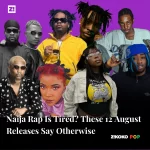
  • Nigerian Hip-hop may not be mainstream yet, but it’s not dead or tired, you’ve just been looking in the wrong direction. While the OGs pop out once in a while, the new guys are making a loud noise. These are Naija’s most unique rap drops of the month.

    Street Jam by Olamide

    Olamide rhymes about his heavy bank account in street lingo, while having fun with the jiggy DMX/Ruff Ryder-esque flow. The sauce of the song — the last track on Baddo’s latest studio album, UNRULY, which came out on August 9 — is in its carefree attitude. 

    Pressure by Caleb Clay

    Blowing up as an artist in this part of the world is a waiting game, and it’s even worse for rappers. Lagos-based Caleb Clay, and PH City emcee, Sknny, weaved some clever penmanship to express their underdog frustrations. Everyone who’s working hard for a good life would relate.

    Air by Lifesize Teddy

    Air is the opening track of Lifesize Teddy’s titular EP. On it, she displays her ability to deliver smooth hooks and clean-cut rap verses. It’s soulful as it effectively announces the arrival of a new rap chick in the +234, with lines like “Gat many women underneath this skin. They all fighting to be seen.” Don’t play with this babe.

    E.N.K.R by Reminisce

    If you know Reminisce’s music well, you’d know he never misses a chance to fire at his haters on any song. This track is no different. “E.N.K.R” is an acronym for “Eni kure”, which means “You won’t die well”. Alagba Ibile raps about performing daddy duties while maintaining his credibility in the streets and music scene. Braggadocious rap at its smoothest.

    Boju Boju by D.S.6

    Inspired by the local game also known as hide-and-seek, D.S.6 (Droxx and Slimsyxx) gives us a taste of their perfected afro-drill sound. Drawing an angle from the streets, Slimsyxx did his smooth sing-rapping on the chorus and first verse, leaving Droxx to finish off with an aggressive delivery and some details of his upbringing from Lagos to London and back to Lagos.

    Run! remix

    Abuja-based rappers Yôrkk and PsychoYP linked up for the remix of Run! off of Yôrkk’s two-song pack that came out in May 2023. It’s a trap song that warns other rappers to “japa” when these two guys step into the same space.

    Operation Sweep by Falz

    Falz confidently raps on his new single about his return to rule the airwaves and music charts. With a commanding title to match the theme, the rapper calls his guys up as he hits the streets.

    [ad][/ad]

    11:11 by Jeriq

    It’s get-the-money o’clock. On this track, Jeriq is only concerned about his financial freedom. Whether 11:11 is his personal manifestation, or he made the song at 11 a.m. or p.m., the artist leads the comeback of eastern rap in a fashionable way, with heavy drill music and catchy flow patterns.

    To the Moon by Tonee C

    Listen to this one to witness the beautiful transition from singing to rapping as Tonee C reflects on his music journey. To The Moon is the dope hip-hop track that will get your head bumping and hand wagging in the air. Enjoy.

    Dump All Your Worries on the Dance Floor by SGaWD

    In two verses, hopping from flow to flow on GMK’s house music production, SGawD raps about her talent, hotness and unshakable confidence. After a long or stressful day, you can close your eyes, plug this to the ears and lose yourself like the extras in Party Rock Anthem.

    My Way by Benjamz & Dremo

    My Way is the last and best track on Tunnel Vision, a collaborative EP by music producer, Benjamz, and former DMW-signee, Dremo. On a dark, cinematic beat best for reflection or expressing pain, the rapper talks about paying his dues, doing things how he sees fit and his perceived setback since his disappearance from the mainstream. You’ll hear Dremo rap with that fierce energy reminiscent of Meek Mill’s Dreams and Nightmares

    Sure Odd by Gen Uru

    For this song about being sure of success and respecting other people’s choices, members of Gen Uru (a south-east and south-south music group), Kolaboy and Kodopearl join forces. Using the betting term, “sure odd”, they express how certain they are that there’ll always be a way, whether they’re in Okuku or Kafancha. Gen Uru employs Igbo gyrate music with trap elements, another example of what Nigerian rap should sound like — easy to pinpoint its cultural origin with a beat that leans more towards African than conventional Western rap elements.

    ENJOY.

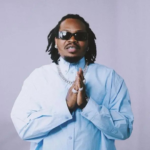
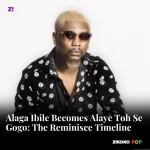
  • With a shiny gold incisor that signifies his journey to the Holy Land of Mecca, Reminisce became an El-Hadj and made his new title the title of his fourth studio album of 2016.

    Now, the OG rapper is ready to feed his fans with his fifth offering, his first full-length album in seven years.

    On August 7, 2023, Reminisce made the announcement and dropped a single and music video, E.N.K.R.

    The album title, Alaye Toh Se Gogo (ATSG), is a reference from the 1996 Nigerian film, Owo Blow, and a testament to Reminisce’s suave street credibility. Disputably an artist with some of the most encapsulating albums and titles in Nigeria, his debut, Book of Rap Stories (2012), saw a young Remilekun Khalid Safaru navigate the industry, seeking acceptance and a breakthrough. BORS gave us hits like Kako Bi Chicken (produced by Sarz) and 2Mussh (produced by Legendury Beatz). 

    2013’s ALAGA IBILE (chairman of the local rap movement) was a huge success with singles like Daddy, Eleniyan and Fantasi. His third album, Baba Hafusa which announced his first daughter’s name, became the first African Hip-hop album to debut on Billboard Charts in this streaming era, at number 12 on the World Music category — just a year after Olamide’s number four debut on the chart with Street OT (2014), though that was CD era. Crazy.

    During the lockdown of 2020, Reminisce put out a six-track EP, Vibes & Insha Allah, that revealed his other kids, Mo and Fatimah. Since then, it’s been two to three singles a year (Omo X 100 and Hello E in 2021; Alaye Toh Se Gogo, Hustle and Overdose in 2022).

    After taking a break from releasing music to focus on acting (King of Boys, Rising: City of Dreams) and a radio football show (The Agenda With Reminisce), Reminisce is back and set to drop a new album on October 27, 2023 — the new date he announced after he cancelled the album release in September.

    Alaye Toh Se Gogo will be a series, and ATSG Vol. 1 will have 13 tracks. It will feature big hitters like Mayorkun, Asake and Olamide, a frequent collaborator (Government, Respect, Loyalty & Honour, Omo X 100). It will include released singles like Hustle (featuring BNXN and D Smoke), Shina Peters (with Mohbad), an extended version of E.N.K.R (featuring Ycee and Rhookcastle) and Oxlade-assisted single, Why? (produced by Rhookcastle).

    These five bops indicate that Alaga Ibile will give us an all-round rap album — exciting news for hip-hop heads and enthusiasts of the ibile rap movement. Reminisce also stated that seven songs will get music videos.

    He did it for ALAGA IBILE (2013), so he can do it again.

    He also hinted at a joint music project with Olamide Baddo after they put out their respective albums. Baddo’s UNRULY is out already, and ATSG Vol. 1 will drop in two months, so we guess we’re about to be fed good.

    Transcending from the youngster rapper of Books of Rap Stories to an elder statesman role in the local rap scene with ALAGA IBILE, Reminisce has opened up about fatherhood on Baba Hafusa, dropped lessons that come with maturity and success on El-Hadj, and in the last few years since his last album, transformed into an action figure, like Ogogo (Taiwo Hassan) from Owo Blow.
    Consistency, cutting edge lyricism and credible street storytelling tied with bilingual delivery and amazing beat selection — this is how Reminisce has impacted the culture and stayed relevant for so long. We look forward to Alaye Toh Se Gogo Vol. 1, the next chapter in the story of his reign as Alaga Ibile.

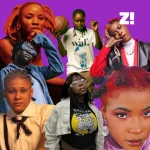
  • Hip-hop music has only been around since we launched the Nigerian naira but has enjoyed more stability than naira. At 50 years old, it’s one of the most digitally consumed genres in the world. Yet, it still struggles to enjoy mainstream acclaim and coverage in Nigeria. And of course, female rappers suffer most.  

    If they aren’t fighting sexist comments about their bodies, they’re warding off trolls making jokes of their lyrical skills. Still, women have done some incredible work in the industry.

    Since the 1990s and early 2000s, women like Weird MC and Blaise have been trading bars and creating anthems — Blaise held her own as crew member in the male-dominated Trybe Records, Weird MC already had a critically acclaimed hit in 1996. Many often forget Allen Avenue makes Weird MC the first Nigerian to release a self-produced music video. Her Ijoya became the first animated music video in Nigerian music and one of the first few to play on MTV Base when it launched in Nigeria (2005). 

    Sasha P was the first female Nigerian artist to perform at the World Music Awards (2008), the first Nigerian to go home with the MTV Africa Music Award for Best Female Artiste (2010).

    With these talented pacesetters and veterans like Muna, B.O.U.Q.U.I, Kel, Eva Alordiah and Mo’Cheddah, some still argue that we’ve barely had any solid female rappers. Others only bring up female rappers when nostalgia hits. They’re often overshadowed in a mostly sexist industry, but even their male counterparts struggle to make a break. The rap scene isn’t the most popular, and women are still scarce, because for every ten male rappers out there, there’s one or two female rappers struggling to get the industry’s attention.

    But women no longer have to go through the same strenuous grind like getting access or needing a label to prove themselves like their predecessors. The new cats can literally start their career with the internet. There hasn’t been a better time for them to unapologetically express themselves through rap.

    Artists like Rebelwav are getting creative with their sounds and the themes they cover in their songs. Many young listeners crave her confidence and sharp techniques in trap, drill and emo-rap. In her latest two-song single, Champion Pack, she raps about being “unfuckwithable” and fearless in the face of both the industry games and life’s adversities. That’s her MO as she trailblazes her own lane with a loyal fan base that keeps growing. There’s also Abuja-based singer-rapper, Mannie Tseayo baring her soul and spazzing on any mf beat.

    Before Chocolate City signed her, Candybleakz started as the front-man and only female member of defunct music group, Street Billionaires. Known for her commanding vocals and broad vocabulary of street lingo like in the hustle-inspired song Tikuku, Candy continues to inspire young Africans as the most visible female street-pop artist in Nigeria.

    [ad][/ad]

    Rap freshman, Shalom Dubas, has gained more attention since her verse on Show Dem Camp’s Draw Me Close. With her firm yet emotive and poetic lo-fi sound, she came in with the vim of an OG rapper. In the same breath, we have rappers like Reespect and Phlow who’ve been on a similar journey for a while now. They’re lyrically sophisticated, flowing on the best beats they can get. Reespect balances cockiness with vulnerability. Phlow is known for sharp verses that cut tensions in rooms like a butter knife. Her discography is a slew of collaborations with artists and producer like Maka, Mz Kiss and Teck-Zilla.

    SGaWD made a strong impression with her 2020 drop, Like Me, before she properly introduced her sound with debut EP, Savage Bitch Juice. She basks in her sexual liberty and reclaims narratives that objectify women. In Boytoy, she doubles down on sexual and material desires.

    On August 9, 2023, Mavin Records unveiled its first female rapper, Lifesize Teddy, the second emcee on the label since they signed Ladipoe in 2017. On her five-track EP, she declares her arrival, non-conformity and the manifesting prophecies of her success on hypnotic beats that span from r&b to afropop to amapiano. It’s very welcoming news as Lifesize Teddy is one of the two rappers housed by a company whose other acts like Rema, Arya Starr, Magixx and Crayon are primarily singers. The timing of her announcement and official debut couldn’t be better as the celebration of hip-hop at 50 is ongoing.

    The block party Cindy Campbell threw 50 years ago has grown into a multicultural platform millions around the world, including Nigerians, now use to express themselves.

    Women in Nigeria are currently fighting the good fight to own their spot in the Hip Hop scene and kill stereotypes — competing and taking control of their narratives. Not any of us, labels or the industry will tell them not to represent. It’s their time to shine.