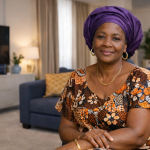
• Society comes up with a new rule for women everyday. Some women follow it, some tweak it a little to fit what they truly want, and others just give society the middle finger.  

    Nigerians have been debating on X (FKA Twitter) if women should take their partner’s last names, so we asked 10 Nigerian women if they’d take their partner’s last names after marriage  and this is what they said.

    Jumai*, 59, Widowed

    I got married in the 90s. At the time, it didn’t really feel like I had a different choice but to take his name. However, I tweaked it. I didn’t like his last name or the meaning behind it, so I took his middle name instead. It was a win-win.

    Blessing*, 24, Single

    I’m open to changing my name, but only if my partner’s name sounds nice. If it doesn’t sound better than mine, then I’m keeping my last name.

    Favour*, 69, Married

    I took my husband’s name because I was expected to take it. Also, it didn’t make sense for me to keep my name. I’m not insanely popular like an actress or a musician, so I didn’t have any reason to keep my name. Besides, the Bible says your husband is your head, so it was the Christian thing to do.

    Joy*,23, Single

    My daddy is dead, so keeping his name feels like a good way to remember him. That said, I also feel like I might have an identity crisis if I change my name at this point in my life. So, no, I won’t be taking my husband’s last name,  but our children can take his name. Let everyone answer their father’s names.

    Lolu*, 26, Single

    I won’t be taking my husband’s last name. I like mine too much, but if we have children, I won’t mind  mind if they take his name or maybe the boys can take his and the girls can take mine. I’m still thinking about this part.

    Beauty*, 27, Married

    I changed my last name after I got married. My previous surname had a traditional meaning we didn’t like, and my dad wanted to change our name before he passed, so marriage was an opportunity to do so.  

    Chisom*, 32, Engaged

    I’ve thought about it a lot because my surname sounds so fucking cool. I like my partner’s surname, so I’m willing to hyphenate both names. When we have children, they can take his name.

    Doyin*, 27, Engaged

    I don’t mind people calling me by my partner’s last name, but I don’t think I’ll ever change my name on paper. It takes forever to change your last name in this country, so it just doesn’t feel worth it. Also, I really like my last name and it’s a big part of my identity and work. My name has become a brand, and I just don’t see myself letting that go.

    Ivy*, 23, Single

    First of all, I’m a lesbian. I don’t have any societal obligation to take anyone’s name. But I also don’t like the stress that comes with legally changing a name. So yeah, I won’t change mine. If we have kids, we can hyphenate or merge both our names and come up with a new surname

    Somto*, 30, Single

    I’ve never really planned on taking my partner’s name when I get married. The plan is to make a name for myself before I get married, so it’ll just be easier to either hyphenate or leave my name as is.

  • Nigeria’s annual inflation rate has climbed to 29.9%, its highest in almost 28 years. The cost of living is choking the living, and it’s touching every aspect of our lives, including relationships.

    I spoke to some Nigerians about how inflation has changed their relationship dynamic, and here’s what they said.

    Rotimi, 27

    My friends and I have this weekly tradition. We hang out at bars every Friday to drink and just talk about our week. We also rotate payment, so if I pay for the whole group’s drinks this week, someone else will do it next week.

    When I paid for the group in December 2023, it cost me about ₦80k. That was even with Detty December price hikes. But when it was my turn in February 2024, it was over ₦100k for the same drinks and chops for five people. I’ve avoided the last two hangouts because spending that kind of money isn’t sustainable on a ₦350k salary. I still have bills. 

    My friends are considerably richer, so they probably haven’t noticed how sick the increase is. But I intend to tell them soon that I can’t keep up. We’ll have to consider other ways to hang out.

    Chioma, 31

    Since the first time my best friend and I went on a girl’s trip in January 2022, it’s been like an unofficial rule to do it every year. We went again in January 2023. Things are typically cheaper in January. 

    But we didn’t even talk about a girl’s trip this year. We sent a couple Instagram links of resort locations to each other, but we didn’t discuss logistics because we knew we couldn’t afford it. Between local flight costs — because the roads are too dangerous to even consider — accommodation and feeding, you’re already budgeting ₦500k. We’ll just make do with our imagination for now.

    Tobi, 26

    I used to fill my boyfriend’s car tank once a month to show love. But what used to cost me ₦40k increased to over ₦100k when the fuel subsidy was removed in 2023. I still sent the ₦40k monthly for a while because at all at all na im bad pass. 

    But now, I only send ₦20k occasionally because I have other bills, and things double in price every day. He understands and even sends me money occasionally. It’s just sad that I can’t be as intentional as I want to.


    ALSO READ: “It’s Shameful to Just Be Collecting” – 7 Nigerians Talk About the Struggle to Gift Their Abroad Friends


    Ayomide, 23

    My siblings and I always go all out for my mum’s birthday. Our father is dead, so we do everything to make sure she doesn’t feel lonely on that day. In 2023, we contributed ₦150k to pay her shop rent and do a small celebration. 

    Her 2024 birthday is a few weeks away, but my siblings haven’t mentioned anything about contribution. We’ve talked about birthday plans but haven’t billed ourselves yet. I understand because everywhere is dry. 

    We want to get her a phone, but it costs over ₦200k. Something that was just about ₦100k in 2023. It’s just somehow.

    Femi, 27

    My girlfriend likes receiving flowers, but she specifically told me not to buy her flowers on Valentine’s Day 2024. She said I should send her the money or buy something else. I fully understand her point. Flowers used to cost ₦15k – ₦18k, but now, you hear ₦30k – ₦50k for the smallest bouquet. When it’s not like the flower will live forever.

    Glory, 32

    My husband and I go on fancy dates every weekend to spend time together away from the children. This typically costs ₦20k maximum, but inflation has made restaurants charge higher. When we considered the increased cost of fuel and foodstuff, we had to think twice about spending up to ₦35k on dates. 

    We’ve reduced the frequency to once per month since late 2023. Sometimes sef, we do indoor dates to save money. It does the same work.

    Iyanu, 28

    I’ve made it a habit to bring bags of foodstuff with me when I visit my mum because she always has family members staying with her. But I haven’t been able to meet up with that since 2023. When I visited her last month with only five tubers of yam and a paint bucket of garri, she called me aside to ask if all was well. It won’t be well with this government. 


    NEXT READ: 7 Nigerian Millennials Share Hacks for Living Through Inflation


    [ad]

  • Every week, Zikoko seeks to understand how people move the Naira in and out of their lives. Some stories will be struggle-ish, others will be bougie. All the time, it’ll be revealing.


    Nairalife #262 bio

    What’s your earliest memory of money?

    One morning, when I was five years old, my family and I returned home from church, and there was no money or food to eat. I asked my mum what we’d eat, and she said, “Jesus will provide”. 

    Then, she told my siblings and I to dance and praise God. We did that, and she went out and came back with food. I really thought an angel dropped the money for the food on our doorstep, and I was so excited that my prayers worked. Money was a frequent topic in our house, and situations like this food incident were regular.

    Why was money a frequent topic?

    We didn’t always have the money we needed, so we used a scale of preference approach to spending. Whatever wasn’t important had to wait until there was money to spare. My late dad was a lecturer, my mum was an accountant — she built a school later on — and with five children, money was never enough. 

    Inevitably, I grew up believing that money could never be enough, which manifested as a constant urge to make money.

    When was the first time you acted on this urge?

    2009. I was in my second year in uni when I started taking ushering gigs. The first one I ever did paid ₦5k instead of the ₦10k I was promised. I didn’t even mind. The organisers had covered our transportation, so I had nothing to lose. 

    I also did some market promotion gigs for a beer brand trying to re-enter the market. I’d never been in a bar before because of my background, but the ₦30k/month was pay I couldn’t pass up. 

    I should mention that I had a monthly allowance of ₦10k, and I augmented this with the ushering and market promotion gigs. In my third year in uni, I decided I could take a break from pursuing money.

    What happened?

    Three of my siblings graduated from uni, easing the financial pressure at home. It was just my younger brother and I in school. Plus, my eldest sister got a job at a bank immediately. She also started helping out with the occasional pocket money.

    The improved financial situation gave me time to pursue other interests. I’d realised I didn’t want to practise my engineering course. I only studied it because my family decided I’d be an engineer since I was good at maths. But I didn’t like it and couldn’t drop out. 

    Thankfully, I found a lifeline when I discovered AIESEC on campus. I finally found something I was interested in, and I focused on the activities: conference planning, talent management and marketing. It wasn’t bringing me money, though, at least not while I was still in school.

    What about after school?

    I landed a three-month AIESEC internship with an entertainment company in Nairobi in 2014 — a year after I left uni. The salary was 140,000 Kenyan shillings, which was about ₦70k then. 

    I returned to Nigeria after the internship and got another six-month internship through AIESEC at a logistics company. This time, it was a ₦90k/month role. At that point, I wasn’t sure what I wanted with my career. I was just working to earn money. Then, I got married four months into the internship. I was 24 years old.

    How did that happen?

    I still ask myself the same question. My mum regularly sent my sisters and me broadcast messages about the qualities of a good wife, and I subconsciously felt I had to get married. It felt like the next logical step.

    So, when I started hanging out with a long-time friend who returned to Nigeria from the UK and he brought up marriage, I went with it too. We got married in 2014.

    What did that mean for your career?

    I got pregnant almost immediately, and I quit my job because it seemed too stressful to juggle with a pregnancy. Also, I married into a rich family that didn’t shy away from spending money, and I thought I didn’t have to bother about making money anymore. 

    Before we go on, is being married to a man from a rich family anything like Nollywood depicts?

    We lived in my husband’s family home with his mother and siblings. Let me explain how the house worked: my husband and his siblings all dropped an amount with their mother for our monthly needs: from food to toiletries and my child’s diapers. I didn’t even know how much a cup of rice cost. It meant I never had cash for anything. 

    Some months into my marriage, I became uncomfortable with depending on someone else for money. I felt strange having to ask for small things like money to do my hair or get toiletries. So, immediately after I had my child in 2015, I started job-hunting and got a ₦30k/month teaching job the following year. My child was barely a year old.

    What was that like? Juggling childcare with a job?

    My mother-in-law helped look after my child. My husband and in-laws didn’t understand why I had to work, though. They thought I just wanted to stress myself. But I wanted to have control of my finances.

    My ₦30k salary was only enough for transporting myself to work. I even trekked sometimes so the salary would last a month. I didn’t get any financial support, but I didn’t care.

    How long did this go on for?

    I taught at the school for two years before I left to help my mother-in-law manage her new school. That was a mistake; I never should’ve done that.

    Hmm. Why?

    I served as the school’s administrator for four years and didn’t get paid once. The funny thing is, people thought I was living my best life. Like, “Wow, she married a rich man. They set up a school for her, and she even has a driver.” 

    But I was truly broke. I couldn’t buy anything for myself or my mum during those four years. I gave my mum excuses about how we were still trying to get the school functional. In reality, I was being used, and I couldn’t leave without causing family issues, so I took it as an opportunity to gain work experience and build myself.

    Did you try to do other things to earn money?

    I tried my hands at tailoring when I noticed I wasn’t going to get paid. I’d learnt the craft during my first school job. I took some savings I’d gathered when I had a salary and used it to buy tailoring materials. I had two sewing machines — my wedding gifts — and I set them up in an abandoned store belonging to my in-law’s family. 

    Since I didn’t pay rent, they made it look as if it was their way of paying me for my work at the school. But I was barely making anything from the shop because I didn’t have a steady clientele due to my spending long hours at the school.

    In 2019, I finally found an opportunity to leave the school. I was pregnant, and we’d moved out of the family house because we wanted space — my mother-in-law had issues with my husband spending late nights, and it led to a few arguments. The school was far from our new place, so I took the opportunity to leave.

    What did you do next?

    After I had my second child, I began paying more attention to my business. Leaving the family house opened my eyes to the fact that we didn’t really have money, and I couldn’t afford to be financially dependent. 

    I also registered for NYSC that year because I thought no one would employ me without a certificate. The government started paying corps members ₦33k in my second month of service. It was like heaven to me. I’d worked for so long and didn’t even know what it was like to have ₦33k.

    Damn. What was running a business while serving like?

    I served in the state I lived in, so it worked. I got two commission-based assistants and included fabric sales and home-based tailoring classes in my list of services. The latter was a hit. Most people interested in my classes were middle-aged housewives who didn’t want to attend fashion schools. I made ₦50k monthly from the business on average, but most of it went back to the business.

    I should mention I still didn’t have my husband’s support. He wanted to keep the illusion of us being wealthy, and my working meant he didn’t have money to take care of his home. He actually didn’t have money but didn’t want people to know. I was supposed to get glammed and look the role of an “odogwu’s wife” when, in reality, I was taking care of most of the home’s expenses.

    That must have been tough

    It was. I kept hustling because my kids had to eat. While I was still serving, I applied for a social media manager role at an NGO. I was a 30-year-old dragging social media work with 22-year-olds. But I got the job. 

    The salary was ₦90k/month. My job also included scheduling therapy appointments, and I enjoyed what I did. It didn’t mean I wasn’t applying for other jobs and looking for money, sha.

    LOL. Did the job search yield results?

    It did. I got another school administrator role for ₦45k/month towards the end of 2020. I juggled this with the social media job and my business. 

    My marriage began to nosedive during this period. My husband started leaving home for days. I told him plainly that I couldn’t leave my work to be chasing him around because I had children to feed. 

    I knew the whole thing would crash soon, and I focused on becoming financially independent. 

    How were you managing three jobs?

    I had been without money for too long, and I couldn’t return to that. It was a swim-or-sink situation. I’d return from school and stay up at night to do my social media job. My assistants mostly handled my tailoring business.

    It was a stressful period, but I was looking ahead. If I left my husband, I’d have to sort out rent and school fees myself, and I needed something sustainable. I mean, I was already suffering, but this time, I had a goal.

    Did you leave?

    I left in 2021 when he became violent. I moved back with my children to my family house, and we stayed there for six months.

    In 2022, I left the school and got an office admin job, which also paid ₦45k. The plan was to gather admin experience to work in a standard organisation. 

    To sort out accommodation, I took a housing loan from work to rent a ₦300k/year one-bedroom apartment and moved in with my kids. Then, I quit my social media role to focus on the admin job. It paid more, but it wasn’t my desired career path. I also closed down my business because my ex kept going there to cause a scene. It was too much.

    Sorry about that. You went from three income sources to one. What did that mean for you?

    I think I walked everywhere I went in 2022. I lost so much weight that my mum had to intervene. She took my kids for three months to give me time and space to get a grip on myself. I struggled with that because I used my children as a shield to grieve the end of my marriage. You can’t cry with kids around. They don’t give you room to be depressed. 

    Being alone meant I had to confront my emotions and go through all the phases of grief. After I was done with that, I took pen to paper to map out my career. I’d gotten admin experience already. The next thing to do was get a better-paying job.

    How did that go?

    I enrolled in a bunch of free online admin and Excel courses to upskill, and I applied to jobs like someone was pursuing me. I must have applied to 500 jobs in two months. I’d also been “promoted” to admin team lead at my workplace by this time. There was no salary increase — just the fancy name change.

    In September 2022, I eventually landed my current job as an admin officer in an oil company. The funny thing is, I didn’t exactly apply for it. A recruitment agency contacted me on LinkedIn to ask if I was interested in the role. I shared my CV and did the interviews. In my head, if they asked about salary expectations, I’d say ₦150k, so I could afford to save ₦50k monthly. 

    I got the offer via a phone call, and the recruiter said my salary would be about ₦700k — ₦500k basic salary plus allowances.

    Wow. Paint me a picture of how you reacted to this

    I was speechless for a full minute. The recruiter kept asking if I was there. I thought, “How is this possible? Will I have to kill people at this company to earn that much?” 

    A colleague was with me at the office when the call came in, and I put the phone on speaker so they could confirm I wasn’t hearing things. Who goes from ₦45k to ₦700k just like that? 

    My mum thought I was being scammed and couldn’t be convinced otherwise till I received my first salary. I cried the day I got that alert. I was so overwhelmed. It was just God.

    That kind of income jump probably came with some lifestyle changes as well

    Not immediately. I stayed in my one-bedroom apartment for another full year, but I renovated my family house and gave my mum ₦1m to expand her school. She was there for me through my marriage wahala, and it felt so good to finally be able to give back to her.

    I wasn’t in a hurry to make major lifestyle changes. I didn’t change my children’s school until I noticed I could pay two terms’ fees at once. I moved to a ₦500k/year two-bedroom apartment in September 2023 and got a car for ₦2.7m in December because the new apartment is quite a distance from my workplace.

    How’s your savings goal going?

    I can definitely save more than ₦50k monthly now. Specifically, I save ₦200k/month now. I’ve also built a ₦3m emergency fund. Owning land is another future investment option I’m considering.  

    Let’s do a breakdown of your typical monthly expenses

    Nairalife #262 monthly expenses

    I get sizable allowances from work every two months, which I use for major expenses. For instance, I get a ₦2.4m housing allowance every January, and it sorts my children’s school fees and rent for the year.

    How would you describe your relationship with money now?

    I’m learning how to relax. I’ve had an “I need to get money” mindset for so long, and it’s a conscious effort to remind myself I’m not broke anymore. I can afford to buy ₦200k hair, but it still feels like an outrageous expense. Like, ₦200k hair when that kind of money can help ten other people? 

    I think I also internalised some of the things my ex said. He often accused me of being extravagant because I wanted to have my own money and not depend on him. So, maybe I’ve been subconsciously trying to prove him wrong. I thought if I bought a new bag, people would say, “Oh, no wonder she left. She probably has someone else”. But I’m deliberately moving on from that. 

    I want to get to a point where I don’t overthink spending on myself. Oh, I’m also finally processing my divorce.

    What’s that like?

    When I began the divorce proceedings in October 2023, we’d been separated for two years. My lawyer advised me to wait for two years post-separation so the courts wouldn’t delay the process by trying to give us time to sort out our differences. I’m paying ₦200k in legal fees and another ₦15k to my lawyer every time we appear in court. I’ve been in court every month since then, and it’s been quite messy. But hopefully, it’ll be sorted soon. 

    Rooting for you. What do you think the future looks like for you?

    I’m currently studying for an MBA in Human Resources. I’m in my second semester (out of five) and have spent ₦400k on it so far.

    I’d also like to take classes to become a licensed therapist in the next four years. It’s why I chose an HR-focused MBA because I’ll need to know how to understand people to help them. I needed therapy during my separation, but I couldn’t afford it. You’d hear therapists charge ₦100k per hour. I want to be able to provide affordable therapy for divorced and abused women and children. 

    In addition, I hope to build something like a healing shelter in the long term. I keep thinking about what would’ve happened to me if I didn’t have my family house to run to when things went south. Housing is a major reason why people stay in abusive situations. 

    How would you rate your financial happiness on a scale of 1-10?

    8. I’m happy with my finances and even happier with the person I am right now. I know where I’m going, and I’m willing to do the work to get there. I could lose the ₦3m in my account and still be happy. I’m no longer afraid of not having money or starting over. The worst has happened, and I came out of it. 

    What would make that number a 10?

    When I eventually become a therapist and build a shelter. I like my job — it pays my bills — but it’s not what I want to do for the rest of my life. 

    Is there anything else you’d like to add that I haven’t asked?

    I’d just like my fellow women to know that we do ourselves a disservice when we don’t have anything that brings us money. Having your own money is better than being perceived to be rich. It’s good to get free ₦500k, but earning ₦500k will boost your confidence — knowing you can produce value. When the chips are down, that’s what you can call your own.


    If you’re interested in talking about your Naira Life story, this is a good place to start.

    Find all the past Naira Life stories here.


    [ad]

  • I was looking for stories about malice in married couples when Tiffany* (31) reached out. She talked about getting married to the first man she’s ever loved after getting pregnant at 18. She enjoyed the first few years of the marriage, but it later broke down due to fights, financial abuse and infidelity.

    This is Tiffany’s story, as told to Boluwatife

    Image by Freepik

    I remember the exact moment I knew my marriage was over. I can still recall how my husband casually threw an “I don’t have the time” to my face in response to my suggestion that we see a marriage counsellor. Before that, we hadn’t said a word to each other for seven months.

    I met my husband, Ade*, at university in 2009. I was a fresh-faced 17-year-old first-year student excited to be finally free from the control of her strict parents. 

    I’m the first child of a family of five, and like most Nigerian first daughters can relate to, my mum took it upon herself to make sure I didn’t “spoil”. My life was a school, church and home rotation from primary to secondary school. I never went anywhere else, even on school excursions.

    So, even before I finished secondary school, I knew university was my only chance at freedom. I convinced my mum, using the university’s academic ratings and impressive alumni network, to let me pick a school two states away from where we lived. Of course, I didn’t drop any hint that I wanted to stay far away from her, or it wouldn’t have worked.

    I was in that state of freedom-induced-excitement when I met Ade. He was a classmate and was so handsome. I had a crush on him before he even asked me out. When he did, I said yes immediately. He was 20 at the time. 

    Ours was a whirlwind romance that resulted in me getting pregnant the following year at 18. When I found out, I thought, “Surely, my mother will kill me.” In retrospect, pregnancy shouldn’t have come as a surprise because, naively, we only used the withdrawal method of contraception. We were both too shy to buy condoms or seek out other ways to prevent pregnancy.

    We tried abortion, but the pill he gave me didn’t do anything. We were still trying to figure out the next step when my mum visited me in school unexpectedly. I was four weeks pregnant then, but apparently, she’d had a dream where someone told her I was pregnant and warned her to make sure I didn’t get an abortion. On hearing that, I had no choice but to confess. Surprisingly, she wasn’t angry. I think she was still scared I’d go ahead with the abortion. When she asked about Ade’s plan to provide for me and the unborn child, I said, “We’ll get married”.

    Ade and I hadn’t discussed marriage before then, but it seemed like the logical next step. If we were keeping the baby and we loved each other, why not just get married now rather than later? 

    I talked to him about it, and he was on board. Again, we were both naive. My mum was relieved that we wouldn’t bring shame to the family, while my dad worried about how we would survive as a family. Ade’s parents met mine, and they (his parents) promised to support us financially for the remaining years we had in school. We got married in 2010. I was 19, and he was 22.


    ALSO READ: I Had an Abortion All by Myself at 16


    The early years of marriage weren’t as tough as you’d expect with married undergraduates. When I had my child, she spent more time at my mum’s and mother-in-law’s. It was their way of ensuring I focused at school. So, it was just Ade and I, and we were still obsessed with each other.

    Image by Freepik

    The real problem started when we graduated. Financial support from his family became inconsistent, and jobs weren’t forthcoming. Our child also started living with us. The pressure started to affect us, and we fought a lot, almost weekly. Anytime he was angry, he’d stop talking to me until I folded and apologised. 

    Things started to look better in 2014 when Ade finally got a well-paying job. He was supposed to bring in the money while I took care of the home and our four-year-old child. It sounded like a good plan, until it wasn’t.

    He became financially abusive. If I asked for money for the smallest things like baby medicine, he’d groan and complain about how he works all day but can’t enjoy his money. He even started keeping tabs on the food items. If I boiled a cup of rice when he wasn’t home, he’d notice and complain.

    My mum advised me to get a job to support the family’s income. So, I found a teaching job that allowed me to leave my child in the school’s daycare for free. But it didn’t stop his complaints. The new issue became how I’d started to make dinner late and didn’t have time for him.

    I was still trying my best to get things to how they were before when I discovered he was cheating on me. I’d suspected for a while that he was hiding something, so I decided to check his phone one day. Apparently, he was dating someone in his office. I confronted him about it, and he turned it back on me. It became, “How dare you snoop through my phone?” 

    He stopped talking to me as usual, and I was determined not to apologise this time. He was cheating on me, for God’s sake! He stopped eating at home, and I also stopped cooking for him. We didn’t greet each other at all, and he even started sleeping in the sitting room. He even took it out on our child. If she asked him for a snack, he’d tell her to “Go and ask your mother”. We just ran out of things to say to each other.

    It went on like that for seven months until my mother came to visit one day and noticed the tension. She was angry I’d let it fester for so long and made me promise to make amends. After she left, I asked him about seeing a marriage counsellor, and you know how that went.

    That incident happened in 2016, and it was the beginning of the end. When he started staying away from the house for multiple consecutive days and speaking loudly on the phone to ladies whenever he was around, I knew I had to leave. My parents weren’t in support, but I moved out with my child in July 2016. The headteacher at the school where I worked was a good friend, and she allowed me to move into the school nurse’s quarters.

    It’s been almost seven years since I left, and Ade has never called to know my whereabouts. His family was aware when I left, but apart from calling once in a while to check on my daughter, they made no attempts to reconcile us or make sure he was even doing his part for his child’s upkeep. Thankfully, I’m reasonably well-off financially and can take care of my child.

    I still can’t pinpoint exactly what went wrong with us. Maybe it was life, or probably he just fell out of love. Maybe I should’ve handled things better. But it’s too late to start thinking of “what-ifs”. Last I heard from friends, he’d japa. 

    My child is asking more questions now, and I’m torn between reaching out to him to get closure for her or just ignoring her questions. For now, I’m delaying the inevitable.


    NEXT READ: My Best Friend and I Plan to Marry Each Other if We’re Still Single at 30

  • (Zikoko arrives at 5pm, sweating profusely after waiting all day for this interview)

    Zikoko: Good evening sir (Gives the Nigerian nod of respect). I’ve been waiting outside since 7 am.

    Ikoyi Registry: Sorry, that was the 200th couple this week.

    Zikoko: Mad o

    Ikoyi Registry: It’s crazy. So, how can I help you?

    Zikoko: We’ve been looking for you so we can talk about the scarcity of appointment dates but you’re more unavailable than Davido. What’s going on?

    Ikoyi Registry: Nigerians won’t let me rest.

    Zikoko: What did they do?

    Ikoyi Registry: They want to kill me with work. Wedding every single day. Don’t you people get tired? Because I am o.

    Zikoko: You’re meant to join people together, not put asunder. You have no choice in this matter, dear.

    Ikoyi Registry: You can’t tell me what to do

    Zikoko: Oya, what do you want to do?

    Ikoyi Registry: Why are you people always getting married? Even as you’re always at each other’s neck on the internet.

    Zikoko: Of course, we are. Lagos men are trash.

    Ikoyi Registry: My records say otherwise.

    Zikoko: That’s your problem. What are you going to do about how hard it is to book appointments with you? Do something and do it fast, please.

    Ikoyi Registry: I’m not doing anything. I just want to retire. Two needs to stop becoming one every day.

    Zikoko: That’s none of your business now, what’s your purpose for existing again?

    Ikoyi Registry: So, I should come and die?

    Zikoko: Oya calm down. What do you want people to do? They shouldn’t get married again?

    Ikoyi Registry: Tone it down a little. Or plan it amongst yourselves and try not to kill me with work. I have my own relationships too.

    Zikoko: With who, Nigeria?

    Ikoyi Registry: Get out of my office. Security!


    NEXT READ: Interview With the Naira: “Just Add a Little Yeast” 


  • Recently, American actress Gabrielle Union and her husband became the subject of multiple internet think pieces after she revealed they take a 50/50 approach to their finances as a married couple.

    Considering Nigeria’s mainly patriarchial society that still pushes the male-head-of-household mantra, I reached out to married Nigerian women to confirm whether there are Nigerian homes that employ the 50/50 approach to finances, too. It turns out, there are.

    “At least, nobody can call me a burden” — Tola*, 33

    I got married immediately after graduating from the university in 2015. I didn’t have a job, but he made enough money for both of us. He never complained about it, and I didn’t think getting a job was necessary. When we had twins in 2017, he began to murmur about expenses. One day, I asked him for money for a friend’s asoebi, and he said, “Do you want to kill me with demands?” I reported him to an older friend who told me to get something to do if I didn’t want my husband to develop hypertension.

    When my children turned six months, I told my husband I wanted to find a job. He agreed, and luckily, I found a job quickly and got my sister to live with us and help out with the kids. Now, I give him half of my salary immediately it enters and still buy things in the house. My family usually says, “Isn’t your husband supposed to be taking care of you?” I don’t care. At least nobody can call me a burden.

    “It just works” — Precious*, 29

    My husband and I have a joint account, (separate from our personal accounts), where we send half of our salaries at the end of every month. It’s money from this account we use to sort out household expenses. We’ve done that for two years now, and it works for us. When money in the joint account isn’t sufficient for a particular expense, my husband makes up the difference.

    “It’s my way of showing support” — Lolade*, 27

    My husband and I have always gone 50/50, even before marriage. We’d go 50/50 for major dates and did the same for our wedding. Now, he handles household expenses like rent, fuel and major home repairs, while I handle groceries, data and Netflix bills, and little needs. When we have kids, we’ll also figure out a way to split. I earn more than he does, so it’s my way of showing support.

    “It’s quite tough” — Mimi*, 36

    My husband is really conservative. If not for the state of the nation, he wouldn’t even allow me to work at all. He got me a clothes retail shop some years ago on the condition that I’d use my income to support the home. It started out well, but recently, I’ve had to take up almost 70% of the household expenses, including the children’s school fees. He’s usually owed salaries at his workplace, so most times, we have to borrow from my business. This money hardly gets refunded. It’s quite tough because I have zero savings, and I can’t even complain because it’d seem like I’m being disrespectful.


    RELATED: “My Take-Home Salary Doesn’t Take Me Home” – 7 Nigerian Blue-Collar Workers on Their Incomes


    “We only go 50/50 on rent” — Nana*, 28

    When we decided to move to Lekki to be closer to work in 2021, we agreed that we’d have to split the ₦3m rent because neither of us could afford it alone. That’s the only thing we split 50/50. For other household expenses, we just attend to them as they come. He can buy foodstuff at the supermarket on his way home today, and I can remember we need engine oil when I step out tomorrow and just buy it.

    “It’s not a rigid arrangement” — Chinny*, 30

    My husband and I each earn below ₦100k per month, and we know it’s impossible to have an average standard of living if we rely on only one person’s salary. So, we pool half of our resources together to settle the bills and school fees of our two kids. It’s not a rigid arrangement. Some months, I may take up 70% of the expenses, and other times it’s 40%. We just do whatever we can to survive.

    “It sometimes feels unfair” — Glory*, 31

    My husband and I decided to go 50/50 when I got a job that paid more than his in 2021, but it sometimes feels unfair. I only agreed to go 50/50 when money started being an issue in the house. He felt I had money but was comfortable with him being broke, so I agreed to the arrangement to let peace reign. His idea of 50/50 doesn’t apply to household chores. I still do everything in the home. I’ve brought this up a number of times, but he takes it to mean I want to start ordering him around because I have money. If I can support him with the finances, why can’t he support me with chores?

    *Names have been changed for the sake of anonymity.


    NEXT READ: 6 Women on the Burden of Being Breadwinners in Their Families

  • You’re the groom’s right hand man on his wedding day and everything that leads up to it. But do you know you fit the role only for these reasons?

    To be the bodyguard

    The groom knows that in the event of a disruption, you can throw hands. Before they get to him and stain him and his bride’s white, you’d be there to defend them.

    Zikoko Meme

    You’re the perfect hypeman

    You’re not the MC, but your energy is unmatched. How will the wedding party be the talk of the town without you, the life of the party? The bride and groom can’t be too tired to turn up for their wedding day; your duty is to ginger them.

    Zikoko Meme

    Your managerial skills

    Yes, there’s a wedding planner, but this is still a Nigerian wedding. While making sure the planner makes sure the DJ arrives early, you’re helping the groom vibe check the venue’s setup and ensuring all your friends are comfortably fed. Nobody will make sure of these things better than you.

    Zikoko Meme

    The groom needs a getaway driver

    Like those Hollywood movies from the 1980s, your best friend and his bride will be in the backseat while you race them away from those who want to delay their wedding night.

    Zikoko Meme

    ATTENTION

    Zikoko

    You’re the responsible one

    The groom is excited about his big day, but he can’t have too much to drink or act irresponsibly. So he knew he had to do the right thing and have you behind him every step of the way.

    Zikoko Meme

    Single pringle

    They called on you to be the best man because everyone else is already married. Take it as practice for your own wedding.

    Atunbi

    You have the most experience

    You’ve been the best man for five friends and more than three relatives. At this point, one would think you do it for a living. Your experience is well sought out for.

    Zikoko Meme
  • Navigating life as a woman in the world today is interesting. From Nigeria to Timbuktu, it’ll amaze you how similar all our experiences are. Every Wednesday, women the world over will share their experiences on everything from sex to politics right here.

    Please, tell me everything that led to your pastor arranging your marriage

    It was in 1993. I was a committed worker in a popular church that was a haven for people looking for miracles during the late 80s/early 90s when revivals were extremely popular in Nigeria. 

    At 37, I was doing well for myself. I was a senior manager at a bank, my two younger brothers lived with me, and I comfortably provided for all of us. The only thing was I was unmarried. While I wasn’t particularly unhappy, especially at that stage in my life, people around me took it up as a prayer point. 

    And because I was really active in church for many years, my pastor kept promising I’d marry soon. 

    How did he make this happen?

    It was during one of our special services on June 13, 1993. I’ll never forget it because it was the day after we went out in our numbers to vote for Abiola. My pastor was leading a prayer session, after which he called out to the congregation for all the single people to stand up. After some more prayer, he started picking those who stood up in twos — a man, a woman, a man, a woman, like that — and telling them, “That’s your husband. That’s your wife”. 

    He got to me and paired me with someone, one of those men who didn’t always come to church but often donated large sums. He was a typical Lagos society man from one of the elite Yoruba families. Our pastor prophesied that God had anointed us to be man and wife, and all that remained was for us to wed.

    And just like that, you married the man?

    Yes. 

    The wedding happened in November of that same year. We tried to court while meeting each other’s families and planning the wedding, but we hardly had time to breathe between work and social activities. He was a widower who already had two kids around age ten. But I wasn’t too concerned about taking care of them because I knew I could afford hired help even if he wasn’t willing to. 

    There was a bit of friction between families because I’m Igbo. But my pastor was well-known and loved then. So it was a thing of joy and honour that he’d personally anointed our wedding, and everyone did their best to behave.

    How was the wedding?

    It was a huge society wedding; the talk of town. I look back on it now with both longing and disgust because it was big and beautiful yet we barely knew each other. How were we able to go through with it? Why did anyone allow it to happen? My parents were late at the time, otherwise, I’m sure my mother would’ve never allowed it.

    What happened after the wedding?

    Around a month in, I knew we weren’t compatible because he expected me to be this domestic wife and was passive-aggressive about me quitting my job. But I kept going because I believed it was the will of God for us to be together.

    RELATED: What She Said: I Love Jesus, But I’m a Closet Lesbian

    Why do I feel like you stopped believing this soon after?

    He stopped attending our church in the third month of our marriage, and I found out he was really a Muslim. He only went to a few of my pastor’s services because of his popular ministry which drew a large crowd. It was more of a political move; my ex-husband is an active member of a well-known political party.

    He was completely uninterested in Christianity and often made fun of it, using my eagerness to marry him because my pastor said so as a reason. He told me he’d just wanted someone submissive to stay home and take care of his children.

    What was it like after hearing his true thoughts and intentions?

    For a while, it was just disappointing. 

    During our courtship, he gave me the impression that he was excited to marry me. He’d tell me how beautiful I was, how he admired the way I’d preserved my beauty and also built a respectable career. He’d even compare me to his mum who was a formidable woman in society then. She was a well-known fabric merchant, an enterprising woman who raised her four children alone after her husband died early. Everyone knew her story, and I always felt good that he held me in the same esteem.

    Hearing his true thoughts months into our marriage shattered that impression and even confused me. But what really made me angry was how he started interfering with my work and undermining my career.

    What was the last straw for you in that regard?

    I was up for a huge promotion that would’ve made me jump from general manager to acting senior general manager because the sitting SGM left suddenly. It wasn’t official yet, but I got to know about it and made the mistake of sharing the news with him. 

    This man then spoke to one of the executive directors of the bank, who was one of his drinking partners. The gossip that came back to me was that my husband didn’t think I was ready for the role since I was just getting used to my new role as his wife, and I wasn’t even focusing enough on the children. 

    No!

    Those were the kind of ridiculous statements men could boldly make in those days and actually be taken seriously. That’s how I was bypassed, and the role was given to a guy who’d just become general manager some months before. Less than a year later, they confirmed him as senior general manager. 

    I’d started second-guessing myself because of the sudden change of management’s mind, but because things don’t stay secret within a bank for long, I got to know that the order came from my husband, who wasn’t even involved in the bank professionally. After that, we had our first real fight where he got physical. This was about five months in.

    Physical, how?

    I was ranting, screaming at him around the house because I was livid. He suddenly charged at me and punched me in the stomach. I remember exactly how it happened; his face and eyes were so scary in that moment, and I couldn’t recognise him. 

    Right after, he left the house and didn’t come back till the next week, filled with apologies. The punch hurt so much, I just called in sick that week and laid in bed, crying.

    If you’d like to be my next subject on #WhatSheSaid, click here to tell me why

    When did you decide to leave him?

    Maybe not immediately after that punch, but before long, I started considering it. I wasn’t comfortable in the house. 

    Although he never hit me again, there were little things that made it clear we weren’t in a partnership and I was just a visitor. Like, we’d be in the TV room having a casual conversation, but once something more sensitive — something about his close friends or financials — came up, he’d just get nasty and tell me off. 

    It was always a sharp statement like, “That’s none of your business” or “What kind of question is that?” And he never thought there was anything wrong with his snide comments. He could just continue on with the casual conversation like nothing ever happened. 

    Did he ask about your own business?

    Not really, but he often interfered. 

    He always tried to convince me to sign over my properties to him. I didn’t understand why I’d want to do that. Also, he had so many properties of his own; why did he want mine too? His logic was he was my husband, and so, they were legally his anyway. And that he’d be better at protecting them than I could.

    Interesting

    One time, he planned a vacation for only himself and his children. When I asked about it, he claimed he’d just gotten used to being a single dad. I was so hurt, I stubbornly didn’t follow them to travel, but maybe I should’ve. I don’t know. I just couldn’t handle the process it seemed we needed to actually be a real couple. I also hadn’t fully forgiven him for meddling in the career I worked so hard to build. 

    So quietly, day after day, I considered leaving. It was only shame about what people would say, how our pastor would feel, that made me hesitate for so long. I wanted to help my pastor save face, to not show the world that he, that God, had failed. Then one day, I realised the pastor himself was a politician.

    A what? How did you discover this?

    I started meeting him at more and more social outings I attended with my ex-husband from time to time. These were exclusive society events only big politicians — the most wealthy, decadent ones — and powerful people in the corporate world attended. 

    And there he would be, looking just as ostentatious as them. The more I met him at these things, the less he sat well with me. The whole thing just seemed like one big joke. And that exposure actually made my faith falter for some time.

    What did you do in the end?

    Exactly two weeks to our first wedding anniversary, I woke up one morning. And instead of getting ready for work, I packed my most important belongings and moved back to my house, where luckily, my brothers were still keeping things up for me. They were shocked to see me because I didn’t warn them ahead, but I told them not to ask me any questions. They never have, till today.

    How did your ex react to this move?

    He never came for me, if that’s what you’re asking. He never called my house or office. It was as if I was never in his life even. Two years later, he sent his lawyers over with divorce papers.

    RELATED: What She Said: I Was Twice Divorced at 28 and Happier Than Ever

    Wow

    I honestly don’t understand why he even went through with the wedding. He really didn’t need me in his life, so why waste my time? I don’t know. He could’ve just asked if I was interested in leaving my career to fully rely on him as a homemaker beforehand. I would’ve said no and saved him the trouble. 

    And he wouldn’t have found it hard to find a willing woman, him being such a well-positioned man.

    Right? Did you ever ask him why?

    Yes, and his response was, “What kind of question is that?” Haha. 

    It’s good that I had that experience in my life. It was an interesting one and adds colour to my mostly career-related life. But I feel so much more satisfied outside the marriage that I’m inclined to think it’s not compulsory for everyone to marry. I don’t feel I’m missing anything. 

    If there’s one thing I miss from the marriage though, it’s his children. Oh, they were lovely. So well-adjusted and grounded. He did a good job raising them on his own, I give him that. I honestly regret not having my own kids. That’s the only thing I’d say I regret, family-wise, not marriage.

    Not to sound rude. But why did you never marry in your 20s or early 30s, like most people do?

    It just happened; you don’t plan for these things. Or perhaps, other people plan, and that’s why it works out for them. It’s possible.

    For me, I was dating a man for five and a half years from when I was about 28, and I was sure he was the one I’d marry. When we were finally ready for a wedding, he jilted and relocated to America a week after family introductions. I just noticed his house phone was no longer going through, and he’d quit at his own bank.

    Ahh. Did you ever see him again?

    No. But he called me from over there a month later, saying he’d won a US visa lottery and didn’t want to have to get me involved and possibly complicate the relocation process. Someone he would’ve married in some months if he hadn’t gotten the visa? Anyway, he asked me to forgive him, and by the next year, I heard he’d married someone else.

    I’m so sorry

    I was heartbroken. I felt betrayed. But I didn’t dwell on it. My work helped me pull through, and I never got into another serious relationship until my ill-fated marriage.

    If you could go back in time, would you still marry your ex-husband the way you did?

    Knowing what I know now, why would I? It was a waste of time. I gained nothing from it if not experience. But luckily, I lost nothing from it too.

    For more stories like this, check out our #WhatSheSaid and for more women-like content, click here

    Can you handle the hotness of Zikoko’s Hertitude? Click here to buy your ticket and find out

  • As told to Boluwatife

    Image: Ogo

    The first time I heard that taking your husband’s surname after marriage stemmed from patriarchy was in 2018 on Facebook. 

    This feminist had made a whole note explaining how women who did it didn’t have minds of their own and were changing their identities for a man. Such women are oppressed and have been conditioned to stay chained to the shackles of patriarchy. 

    Many of her fans commented in agreement, but while I partly agreed, I objected to the notion that women who did it were oppressed. What about those who chose to do it? I commented the same, and she descended on me, saying something about the patriarchy being so subconsciously ingrained in us that we’ve been conditioned not to see anything wrong with it. Not one for online arguments, I said nothing else, but it stayed with me.

    My logic behind treating a married woman’s name-change as a choice might seem flawed, but maybe my story will explain my stance.

    For as long as I can remember, I’ve hated the surname I was born with. It’s an unusual name, and I remember almost every new teacher in primary school asking me to tell them the meaning. My father is very traditional, so he made sure we knew the meaning of all our names as soon as we could talk. Translated into English from Yoruba, it means something like “worshipping an idol”, and it never sat right with me. 

    I soon learnt to pretend not to know the meaning when I left primary school. It almost always involved long explanations that made me the centre of the class’s attention for about ten minutes. Sometimes, my classmates would chorus the meaning when a teacher asked, because they’d already heard it multiple times. I found it off-putting.

    A rare depiction of my actual reaction. Image: Zikoko memes

    When I turned 18, I told my dad I wanted to change my surname legally, and he kicked against it. Unfortunately for him, I inherited his stubbornness, so we fought about it for weeks. My mother had to step in to stop the cold war between us. She told me I could easily change it when I got married, so what was I fussing about?

    When I started thinking about marriage at 22, my potential spouse’s surname played a significant role. Imagine marrying someone surnamed “Sangonimi” (I am Sango), for instance, and jumping from frying pan to fire. I remember confiding in my best friend about it. She laughed so much I thought she’d choke. I eventually agreed it was childish and decided if the man I married had a “strange” surname, I’d just use his first name as my married surname. Thankfully, my husband has a “normal” surname, and I didn’t have to resort to that. I just wanted to change my name, and this social rule helped. 

    Recently, the (false) Hakimi Twitter gist brought back the name-change conversation. But while I understand that this surname matter has been a tool for men to claim ownership of their wives, I think outrightly labelling it oppression fosters the belief that women don’t have a choice in the matter. Maybe historically, we didn’t, but Nigerians have become more progressive. I’ve met several women who didn’t change their names after getting married, and I know many who did because they wanted to.

    I may be wrong, but the emphasis should be on allowing women to choose what they want to do and accepting the choices without attributing said choices to oppression.


    *Subject’s name has been changed for the sake of anonymity.

    GET TICKETS HERE

    RECOMMENDED READ: I Was Married Three Years Before My Husband Knew I Had Kids

  • The topic of how young Nigerians navigate romantic relationships with their earnings is a minefield of hot takes. In Love Currency, we get into what relationships across income brackets look like in different Nigerian cities.


    Image Source: Unsplash (Actual subjects are anonymous)

    Obi* is a 28-year-old product manager living in Berlin while his wife is in Lagos. In this week’s Love Currency, he talks about landing a first date because she thought he was someone else, proposing while surrounded by their favourite foods and choosing to work in Germany because of her.

    Occupation and location 

    Product manager living in Berlin, Germany. 

    Monthly income 

    My take-home salary is about $4k after tax. 

    Monthly and recurring relationship expenses 

    First date: ₦30k at a restaurant in VI

    Her birthday (2021): ₦10 – 20k restaurant date and ₦200k cash gift 

    Her birthday (2022): $1k cash gift

    Wedding ring: ₦500k

    Business loans: Nothing over ₦1m

    Miscellaneous: the occasional ₦100 – 200k

    How did you meet your wife? 

    I was scrolling through Instagram in January 2021 when I came across a reel of her redesigning a space; she’s an interior designer. I enjoyed watching videos of her work, and she was also pretty. So I followed her and started sending responses to her stories — a clapping emoji here, heart eyes there. 

    A few weeks later, I slid into her DMs to ask her name since it wasn’t on the page. She told me, I asked if we could grab lunch together, and we started discussing arrangements. At some point, she confessed that she only agreed because she’d mistaken my DM for someone else she’d been talking to on Instagram. 

    Did the date still happen? 

    Yes. We’d gone far into the planning, so why not? We agreed to have dinner at a restaurant in VI. We ended up talking through the night till the restaurant told us they wanted to close. Our food even ran cold. We’d ordered lamb, some seafood and drinks — everything cost around ₦30k. 

    I lived in Abuja at the time and was supposed to returnthe next day but postponed it because I wanted to see her again. 

    Did you?

    Yes, a few days later, she told me about a meeting near my house, and I asked her to meet me at a restaurant afterwards. We talked and played the “36 questions to fall in love” game, which left us feeling emotionally vulnerable. It was late, and the restaurant was closing, so we decided to walk the short distance back to my place.

    When we got there, she sat on my table because she didn’t like my couch. After trying unsuccessfully to get a ride, she decided to spend the night but insisted on staying in the living room. I brought out a mat I had, and she offered her password for us to watch Netflix movies. At some point, I tried to cuddle and kiss her, but she quickly shot that down, and we went back to watching movies till we fell asleep. After she left, we started talking regularly on WhatsApp, and she even visited me in Abuja. 

    How did that happen? 

    Towards the end of March 2021, she said she wished I was in Lagos to celebrate my birthday in April together. So I got her a ticket to Abuja which cost ₦20k – 30k, but Lagos traffic happened, and she missed the flight. The only other available flight that day was about ₦70k, and we both agreed it was a lot of money. I gave up on seeing her, but later that day, she showed up at my door to surprise me. She’d paid the remaining ₦40k for the ticket. That was the best part of my birthday that year. 

    How was her stay in Abuja?

    She stayed just over a week, and we went out two times; one was to a friend’s birthday party. The other times we left the house were when she accompanied me to the coffee shop I worked from or on our regular evening walks around my estate.  

    She prefers to cook her food or order online rather than eat out. She also doesn’t drink or enjoy the nightlife, so getting her to leave the house is always a struggle. I thought this was a good time to ask her to date me, but this babe said no.

    AH

    I can’t remember her reason, but I figured it was because I was younger by a year. She went back to Lagos, and things went back to normal until I decided to move back to Lagos.

    Sir, what about your job? 

    I was working remotely for an international agency that paid $7,500 – $8k a month, so I could afford to move around.

    Fair 

    I got to Lagos, and we went back to normal. She’d visit my place, and sometimes, I’d visit hers. During one of her weekend visits in June 2021, she saw me swiping on Bumble, and her countenance changed. We tried to talk about it because I didn’t understand why she was mad, and she said it was disrespectful. After she left, we didn’t talk for a whole week, but she reached out saying she was ready for a relationship.

    What was it like being in a relationship with her? 

    Not much changed. We tried to go out more, but she’d either look bored or talk about the decor. Sometimes, we’d even have to find an excuse to leave the restaurant after realising we didn’t like their menu. 

    We spent most of our time indoors at each other’s houses, talking and watching movies. 

    What about special occasions?

    We planned to go out for her birthday in September 2021, but the traffic was ridiculous. So we walked to a restaurant near her house and ate the best swallow. It was on the mainland, so it wasn’t expensive — like ₦10 – 20k. I also sent her ₦200k as her gift. 

    Do you gift each other regularly? 

    We buy things for each other sometimes, but we usually send money. For instance, for Christmas 2021, I got her shoes, sneakers, a leather bag and necklace. For her birthday the following year, I sent her $1k. Other times, I give her my card to pay for stuff, or send her the occasional ₦100k – ₦200k when she wants something. 

    What does she give you?

    She got me a cake, small chops and food from our favourite restaurants for my 2022 birthday. It’s hard to keep track, but sometimes, I could say I’m low on cash, and she’d send me ₦50k – ₦100k. She also made me a native and co-ord wear once.

    At what point did you decide to japa?

    After my contract with the foreign company ended, I started looking for something long-term. I was also thinking about the 2023 election. After the trauma of the #EndSARS protests, I didn’t want to be around for this election.

    She mentioned once that she’d learnt German during her NYSC, so I decided to look for job opportunities there. I applied to two places and got a job offer from one of them a few days later. This was in May, and because we’d already met each other’s families, and I wanted her to go with me, I decided to propose.

    How did that go? 

    I struggled to find the perfect ring. Over time, I asked her questions so I could figure out the particular ring she wanted. I contacted someone in Abuja who made custom rings, and he made one for ₦500k. It was supposed to be delivered on Friday, but it didn’t come till Saturday morning, and she wanted to go back home later that same day. 

    Omo 

    I quickly ordered food from all our favourite places to keep her from leaving. And as we sat gisting, surrounded by small chops, rice and abacha, I asked her, “Baby, do you wanna do life?”

    Aww 

    We had our court wedding in August 2022, and I travelled in September. 

    How has the long-distance marriage been? 

    We talk multiple times every  day. I also hoped to be back in Nigeria in March, 2023, but the election didn’t go as planned, so we’re back to preparing for her to join me. 

    Do you have conversations about money? 

    Yes. Sometimes, I lend her money for her decor business, nothing over ₦1m at once. And she keeps track of everything without me having to ask. She even makes me specify if it’s a loan or a gift whenever I send her money. 

    Do you have a financial safety net? 

    I have over $50k in stocks, cryptocurrency and USD savings.

    What’s your ideal financial future as a couple? 

    I want a mixture of investments and business that’ll bring in residual income. I want to work because I want to, not because I need to. My wife wants to get to a point where she can focus on interior design and make money for the year without adding furniture making.


    RELATED: An Open Relationship on a ₦73k Monthly Income


    If you’re interested in talking about how money moves in your relationship, this is a good place to start.