• The Nigerian experience is physical, emotional, and sometimes international. No one knows it better than our features on #TheAbroadLife, a series where we detail and explore Nigerian experiences while living abroad. 


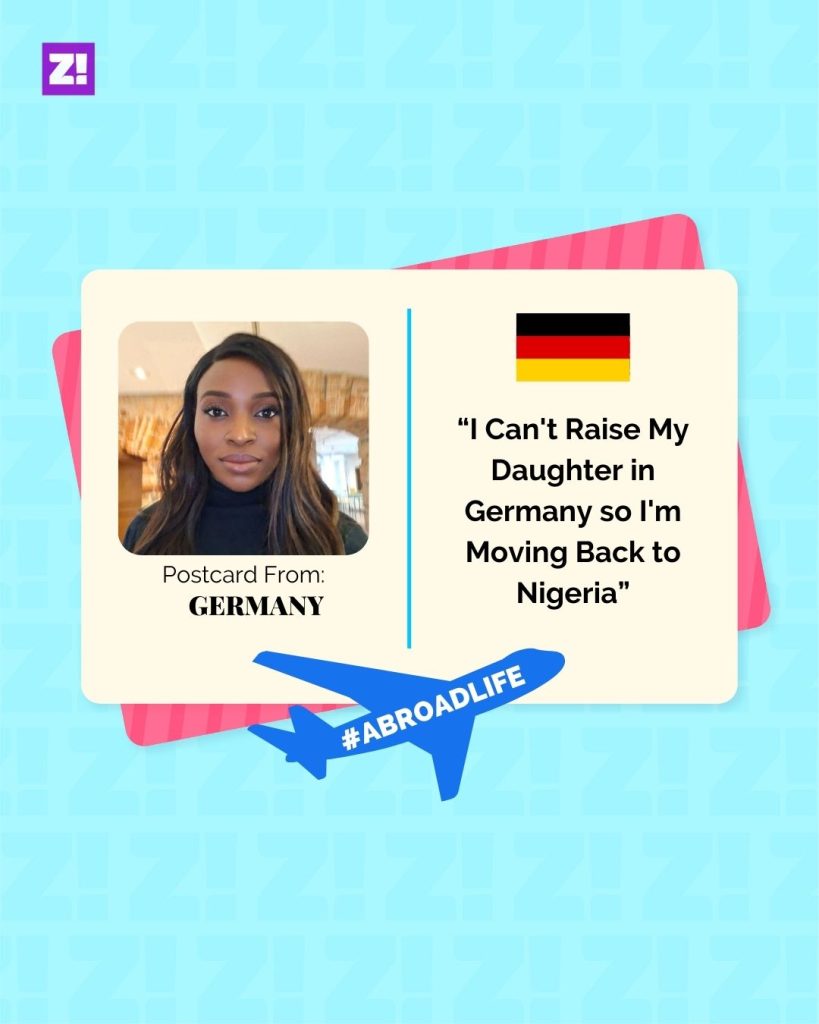
    Bimpe (35) had a good life in Nigeria as a successful travel consultant. But when her three-year-old daughter started shouting “Up NEPA,” something snapped. Determined to give her child a better life, she moved to Germany in 2020. In this story, she shares her experiences with systemic racism, the reality of raising a Black child in Germany, and why she is finally moving back to Nigeria.
    Where do you currently live, and when did you leave Nigeria?

    I currently live in Berlin, Germany. I left Nigeria in 2020.

    What inspired you to leave?

    I think it was the same thing that inspires most young Nigerians to leave: the belief that there is no future for them in the country. As a single mother at the time, my biggest motivation was my daughter.

    My work took me outside Nigeria often, so I had thought about migrating eventually, but it was not in my immediate plans. Then one day, I heard my three-year-old daughter shout, “Up NEPA!”

    Those words hit me like a train. It was heartbreaking to think she was going to grow up in that same environment. To have another generation shouting “Up NEPA!” just like mine did felt like a generational curse. I could not stand the thought. I started making plans to leave immediately. In less than a year, we had moved to Germany.

    You said you travelled often for work. What did you do?

    I was a travel consultant. If there was a potential language barrier, I would escort clients to their destination to ensure they got through immigration processes without any issues. I loved my job. Apart from being away from my family, leaving my career was the hardest part of moving away from Nigeria.

    So how did you leave?

    I had built up many contacts in the travel business over the years. I let them know I was looking to move to Europe, though I had not even decided on a specific country. I certainly was not thinking about Germany. I had been all over Europe, but never there.

    However, I had a business partner with a travel agency there, and they were the first to show serious interest. The initial plan was to work for them on a sponsored freelance visa and regularise my stay later.

    Did it all work out?

    It almost did, but then the pandemic happened, and everything fell apart.

    We arrived in Germany just days before they shut the borders. Once in Germany, I started the onboarding process at my new job. Then the lockdowns began. It was not just the borders that were closed; everything was shut down. It was a terrible time for the tourism industry, and the agency had to downsize. Naturally, they started with the newest hires. Suddenly, I was without the job that had brought me to the country in the first place.

    Get More Zikoko Goodness in Your Mail

    Subscribe to our newsletters and never miss any of the action

    What did you do?

    The money I had saved in Nigeria started to look like nothing once changed to Euros. Between feeding and rent, I was burning through my savings very quickly. It felt like my life was going up in flames.

    Without the job, I lost my visa sponsorship. I started receiving letters from the German government asking me to leave as soon as the borders reopened. But I was not ready to go back. I felt I had already given up too much to get there. I had sold everything in Nigeria and referred my clients to colleagues. There was nothing to go back to.

    I got a lawyer to help plead my case, and eventually, I was given what is called Duldung here. It means “Tolerated Stay Permit.” Essentially, they suspended my deportation and tolerated my stay for humanitarian reasons. The whole situation was not my fault. I came to the country legitimately and had a plan. The pandemic was unexpected and affected so many people.

    This must have been a very anxious time for you. What happened next?

    The tolerated stay was for one year. I spent that time thinking about my next move. I decided to learn German as quickly as possible so I could apply for a tuition-free university programme.

    I could not afford English-taught programmes, which are quite expensive. But for the German-taught programmes, you have to reach a C1 level in German to be admitted. Learning a new language at thirty was not easy. But I studied hard, took the language exam, and just managed to pass. I was admitted to an MBA programme. 

    On the job front, I eventually found a remote marketing role with a Malaysian company. That covered my living expenses. Things started to look better financially, but juggling everything was still incredibly difficult. I often considered giving up and going home, but my family in Nigeria relied on me for assistance. The €100 or €200 I send back regularly goes a long way there.

    That sounds like a lot to handle. How did it all turn out?

    Fast forward almost six years, and things are finally stable. I have finished my master’s and secured a government job, though I still keep my remote marketing role. My daughter is older now, I have a son, and I am married. Things turned out okay eventually.

    That is great to hear. So you must be happy with life in Germany now?

    Not exactly. Honestly, the idea of raising my daughter here is something I’ve completely abandoned. That goal was defeated.

    While I met my husband here and Germany has been good to me in that sense, I would not advise someone in my former situation to come here. If you have no job or prospects in Nigeria, then fine, come. But if you are creative, talented, or entrepreneurial, stay away.

    Why would you not recommend it?

    Nigerians have fire in their blood. We are hustlers who do not stay in one place. In Germany, they will quench that fire. This place is for people who prefer a quiet, solitary life. If you do not mind systemic racism or you just want to live on government benefits, then Germany might suit you. But if you want to “make it” in life, there is nothing for you here. Career-wise, it was a very bad choice.

    You mentioned your daughter. How has it been for her?

    The “Up NEPA” I was running away from was replaced by something much worse: racism.

    Things were okay in kindergarten because the school was run by British nationals and had an international mix of staff and students. She did not feel out of place. She even picked up German faster than I did. Her integration looked seamless. She was happy and confident. But primary school has shown us the darker side of Germany.

    My daughter is the only black child in her school. In Germany, social groups are very segregated. The Germans stay together, and other immigrant groups do the same. Since there are not many Africans, my daughter is basically isolated. Considering what I experienced at university with “educated” adults, imagine what a child goes through.

    Can you give an example of the racism you faced during your MBA?

    We had to interview people for our thesis. While my German classmates secured interviews easily, I could hardly find anyone willing to speak to me. The most glaring instance, however, was during a supply chain presentation.

    Our professor was a Greek man who was a lifetime civil servant in Germany. Alumni had warned me that he gave Black and Indian students poor grades, but I forgot the warning because he was actually quite engaging in class. When the group work came, our white classmates grouped up quickly, so I and the Indian students were forced to form the only non-white group.

    We presented a case study on Dangote. My classmates were shocked; they did not think Africa produced anything of that scale. During the presentation, one student even asked if Dangote was “pure Black.” They could not believe a Nigerian man built such a business; they assumed he must be mixed race. It was incredibly irritating.

    How did the professor react?

    He was clearly upset. Maybe he thought I was trying to prove something by using Dangote as the case study. He grilled us for ages with questions he did not ask the other groups. Everyone could see he was being biased and unprofessional.

    Since he could not find fault with the content, he attacked the slide design instead. He claimed the colours did not match and spent ages scrutinising the references and looking for missing commas. He even suggested we had not made the slides ourselves.

    I had to pick up my son, who was not even a year old, so I left after our presentation. I later found out through our WhatsApp group that the professor was furious I had left and threatened to give our group the lowest score. I fought back, emailing the administration with proof that I designed the slides myself and challenging his bias.

    Did the school take any action?

    They called me for a meeting, but the professor’s “solution” was to give the entire class a C-grade. He did this to turn my classmates against me for “playing the racial card.” That is how the system brings you down—if they cannot get you directly, they turn the crowd against you.

    That sounds incredibly isolating. As a family, how do you find ways to have fun in Berlin?

    I would not call it fun; I would call it “unwinding.” Fun usually involves human connection. Without my husband and children, I would be completely alone. We go to church on Sundays and sometimes to the playground. But even there, other children do not play with mine. It is a cold, detached place to raise Black children.

    How did you meet your husband?

    I met him on a dating app because I did not have time to socialise elsewhere. He is German, but he does business across Europe. Meeting him is the best thing that has happened to me here. He is a wise man, which is rare. Germans are smart, but many lack emotional intelligence. My husband is different.

    How was your dating life in Germany before you met him?

    There is just no comparison between Nigerian and German men. I went on dates where the man expected me to split a €10 coffee bill. I am a liberated woman, but if a man cannot pay €5 for my drink, we have no future. We cannot even be platonic friends, because I do not see why friends would split such a small bill.

    When I met my husband, I asked his opinion on that “Berlin tradition” immediately. He laughed and said he would never make me pay. I got lucky.

    How would you compare pregnancy and childbirth in Nigeria versus Germany?

    The Nigerian experience was better, but it’s only because of the racism. As a Black woman, you are not always treated properly by white doctors and midwives. I received better, more empathetic care in Nigeria.

    In Germany, the staff only behaved nicely when my husband was around. Honestly, if I have another child, I would prefer to have them in Nigeria.

    Have you visited Nigeria since you left?

    Yes, we visited earlier this year. I had mixed feelings. I was shocked by the cost of living. I spent ₦100,000 in Shoprite on just toiletries. I was changing foreign currency and still complaining; imagine those earning Naira. It was painful to see people looking so skinny and hungry.

    But on the other hand, I loved seeing my family. Meeting my new nephews and nieces for the first time felt amazing. My daughter was so happy to finally have people to play with. Her cousins and the neighbours’ children were all over her. She has been asking to go back ever since.

    My husband also had a great time. He’s been telling his colleagues how warm and bold the people in Nigeria are. He says he has had better conversations with Nigerian businessmen than he has ever had with Germans.

    What does the future look like for you?

    I plan to relocate back to Nigeria. It could be as soon as next year. I will gladly leave my government job, but I’ll keep my remote marketing role with the Malaysian company because I’ve enjoyed a fantastic five years with them.

    When I return to Nigeria, I want to resume my travel business to help young people move with proper information. They need to know that as a first-generation migrant, you will likely struggle.

    If I had known I could not comfortably raise my daughter here, I would have chosen another destination. So I want to help other Nigerians with the information that will help them make the best decisions.

    Are you worried about a reduction in your purchasing power when you move back?

    Not really. Earning foreign currency in Nigeria provides a very good life. My only real worry is insecurity. However, I want my children to have that Nigerian drive. In Germany, they will be mediocre because the system only wants them to be average. In Nigeria, they will learn to be tenacious.

    What have been the major culture shocks for you in Germany?

    They do not use email; everything is sent by post. Letters, letters, letters! We are drowning in paper in 2025. The banking is another shocker; transfers that are instant in Nigeria take three days here.

    But one thing I like here is how your days pan out exactly as you plan them. People are punctual, and there’s no traffic, so those annoying delays you’ll experience in Nigeria don’t happen here.

    What have been your best and worst experiences?

    The worst experiences have been with the systematic racism here. In healthcare, you will call 30 doctors for an appointment and be told they are full, but if a white friend calls, they get in immediately. You cannot prove it, but you know it is happening. Every day is a battle.

    My best experience was meeting my husband. Meeting him and having my son made the entire journey worth it.

    On a scale of one to ten, how happy are you in Germany?

    Taking my family out of the equation, I would give it a two. It is very depressing here.


    Do you want to share your Abroad Life story? Please reach out to me here. For new episodes of Abroad Life, check in every Friday at 12 PM (WAT).


    Before you go, help us understand how you and other young people feel about the 2027 general elections by taking this 10-minute survey.


    Click here to see what other people are saying about this article on Instagram

    [ad]

  • Someone you know has left or is planning to leave. 1,000 Ways To Japa will speak to real people and explore the infinite number of reasons and paths they use to get to Japa


    Wendy has dreamt of relocating to Germany for the longest time, so when she heard about the country’s new skilled worker visa, it felt like fate. In this story, she shares how she got the visa with only €700 and plans to study for free in her new country.

    When do you leave Nigeria, and where do you live now?

    I left Nigeria in January 2025, and I currently live in Germany. 

    Japa class of ’25, congratulations! How did the big move happen?

    I moved through the new opportunity card in Germany. It’s a German visa that allows non-EU citizens to stay in Germany for up to one year to look for qualified employment. It’s a recently launched relocation route, so many people don’t know about it. 

    That’s interesting

    The visa’s purpose is to attract skilled workers to Germany. It allows you to come in without a job, seek employment, and work in the country.

    Relocating to Germany has always been at the top of my mind, but I knew I didn’t want to move through the study visa because it can take up to two years to get that from Nigeria. The opportunity card was just what I needed, so I decided to jump on it when I came across it. 

    Can you walk me through the process of getting the visa?

    The process was surprisingly easy. The first thing you need to have is a skill that can be proven with paperwork. You’ll also need certain documents to apply, the first of which is your passport

    I mentioned earlier that you’ll need to prove your skills with some paperwork, right?  I used my BSc as my proof. If you don’t have a BSc, you can also apply using your HND. From what I’ve learned, even artisans who have undergone vocational training can apply, provided they have some paperwork to prove the skills they’ve learned.

    Apart from providing proof of your skill, you’ll need proof of funds to confirm that you can support yourself throughout your one-year stay. If you have friends or family in Germany, you can use a sponsorship letter instead; that’s what I did. After doing the things I mentioned,  you have to cover the cost of your health insurance. Everything regarding the application can be done online. 

    Get More Zikoko Goodness in Your Mail

    Subscribe to our newsletters and never miss any of the action

    Are there particular skills the German immigration process prioritises for this visa?

    From what I’ve learned, they prioritise all types of skills. Germany is a country that is heavy on bureaucracy, so it loves paperwork. You just need to be able to submit proof of qualification. Even if you are a stylist and went to a vocational school for it, you only need to show them that you’ve acquired that skill.

    So, what happens when the one-year validity expires?

    You can choose to remain in the country in a couple of ways. I have plans to advance my studies. I’m starting a new program in September, so I can stay back as a student. You can also find a permanent job here since the visa allows it. I’m choosing to return to school because it’s free if you can speak German.

    Can you speak German?

    Remember how I said Germany has been on my mind for a while? Knowing that I’d eventually move to the country motivated me to learn the language before leaving Nigeria. I wouldn’t advise anybody to come here hoping to learn German within a year because it is not that simple. You should start learning before you even leave Nigeria. Some people take Germany off their relocation list because they don’t want to learn the language, which is an interesting choice. It is not the easiest language, but it is completely learnable.

    Can you give me the cost breakdown for this visa?

    The proof of funds is the most expensive part of the process, and it’s about €12,000. Every other thing is relatively affordable. The application fee is €75, and the health insurance charge is 380 euros. You’ll also need to pay about €208 for your proof of qualification to be recognised.

    Everything costs about €700 without the proof of funds. The good thing is you won’t need proof of funds if you can get the sponsorship letter. It’s very easy to process the letter, provided you have someone willing to go to the German immigration office to help you get one. It’s also a cheap process.

    What’s it like living in Germany?

    It’s different, but I’m adjusting. There’s a big Nigerian community here, so that’s comforting. But I miss my friends back in Nigeria. Germany is also really cold, and the people here are very reserved and quiet. I’m used to speaking loudly, so it’s been a bit difficult to adjust. Thankfully, I had a soft landing in the country. I have family here, so I didn’t need to go through the hassle of finding a place to stay. 

    Love that for you! Is Germany somewhere you’d recommend to Nigerians? 

    Totally, but the problem is that Nigerians can be close-minded, and you can’t thrive here with that mindset. If you’re open to learning German, you’ll love it here. Even my friends in the United Kingdom and Canada wish they could move here.

    What are the perks of living in Germany?

    The healthcare system is solid. I came to Germany with an allergy that started in Nigeria. I would typically spend ₦600,000 to get it treated, and still have to wait for hours to see a doctor. But here, the doctor was willing to work with my schedule, and it was practically free. As I mentioned earlier, education is also world-class and free.

    You’ve talked about learning German a few times. What’s the difficulty level?

    Some people would say it’s challenging, but I disagree. I started learning it during my final year in university; I wasn’t consistent with the learning process, but I was still able to speak basic German regardless.

    If you’re serious about the language, I don’t recommend learning with Duolingo. You’re better off getting textbooks from Amazon and starting with the basic level ones. If you’re consistent and determined enough, you should be able to converse in basic German within a year. And it will be worth it when you finally move here. 

    I speak more extensively about this on my TikTok, and I share some tips for people who are hoping to learn.

    On a scale of one to ten, how happy are you in Germany?

    Five or six. I think that’s because I’m still settling in, and I still miss my life in Nigeria. Maybe when I make more friends here and secure a good job, I’ll be happier.


     Want to share your japa story? Please reach out to me here.

    [ad]

  • The Nigerian experience is physical, emotional, and sometimes international. No one knows it better than our features on #TheAbroadLife, a series where we detail and explore Nigerian experiences while living abroad. 


    Ella (21) left the loneliness in Germany to reconnect with friends and family in Nigeria. Two years after that decision, she regrets ever leaving Germany. In this episode of Abroad Life, she talks about relocating from Ukraine to Hungary, then Germany, and finally returning to Nigeria within three years.  

    Where do you currently live, and when did you leave Nigeria?

    I lived in Germany, but I moved back to Nigeria in December 2023. I spent two years in Berlin, but before that, I was a student in Ukraine.

    Why did you decide to move back to Nigeria?

    At that point, I didn’t like a few things about Germany. One of them was that they had no sense of urgency.  I also didn’t see the potential of having a good life there because of racism. I thought the colour of my skin would make it harder for me to have a good life and settle down in the country. Looking back at it, that wasn’t the case. I think I just had a more negative mindset at the time, so I decided to move back to Nigeria and try to relocate to North America from there.

    You said you had a tough time getting things done. Can you explain what that means?

    It was the most basic thing I struggled with. For instance, it took over a year to get a credit card to process online payments. Because of that experience, I concluded that the country was too backwards for me. If you want to register for your address or get your insurance card, you must either write a letter or go to a physical office. There are no online provisions for most of the processes there, and they take forever. 

    You also mentioned that racism was one of the reasons you moved. Could you tell me more about that?

    The interesting thing is I don’t have a personal experience of racism in Germany, but a Nigerian friend of mine did. There was a day when he was trying to get into his apartment.  Typically, you open the door with a key or ask someone to buzz you in, but at the time, two German ladies were already at the door. He thought he was going to go in right after they entered, but the German ladies cursed him in their language and slammed the door in his face after they noticed him.  The apartment itself was full of racist people. He eventually had to move out before his rent was due, and the landlord refused to give him his deposit. 

    That’s insane. What did your life in Germany look like at the initial stage, and why did you leave Ukraine?

    It wasn’t my decision to leave Ukraine. There was a war going on, and I had to leave for my safety. I was 18 at the time, and I had only spent 2 months there. When I left Ukraine, I moved to Hungary, where I stayed for a month. I had to leave because I couldn’t get a job there or afford their schools. So I decided to move to Germany to continue my education because if you can learn the German language, you can study for free in Germany.  When I moved there, I got a job. I love to cook, so I decided to work in a professional kitchen. I was making decent money and could afford everything I wanted to afford. But it was lonely. 

    What made it lonely?

    I don’t think I put any effort into making friends. There’s a difference between wanting to make friends and actually putting yourself out there.  I didn’t put myself out there enough, so I didn’t make friends. I had a handful of acquaintances, a roommate and two friends I made in Ukraine. But it was lonely because, at the end of the day, I didn’t have anyone close enough to me to share my struggles and my problems with. I felt alone. 

    Is that one of the reasons you left?

    Yes, I think so. If I had more friends around me, I could have gotten better advice because I don’t think moving to Nigeria was the best decision I could have taken at that point. The people around me at the time didn’t make me feel like I had other options. At that point, moving back felt like my only option.

    Did you ever discuss that decision with your family before you moved?

    Well, I told them about it, and they said it was fine. They believed that I was old enough to make that decision. 

    What has life looked like since you moved to Nigeria?

    I got to the airport, and I realised what I had done. I still remember feeling anxious at the time  but I’ve started adjusting to life in Nigeria.  I found my community here and  I’m also doing a lot of self reflection and discovery. I don’t have a job at the moment but I’m earning a little from  forex trading. Having free time on my hands makes it easier to reflect on where I’m at in life and where I want to be.

    I’m glad you’re figuring it out

    Oh yes. I’ve been going to the gym and reconnecting with a few of my  classmates from secondary school. We meet from time to time. My social life is much better now compared to when I was in Germany. I now have people I can talk to when I have issues. I have friends with whom I can go hiking. It’s not a bad life at all.

    Is there anything that took you by surprise after you moved to Nigeria? 

    I mentioned that I was 18 when I left. I’m 21 now, and I can’t believe how much the prices of things have skyrocketed. It’s insane, and that’s been a big issue for me. I feel like I was able to afford things more easily in Germany. Over there, it was easier to experiment with recipes because things were affordable, but now, I find it difficult to cook as much as I used to. I always find it crazy when  I calculate how much I  spend on ingredients alone.  

    I know. Was Ukraine any better?

    I was only there for two months, so I don’t have much to say about the country. Being a teenager in Ukraine was scary. I was so naive, and I made many mistakes.  But I  don’t like to dwell on those memories because they made me stronger.

    One thing I can say about Ukraine is that the Nigerian community there is much better than Germany’s. I was able to find a Nigerian community in the church and in my hostel. I got to form some nice bonds within the space of two months. Another thing is the weather—I  wasn’t prepared for how cold it was there and was still trying to adjust to it when the war started.

    What was the war like for you?

    I was in denial at first and decided to stay back despite my parent’s pleas. I stayed put till things got bad, and I decided to leave for Hungary. I stayed in a shelter when I got to Hungary. The Hungarian government helped and fed us for a bit, but they put out a notice saying they wouldn’t be giving people permits to stay in their country.  In the absence of a permit, some Nigerians in the shelter decided to seek asylum, but I didn’t want to do that. That’s when I moved to Germany, hoping to learn their language and study for free.

    So, did you ever learn to speak German perfectly?

    Not really. I only know enough German to get through the most basic conversations. 

    If you could go back in time, would you still move back to Nigeria?

    Probably not. I regret it, but I’m not going to sit with that regret. I can admit that it wasn’t the best decision, but I have moved past it. Now, I advise Nigerians who are considering moving back because of the lack of community to find a church or a gathering with people who practice whatever religion they belong to. You’ll find good people there, and It will help you on those bad days. In Germany, I had only one person around me, and that one person said things that drove me back to Nigeria. Something that wouldn’t have happened if I was surrounded by more good people.

    Do you have any plans to relocate in the future?

     I’m actually planning to leave the country this year. I want to go back to Europe to get my education. I’m content with my life here, but I don’t see myself raising children here.

    I’m rooting for you! On a scale of one to 10. How happy would you say you are right now?

    I’ll say 8.5. I just need one tiny miracle, and my happiness will be a perfect ten.


    Do you want to share your Abroad Life story? Please reach out to me here. For new episodes of Abroad Life, check in every Friday at 12 PM (WAT). 

    [ad]

  • The Nigerian experience is physical, emotional, and sometimes international. No one knows it better than our features on #TheAbroadLife, a series where we detail and explore Nigerian experiences while living abroad. 


    Akin (29), the subject of this week’s Abroad Life, earns in Naira and lives in Germany. This was a good idea until the naira lost most of its value. He talks about relocating to  Germany with his partner after the #EndSARS protest and how he can no longer afford to spoil her like he used to. 

    When exactly did you leave Nigeria and where do you currently live?

    My partner’s angel number is 1111, so we left the country together on November 11th and entered Germany on November 12th, 2021.

    Interesting. How did you end up moving with your partner?

    The Lekki tollgate massacre was a life-changing moment for us. We were big supporters of the #EndSARS cause, but after we saw what our peers went through, we both realised we didn’t want to raise kids in Nigeria. After the massacre, my partner started applying for jobs abroad. She first started with school applications and was able to get a master’s admission in Texas, but there was a limitation because I couldn’t work for a particular period of time–I would have only been allowed to work for 10 hours weekly. How was that going to help anybody? We didn’t take that opportunity, so some of our friends advised us to try out other routes. We took the advice, and she started applying for international roles. Thankfully, she got one in Germany. 

    Are you married?

    Not yet. In most countries, you must be married to relocate together, but in Germany, you have to share proof that you are in a committed relationship with the government.  We had to compile our pictures and put them into a slide to show that we’ve been together for a long time and will still be together when we move. We also had to get a document that proved that we were both single but dating. It was strange that we had to prove our relationship status, but they needed to know we were serious. They call it a registered partnership.

    Would it have made any difference if you guys were married?

    No, it wouldn’t have, but we would have needed to provide supporting documents like a marriage certificate. They are not against marriage; they just want to make sure that you are truly single if you claim to be. 

    How has life been since you relocated with your partner?

    It’s been different. We were comfortable in Nigeria until #EndSARS happened. At that point, we had been dating for two years, but we’re four years old now. I had a good job, and I was climbing up the corporate ladder. My partner is the smartest girl I know, so she was also excelling in her career– we were both balling. 

    In Nigeria, we were between being extroverted and introverted, so you’d mostly find us indoors, working remotely for our companies, seeing movies together, or eating out in nice places. But since we got here, things have changed a bit– we’re either indoors for weeks or travelling around Europe. Now, the difference is that she transitioned into an international role when we moved, but I kept my job in Nigeria.

    Oh, why?

    I was earning close to ₦1 million before I left Nigeria in 2021 and the exchange rate was not that bad. When we moved newly to Germany, I could easily convert my Naira to euros and still be able to take my partner on trips to Paris, but the more T-Pain did his thing, the harder things got.

    The company we work for is fully remote, so employees are in different parts of the world. We tried to convince the company to pay employees in USD or euros, but they didn’t give in. 

    Now, when she travels down to Nigeria, I can afford to spoil her, but I cannot do much when we’re here.

    Thankfully, we have a relationship built on trust. We have an arrangement that works for us— I handle the bills, and she handles bigger payments. Even though things have gotten tougher, there’s never been a time when she travelled to Nigeria, and I couldn’t spoil her. It’s why I tell my friends that I’m poor in Germany but rich in Nigeria.

    What decision could help you live a better life in Germany?

    That would be letting go of my job in Nigeria. I recently realised that there’s a big gap between what my Nigerian job pays and what I should be earning in Germany. Let’s assume that my annual salary in Nigeria is €7k. What I should earn in Germany doing the same job should be about €70k yearly. My partner currently earns about €5k monthly, and that’s close to what I could earn, too.

    Can I ask why you’ve kept your Nigerian job for that long?

    I’ve been asking myself the same question to be honest. When I joined the company. I was transitioning from marketing to a more technical role, and this company I currently work for was the first place I gained employment after my transition–the money was good, and I could still gain advanced technical experience so it made sense to keep the job. When we left, the plan was to get a supporting role but moving from Nigeria and getting a job in Germany can be very hard, so I kept the job to gain more years of experience in the new field I transitioned to. It didn’t feel like a bad decision because I also enjoy working at the company.

    That makes sense. When you first moved, you mentioned you could still take your partner on trips. What changed?

    The exchange rate, my sister. When my friends complain about things being hard in Nigeria, I always tell them it’s hitting me the hardest because I have to convert my wages from a weak currency to a stronger one. 

    When I see freelancers earning in euros and converting to naira, I’m always happy for them. There was a time when I could convert ₦600,000 to €1000 but suddenly, that ₦600k could no longer be converted to €400. It made no sense. So I’ve gone from being able to take my partner on trips to only being able to pay bills.

    How has she been able to adjust to the change?

    She’s been very supportive and has encouraged me to get a job here. She reminds me that things will improve when I get the job and she’s right because at the moment, it feels like I’ve been holding on to Nigeria for too long, and I haven’t been able to settle into our new life.

    If I get a job here, I can have a network of friends and even build professional relationships. More than ever, I’m focusing on getting a role that will make life easier for both of us, even if it’s not as fancy as my job title in Nigeria.

    I hope that works out soon. How do you balance the time difference between Nigeria and Germany? 

    I get very confused sometimes. It’s easier for those who have consistent time differences because they know how to fix their schedule; for me, it’s just very confusing. Sometimes, it’s a two-hour difference. Sometimes, it’s the same time. So I get confused when I need to set up meetings sometimes. But I’m lucky that I now understand Google Calendar a lot,  I have all time zones there. Whenever I’m setting a meeting, it shows me what time the invited guests are available.  I also have this thing on my mobile phone where both time zones are displayed. It helps me keep up with family and friends in Nigeria.

    Let’s talk more about life in Germany. What’s the best part about living there?

    Things work here. For example, it’s easy for you to rent because there’s a website with all the housing options. You scroll through the website, settle for where you want and virtually view the apartment. You send an email of interest and get a response within a reasonable timeframe. If you want, you can visit the apartment physically to review it; If you like what you see and you come to a price agreement that works, you should get a congratulatory email and be able to move in as soon as possible. There’s just a functional order that things follow here.

    Thank you so much. Finally, on a scale of one to 10, how happy are you living abroad?

    When I moved out, I would have said eight because things were easier then, but since T-pain got in, it’s been hard. I would be happier if I found a new role. So right now, it’s like a six or seven, because things are not going so well at the moment. But it takes just one yes for that number to change to nine.

    [ad]


    Do you want to share your Abroad Life story? Please reach out to me here. For new episodes of Abroad Life, check in every Friday at 12 PM (WAT).

  • The topic of how young Nigerians navigate romantic relationships with their earnings is a minefield of hot takes. In Love Currency, we get into what relationships across income brackets look like in different Nigerian cities.


    Image Source: Unsplash (Actual subjects are anonymous)

    Obi* is a 28-year-old product manager living in Berlin while his wife is in Lagos. In this week’s Love Currency, he talks about landing a first date because she thought he was someone else, proposing while surrounded by their favourite foods and choosing to work in Germany because of her.

    Occupation and location 

    Product manager living in Berlin, Germany. 

    Monthly income 

    My take-home salary is about $4k after tax. 

    Monthly and recurring relationship expenses 

    First date: ₦30k at a restaurant in VI

    Her birthday (2021): ₦10 – 20k restaurant date and ₦200k cash gift 

    Her birthday (2022): $1k cash gift

    Wedding ring: ₦500k

    Business loans: Nothing over ₦1m

    Miscellaneous: the occasional ₦100 – 200k

    How did you meet your wife? 

    I was scrolling through Instagram in January 2021 when I came across a reel of her redesigning a space; she’s an interior designer. I enjoyed watching videos of her work, and she was also pretty. So I followed her and started sending responses to her stories — a clapping emoji here, heart eyes there. 

    A few weeks later, I slid into her DMs to ask her name since it wasn’t on the page. She told me, I asked if we could grab lunch together, and we started discussing arrangements. At some point, she confessed that she only agreed because she’d mistaken my DM for someone else she’d been talking to on Instagram. 

    Did the date still happen? 

    Yes. We’d gone far into the planning, so why not? We agreed to have dinner at a restaurant in VI. We ended up talking through the night till the restaurant told us they wanted to close. Our food even ran cold. We’d ordered lamb, some seafood and drinks — everything cost around ₦30k. 

    I lived in Abuja at the time and was supposed to returnthe next day but postponed it because I wanted to see her again. 

    Did you?

    Yes, a few days later, she told me about a meeting near my house, and I asked her to meet me at a restaurant afterwards. We talked and played the “36 questions to fall in love” game, which left us feeling emotionally vulnerable. It was late, and the restaurant was closing, so we decided to walk the short distance back to my place.

    When we got there, she sat on my table because she didn’t like my couch. After trying unsuccessfully to get a ride, she decided to spend the night but insisted on staying in the living room. I brought out a mat I had, and she offered her password for us to watch Netflix movies. At some point, I tried to cuddle and kiss her, but she quickly shot that down, and we went back to watching movies till we fell asleep. After she left, we started talking regularly on WhatsApp, and she even visited me in Abuja. 

    How did that happen? 

    Towards the end of March 2021, she said she wished I was in Lagos to celebrate my birthday in April together. So I got her a ticket to Abuja which cost ₦20k – 30k, but Lagos traffic happened, and she missed the flight. The only other available flight that day was about ₦70k, and we both agreed it was a lot of money. I gave up on seeing her, but later that day, she showed up at my door to surprise me. She’d paid the remaining ₦40k for the ticket. That was the best part of my birthday that year. 

    How was her stay in Abuja?

    She stayed just over a week, and we went out two times; one was to a friend’s birthday party. The other times we left the house were when she accompanied me to the coffee shop I worked from or on our regular evening walks around my estate.  

    She prefers to cook her food or order online rather than eat out. She also doesn’t drink or enjoy the nightlife, so getting her to leave the house is always a struggle. I thought this was a good time to ask her to date me, but this babe said no.

    AH

    I can’t remember her reason, but I figured it was because I was younger by a year. She went back to Lagos, and things went back to normal until I decided to move back to Lagos.

    Sir, what about your job? 

    I was working remotely for an international agency that paid $7,500 – $8k a month, so I could afford to move around.

    Fair 

    I got to Lagos, and we went back to normal. She’d visit my place, and sometimes, I’d visit hers. During one of her weekend visits in June 2021, she saw me swiping on Bumble, and her countenance changed. We tried to talk about it because I didn’t understand why she was mad, and she said it was disrespectful. After she left, we didn’t talk for a whole week, but she reached out saying she was ready for a relationship.

    What was it like being in a relationship with her? 

    Not much changed. We tried to go out more, but she’d either look bored or talk about the decor. Sometimes, we’d even have to find an excuse to leave the restaurant after realising we didn’t like their menu. 

    We spent most of our time indoors at each other’s houses, talking and watching movies. 

    What about special occasions?

    We planned to go out for her birthday in September 2021, but the traffic was ridiculous. So we walked to a restaurant near her house and ate the best swallow. It was on the mainland, so it wasn’t expensive — like ₦10 – 20k. I also sent her ₦200k as her gift. 

    Do you gift each other regularly? 

    We buy things for each other sometimes, but we usually send money. For instance, for Christmas 2021, I got her shoes, sneakers, a leather bag and necklace. For her birthday the following year, I sent her $1k. Other times, I give her my card to pay for stuff, or send her the occasional ₦100k – ₦200k when she wants something. 

    What does she give you?

    She got me a cake, small chops and food from our favourite restaurants for my 2022 birthday. It’s hard to keep track, but sometimes, I could say I’m low on cash, and she’d send me ₦50k – ₦100k. She also made me a native and co-ord wear once.

    At what point did you decide to japa?

    After my contract with the foreign company ended, I started looking for something long-term. I was also thinking about the 2023 election. After the trauma of the #EndSARS protests, I didn’t want to be around for this election.

    She mentioned once that she’d learnt German during her NYSC, so I decided to look for job opportunities there. I applied to two places and got a job offer from one of them a few days later. This was in May, and because we’d already met each other’s families, and I wanted her to go with me, I decided to propose.

    How did that go? 

    I struggled to find the perfect ring. Over time, I asked her questions so I could figure out the particular ring she wanted. I contacted someone in Abuja who made custom rings, and he made one for ₦500k. It was supposed to be delivered on Friday, but it didn’t come till Saturday morning, and she wanted to go back home later that same day. 

    Omo 

    I quickly ordered food from all our favourite places to keep her from leaving. And as we sat gisting, surrounded by small chops, rice and abacha, I asked her, “Baby, do you wanna do life?”

    Aww 

    We had our court wedding in August 2022, and I travelled in September. 

    How has the long-distance marriage been? 

    We talk multiple times every  day. I also hoped to be back in Nigeria in March, 2023, but the election didn’t go as planned, so we’re back to preparing for her to join me. 

    Do you have conversations about money? 

    Yes. Sometimes, I lend her money for her decor business, nothing over ₦1m at once. And she keeps track of everything without me having to ask. She even makes me specify if it’s a loan or a gift whenever I send her money. 

    Do you have a financial safety net? 

    I have over $50k in stocks, cryptocurrency and USD savings.

    What’s your ideal financial future as a couple? 

    I want a mixture of investments and business that’ll bring in residual income. I want to work because I want to, not because I need to. My wife wants to get to a point where she can focus on interior design and make money for the year without adding furniture making.


    RELATED: An Open Relationship on a ₦73k Monthly Income


    If you’re interested in talking about how money moves in your relationship, this is a good place to start.

  • On July 1st, 2022, Nigeria and Germany reached a deal for the return of over 1,000 Benin Bronzes to their roots. These artefacts are part of the collection of historical metal plaques and sculptures stolen by British soldiers who sacked Benin City 125 years ago.

    Stolen Benin Bronzes are returning to Nigeria

    What happened?

    In 1897, a British force of 1,200 soldiers attacked Benin City after locals killed British members of a previous expedition party to the ancient city. The vengeful British force came to steal, kill and destroy the prosperous Benin Kingdom. But they didn’t stop there; they also looted the Oba of Benin’s palace of all its valuables. British soldiers stole thousands of Benin Bronzes and shipped them off abroad where many of them remain today, 125 years later.

    Stolen Benin Bronzes are returning to Nigeria

    Why’s Germany returning its collection of stolen art?

    First, it’s not simply the fear of God. 

    The advocacy for the return of stolen art has gained momentum over the past decade. Colonial spoils of war still being displayed in foreign museums have started to become an ugly reminder of their past. Benin Bronzes are some of the most prominent poster faces for the campaign that has hit the art industry to return stolen property. 

    Stolen Benin Bronzes are returning to Nigeria

    Germany wasn’t directly involved in the looting of Benin, yet hundreds of artefacts ended up there through trade and donations. But the European giant is one of the first to admit the shame of the Benin expedition and actively attempt to correct course by returning them to their home country, Nigeria. 

    The return of the artefacts is a joint effort between the German government and museums that are housing the Benin Bronzes. The museums are members of a multilateral group known as the Benin Dialogue Group. The group’s main objective is the cultural restitution of stolen West African art. The Benin Dialogue Group was established in 2007 and includes other European museums, the Nigerian government and the Royal Court of Benin.

    How significant is this deal?

    Stolen Benin Bronzes are returning to Nigeria

    Global institutions including in the United Kingdom and the United States of America have been gradually returning their collections of Benin Bronzes and other Nigerian artefacts over the past few years.

    Nigeria’s Minister of Information and Culture, Lai Mohammed, described the July 1st deal as the “single largest repatriation of artefacts anywhere in the world.” What the return of Germany’s haul does is put additional pressure on other institutions and countries that can be doing better to soften the blow of a horrendous crime committed 125 years ago.

    The biggest beneficiary of the Benin heist remains the British Museum which still houses the largest and most valuable collection of Benin artefacts. Yet, it remains reluctant to take a progressive stand on the return of the artefacts to Nigeria where they were stolen. 

    The Nigerian government wrote an official demand to the museum in October 2021 requesting the return of the artefacts. The museum’s response?

    The British Museum’s most innovative compromise in the past is the suggestion to loan the artefacts back to Nigeria on a temporary basis. 

    The German deal is a good pressure point to force the conversation of complete reparation with the British Museum and other global institutions still holding out.

    Stolen Benin Bronzes are returning to Nigeria

    In the words of the German foreign minister, Annalena Baerbock, “This is a beginning to right the wrong.”

    What’ll happen to these Benin Bronzes?

    The returning artefacts will be displayed in museums being built or renovated in Nigeria. For example, in 2019, the Benin Dialogue Group, pledged to support the construction of the Edo Museum of West African Art (EMOWAA) in Nigeria. The project is led by the Legacy Restoration Trust (LRT), a Nigerian nonprofit organisation, in partnership with the British Museum.

    The EMOWAA project seeks to reunite Benin artworks currently scattered all over the world, and the German deal will be remembered as one of its pivotal moments. Maybe the British Museum will read the room and take a cue.

    ALSO READ: 4 Artefacts That Were Stolen from Africa

  • The Nigerian experience is physical, emotional, and sometimes international. No one knows it better than our features on #TheAbroadLife, a series where we detail and explore Nigerian experiences while living abroad.


    This week’s subject on Abroad Life was on the fence about japa-ing until he got a job offer in Munich, Germany. He talks about settling in a quiet city as a black man, the crazy tax system, and why being abroad is great for his Nigerian dreams.

    Abroad Life Germany

    When did you decide to move abroad?

    I’d been trying to decide whether to move abroad or not for a couple of years. I work as a product designer so I see many people in tech get jobs abroad and move. Every time that happens, I’m like, “Wait, am I missing something? Am I going to be the only one here in three years and realise I’ve made a mistake?”

    On the other hand, I’ve always wanted to build projects that help Nigerians. For example, before I left, I started one that helped young people develop skills in tech. So how could I be thinking of japa if I wanted to do stuff like that?

    Why did you eventually leave?

    I have a friend who works for a company in Munich. He referred me and I got a job. When applying for jobs in foreign organisations, you would usually have to go through five or six rounds of interviews, but because my friend is a team lead, I only had to do two very brief rounds. I wasn’t even prepared for the interviews. After the first round, I didn’t expect them to call me for another, but they did and offered me a job. So it wasn’t like I was actively trying to leave. The opportunity just presented itself and I took it. 

    But again, at that point, Nigeria was scary to me. I had a friend who was stabbed in the neck in 2019, and it just felt like the insecurity was getting worse. When you add that to the poor working conditions, leaving wasn’t such a bad idea. And the more I thought about it, the more I realised the advantages of leaving. 

    Like what?

    First of all, career advantages. The biggest companies I’ve worked with in Lagos only serviced people in urban cities like Lagos and Abuja. Here, I was getting the opportunity to work with a company that has impact in nine European countries. Also, my then girlfriend had just finished university, and we were thinking of marriage, so it made sense to settle in Germany. And most of my friends had left Nigeria for European countries. Moving was a good way to reconnect. 

    See, even if there were disadvantages of moving abroad, my family and friends didn’t even want to hear about them. Immediately I got the job, it was like everyone was saying, “Oya, pack your load and go”. 

    But were there prospective disadvantages?

    Just the thought that if I was looking to build valuable projects for Nigerians, could I really do it from outside Nigeria? There was also the fear of a lack of community. 

    When did you leave?

    October 2021.

    Expectation vs reality: Munich edition. 

    I had a pretty clear expectation that was close to reality because I already knew a couple of people who live here and told me what to expect in terms of housing, taxes, work, weather and people. But you can’t be prepared enough for the loneliness and seclusion you face when you move abroad.

    On the work side of things, my teammates were helpful in answering my questions from an immigrant’s perspective because many of them are immigrants too. 

    Was that your first time abroad?

    Nah. I’ve been to the UK about eight or nine times. My dad lived in the UK for 15 years when I was growing up, so my brother and I went to visit him on most holidays. 

    How was your experience in the UK different from Germany?

    The UK is different from many European countries because they speak English. It’s easy for a Nigerian to move around and interact in the UK because everyone speaks our official language. Also, everywhere you turn in the UK, you see Nigerians and Nigerian restaurants. Here, the language is different, you probably won’t run into many Nigerians, and you’ll be lucky to find Nigerian food. 

    And how did the fact that you’ve travelled a lot help you settle?

    I guess it meant I was used to travel itineraries, flights, immigration, and generally just being outside Nigeria.

    When did you get married?

    April this year [2022]. Before I left last year though, I saw my girlfriend’s parents to ask for their daughter’s hand in marriage. I returned in April to do the traditional introduction and court wedding so we could start the visa process for family reunion. It typically takes nine months, so we’re waiting. In the meantime, I’ll travel to Nigeria to stay with her?

    You can work remotely?

    Yep. 

    So why did you have to go to Germany to resume?

    German laws. First, because of tax purposes. Germany wants all employees of German companies to be paid within the German economy. They don’t want the tax going to other countries. So I had to be here at the beginning to set it up. Then, my passport is the EU blue card which mandates me to be in Germany for the most part of a year. So if I stay six months and one day in Germany, I can leave and spend the rest of the year elsewhere and my passport would still be valid. 

    But for work, I can stay anywhere, anytime. We’re only mandated to meet four times a year for hangouts and team bonding. 

    What’s it like living in Munich though? 

    Is it crazy if I say I miss the craziness of Lagos sometimes? I have Nigerian friends in Germany who moved to Berlin because it’s more bubbly than Munich. Munich is quiet. In fact, it’s almost too quiet. You can almost hear ringing in your ears from being in a place so quiet. And it’s because the people here are composed and mind their own business. I could wear my AirPods, put it on noise cancellation, commute for an hour, and not have missed anything because nothing out of the ordinary happens. There are German laws that you can’t take a bath or use your washing machine after 10 p.m. because you might disturb your neighbour. So imagine how lonely it’ll get if you move from Lagos to a place like that. It took me some time to get used to it.

    I also look at how perfectly the systems like healthcare and transportation work and wonder how soon Nigeria can get there. See, there are trains from everywhere to everywhere that are never even one minute late. This place works like a machine. A German Machine.

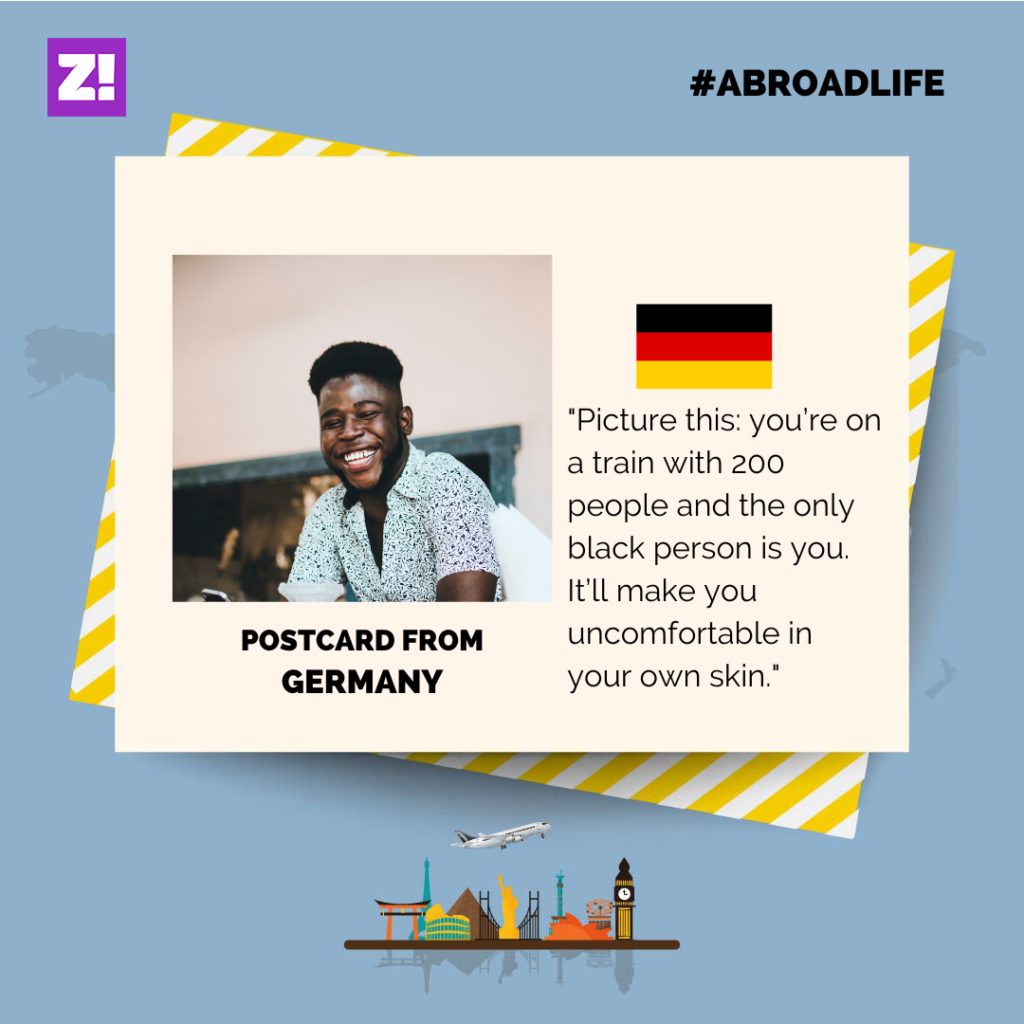
    But one of the biggest changes I’ve had to adjust to is realising my blackness. I’m not very dark-skinned o. But you don’t realise how black you are until you’re in a society filled with white people. Picture this: you’re on a train with 200 people and the only black person is you. It’s like a drop of blood on snow. It’s crazy. It’ll make you uncomfortable in your own skin. You’ll start to compare your physical features to white people’s. It takes some getting used to, but the more I made friends with them, the easier it was for me to understand that we’re all the same. 

    Let’s talk about food. What do you eat?

    Food is pretty cheap here, to be honest. Let’s see, apart from the government taking 42% of my salary as tax, I spend —

    WHAT?

    Oh yeah, there are different tax brackets in Germany. You won’t get taxed if you don’t earn up to €9,985 a year. But the higher you make, the more you get taxed. The highest is 45%. 

    Germany tax brackets
    Tax brackets in Germany

    But the thing is, after a couple of months, you become okay with the idea of giving the government your money because you can see it being put to work. The healthcare system is one of the best in the world, the country is safe, everything works. But your money is used to take care of older people and people without jobs. To combat the possibility of young people sitting at home and waiting for the government to take care of them, the government makes sure every young unemployed German goes through a fully-sponsored skill acquisition programme. They even house them until they can get good jobs and reconnect with society. 

    Also, random, but since we’re talking about money and taxes, one of the reasons people get married here is so they can get reduced taxes and a €400 monthly stipend for every child they have till that child turns 18. In fact, I have a friend who got her €400 every month till she turned 25. Other than that, people don’t really get married. I mean, it’s not a very religious society, so there really isn’t any need for people to solemnise their unions. 

    Interesting. Back to food. 

    I eat rice, swallow and spaghetti like a regular Nigerian, and there’s a Nigerian woman here who makes soup in bulk for me. I also visit a Nigerian restaurant from time to time. 

    Also, let’s go back to your plans to build projects to help Nigerians. How’s that going?

    I’d say staying here gives me a better chance because I have better access to money, people and venture capitalists that can sponsor projects. 

    What are your plans for the future in Germany? 

    I want to stay at this job for at most two years and then move because thats the best way to massively increase your earnings in tech. I also want to be in Germany for at least three years so I can get my EU permanent residence and move to wherever my wife and I want. 

    Does your current passport allow you travel within the EU?

    Yes, it does. A couple of friends and I have been to Prague and Budapest. We were planning another trip for August, but I’ll probably be in Nigeria by then.


    Hey there! My name is Sheriff and I’m the writer of Abroad Life. If you’re a Nigerian and you live or have lived abroad, I would love to talk to you about what that experience feels like and feature you on Abroad Life. All you need to do is fill out this short form, and I’ll be in contact.

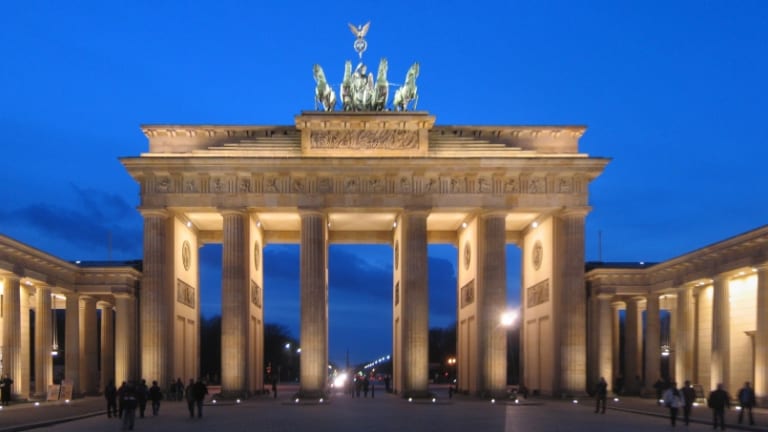
  • 1) Berlin’s Brandenburg Gate

    One of Berlin’s most iconic structures, the Brandenburg Gate is 26 metres tall. A lot of people don’t know this but it was once part of the infamous Berlin wall.

    2) The Black Forest

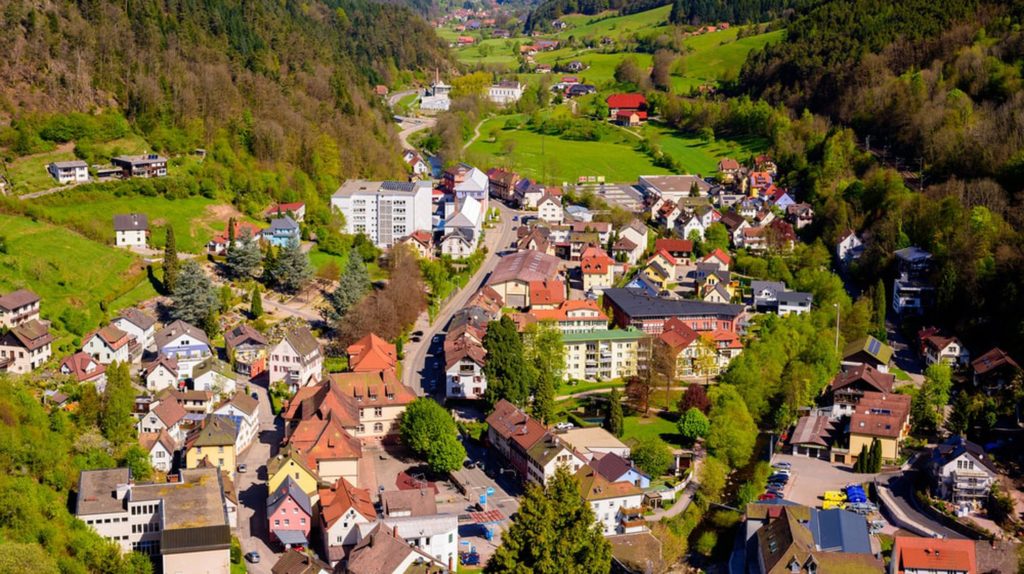
    It’s been said that the Black Forest, a beautiful mountain range in Baden-Württemberg, inspired the settings for the fairy tales written by the Brothers Grimm. Go visit this place if you ever want to take a break from real life and chill in a fairy tale for a bit.

    3) Miniatur Wunderland

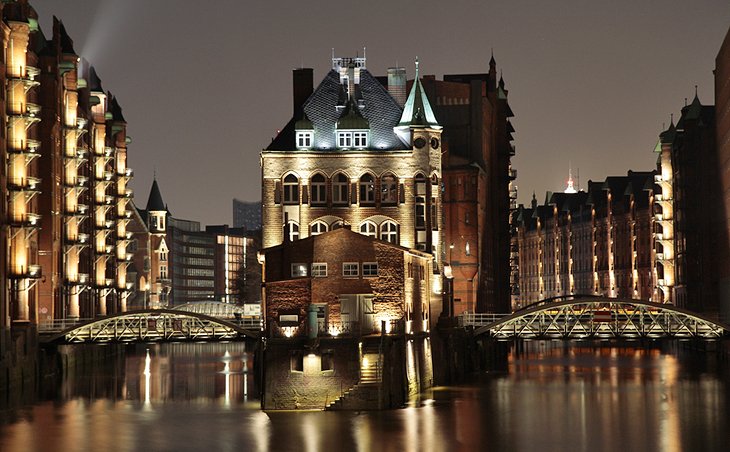
    With over 12,000 meters of track, the Miniatur Wunderland is the world’s largest railway model. It incorporates almost 900 trains and 200,000 people. You can book a behind-the-scenes tour and spend many hours exploring this herculean feat of architecture.

    4) Berlin’s Museum Island

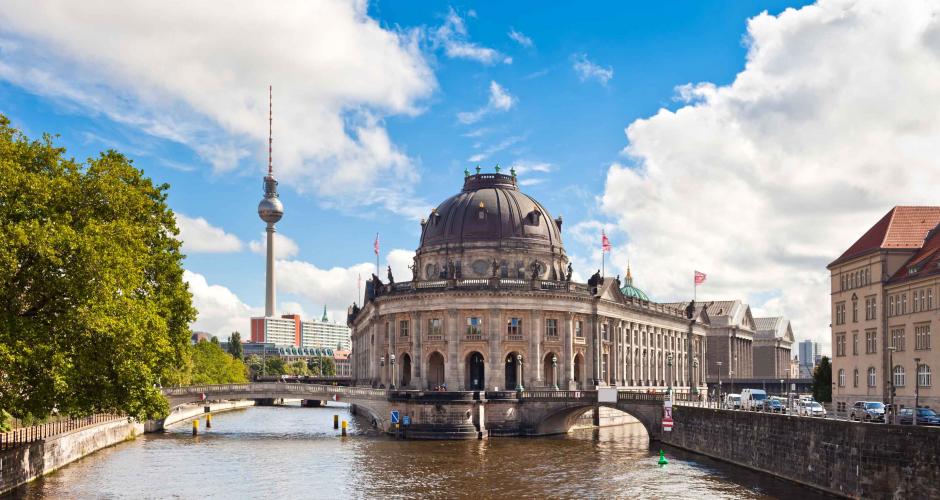
    Located between the River Spree and Kupfergraben, this island contains many of the city’s oldest museums. Be sure to set aside a couple of days if you want to explore them all because there’s so much stuff to see.

    [donation]

  • The Nigerian experience is physical, emotional, and sometimes international. No one knows it better than our features on #TheAbroadLife, a series where we detail and explore Nigerian experiences while living abroad.


    Today’s Abroad Life subject is a woman who left Nigeria in 2016 to study in France. She talks about how her love for travelling has made her visit thirteen countries in the past four years, and how, now that she’s settled in Germany, she’s noticed that everyone minds their business too much.

    First things first, what are you doing in Germany?

    How do I put this? I work as a research assistant, but that’s not the whole story because my research is supposed to count towards getting my PhD. I’m working towards my PhD, but I get paid as a researcher. This means I can apply for my PhD whenever I wish to.  

    What do you do as a researcher?

    My research is on fluid mechanics. I was going to say Mechanical Engineering, but that doesn’t quite tell the whole story, so I’ll say fluid mechanics. I’ve been in Germany for about 2 years. 

    What happened before Germany?

    I was in Paris for about six months, in the Netherlands for another six months and in Nances, a city in France, for another year. I was moving around because in the space of those two years, I took two Masters. One started in Paris, with its second semester in the Netherlands, and the other was fully in Nances.

    That’s a great quest for knowledge. Is there a reason for that? 

    Well, the first Masters was a scholarship from the French and the Nigerian government. It was meant to last two years, but because I already had a five year engineering background, the school decided to waive the first year and just have me do the second year. Big mistake. 

    So, I did that one year and since I had one more “free” year, I decided to just take another Masters in Nances. It was a tough choice between getting another Masters and getting a PhD, but I decided on the former just to bridge the gap on the one year I missed from the first Masters. 

    How many countries have you lived in?

    Apart from Nigeria, The Netherlands, France and Germany. Three. 

    How many countries have you been to?

    Thirteen

    Hold up…

    It’s really not that mind-blowing. They’re all Schengen Area Countries, so when you’re in one of them, you can easily go to any of the others. 

    When did your traveling start?

    It started when I got to France. In my first year of Masters, I only visited Italy.

    Can  you give me a list of the 13 countries?

    France, Italy, Belgium, the Netherlands, Germany, Austria, Spain, Czech Republic, Hungary, Russia, Finland, Switzerland and Lithuania

    Where’s a place you’d love to visit again?

    France, but not because of Paris. Paris is the most overrated city I’ve ever been to. After seeing The Eiffel tower and The Louvre Museum, there’s nothing left to do. You might enjoy it as a tourist, but living there isn’t so nice.

    I remember my first morning in Paris, I was like, “Oh welcome, abroad. I won’t have to struggle for the bus.” Then I stepped out and  saw so many people running for the metro. I was so confused. The metro also smells really bad.

    Wow. So why France?

     A city called Colmar. I went to Colmar when I did a mini trip to France earlier this year, and it looks like something out of a fairytale. It has really nice houses, flowers and small rivers, and they’re so well preserved. It’s not a big city, but it’s spectacular. 

    Where’s one place where you don’t want to visit again?

    Russia. I can’t really say it’s the worst. I’ll say, maybe, it’s the place where I’ve felt the least comfortable. It was probably because I already had an opinion from reading stuff about them, that they’re racist. 

    I didn’t really get a chance to explore the city where I stayed, but I like the metros in Russia. They’re really deep underground, probably one of the deepest metros I have ever seen. But I couldn’t enjoy the place because I didn’t want to be out late and have someone appear behind me and start asking me questions.

    What enables you to travel so much?

    I have a sugar daddy.

    Oh?..

    Just kidding. I live in the Schengen Area, and if you plan your trips well, you’ll get cheap flights and buses. One time, I took a 2 hour bus from Lille in France, to Ghent in Belgium for €5. You could also get really cheap flight tickets within the region to countries with heavy tourist attraction centres.

    What do you mean by cheap?

    It’s actually really cheap, trust me. On some days, you can get a plane ticket for about €50 euros to Spain. Generally, the key to exploring Europe is getting a visa to one country in this region. I even recently found out that once you have a Shengen region country visa, you don’t need a visa to travel to some countries that are not in the Schengen region, like Croatia.

    How easy was it getting the French Visa?

    Pretty easy. The scholarship was government sponsored, so that wasn’t hard at all. The German permit also took me about four days to get and I don’t know why. Normally, it takes about three weeks. 

    How have you dealt with the language?

    In the Netherlands and Germany,  you’re more likely to find people willing to speak to you in English. In France, not many people would speak English to you, but my Masters program was in English, so I just had to learn basic French for survival.

    In Germany, my first contract was a six-month internship program. I was meant to work 42 hours a week, but it was a 50% contract, so I worked 20 hours a week. I used the other half of my time to learn German, and in eight months, I could speak fluent German. 

    To me, it doesn’t matter whether you speak to me in English or German because I think I can speak enough German to get by.

    When did you first leave Nigeria, and have you been back since then?

    I left Nigeria in September 2016. I’ve been back only once and that was last year.

    Are you coming back?

    When I was leaving, I had all intentions to come back. But after my masters, I realised that because of my field of study and speciality, the job prospects would be really limited. I was speaking with my South African friend recently and we agreed that she had a much better chance of going back home and getting a job in her field than I do. 

    Another question I would ask before coming back is “Who can match my current salary?”

    What is a Nigerian reality that has shaped your Abroad Life?

    Addressing your superiors at work. My supervisor is in his early 60s, so it was super hard for me to start calling him by his name every time. This man is old enough to be my grandfather and he wants me to call him his first name. I’m getting more familiar with it, though.

    One of the things I don’t like about being abroad is the fact that everybody minds their business.  It is a double-edged sword. In Nigeria, you don’t like people being in your business, but sometimes, you actually need it.

    Last year, I was sick. I had an emergency operation so I couldn’t go to work for about a week. I was in my house and the next thing, I was in the hospital, so I couldn’t inform anybody. Not a single person called or texted me. Not one. Not even the HR person. I left a cup of coffee on my desk the day before the incident and when I came back one week after, I met it right there with mold in it. Sometimes, it gets really annoying in Nigeria when people put their noses in your business, but I’d rather have that than have nobody care at all. 

    I always like to say that if I died in my apartment, nobody would know until my body started smelling because even my rent would automatically pay itself from my account and the landlord wouldn’t care to check on me.


    Wild. In all your travels, have you been treated differently because you are black?

    Not really, no. People always assume that I’m either South African, or from the UK and it’s interesting to see. But one time in an Airport in Milan, I got specially checked. Only me. Turns out I was the only black person on the flight I came in. My documents got checked and everything, and then they asked me to go. 

    Sorry about that. Do you ever find a Nigerian community wherever you are?

    In school in France, they have an active Nigerian community on WhatsApp, so it was easy to find a community. In the Netherlands, I wasn’t really searching, but my landlord was Ghanaian so I had all the feeling of home I wanted. 

    I’m very sure they’re Nigerians in Germany, but for some reason, I can’t seem to find them. I live in a small city and I’m more likely to run into francophone Africans than Nigerians. The lady that makes my hair is the only other Nigerian I know here. 

    What’s one thing you miss about Nigeria?

    Food and familiarity.

    What is the best thing about living in Germany right now?

    The transport system. 

    Not the popular events like Oktoberfest?

    I’m not a beer person. I feel like  beer is the devil’s piss.

    I think the other thing about Germany is that it’s quite an interesting country. You never hear of Germany being a tourist attraction, but it has really nice places. Germany has a lot of tourism potential, but I don’t know why it’s not being marketed.

    I really enjoy travelling in Germany.

    What advice would you give a Nigerian trying to move to Germany or any of the countries you’ve been to?

    The best route is usually as a student. Be ready to learn the language if you’re moving to a non-English speaking country. Learning the language is an advantage and a great way to connect with the people. 

    Want more Abroad Life? Check in every Friday at 9 A.M. (WAT) for a new episode. Until then, read every story of the series here.

  • The World Cup starts tomorrow and while we are praying and hoping it’s not only fine aso-ebi we have to offer, we’ve come up with the perfect playlist to get you ready.

    Road 2 Russia (Dem go hear am) – Olamide & Phyno

    Our official 2018 world cup song

    Ballerz – Wande Coal

    We are stepping into Russia like

    Issa Goal – Naira Marley (feat. Olamide & Lil Kesh)

    For everytime we score a goal.

    Power of Naija – 2Face (feat. Cobhams & Omawunmi)

    Even though we are playing Portugal we still have hope

    Super Eagles Carry Go – Austin Milado

    We are readyyy!!!

    Osinachi – Humblesmith (feat. Davido)

    After we collect the cup from Germany.

    Super Eagles- Solidstar

    Croatia go clear road!

    Nigeria Go Survive – Veno Marioghae

    Even though we are playing Argentina, fear not.

    Penalty – Small Doctor

    We have a small prayer for Iceland – won ti gba penalty lo throwing

    Ole ole ole – The Fans

    For when we carry the cup

    Wavin Flag – K’Naan

    You can’t leave this classic off your World Cup playlist

    Oh Africa – Akon

    A win for Nigeria is a win for Africa.

    Waka waka – Shakira

    https://www.youtube.com/watch?v=tdojnHySFGk
    Did we leave any songs off the list?