• In a quiet street in Kano, 39-year-old Hafsat lives with an invisible pain rooted not in illness, but in the cultural violence committed against her two young daughters, both mutilated at birth.

    “I remember both naming ceremonies, but not with joy,” she began, her voice shaking. “What should have been the happiest days of my life became the most painful.”

    Hafsat’s first daughter was just seven days old when she was cut. That day, an elderly woman in her husband’s family took the child under the pretence of “preparation” for tradition. What followed were screams that still haunt Hafsat to this day.

    “They cut her both down below and in her throat (With the belief it’s to help in preventing throat-related ailments). I cried all day,” she said.

    When her second daughter was born three years later, Hafsat tried to save her from the genital mutilation her first had undergone. She endlessly pleaded with her husband’s relatives, but her pleas were ignored. During the naming ceremony, they struck again while she was distracted. Another scream. Another baby mutilated. Another heartbreak.

    “I felt defeated. Like I had no power in my own child’s life,” she added.

    The Menace That is Female Genital Mutilation (FGM)

    Female Genital Mutilation is the partial or total removal of the external female genitalia, or other injury to the female genital organs, for non-medical reasons. It is a harmful traditional practice that is most often carried out on girls between infancy and age 15.

    According to the World Health Organization (WHO), this mutilation can be in various forms ranging from Clitoridectomy, the partial or total removal of the clitoris, Excision which entails removal of the clitoris and the labia minora (inner lips), sometimes also the labia majora (outer lips) Infibulation that is Narrowing of the vaginal opening by cutting and sewing together the labia and lastly, all other harmful procedures to the female genitalia for non-medical purposes (such as pricking, piercing, and scraping).

    The practice remains a deeply rooted cultural practice in many parts of Nigeria, especially in rural communities. It is often hidden, silenced, or normalised, passed from one generation to another with dangerous myths of morality, purity, and discipline.

    [newsletter type=z-daily]

    In May 2015, the Nigerian National Assembly passed the Violence Against Persons Prohibition (VAPP) Act, a landmark law designed to address the escalating issue of violence against individuals, particularly gender-based violence.

    The Act was introduced to bridge gaps in existing laws, providing a comprehensive framework to criminalise various forms of violence, including domestic abuse, sexual violence, and harmful traditional practices like FGM. Despite the existence of this powerful law, FGM persists in Nigeria.

    As recently as 2024, the United Nations Children’s Fund (UNICEF) revealed that Nigeria accounts for the third highest burden of FGM globally, and “22% of the 68 million girls at risk of FGM between 2015 and 2030.”

    An estimated 19.9 million Nigerian women and girls have been subjected to this harmful practice.    

    Nationally, about 20% of women aged 15-49 have undergone FGM. However, the numbers vary widely across regions and ethnic groups.

    In Kano State, where Hafsat lives, the prevalence of FGM is lower compared to southern states and is often performed in secrecy by traditional practitioners known locally as wanzamai, especially in rural villages like the one her husband hails from.

    Silence is an enforcer…

    The Public Relations Officer (PPRO) of the Kano State Police Command, SP Abdullahi Haruna Kiyawa, in an interview, acknowledged that FGM is a crime under Nigerian law and punishable under the Violence Against Persons (Prohibition) Act (VAPP Act) and the Child Rights Act. However, he emphasised that enforcement has been a challenge.

    “We rarely receive direct reports of FGM,” he explained. “In most cases, people are either afraid to speak up or don’t even know it’s illegal.”

    For Hafsat, breaking that silence didn’t come easily. For years, she carried the pain and guilt of what happened to her daughter in silence, afraid of backlash from family members and neighbours who still view FGM as a cultural obligation. “I thought speaking out would bring disgrace to my family or even get me into trouble,” she said, her voice trembling. “But when I learned from a radio program that it’s actually a crime, something shifted in me. I realised I wasn’t alone and I had to speak for my child.”

    When I approached her for an interview, she said something in the way I asked made her feel seen and not judged. “I felt like you really wanted to understand, not just report,” she explained. “That gave me the courage to finally talk.”

    Even then, it took time for Hafsat to gather the courage. She struggled with the fear of being judged or rejected by her community. “I kept asking myself, what if they say I’m betraying my culture?” she confessed. “But then I thought about my daughter’s future, which was more important than what anyone would say.” Hafsat’s case sheds light on the invisible barriers many mothers face that keep FGM hidden, and victims voiceless.

    Rashida Aminu, Head of Sexual and Gender-Based Violence and the Spokesperson with the National Agency for the Prohibition of Trafficking in Persons (NAPTIP) in Kano, said the agency’s experience with FGM-related cases reveals a disturbing trend of silence. “People do not open up. Even when mothers are unhappy about what happened, they feel powerless due to fear of divorce, societal shame, or rejection,” she said.

    Hafsat’s experience highlights this reality. “I considered reporting, but I’m scared,” she said. “If you speak out, you could lose your children or your home. I have nowhere else to go.”

    “My husband is a traditional man who listens more to his older brother than to his wife”. After the first incident, Hafsat objected to the practice. But her husband silenced her.

    “He warned me never to speak of it again. He said a woman must support the culture of her husband’s people.”

    When she protested again after their second daughter was cut, he threatened to send her back to her late father’s house, a threat she believes he may one day carry out.

    “I live with fear. We hardly speak now unless it’s about money or food,” she added. “This has killed the peace in our marriage.”

    FGM has no health benefits. Instead, it causes severe pain, infections, childbirth complications, emotional trauma, and long-term reproductive issues. Hafsat shared how her daughters cried for days after the mutilation

    “My first daughter had an infection. I had to take her secretly to a health centre,” Hafsat said. “Even now, they complain of pain while urinating”

    But beyond physical pain, the emotional scars are deeper. “They no longer smile like before. It’s like something was taken not just from their bodies, but from their soul.

    Commenting on this, Dr. Aisha Bello, a paediatrician specialist in child health and trauma recovery, explains that the symptoms described by Hafsat are not uncommon in girls who have undergone FGM. “Recurrent urinary tract infections, painful urination, and long-term reproductive complications are among the most reported consequences of the practice,” she explained.

    “What makes it worse is when these children suffer in silence, and parents are too afraid to seek timely medical care due to cultural pressure or fear of exposure,” She added.

    The emotional and psychological impact can be just as severe. Child Psychologist Ibrahim Sule noted that even at a young age, girls can internalise trauma. “Pain linked to a trusted adult or caregiver, especially when it’s not understood, can result in anxiety, withdrawal, or fear of touch. These signs are often dismissed or misinterpreted,” he said. “In the case of Hafsat’s children, seeking help was the right step.

    Efforts to end FGM in Nigeria are ongoing. Civil society groups, faith-based organisations and international agencies like the United Nations International Children’s Emergency Fund (UNICEF) and United Nations Population Fund (UNFPA) continue to run awareness campaigns. But challenges persist, especially in areas where silence and tradition override laws and rights. Experts recommend more community-based dialogues, survivor-led storytelling, and legal support for victims who wish to speak out.

    Speaking on what the Kano State NAPTIP is doing to help victims and mothers like Hafsat, its spokesperson, Rashida Aminu,  highlighted that the agency currently provides legal support and counselling for victims and mothers like Hafsat, adding also that more still needs to be done in terms of community sensitisation and the establishment of safe spaces. “We try to work with traditional leaders, religious leaders, and institutions to shift harmful narratives, but the stigma is still very strong. We need more public education, and we need to assure mothers that they will not be left alone,” she added.

    There’s also a need to empower women economically, so they can stand up to harmful practices without the fear of abandonment. For Hafsat, hope lies in her daughters’ healing and education.

    “What would make me happiest”, she says, “is to see them grow up safe, educated, and free from this harmful tradition.”


    Ever had a moment where Nigeria’s systems made life harder—or unexpectedly easier? We want to hear about your personal experiences that reflect how politics or public systems affect daily life in Nigeria. Share your story with us here—we’d love to hear from you!

    [ad]

  • Gender-based violence (GBV) is not just a serious and pervasive issue that affects people across all demographics in Nigeria; it also hinders societal progress.

    You probably already know this, but GBV includes a wide range of harmful behaviours directed at people based on their gender. But while all genders are affected by this issue, women and girls suffer it the most.

    Every now and again in Nigeria, reports of different forms of GBV, like rape, domestic abuse, femicide, and many more, make the news, and each time, we ask what can be done to stop this— the answer to that question is not a straight one, as deep fundamental societal issues and norms cause GBV but there is a major solution that can be used to reduce the prevalence of GBV— the law.

    How to fight GBV with the VAPP Act

    Even though there are several laws in place to combat Gender-based violence in Nigeria, this crime has remained a huge issue in the country, mostly because many victims do not understand the legal frameworks available for combatting it.

    This article provides a guide to clear, actionable information about legal avenues available to victims of GBV in Nigeria; this guide will help lead victims to healing and justice.

    Violence Against Persons Prohibition (VAPP) Act: The VAPP Act, enacted in 2015, is at the heart of Nigeria’s legal response to Gender-based violence. This landmark legislation represents significant progress in protecting individuals from various forms of violence, particularly women and girls.

    What are the key provisions of the VAPP Act? 

    1. Comprehensive Definitions: The VAPP Act defines various forms of violence, including physical, sexual, psychological, and economic abuse. This broad definition ensures that multiple forms of GBV are recognised and addressed.
    2. Penalties for Offenders: Offenders face severe penalties, including imprisonment ranging from two years to life, depending on the nature of the crime. This serves as a deterrent against GBV.
    3. Victim Protections: The Act guarantees confidentiality for victims and protects their identities throughout their legal proceedings. This encourages more victims to come forward without fear of stigma or retaliation.
    4. Access to Legal Representation: Victims can seek legal aid to navigate the complexities of the legal system, ensuring they have support during what is typically an overwhelming process.
    5. Protection Orders: This is a special legal tool in the VAPP Act designed to prevent further violence against victims. This order can be used to prohibit an abuser from contacting or approaching the victim. Section 28(1) of the Act allows victims to apply for protection orders that are effective throughout the country. Additionally, the Protection Against Domestic Violence Law (PADVL) in Lagos State provides further provisions for individuals in domestic relationships to seek such orders. 

    Step-by-step guide to reporting GBV

    Reporting GBV is a crucial step in seeking justice and holding offenders accountable. Here’s how this can be done effectively:

    Gather Evidence 

    Preserving evidence is crucial for constructing a compelling case against an offender. The types of evidence that can be collected include:

    1. Medical Reports: Obtain medical documentation that records any injuries sustained.
    2. Photographs: Capture images that clearly show visible harm.
    3. Eyewitness Accounts: Gather testimonies from individuals who witnessed the incidents, as their accounts can corroborate your story.

    Reporting 

    Victims can report incidents at local police stations, NGOs specialising in GBV support, or through dedicated hotlines established for immediate assistance. These hotlines include: 

    1. International federation of women lawyers (FIDA) –  2347088496115

    2. The Mirabel center – 08155770000, 08187243468, 07013491769

    3. Women at Risk International Federation (WARIF) – 08092100009, 08092100008

    4. Lagos DSVA – +2349167802222

    When reporting, it is important to include details such as dates, locations, descriptions of the incident, and any witnesses who may have seen or heard what happened.

    Legal Processes involved in the fight against GBV

    The journey through the legal system can be daunting, but understanding each stage can help manage expectations:

    1. Investigation

    Once a report is made, law enforcement will gather evidence through interviews with witnesses and forensic analysis if necessary. Legal advisors play a crucial role in ensuring that victims’ rights are upheld during this phase. During this process, victims have certain rights, including the right to be treated with respect and dignity by law enforcement officials and the right to be duly informed about their case’s progress and any developments during investigations.

    2. Prosecution

    Once sufficient evidence is collected, charges are filed in court. Victims retain rights throughout the trial process; they should feel safe and supported while testifying and to ensure their comfort and safety, the court may implement measures such as closed hearings or allowing testimony via video link if there are concerns about intimidation.

    3. Judgment

    The outcomes may vary from conviction to acquittal based on the evidence presented. For example, if the accused is found guilty, appropriate sentencing measures may include restitution for victims—financial compensation for damages suffered due to violence.

    The case timeline varies, but staying informed and persistent ensures better outcomes.

    Profiles of Some Organizations Offering Pro Bono (free) Legal Support

    1. International Federation of Women Lawyers (FIDA) in Nigeria: Offers legal representation and advocacy for women’s rights while providing education on legal rights
    2. Women Impact Nigeria (WIN): Committed to combating social injustice and violence against women and girls through a comprehensive legal aid system.  
    3. Mirabel Centre: Specializes in providing medical care and legal assistance specifically for survivors of sexual violence. 
    4. LEEDAP: Provides free legal representation to poor and vulnerable victims of human rights violations.
    5. Project Alert: Focuses on raising awareness about GBV while offering support services such as counselling and legal aid. 

    These organisations play a crucial role in empowering victims by providing essential resources and support networks tailored specifically for those affected by GBV.

    In addition to the VAPP Act, other relevant laws include the Criminal Code, Penal Code, and Child Rights Act. These laws collectively address various forms of violence and discrimination. For example, the Criminal Code outlines offences related to sexual violence, while the Child Rights Act provides specific protections for minors.

    These laws operate at both federal and state levels, with some states, like Lagos and Ekiti, implementing additional gender-based violence laws that complement the VAPP Act. Understanding how these laws interact is essential for effectively navigating the legal landscape.

    Gender-based violence is a grave issue, but victims are not powerless. Armed with knowledge of their rights and Nigeria’s legal framework, survivors can hold perpetrators accountable and begin their journey to healing. With the support of dedicated organisations and advocates, the path to justice becomes clearer and more attainable.

    You are not alone. Seek justice, find support, and break the cycle of violence.


    This article was written by the We Believe You Initiative.

  • Trigger Warning: This story contains sensitive content that may be distressing to some readers. Please proceed with caution.

    Editorial Note: The names mentioned in this story have been replaced with pseudonyms to safeguard the identity of the person sharing their experience.

    At 80 years old, Hannah from Nanka, Anambra State, has “lived two lives”—the life before the night of May 1, 2022, and the life that followed. Motherly love and betrayal represent these two lives. 

    That night, the first day of May, changed her life. Hannah experienced theft, harassment, and sexual assault by her carer, John, who ironically happens to be the son of her late best friend. 

    Hannah now battles insomnia and nightmares every night due to the incident with her carer. This is the first time she has found the strength to share what happened to her and the feelings that night left in her.

    A ‘mother-son’ relationship

    Before the tragic incident, Hannah and John’s relationship was not just that of carer and homeowner but also that of mother and son. “I paid this boy’s fees through secondary school and brought him up in his teenage years,” Hannah said.

    “He was the one face I saw every day, and because of my relationship with Ada [late friend], I called him my son, and he called me his mother. He was always respectful towards me. I never believed in all my life that John would do what he did to me.”

    “The night my caretaker sexually assaulted me”

    Hannah’s eyes welled up with tears as she bravely shared her harrowing tale, the weight of that fateful night still etched in her memory. Her voice trembled with a mix of fear, anger, and resilience as she recounted the chilling details.

    “I was surprised to see John there,” Hannah began, her voice quivering with raw emotion. 

    “He had the spare keys, so it wasn’t entirely unexpected, but his presence that night sent shivers down my spine. With a gun pressed against my face, he demanded that I hand over my gold jewellery, cash, and will. I couldn’t discern whether the gun was real in the moonlight with no streetlights. And at that moment, I dared not find out.”

    Forced to act swiftly under the threat of violence, Hannah recounted the painful submission that followed. “I stood up as quickly as possible and handed him everything he requested. But John’s cruelty didn’t end there,” she revealed, her voice laden with anguish. “In a final act of degradation, he violated my most intimate boundaries. Since that night, I have slept with a bucket beside my bed because of the constant nausea that results from the nightmares. Speaking on the subject now will be my first step towards recovery and psychological healing.”

    As Hannah’s voice faded on the video call with me, I could tell she was carrying a heavy weight of unresolved pain. Her story serves as a poignant reminder of the underreported gender-based violence against the elderly and the physical and mental trauma that emerges.

    Every year, on June 15, the world comes together to observe World Elder Abuse Awareness Day. It is a crucial occasion that sheds light on a pressing issue affecting our society. 

    Read: Elder Abuse in Nigeria: The Plight of A Neglected Elderly Mother

    How could Hannah (or anyone) get help?

    This largely depends on the country you’re in. In the case of Hannah, as a Nigerian, you should contact ARDA-DCI’s (a non-governmental organisation) toll-free line, 08000202020. The ARDA-DCI offer medical care, psychosocial support, legal aid, and important information on sexual and gender-based violence.

    Want to know Nigeria’s political history since 1999? Sign up here.

  • According to the Nigerian Council of Women Societies (NCWS), 138 cases of Gender-Based Violence (GBV) were reported in 2022, with a prevalence of 19.2% of Female Genital Mutilation (FGM)

    This is the harsh reality that female teenagers and even girls as young as eight years old face in Nigeria due to inhumane practices carried out on them just because of one thing — their gender.

    And one of these practices is breast ironing.

    What is breast ironing?

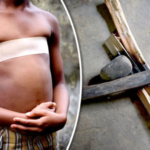
    Also known as breast flattening, it involves using a heated object against a girl’s breast to stop or delay its development. The heated material could be a grinding stone, cast iron, coconut shell, hammer or spatula.

    The alternative is to wrap the breasts tightly with a belt or cloth until the breasts are entirely flattened or suppressed. The process could take several weeks.


    RECOMMENDED: What to Do When You’re A Victim of Revenge Porn

    Why is breast ironing practised?

    According to the Africa Health Organisation (AHO), the belief behind breast ironing is that it “saves the female” from rape, harassment and early forced marriage. In other words, make the girl less attractive, and she will not be a victim.

    But that has never stopped abusers from attacking women and girls of all ages.

    Why breast ironing is counter-productive

    It doesn’t stop GBV— rather, GBV numbers rise. The United Nations (UN) data states that breast ironing affects 3.8 million women worldwide. It has been identified as one of the five under-reported crimes relating to GBV.

    Official figures from the Nigeria Demographic and Health Survey (NDHS) reveal 31.9% of Nigerian women aged between 15 and 49 years have experienced gender-based violence (GBV) since they were 15.

    The World Health Organization (WHO) further revealed that every year, there are an estimated 41,000 homicide deaths in children under 18 years of age. Some of these deaths are likely due to child maltreatment.

    This number means that breast ironing, like every other violence against the female gender, can lead to deaths, showing the true extent of the problem.

    What are its effects?

    Asides from death, the practice tends to bring about health problems such as cancer, tissue damage, abscesses, itching, and breast infections, which could interfere with breastfeeding and even the complete disappearance of one or both breasts.

    This also affects their mental health negatively. According to mental health experts, child abuse influences the brain and results in psychological challenges. Traumatic experiences affect the child’s mental health. Victims face elevated stress levels, psycho-emotional problems, post-traumatic stress disorder, anxiety disorders, depression, and even suicide attempts.”

    How can one stop the practice?

    The process of breast ironing is dangerous, and despite the Violence Against Persons Act of 2015 being in existence, gender-based violence crimes like these are still on the rise.

    If you know anyone who could be a victim (or potential victim) of breast ironing, please contact the National Council of Women’s Societies (NCWS) at +234 8139750698 or email ncwsnigeria@gmail.com