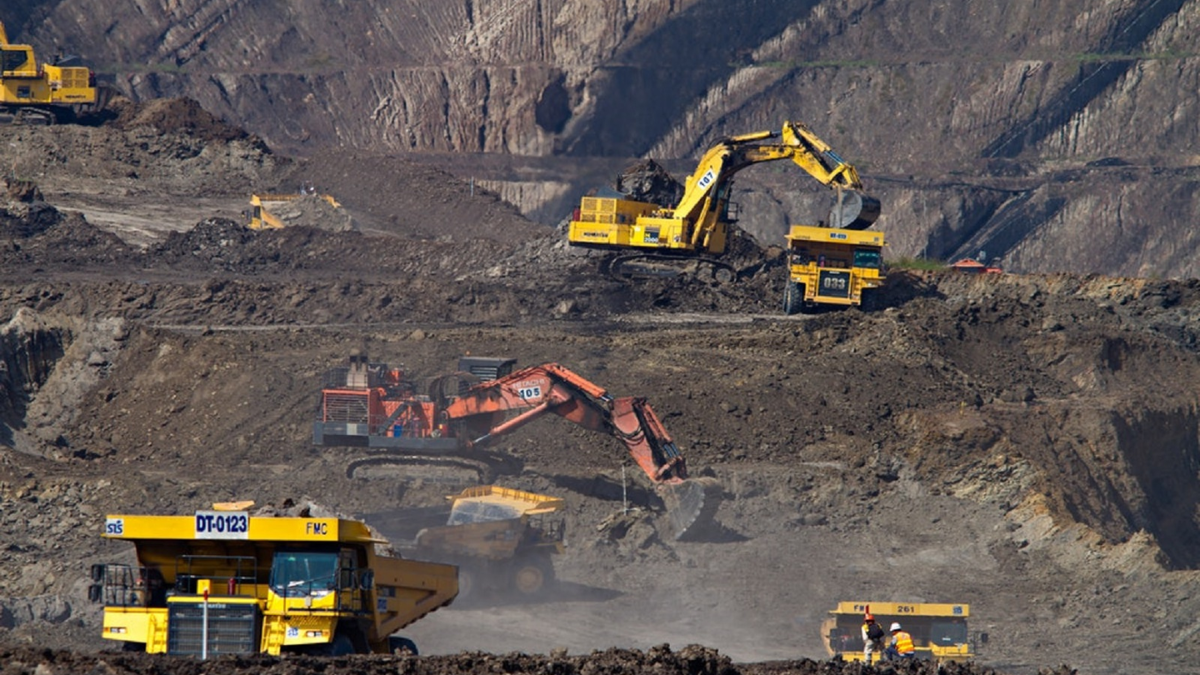
• Photo credit: Nairametrics

    Wake up, kids! A new update just dropped–Nigeria is about to get a mining school and it’s expected to have some ripple effects on the country

    On Tuesday, December 10, the Nigerian Senate passed a bill to establish a Federal University of Mining and Geo-Sciense in Jos, Plateau State.

    The bill is looking to upgrade the already existing Nigerian Institute of Mining and Geo-Sciense (NIMG), Jos, into a federal university, and it was sponsored by Diket Plang, an APC Senator representing Plateau Central.

    Are mining schools a thing?

    This idea is not new, neither is it original to the Nigerian Senate. In fact, Nigeria is actually pretty late to the party. Mining schools exist in different countries in the world, with ever-changing curricula that reflect technological advancement of times.

    Mining schools typically offer programs ranging from mining engineering to geosciences and more. Recently, mining schools like McGill University, Canada, offer courses in robotic mining, and University of Queensland, Australia has also introduced artificial intelligence and virtual reality to its programs.

    Will this school affect your life?

    The proposed university will impact you in many ways, whether you’re interested in enrolling for a program or not. How? It’ll help diversify Nigeria’s economy and ultimately get rid of the things currently making life difficult in Nigeria, like sky-high inflation, unstable exchange rate, and general high cost of living.

    How?

    Nigeria currently runs a mono-product economy (this means that it relies on one product for money). The product it depends on is oil, and it’s currently responsible for more than 95% of the country’s export earnings, 70% of government revenue, and 90% of new investments.

    Because the country makes all its money from this singular source, the economy is always shaken by changes in global oil prices (and it’s been shaking a lot lately). Bad oil prices lead to harsh consequences like inflation and criminally high exchange rates, which trickle down to every aspect of Nigerians’ daily lives. They also affect the amount that the government is able to spare for development and other things.

    Even though it refuses to act like it, Nigeria is rich in over 40 mineral resources like Lithium (used in electric cars and batteries), iron ore, gold, limestone, and zinc, all currently valued at about $750 billion. Yet, these resources hardly generate revenue for the country; in 2023, the mining sector only managed to contribute a meagre 0.77% to Nigeria’s Gross Domestic Product (GDP).

    By reviving its mining sector, Nigeria can turn around its constant economic issues and make the lives of its citizens better however a couple of problems like lack of geological data, weak human capital (no skilled, educated, or experienced workforce in the sector), and lack of enforceable regulations, have been identified as roadblocks preventing the mining industry from reaching its full potential.

    The establishment of a well funded, functional mining university will solve some of those problems by producing a skilled workforce, driving mineral exploration and exploitation, improving mining practices, and driving research. It’s not the magic wand that will fix all of Nigeria’s problems but it’s a start.

    The bill to establish the University has not become law yet but it’s almost there. Following its passage at the Senate on Tuesday, it will now be transmitted to the House of Representatives for alignment, and then to the President for an assent. Is this something you’re rooting for?
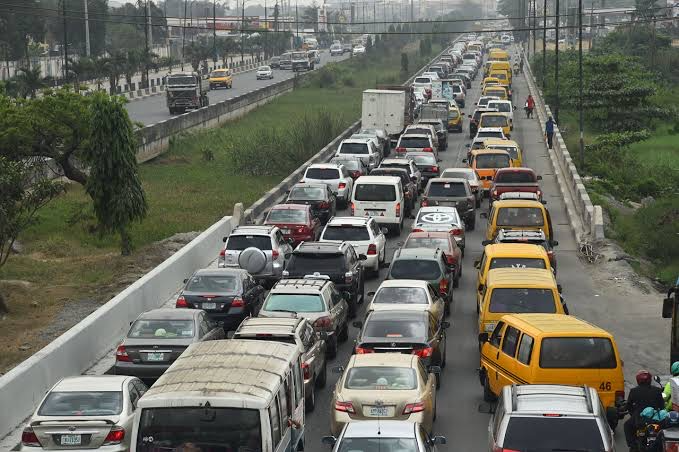
  • Every Nigerian is familiar with the term “go slow”, whether you live in go-slow hubs like Lagos or places with lesser go-slows.

    For Nigerians today, go-slow means traffic congestion.

    But have you ever wondered how that name come to be? We do, and here is your answer to this week’s episode of Citizen History.

    Traffic congestion [Guardian Nigeria]

    It’s a sad tale of maltreatment by the British government, fierce resistance, and a massacre.

    The Story of the Iva Valley Massacre 

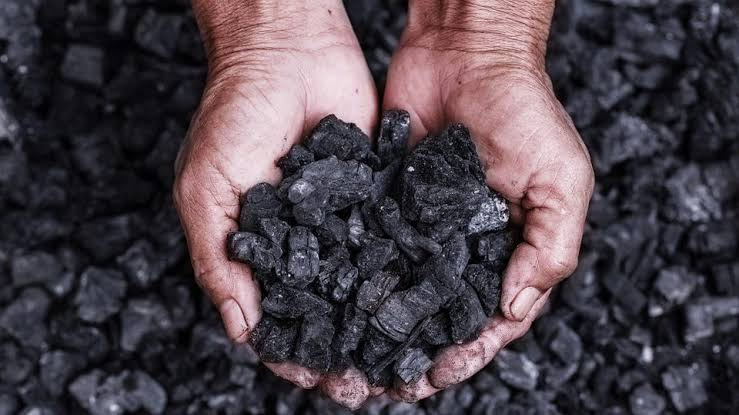
    Enugu State in eastern Nigeria is known as the Coal City because of the massive coal deposit in the capital Enugu City.

    Coal, often used as fuel for locomotive engines, was valuable in pre-colonial Nigeria due to Nigeria Railway Corporation’s high coal consumption. 

    In 1915, the British colonial government opened the Udi Mine after discovering coal in Ngwo at the top of Milliken Hill. However, it closed two years later and was replaced with the Iva Valley mines in 1917. 

    Poor welfare of workers

    In the 1940s, there was a persistent issue of poor workers’ welfare for people working with the colonial government in Nigeria. A series of protests occurred, leading to a nationwide strike in 1945.

    The 1945 general strike in Nigeria [Alamy]

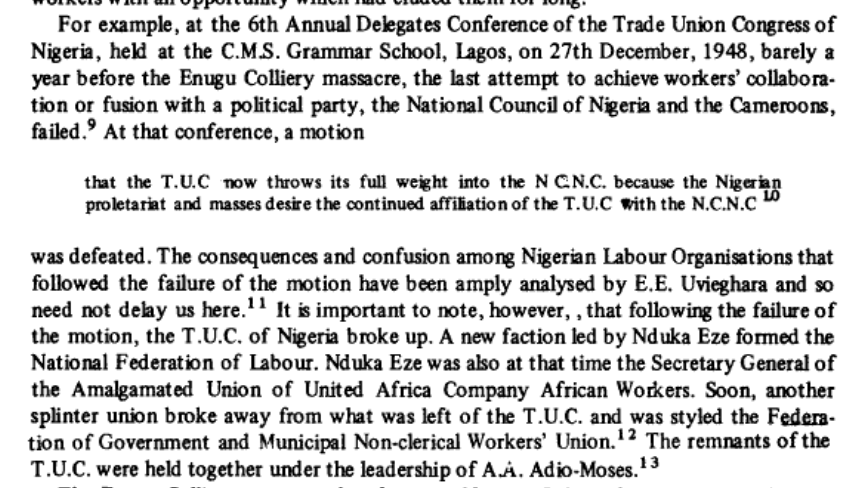
    With that, the importance of trade associations to improve working conditions, pay etc., grew with the formation of the Trade Union Congress of Nigeria in 1942. Workers knew they could bring about change if they dared to stand up together.

    However, the trade unions established around that time had internal beef, allowing their Opp, the colonial government, to be one step ahead.

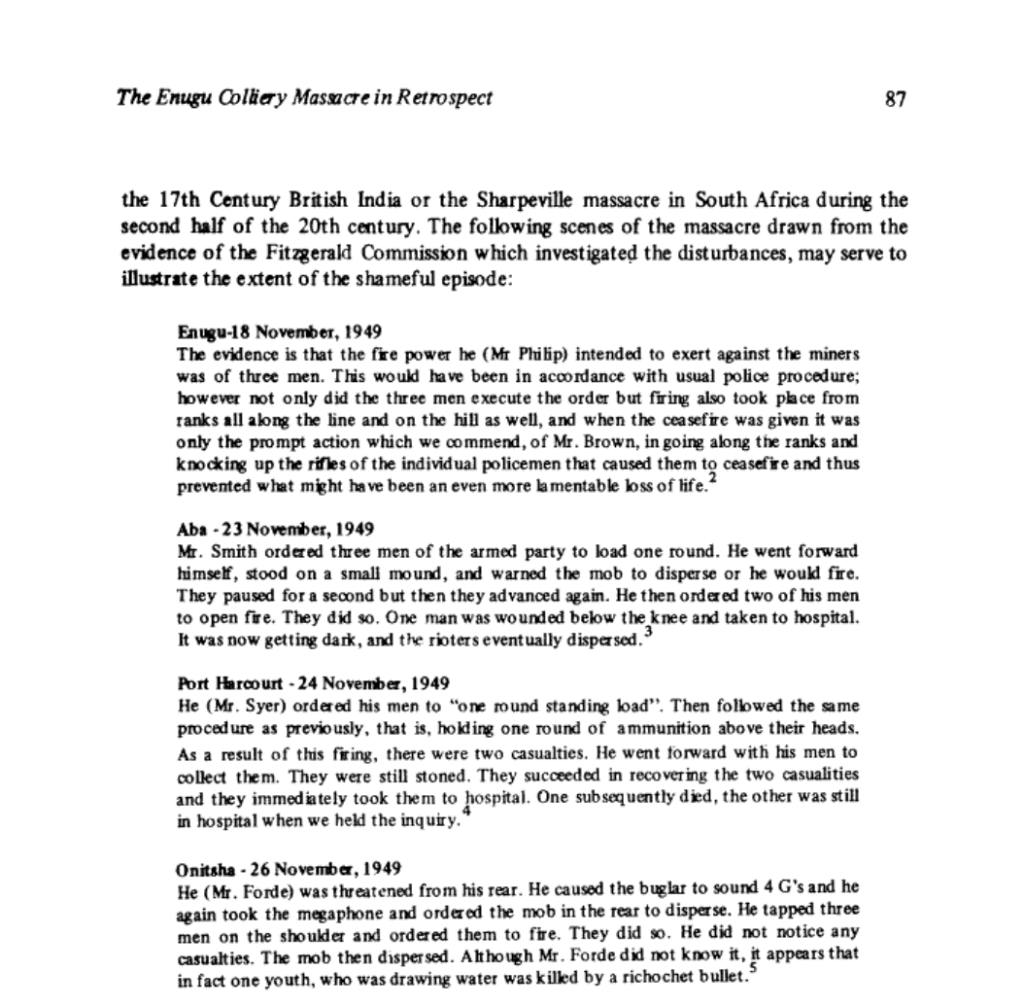
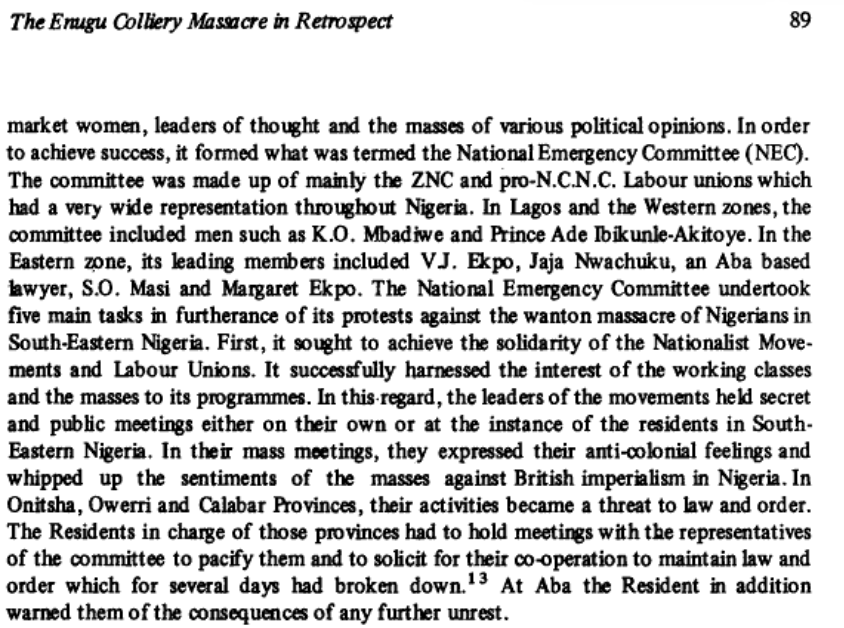
    Excerpt from “THE ENUGU COLLIERY MASSACRE IN RETROSPECT: AN EPISODE IN BRITISH ADMINISTRATION OF NIGERIA” by S. O. Jaja

    By 1949, Enugu was already a cosmopolitan town with about 25,000 inhabitants and approximately 8,000 employed coal miners.

    But the growing production did not reflect the life of an average miner, who worked underground six days a week with poor oxygen. The pay was also minimal, as they experienced pay cuts and inflation due to the economic recession led by World War 2. 

    The colonial government also weaponised tribalism by making indigenes of the Ngwo community where the mine was located work as coal miners while non-indigenes worked above ground and did more clerical duties.

    Taking a leaf from the growth of trade unions in Nigeria, two unions came together to form the Colliery Workers Union (CWU), and their leader was the charismatic Isaiah Okwudili Ojiyi, a former schoolteacher.

    On November 1, 1949, the CWU demanded better pay for all workers, improved working conditions, upgrading the mine hewers to artisans, and the payment of housing and travelling allowances. Naturally, the capitalist colonial government rejected their demands and doubled down on intimidation, assault, and promoting infighting.

    The Go Slow strike 

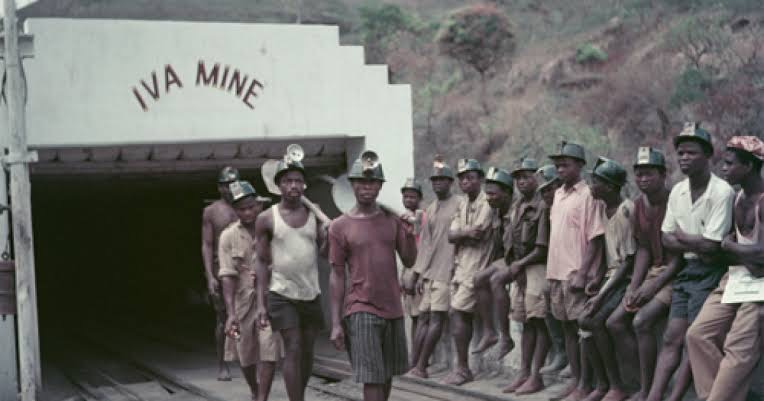
    The workers at Iva Valley [Pulse Nigeria]

    In 1941, the colonial government created Nigeria General Defense Regulations (NGDR), which banned workers from going on strike.

    Therefore, the 1949 protesters had to be smart; otherwise, the miners would be fired altogether.

    So they devised an industrial action called the “Go-Slow”. 

    The workers would not lay down tools but work very slowly, affecting production. A handful of coal was being produced daily instead of wagon loads. But as they were “working”, they couldn’t be punished by the angry government.

    Reluctantly, the colonial government started a negotiation and reached an agreement but also breached it when it sacked more than 200 miners between November 10 and 12, 1949. 

    The Go-slow method escalated to a stay-in strike in which the workers came to the mine but did no work. This also prevented the colliery managers from simply replacing the protesting miners this time.

    It was then decided that the police would remove the protesting miners. To justify this, they claimed that a set of explosives used for work in the mine had gone missing.

    The Police were there to remove the bomb.

    The Massacre 

    On November 18, 1949, 50 armed riot police officers arrived at Iva Valley led by a Senior Superintendent of Police, F.S Philips.

    Superintendent F.S Phillips [BBC/Getty Images]

    The miners had tied strips of red cloth to their helmets as a mark of protest and as was their custom. They faced the armed police and began to dance and chant to boost morale.

    Philips decided that the miners looked menacing, “indulging in a war dance,” and started shooting.

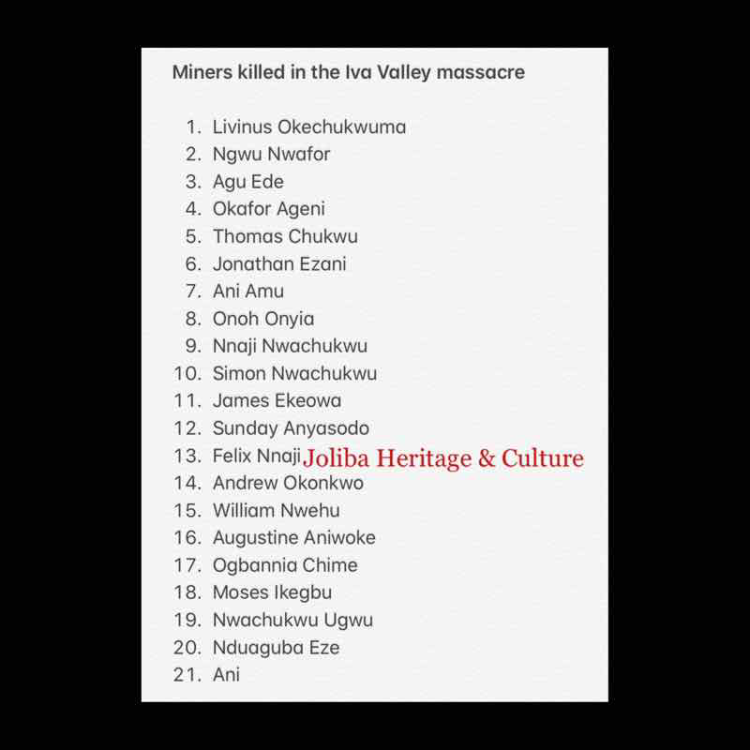
    Twenty-one miners were killed, and many of them were shot in the back.

    The Aftermath

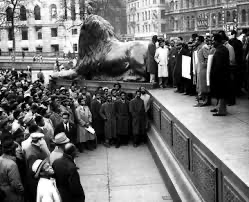
    The tragedy spread across places like Aba, Port Harcourt, Onitsha and even London, resulting in mass protests. 

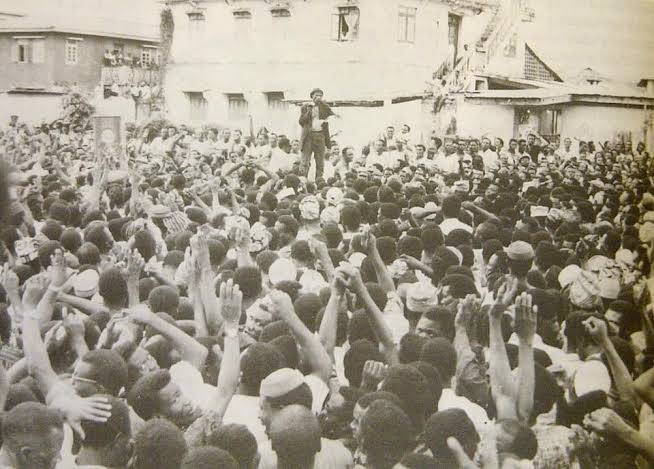
    Nigerians at a rally in Trafalgar Square over the Iva Valley Massacre [Asiri Magazine]

    Eighteen prominent Nigerians created the National Emergency Committee (NEC) to coordinate a national response to this atrocity against humanity.

    The Iva Valley protest and massacre contributed to nationalist movements in Nigeria. It also helped in restructuring the trade unions, and the creation of a Nigeria Colliery Commission handled by Nigerians.

    The method of the go-slow strike was also seen as revolutionary and was exported to the UK as a form of industrial strike.

    Think about this the next time you find yourself in a “go slow”.