• A Week In The Life” is a weekly Zikoko series that explores the working-class struggles of Nigerians. It captures the very spirit of what it means to hustle in Nigeria and puts you in the shoes of the subject for a week.


    2021 was a long year. I know it and you definitely know it. I wrote my first “A Week In The Life” story of 2021 on the 5th of January. It was about an interstate driver who had a girlfriend in almost every Nigerian state he visited. This awe-inspiring, mind-boggling, larger-than-life, yet commonplace story would set the tone for some of the episodes in the series.

    As the year comes to a close, and with over 36 stories under the “A Week In The Life” flagship, I’ve picked 10 of the absolute must-read stories in this series. These stories were picked based on their ability to inspire awe, make you pause and think, or simply to make you appreciate the mundane.

    Whether you started reading this series last year, this year, or even last week, here are some stories that deserve to be read twice:
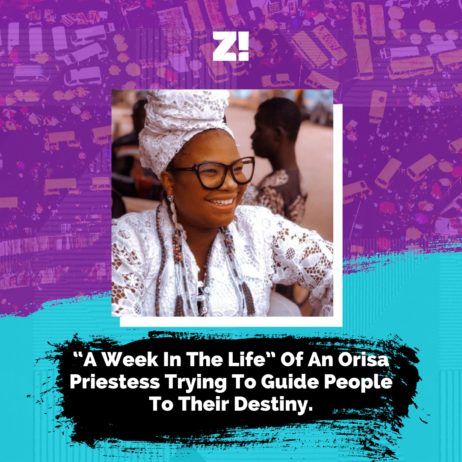
    1) A Week In The Life Of An Orisa Priestess Trying To Guide People To Their Destiny

    As someone who has had struggles with faith, I found the conversation with an Orisa priestess fascinating. Not only was it eye-opening learning firsthand about Yoruba religion, but I also got to hear her talk about destiny, spiritual bodies and how Orisa priests/priestesses guide people on the right path.

    The part of the conversation that sticks is where she says the work is a passion and not a job. I’d pay good money for her to teach me how to have that approach to work.
    Satisfy your curiosity here.

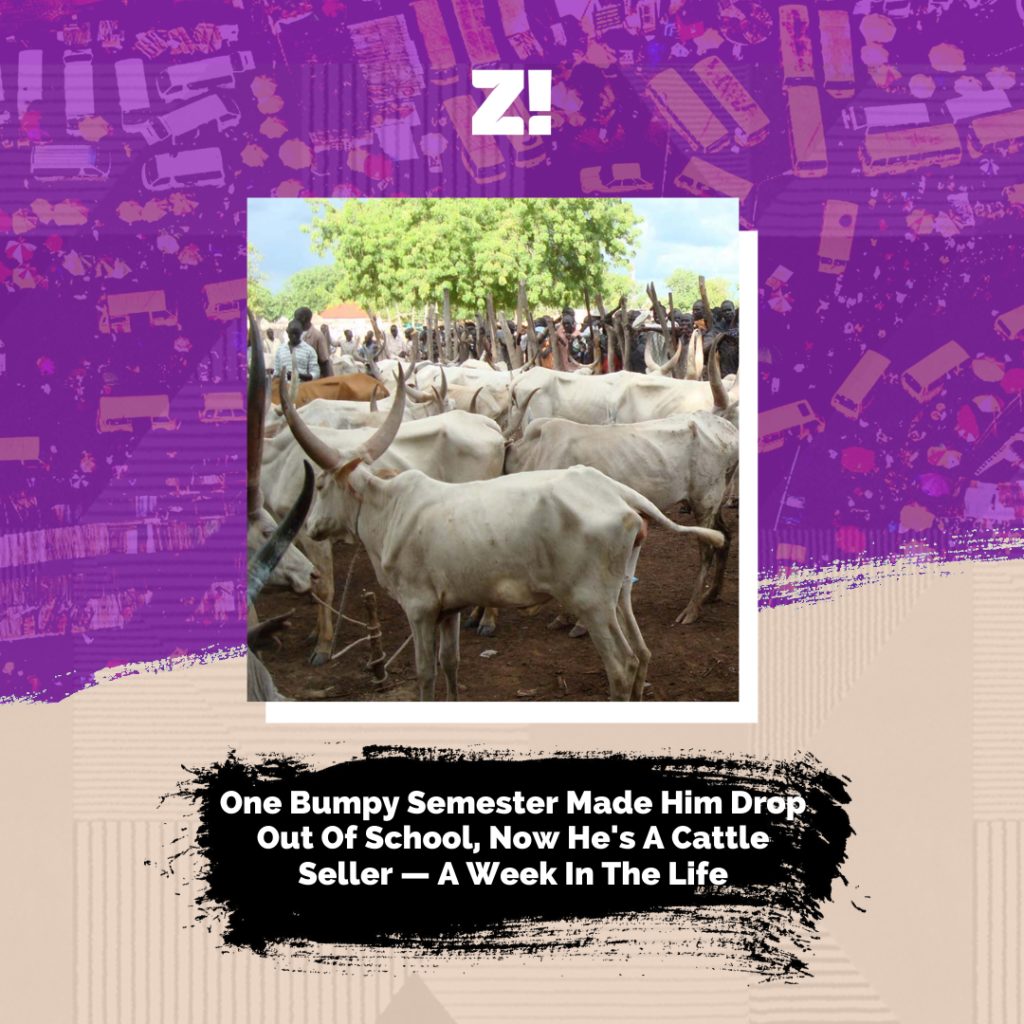
    2) One Bumpy Semester Made Him Drop Out Of School, Now He’s A Cattle Seller — A Week In The Life

    This story makes me angry because it gives you a front-row seat to the failures of the Nigerian education system. It chronicles how the Nigerian approach to mistakes is always costly.

    But the most inspiring thing from this story is that despite all the challenges, the subject still has faith in better days ahead. How? why?
    Read here to find out.

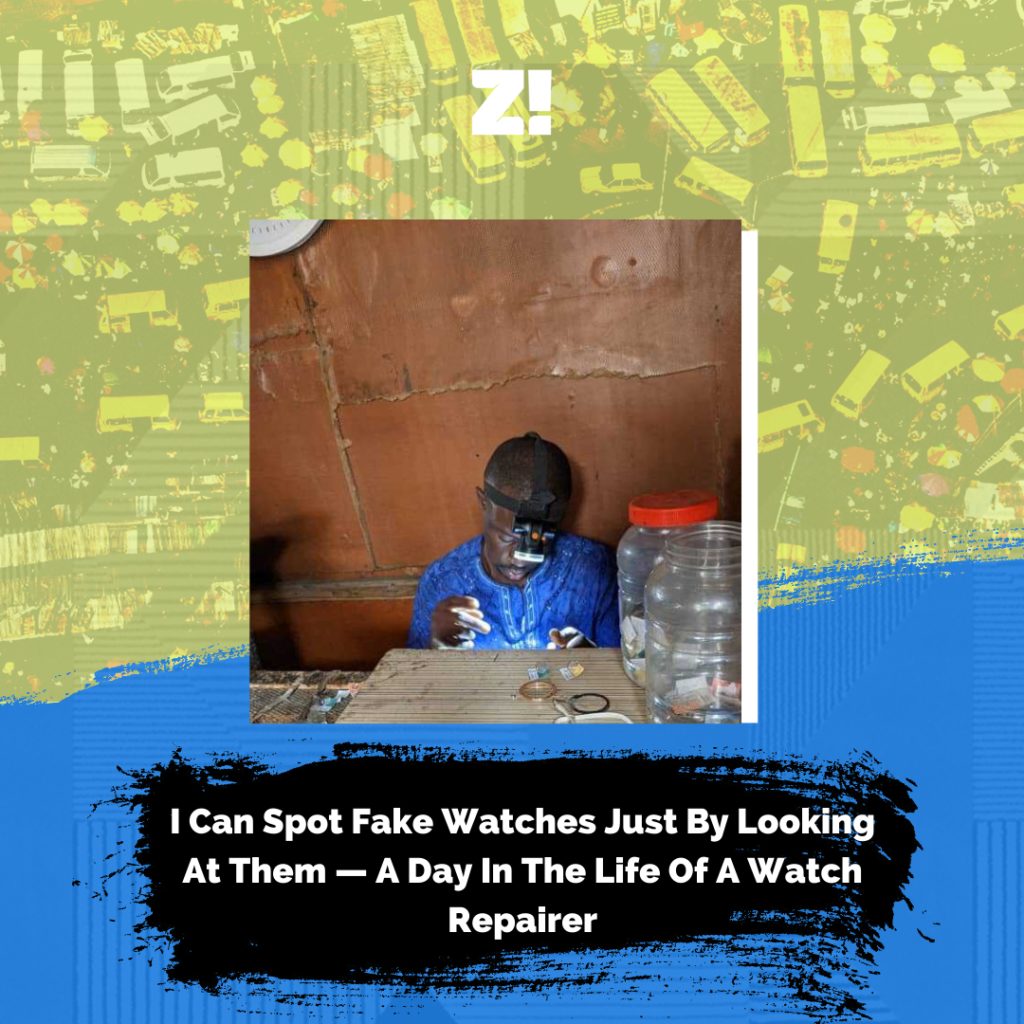
    3) I Can Spot Fake Watches Just By Looking At Them — A Day In The Life Of A Watch Repairer

    When I think of quiet dignity, I think of horologists or watch repairers as they are popularly called. With almost 10 years of experience fixing watches, I enjoyed geeking out and asking the horologist about everything watch-related.

    PS: I may have enjoyed watching him work a bit too much.
    Read here.

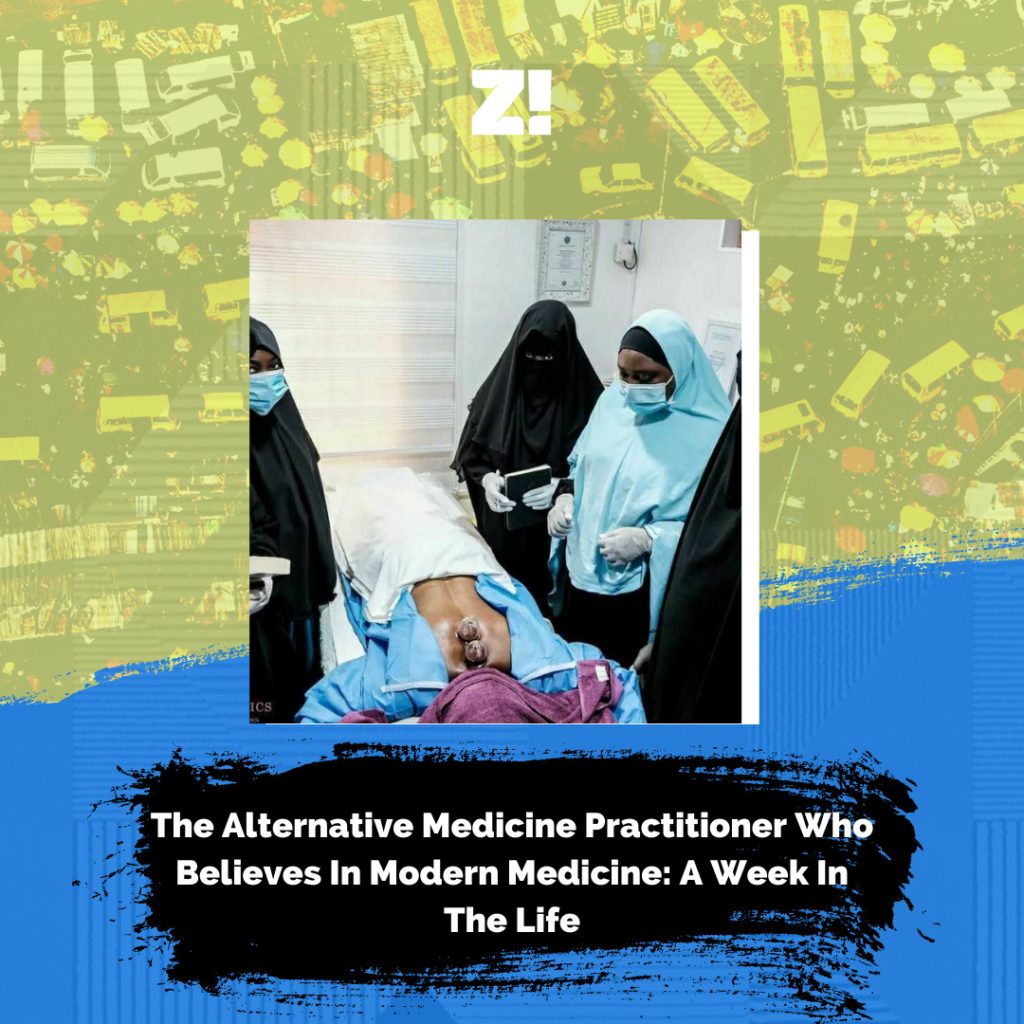
    4) The Cupping Therapist Who Believes In Modern Medicine: A Week In The Life

    I’m sure you’re asking yourself what cupping means? and no, it’s not that type of cupping you perv.

    Cupping is a form of alternative medicine practice that involves making painless cuts on the skin to remove toxins and our subject talks about the health benefits of cupping, why she enjoys her job and how she makes alternative and modern medicine work for her. 
    While writing this story I couldn’t help but make this joke: “Sticks and stones may break my bones but cupping excites me.” I’m sorry. Read more here if you’re interested in learning about this fascinating job.

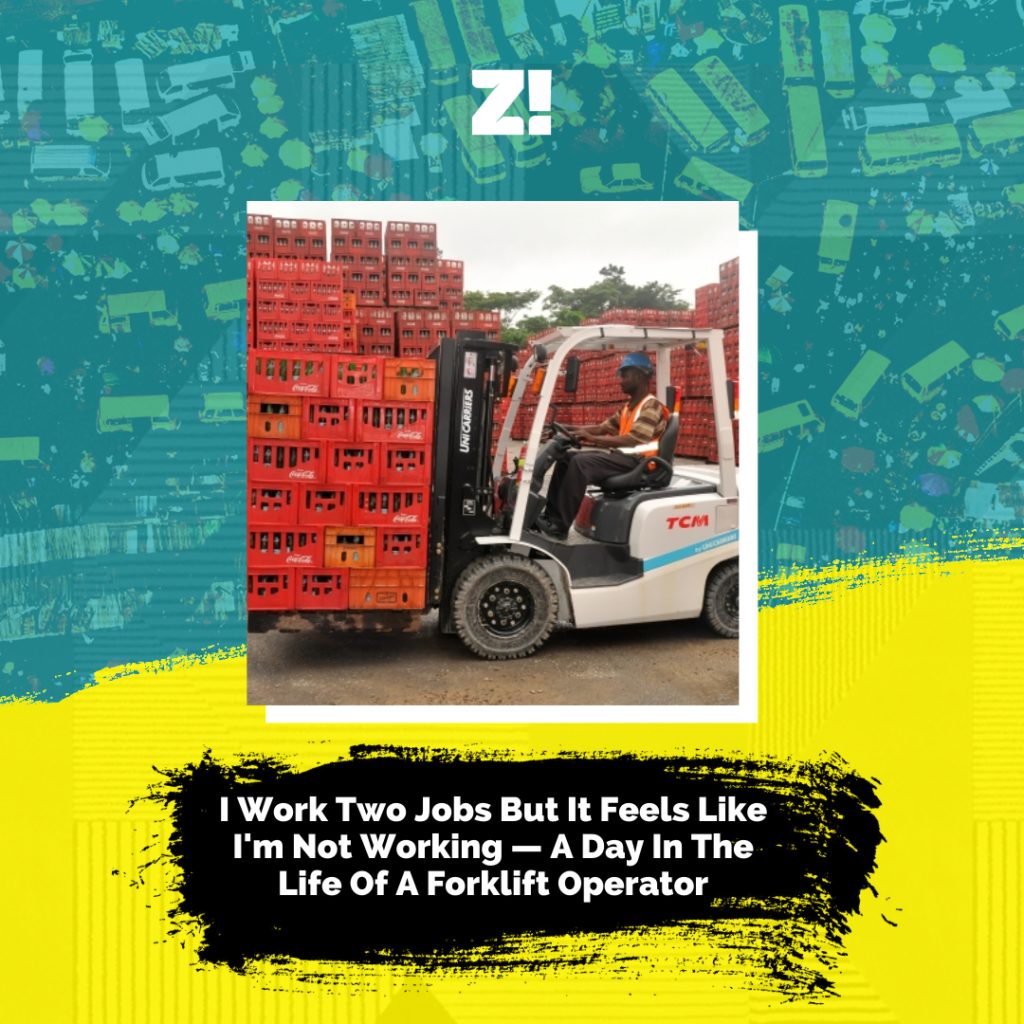
    5) I work Two Jobs But It Feels Like I’m Not Working — A Day In The Life Of A Forklift Operator

    I like this story a lot because it gives an overview of an easily overlooked job that plays a crucial part in all of our supply chain processes. For context, forklifts are used in lifting everything from beverages to food to medicines.

    How do you become a forklift operator and why does someone choose to become one?
    Read here.

    6) “We’re All One Sickness Away From Poverty” — A Week In The Life Of A Caregiver

    The subject of today’s “A Week In The Life” is a medical practitioner who has been taking care of a sick parent since last year August. He tells us about the frustrations of the healthcare system, the mind-blowing financial costs and the emotional tolls an illness exerts on a person.
    Catch up here.

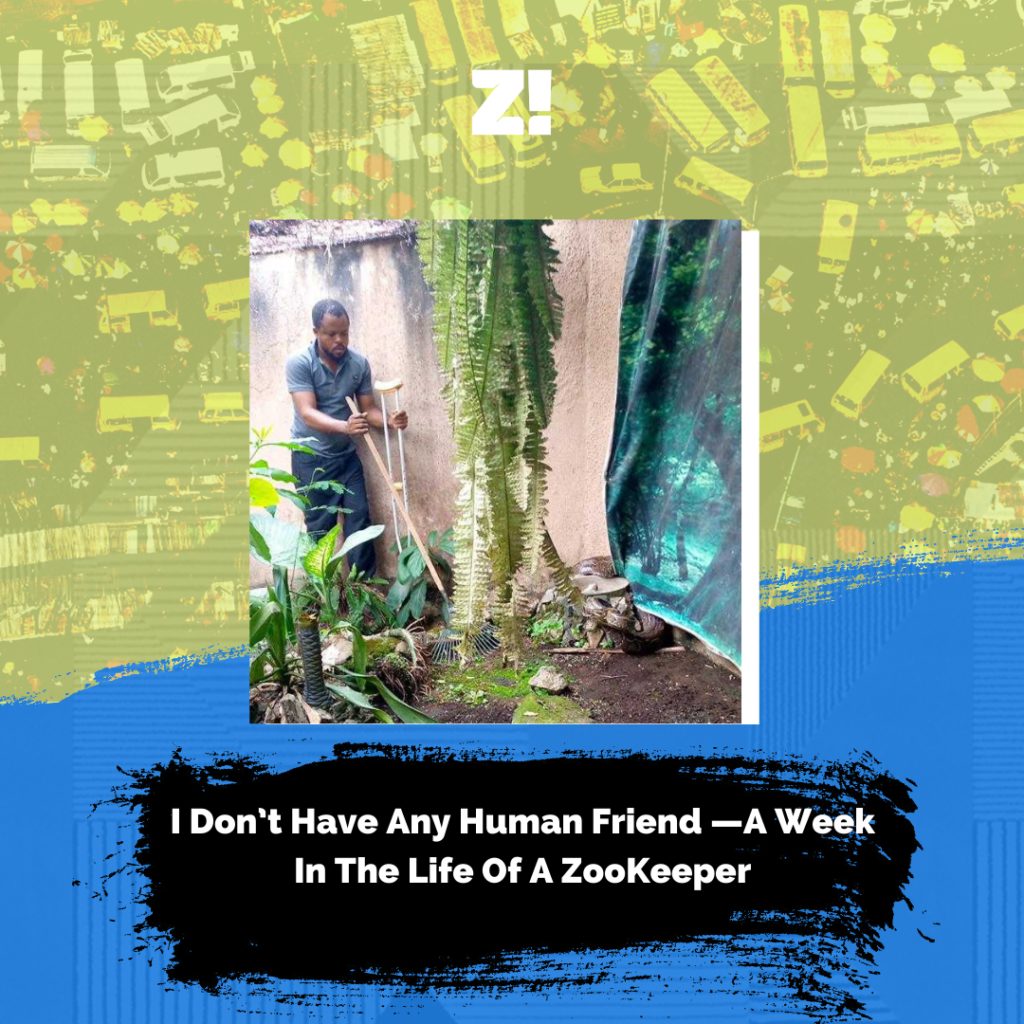
    7)  I Don’t Have Any Human Friend —A Week In The Life Of A Zookeeper

    As a zookeeper, you spend more time with animals than with humans. What happens when your job becomes your life? Well, if you’re like Mr. Emeka, the subject of this story, it means you have no human friends.

    How must that feel? Start here to experience what it feels like.
    8) When I’m In Front Of A Camera, I Feel Like Wizkid Or Davido — A Week In The Life Of A Pornstar

    Forget everything you know because this story will challenge it. After failing to get into Nollywood, Juliet, the subject of this story decided to go into acting porn. She talks about the stigma involved in her job, not being ashamed to show her face in her videos and how powerful she feels in front of a camera.

    According to Juliet, “During video shoots, I tell my men that it’s acting we’re acting so they shouldn’t get carried away thinking it’s their girlfriend they’re fucking. I also make it clear that they must not cum in me —  they can cum on my laps, face, tummy but not inside me.”


    Read more here.

    9) A Week In The Life: The Alaga Iyawo Who Dislikes Parties

    The subject of today’s “A Week In The Life” is an Alaga Iyawo. These are women who host Yoruba wedding ceremonies, sing songs of praises, double as MC’s and serve a host of other functions. She talks to us about not liking parties even though her job revolves around them, the challenges she faces in day-to-day life, and what a perfect retirement looks like for her.

    If you enjoy parties then you’ll enjoy this story.

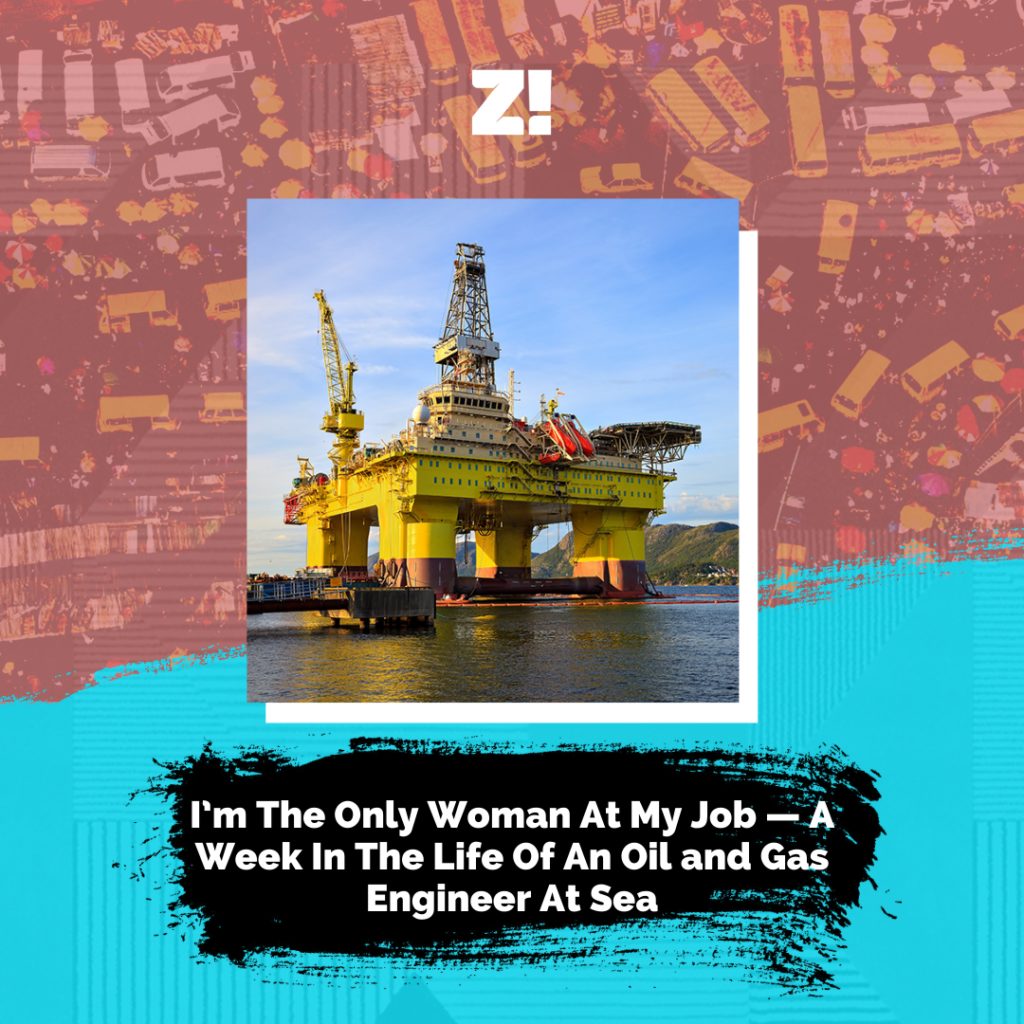
    10) I’m The Only Woman At My Job — A Week In The Life Of An Oil and Gas Engineer At Sea

    The subject of today’s “A Week In The Life” is a process engineer at an oil-producing facility. Process engineers ensure that the process of crude oil production from collection to processing for sale runs smoothly. What this means is that they spend a lot of their time solving problems or preventing problems from happening.

    Our subject tells us about being the only woman at her job, life at sea, and what it takes to extract crude oil.
    If you must read anything today let it be this story.


    Check back every Tuesday by 9 am for more “A Week In The Life ” goodness, and if you would like to be featured or you know anyone who fits the profile, fill this form.
  • A Week In The Life” is a weekly Zikoko series that explores the working-class struggles of Nigerians. It captures the very spirit of what it means to hustle in Nigeria and puts you in the shoes of the subject for a week.


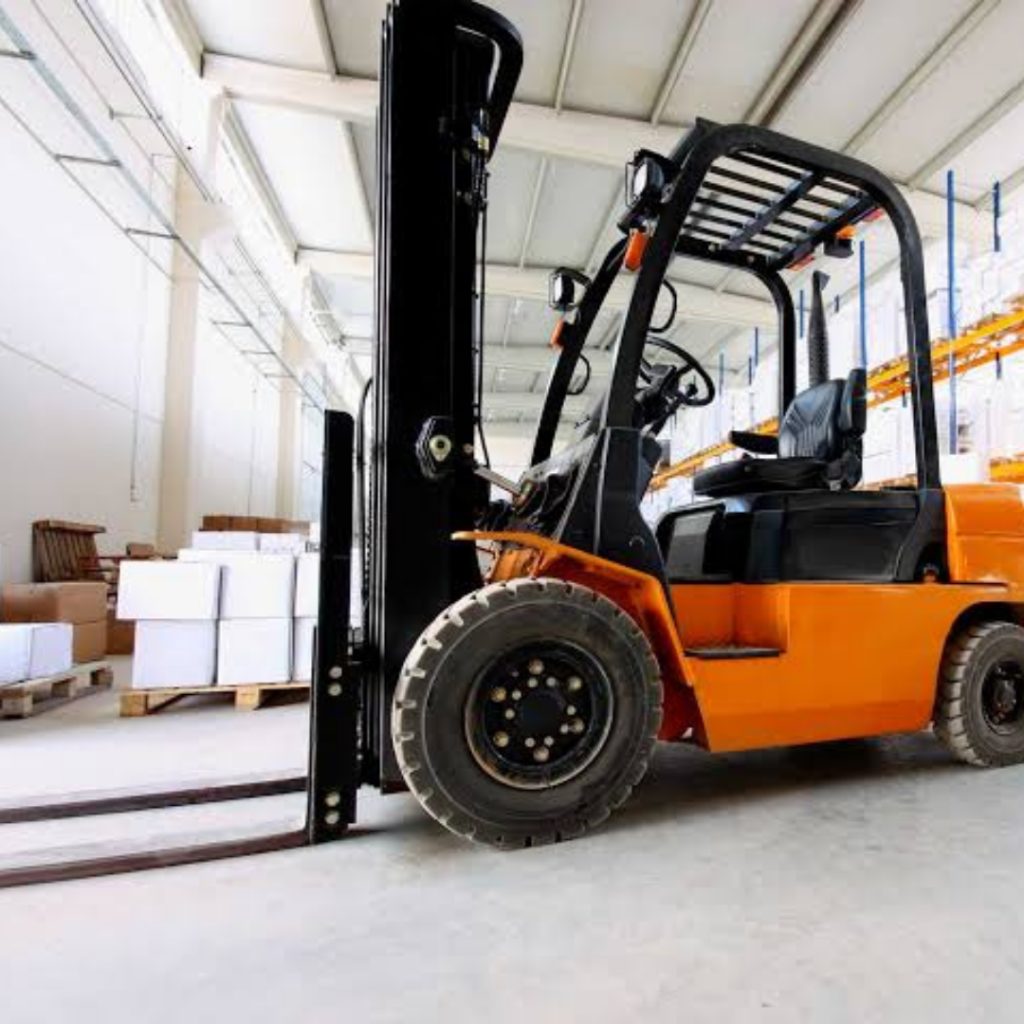
    The subject of today’s “A Week In The Life” is a forklift operator. Forklifts are equipment used in lifting heavy loads from the factory to the warehouse and from the warehouse into trucks.

    Our subject talks to us about working two different jobs as a forklift operator, working flexible hours at both jobs, and making more money than the typical forklift operator. How does he do it? Read more to find out: 

    Unless I’m on the night shift or something as unpredictable as Lagos traffic delays me, my day typically starts at 10 a.m. The first thing I do is to lay out my plans and assess my level of preparation to achieve them. Both companies I work for — company A and B — require operators at the start of their shift, to go round their machines, assess their readiness for work and document their findings in a logbook. I equate planning my day with assessing my machine, but in this case, I am the machine, and the machine is me. Once I’m done with this, the day begins.

    As a forklift operator, I’m half part an engineer who operates an industrial machine and half part an operator who has to lift loads. I mostly do this using a machine called a forklift —  an industrial machine with a forklike mouth used for lifting heavy loads over short distances. 

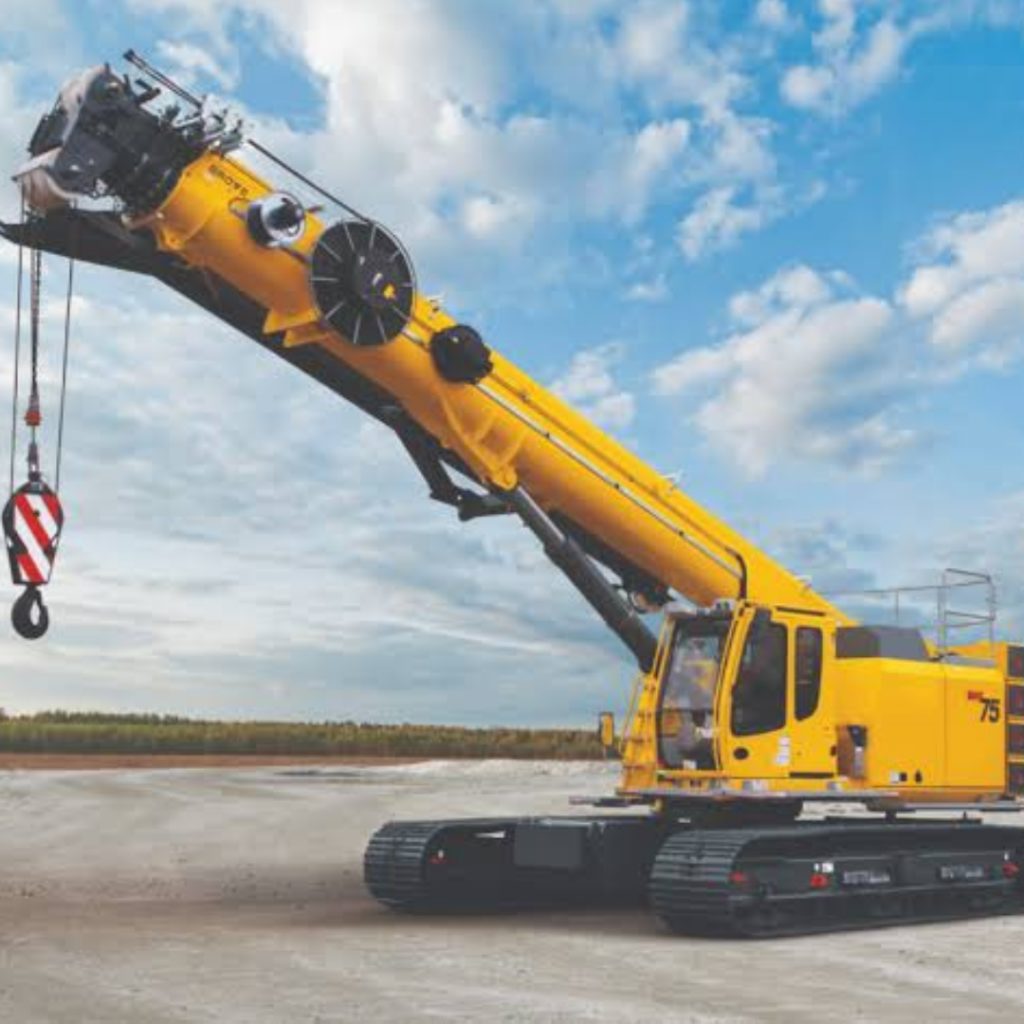
    Think about it like this: in the absence of a mobile crane machine, you can use a forklift. Although, a crane is taller and safer because the load is carried at a distance from the operator, compared to forklifts which are quite close. 

    I work part-time with two companies that produce and sell drinks, and my job typically involves stacking these drinks into the warehouse after production or loading them for sale into waiting trucks. 

    People say knowing how to drive a car means you can drive a forklift. They aren’t entirely wrong but they are also not right. Knowing how to drive a car makes things easier, but you still need to learn the rules of the forklift from scratch because it has functions a car doesn’t have. The tyres have a turning pattern that ensures that the front tyre can be reversed to face the back, and vice versa — this means that you can navigate through extremely tight spaces.

    In addition, the forklift has three levers — which a car doesn’t have — and that’s why we’re called operators, instead of drivers. One lever helps with lifting and putting down the load, another helps with balancing the load on the machine, and the last helps in manoeuvring tight corners. You also can’t drive a forklift with both hands. You need the right hand to perform the function of operating and carrying the load while the left hand is used in wheeling the steering, which is usually smaller/thinner than the steering of a car. 

    All these require their own special training. 

    I work part-time for a couple of reasons: Firstly, because it frees up my time. Full-time operators start their day at 7 a.m. and end at 7 p.m. However, as a part-time operator, I resume by 10 a.m. and I work for seven hours. During this time, I cover for seven full-time operators [as a break reliever] for one hour each, while they rest or eat. Sometimes, I’m lucky and someone tells me not to bother covering for them so this frees up an extra hour or two for me. Whether I work for seven or two hours, I still get paid at the end of the month. And the salary difference between a full-time and part-time time operator is just ₦9,000. 

    Money is the second reason I work part-time. I observed that Nigerian companies, especially forklift companies, are greedy and not deserving of my time. The drink companies pay ₦50,000 per day for each forklift machine and yet, the forklift companies don’t pay operators [especially full-time] well.  However, by working two part-time jobs with flexible hours I outearn a full-time operator. For both jobs, I work two mornings, two nights and get two days off. I’ve timed my schedule such that when I’m on the night shift in company A, I’m off duty in company B. And when I’m off at company A, I’m on the morning shift in company B. This ensures that I have adequate rest and I work like someone who’s not working.

    The last reason for part-time work is the benefits. Company A has health insurance but company B has a more comprehensive [covers more treatment] health plan. Company A has a better pension scheme than company B. Both companies give paid leave. Irrespective of whatever direction they take, I win in both places and get to customize my benefits. I laugh when people say, “this boy, you don’t have sense,” because I don’t have full-time employment. I know what I’m doing. 

    As a child of God, I don’t believe in using all my strength to work. I believe in grace and not in how hard you work. You’ll catch me spending my free time either reading my bible, listening to Christian music, or spending time alone rediscovering myself. 

    But with the good also comes the bad side of a job, like supervisors insulting you to get things done. At job A this morning, a supervisor screamed at me: “guy, carry this thing for me now abi you dey mad.” I just smiled calmly without reacting. I’ve learnt not to get angry because I understand that people are frustrated and so they transfer aggression. Therefore, it’s not your fault if someone mistakes you for the cause of their problems. 

    That was in the morning. Now, it’s afternoon and I check my watch to see that time is crawling. It should be almost close of work but now, it’s barely 3 p.m. 

    I’m glad when my last two covers for the day tell me they’re forfeiting break time because they’re behind schedule. My watch says 3:15 p.m., and this means that I can leave work before traffic starts to pile. I can’t emphasise how much I love that this job gives me control over my time alongside other benefits. Even though driving a forklift wasn’t always the plan, it will suffice until I can raise enough money to finally escape this country. It also helps that the job is fun and I love driving. Ultimately, my goal is not to be a billionaire but to be comfortable and both jobs are helping with that.

    At the end of the day, I’m grateful for this job but I’m also looking forward to more. I’m not worried because, at the end of the day, my life is in the hands of God; from clay I came and to clay I shall return. 


    Featured image: Google.

    Check back every Tuesday by 9 am for more “A Week In The Life ” goodness, and if you would like to be featured or you know anyone who fits the profile, fill this form.