Before marriage, Yinusa* (41) never imagined himself as a husband or father. For years, he focused on work, convinced it was better to stay single than bring a wife and children into hardship. Eight years after finally taking the leap, the 41-year-old has the family he once feared he couldn’t afford, but he’s still unlearning the survival mindset that shaped him.
In this week’s Marriage Diaries, he shares how childhood poverty influences the way he loves, why overworking nearly cost him peace at home and why he believes love alone can’t hold a marriage together.
This is a look into his marriage diary.
Got a marriage story to share? Please fill the form and we’ll reach out.
I never dreamed of marriage because I wasn’t sure I could afford it
I never sat down to imagine what my marriage would look like. When you grow up watching your parents struggle to provide, you don’t daydream about family life, you daydream about escaping poverty.
As a child, I started noticing how much they deprived themselves so we could eat and go to school. It built something inside me that I still carry: a fear of being the man who cannot provide. I didn’t want my future children to experience the kind of lack that followed my family.
So instead of thinking about marriage, I focused on surviving and making headway in life. In university, I didn’t date. I didn’t have the bandwidth for relationship drama when feeding myself was already a struggle. Even after school, dating didn’t cross my mind for years. I buried myself in work because I believed that until I was financially stable, I had no business dragging someone else’s child into my life.
It’s funny now because the man who once didn’t think marriage was possible is now a husband and a father. But back then, marriage was a luxury I didn’t think I could afford.
The biggest surprise is that this life actually became mine
I got married in my late thirties, at a time when I finally felt like I could stand on my own two feet. I wasn’t rich, but I wasn’t scrambling anymore. Still, the real shock hit me after I got married.
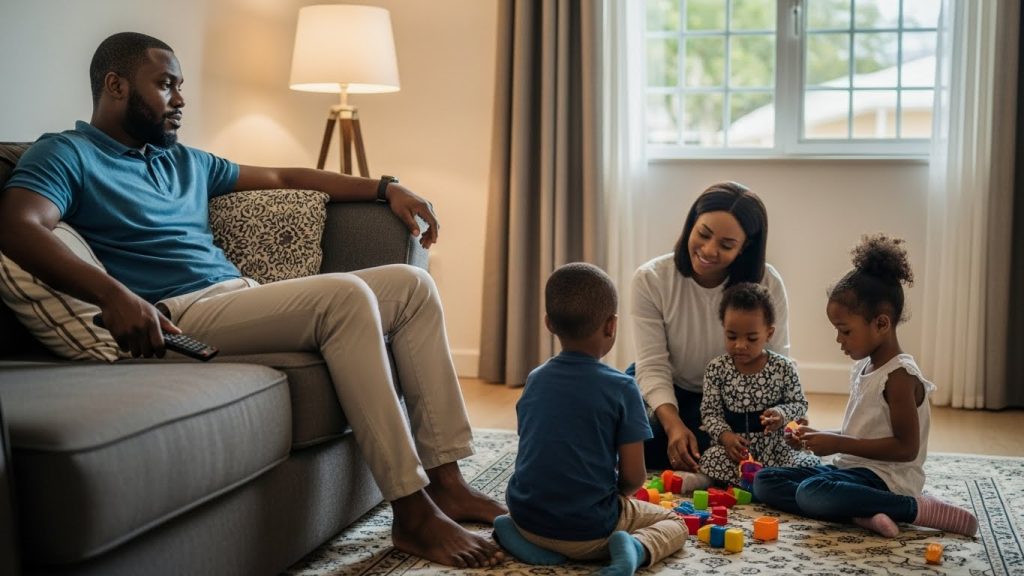
Sometimes, I sit in my living room watching my kids play with toys I couldn’t even dream of owning at their age. Sometimes I watch them eat without worrying about whether the food will last until the end of the month. And it hits me again that I made it. I gave my children the childhood I had prayed for, but never had.
That feeling still surprises me.
Another surprise is how aligned I am with my wife. I didn’t marry in a rush, but I still wasn’t expecting someone whose mindset almost mirrors mine. She supports me, understands me, and pushes me without dragging me. I didn’t think I would be lucky in that way. After all the years of worrying, I ended up with someone who sees life the way I do.
Sometimes I still ask myself if this calm is normal or if trouble is waiting somewhere ahead. When you grow up looking over your shoulders, peace feels far-fetched. But I look at my life and how far I’ve come, and I can say I have peace.
I was fully prepared for marriage when I went into it
Unlike many people, I never had that moment inside marriage where I questioned if I’d made a mistake. My doubts happened years before I even met my wife.
My parents tried to pressure me into marriage once I crossed 30, the same way many Nigerian parents do. They didn’t care if I was prepared. They just wanted to tick the box. Anytime I challenged them with a simple question about whether they could sponsor a wedding, they went silent.
During that period of pressure, I briefly dated someone who wanted me for all the wrong reasons. She and her family saw me as a means to an end. It reminded me again of why I wasn’t ready for marriage. They’d insist I come over for weekends, but I knew it was a ploy to get into my pockets. I never felt comfortable going empty-handed, so each visit took a deep cut into my finances. What made it so annoying was how normal my girlfriend at the time made it seem, almost like it was my duty. I left the situation after six months.
By the time I met my wife, I was already prepared. I had waited until I was in a place where I could give my family stability. Once I made the decision, that was it. I didn’t have any fears or doubts about my capability to build a family.
But what I wasn’t prepared for was realising that even when you think you’ve left your childhood trauma behind, it still finds a way to control how you behave inside marriage. I brought my fear of poverty with me into my marriage and the panic of lack. I had to do a lot of unlearning, and my wife was really patient with me. I can’t say I’ve changed completely, but it’s way better.
Nobody told me how hard it would be to balance providing and being present
The real shock came after we had our first child. That was when something in me switched on, almost like a survival mode I didn’t know was still inside me. Suddenly, I was back to the boy who grew up watching his parents struggle, and the fear returned stronger than ever.
I started working like a madman. I would leave home before sunrise and return at 11 p.m. most days. I didn’t need to work that hard, but my mind kept telling me I had no choice. Even when we were financially okay, I always assumed trouble was around the corner, or we were one debit alert away from financial woes.
That took a toll on my family. My wife and child were living with a ghost husband. I was providing everything except my presence. It took small arguments and a few emotional conversations for me to realise I was repeating the same pattern I grew up in: a father who loved his family deeply but was never around enough to show it.
I’m still learning to balance the hustle with being there. Some days I get it right, some days I slip. But at least I’m aware now. I don’t want my kids to grow up calling me a good provider but a missing father.
Money arguments forced me to adjust the way I communicate
Money is the one thing that causes tension between my wife and I. She likes to celebrate things. She didn’t grow up in lack the way I did, so she doesn’t understand why I live like a man waiting for money to disappear overnight.
Every year, we fight a little about birthdays. She believes in having a small gathering or inviting a few people over. I only want a quiet day and maybe a meal with my family. Whenever she pushes for anything more, I feel stressed because all I see are bills. And when I mention school fees coming up, she rolls her eyes and says life isn’t meant to be lived with fear.
It used to be a big issue, but I’ve started making adjustments. I’m beginning to understand that her happiness matters too. She doesn’t want to live on the edge of fear the way I do. So I’m learning to compromise, even though my first instinct is always to say no.
These days, when we argue, I try to explain myself calmly. It doesn’t always work, but at least it’s not what it used to be. I’m learning that communication is not only about saying the right thing, but also about saying it without projecting your own trauma onto the other person.
Marriage made me a better man, but it also intensified parts of me I’m still working through
Marriage has given me a sense of responsibility I am genuinely proud of. My wife and kids come first. If they need something, I will find a way to provide it. I don’t think anyone who knew me ten years ago would recognise how committed I am now.
But marriage also amplified my fear of lack. I’m constantly chasing the next job, the next gig, the next financial cushion. Sometimes I forget to rest or catch my breath.
Still, I wouldn’t change where I am. I’ve gained confidence, stability and a softer heart. I’ve also gained pressure, fear and the constant urge to work harder.
If I could talk to my younger self, I would tell him one thing: take your time. Don’t rush into marriage because society says so. Make sure you are truly ready. And when you finally find someone you want to build a life with, show up fully. Not just with money, but also with your presence.
Love alone won’t sustain a marriage. Fear won’t sustain it either. What keeps it going is a combination of commitment, patience, communication and the willingness to unlearn things that no longer serve you.
*Names have been changed to protect the identity of the subjects.
Got a marriage story to share? Please fill the form and we’ll reach out.