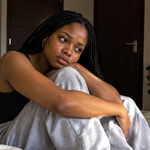
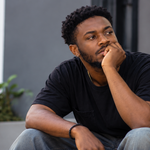
Anu and Pablo met by chance at a community event in 2016. A decade, five children and two moves around the world later, they’ve built a life far removed from everything they knew. In this story, they share why they left their lives and careers in America to settle in Nigeria.
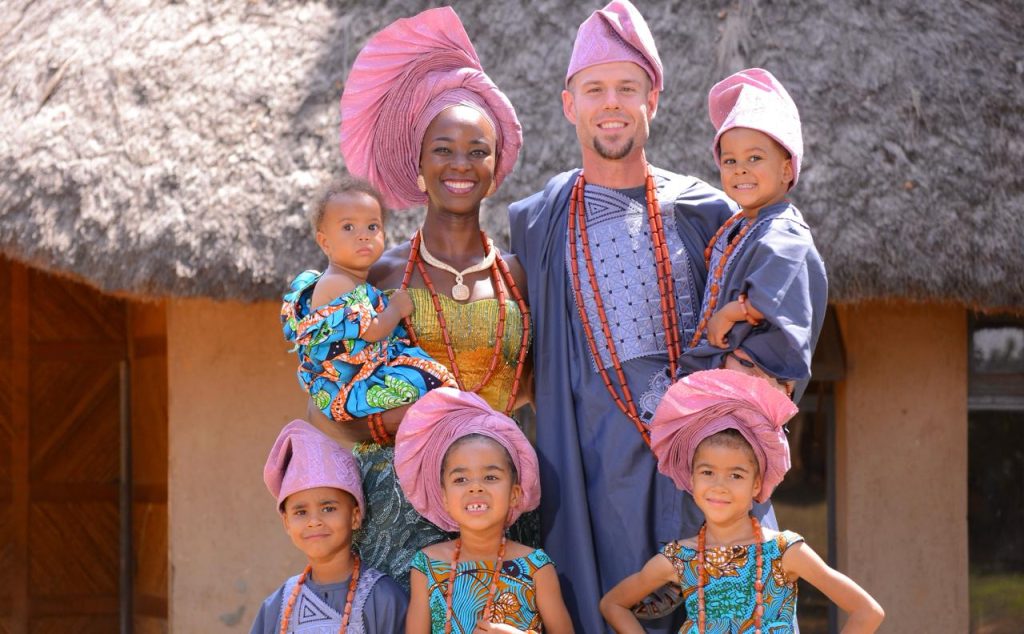
Anu: We met in 2016 at a community fundraising event. I was chatting with some older women when Pablo walked in. I’d never seen him before and asked if he was the organiser’s son. Before I could protest, one of the women called him over, and he joined our table.
Pablo: I heard Anu tell someone she’d just returned from Nigeria after attending a wedding, so I asked if she was from Lagos. I was trying to show that I knew something about the country, but my pronunciation gave me away. I felt embarrassed when she corrected me.
We made small talk, but I was leaving for Mexico to work for the summer and forgot to ask for her number. Once I left, I couldn’t stop thinking about her, so I eventually tracked her down on LinkedIn and sent her a message. She never opened it.
Anu: He told me he’d be back in exactly six weeks, but the weeks flew by, and he didn’t return. I thought he’d forgotten about me. When he eventually messaged me two months later, it felt half-hearted. By then, I’d moved on.
Pablo: When I finally returned, I went straight back to the same community gathering to look for her. I’d almost given up my search when she suddenly walked through the door. I tried to play it cool, but I was over the moon. We ended up sitting on opposite sides of the kitchen island, and talked for a while. I got so carried away that I forgot to ask for her number again. Thankfully, she emailed it to me later that evening.
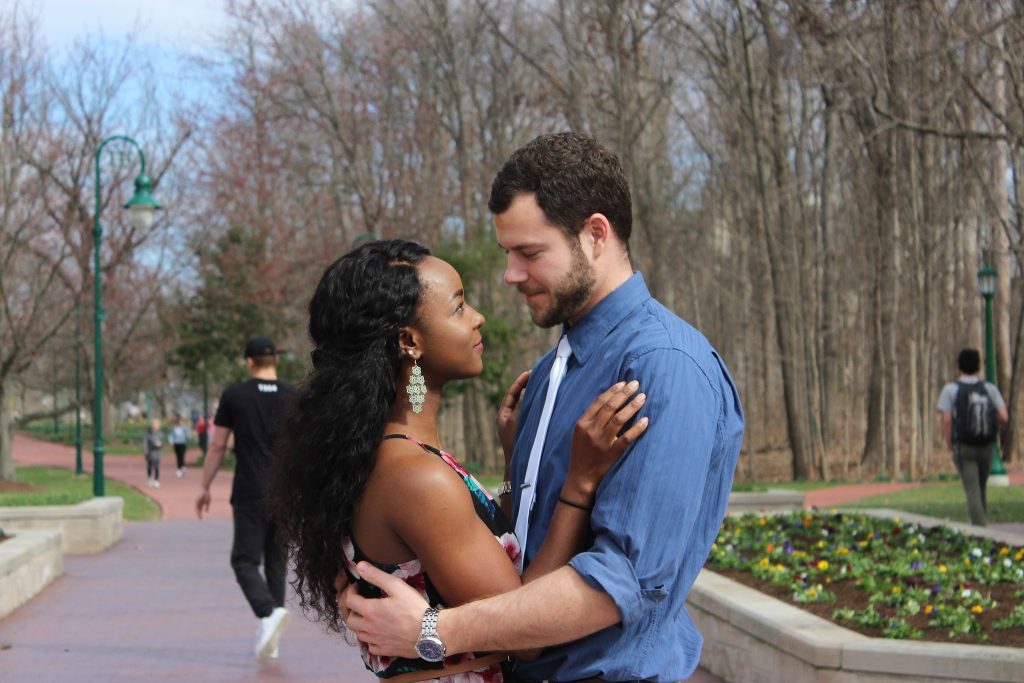
Anu: That same evening, he told me his parents were visiting and asked if I wanted to join them on an outing. I found it cute, but I thought it was a bit too early to be meeting his parents.
Pablo: She said she couldn’t come because she was slaughtering a rooster. I thought it was a made-up excuse until she sent me a picture. My mother was around, so I showed her the photo. I told her, “Mama, this woman is amazing.” At that moment, I knew she was my person.
Anu: We clicked almost immediately. I’d been in other relationships before, but Pablo was intentional and didn’t waste my time. About three months after we started dating, he proposed, and we got married in 2017, a year after we first met.
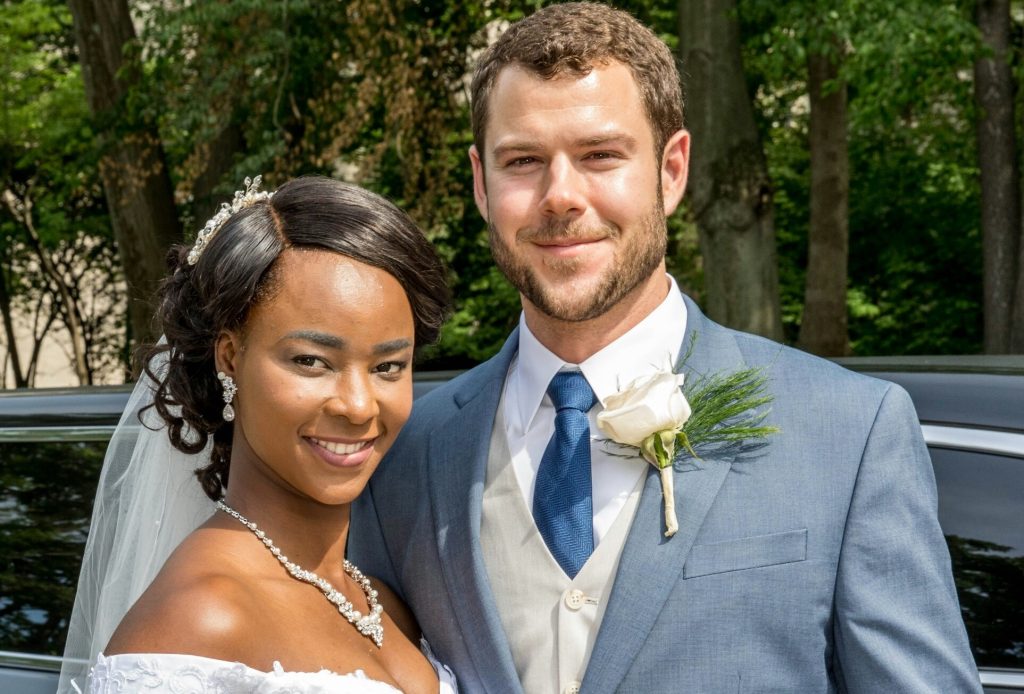
Pablo: I struggled at first to understand some Nigerian traditions, especially the process of formally travelling home to ask for her hand in marriage. There were also a few clashes with her family because I postponed travelling until it was too late. But with time, I adapted better, and our differences stopped being an issue.
Anu: Over the years, I started questioning whether the life we had in Chicago was good enough. During the pandemic, those questions became harder to ignore. I’d always dreamed of having a big family, twelve children in total. But with just two, our house already felt too small. The cost of living also made getting a bigger place unrealistic.
Then, in 2021, I almost lost my life to childbirth.
It was my third pregnancy, but it was a tough one. Everything hurt, and I wondered what I was doing wrong. My midwives suggested I pay more attention to what I was eating, so I started researching our diet.
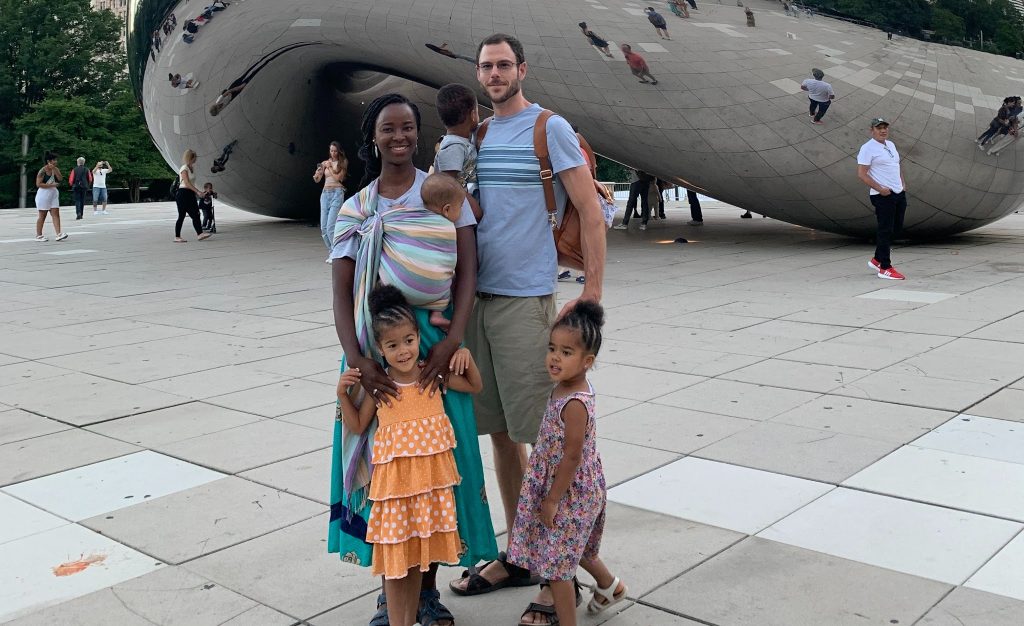
Anu: After that, I had another baby and the pregnancy was much easier. We became more conscious of what we were eating and started growing some of our own food. But we didn’t have enough land, and the climate in our area made farming difficult.
On top of that, we were working hard, barely had time for our children and still worried about the rising cost of living. So we started thinking about moving somewhere warmer where we could have a slower, more hands-on family life.
Pablo: In 2022, I discussed with some colleagues who shared positive experiences working and farming in Uganda. I also liked that my family would be closer to their culture. In 2023, we decided to move permanently to Uganda.
When I told people I was leaving my job as a professor in the university to live in Uganda, they thought we were crazy.
Anu: Our families weren’t completely on board either, but we went anyway. At first, Uganda gave us the calm we’d been looking for, but it didn’t take long for us to run into challenges.
Getting work visas was tedious and expensive. We hadn’t expected the restrictions on foreigners, including having to send our kids to specific schools. To make things harder, the farming business we’d hoped to build there never really took off.
Pablo: That was when I started considering Nigeria. We’d taught our children Yoruba and Spanish from birth, and I’d even taken a Yoruba course to better understand Anu’s culture.
With that connection already there, I believed moving to Nigeria might be easier for us.
Anu: I wasn’t convinced at first. I hadn’t lived in Nigeria since I was 13, and heard terrible stories about kidnapping. But Pablo eventually convinced me to visit my grandparents with the children during Christmas in 2023. That trip changed my mind.
The Nigeria we experienced was safe and welcoming. Our children were also excited to see people speak Yoruba everywhere for the first time. And I realised they could live out their true identity here.
Pablo: Even Anu’s family became more supportive after they saw how well the children fit into life in Nigeria. Since they already had Nigerian passports, the move was also easier to make legally.
We had our last baby in Uganda. Then, in May 2025, we finalised our relocation to a small town in Ondo State.
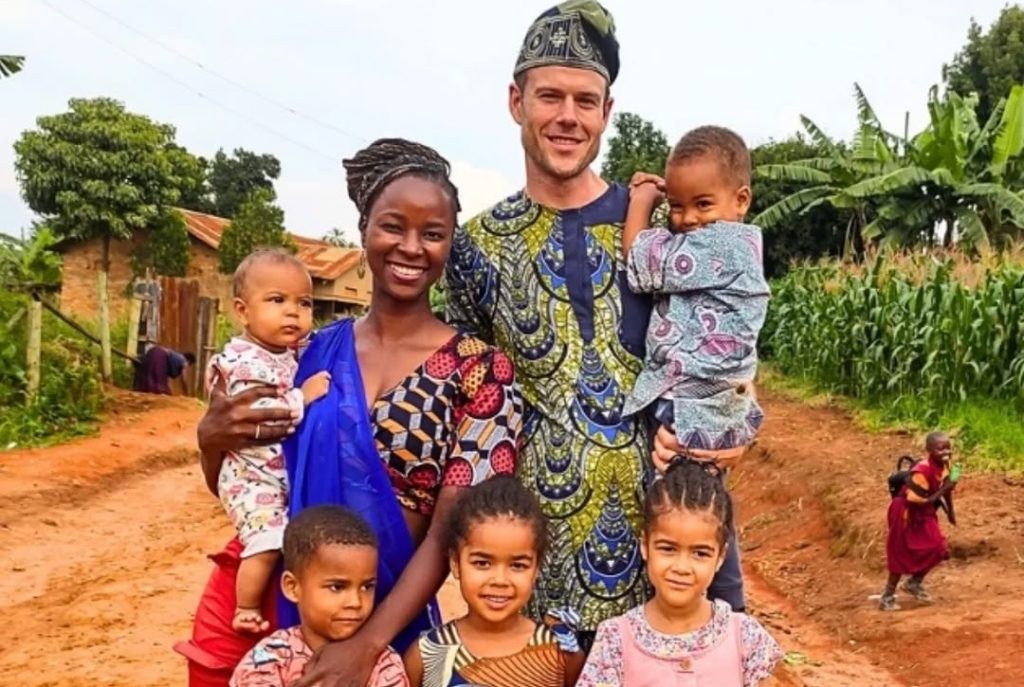
Anu: The transition wasn’t perfect, though. When we first arrived, we ate everything because we were excited to be back. But our son got an infection, and Pablo had one of the worst cases of malaria I’d ever seen.
That experience made us even more conscious of our diet. We now eat only whole foods and have started growing some produce. We’ve adjusted better since then.
Pablo: What I appreciate most about being here is that I can be more present. Having the ‘American dream’ meant working endless hours just to keep up with loads of debt.
Here, we have to be more guarded about how we live, but I get to be there for my wife and children. It’s a trade I would make over again.
Anu: I also love being a hands-on parent. Over the years, I’ve realised that a fulfilling life doesn’t require having a huge family. We’ve decided not to have more children and focus on giving our five kids the best life. We homeschool them so they have the freedom to be curious and learn how to think for themselves.
Pablo: With more time on our hands, we also started exploring our creative side. In Uganda, we co-produced the film My Love from Another Land and started a YouTube channel to stay connected with family back in the US.
Since moving to Nigeria, our creative work has opened up in ways we didn’t expect. We’re now using comedy to explore our culture and share what we’ve learnt about living healthier lives.
Anu: I used to think living abroad automatically meant a better life. Now I don’t see it that way. Moving to Nigeria has given us a more stable life. Even our marriage is stronger without the constant stress we experienced in America.
Pablo: Through it all, we’ve been so aligned that sometimes it feels like we can read each other’s minds. I’ll forever be grateful that I chose to sit at her table and embarrass myself trying to impress her.
I found my soulmate in every sense of the word, and after everything we’ve been through to get here, I know we’re finally at home.
Read Next: A Prophecy is Helping Us Hold On to Each Other