We all love a good debate about who’s the greatest this or the GOAT that, but when it comes to female vocalists in Afrobeats, the conversation is long overdue. This isn’t only about who has the most hits or whose song was on your Instagram story last week. This is about who can sing, has the voice that makes you pause mid-song and check who is singing again.
To draw up this list, I used a scoring framework across ten metrics: vocal ability, cultural impact, commercial success, consistency and longevity, live performance, songwriting and artistry, awards and recognition, international reach, peer and critical acclaim, and fan base and engagement. Every artist was scored according to this metric and the weighted total determined the final ranking.
10. Qing Madi
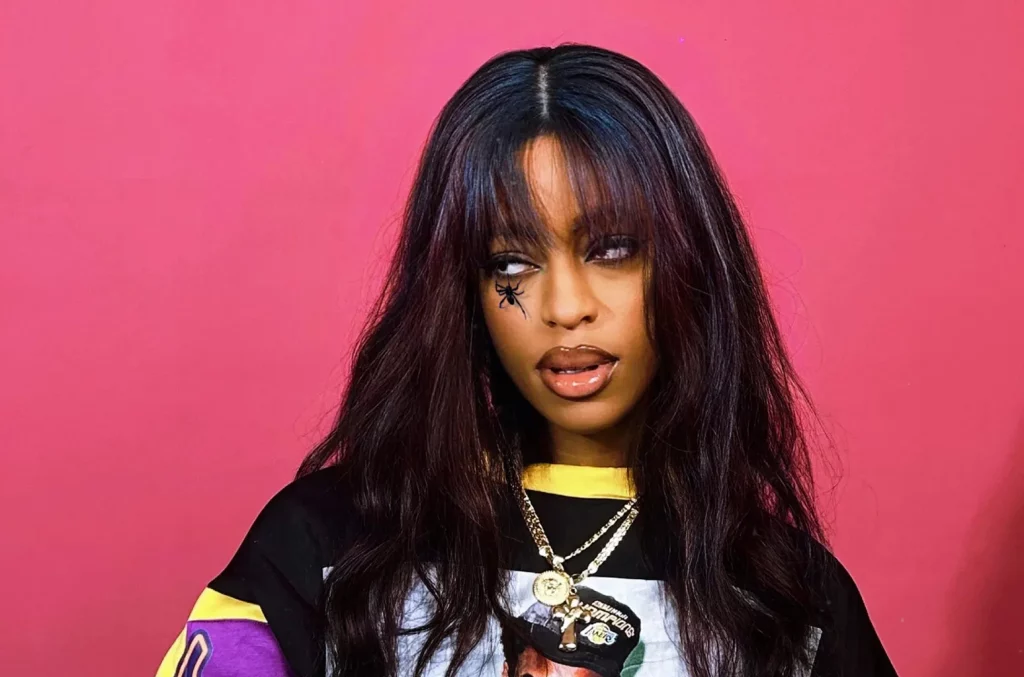
Qing Madi was born in 2006. Let that sink in. By 2022, her breakout single “See Finish” had gone viral on TikTok and was topping Apple Music charts in Nigeria and Uganda. “Ole”, featuring BNXN, confirmed this wasn’t a lucky break. Apple Music inducted her into its 2024 Rising Class alongside Tyla, Spotify named her an EQUAL Africa Artist, and she won The Headies Award for Songwriter of the Year in 2025. At 18.
Her debut album, I Am the Blueprint, spans songs she wrote as early as 14 — a diary set to music. The deluxe edition featured a remix of “Vision” with Chlöe Bailey and collaborations with Kizz Daniel. Her longevity score is low for the obvious reason that she’s just getting started. But everything about her trajectory says this list will look very different in five years.
9. Chidinma
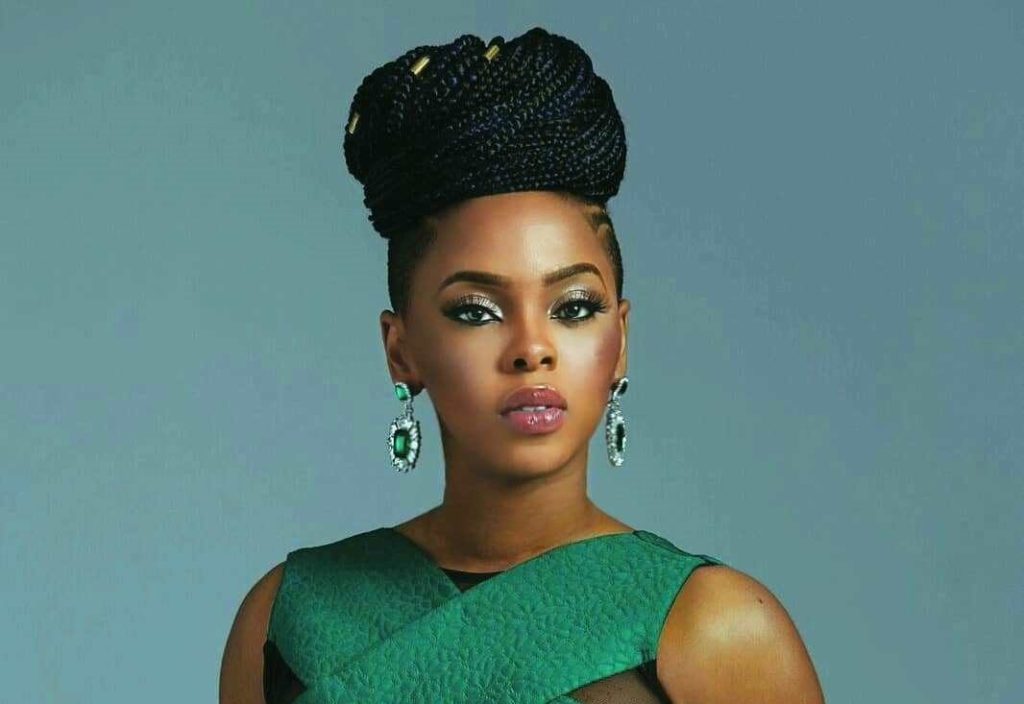
Chidinma Ekile walked into the Project Fame West Africa audition in 2010 as one of 8,000 hopefuls and walked out as the winner. “Kedike,” her first hit song, became her signature, and the nickname Miss Kedike stuck. It becomes more of a thing like, “this babe can sing.” With her angelic voice, she racked up hit after hit: “Emi Ni Baller,” “Fallen in Love,” “Oh Baby” with Flavour and “Jankoliko” with Sound Sultan.
In May 2021, she announced she was leaving secular music entirely to focus on gospel music and ministry. She signed with EeZee Concepts and released worship tracks like “Jehovah Overdo” and “Ko S’Oba Bire”, which have earned her a new audience without erasing what she built before. Whether Chidinma is singing about love or leading worship, her voice remains the same. She’s versatile and brave enough to use her voice on their own terms.
Subscribe to Zikoko Pop newsletter, The Feed, for the most important pop culture news
8. Seyi Shay
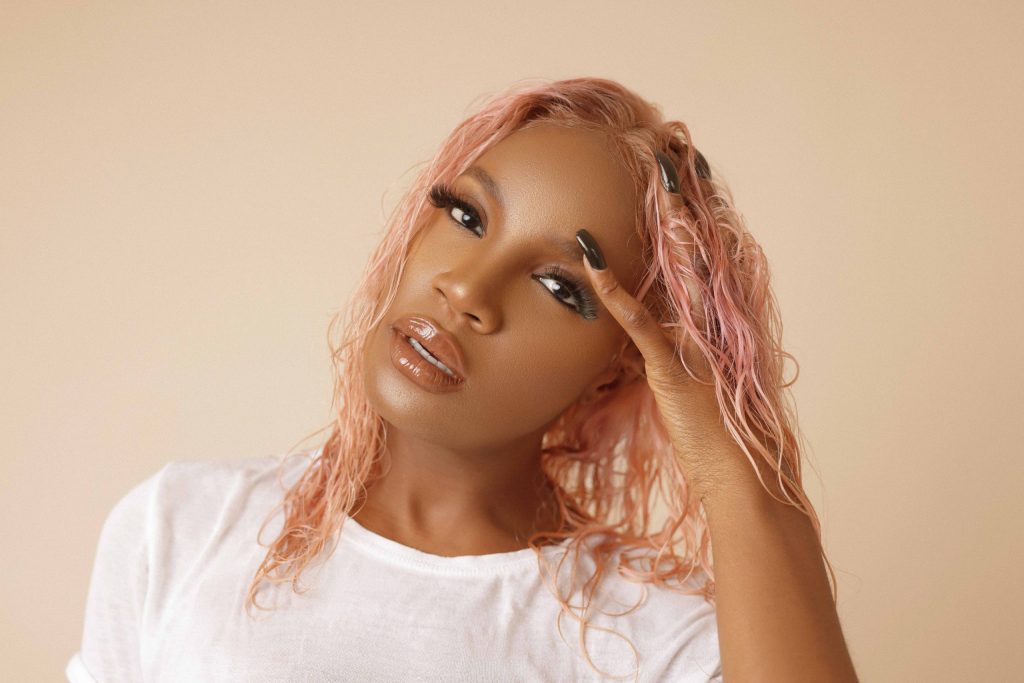
By 14, Seyi Shey was touring the world with the London Community Gospel Choir. She signed a deal with a label affiliated with George Martin (the man who produced The Beatles), joined the group From Above managed by Mathew Knowles, supported Beyoncé on her “I Am…” world tour, and wrote songs for Mel C of the Spice Girls. She did all these before most Nigerians even knew her name.
When she relocated to Nigeria in 2011, “Irawo” earned her the Next Rated nomination at The Headies 2013. Her debut album, Seyi or Shay, features Wizkid, Flavour, and Femi Kuti. She has also released songs with gripping vocal moments such as “Right Now,” “Yolo Yolo,” and “Air Brush”, which are relatively popular. She later served as a judge on Nigerian Idol. She might be on a (probably deliberate) hiatus from the spotlight, but she isn’t forgotten, and her talent remains undeniable.
7. Omawumi
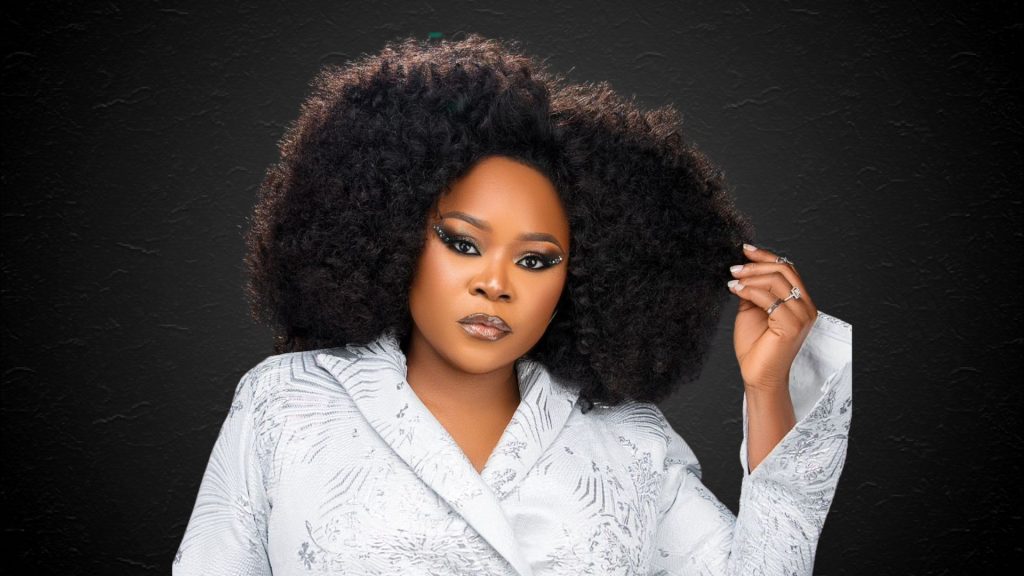
Omawumi walked out of Idols West Africa in 2007 as first runner-up, and from that moment, it was clear she wouldn’t be easily forgotten. “In the Music” shows off her vocal dexterity; “If You Ask Me” is one of the most quoted lines in Nigerian pop culture. “Megbele” showcases the soulful, roots-oriented side of her artistry. Her voice effortlessly pulls from highlife, soul and Afrobeats.
Like Waje, Omawumi’s talent far exceeds her commercial metrics. She has won The Headies Award for Best R&B/Pop Album, acted in films like The Bling Lagosians, and her live performances consistently leave audiences genuinely moved. But Omawumi is a star because of her voice. She remains one of the most genuinely gifted vocalists Afrobeats has ever produced.
6. Niniola
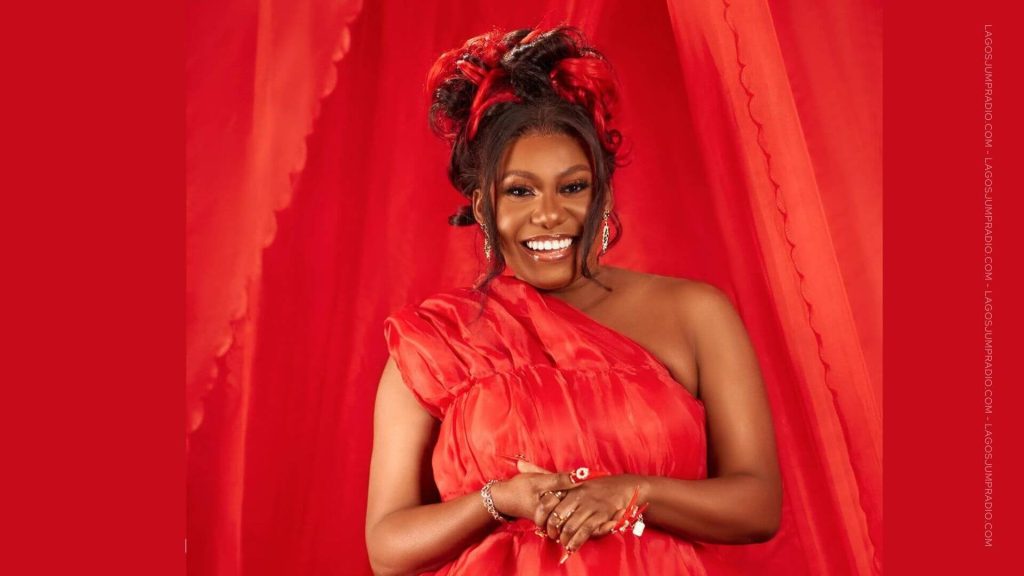
Niniola Apata is the queen of the Afro-house crossover, and nobody else is even close. She came through Project Fame West Africa in 2013, and that live vocal training show. Niniola’s voice is commanding. “Maradona”, produced by Sarz, is a dancefloor weapon with a vocal performance that’s appealing and seductive. The track’s success led to a remix by DJ Snake, which boosted her international profile. Her albums This Is Me and Colours and Sounds showcase a serious range, from the uptempo madness of “Boda Sodiq” to smoother, introspective moments like.
While most female Afrobeats artists operated in the R&B-pop lane, Niniola took a hard left into house music, creating a sound that belongs entirely to her.
READ NEXT: 10 of the Best Nigerian Albums With No Skips
5. Waje
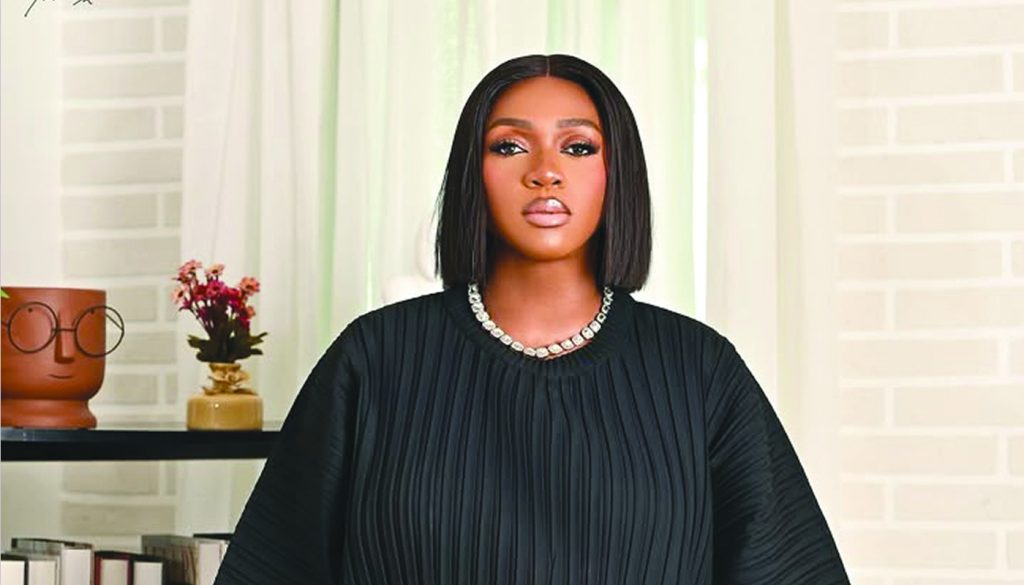
If we’re talking about vocal power that induces goosebumps, Waje is there. Her range is staggering, her control is surgical, and so is her ability to carry emotion through a note or two. If you’re in doubt, listen to “So Inspired” or “I Wish” and feel something. Her work on “Right Here” with 2Baba and solo tracks like “Coco Baby” show her versatility. Waje is a vocalist’s vocalist.
Though Waje has been famously underserved by the commercial side of the industry, and she has spoken openly about considering quitting music, she remains respected and revered. She coached on The Voice Nigeria, mentoring the next generation, and remains one of the artists to call when there’s a need for a voice that can carry a chorus.
4. Simi
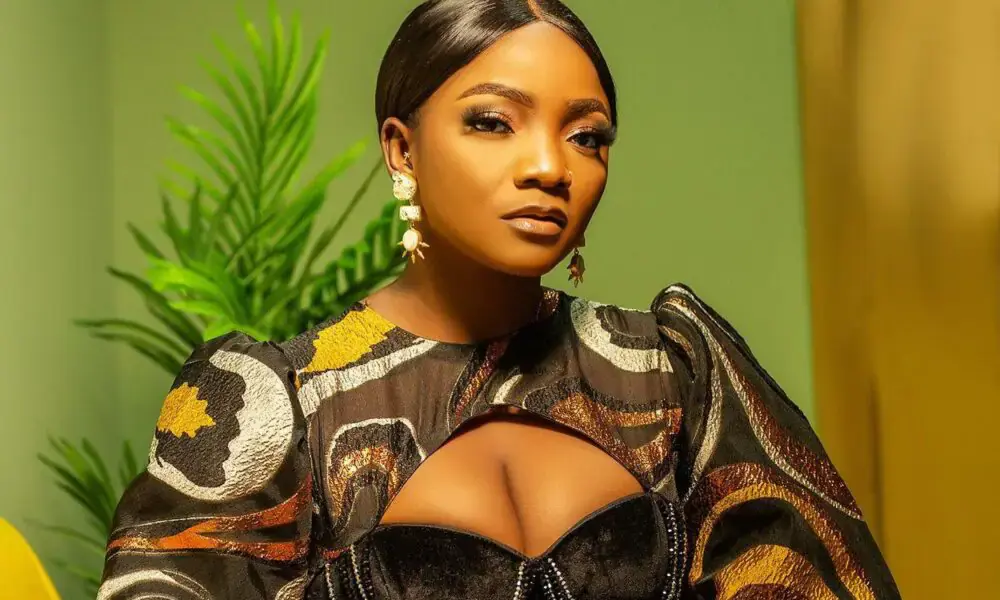
Simi’s voice is unmistakable. There’s a sweetness and clarity to her voice that’s difficult to replicate. She’s the kind of artist who gets you groovy with her melodies and also the kind you fully appreciate, especially when you sit down and actually listen. Her lyricism carries a specificity that sets her apart. The mastery of language and the relatability of an average Nigerian person’s romantic experience are impressive. “Joromi,” “JAMB Question,” and “Smile for Me” are songs she has written about love and daily life with a tenderness that makes you feel like she’s talking directly to you. And it doesn’t stop here.
“Duduke,” the lullaby she wrote for her unborn daughter, became one of Nigeria’s most-streamed songs of that year, and it crossed over to audiences all over the world. Simi might not shout the loudest among her peers, but when she sings, everybody pays attention.
3. Ayra Starr
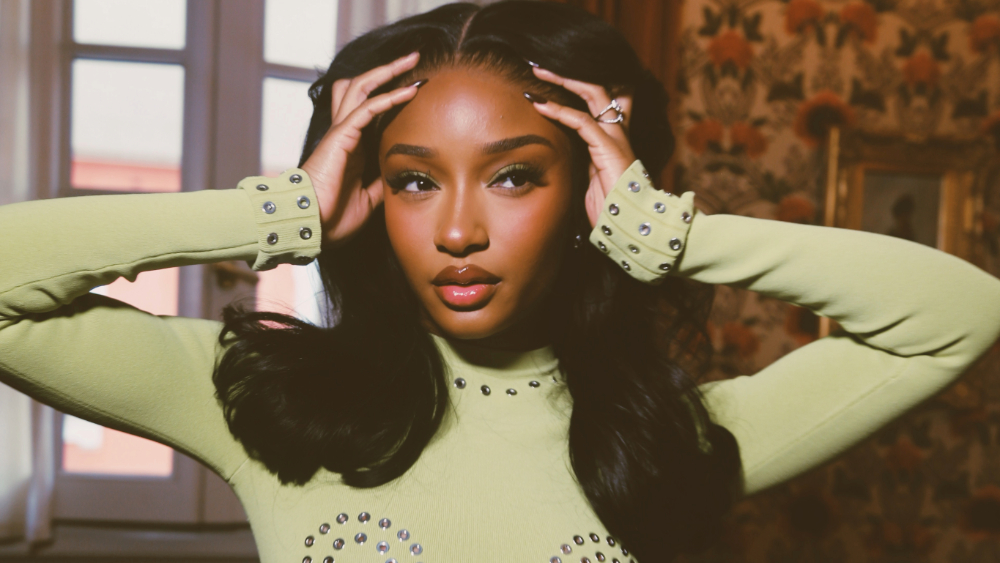
Ayra Starr didn’t creep into the conversation when she arrived at the Afrobeats scene in 2019; she kicked the door in. Her voice is husky, textured, and almost raspy, yet soft when the song calls for it. From good time and party to women empowerment to love and longing to coming-of-age, introspection and grief, she has songs with diverse themes that challenge her vocals in different tones. But the Sabi Girl sauce is always there. Songs like “Away”, “Bloody Samaritan,” “Sability,” “Orun” and “Hot Body” confirm she’s one hell of a singer.
Her hit single “Rush” made her the youngest African female artist to surpass 100 million YouTube views. A Grammy nomination, collaborations with Kelly Rowland and Wizkid, and international tours. All of this, while still in the early chapters of her career, is impressive. Her longevity score is naturally lower, but everything else is stacking up at a pace that should terrify every other artist on this list. If she sustains this trajectory, the number one spot will be a possibility.
2. Asa
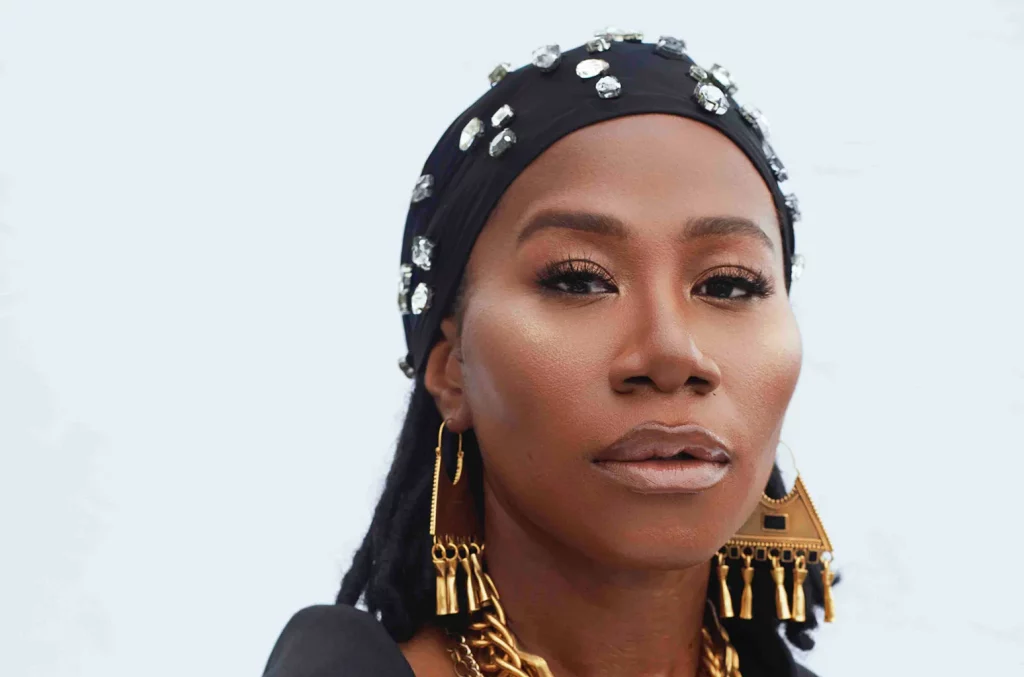
Asa’s catalogue is evidence that the singer-songwriter and multi-instrumentalist doesn’t oversing or make music only for hits. She sits inside the song and lets every word do its work. “Jailer,” on a deeper look, is a protest song, but disguised as a folk ballad, and it’s a national hit. From “Be My Man” to “Fire on the Mountain” to “Satan Be Gone”, every song is a story.
She writes everything she sings, her albums are conceptually rich, and her live performances are legendary. She has won France’s Prix Constantin, performed on the biggest stages in Europe and Africa, and maintained a career spanning nearly two decades without controversy. When you think of Asa, she’s an icon of substance that always finds its audience.
1. Tiwa Savage
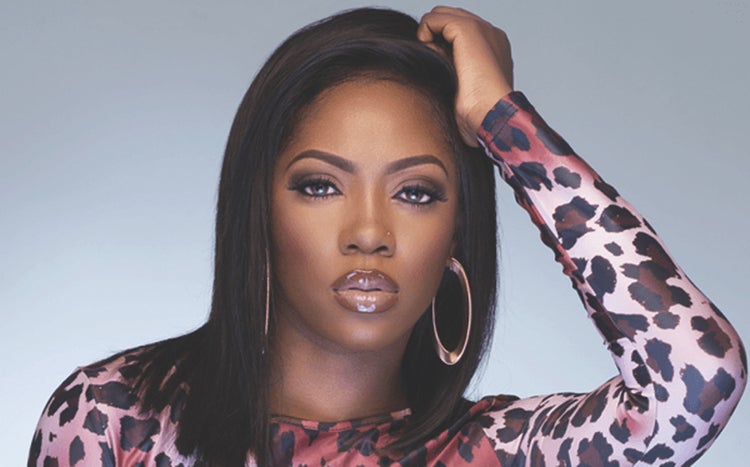
Tiwa Savage’s voice is warm, honeyed and flexible. She can rock Afrobeats, R&B, pop, dancehall and street-hop like the MOTHER that she is. She’s the Queen of Afrobeats, and it’s not only because she’s been around for a minute. Before she became a household name, she was writing songs, backing up Whitney Houston, and training at Berklee College of Music. From “Kele Kele Love” to “All Over” to “Somebody’s Son” with Brandy, and even landing on Beyoncé’s The Lion King: The Gift, Tiwa has shown a remarkable ability to evolve without ever losing the essence that makes her voice special.
Over a decade-plus of relevance in Afrobeats, she has headlined festivals, won Headies and MTV Africa Music Awards, and built a global fan base. In terms of the voice, the business, the longevity and cultural weight, nobody has done it longer or more consistently than her.