If you look right in the bottom corner of Nigeria’s burgeoning creator economy, you’ll find the skitmaking industry, a unique subset of creators who truly understand the value of humour and have learned to wield it for their financial advantage.
According to a 2023 report by Dataleum, Nigeria’s skitmaking industry is worth over ₦50 billion and ranks as the third largest entertainment industry in Nigeria. This highlights its growing importance within the creator economy.
When people hear about content creation or the influencer economy, they often think of the glamour of it all, while the business side is easily overlooked. This stems from a tendency to ignore the “biz” in showbiz.
In July 2025, Bemi Orojuogun landed an ambassadorial deal with the luxury brand Burberry. Bemi, popularly known as the “bus aunty,” rose to fame by making entertaining videos of herself smiling in front of a red bus.
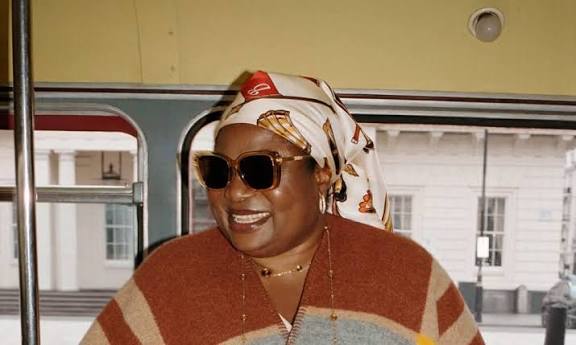
But it’s not just Bemi. Many Nigerian creators have built thriving careers simply by being funny online. For instance, popular TikTok live-streamer, Habeeb Hamzat (Peller), claimed to earn about ₦20 million per week on average from his TikTok live sessions. So, why does humor sell and how exactly are these creators cashing in on laughter?
Why Does Humour Sell?
Humor—the ability to make people laugh with either words or actions—is almost as valuable as being a rich man with power. At least that’s what the authors of Why Humor Is a Secret Weapon in Business and in Life argue, and honestly, they might be onto something.
In the workplace, employees who think their boss is funny are 15% more satisfied with their jobs. The same study found that customers are 18% more likely to buy when there’s a joke at the end of the pitch. Apparently, laughter opens wallets.
It is no wonder more brands are taking on funny personas online. Duolingo’s chaotic brand of humor has made it a fan favorite, and Ryan Air’s funny and casual social media persona has endeared it to a gen Z audience.

Everyone talks about love online, but what’s it really like offline? We’re collecting anonymous stories for Zikoko’s biggest relationship survey yet. Share your truth here.
The Rise of The Funny Creator
There are countless ways to make money online as a creator, and being funny is one of the most rewarding. From cracking jokes on X to making skits on YouTube, Instagram, or TikTok, or even turning meme videos into content gold, the opportunities are endless.
One interesting thing about being a funny creator is that it has to come off as effortless. A lot of work goes on behind the scenes into making these funny videos look effortless.
It’s the same trick gossip bloggers pull off. They spend hours making sure being funny 24/7 feels natural, in a bid to reinforce the idea that media work is different from traditional corporate jobs.
The Attention Economy
We live in a world where countless things are constantly fighting for our attention. From Instagram and TikTok to YouTube and television, every platform is engaging in a rat race to capture the holy grail that is our attention spans.
With the average human attention span on a steady decline, it’s no surprise that our relationship with long-form content has changed. The rise of TikTok proved that short and snappy works. Soon after, YouTube and Instagram rolled out their own short-form features to keep up, and many YouTubers have since reported drops in views on their longer videos.
Humour has become one of the most effective tools in today’s attention economy. It is why much of the content that does really well on Nigerian Tiktok is funny.
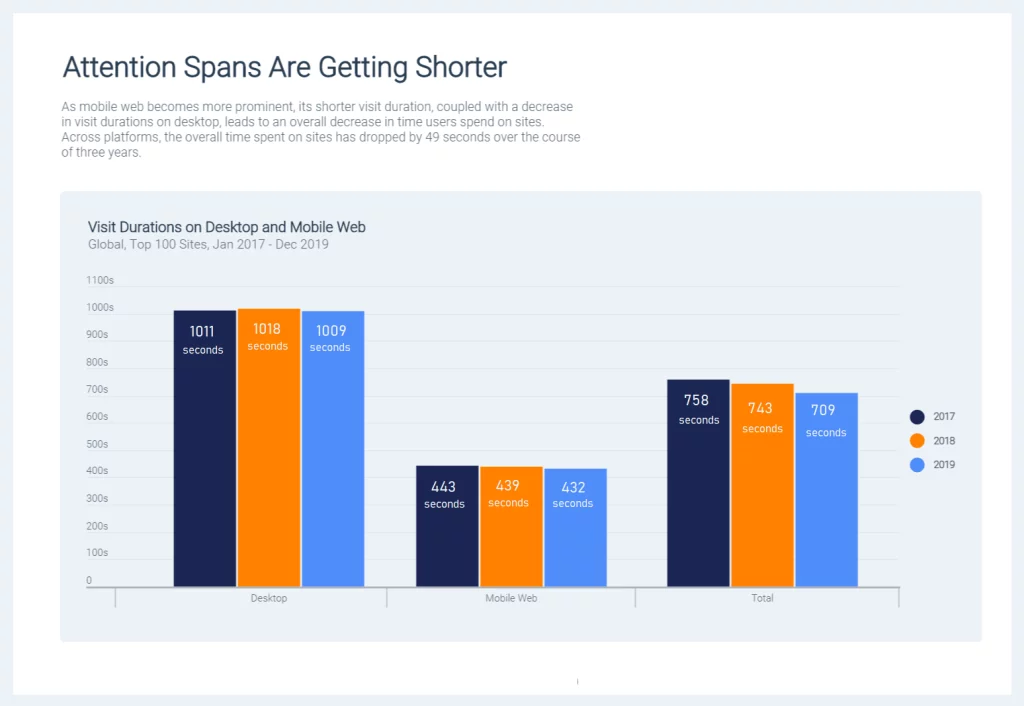
Platforms need an unending supply of engaging content to keep users glued for as long as possible. Funny creators supply that demand. Somewhere in between, money changes hands. The real question is how much and how much of it reaches the creators.
The Rise of Selling Humour
Nigeria’s entry into monetized online comedy started with Mark Angel Comedy, the YouTube channel famous for short skits starring Mark and the quick-witted Emmanuella. Their success opened the door for others like Taooma and Broda Shaggi, who have since made evergreen careers out of skit making.
Broda Shaggi, for instance, has moved from YouTube skits to mainstream acting. His videos often feature popular influencers, helping him rack up views and stay at the center of Nigeria’s comedy scene.
Making money as a funny creator follows a few main paths. Platform monetization is the most direct. YouTube’s Partner Program splits ad revenue with creators, while TikTok’s Creator Rewards Program pays based on views. X (formerly Twitter) now shares revenue with Premium users based on engagement, though that model risks creating a perverse incentive structure where inflammatory or bait-y comedy is leaned towards.
According to SocialBlade, Nigerian YouTubers typically earn between $1 and $3 per 1,000 views, depending on where their audience is based and the ad rates they attract. TikTok, by comparison, pays around $0.01 to $0.04 per 1,000 views, which explains why creators diversify across platforms.
The real money, however, sits in brand partnerships and ambassadorial deals. Influencers can earn between ₦500,000 and ₦1,000,000 from a single sponsored post. Mark Angel, who laid the blueprint for this space, reportedly earns over $300,000 a month from YouTube. Broda Shaggi has said he makes around $40,000 monthly, and according to talent manager Oguntamu, skitmakers can charge up to ₦3 million for a sponsored Instagram post.
The Nigerian Challenge
Nigerian creators face unique hurdles their Western counterparts don’t. Consistent electricity for editing and uploading isn’t guaranteed. Internet data costs can consume significant portions of their earnings in the early days. Beginner creators are often priced out of professional equipments.
Payment processing is another source of headache. YouTube, for instance, pays via AdSense, but sometimes, Nigerian creators report delays and complications in receiving payments.
Meanwhile, PayPal restricts Nigerian accounts, leading creators to depend on third party services to receive payments, like grey which typically come at an extra cost.
The Bottom Line
At the end of the day, being funny online is work. The sheer number of creators who have made a career path out of this only validates the idea that creativity can coexist with capitalism.
Still, Nigeria has a long way to go in creating conditions where creators can truly thrive. Another important consideration for creators is balance — producing enough to stay relevant without burning out for an audience always chasing the next hedonic high.