2025 was a year of reckoning for Nigerian music. Not because it lacked enduring and crossover hits, but because artists were forced to slow down and go back to the drawing board. Some artists took risks, some raced for dominance, while others made deliberate statements in a series of releases. Additionally, the underground movement made its mark with fresh and innovative sounds.
Across genres, albums arrived with clearer intentions, deeper emotional stakes and an impressive commitment to craft. This list highlights the projects that did more than carry us through 2025 with bold sonic experiments, catchy anthems, and intimate reflections.
20. No Sign of Weakness — Burna Boy
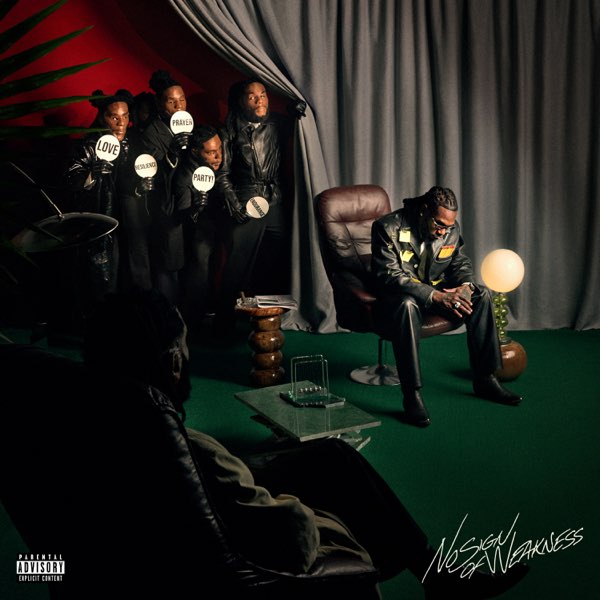
In No Sign of Weakness, Burna Boy returns to familiar territory. The one that comes with snarling defiance, bravado and self-protection. But the armour now feels worn. The African Giant persona, once driven by underdog hunger, has hardened into a defensive shell. The album cycles through battle cries, ego massages and echoes of paranoia, with Burna Boy sometimes sounding more intent on guarding his legacy than expanding it.
His trademark fusion of reggae, dancehall, afropop and r&b melodies remains. The lyricism asserts dominance, responds to detractors and reflects his own human nature. Weariness may be lurking, but Burna Boy’s prolific work rate is undeniable.
Listen: Apple Music | Spotify
19. 5IVE — Davido
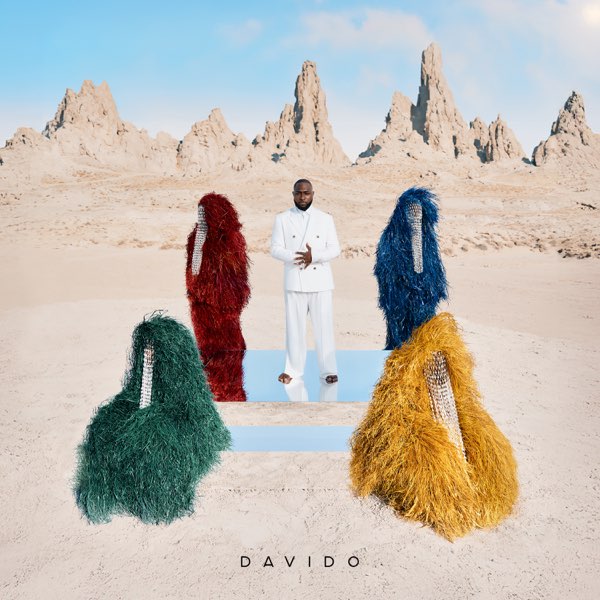
Davido’s 5IVE arrives as a confident and drama-free statement from an artist firmly in his element. It had a rollout that was a masterclass in modern afrobeats marketing and set up expectations for a new chapter in his sound. Musically, the album leans into afrobeats (of course!), amapiano and r&b-influenced production. Throughout 5IVE, Davido’s worldview feels triumphant and assured, echoing biblical metaphors tied to his name and celebrating resilience in both his personal and career journey.
However, while the production value is high and features are mostly impressive, the writing often feels surface-level, especially in its treatment of love and relationships. The lyrics favour catchy phrasings over deeper, emotive songwriting. Songs like “10 Kilo” nod to an older cultural moment, while tracks like “Holy Water” and “With You” keep the momentum going. In all, 5IVE may not be Davido’s best work, but it’s a solid and memorable release that reflects his current state.
Listen: Apple Music | Spotify
18. CATHOLIC BOYS — Latino Perrico
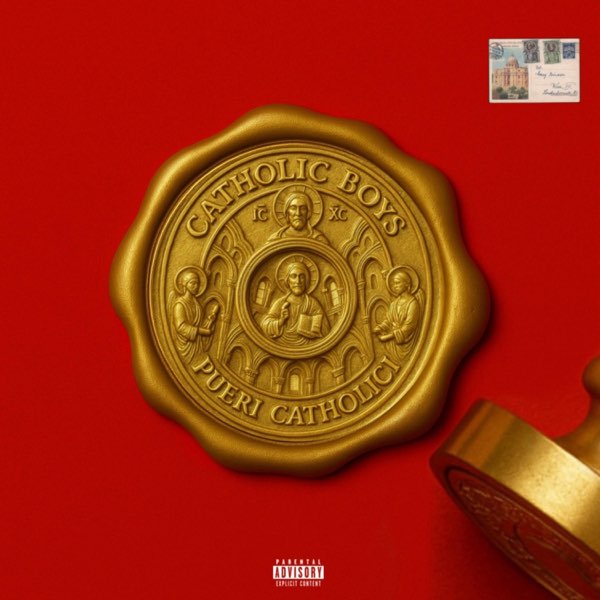
When Latino Perrico isn’t in an art studio painting on canvases, he’s writing rap verses and spitting bars that reflect his personal life, professional drive, and Igbo heritage. On his latest, Perrico’s Catholic upbringing is at the intersection of rap music. He thoughtfully examines faith, tradition and patriarchy. It’s definitely not religious, but CATHOLIC BOYS is perhaps the closest secular equivalent of what “Behold Among Men” or “Ami Nyekom Obong” is to a Catholic faithful.
It gets more special with a verse from the legendary Modenine, and a tight-knit roster of relatable rappers like Jeriq, Shewrotee, Mxna and Quincy Raph — all from the same ethnic background and sharing the same walk of faith. This is a special homage to his Catholic upbringing. If you find priests, acolytes or altar servers looking for enjoyable rap music, send this to them.
Listen: Apple Music | Spotify
17. Healers Chapel — Wizard Chan
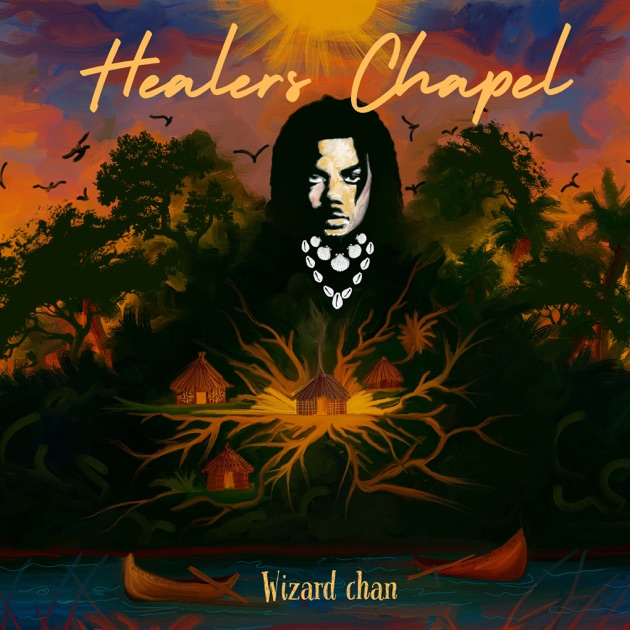
It’s been five years since the release of Halo Halo, and Wizard Chan has stayed busy building a chapel of his own. As a contemporary voice driving the Gyration style of music from the South-South, he flourishes on creativity and universal worldviews.
In tracks like “By the River”, “In My Defence” and “Sober,” he takes a minimal but deeply introspective route, and amps up the mood on songs like “Amen (God My Dealer)” and “Oh My Home”, reflecting the joy of communal gyration. The rest of the album taps into faith and emotive musings. Healers Chapel moves between traditional and hip-hop production, evoking a sense of familiarity, relief and wonder.
Listen: Apple Music | Spotify
16. SUNZ ON PEGASUS — Mxps Rellington and Igho Mike
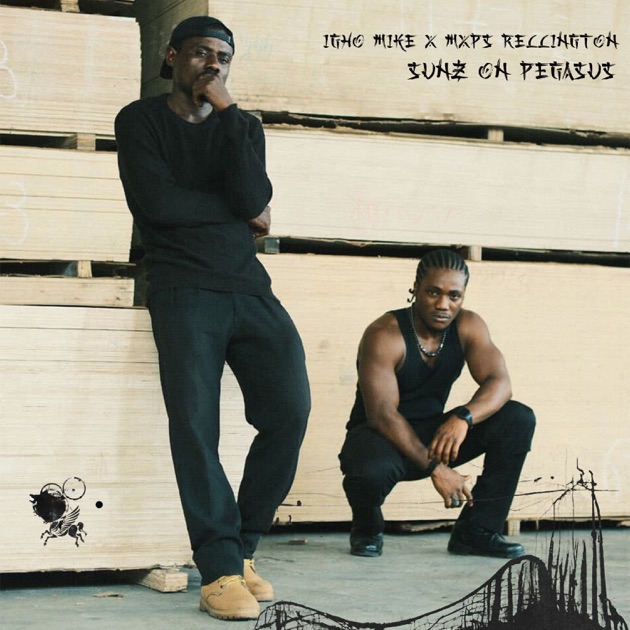
It’s been an exciting year for Nigerian hip-hop, especially outside the label-powered mishmashes made to hustle the charts. On the other side of the radio, SUNZ ON PEGASUS grooves on soul-drenched and hazy drumless loops and body-gearing boombap. It’s refreshing, contemporary, and minimalist, yet dark and shiny enough to inspire breathtaking, street tales in precise rap verses. With experience and lessons from the trenches, Mxps Rellington and Igho Mike bring heartfelt stories that feel like a noir thriller movie.
Listen: Apple Music | Spotify
Subscribe to Zikoko Pop newsletter, The Feed, for the most important pop culture news
15. AFRIKA MAGIK — Show Dem Camp
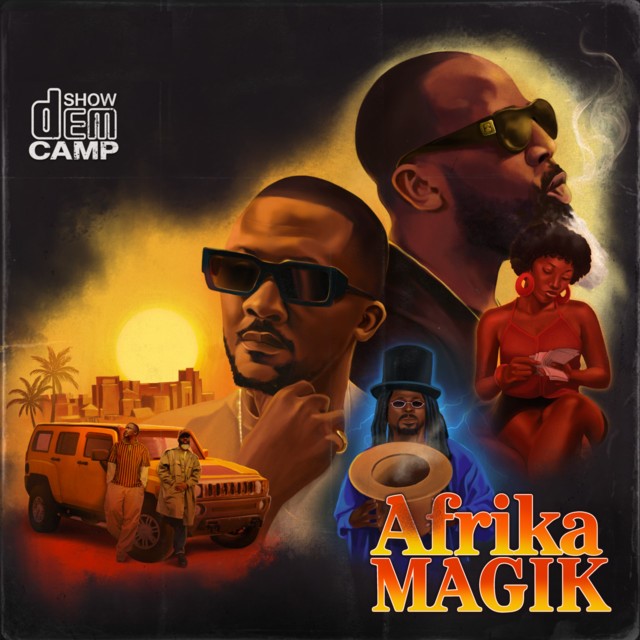
AFRIKA MAGIK comes at a time when the world (read: Nigerian fans of Show Dem Camp) itches for, or perhaps needs, another Clone Wars-type music project. The economy is still weakened, and the standard of living is still kissing the dust. In fact, all the ills, issues and epigenetics of Nigeria that have been presented in the Clone Wars series are still prevalent today. But this isn’t that. This is contemporary Nigerian, particularly Lagos stories in a groovy, afro-centric hip-hop way.
It’s in this realisation that one finds the beauty of this album: free-form, loose in concept and alive with vibrant features and production. In not carrying the weight of the world on their heads and shoulders, they have time to be mundane, to be like everyone else, to find their own little joys and chase inspirations and side quests.
Listen: Apple Music | Spotify
14. The Feast — Falz
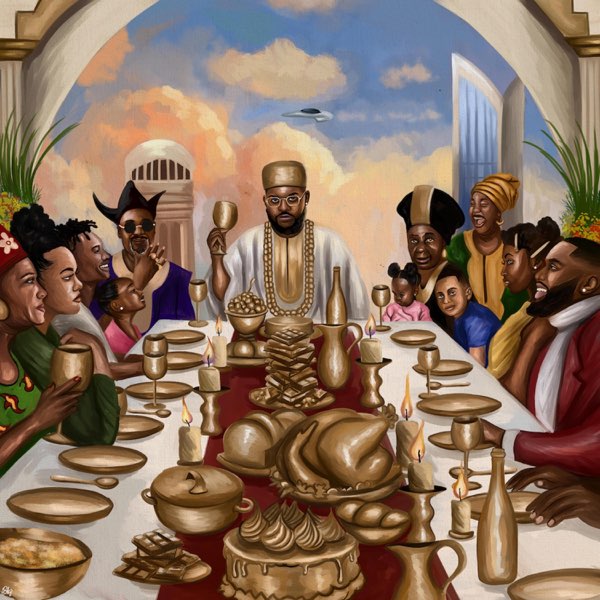
Since his early days as a comic content creator and rapper with several viral moments, Falz the Bahdguy has grabbed listeners’ attention with humorous, relatable pop references ranging from Nollywood’s Toyin Tomato to Skiibii’s fake death. Don’t forget Falz has catchy and killer hooks too, whether he’s dedicating an album to a personal situation or the socio-political state of the nation.
On his sixth solo album, the qualities that brought him into the limelight remain intact, but they are now shaped by maturity rather than whimsy alone. The extremely goofy edge of his “Wazzup Guy” era has faded, replaced by a more reflective and conscious artist who turns onward to examine himself and society with greater clarity and intent. The focus and title of the album are inspired by the need to feed his fans with substantial music after a brief break. Throughout the album, he explores his place in Nigerian music, romance, body positivity, lit turn-ups, and personal history.
Listen: Apple Music | Spotify
13. I Dream In Colors — Magixx
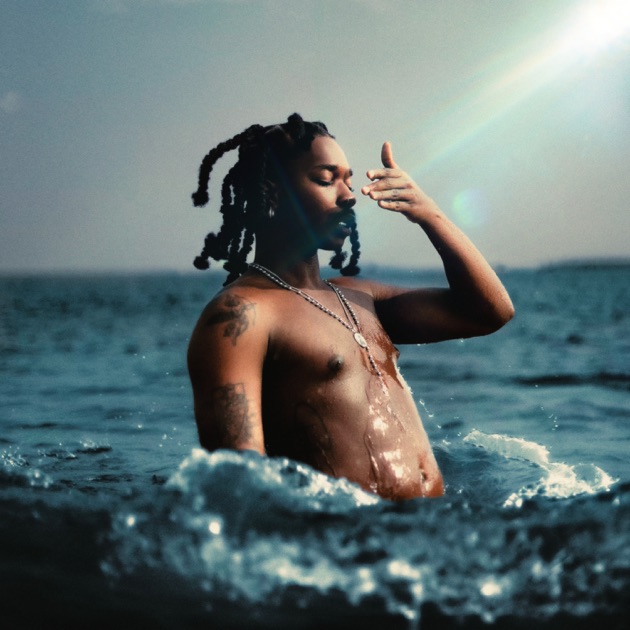
The journey of life overflows with deep waters. Magixx recounts on his debut album, I Dream In Colors, all the times he almost drowned and how he keeps his head above water. He finds resilience in his openness to let vulnerability run at the core of his debut. Magixx slows down the flow to a controlled tempo, with moody production as the album shifts from afropop and Igbo gyration to r&b, busted-and-blue chords and tungba-tinged soundscapes.
His lyricism is honest, stark, sensual, and sometimes shallow or saccharine. But he impressively balances them with reflections on personal burdens, vices, love and relationships, loss and heartbreak, and lingering doubt and triumphs. Even while navigating struggles, I Dream In Colors carries a hope that the past may linger, today may hurt, but there will be better days
Listen: Apple Music | Spotify
12. Cavy In the City — The Cavemen.
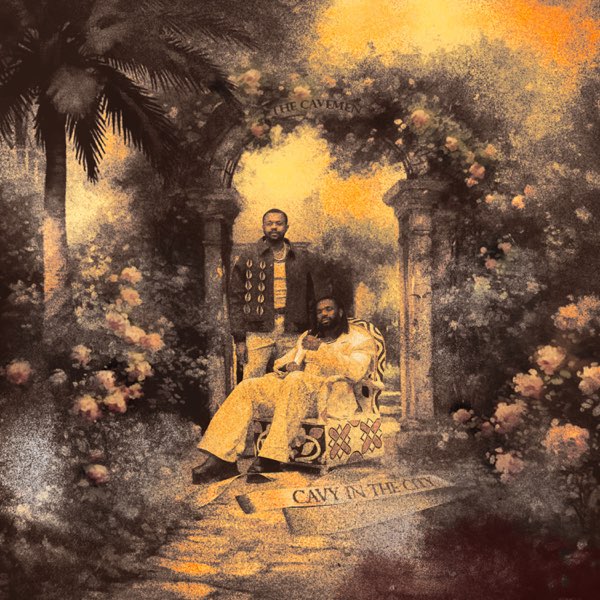
Since their early appearances on tracks with the likes of Femi Leye and Lady Donli, the musical sibling duo have ingrained themselves in the fabric of contemporary Nigerian music. From playing at the BBC Proms and the Love Supreme Jazz Festival to serving as musical directors of Wizkid’s historic More Love, Less Ego concert at Tottenham Hotspur Stadium, the Okorie brothers continue to actively negotiate tradition and show younger generations that highlife still lives and breathes.
On Cavy in the City, The Cavemen. step out of the nostalgic shadows of their debut and into a more consciously crafted, modern sound. Their music is no longer about paying homage to the music that raised them, but about expressing themselves in the present day. ROOTS and Love and Highlife are raw and rooted in imagined highlife music of the 1960s. At the same time, Cavy in the City incorporates contemporary elements without compromising the rhythmic strengths of the genre.
Listen: Apple Music | Spotify
READ NEXT: The 10 Best Nollywood Movies Of 2025
11. Olamidé — Olamide
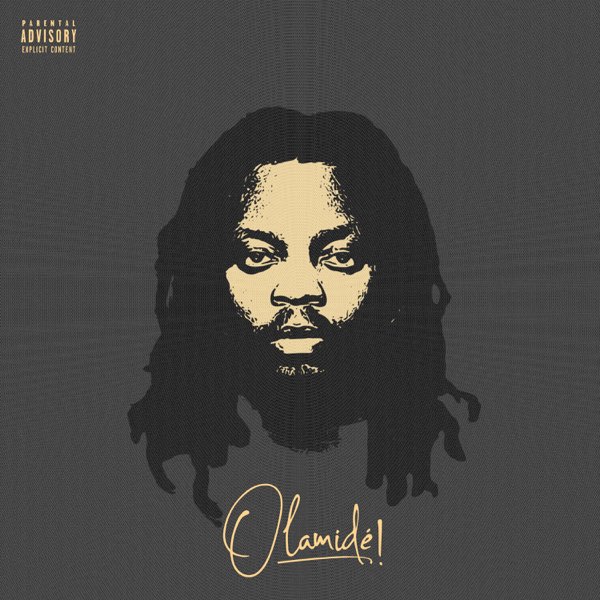
This is Olamide’s twelfth album and a peek into who he is, what he likes, and how he thinks at the moment. His bursts of singing explore romance, sex and the thirst for a good time. Olamide lays it bare on the opening track, “Prelude”, echoing the efforts of finding and realising purpose.
As the music moves from rowdy keys to bouncy afropop and dancehall pockets, Olamide keeps the groove sparkling. Tracks like “99” and “Kai” have once again shown his relevance and how he reinvents himself. The songs trended across TikTok and the charts, turning his songs into instant hits with replay value. Over a decade and a half in the game, Olamide is still consistent, relevant, churning out hits; it’s this rare mix among his peers that makes Olamidé one of 2025’s standout albums.
Listen: Apple Music | Spotify
10. XOXO — Lojay
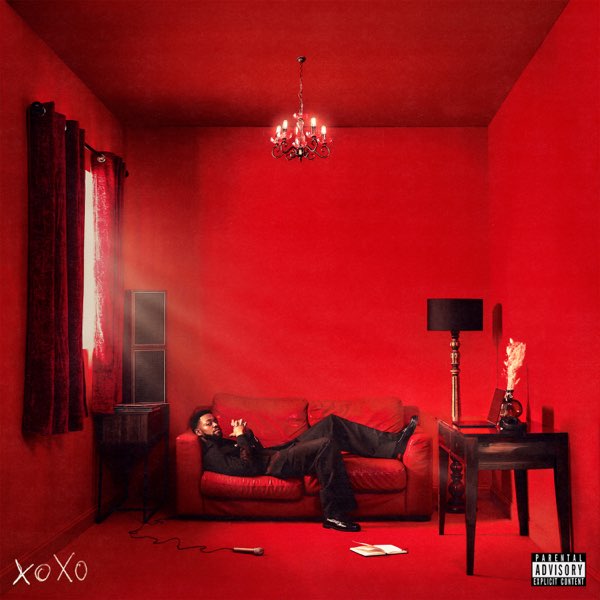
XOXO is a snapshot of Lojay’s catchy melodies, sharp songwriting, dance-ready jams, soul-rendering pop ballads and emotional complexities. All these elements that established him as a generational talent on EPs like LV N ATTN (with Sarz), GANGSTER ROMANTIC and Loveless (with JAE5) aren’t missing on his debut album.
“Memory” recollects a heartbreak story, “Somebody Like You” throws him into a state of longing, and songs like “Mwah!”, “Shiver”, and “Miss Mariana” are sensual yearnings that are as effective as any pickup line. Lojay’s long-awaited album is here, warmly giving or demanding hugs and kisses, depending on how you see it.
Listen: Apple Music | Spotify
9. GE3 (The Beginning) — A-Q
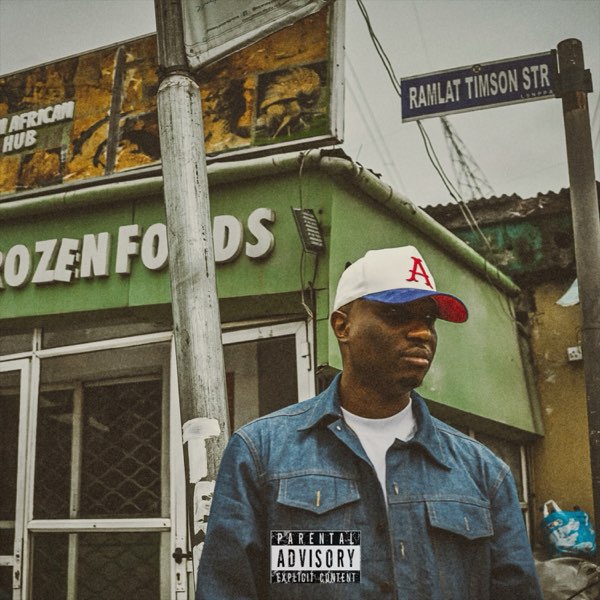
Two decades into the game, A-Q makes his best album. GE3 (The Beginning), the last of his God’s Engineering trilogy, is filled with the knowledge he has gained. He begins with his humble beginnings in Surulere, Lagos, then segues into braggadocio and the state of Nigerian hip-hop, the music business, industry politics, national history, and online validation. Despite the dense and overflowing rap verses on this album, A-Q adds colour by featuring artists such as Qing Madi, Ajebo Hustlers, Terry Apala, and Dwin, the Stoic.
He is in his big homie phase, dropping life lessons in songs and including talents such as Blaqbonez and Bkay, which he helped push to wider audiences. A-Q raps blazingly hot, but he sounds sobering. If a curious mind asks who’s really rapping in 2025 and consistently in the last decade, the unbiased answer to the question is A-Q.
Listen: Apple Music | Spotify
8. This One Is Personal — Tiwa Savage
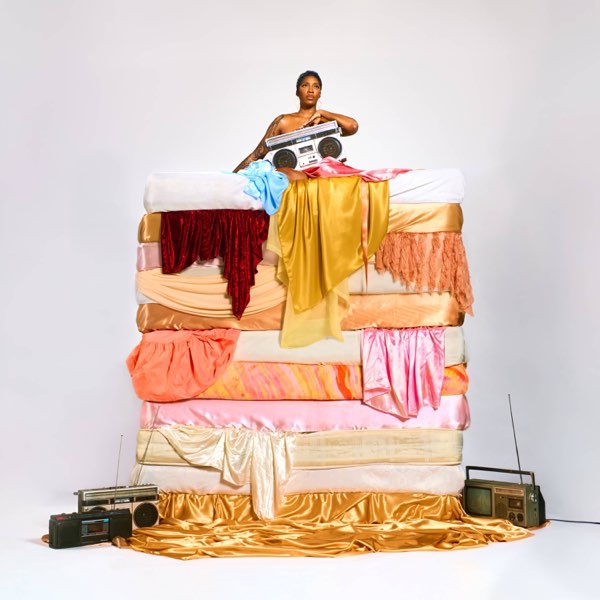
Interview clips and excerpts that went viral during the media run of Tiwa Savage’s latest and fifth studio album might have overshadowed the music. But This One Is Personal, which she once called her last body of work, is a damn good album. It interestingly feels like a cinematic scene of a woman letting her hair down. African Number One Bad Girl relaxes the persona to let Tiwa Savage dominate.
Just like the artwork, which sees Tiwa atop a huge pile-up of mattresses, the music is a heap of parallels. It is the crush of heartbreaks and the flames of new love, the weight of celebrity and unseen private battles, undying ambition and unseen fatigue, the emotional and psychological tolls of tabloids and trolls, self-scrutiny and grace. Above all, this is Tiwa Savage at her best, in her r&b bag.
Listen: Apple Music | Spotify
7. Virtuoso — Rybeena
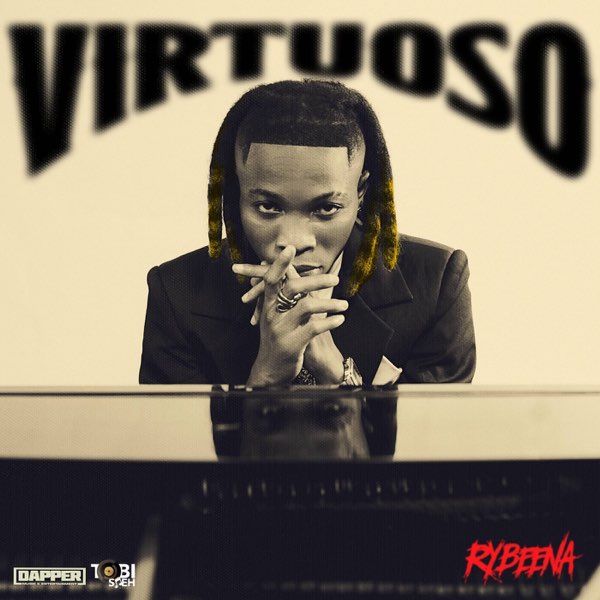
Rybeena is likely to end as one of the best voices of Nigerian street-pop. His songwriting equally probes existentialism (from angles of the three major religions in this part of the world) as much as it lusts for luxury and mundane experiences. When he sings, his baritone blasts out like a 5 a.m. call-to-prayer if possessed by an Ajiwere born in the digital era. The mastery and interpretation of combined multiple Yoruba music styles and modern genres into a refreshing personalised delivery is a successful attempt on Virtuoso, his debut album.
“New Taker” is a Fuji-tinged song that reminds new money that riches come and go; when/while you (still) have, invest in what will save you on rainy days. “Ivory Coast” borrows from Makkosa. The patterns of Ebenezer Obey’s juju, as well as Simi’s alternative pop, show up in “Despasito.” The highlight is “Agba Singing”, a life-na-jeje and aspirational song that drags the crowd to an amapiano party.
Listen: Apple Music | Spotify
6. Fuji — Adekunle Gold
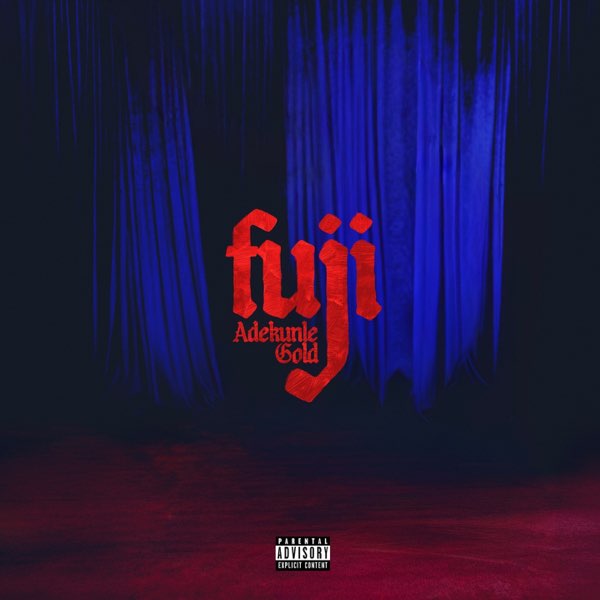
The title of Adekunle Gold’s acclaimed yet divisive album is more a personal narrative than a special nod to Fuji music.
The main goal of Fuji, which is also an acronym for “Finding Uncharted Journey Inside,” is that Adekunle Gold spent the past decade exploring diverse music styles, and it’s time to cross genre lines again and establish an elderly statesman, or perhaps Don Corleone status, while at it. He has earned an OG status anyway.
Since his debut in 2014, he has remained relevant, releasing an album almost every two years, marrying a famous singer, becoming a father, collaborating globally, and appearing at several international music and fashion shows. Adekunle Gold returns with a more cultural move. He’s commanding attention like never before. Take the door-breaking album opener “Big Fish.” Adekunle’s very opening lines on the song go: “You know I came into the game since 24 / Ogo wey dem never see before / Make or break and I made my decision / Ni mo gbe were wole, new dispensation.” It only gets bolder from here.
Listen: Apple Music | Spotify
5. Sweet Songs 4 You — TML Vibez and Lasmid
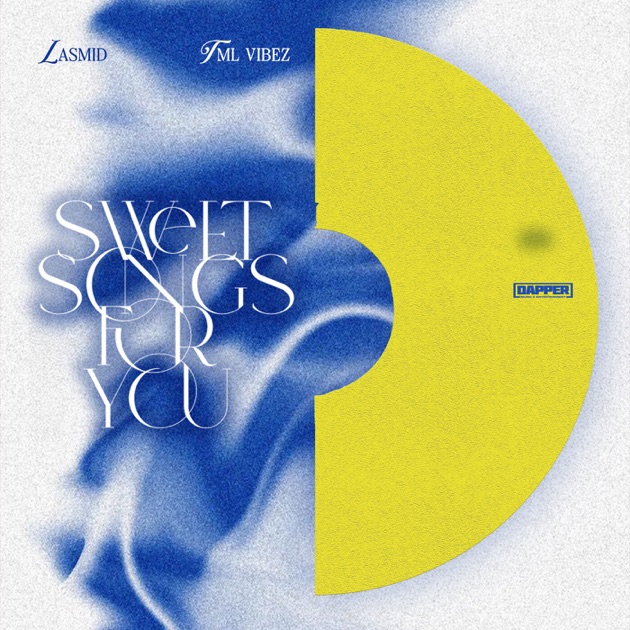
Nigeria’s TML Vibez and Ghana’s Lasmid, two artists whose music usually favours the street, are at their best love-struck, heavy with emotions they can only untangle in songs. Surprisingly, Sweet Songs 4 You offers an intimate window into their lover sides.
Set against lush production, they move with personal styles and zero constraints. Anchored by their songwriting, TML Vibez and Lasmid lay bare vivid reflections on longing for lasting love, romantic getaways, canal desires and sweet promises. Throughout the album, they find refreshing ways to sing about matters of the heart, and they do it with ease.
TML Vibez is one of the most versatile street-pop artists right now. He displays how effortless it is for him to shift from hustle mode to make tracks like “ghana jollof” or “ololufe” that sound like he has been in the most romantic relationship all year and not writing about his previous grimy life in his street kid’s diary. Lasmid excels at maintaining creative and consistent melodies. Musically, the two of them level up here.
Listen: Apple Music | Spotify
4. SPIRAL — Tim Lyre
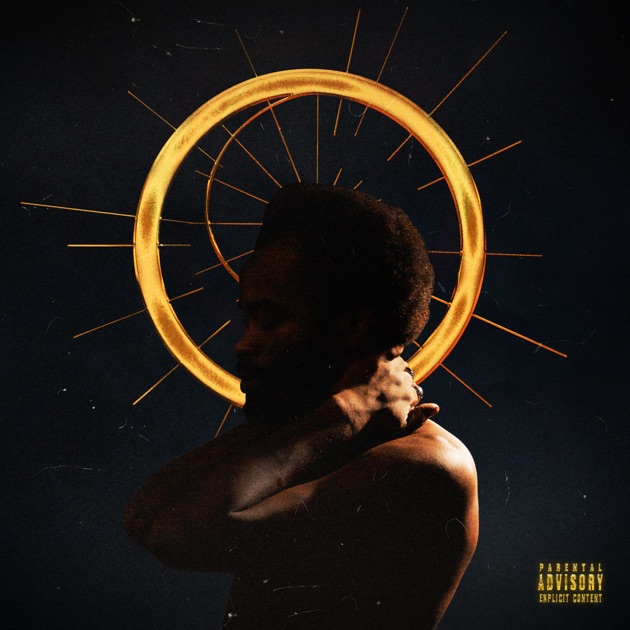
Tim Lyre has an innate ability to tap into personal experiences. Whether it’s love, death of ego, existentialism, sonder or socio-politics, he knows how to reimagine them into a tight-knit artistic production.
SPIRAL captures Tim Lyre at a crossroads. He’s reflecting on his past, charting his present and examining his environment. In the two-and-a-half years that it took to create this 16-track double-sided album, Tim Lyre had been in an accident, been stolen from — all these experiences transform into the narratives about loss, relationships and motivation. “Miles”, featuring Moelogo, is grounded in hope. “Economy” with Show Dem Camp explores the state of the country and the financial situation of the masses. The album closes out perfectly with “WAY/2/ME,” which mirrors Tim Lyre’s journey and his current phase of rediscovery.
Since his SoundCloud days in the late 2010s, Tim Lyre has always expressed himself through his music. And with SPIRAL, he writes the most plainspoken and absorbing parts of that narrative so far.
Listen: Apple Music | Spotify
3. Chapter 1: Where Does Happiness Come From? — Made Kuti
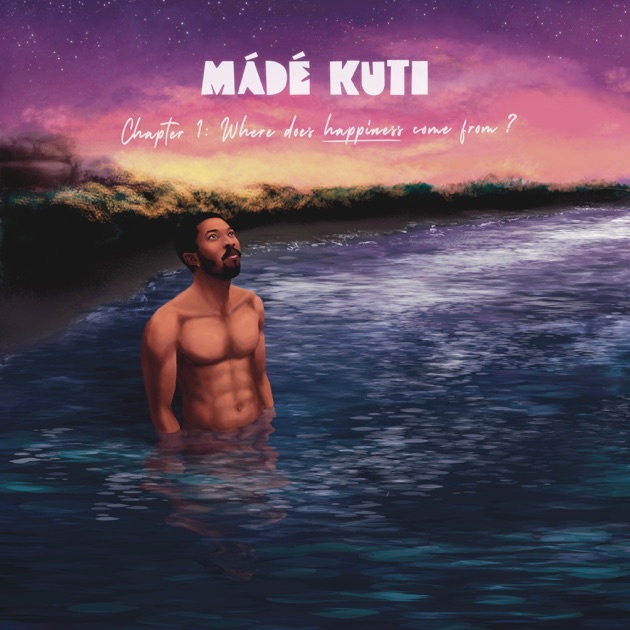
Four years past For(e)ward (2021), Made Kuti marches into a new adventure to find where happiness comes from. In an exhilarating 55-minute performance that’s a revolution, revival and racing respiration packed into a rave, he steep deeply into temperate admonition. Like every Afrobeat musician, Made balances political and social commentary with musical depth, confronting societal excess and violence through songs like “Life As We Know It.”
But there’s a bigger purpose here. Chapter 1: Where Does Happiness Come From? highlights the need for genuine connection in a digitised world. It calls for a new kind of change that starts from within. It reaffirms that authentic happiness stems from individual and collective responsibility, rather than external factors.
Listen: Apple Music | Spotify
2. SABALI — Peruzzi

Rebirth takes patience. Peruzzi’s new album SABALI proves that. It took him approximately 1,700 days after the release of the unappreciated two-sided Rum & Boogie album (2021). Rum & Boogie laid the foundation for his new album, showcasing an entirely new facet of Peruzzi’s artistry and songwriting, something different from the recognisable melodies of hit songs that credit him as writer and composer. On SABALI, Peruzzi makes his pen bleed, hitting on the undeserved ignore his music gets. While not making that his central theme, or necessarily presenting it as a validation dependency, he’s reproving the acknowledged fact that he’s a brilliant artist who fits in any musical pocket he finds himself in.
He goes from the fiery drill of “El Sucio Guapo” to sensual reggae on “Legalize” and “Ecstasy” and fusions of highlife on “Cooking Pot” and “Mad Oh” with The Cavemen.
In mainstream afrobeats, taking four to five years to release a project, while stabilising an identity, is usually a risky artistic route, especially if you aren’t a Big 3. These days albums with more than 15 tracks are struggle-listens, but SABALI’s 52-minute runtime is an easy listen and barely grating. Titled SABALI for a reason, the album fully rewards patience.
Listen: Apple Music | Spotify
1. catharsis — FOLA
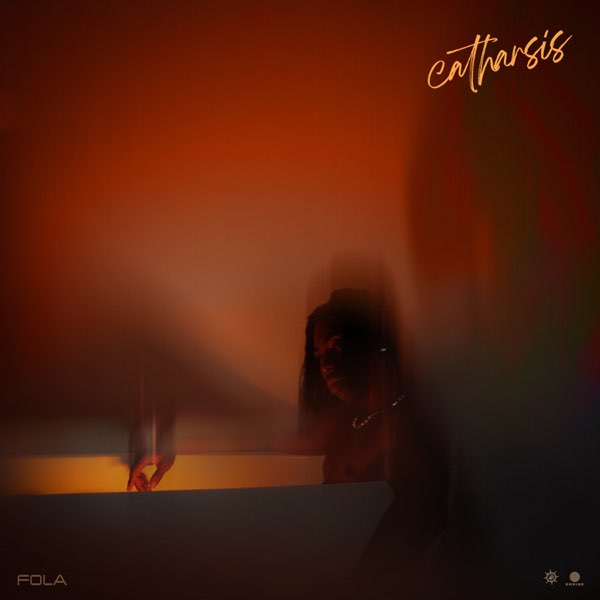
As often seen in music around the world, first albums are mostly either trailblazers and propellers or disasters. FOLA’s first EP, what a feeling, and the public’s reception made it apparent that the 24-year-old singer-songwriter is ready to deliver a major killer debut project, rather than a first-time guillotine that takes him to slaughter. And not only is catharsis the best album of 2025, but as a music project that’s two minutes short of what the traditional industry term ‘album’ implies, it reiterates that artists are the deciders of what is conventional or not, norm or not, hot or not.
FOLA has had a great year: he’s the biggest breakout act of the year, released a widely-acclaimed and longest-running No. 1 album of the year, top-charting songs, threw his first sold-out (and overcrowded) headlining show, and is the top-lover boy in afrobeats this year. Thanks to a personal and emotionally-driven music that brings his romance and self-reflection to the forefront of his songwriting. Across catharsis, FOLA fully embraces his pop-star, though the pressures of rising stardom are inescapable.
afrobeats-infused r&b drives the grooves of most of the tracks, which move between romantic complexity and ambition. When there’s a break in mood on “disco” featuring Young Jonn, the album shifts from introspective tension to a lighter performance.
What’s next for FOLA after such a fruitful year is consistency, quality and breaking into a new artistic peak that keeps him above streams and popularity.
Listen: Apple Music | Spotify
Honourable mentions:
Detox — Sewà
Journey Through Life — Femi Kuti
Viva La Vida — Joeboy
Omoboy — PayBac iBoro
Greatly Exaggerated — Damon Grass
Dream Man — Oyedele
Files ‘26 — cosamote
Vice Versa — President Zik and Hotyce
No Excuses — Blaqbonez