To be a Gen Z Nigerian is to have a childhood soundtrack that oscillates between the solemnity of a Sunday morning gospel tape and the swag of the late 2000s and early 2010s. You’re the generation that moved from buying physical CDs in traffic to curate-it-yourself playlists on streaming platforms.
These 20 Nigerian albums aren’t just musical projects, they’re the pillars that defined the Gen Z identity, taught you how to dance and eventually gave you the courage to be effortlessly cool, genre-fluid, and non-corforming. From the sonorous anthems of Wande Coal to the gospel tunes of Destined Kids and Pop sensibilities of Wizkid, here are the 20 Nigerian albums that definitely raised Gen Z.
20. Westernized West African — Mojeed (2014)
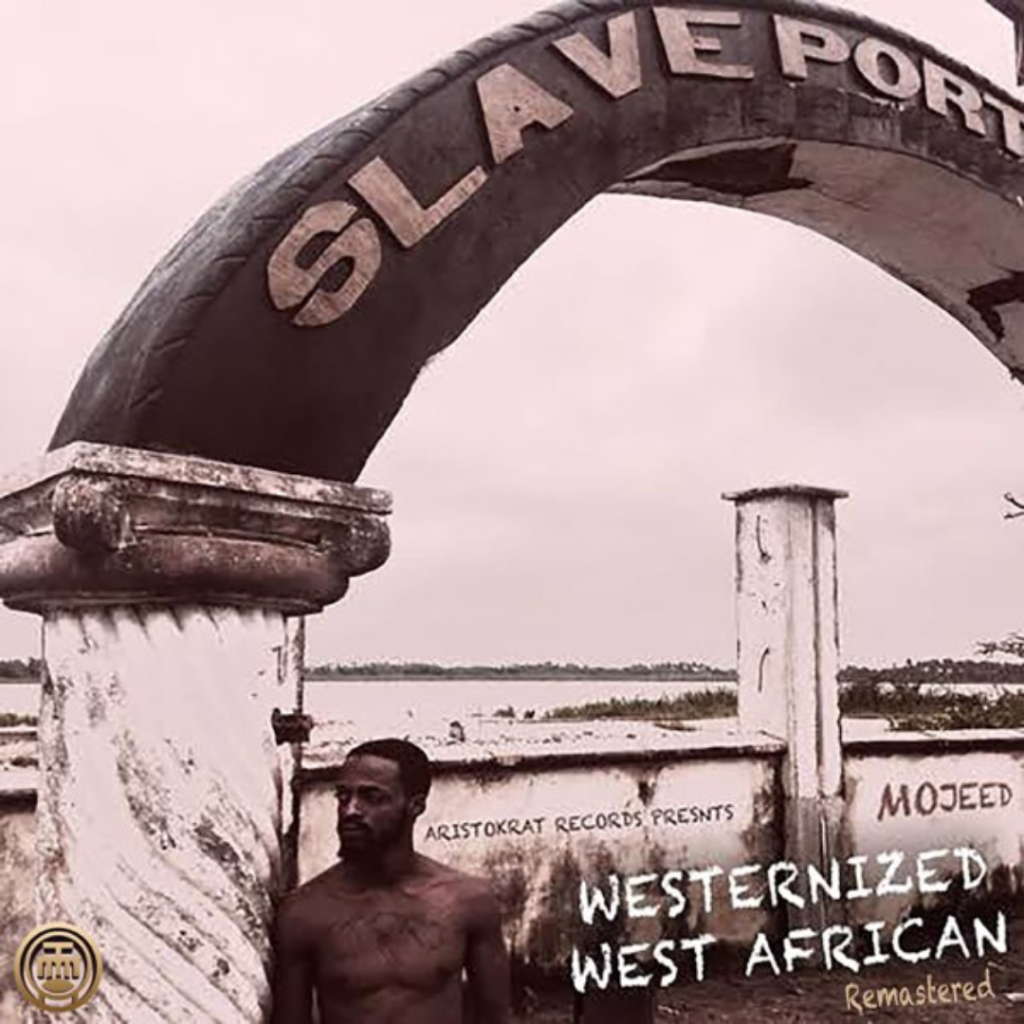
When Mojeed released Westernized West Africa (WWA) under Aristokrat Records, he brought a specific brand of effortless cool that resonated with the burgeoning diaspora influenced Gen-Z. It’s a link of middle-class Lagos, privileged upbringing and the polished aesthetics of American Hip-Hop. It’s a creative audio documentary of a Nigerian youth who’s recently returned from overseas and his attempts to find his footing back home and relate to the people he left when he was younger.
It sits within the era when SoundCloud and Twitter were incubating new voices. Following the paths of JJC, Show Dem Camp and other Nigerian artists who came back from abroad to offer their gifts to the motherland, Mojeed introduces himself in a trilingual fashion: English, Pidgin English and Yorùbá. The project dishes quotables from braggadocious moments, club bangers, street cuts, moody songs and captivating interludes and skits. Though Mojeed never sticks around — he comes and goes — the impact of WWA was immediate among the cool Nigerian kids who were tired of the usual club banger and rap styles and were looking for something that’s a bit unorthodox.
In addition, thanks to LeriQ’s incredible production, it remains a cult and underground classic that reflects a moment when Nigerian rap and alternative scenes were experimenting with identity politics, Western influence and African self-definition in the mid-2010s.
Listen on: Apple Music | Spotify
19. Suzie’s Funeral — Cruel Santino (FKA Santi) (2016)
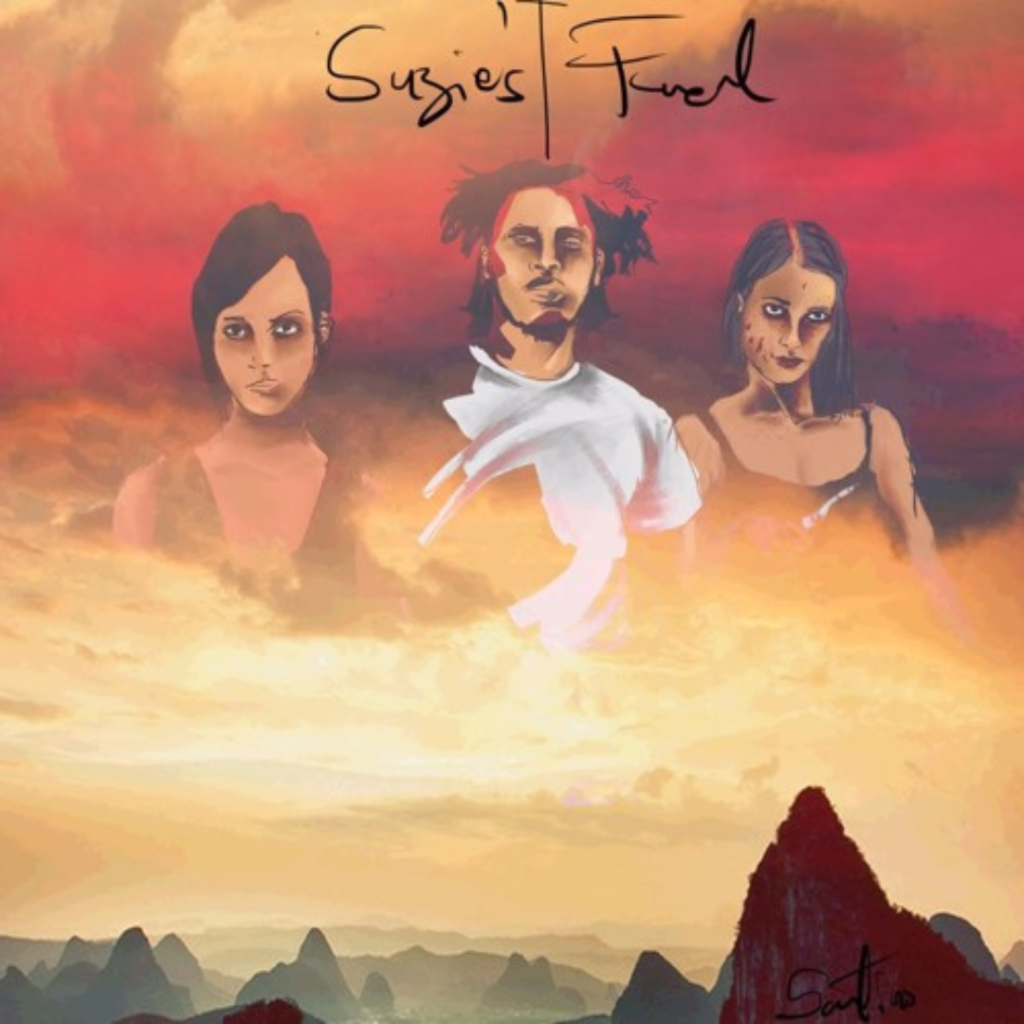
Long before he became a global Alté icon, Ozzy B transformed into Santi and gave us Suzie’s Funeral. This project is the sonic equivalent of a DIY aesthetic that fuses lo-fi elements with dancehall rhythms and a captivating psychedelic feeling that Nigerian music hadn’t quite seen at the time. It arrived alongside a visual culture movement driven by collectives like DRB LasGidi and A$AP-influenced fashion aesthetics.
The album’s influence is best seen in the birth of the Alté movement itself; it gave permission to a whole generation to experiment with their sound and visuals. It’s the unofficial manifesto for the misfits — the Gen Z kids who didn’t fit into the mainstream box but still had a story to tell about love, loss and late nights in Lagos. It normalised weirdness. It made soft-spoken detachment, thrift-store cool and genre fluidity aspirational. In a country that often polices conformity, Suzie’s Funeral whispers that you could build your own universe, even from your bedroom.
Listen on: Apple Music | Spotify
18. rare. — Odunsi, the Engine (2018)
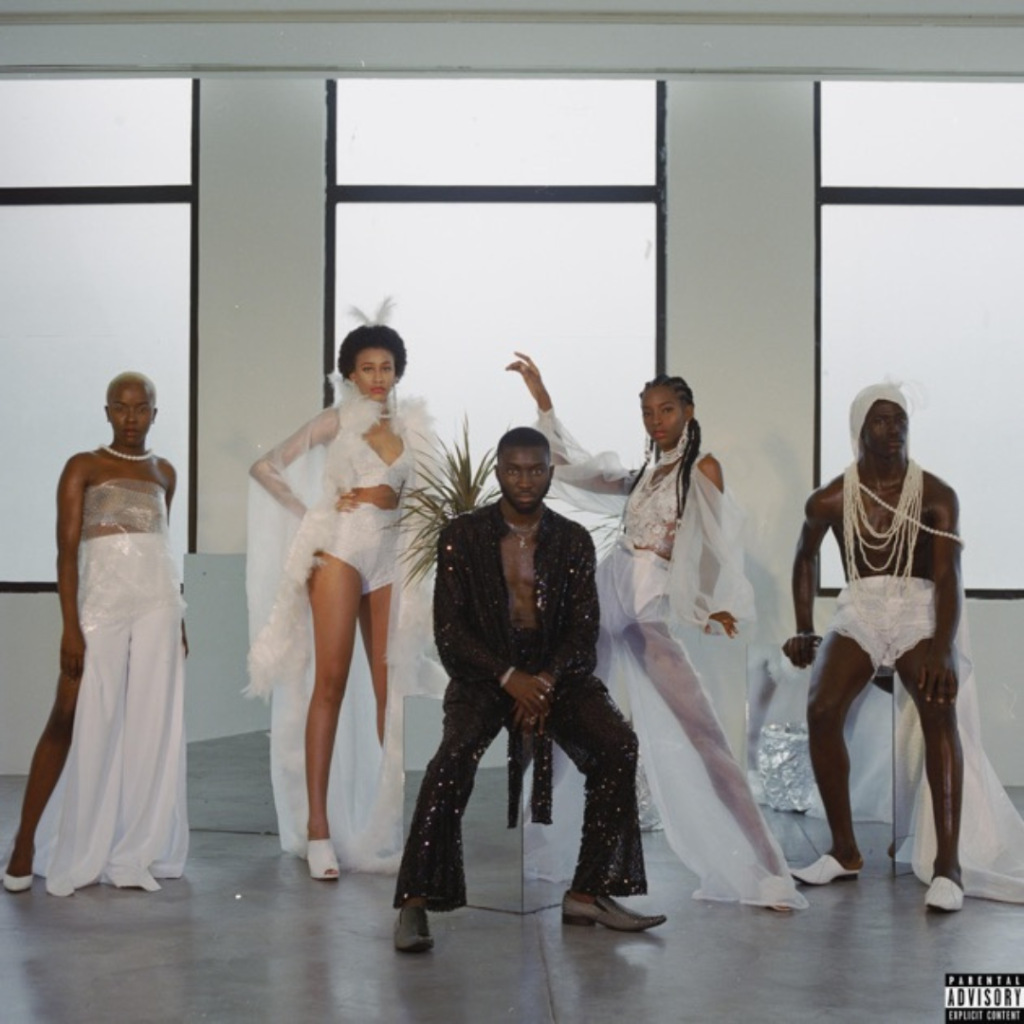
rare. is a shimmering, retro-futuristic dive into the sounds of the 80s and 90s, through the lens of Afropop, reinterpreted for a Gen Z audience that is hungry for aesthetic cohesion. It’s a bold statement of individuality, featuring collaborations with everyone from Davido to Runtown and Nasty C. It is the Alté scene’s arrival at the big table.
It’s an emblem for Lagos youth culture and proof that vulnerability could be stylish. The album’s honesty about love and self-worth resonated with a social media generation. For Gen Z, rare. is the soundtrack of coming-of-age and to sound to the aesthetic era on Instagram. Its impact can still be felt in the way young artists prioritise world-building and visual storytelling over just chasing a single hit.
Listen on: Apple Music | Spotify
17. New Era — Kizz Daniel (2016)
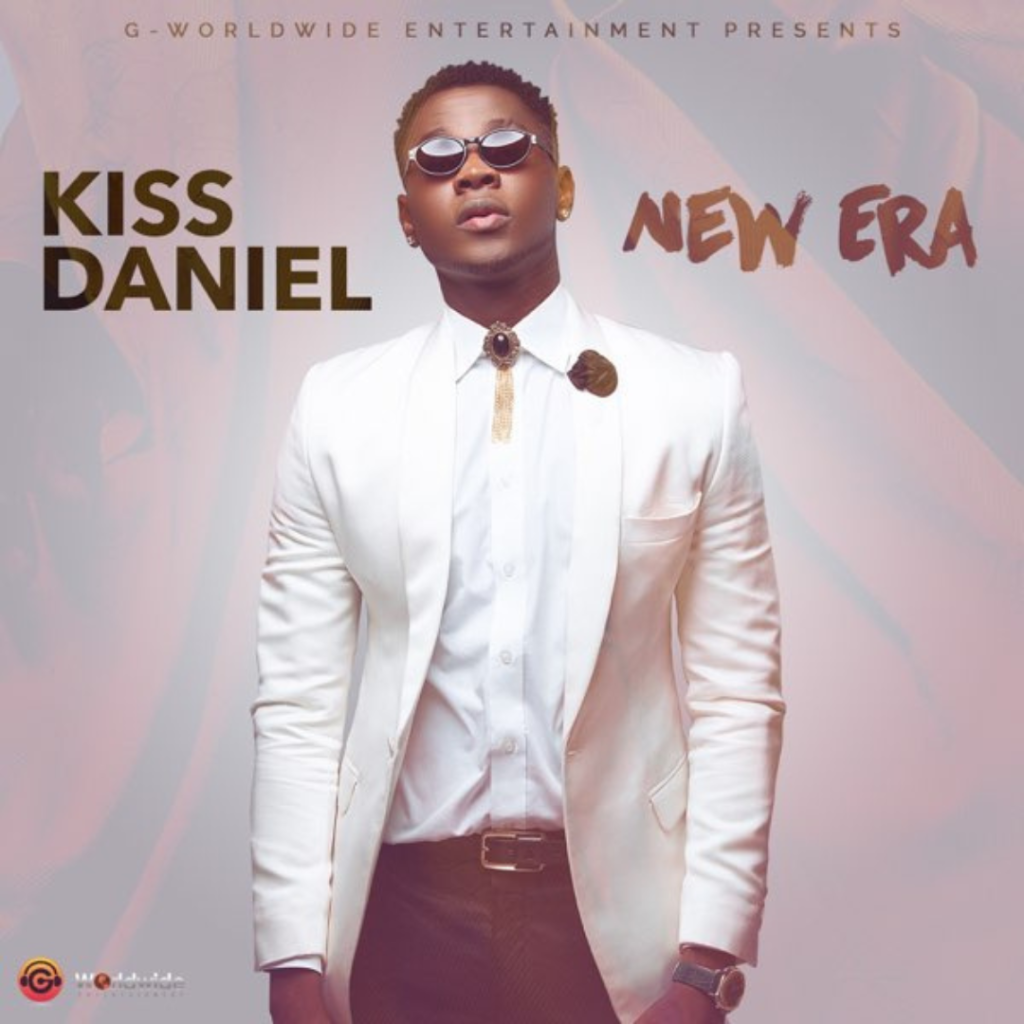
Released at a time when the industry was leaning mainly into heavy percussion and “shayo” lyrics, Kizz Daniel (then Kiss Daniel) arrived with a debut that was purely about the melody. New Era is a 20-track masterclass in pop songwriting, with no bad songs. It solidifies him as the “no-feature” king. The album’s success with hits like “Mama” and “Laye” provides the blueprint for the high-life-infused pop that would dominate the late 2010s. It was the soundtrack to every secondary school social event and university party.
New Era established Kizz Daniel as one of the few artists who easily bridges the gap between “posh” and “street” listeners effortlessly. Also, his survival and progression after the tussle with his former label also add to the album’s impact. For the Gen Z audience, it’s the beginning of valuing individual artistic merit over “industry politics.”
Listen on: Apple Music | Spotify
Subscribe to Zikoko Pop newsletter, The Feed, for the most important pop culture news
16. Laughter, Goosebumps and Tears — Fireboy DML (2019)
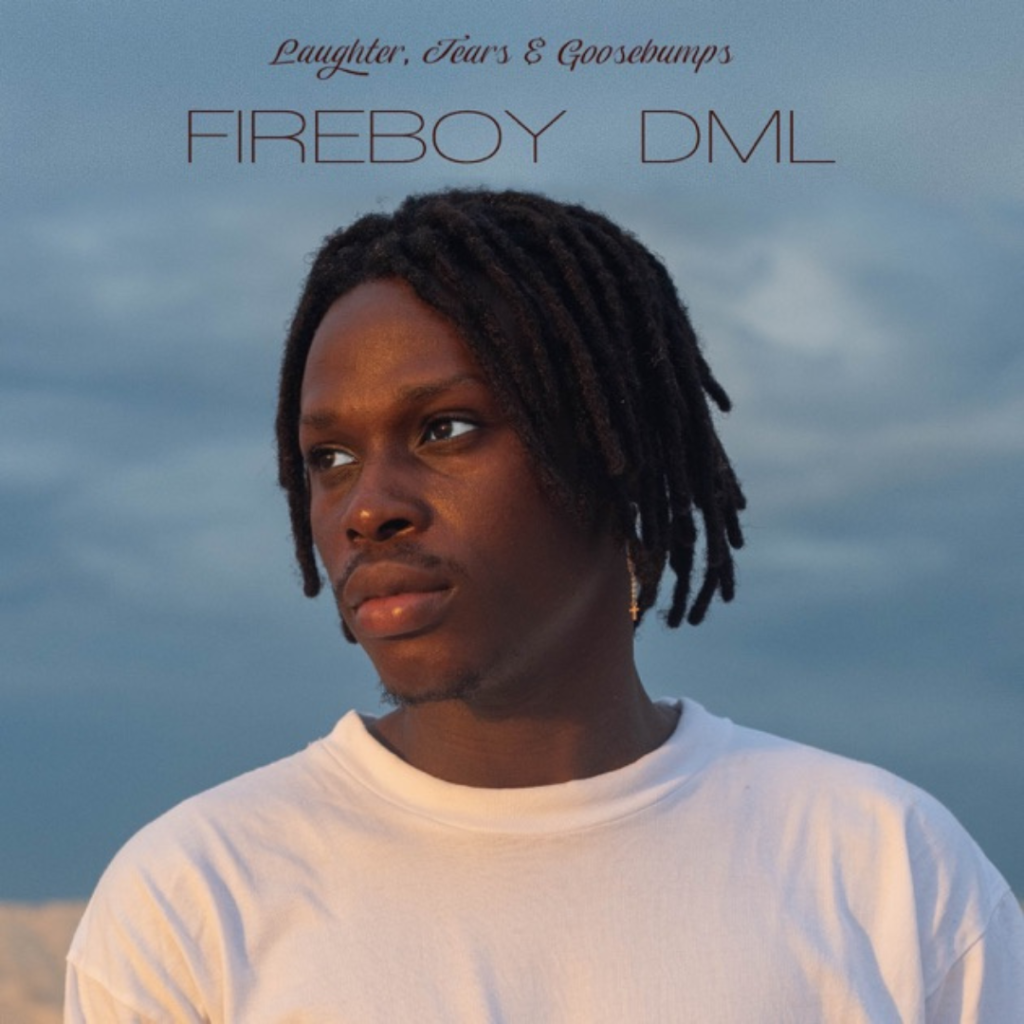
It arrived during the height of the “YBNL 2.0” era and immediately redefined what a debut album should sound like. It’s an album that respects the “cruise” or “vibe” culture of its time while delivering lyrics that feel like poetry. For Gen Z, LGT defines their transition from teenagers to young adults. Fireboy leans into heartbreak, self-doubt and longing, backed by lush, guitar-heavy production.
Gen Z embraces it as diary music. It matched an era of emotional openness online, and songs like “Jealous” became shorthand for complicated love in a generation. The project is also unique because it has zero guest features and shows Fireboy’s capability as a singer-songwriter and performer. It’s commercially successful and artistically ambitious and vulnerable — a sky-high standard for every new cat that follows.
Listen on: Apple Music | Spotify
15. Everybody Loves Ice Prince — Ice Prince (2011)
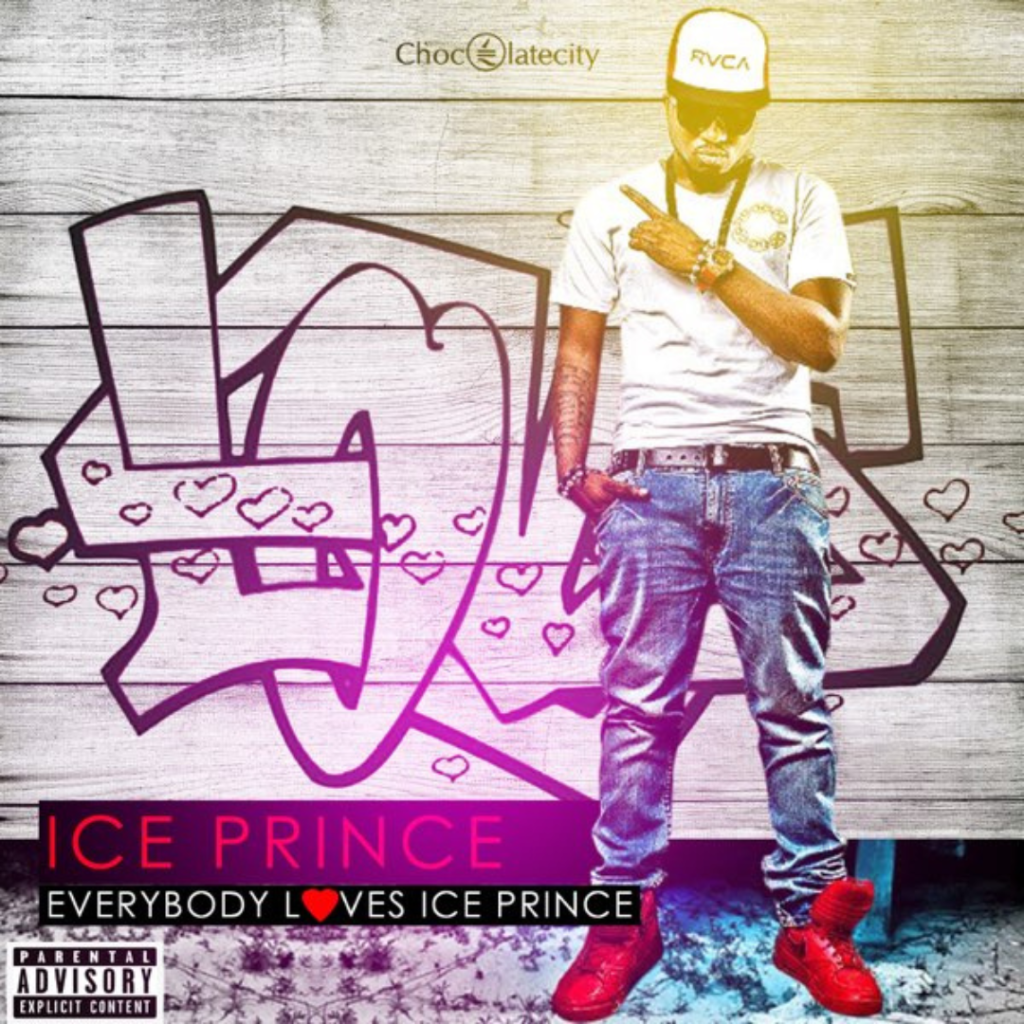
This album rides the momentum of “Oleku,” one of the most formative Nigerian rap records of the 2010s. It blends pop hooks with accessible hip hop and churns out raps that are radio-friendly. For Gen Z listeners, it’s an introduction to cool, commercially viable Nigerian hip-hop. It softened rap’s edges and made it aspirational. If there was ever a project that made rapping look like the coolest profession on earth, this was it. Ice Prince arrived with a swag that was infectious. For years, he was the poster boy for the “Cool” Nigerian youth — the one who wore the best sneakers and had the freshest fades.
The album’s impact was monumental in how it commercialised rap for the Gen Z kids who were just starting to pay attention to the local scene. It was more than bars; it was about the branding. Ice Prince showed us that you could be a lyricist from Jos or any part of Nigeria and still dominate the African continent with catchy hooks and rap verses.
Listen on: Apple Music | Spotify
14. No Guts No Glory (NGNG) — Phyno (2014)
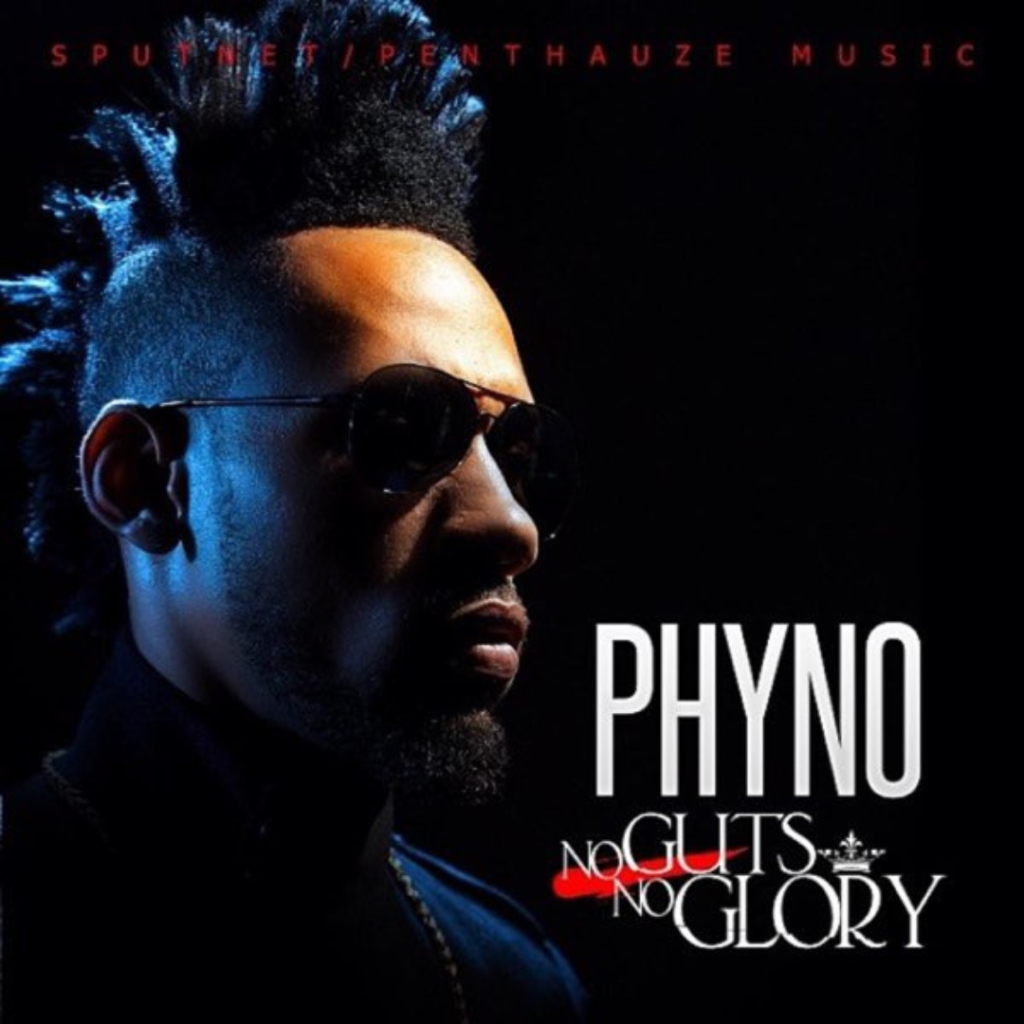
Phyno made Igbo rap the coolest thing on the streets of Lagos and beyond. No Guts No Glory is a powerhouse debut that showcases the “Alobam” energy — a link of brotherhood, struggle and eventual triumph. For Gen Z, especially those in the South-East, Phyno is a cultural hero who proves that your mother tongue is a tool for global dominance.
Phyno’s debut elevated Igbo rap to national visibility and balanced street credibility with crossover appeal. The kids in the East and beyond saw representation amplified. NGNG validates indigenous language rap and makes regional pride fashionable at a national scale.
Listen on: Apple Music | Spotify
13. C.E.O — Dagrin (2009)
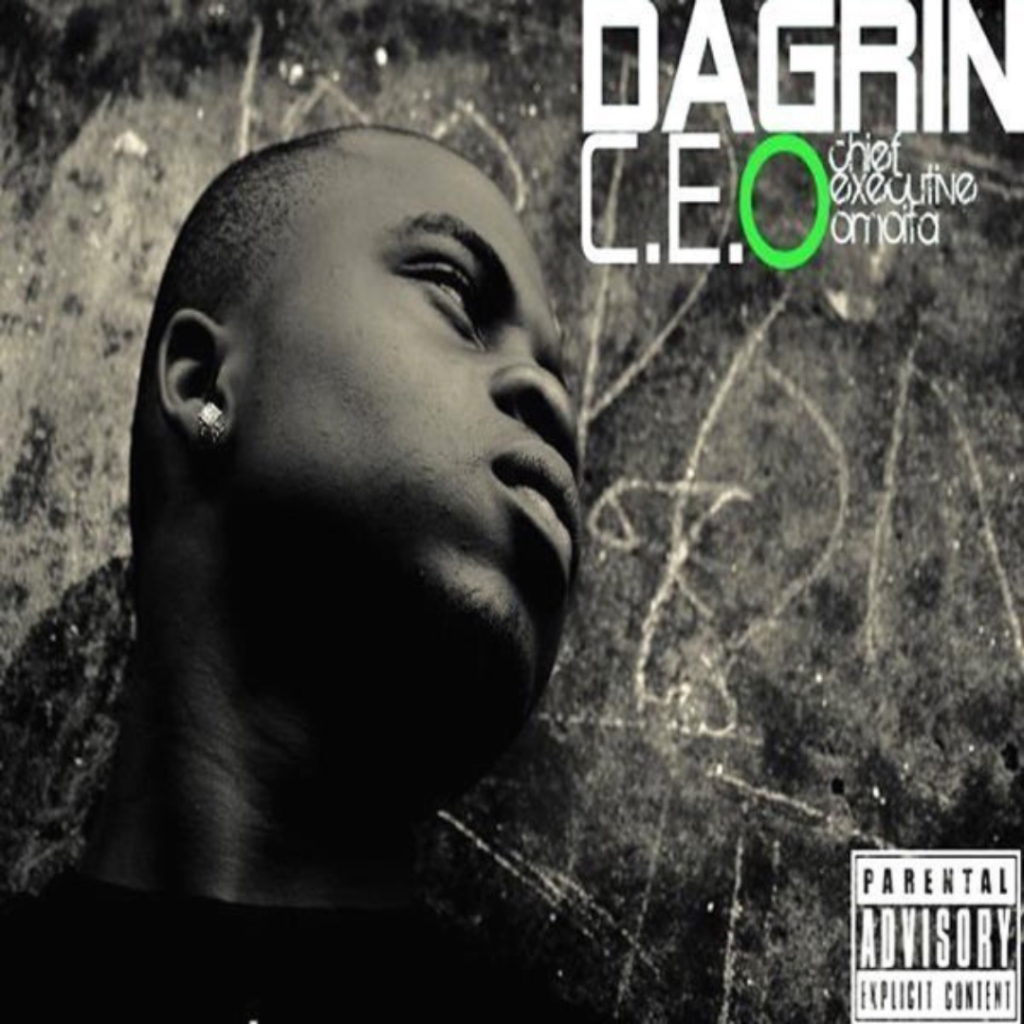
Dagrin was the pioneer of the Street-Hop revolution that raised the modern giants of the genre. C.E.O. (Chief Executive Omoita) is a gritty, unfiltered look at the hustle in Lagos and South West, delivered with a charisma that is tragic and beautiful at the same time. His untimely passing shortly after the album’s release cements it as a legendary body of work that gives a voice to the voiceless youth.
For Gen Z, Dagrin was one of the first real “street heroes.” He taught us that the Yorùbá language could be used for hard-hitting, relatable rap that doesn’t need to be “posh” to be respected. Every indigenous rapper who has come after him owes a debt to the blueprint laid down on this album.
Listen on: Apple Music | Spotify
12. Rapsodi — Olamide (2011)
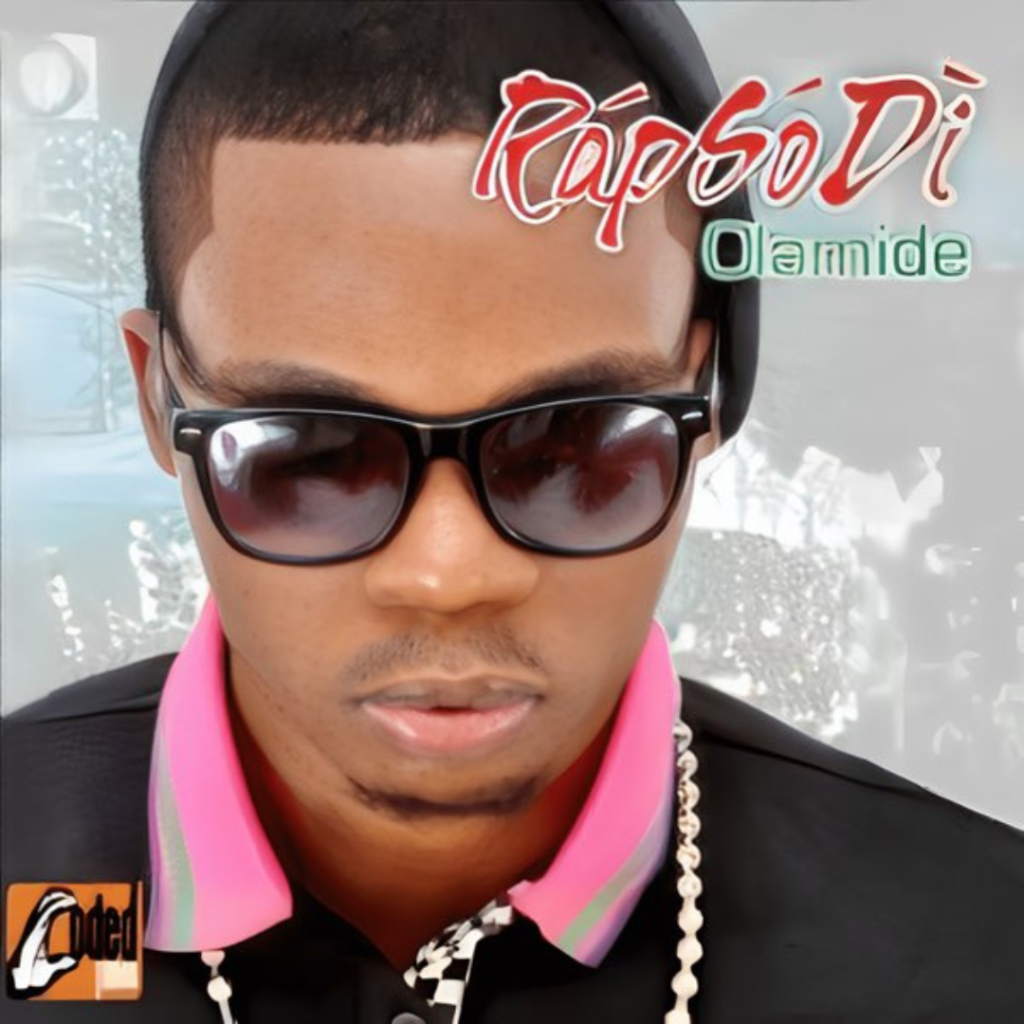
If Dagrin was John the Baptist, Olamide is Jesus. Rapsodi marked the beginning of an era in which Olamide released an album every year for a decade. It introduced us to the “Eni Duro” persona and spirit — a relentless, hungry rapper who was ready to take over the industry by any means necessary. The album is a cultural reset because it presented the hood lifestyle to the forefront of Nigerian pop culture.
To the Gen Zs, Olamide is a figure who shows that consistency and hard work were the only ways to stay relevant in a fast-moving industry. Rapsodi planted the seed for YBNL’s later dominance over youth culture.
Listen on: Apple Music | Spotify
11. Igwe — Midnight Crew (2009)
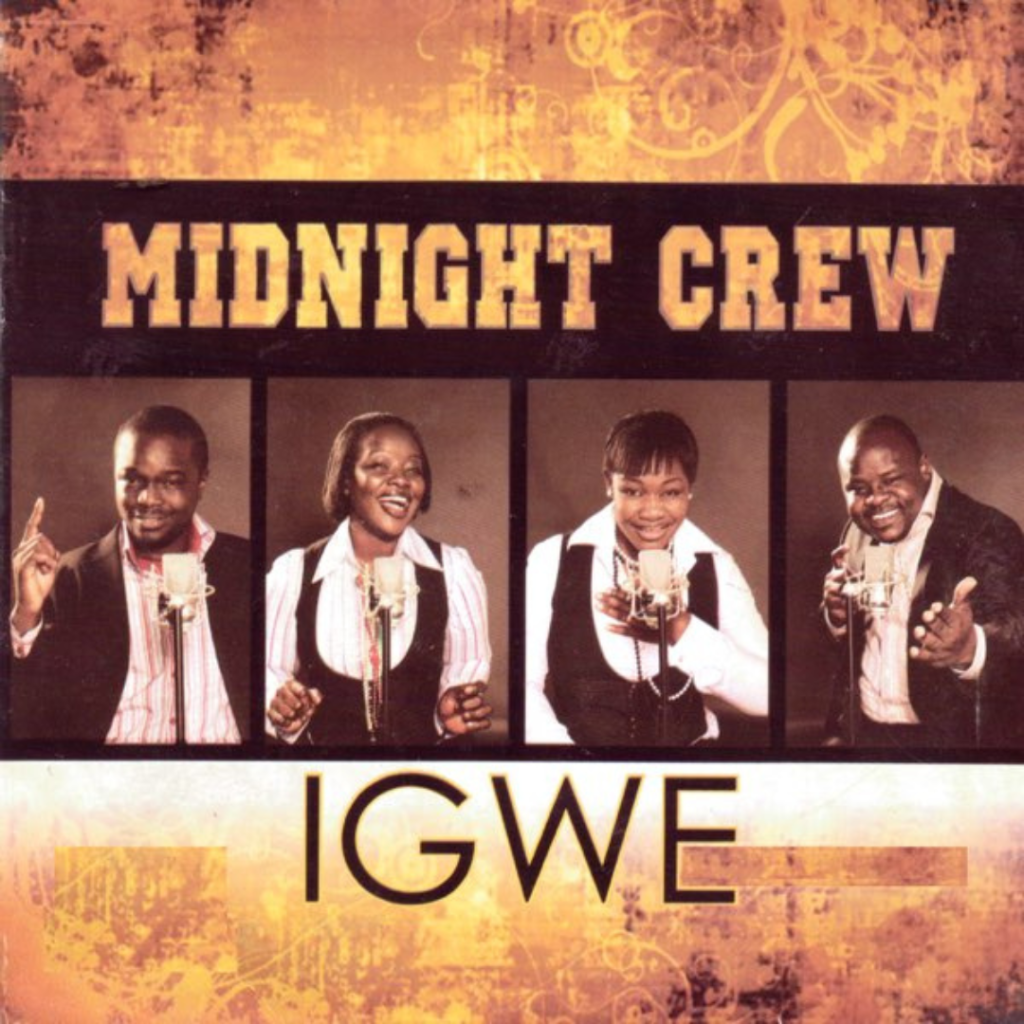
You cannot talk about Gen Z childhood without mentioning the Sunday morning staple that Igwe. It’s the gospel album that somehow transcended the church and became a party anthem. Whether you were in a White Garment church or a modern Pentecostal one, the title track was unavoidable. The impact of Midnight Crew was in how they modernised traditional gospel sounds for a younger audience. The album makes praise feel energetic and celebratory. It provides a wholesome but party-driven soundtrack for Gen Z kids during family gatherings and school assemblies.
Igwe goes past gospel charts. It enters mainstream celebrations. Weddings, birthdays and school events adopt it. For Gen Z kids raised in church, this album blurs sacred and social space. It remains one of the most successful gospel projects in Nigerian history.
Listen on: Apple Music | Spotify
READ NEXT: The 15 Best Nigerian Gospel Albums of All Time, Ranked
10. MI2: The Movie — M.I Abaga (2010)
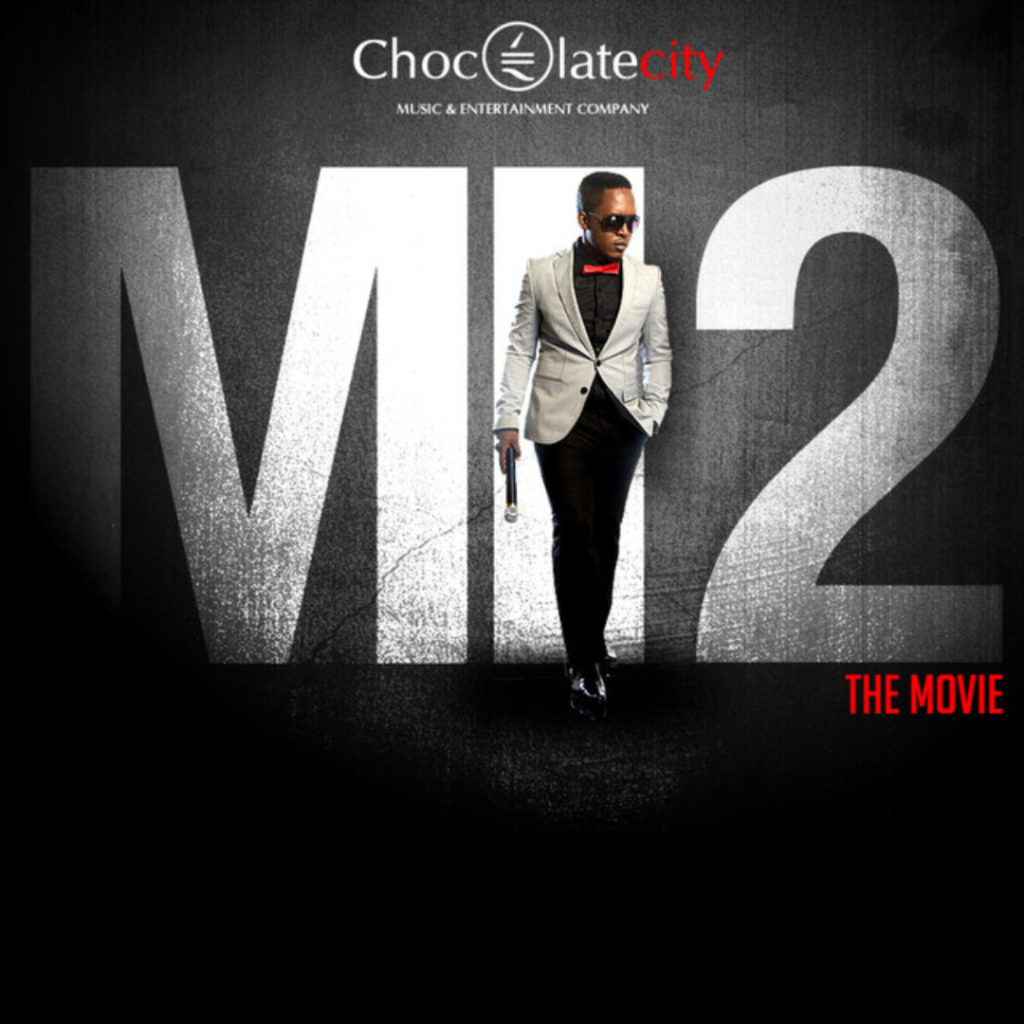
A cinematic sequel to Talk About It (M.I Abaga’s debut album), this project showcases conceptual ambition in Nigerian rap. M.I sharpened lyricism while maintaining pop awareness and solidified hip-hop’s place at the top of the Nigerian food chain. It’s polished, conceptual, and features some of the best collaborations of the decade, from Brymo on “Action Film” to Flavour on “Number One.”
For this generation, M.I is the man who teaches intelligence in his raps. Gen Z aspiring rappers studied the album like coursework. It raised the bar for narrative depth in mainstream hip-hop.
Listen on: Apple Music | Spotify
9. Yahoo Boy No Laptop (YBNL) — Olamide (2012)
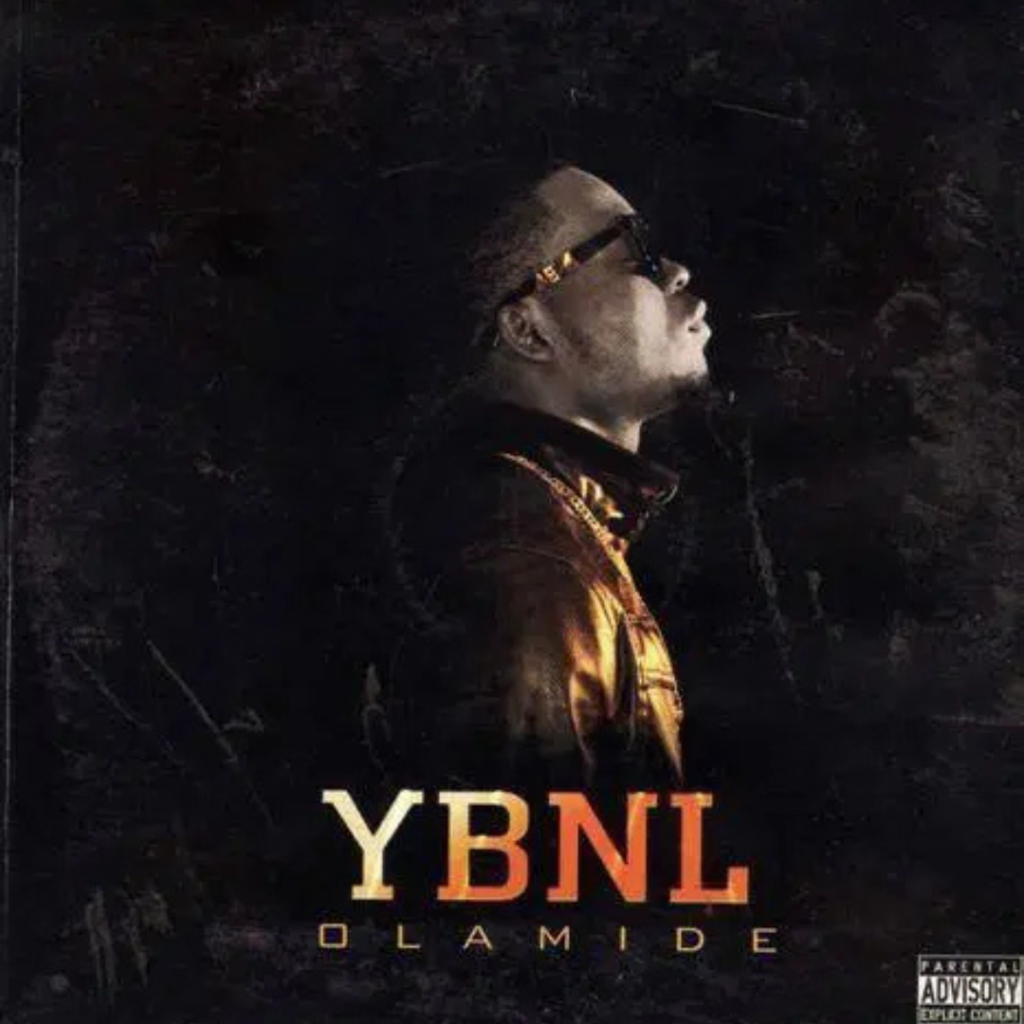
Commonly known as YBNL, this album was the formal launch of the YBNL Nation empire. It was Olamide’s statement of independence after leaving Coded Tunes, and it was packed with hits that fully defined Street-Hop identity and sound. Songs like “First of All” and “Stupid Love” are the blueprint for the dance-heavy rap style era of Nigerian music.
YBNL became a dominant youth expression. The project’s title itself is a cultural commentary on the hustle culture of the time, AKA Yahoo — reclaiming a controversial term and turning it into a brand of success. For Gen Z, this album is the soundtrack to their secondary school years. This sophomore effort shifted Olamide from underground lyricist to street pop architect. The album birthed chants and slang that travelled fast. It influenced how Gen Z spoke, dressed and performed masculinity.
Listen on: Apple Music | Spotify
8. Joy Joy Joy (Volume 3) — Destined Kids (2007)
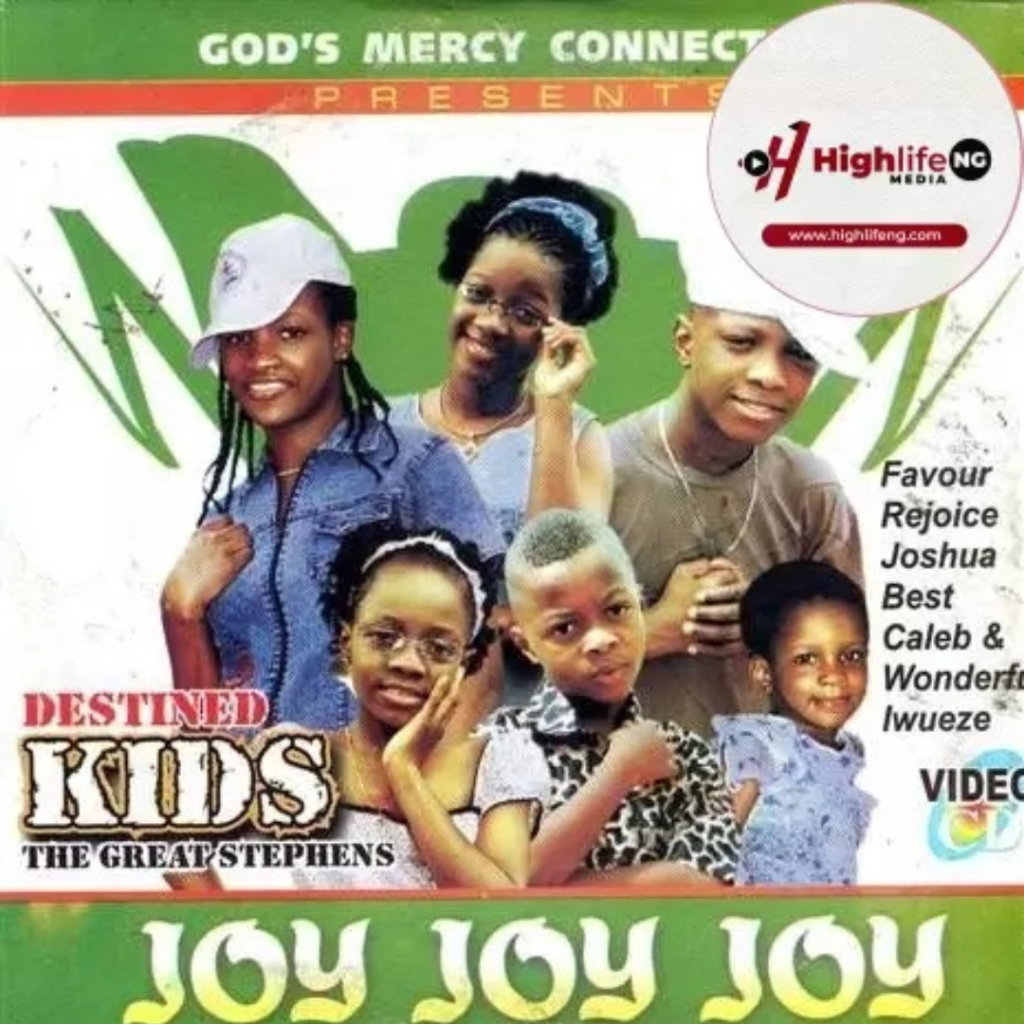
Before there were “Kidfluencers,” there were the Great Stephens (Favour, Rejoice, Best, Joshua, Caleb, Wonderful Iwueze). The Destined Kids were the childhood icons for Gen Z Nigerians. Joy Joy Joy (Vol. 3) is a collection of moral-heavy, catchy gospel tunes that every child of that era knew by heart.
The impact of this album is purely nostalgic. It represents a simpler time of Sunday special numbers and End-of-the-Year party sing-alongs. These kids were our peers, and seeing them succeed on the big screen gave many Gen Z kids their first taste of local celebrity culture.
Listen on: YouTube
7. The W Experience — Banky W. (2009)
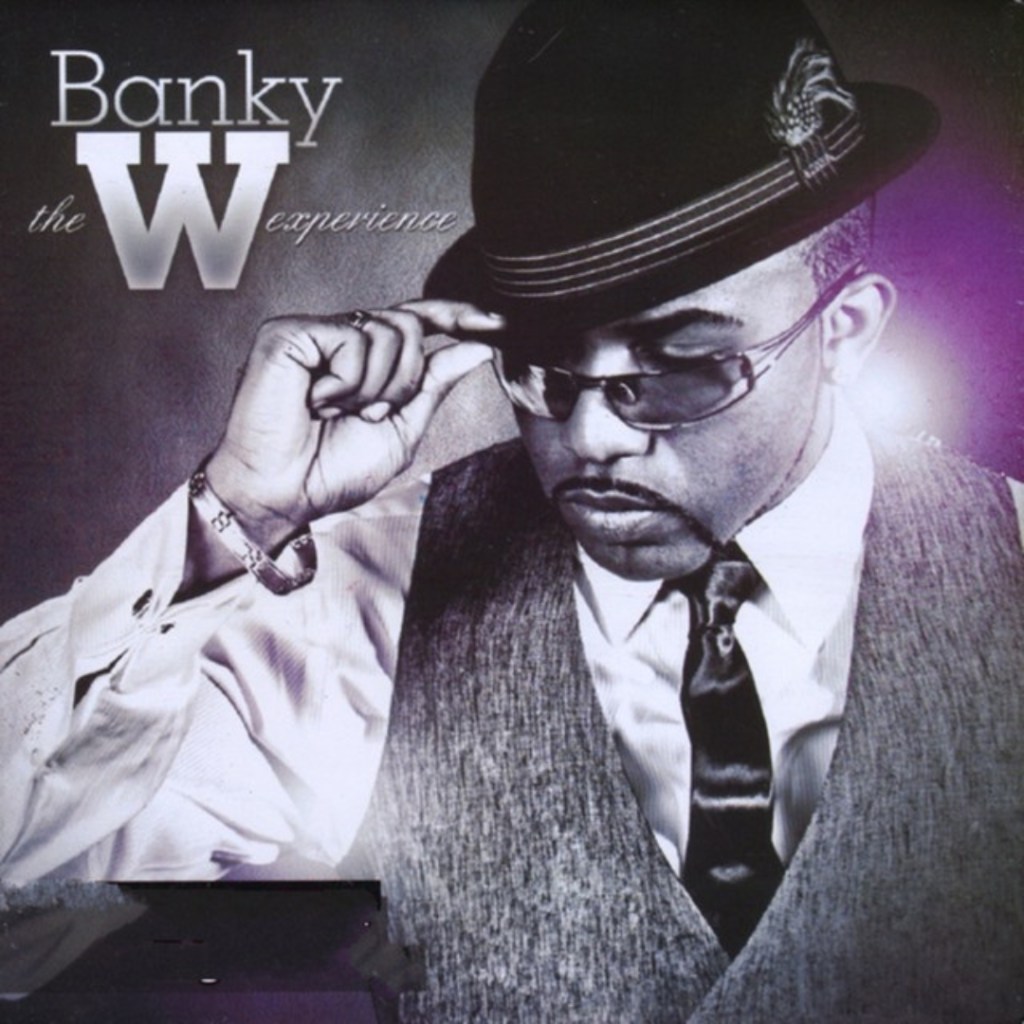
Banky W brought a polished and impressively relatable level of sophistication to R&B that many Nigerians previously reserved for American artists like Usher and Ne-Yo. The W Experience is a sexy and smooth album that houses some of the biggest wedding anthems of the decade, such as “Strong Ting.”
For Gen Z, Banky showed that romantic music could lead in the Nigerian music scene. The album also strengthened EME’s infrastructure before Wizkid’s breakout, then served as the launchpad for a young Wizkid. For Gen Z, this album introduced sleek romantic pop that felt urban and cosmopolitan.
Listen on: Spotify
6. Tradition — 9ice (2009)
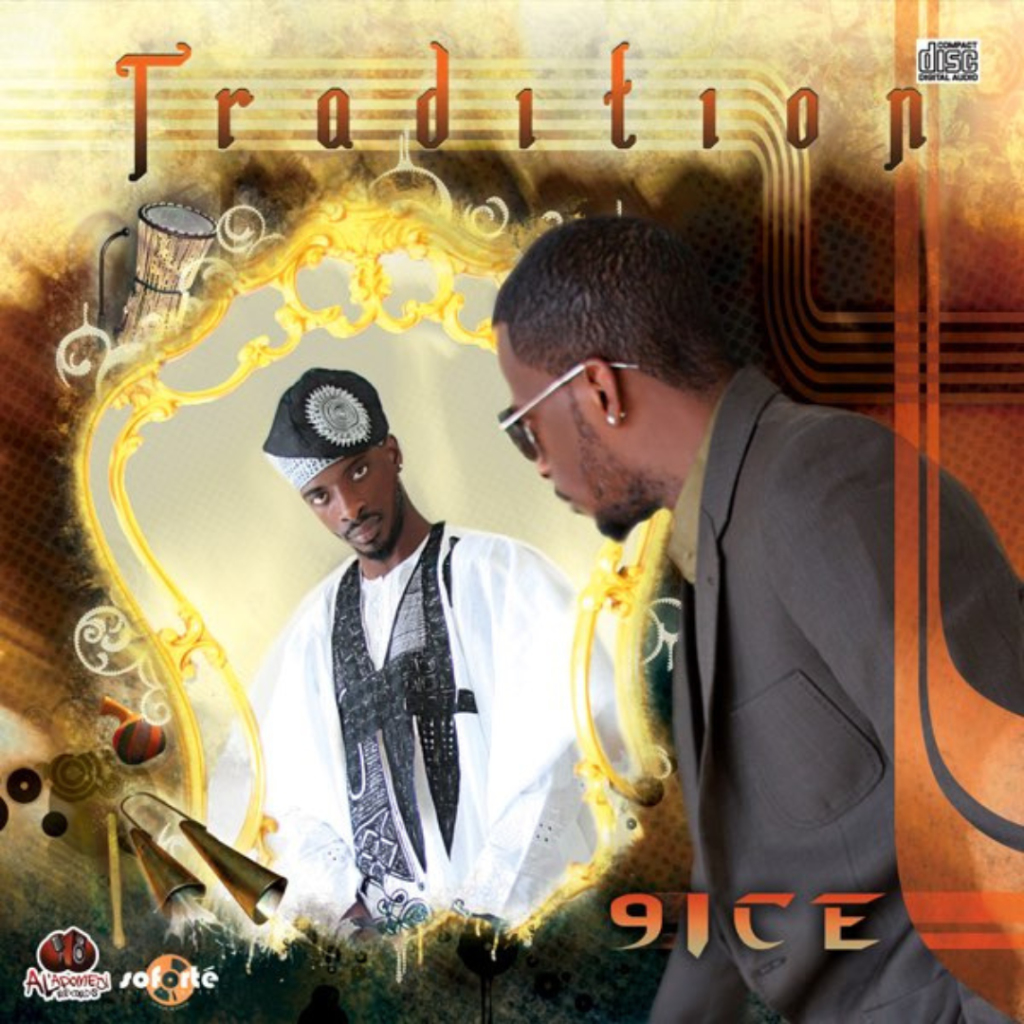
Following the massive success of Gongo Aso, 9ice returned with Tradition to prove that his unique blend of Yoruba proverbs and modern pop wasn’t a fluke. The album uses tracks like “Gbamu Gbamu” to keep the listener grounded in their roots while still shoving a beat to dance to. The impact of 9ice on Gen Z goes from cultural price to use of Yorùbá language in contemporary music. 9ice was the ancestral voice, and Tradition, a guide in a world that is becoming increasingly Westernised.
Listen on: Apple Music | Spotify
5. Beautiful Imperfection — Asa (2010)
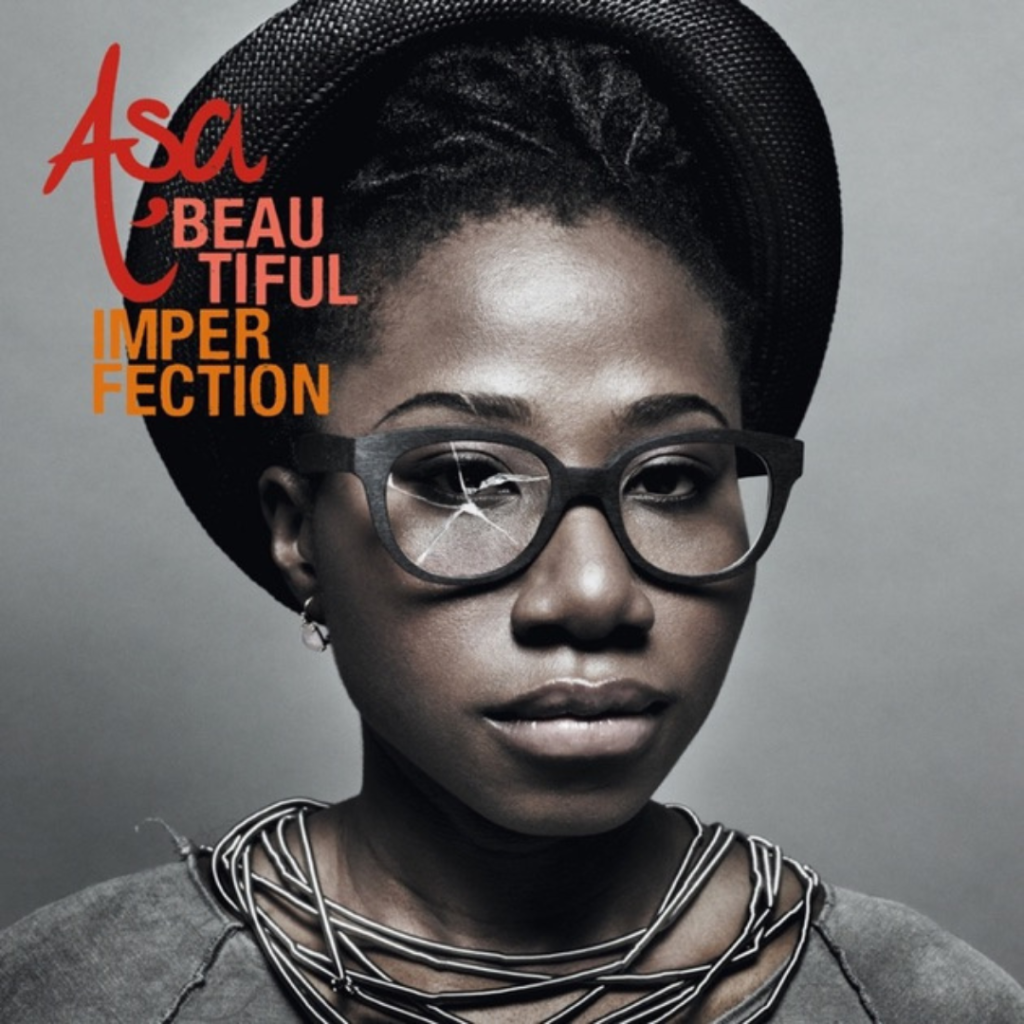
Asa is the patron saint of the “Alt-Soul” movement in Nigeria. While her debut Asa is legendary, Beautiful Imperfection shows a more upbeat, rhythmic side of her artistry. Songs like “Be My Man” are sunny and optimistic, shining conscious music in a bright light. For Gen Z, Asa represents the cool, intellectual Nigerian woman whose music is world-famous while staying true to her guitar and soul. For artistic Gen Z, Beautiful Imperfection modelled alternative paths for younger artists to be Nigerian and globally nuanced without chasing club formulas.
Listen on: Apple Music | Spotify
4. Danger — P-Square (2009)

P-Square was the biggest duo in Africa, and Danger was them at the peak of their powers. This album is a relentless hit factory, from the Michael Jackson-inspired “Danger” to the wedding favourite “Possibility” featuring 2Baba (FKA 2Face). They were the enjoyable performers who set a standard for music videos and stage presence in the early phase of Afrobeats.
The impact on Gen Z was evident. We all tried to learn the “Danger” dance steps in our living rooms. P-Square showed Nigerian music can be a spectacle that combines world-class choreography with sticky melodies. Danger amplified P-Square’s dominance with theatrical production and continental tours. It expanded Nigerian pop beyond borders. Gen Z witnessed Afrobeats’ early export phase here and normalised African pop as stadium-ready.
Listen on: Apple Music | Spotify
3. The Unstoppable International Edition — 2Baba (2010)
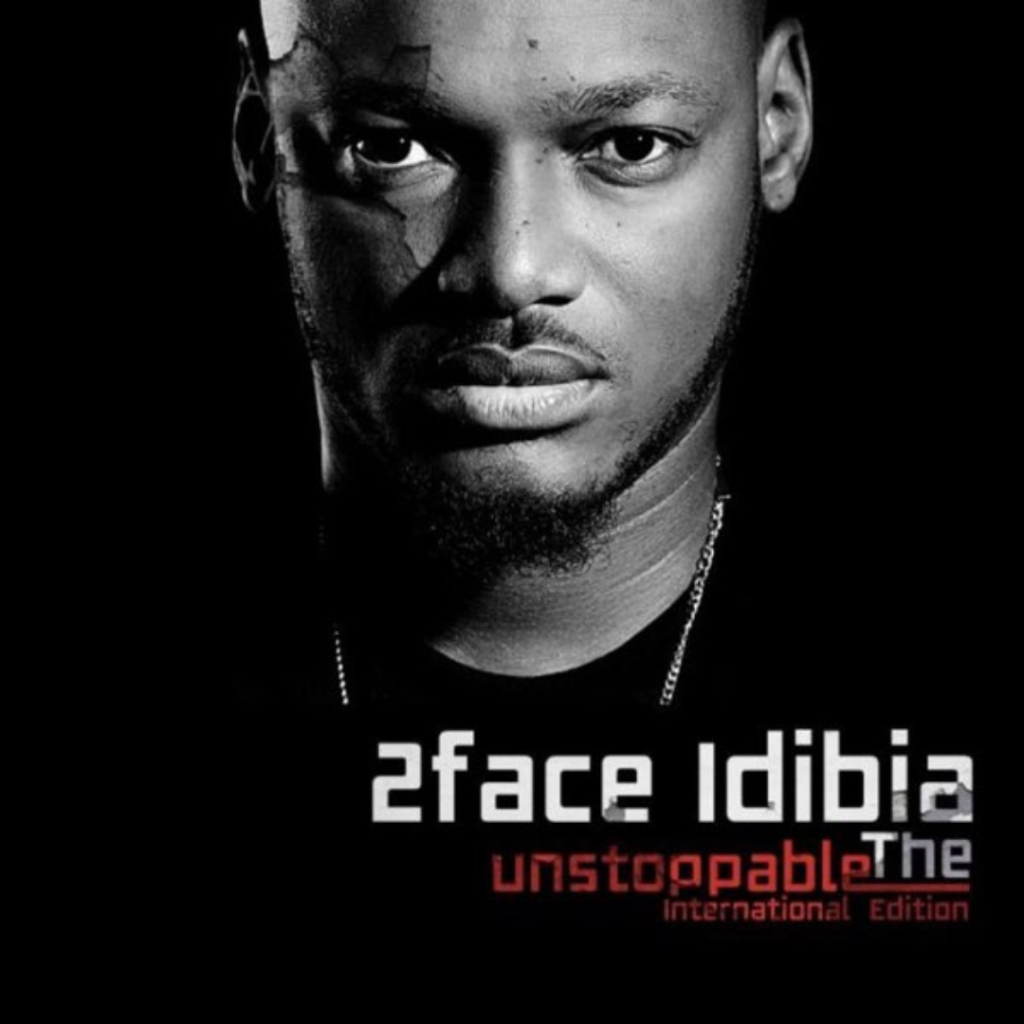
This reissue extended 2Baba’s global ambitions. It refined the template of socially aware pop blended with romance. After the mixed reception of the original The Unstoppable, 2Baba (then 2Face Idibia) returns with the International Edition and reminds everyone why he is the “G.O.A.T.” This album is a hit-laden, featuring tracks like “Only Me” and “Implication,” songs that are still played at every Nigerian event to this day. For Gen Z, 2Baba is the elder statesman who never missed. He embodies longevity.
Listen on: Apple Music | Spotify
2. Superstar — Wizkid (2011)
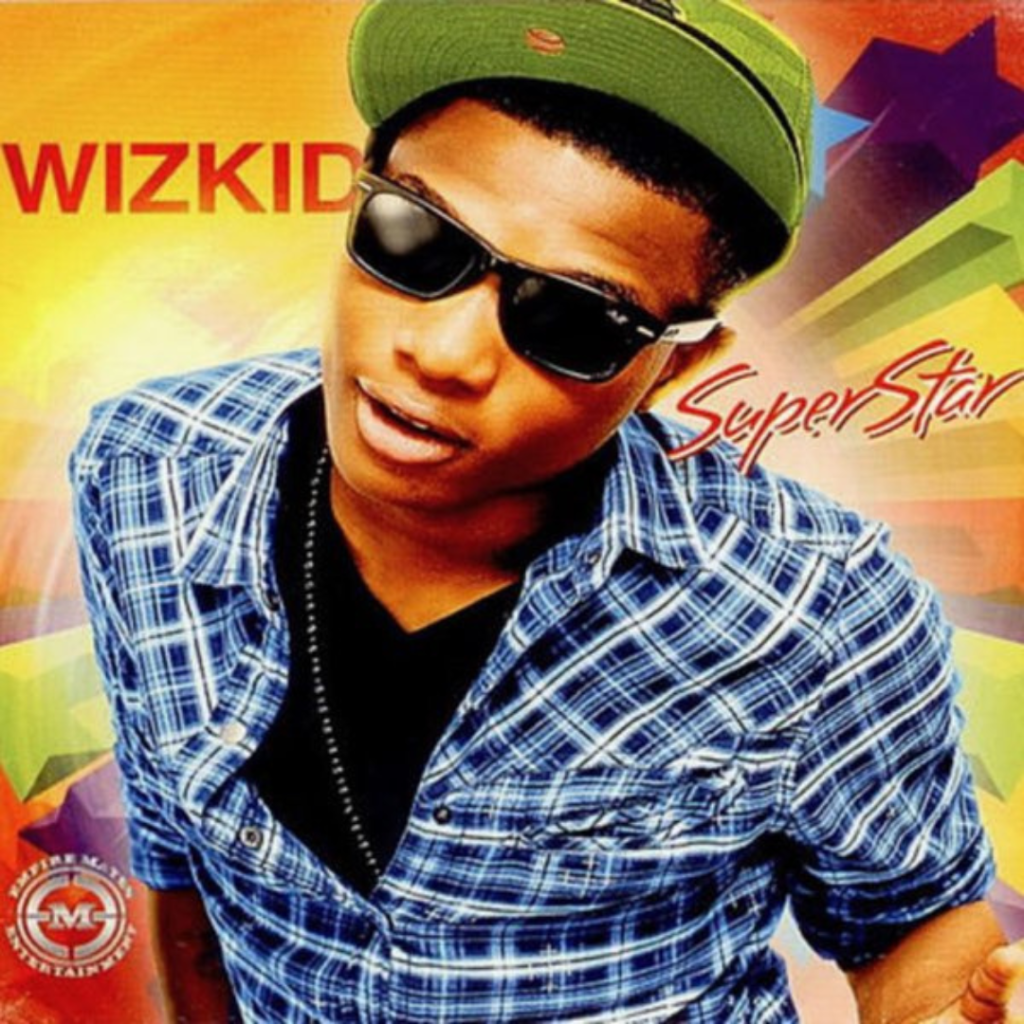
Released under EME, Wizkid ‘s Superstar gave us “Holla at Your Boy” and “Pakurumo” — hits that instantly reshaped teen pop culture. If there’s one Nigerian album that defines the Gen Z experience more than any other, it is Superstar. Wizkid arrived like a bolt of lightning that represents the young and fly Nigerians ready to take over the world. From “Oluwa Lo Ni” to “Don’t Dull,” every track on this album is a culture-defining moment.
The impact of Superstar birthed the “Wizkid FC” phenomenon and the moment Nigerian pop music officially became youth-led. Gen Z grew up alongside Wizkid. His ascent mirrored their digital coming-of-age; stardom felt accessible. It gave the kids confidence to believe that they, too, could be a superstar before they even turned twenty.
Listen on: Apple Music | Spotify
1. Mushin 2 Mo’Hits — Wande Coal (2009)
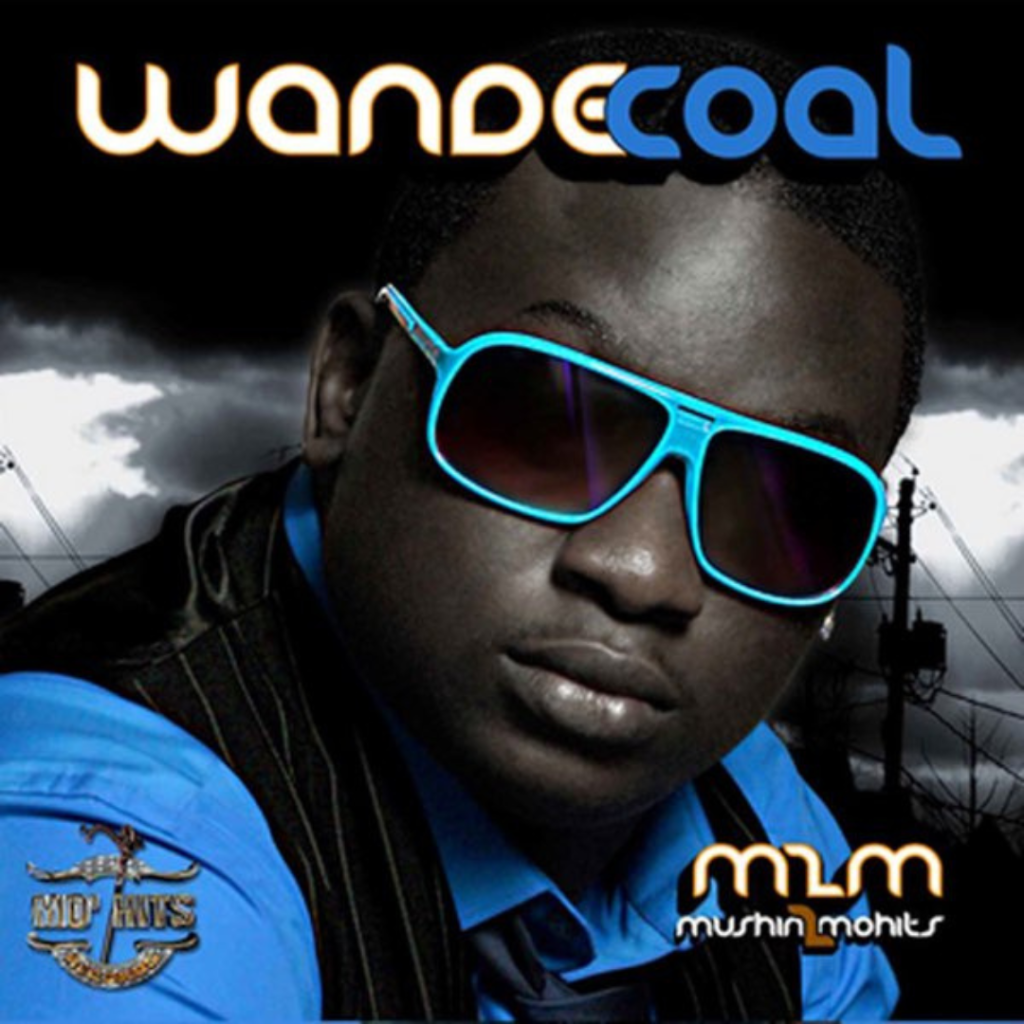
Mushin 2 Mo’Hits is a Mo’Hits-era classic that fuses street storytelling with infectious vocal performances. Don Jazzy’s production shimmers with funk and Afropop ease. It’s Wande Coal’s debut and the blueprint for the modern Afrobeats sound. His delivery, the fusion of R&B with pop and other genres, and the impeccable production by Don Jazzy created a perfect album with great reply value.
For Gen Z, this Afrobeats bible. Every artist they love today — from Wizkid to Fireboy DML and Oxlade — is a student of Wande Coal. The impact is foundational and changed the DNA of Nigerian contemporary music forever.
Listen on: Apple Music | Spotify