For two years, Timothy* (30) poured everything, including savings and loans, into keeping his father alive. Now that his dad is gone, he’s left with loan dependence, exhaustion and a guilt he can’t shake: wondering if thinking about the money makes him a bad son.
As Told To Boluwatife
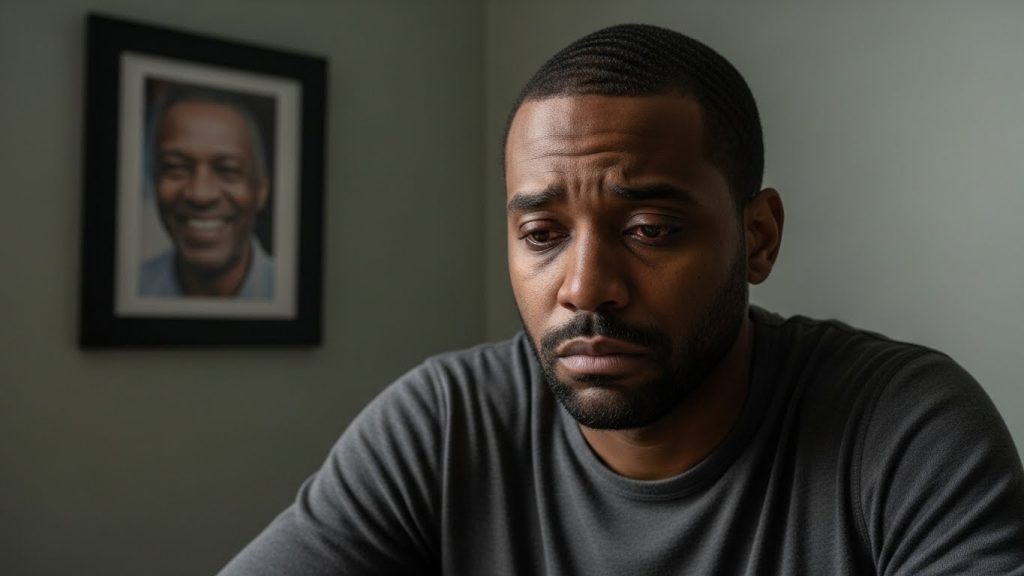
For almost two years, I watched an illness slowly drain my dad and everything else around him.
I still remember the first time I realised he was seriously sick. I’d called him on a morning in 2023 to check in. He’d been feeling body weakness and pain for a couple of days, and we all assumed it was malaria and old age.
At 62, my dad was prone to bouts of fatigue, so my sister and I didn’t think it was anything out of the ordinary. We just advised him to take his regular medication and rest. We hoped he’d feel better soon.
So, when I called him that morning, I expected to hear that he was improving. Instead, he said, “Timothy, I want to go to the hospital.” That was when it first clicked that something was really wrong.
My dad didn’t like hospitals. He thought they were a waste of money, and he swore by herbal remedies. For him to ask to be taken to the hospital meant the sickness was serious.
So, I took him there, and after a variety of tests, we found out it was cancer. That’s how a two-year-long health battle started.
At first, the doctors were optimistic. They said things like, “If we start treatment early, he should respond well.” So, I held onto that hope like a guarantee even when the medical costs started to hit deep — scans, consultations, surgery, chemotherapy sessions and medications. Some of those drugs cost up to ₦200k per pack, and somehow, they seemed to make my dad weaker with each passing day.
My ₦3m emergency fund was the first to go. My HMO covered some of the initial bills, but when things started to get serious, they began telling me stories about my coverage limit. So, I had to dip into my emergency savings and pay out of pocket.
As the first child, almost all the bills were on me. My sister tried her best, but she was still in university, and there wasn’t much she could do besides help with all the physical running around at the hospitals. But I wasn’t bothered. My dad was sick, so of course, I was willing to pay any amount to make sure he got better.
But the bills kept rising. My dad had a pre-existing chronic disease that affected his recovery, so even though surgery and chemotherapy were handling the cancer, his health was worsening.
After I burned through my emergency fund, I turned to loans. I started with small loans from friends and repaid after receiving my salary at the end of the month. Since I avoided asking one person for a loan more than twice, it was only a matter of time before I started using loan apps. The interest rates were terrible, but I didn’t care. All I cared about was keeping my dad alive.
One year into the illness, the doctors said the cancer had spread to another part of his body, and they needed to start the whole process again. I remember sitting in the consulting room, nodding as they explained the procedure and the cost, while my chest tightened.
They said his chances of recovery weren’t great because of his age, but it was the amount they mentioned that really worried me — almost ₦10m. Still, I couldn’t just sit back and watch my dad die. So, I agreed.
This time, we rallied our family members and religious bodies to raise the amount. Someone gifted me ₦2m during this period. For a while after treatment, my dad seemed better. He smiled more. He ate more. Those six weeks felt like proof that everything we were doing was working.
Then he relapsed and had to practically move into the hospital for more treatments.
By then, I had practically no one else to turn to. Despite my ₦850k/month salary, I was always broke after spending all my money on my dad’s medication, servicing debts and struggling to survive. At some point, I stopped tracking how much I owed. It was too overwhelming.
I eventually had to sell my dad’s car to cover some of the expenses. I didn’t tell him, but I feel like he knew. He would look at me quietly whenever I visited and say things like, “You’re trying your best,” or “God will reward you.”
Whenever that happened, I’d cry for hours. The man was in pain all the time and could hardly talk, yet he was trying to encourage me.
The night he died in February 2025, I felt strangely empty. I cried, but I also felt numb. I think part of me had been preparing for it for months. What I wasn’t prepared for was what came after.
I spent the entire 2025 repaying the major loans I took during my dad’s illness and funeral, and trying to get back on my feet. I don’t think my finances will recover from the hit anytime soon. I used to be very financially conscious with savings and investments, but it feels like I’m constantly in survival mode now. It’s so easy for me to use loan apps because by the time I repay one or two small loans, I’m already broke.
Sometimes, when I calculate how long it will take me to recover financially, I feel resentment creeping in. The guilt comes immediately after. Because should I really be thinking about money when I got two extra years with my dad?
But the truth is, I think about it. I think about the approximately ₦20m+ we spent trying to save my dad and wonder how different my life would look if I hadn’t spent everything.
What if I hadn’t taken so many loans? Maybe there was a point where I should have stopped; maybe continuing treatment was more about my fear of losing him than his actual chances of getting better.
Then I hate myself for even thinking that.
I don’t regret trying to save my dad. I would probably do it all over again if I had the chance. But I wish people talked more honestly about what it costs, both in terms of money and what’s left of you afterwards. I wish it were okay to admit that love and sacrifice can coexist with some form of regret.
Some days, I feel at peace knowing I didn’t give up on him. Other days, I feel like I lost myself trying to hold on to him.
Does wishing we hadn’t spent so much make me a bad son? Maybe it does. I just know I was a scared one, doing the best I could with the information and emotions I had at the time. I’m still trying to make sense of it all.
*Name has been changed for the sake of anonymity.
Follow Zikoko Money on Instagram for relatable stories and actionable insights to help you make the most out of your money.
NEXT READ: My Husband and I Tried Joint Accounts. Here’s Why We’ll Never Do It Again