Like the Yorubas, tribal marks are common among the Hausas from northern Nigeria. Parents or relatives give infants these marks a few days after birth for reasons that vary depending on the family or tribe. The Gobirawa of present-day Sokoto marked their faces for easy identification in times of war.
Although tribal marks have declined in recent times thanks to civilisation and ex-president Olusegun Obasanjo’s Child Acts Law of 2003, it’s not uncommon to still find northerners with facial markings. We compiled some common Hausa tribal marks and what they mean.
Gobirci with temple marks
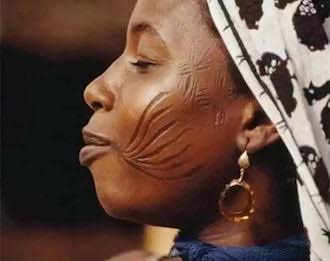
Photo source: Wikipedia
These marks once distinguished a group of Hausas from Gobir, an old kingdom that’s been split into Sokoto and Zamfara states in present-day Nigeria. Multiple lines lead to the corners of the mouth and more markings on the temple.
Gobirci with single “Tage”
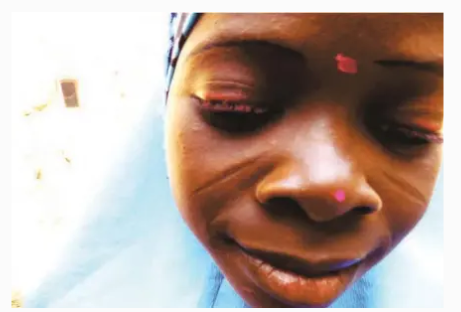
Photo source: Daily Trust
Single peripheral marks on both cheeks. This is a simpler variation of the gobirci tribal marks, common among the younger generation.
Lekanci
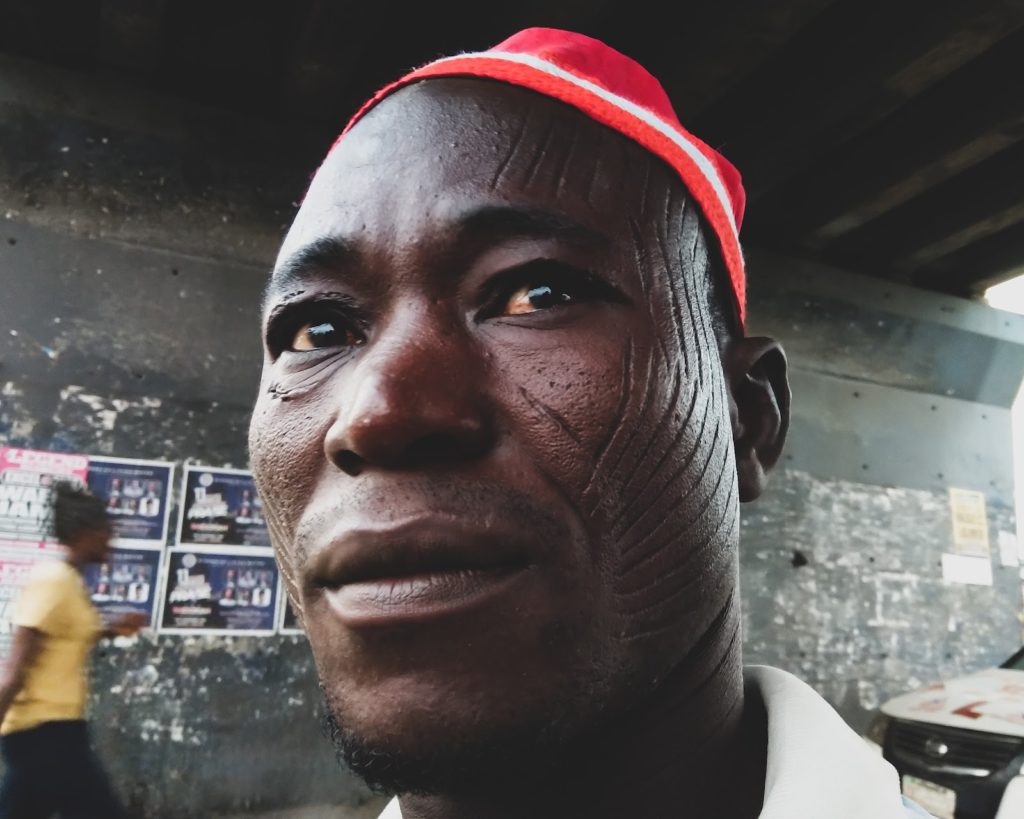
Photo source: Wikimedia Commons
The Lekanci marks are common among members of the Lekayewa clan of Argungu, Kebbi state. It’s made up of ten marks on the right cheek and nine on the left.
Susa’na
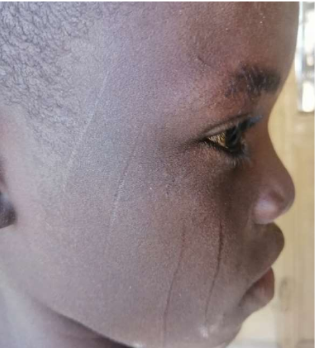
Photo source: Researchgate
Four vertical lines on both faces, this tribal mark is common to the Kanuri tribe in Borno state. Susa’na identifies normal citizens who don’t belong to a traditional political class.
Mami
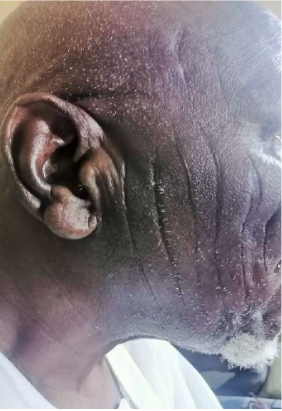
Photo source: Researchgate
It’s common among Kanuri people who speak the Mami dialect and claim to be descendants of the Sayfawa dynasty. Seven sets of vertical lines on both cheeks and one on the forehead.
Rijiya
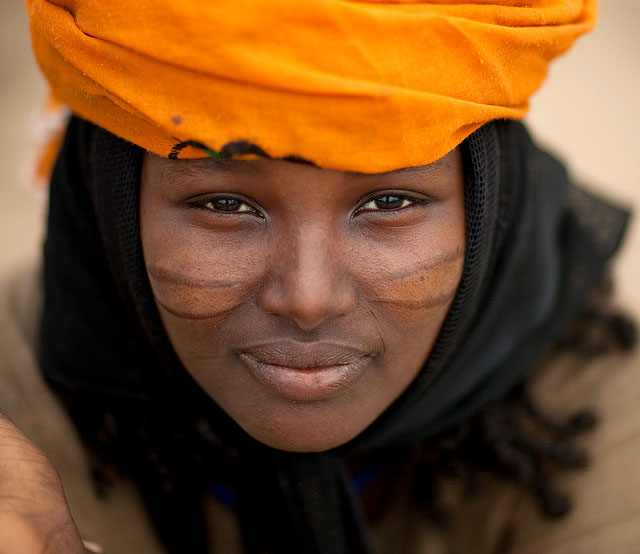
Photo source: Nairaland
This Hausa tribal mark features varying numbers of horizontal marks across both cheeks, depending on family, customs or specific northern regions.
Arauci
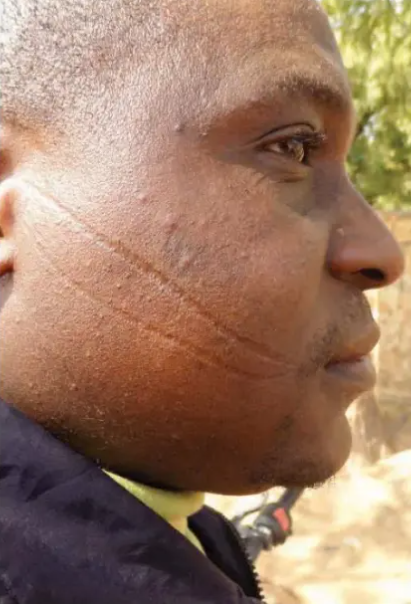
Photo source: Daily Trust
Arauci is two marks drawn on both cheeks, from the ears to the corners of the mouth. It’s common to the people of Arawa in Argungu, Kebbi.
If you enjoyed learning about Hausa tribal marks, you’ll love this: 6 Stages of Getting A Tattoo In A Nigerian Home
Seen our Valentine’s Special yet? We brought back three couples we interviewed in 2019 – one now with kids, one now married and the last, still best friends – to share how their relationships have evolved over the previous five years. Watch the second episode below: