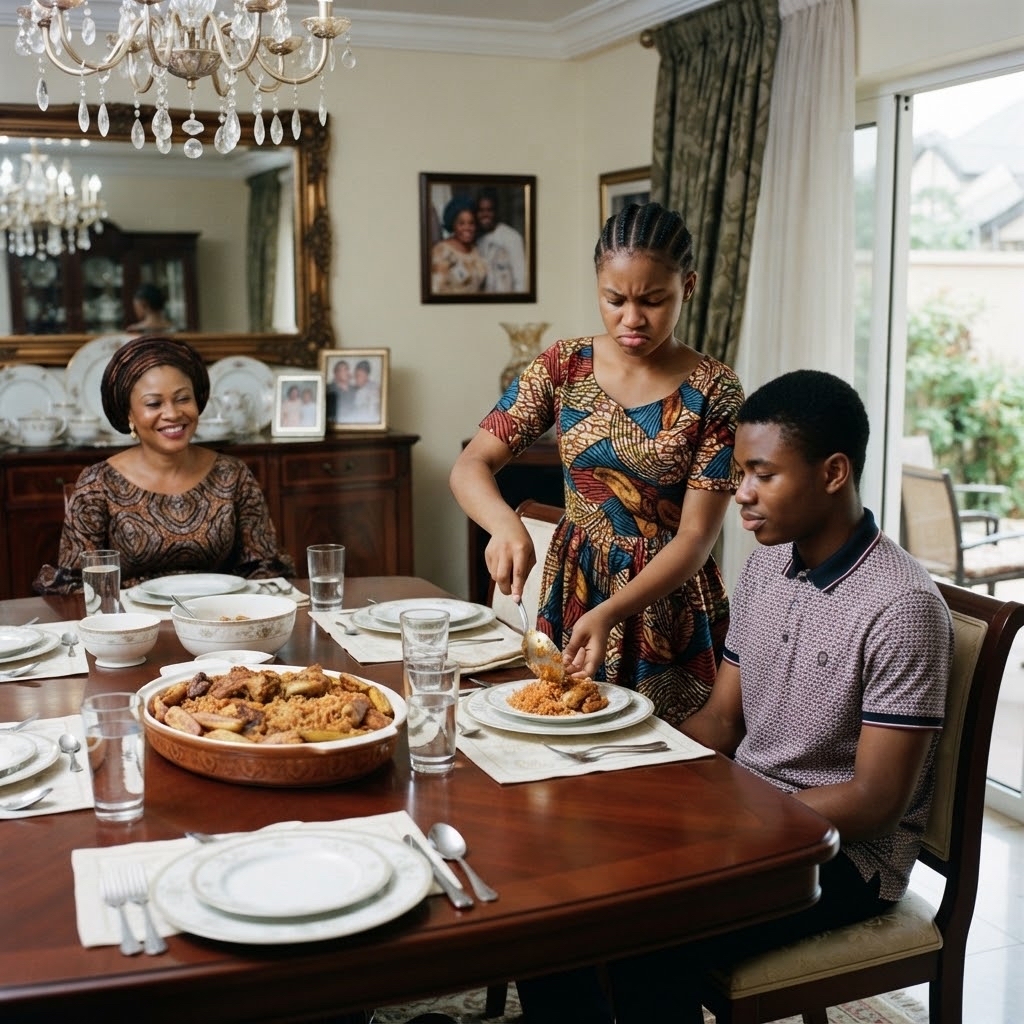
In many Nigerian homes, there is a difference between raising a boy and raising a girl. Nobody necessarily sits the children down to explain the rules; they just become obvious with time: who is expected to help in the kitchen, who gets asked to run errands, who is allowed to stay out later, who is expected to know how to take care of themselves and who is quietly expected to take care of everybody else.
A girl might be helping her mother in the kitchen while her brother is sitting in the living room watching TV. She may be asked to serve his food, wash his clothes or clean his room. If she asks why he can’t do these things himself, the answer might be, “He’s a boy.”
And sometimes, that’s all the explanation she gets.
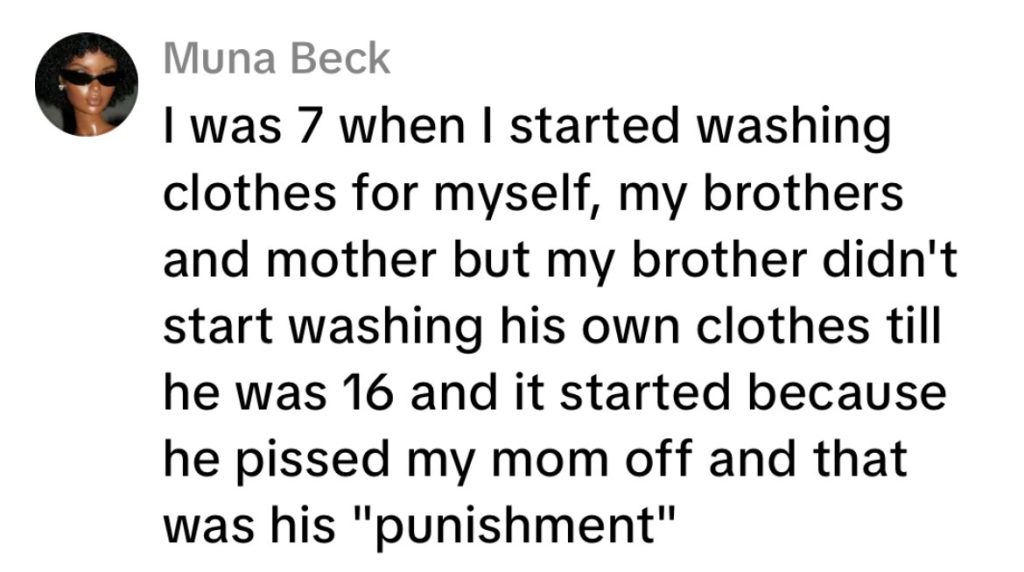

Who Teaches Boys That Women Will Take Care of Them?
Patriarchy is often discussed in terms of men’s actions, but some of its everyday rules are introduced much earlier and reinforced within the home. Sometimes, the person enforcing the rule is a woman.
Many Nigerian mothers were raised to believe that a girl should know how to cook, clean, care for children and keep a home running. So when they teach their daughters these things, it can feel less like enforcing inequality and more like preparing them for adulthood.
The problem is that their sons aren’t always given the same preparation.
A daughter is told to learn how to cook because “you won’t be living with your mother forever.” Her brother can grow up without knowing how to make anything beyond noodles because nobody considers it urgent that he learn because “he will eventually get married and his wife will cook for him.
The daughter is preparing for a future where she will supposedly have to take care of a home. The son is preparing for a future where someone else might do it for him.

“You Will Marry and Leave”
The phrase “you will marry and leave” carries more weight than it seems.
Girls hear it when they’re being taught domestic responsibilities, when decisions about education are being made, and sometimes when conversations about money, property and family responsibilities come up. The assumption is that a daughter will eventually become part of another family, while a son remains part of his own.
That belief can shape what parents expect from their children.
A daughter may be encouraged to learn how to manage a household because she will eventually have one of her own. A son may not face the same pressure because his future wife is assumed to handle those things.

The same idea can also influence how families think about education, financial support and inheritance. If a daughter is seen as someone who will “leave,” while a son is seen as the one who will stay and carry on the family name, the two children may not always be treated as though they are building the same future.
Sometimes Favouritism Looks Like Less Responsibility
Favouritism isn’t always obvious gifts, better schools or being handed more money. Sometimes, the privilege is simply being allowed to do less.
One child is expected to help with younger siblings, wash plates, run errands and assist whenever there is work to be done. Another can leave the house, play games, watch TV or stay in his room without being called.
Over time, this creates a strange imbalance. The girl gets good at managing a household because she has spent years doing it. The boy doesn’t develop those same skills because nobody has required him to. Then, when both eventually become adults, the woman is expected to naturally know how to cook, clean, organise a home and care for other people.
It is difficult to call that “preparation for life” when only one person is being prepared.



You’ll Enjoy: 7 Nigerians Share the Financial Consequences of Divorce
In the Fight Against Patriarchy, Women Have To Be Part Of The Conversation Too
This isn’t about blaming mothers for inventing patriarchy. They didn’t.
Many women are simply passing down rules they were taught themselves. A mother who tells her daughter to serve her brother may genuinely believe she is teaching her respect. A mother who insists that her daughter must know how to cook may believe she is protecting her from future embarrassment. A mother who gives her son more freedom may see it as part of raising a boy.
But good intentions don’t automatically make the expectation fair, and that’s where the conversation about women and patriarchy gets interesting.
A woman can tell her daughter to be financially independent and still tell her to serve her brother. She can complain about men who expect their wives to do everything while raising a son who has never had to wash his own clothes. She can tell her daughter never to depend on a man while teaching her son that women exist to take care of him.
That contradiction matters. The fight against patriarchy cannot happen only in conversations about men, workplaces, politics, or romantic relationships. It also has to happen in kitchens, bedrooms and living rooms, where children are first taught what men and women are supposed to do.
What Are We Actually Teaching Them?
Boys who grow up being served can easily grow into men who expect service. Girls who grow up watching women shoulder most of the domestic work can easily become women who see that arrangement as normal.
Of course, growing up this way doesn’t mean a boy will automatically become an entitled man or that a girl will accept the same treatment in her adult life. People unlearn things. They question what they were taught. They build relationships that look completely different from the homes they grew up in.
But children shouldn’t have to unlearn an inequality that could have been avoided in the first place.
A son can cook. He can wash his clothes. He can clean the house. He can look after his younger siblings. He can serve his sister food. None of these things makes him less of a man.
And a daughter shouldn’t have to become “a good woman” by learning how to serve everyone around her.
You’ll Like: Virginity Is a Social Construct. So, Why Does It Carry So Much Weight?