Another year, another Big Brother Naija run. Every season, the reality show delivers chaos, entertainment, and viral talking points. But it also does something else: it holds up a mirror to just how deeply misogynistic Nigerian society remains.
Last weekend, an intimate moment between two consenting housemates, Isabella Georgewill and KayinKumi (Oluwakayikunmi Ajibade), went viral. There was kissing, groping, and at some point, Isabella was on top of him. He buried his face in her chest, held her close, and eventually went for her nipples. She lifted her shirt, and he dove into her TAPED boobs. The internet lost it. But of course, not at him, at her.
All the outrage has been aimed at Isabella. She’s been called shameless. People are dragging her as a mother. They say her 14-year-old son will be bullied. They say she should’ve known better because she’s a woman. Meanwhile, KayinKumi has barely been mentioned. And when anyone points this out, the response is always the same: “It’s different. She’s a woman.”
Here’s why that reaction is not just tired, but dangerous.
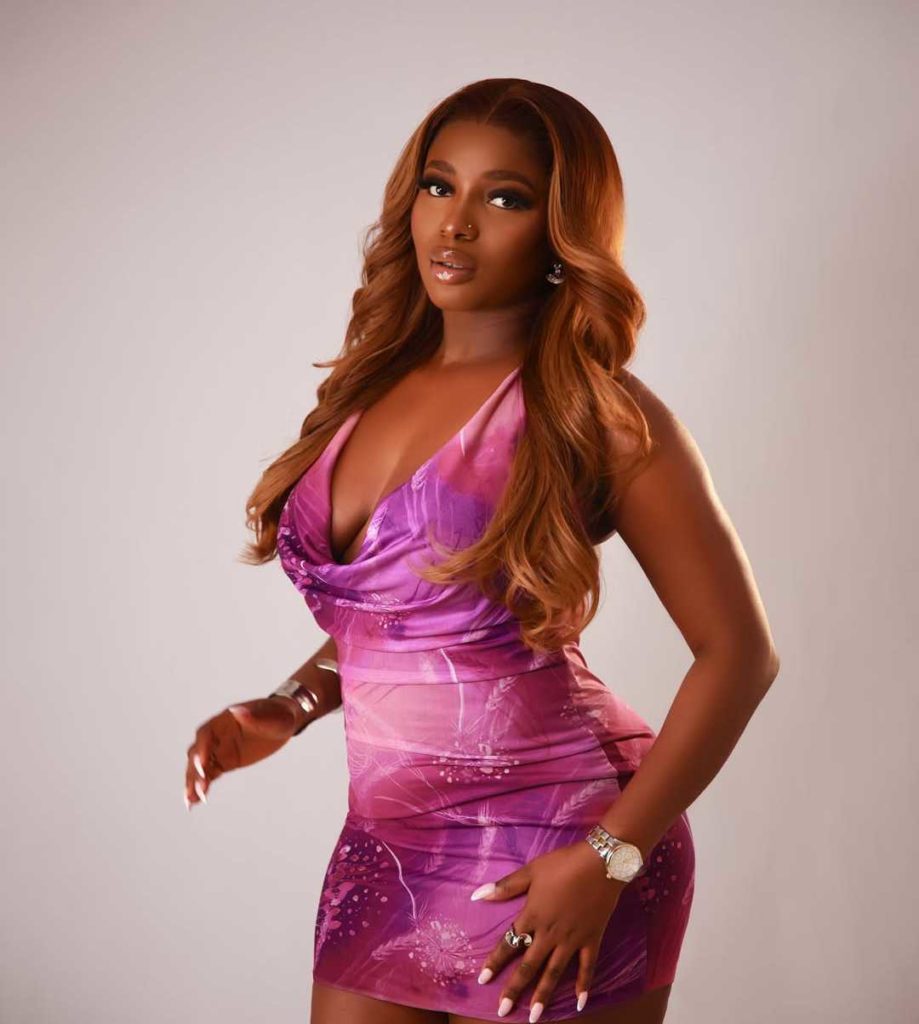
Why is it that when men show desire on TV, it’s labelled as normal (na man naa) or “entertainment,” but when women do the exact same thing, it’s seen as disgraceful? Why is it always the woman who gets dragged, moralised, and picked apart? We see this every year on BBNaija, and I have had enough of it. This season, Isabella lifted her shirt and let a man she’s obviously vibing with kiss her chest, and the internet has refused to shut up about her. But KayinKumi? Crickets. No public outrage. No “what will your mother think?” think-pieces.
Let’s not pretend this is about decency or the children. It’s about patriarchy. It always has been. Society has always punished women more harshly for expressing sexuality, even when that expression is soft, consensual, or romantic. It goes back to the way women’s bodies have been historically seen, not as ours to own or enjoy, but as symbols of family honour, national morality, and public shame. We say we’re a modern society, but the reactions show that we’re still stuck in an old, tired loop. The moment a woman does anything that hints at pleasure or autonomy, we demand that she feel bad for it, especially if we can remind her that she’s somebody’s mother.
But here’s the thing: men have done way more in that house and walked out with brand deals, cheers, and fanbases. Meanwhile, women like Angel, Khafi, Tega, and Nina have faced weeks, even years, of online abuse for simply showing desire. If that doesn’t scream double standard, what does?
And it’s not just judgment, it’s control. That’s what slut-shaming really is. It’s a tactic society uses to police women who step outside the box, especially in public. From the very beginning, Isabella called herself a seductress and said she was here to have men wrapped around her thumb. However, when Isabella lifted her shirt, she broke an unspoken rule: she acted like her body was actually hers. And what followed was swift punishment: dragging, humiliation, and this fake moral panic pretending to care about her son.
One X user said, “I wonder how these people do this on National TV. This Isabella is a single mother of a 14-year-old son. She’s not even thoughtful of her son and the bullying he would face because of her.”
It’s the same script, just a new cast. We saw it with Tiwa Savage when her sex tape leaked. The internet exploded with hate. Not for the man in the video, of course, but for her: a woman, a mother, a role model. People said she was finished, but she didn’t let shame swallow her. Since then, she’s gone on to release another album and hit songs. She’s also performed at the Coronation of King Charles III in 2023 and has done so much more. She reclaimed the narrative. The same thing happened with Salawa Abeni. Someone tried to blackmail her with her own nudes, and she posted them herself before they could. That’s what reclaiming control looks like. It’s bold, it’s scary, and society hates it.
Slut-shaming works because it keeps women afraid; afraid to be seen, to be sexual, to be free. And when women refuse that fear, it shakes the table.
Another X user said, “Two people did it, but you’ll only slut-shame ISABELLA? Hold both accountable or don’t speak at all. She doesn’t owe you purity, an apology, or your double standards.”
In response to this, many men cried out in outrage. Rinola said, “I will speak o. She doesn’t owe anyone purity, but sticking her boobs out is overly wrong. She should at least respect her son.” Bigwater also added, “Ashawo apologists have spoken. Na why dem dey give una another man pikin to raise.”
Also Read: Big Brother Naija 10/10 Week 1 Recap: All the Details on Ships, Fights and Tears
One of the easiest weapons people reach for when a woman dares to be sexual is motherhood. Suddenly, everyone becomes deeply concerned about “the children.” And this season, Isabella’s 14-year-old son is the new excuse for why she “should’ve known better.” But let’s be honest: this isn’t about parenting. It’s about punishing women who don’t follow the good mother script: quiet, selfless, sexless.
People say things like “she’s setting a bad example” or “how will her son face the world?” But when men are openly disrespectful, violent, or even sexually inappropriate, nobody asks how their children will cope. So why is it only mothers who have to live in fear of shaming their kids?
We don’t allow mothers to be full people. Once you have a child, society treats your body like public property. You’re expected to be pure, respectable, and invisible. Anything outside that is seen as a moral failure. But here’s the thing: being a good mother has nothing to do with hiding your humanity. The real question is: Why does the internet expect her son to suffer because his mother dared to enjoy herself?
And if you think this is just an internet problem, think again. In 2019, the Nigerian police raided clubs and streets in Abuja and arrested dozens of women they labelled “prostitutes.” These women were harassed, assaulted, raped and publicly shamed, not because they committed a crime, but because they were simply present in public spaces without men. That’s how deep this thing goes.
Dorothy Njemanze, a Nigerian activist, was repeatedly profiled and assaulted by security agents for walking alone at night. She fought back, and in 2017, she took Nigeria to the ECOWAS Court and won. Her case set a precedent: slut-shaming backed by law is a human rights violation.
It’s important to remember that slut-shaming isn’t just personal, it’s political. It’s used to discredit, silence, and punish women, especially those who dare to own their choices publicly. Whether it’s Isabella on reality TV or a woman walking home at night, the same message is sent: be quiet, cover up, stay in your place. And every time a woman refuses, the system scrambles to shut her down.
Until we address how media and public discourse habitually punish women while excusing men, we’ll keep replaying the same sexist script, with BBNaija merely the ongoing stage.
Also Read: Big Brother Naija 10/10: Meet All the Female Housemates
In BBNaija Season 6, Angel was slut-shamed both inside the house and out. Her co-housemates called her a “prostitute” and accused her of dressing for male attention. When she flashed her private parts, outrage followed, yet male housemates doing far worse were ignored. Sammie apologised for slut-shaming her, but the damage was already done.
In the same season, Tega kissed Boma, and the internet lost its mind. As a married mum, she was called shameless and disrespectful. Boma, though, walked away clean. Even after eviction, she had to publicly beg for forgiveness. Angel later called out the media for fuelling this cycle, rightly naming it misogyny.
Angel and Tega’s stories aren’t rare; they’re the rule. Women’s sexuality is constantly policed, while men are rewarded. Blogs, radio, and social media play along, pushing shame instead of nuance. Well, I say miss me with that bullshit.
At the end of the day, it’s not about Isabella’s shirt or who initiated what. It’s about how quick we are to condemn women for being sexual beings, for having agency, for not conforming to the impossible standards society sets.
If we truly care about harm, then our outrage should be consistent. Not targeted, not selective, not soaked in double standards. The truth is, most of us have internalised this shame culture so deeply, we don’t even notice when we’re enforcing it. But we can unlearn it.
Women don’t need your protection, your judgment, or your silence; we need your respect. It’s time to stop moral policing and start practising empathy. Question the narratives that tell you a woman deserves scrutiny just for existing freely. Be louder in your support than you are in your suspicion. And when you see the system trying to shrink a woman down to nothing, stand beside her. The goal isn’t to shame less, it’s to stop shaming altogether. In case it wasn’t already clear: when it comes to Isabella and every woman, my stance is simple. Her body. Her choice. Period.
Click this to see what other people are saying about this article on social media.
You’ll Also Like: We Ranked the BBNaija 10/10 Ships From “God When” to “God Forbid”

Don’t miss the first-ever Naira Life Conference happening on August 8. Click here to save your seat and be part of the money conversation.