When a Twitter debate erupted about whether women should tell their partners about past abortions before marriage, the takes were hot. Some people called it essential healthcare information, others said it’s private and nobody’s business but yours.
Even in the Zikoko HER WhatsApp group chat, opinions were split. The majority agreed it depends on the person, but one question lingered: If you’re scared to tell your partner, are you with the right person?
So, we asked eight Nigerian women to share their thoughts on what disclosure really means and why this conversation isn’t as black and white as some might make it seem.
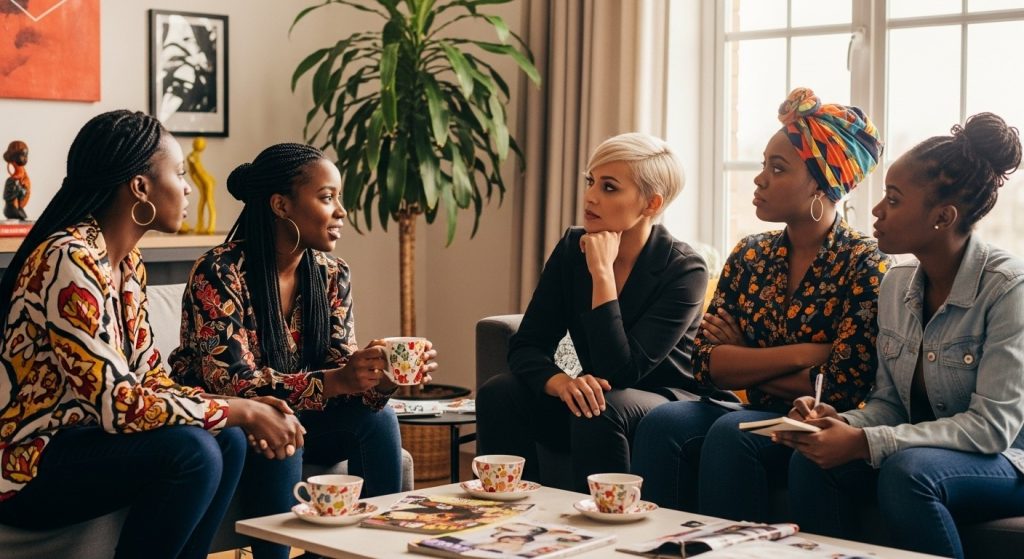
Should you tell your partner about a past abortion?
Amara*, 29: I agree with the tweet that says not people claiming “private life” in marriage. If we’re talking about full partnership, then health-related things, and yes, abortion counts, should be on the table. Same as debts or health preconditions. Obviously, you build trust first, but why marry someone who can’t handle the truth of your life?
Teni*, 34: Please, let’s stop turning marriage into a medical consultation. Abortion is healthcare, yes, but it’s also private. You don’t owe disclosure to anyone. If it comes up, it comes up. It’s not hypertension or HIV; it’s something you did with your body, period.
Ijeoma*, 27: You know what’s funny? The same people shouting “abortion is healthcare!” are the ones saying don’t tell your partner. Which one is it? Either it’s normal and open, or it’s shameful and secret. Pick a struggle.
Rukky*, 32: Some women didn’t have abortions as a statement of feminism. They were just trying to survive. Then you want them to disclose it to a man who might use it to insult or abandon them? Nah. Protect your peace first.
Tari*, 42: I had multiple abortions in my 20s. From age 16, I had nothing and no one looking after me. I was sleeping with multiple men just to cover school fees, feeding, everything. By the time I finished school, NYSC, and got a job, I thought that chapter was closed. I’m happily married now with three kids. But about two months ago, people from my past resurfaced in my husband’s life, and he found out. Our relationship has not been the same since.
Bimpe*, 38: I’m team disclosure, but from a health perspective. Things like the Rhesus Factor matter; it can literally affect future pregnancies or emergencies. Imagine your husband saying “No” when asked if you’ve ever been pregnant before. That small lie can cause big wahala.
Chidera*, 36: I had an abortion once in my early 20s. Everyone I dated after that and told, either left or never took me seriously again, just a nice fuck, nothing more. So when I met my husband, I didn’t say anything. Now we’re trying to conceive and can’t. I don’t know if I can say anything at this point. I’m terrified.
Zina*, 35: I’m a lesbian, Nigerian, born and raised in the UK. I’ve had two abortions, one at 15 after I was raped by a family member, and another in my early 20s when I had a boyfriend who constantly wanted raw sex. I was still figuring myself out. I’ve had multiple female partners who had serious issues with my past, but I never hid it. My wife now doesn’t give a fuck. But I’ve been treated like shit for it before, even by women.
Is it really a medical issue or just privacy?
Bimpe: From experience, it’s not about gossip, it’s about safety. Rhesus incompatibility can lead to miscarriage or stillbirth if doctors don’t know your history. That’s not something to gamble with.
Chidera: But what if you didn’t have complications? I didn’t at the time. Everything was fine. So why does it need to come up if it’s not affecting anything?
Teni: Exactly. Abortion isn’t a chronic condition. It’s not like you need to tell someone you once removed your appendix. It’s private and not always medically relevant.
Ijeoma: Calling abortion a “health precondition” is wild, sha. It’s a procedure, not a diagnosis. Still, I understand telling your partner if there’s a chance it could affect you later, that’s fair.
Amara: It’s both. It’s about honesty and health. You can’t say you want a partnership but then hide big things. If your partner finds out later from somewhere else, you’ve broken trust.
Tari: My husband says it’s because I never told him. That trust is broken. But I don’t believe that. I think it’s the fact that I had the abortions at all. If I had told him in the beginning, he probably would have left. I didn’t have any health complications. It never came up. I didn’t lie. So why is there such a rift now? Women cannot win. With decisions about our own bodies, we can never win.
You’ll Also Like: I Tried IVF Three Times in Nigeria. Here’s What It Cost Me
And the possibility that your partner might judge you?
Rukky: That’s the main problem, fear. Most women keep quiet because they know the man will use it against them. And honestly, can you blame them? Society is quick to call women “spoiled goods” over something that was never a crime.
Chidera: Every man I told before my husband either ghosted me or stopped seeing me as wife material. I learned my lesson. Sometimes silence is survival.
Teni: If you’re hiding it, then maybe you’re not with the right person. Simple. Why marry someone who makes you shrink yourself?
Tari: Because you don’t always know they’ll make you shrink until it’s too late. My husband was wonderful before this. Now he looks at me differently. He says it’s about trust, but I see the disgust. I see the way he’s pulling back.
Amara: But Tari, don’t you think finding out from someone else made it worse? If you’d told him yourself, at least he would’ve heard it from you first.
Tari: Maybe. Or maybe he would’ve walked away before we ever got married. Either way, I lose.
Ijeoma: I agree with Amara. All this talk about “he won’t understand” is just fear disguised as logic. If he’s truly unprogressive, why do you still want him? You can’t complain about patriarchy while trying to impress it.
Rukky: True, but sometimes it’s not even about patriarchy, it’s about survival. Some people just want peace, not confrontation.
Zina: Honestly, I’ve had female partners treat me worse than any man could. Women can be just as judgmental. My ex used the “damaged goods” line on me because I’d been with men before. Another one said the abortions proved I was reckless. My wife now? She doesn’t care. She knows my story and loves me anyway. That’s the difference.
Is it about trust or self-protection?
Ijeoma: Let’s be real, sometimes it’s not about the man at all. It’s about control. If you’re deliberately hiding something that could change how he sees you, you’re choosing deception over honesty.
Rukky: Abeg. Not every silence is deception. Sometimes it’s self-protection. Nigerian men are not exactly known for being emotionally safe spaces.
Chidera: I’m protecting myself right now. My husband and I are struggling to conceive, and I’m sitting here every day wondering if I should tell him. What if he blames me? What if he says I killed our chance at having kids? I can’t take that risk.
Amara: But if you’re planning to build a life with someone, at what point does protection become lying?
Tari: I didn’t lie. I just didn’t bring it up. There’s a difference. But now I’m being punished like I committed fraud. He’s treating me like I deceived him when really, I was just a girl trying to survive.
Zina: I’ve always been upfront because I learned early that hiding parts of yourself only attracts people who can’t handle the real you. My wife knows everything: the rape, the abortions, all of it. And she still chose me. That’s what I want, not someone I have to tiptoe around.
Amara: I do think that the fear of rejection is the real issue. People hate accountability. Instead of saying, “I don’t want to deal with possible judgment,” they shout misogyny. Both sides have valid fears, but let’s call it what it is.
Bimpe: There’s no universal answer. Some women value privacy; others see disclosure as love. Both are valid, just be prepared for the consequences of your choice.
Chidera: But what if the consequences are losing everything? What if telling him means he leaves, or worse, stays but resents me forever? How is that fair?
What She Said: He Asked for Sex Days After My Abortion
So… What’s is the right answer?
Teni: Nobody owes disclosure. If it comes up, it comes up.
Amara: I disagree. It’s better to be open up front.
Ijeoma: If you’re hiding it to protect your image or hold onto a man, maybe check your own values first.
Rukky: Please, let women protect themselves. Until the world stops judging us, silence will always be a shield.
Tari: I thought I was protecting myself. Now I’m paying the price anyway. So what was the point?
Bimpe: When it comes to health, silence can kill. Comfort won’t save you in an emergency room.
Zina: The right answer is finding someone who doesn’t make you feel like you need to hide. Period.
Chidera: And if you’ve already married them? Then what?
Poll: Which woman do you most agree with?
- Amara: Disclosure builds trust and honesty.
- Teni: It’s private, nobody owes anyone that info
- Ijeoma: If you’re hiding it, maybe you’re marrying the wrong person
- Rukky: Women deserve to protect themselves from judgment
- Tari: Women can’t win either way: damned if we do, damned if we don’t
- Bimpe: Health safety makes disclosure non-negotiable
- Chidera: Sometimes silence is survival
- Zina: Find someone who doesn’t make you hide
You’ll Love: 7 Nigerian Women Talk About Life Post-Abortion
Single? Married? Divorced? Dating? In a situationship? We’re surveying Nigerians about love, relationships, marriage, and everything in between, and we want to hear from YOU.
You only need to give us a few minutes of your time and participate in this quick survey. It’s 100% anonymous too!