West Africa: Are we so back, or is it so over?
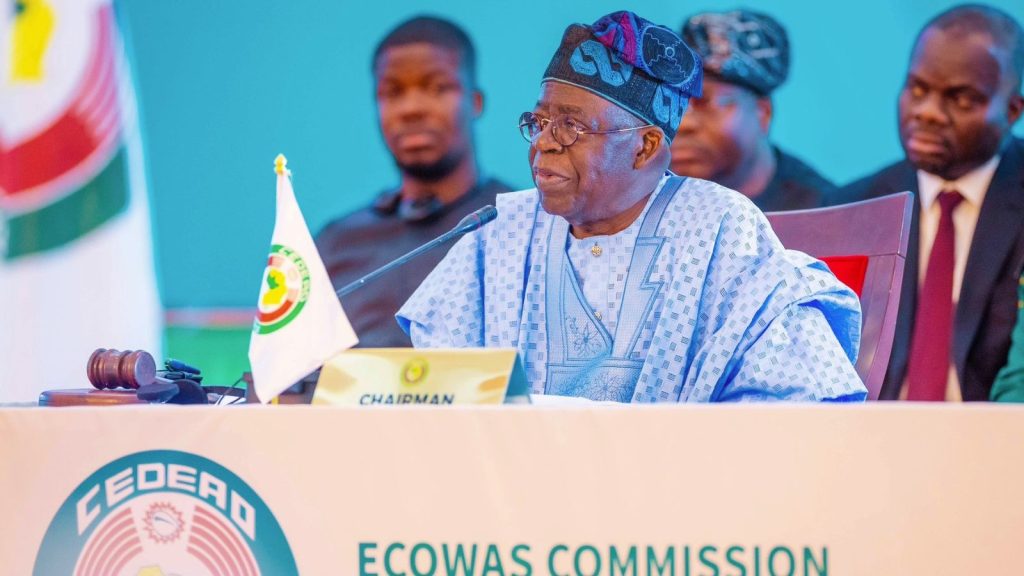
In July 2023, Tinubu told the Economic Community of West African States (ECOWAS): “I am with you, and Nigeria, we are back.”
It felt like a subtle shade at Muhammadu Buhari’s passive foreign policy, and a huge promise that Nigeria would dominate West Africa again.
In 2026, after three years of Tinubu’s leadership, the vibe is completely different. It is looking less like “we are so back” and a lot more like “it’s so over”. Here is exactly how Tinubu fumbled Nigeria’s regional standing.
Where did we go?
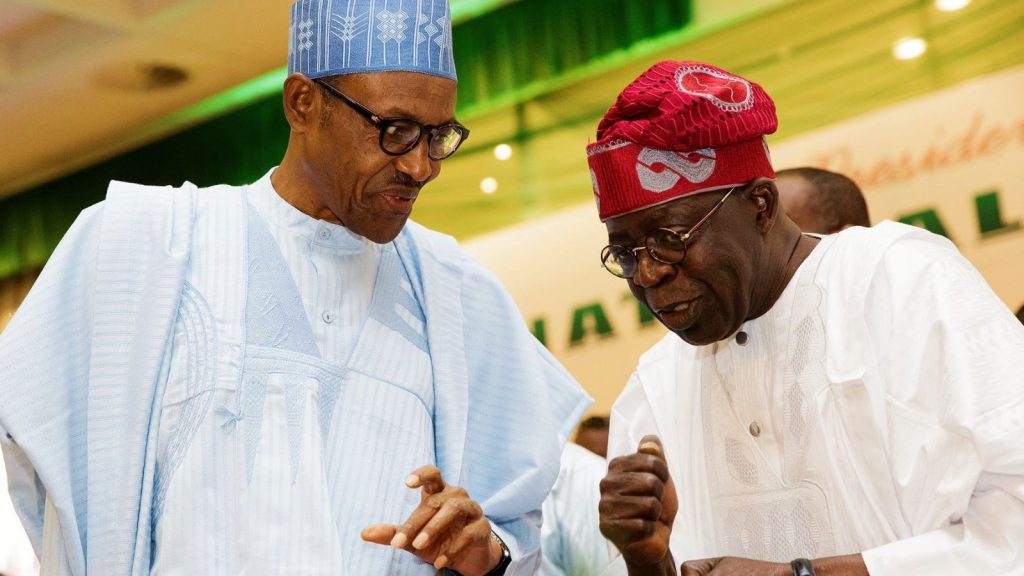
If Tinubu is claiming “we’re back,” where are we coming from and where are we going back to? Nigeria used to be a regional superpower: economically, politically and militarily.
When ECOWAS intervened in the Civil wars in Sierra Leone and Liberia in the 1990s, Nigeria sent the bulk of soldiers and contributed the most funds to bring stability to those countries. When Abuja spoke, West Africa listened.
But during the Buhari years, Nigeria shrank into its shell because we were drowning in our own crises.
With terrorism and banditry ravaging the country, our security forces had their hands full. Economy-wise, things were just as bleak. Nigeria went from being the third fastest-growing global economy in 2014 to suffering multiple economic recessions under Buhari.
To make matters worse, in 2019, Buhari shut our land borders, claiming it would stop smuggling and increase local production. It only triggered massive inflation, pissed off our neighbours, and openly violated the ECOWAS trade treaties we literally helped write.
Buhari had already dropped the ball on our global standing. So when Tinubu promised a comeback, you might have expected him to pick it back up. Sadly, it’s more like he’s just kicked it further down the road.
I’ll close my eyes and count to seven
Tinubu did not waste any time screwing things up. He was sworn in as president on May 29, 2023, and became ECOWAS chairman on July 9, 2023. But his first real test came on July 26, 2023, when the government of Niger was overthrown by its military.
Nigeria has always been seen as the “big brother” of West Africa, but Tinubu immediately overplayed his hand. He gave the Niger junta a seven-day ultimatum to hand back power or face a military invasion.
The junta ignored him, and Tinubu could not even get enough support at home to back up his threat.
Bad neighbour
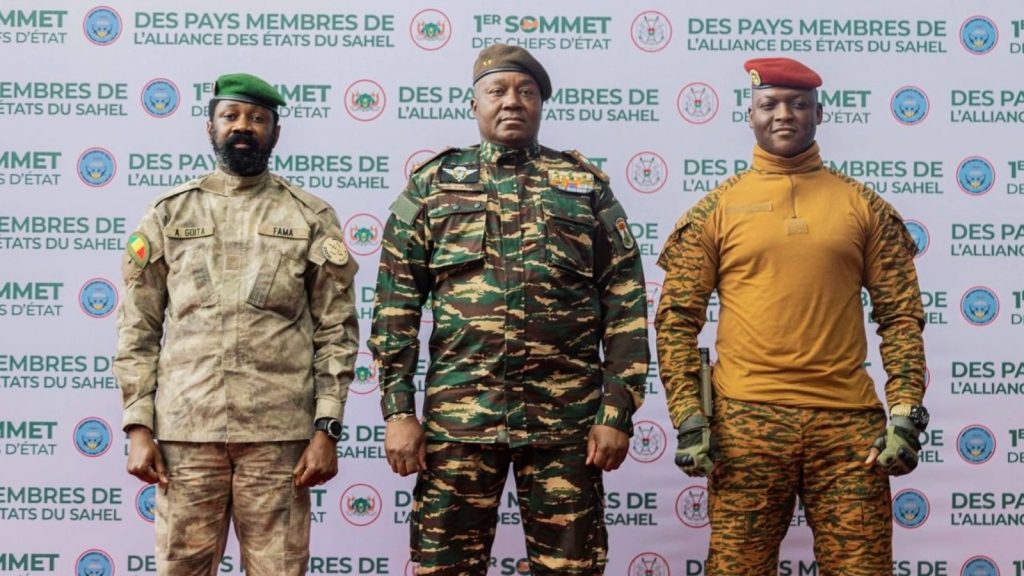
So, what did this reckless bluff actually achieve? It completely pissed off some of our neighbours. Burkina Faso and Mali promised to back Niger if ECOWAS invaded. Just two months into his presidency, Tinubu had Nigeria staring down the barrel of an all-out regional war.
When the ultimatum expired, and we did not invade, it only exposed Nigeria’s weakness. Military experts had already warned that invading Niger would turn into a long, messy campaign, and our hesitation showed the world we did not have the stomach or capacity for it.
Our soldiers stayed home, but the Tinubu-led ECOWAS still hit Niger with the most brutal sanctions West Africa has ever seen. We cut off their electricity, closed our borders and blocked vital supplies, including food, which is usually left out of such sanctions for humanitarian reasons. Niger is a landlocked country, so millions of innocent civilians in Niger suffered terrible hardship.
By September 2023, Burkina Faso, Mali and Niger had formed the Alliance of Sahel States (AES), a rival regional bloc to ECOWAS. However anyone looks at it, one thing will always remain true: ECOWAS lost three member countries and became significantly weaker under Tinubu.
Breakup blues
This breakup is not victimless. Beyond the suffering in Niger, Nigeria is paying a heavy price for destroying relationships with its neighbours.
We used to rely on cross-border military cooperation to beat back Boko Haram and other terrorist groups in the north. Now that cooperation is gone, giving terrorists a free rein. Since 2023, kidnapping ransoms have exploded year after year, and brutal attacks on schools and communities have become the norm. In 2025, Nigeria recorded 11,968 conflict-related deaths, a number higher than what we saw in 2014 when Boko Haram was at its absolute peak.
These tense relationships don’t just leave us vulnerable to terrorists; they put our troops in direct danger.
In December 2025, eleven Nigerian Air Force personnel flying a plane to Portugal for routine maintenance suffered a mechanical fault and had to make an emergency landing in Burkina Faso. Under normal diplomatic conditions, a neighbour would offer a hangar and some assistance. Instead, the Burkina Faso military government swiftly arrested and detained our pilots, accusing them of violating their airspace. It took a full week of tense, high-stakes negotiations just to get them released.
The cost of Tinubu fumbling our regional standing is measured in lost lives, closed schools and ruined communities. That is the real legacy of his regional foreign policy over the last three years.
Global embarrassment
Naija to the world
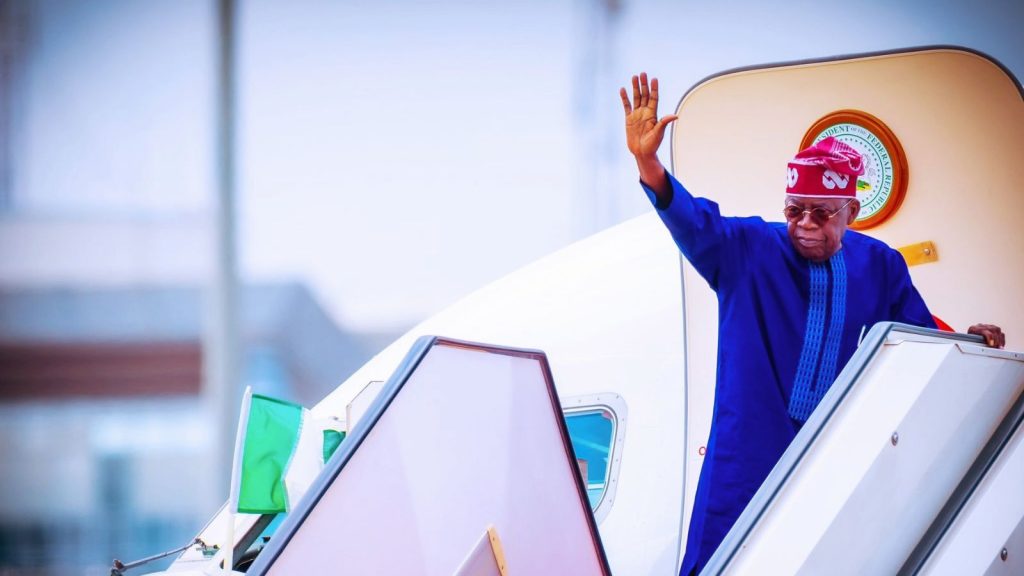
We’ve already talked about how Tinubu undermined Nigeria’s place as a regional “big brother” in West Africa. We’ll give you one guess as to how he’s done on the global stage.
If you guessed he’s done well, you really need to work on your pattern recognition skills. If you guessed he’s fumbled that too, congratulations, you’re correct. Also, condolences, because the effects of his fumbling have made all our lives harder. You little know-it-all, you’re right, but at what cost?
Let’s find out exactly how Tinubu has fumbled Nigeria’s international standing.
Homecoming
Like we said earlier, Tinubu wasn’t wasting any time when it came to screwing things up. In September 2023, just three months after taking office, he recalled all of Nigeria’s ambassadors across 109 countries.
Now, that in itself is not a bad thing. A new president usually recalls old appointees to put their own people in. What was completely unexpected was that Tinubu just didn’t appoint anyone else. For over two years, Nigeria had no ambassadors and zero representation across the globe.
Too little, too late
After major diplomatic tensions with the United States over accusations that his government was complicit in a genocide of Nigerian Christians, Tinubu finally realised the importance of international relationships. In March 2026, he finally approved the posting of 65 ambassadors, which he had delayed for god knows why.
But it’s not going smoothly. Multiple countries have already rejected his appointees. With only one year left in his presidential term, foreign governments don’t want to waste time onboarding ambassadors who might get kicked out if a new president wins in 2027. They’d rather just wait. Basically, Tinubu waited too long, and now it’s too little, too late.
We’ll always have Japan
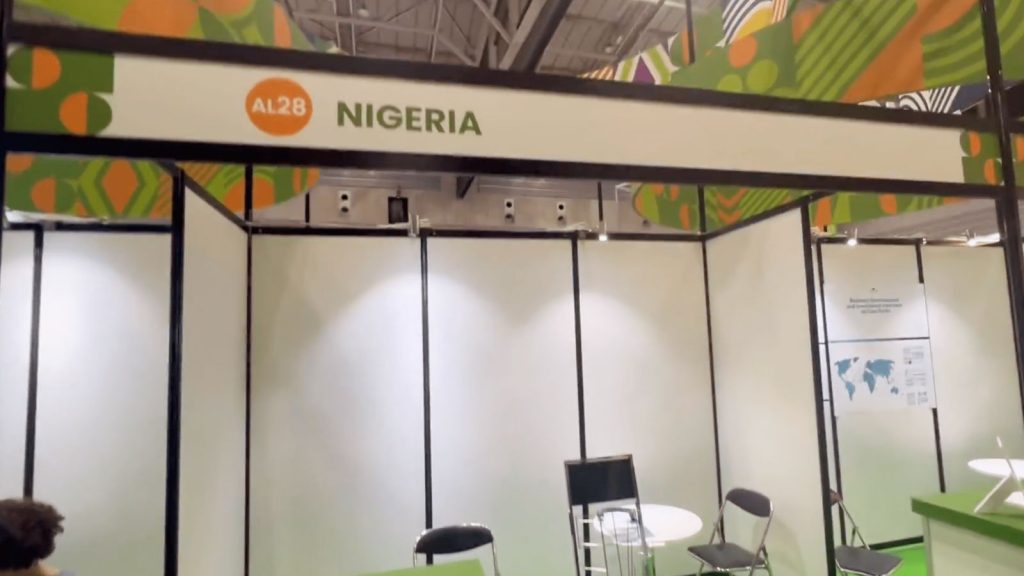
Tinubu’s presidency has been a steady stream of global embarrassments, and Japan is a prime example.
In August 2025, Japan hosted the Ninth Tokyo International Conference on African Development (TICAD 9). Even though Tinubu and his team arrived two days early, they managed to leave Nigeria’s official booth completely empty on opening day. Two Nigerian citizens who happened to be attending the conference had to step in and represent the country to foreign investors.
But the State House wasn’t done embarrassing us. On the final day, the Director of Information, Abiodun Oladunjoye, proudly announced that Japan had named the city of Kisarazu “the Hometown of Nigeria” and would grant Nigerians a special visa.
He said, “Artisans and other blue-collar workers from Nigeria who are ready to upskill will also benefit from the special dispensation visa to work in Japan.”
The Japanese government immediately came forward to debunk the claim, basically calling our administration liars. There was no special visa. The State House quietly deleted the claim and published a correction. Shame wear me asiwaju cap.
Collective second-hand embarrassment
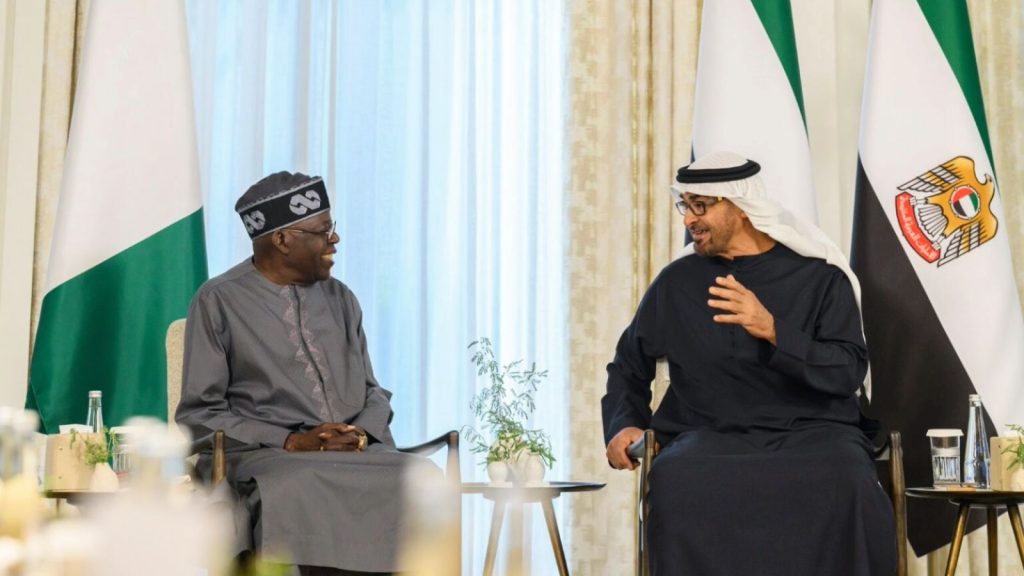
A similar embarrassment played out in September 2023 when Tinubu visited the UAE president, Mohamed bin Zayed Al Nahyan. Right after the meeting, the presidency proudly announced that the UAE had lifted its visa ban on Nigerian travellers.
The joy was short-lived. The UAE quickly issued its own statement contradicting the claim. The presidency was forced to walk back its announcement, lamely explaining that both sides were still working out “the finer details.”
Johannesburg gbese
The international embarrassment continues with the fact that Nigeria can’t seem to keep the lights on in its own buildings. In 2023, a Johannesburg electricity company cut off power to Nigeria’s Consulate over an unpaid bill of $23,000. The High Commission in South Africa suffered the exact same fate, getting disconnected in September 2025 and again in February 2026 for unpaid utility bills.
Unwanted visitors
Is a little global embarrassment the only consequence of Tinubu fumbling our foreign policy? Sadly, no.
Nigeria had visa-free access to 46 countries in 2023 when Tinubu became president. That baseline was already laughably low, but our master strategist has somehow taken us even lower. In 2026, we have access to only 44 countries.
To put that in perspective, let’s look at how many countries other African passports give you access to:
- Ghana: 67 countries
- Kenya: 69 countries
- South Africa: 100 countries
Even worse, we do not have a visa-free relationship with any of Nigeria’s top ten travel destinations. In fact, the top three countries we visited in 2025—the United Kingdom, Canada, and the United States—all have incredibly strict visa requirements for Nigerians.
Because the Tinubu administration has zero geopolitical weight, we cannot negotiate better migration terms or protect our citizens looking for greener pastures. When Western countries want to cut down on immigration numbers, Nigeria is always the easiest target because they know Abuja will not do anything about it.
Children of No Nation
The absolute scariest part of this fumbled international standing is what happens when Nigerians face actual life-or-death emergencies abroad.
Look at the Middle East. A massive conflict involving the United States, Israel, and Iran escalated earlier this year, with Iran launching a wave of retaliatory strikes hitting multiple countries across the region. Many Nigerians suddenly found themselves stranded in volatile combat zones.
Instead of an immediate extraction, the government’s evacuation strategy was sluggish. The bombings began on February 28. Yet, by March 17, the Ministry of Foreign Affairs was still planning instead of executing. The Ministry’s spokesperson, Kimiebi Ebienfa, said: “The government is working out the necessary administrative details and the release of funds to commence evacuation.”
When you are dodging missiles in a foreign land, the last thing you want to hear is that your country is still sorting out “administrative details,” but that’s exactly what you get with this administration.
Nigerians must go
The exact reactive script is playing out in South Africa right now. In May 2026, xenophobic tensions boiled over again across major South African cities. Sadly, this is not the first time something like this has happened, yet the Nigerian government still looked completely clueless.
The newly appointed Minister of Foreign Affairs, Bianca Odumegwu-Ojukwu, had to urgently scramble plans for a voluntary evacuation flight for the hundreds of Nigerians who registered in fear for their lives. To add insult to injury, the Ministry informed Nigerians looking to leave South Africa that they would have to fund their own flights. The government was willing to “facilitate” the return but would not pay for it or provide the plane.
Let’s sit with that for a minute.
The fact that these xenophobic attacks remain a frequent occurrence without a strong, definitive response from the South African government to protect foreign nationals shows just how little diplomatic leverage Nigeria has left. Good luck being taken seriously by a country that keeps disconnecting your embassy buildings over unpaid electricity bills.
We are constantly playing defence. Instead of using high-level diplomacy to prevent xenophobic violence before it starts, we wait until our people are living in terror before trying to rescue them. And even that is done badly. When a country’s foreign policy is this weak, its citizens are always the ones who pay the price.
Made in Nigeria
Whether you live in Lagos or the diaspora, as long as you carry a green passport, the government’s foreign policy moves affect your daily life. The missteps of the Tinubu administration over these three years have made things harder, more restrictive, and at times have directly endangered Nigerian lives. Tinubu is fumbling Nigeria’s international standing, but it is ordinary citizens who are paying the ultimate price.
We cannot change the fact that we are Nigerian, but we can certainly change how the world perceives us. And that starts with the government that represents us on the world stage.
We want to hear about your personal experiences that reflect how politics or public systems affect daily life in Nigeria. Share your story with us here—we’d love to hear from you!