Written by Tezor Dedam
Let’s start with the numbers. According to the World Health Organisation (WHO), conflict and insecurity have displaced over 3.2 million people, many of whom are facing mental health and psychosocial needs. According to the Nigerian Medical Association (NMA), Nigeria has an estimated 300 psychiatrists to cater to a population of over 200 million people. In 2022, more than 16,500 people in Borno State received specialised mental health care, and roughly 176,000 people got psychosocial support. Yet, most of it was funded by Non-governmental Organisations (NGO) and donors, and it barely scratched the surface given the number of displaced and disadvantaged people in Borno and Nigeria as a whole.
To cap it off, the WHO Africa Regional Office says that fewer than 3% of people with mental health conditions in Nigeria have proper coverage. Essentially, dealing with mental health challenges is difficult, but dealing with those challenges in Nigeria? Yikes.
Why does this matter?
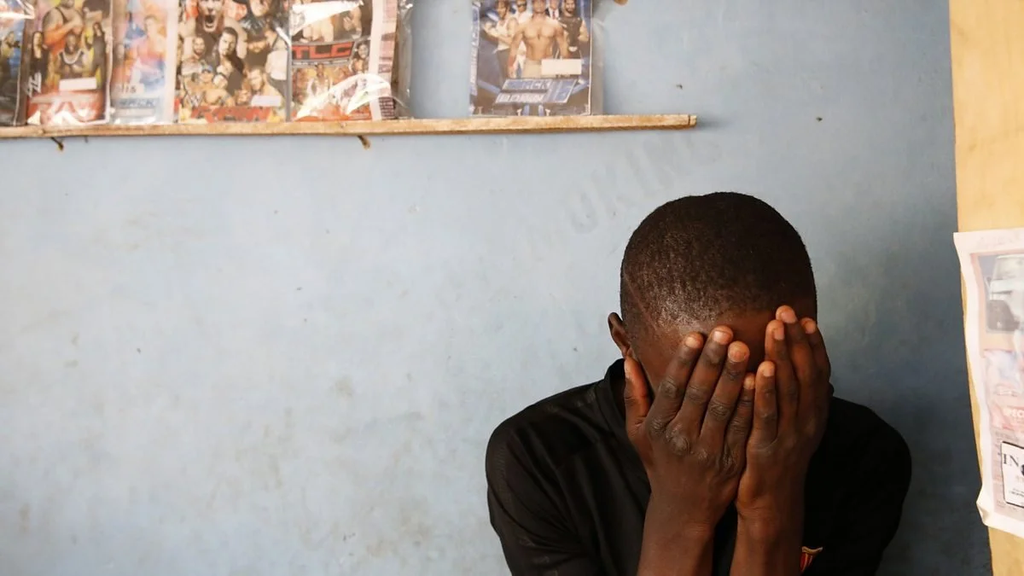
To start with, Nigeria can be regarded as a country of particular concern when it comes to mental health. We rank 106th out of 147 countries globally in the 2026 World Happiness Report, a decline from 105th in 2025 and 102nd in 2024. We have a face-me-I-slap-you standard of living, ranking last globally in the Quality of Life Index. And if trends in insecurity, cost of living, and healthcare are anything to go by, it could get even worse.
Mental health in a country like this should be very much a matter of great concern.
But it is not. We’re dealing with diagnosis gaps, manpower shortages, funding limitations, and a lack of the right legal frameworks.
For suicide awareness, this means that people in crisis are not met with a functioning system that can cater to their needs. But from a system perspective, it matters as well, because it undermines our economic output, it can shape the health and livelihoods of generations to come, and it falls on the young bulk of Nigeria’s population, who could go on to manifest in the form of academic stress, unemployment, substance use, and exposure to violence.
The Big Daily is your weekday shortcut to the biggest news shaping Nigeria. We cut through the noise, connect the dots, and explain why the news actually matters, all in one quick read.
What is the way forward?
There are some positives for Nigeria’s mental health culture and capabilities. The National Mental Health Act was signed into law in 2023, replacing the outdated colonial-era Lunacy Act of 1958 with a mental health framework that is more grounded in human rights and empathy. But it did not decriminalise suicide. In August 2026, the Federal Executive Council (FEC) approved a proposed amendment to the National Mental Health Act that would remove the criminalisation of suicide. It is still pending; we await it. But for now, suicide is still criminalised in Nigeria.
The 2023-2030 strategy for the Federal Ministry of Health calls for suicide to be declared a national public health priority, which will involve integrating mental health into primary care, establishing a governance structure, and promoting responsible media reporting of suicide.
And of course, private and NGO support continues to grow to meet the excess demand, with WHO and organisations like She Writes Woman providing intervention, services, and helplines.
Yet, there is still so much to be done and a lot of it boils down to governance. Changing a law that says “we won’t punish you” is not the same as creating a system that says “let us help you.”
More of the health budget should be allocated for mental health, more primary health centres should incorporate mental health care, more professional training pathways should be introduced, and more data should be established for national suicide and mental health surveillance.
Yes, the government can affect your mental health. Either by the problems they create or the lack of solutions for the mental effects of these problems. For most Nigerians, this effect can cause problems for our well-being, loss of livelihoods, and, sadly enough, suicide.