Festus Ogun never thought a state governor would violate his digital rights, until the Lagos governor blocked him. In this story, he shares the shock and emotional distress caused by that discovery, the legal battle that followed, and why he now offers pro-bono help to others in the same situation.
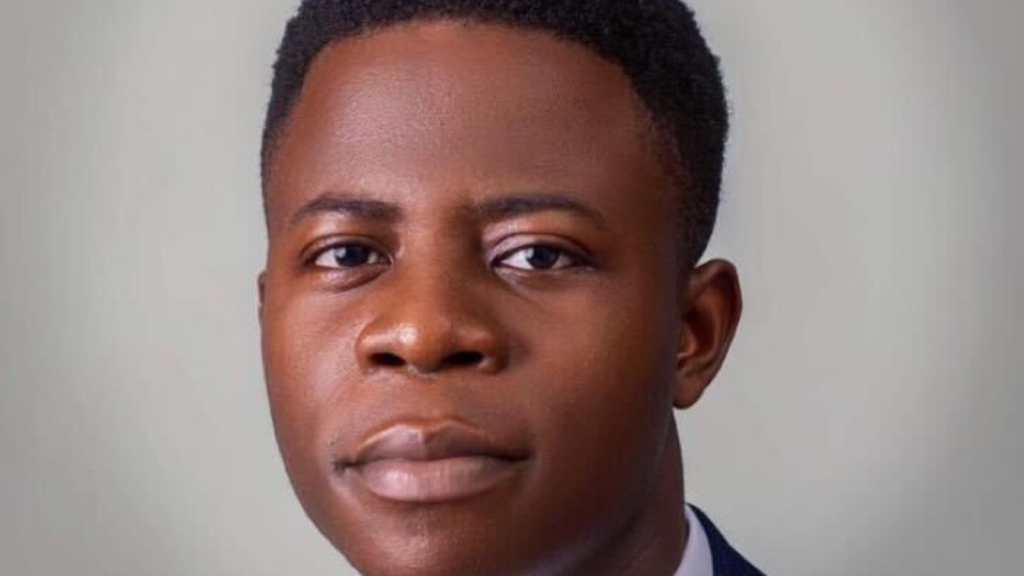
This is Festus’s story, as told to Margaret
I was casually scrolling through Twitter when I found out that my state governor, Babajide Sanwoolu, had blocked me. I was distraught and filled with questions. It may sound dramatic to some people, but in that moment, I realised that he had violated my fundamental human right.
I felt terribly worried. Soon after, it became almost impossible to sleep well at night with the knowledge that the Governor of the State where I live and work had singled me out and blocked me.
The man in question isn’t just a random Twitter user; he is the governor, and I relied on his social media accounts to get the latest updates about governance in Lagos state, where I live and work as a human rights lawyer.
I could have let him off the hook and taken the blocking in silence, but I decided to hold him accountable. I don’t believe in suffering in silence, especially on issues of human rights, the rule of law, and social justice. If I have assisted hundreds of persons in enforcing their fundamental rights, why should I fold my arms when I am violated?
Aside from the mental distress and physiological trauma his action caused me, it was a wanton violation of my digital rights to freedom of expression (including the right to receive information) and my right to freedom from discrimination guaranteed under Sections 39 and 42 of the 1999 Constitution, respectively.
So I did what every violated citizen should do: I took legal action against the governor. It was my fundamental right to do so. I knew it was impossible to just walk into his office and ask him to unblock me. The only way I could get a remedy was to approach the court under a fundamental rights enforcement procedure. And that was exactly what I did.
I would do it again in a heartbeat if I ever find myself in that position again. I have no regrets. To make it clear, this was about the violation of my rights and my mental well-being, so I decided not to ask for damages. All I wanted the Court to do was compel the Governor to unblock me and apologise for the mental distress his actions caused me.
ALSO READ: Had I Known: I Wish I Fought To Stay in School After Being Forced Into Marriage and Motherhood at 18
I expected him to show up in court with top-notch, highly qualified lawyers to defend his case, but he did something else. Upon being notified about my robust and quite unprecedented claim, the Governor saw the wisdom in acceding to my modest demand, met up with me, and unblocked me. It felt good to know he saw the wrong in his actions and immediately made amends.
But this case was never about clout; it is about awareness. I want Nigerians to know that our constitution is not a suggestion. The law matters, and nobody is above it. That’s why I am offering pro bono service for no less than 10 victims of digital rights violations, especially those who were violated by authorities. In the coming weeks, I will be helping citizens seek justice against government officials and civil institutions, including the President. I’m glad my lawsuit inspired other Nigerians to hold authorities accountable for their autocratic tendencies in the digital space.
Public interest litigation remains a viable tool for social engineering. As long as the actions are not frivolous, we need to do everything possible to keep authorities on their toes. Anyone who wants to pursue similar cases must learn how to focus on the objectives of the suit and ignore all distractions. If there is room for dialogue, we should all embrace it while upholding the highest ethical standards.
My case against the governor has now become academic since he unblocked me. Since then, lawyers have instructed me to do what is necessary and drop all charges.
The road to freedom is still long. I shall continue to hold authorities accountable through advocacy, public interest litigation, research, and policy dialogue.