If you’ve ever felt like a failure, just remember, Nigeria has a whole ministry dedicated to reducing poverty. Since the Ministry of Humanitarian Affairs and Poverty Reduction was created in 2019, another 60 million Nigerians have dropped below the poverty line.
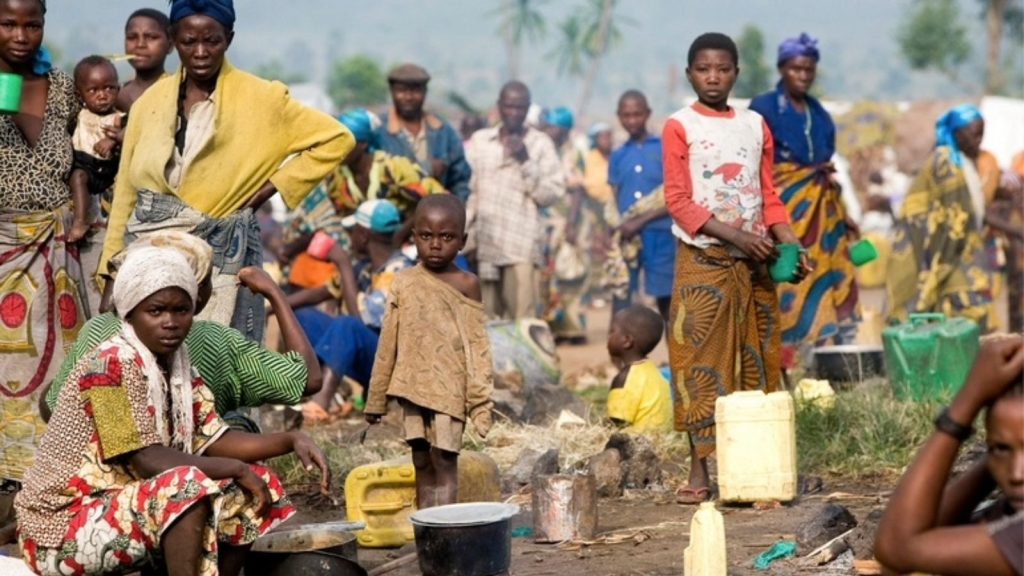
To make matters worse, economic experts say poverty levels will only get worse. We don’t expect much from government bodies. The bar is already on the floor. But this Ministry is spectacularly failing in its mandate, and it leaves us wondering: who’s to blame?
Born again… and again… and again…
The Ministry didn’t always go by its current name. When President Muhammadu Buhari created it in August 2019, it was called the Ministry of Humanitarian Affairs, Disaster Management and Social Development.
Then in 2023, President Bola Tinubu renamed it the Ministry of Humanitarian Affairs and Poverty Alleviation. By 2024, he changed it again to what we now know as the Ministry of Humanitarian Affairs and Poverty Reduction.
Numbers go up… and only up
The name changes haven’t helped. Whether it’s supposed to alleviate or reduce poverty, the Ministry is doing neither.
In 2019, when Buhari created it, the National Bureau of Statistics (NBS) reported 82.9 million Nigerians were poor. That was 40.1% of the population.
By 2023, when Tinubu first renamed it, the figure had jumped to 56.2%.
In October 2025, the World Bank reported 139 million Nigerians living in poverty.
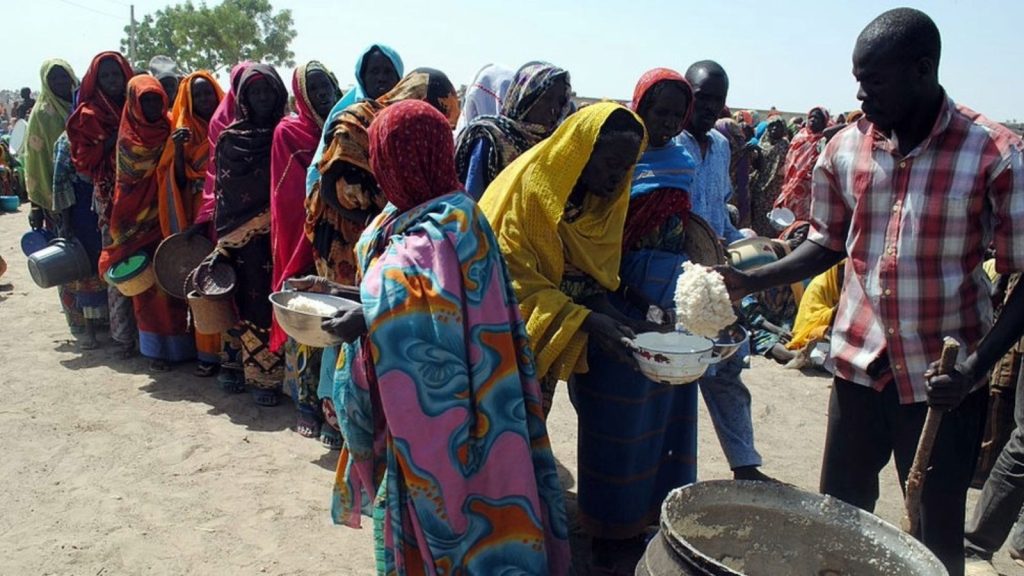
And things are not looking brighter. In January 2026, PricewaterhouseCoopers (PwC) predicted 141 million Nigerians—about 62% of the population—would be poor this year. That’s another 2 million people about to drop below the poverty line.
Best in mathematics
Whenever faced with numbers that show they’re failing, Tinubu’s administration doesn’t fix up. Instead, they say the maths must be wrong.
From changing how unemployment is measured—counting anyone who works at least one hour a week as employed—to endlessly rebasing inflation figures, this government would rather tweak numbers than fix Nigeria.
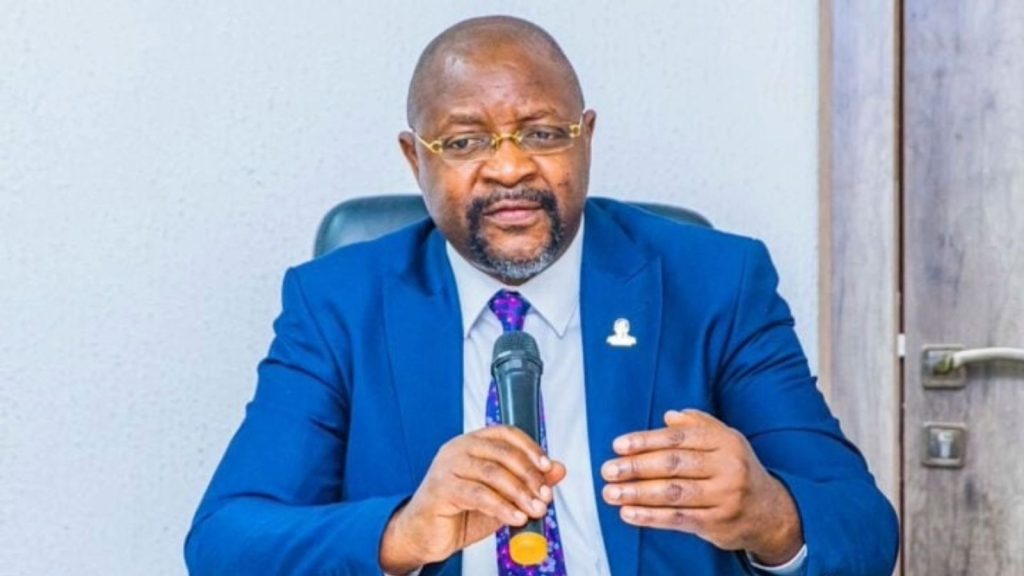
So when the World Bank dropped the 139 million figure, Tinubu’s Special Adviser on Media and Public Communication, Sunday Dare, dismissed it as “unrealistic.”
The administration argued that the World Bank’s benchmark of anyone living on less than $2.15 a day doesn’t match Nigeria’s reality. Basically, the government wants global experts to lower their expectations so our numbers look better.
Musical chairs at the poverty ministry
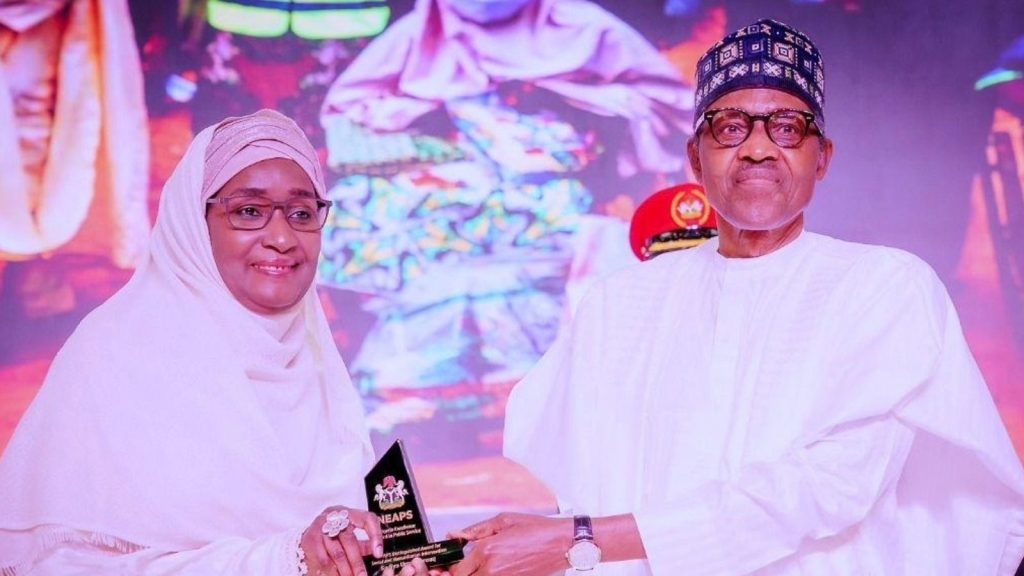
When Buhari created the ministry in 2019, he appointed Sadiya Umar Farouq as minister. She held the role until the end of his administration in 2023. Since Tinubu became president, though, it’s been a revolving door.
- August 2023: Betta Edu became minister.
- January 2024: Less than five months later, Edu was suspended over a ₦585 million corruption case.
- January–October 2024: The office stayed empty for more than eight months.
- October 2024: Nentawe Yilwatda took over as minister.
- November 2024: Yusuf Tanko Sununu was moved from the Ministry of Education to become Minister of State for Humanitarian Affairs and Poverty Reduction, assisting Yilwatda.
- July 2025: Nine months later, Yilwatda left to become APC national chairman.
- July–November 2025: Sununu worked solo for about four months.
- November 2025: Bernard Mohammed Doro was sworn in as minister.
It’s been a rocky ride at the Ministry under Tinubu’s administration, with multiple name changes and even more changes in personnel. With ministers playing musical chairs, it’s no surprise the Ministry can’t pull off any coherent poverty alleviation scheme.
Sadiya
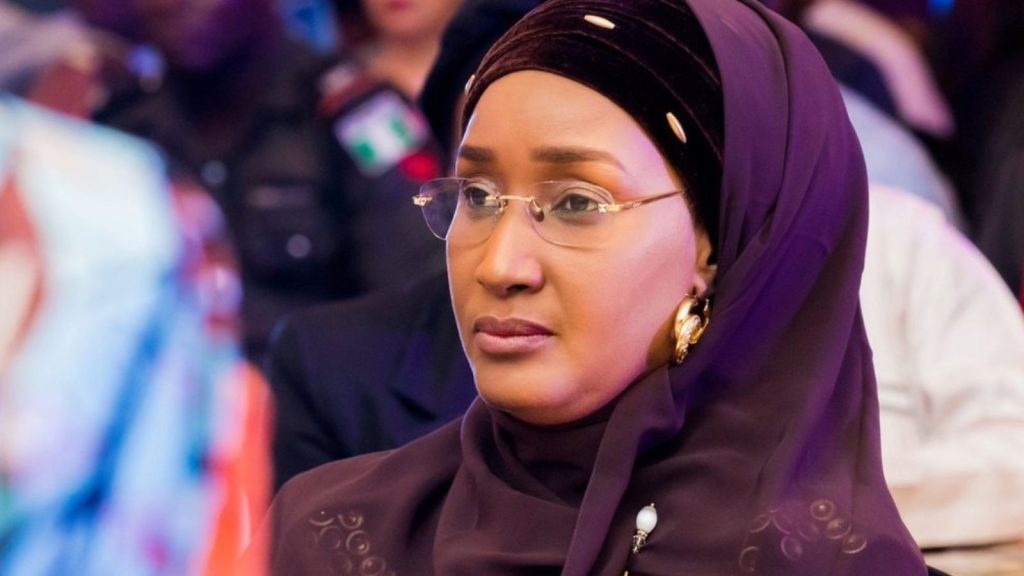
Sadiya Umar Farouq may have held her position for all of Buhari’s second term, but that stability didn’t count for anything. As we said earlier, the poverty numbers jumped from 40.1% to 56.2% between 2019 and 2023. Then there’s the missing billions.
In September 2020, the Independent Corrupt Practices and Other Related Offences Commission (ICPC) said it found ₦2.67 billion from Farouq’s Ministry sitting in private accounts. That money was supposed to feed schoolchildren during the COVID-19 pandemic.
After Farouq left office in 2023, the Economic and Financial Crimes Commission (EFCC) opened a ₦37.1 billion fraud investigation into her.
Then, in 2024, a High Court ordered her to account for ₦729 billion that the Ministry allegedly distributed to 24.3 million poor Nigerians. The court demanded she publish the names of every single one of the supposed beneficiaries who allegedly got ₦5,000 each.
Betta

First through the door after Tinubu took office was Betta Edu. In August 2023, she was sworn in as Minister of Humanitarian Affairs and Poverty Alleviation at just 37 years old.
But her time was short-lived. Barely four months later, in January 2024, she came under fire after a letter surfaced showing she had asked the Accountant General to transfer ₦585 million meant for grants for vulnerable groups into a private account. Tinubu suspended her on January 8, and by October 2024, she was replaced by Nentawe Yilwatda.
Despite the EFCC saying they recovered ₦30 billion from over 50 bank accounts during their probe of the ministry under her watch, Edu was never charged.
Nentawe
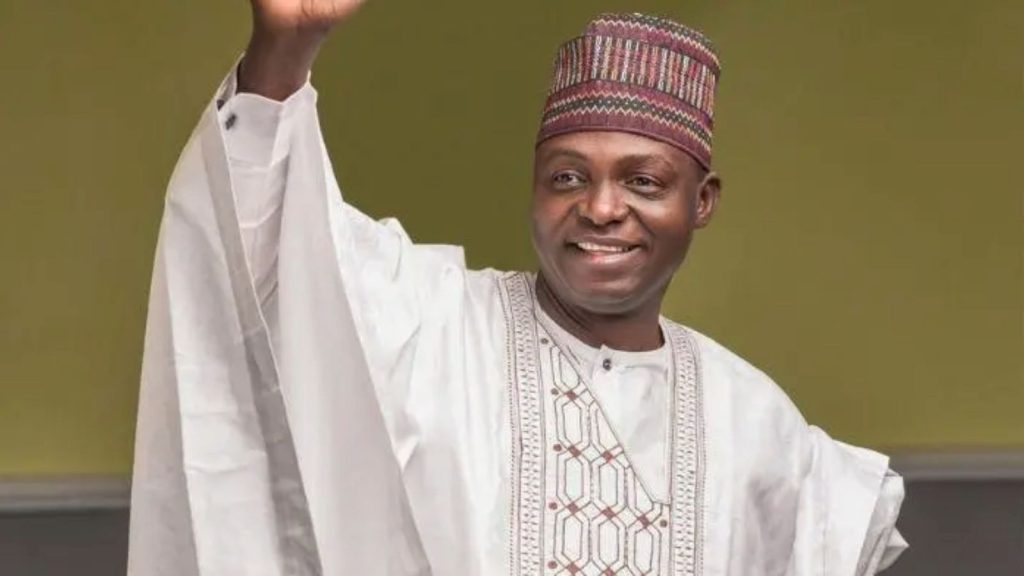
Nentawe Yilwatda lasted a little longer than Edu before being elected National Chairman of the All Progressives Congress (APC) in July 2025, forcing him to quit his ministerial role.
Bernard & Tanko

While Yilwatda was minister, Tinubu decided he needed backup. In a wider cabinet reshuffle in November 2024, Yusuf Tanko Sununu, then Minister of State for Education, was moved to become Minister of State for Humanitarian Affairs and Poverty Reduction.
As the numbers show, having two ministers didn’t help either.
After Yilwatda left to chair the APC, Sununu flew solo for a few months before Bernard Mohammed Doro came in as minister in November 2025. The two have since worked together as a less-than-dynamic duo.
Thou shalt not live by rice alone
Bernard Doro has already hit the ground running in the only way Nigerian politicians know: he’s been out sharing rice.
Since early February 2026, Doro has been touring Northern states distributing food items under the “Presidential Emergency Food and Nutrition Intervention Programme.”
Officially, office furniture are more important than you
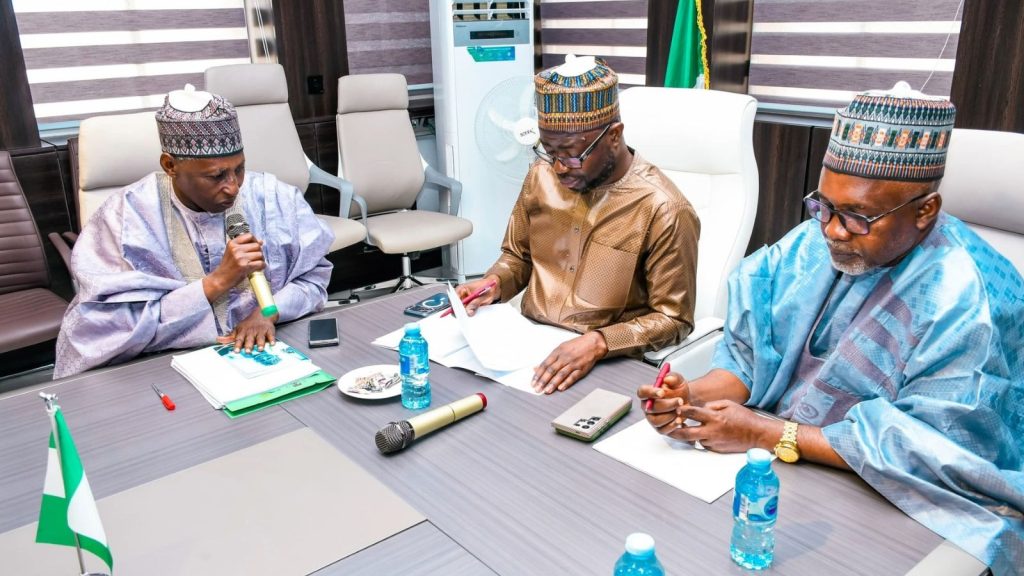
A quick glance at the 2026 budget shows where Doro and Sununu’s priorities lie—and it’s not in reducing poverty.
In the Ministry’s 2026 budget, it plans to spend ₦112 million on office furniture and fittings. Then another ₦113 million on office machines and equipment. Meanwhile, only ₦71 million has been set aside for essential foods in case of emergency outbreaks that may lead to malnutrition in the country. That’s almost four times less than the ₦225 million they’re spending to make their offices look nice.
To fully understand the ridiculousness of the situation, you’d have to take a look at the Global Hunger Index, which ranks Nigeria 115 out of 123 countries. Twenty per cent of the population is undernourished, and almost 34% of children under five suffer stunted growth due to chronic malnutrition. Whatever emergency the ministry is waiting for, we’re already living it.
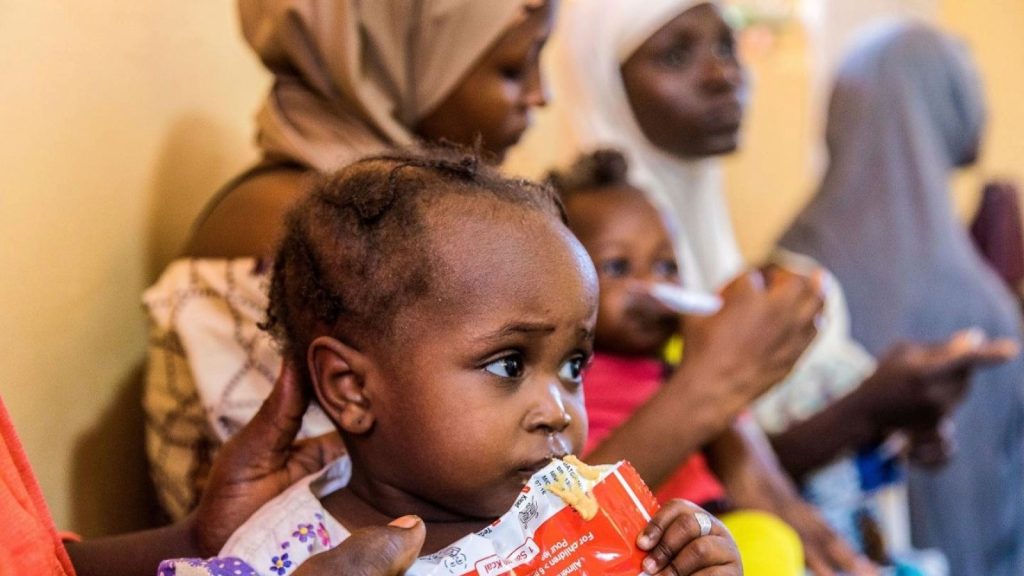
Millions of Nigerians are falling into poverty every year, and children are literally starving to death. But we can only hope Bernard Doro and Tanko Sununu—or whoever is next through the revolving door—enjoy the luxury office furniture.
The Ministry of Zero Impact
One of the many frustrations of covering governance in Nigeria is navigating government websites. They’re often half-built messes, and the website of the Ministry of Humanitarian Affairs and Poverty Reduction is no different.
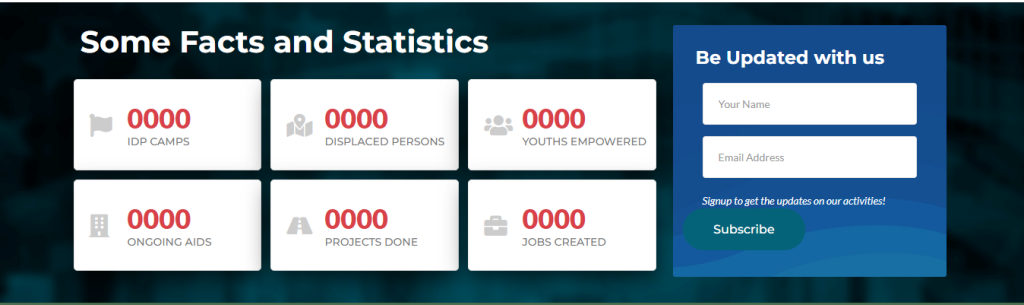
Still, there’s something poetic about the malfunctioning “Facts and Statistics” tracker on the Ministry’s site. The irony is almost too perfect.
A Ministry of zero impact, with a website that reflects exactly that.
What can you do about this?
- Use whatever platform you have, including social media, to demand accountability from the Ministry of Humanitarian Affairs and Poverty Reduction.
- Call your representatives at the National Assembly (NASS). Lawmakers have to sign off on these budgets, and you can make sure money goes where you know it’s best needed through them. To find the contact information of the lawmaker representing your constituency at NASS, click here.
- Ministers are appointees, but they’re appointed by the executive you voted for. So make better choices during elections. Not voting at all is also a choice — and it’s the wrong one.
We want to hear about your personal experiences that reflect how politics or public systems affect daily life in Nigeria. Share your story with us here—we’d love to hear from you!
Zikoko’s HERtitude is back this April 2026. Grab your tickets here.

Click here to see what other people are saying about this article on Instagram