Emem Okon, a mobile videographer (heylifestyle) from Akwa Ibom, grew up in Lagos and has been there practically all of her life. But on October 16, 2026, Emem watched decades of her life crumble; the Lagos State demolition crew arrived and ordered her and her neighbours to clear out because they needed to tear down the only home she’s ever known. This is Emem’s story as told to Orame.

I lived in that building practically all my life. My dad lived there first, and that was where he raised us. He moved out in my adult years, but I stayed back to build my career from there.
About three years ago, Lagos State officials started giving our landlord notices to renovate the building. Each time the notice came, he’d say he was going to fix it, but nothing would happen. Two years ago, he even increased the rent, and we paid it, hoping he’d use the money to make some repairs.
In the end, other tenants and I started contributing our money to patch up parts of the building so the officials would stop coming back.
We knew the house was old. But once you look at what it costs to move in Lagos, you try to make where you are work.
Earlier this year, we heard the building would be demolished if the landlord didn’t fix it. First, our landlord said the deadline was June, then it was July, then September. One of my neighbours kept going to the planning office to find out what was happening because we couldn’t rely on what our landlord told us.
In April, I started looking for a new place. The decent mini-flats I saw cost between ₦1.5 million and ₦3 million. The places I could afford were either too far from work or too small for me to keep any of my things.
Around September, the landlord called a compound meeting. He told us that officials had tested the building and found it 70% safe, with only 30% needing repairs. He also said we had until December to do them. One of my neighbours with contacts in the state government warned us that December didn’t sound realistic, but the landlord insisted.
Then came October 16. I was getting ready to go to work when I heard banging. I went down and saw the demolition team. They told us to come outside because they wanted to start breaking the building.
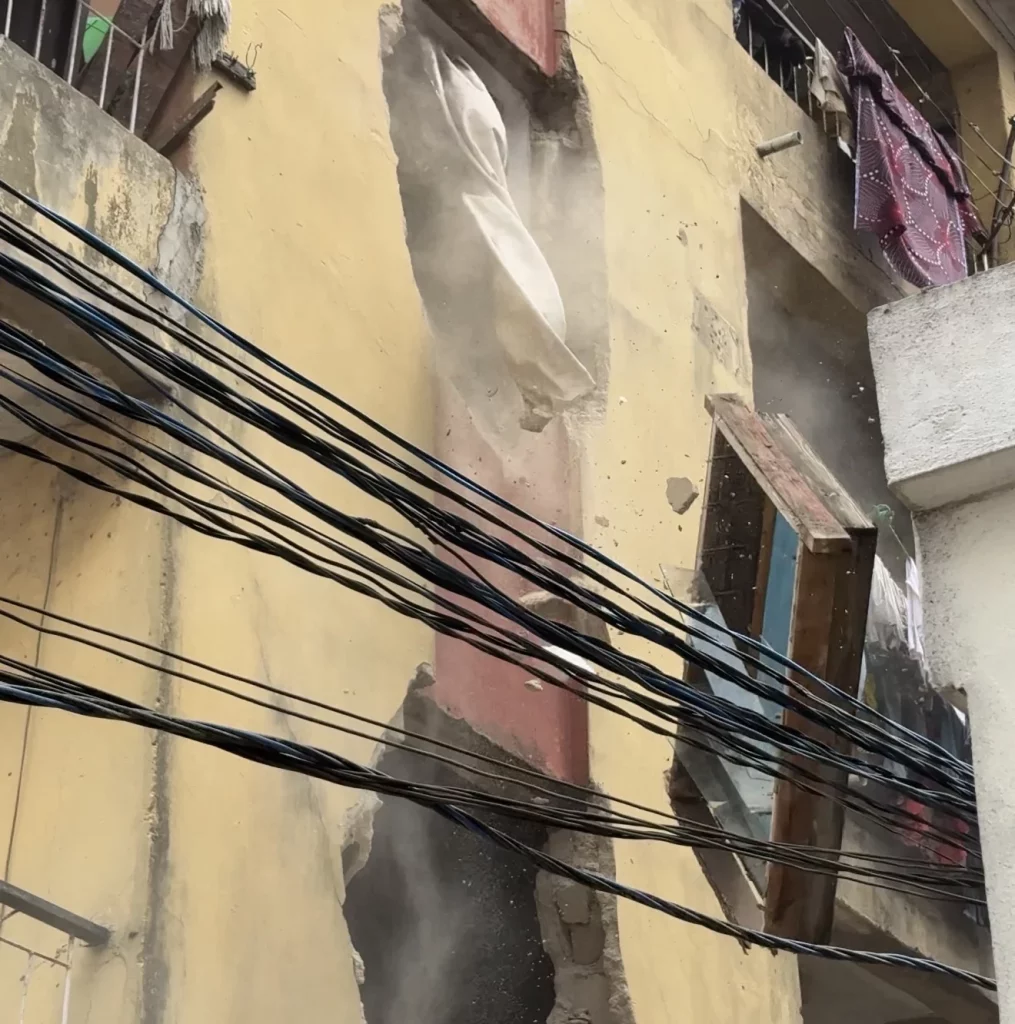
It was around noon. They told us we had until 6 p.m. to get our things out. I was genuinely shocked.
Before I could even process the information, they started breaking the front balcony and pulling out windows while we were still trying to get our things out. After they’d already damaged the front of the building, they let us go back inside to take what we could. They wouldn’t let us take the things we had paid to have installed, like the burglar-proofs and electrical wiring.
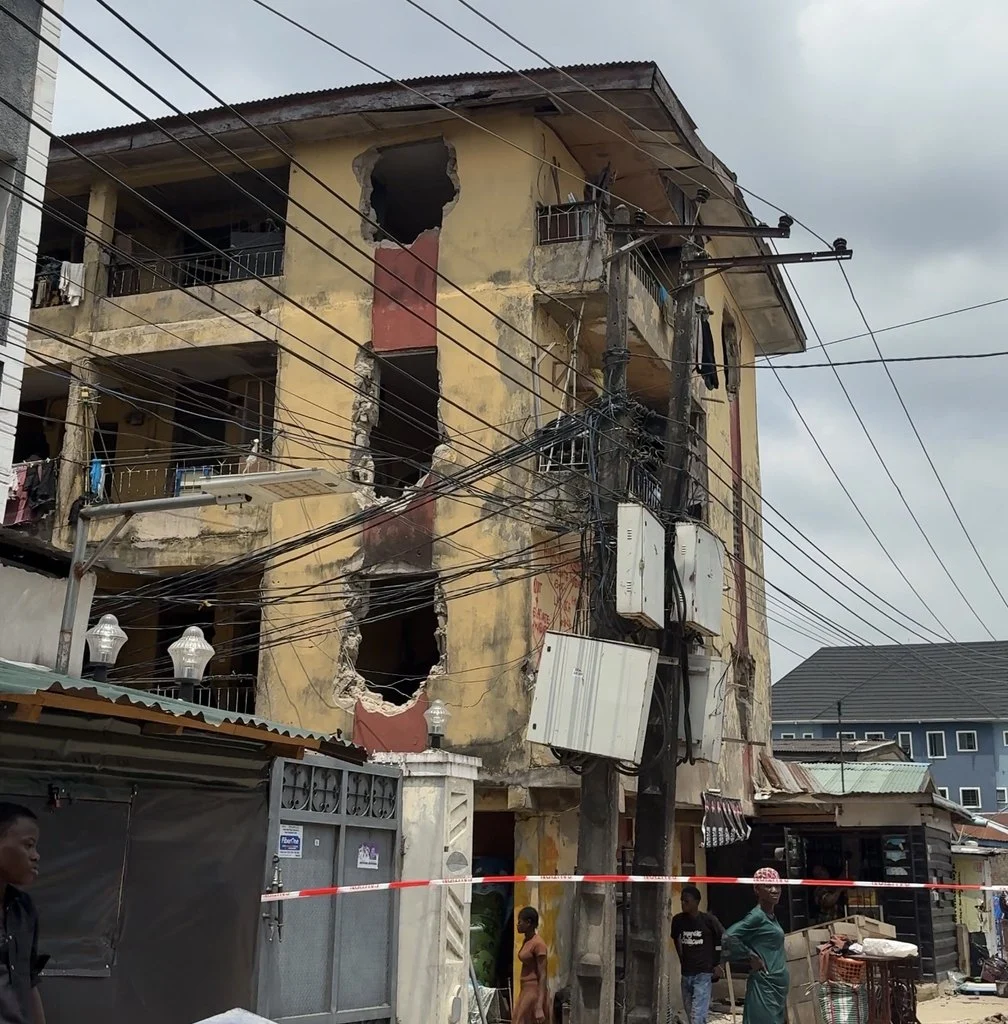
As soon as the officers told us to evacuate, I called a friend who was staying with me and asked her to come help move my things. I immediately went to her father, begged him, and arranged to keep my belongings at his place for a week or two while I searched for a new apartment.
I went back that night to get my extension boxes and cables, and they were gone; police officers had arranged for some people to take out all the wires and sell them off. Other things that I left behind were also missing.
Some of my neighbours spent the night on the pavement, watching over the things they’d managed to carry out.
My landlord didn’t offer us anywhere to go that night. While my things remained with my friend’s dad, I slept at different friends’ houses. I’d stay two nights here, one night there, then go to work and keep looking for an apartment all at the same time.
I stopped telling people my house had been demolished. After a while, all I was hearing was “sorry,” and I still needed somewhere to sleep. The people who helped me were people I hadn’t expected to.
I found a place two weeks after the demolition. I had to buy almost everything again. Some of my dad’s old furniture couldn’t fit in the new flat, so I sold it.
Most of my anger is still with my landlord. He collected our rent, kept promising repairs and told us we had until December.
But when the officials came, they were aggressive; they gave us a time to get out and started breaking the building before that time was up.
I was fortunate enough to have emergency savings to secure a new apartment, but many of my neighbours weren’t as lucky. Losing the place where I spent my entire childhood in just four hours showed me how fragile home really is when you’re at the mercy of a dishonest landlord. It’s an experience that changed my perspective forever, and I will never take having a roof over my head for granted again.