Written by Tezor Dedam
Section 19 (1) of Nigeria’s Electoral Act 2026 requires the Independent National Electoral Commission (INEC) to publish a preliminary voters register for public scrutiny 90 days before the day of the elections. Section 19 (1) of Nigeria’s Electoral Act 2026.
As of Thursday, October 22, 2026, 86 days remain until the presidential elections on January 16, 2027. INEC still hasn’t published the voter registration, and the absence of the INEC voters register 2027 online is already threatening the integrity of the upcoming polls.
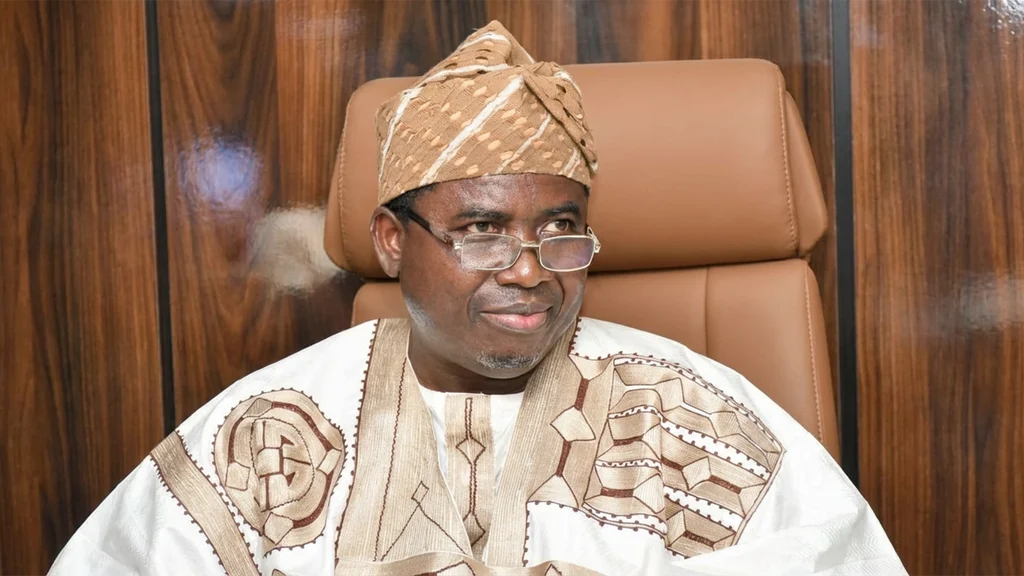
Several reports, online conversations, and individual speculation have surrounded this absence of duty from INEC. On Wednesday, October 21 2026, INEC spokesperson Mohammed Haruna said that the commission has published the register at physical registration areas between October 9 and 15, and that they expect to use the objections and feedback from these published registers ahead of December 15, so that they can then publish the final version.
This simply doesn’t cut it. Section 19 (1) of the 2026 Electoral Act says:
“Subject to the provisions of section 9 (6) of this Act, the Commission shall, not later than 90 days to a general election, appoint a period of seven days during which a copy of the voters’ register for each Local Government, Area Council or Ward shall be displayed or published for public scrutiny at every registration area and on its official website or any website established by the Commission for that purpose.”
“….on its official website”!
So even if INEC did, in fact, publish these registers in registration areas, they still have not been published online, where they would obviously reach most Nigerians. In addition, there is no specific date from the spokesperson’s statement; all we know is that they will try to get the final version (not the preliminary version) before December 15.
In the last election, even with all the reported irregularities, INEC still published the preliminary registration online and in registration areas before the final version was released. So this says a lot about the commission and where we are headed with our electoral processes.
What could this mean for Nigerians and the elections?
For first-time voters, getting around to vote should not be a scavenger hunt. According to INEC, 10,772,421 newly registered voters have been recorded ahead of the elections in January. While this is a big addition, registering to vote does not mean everything is settled. They still have to navigate registration updates. Collect their Permanent Voter Cards (PVCs) and make corrections when their information online is not accurate well before election day.
This unfortunate turn of events just means that it gets a lot harder and more complicated from here on. A development that could stop so many people from voting.
Online access matters for people who cannot access registration centres. Given how INEC has talked big game about preparing for the elections, this is a grand display of incompetence, and it appears that there is no accountability for the commission’s poor leadership.
In Nigeria, public trust is drastically low for both the government and the agencies that are supposed to be independent. When you couple this with the fact that INEC are technically breaking the law, and that the public scrutiny we are being denied is a safeguard against rigging, it becomes evident to see how the public would feel excluded ahead of a critical election.
So now the key questions are: is there going to be enough time for the people to review the voters register? How do we navigate the register if it does eventually come out or comes out too late? Who is going to hold INEC accountable for this massive mishap? And more importantly, how can we trust INEC ahead of 2027, on top of the already existing public trust that is in the gutters?
What we are looking at appears to be a disappointment in voter trust, electoral transparency, and the everyday Nigerian’s ability to vote without unnecessary stress.
You cannot ask Nigerians to trust an electoral process they cannot fully inspect. You cannot ask Nigerians to come out en masse if you do not hold up your own end of the bargain. And you most certainly cannot run Nigeria’s democracy on an electoral body that is incompetent without accountability.