We still can’t tell if President Bola Ahmed Tinubu has a love-hate relationship with taxes or if it’s just pure, unending love.
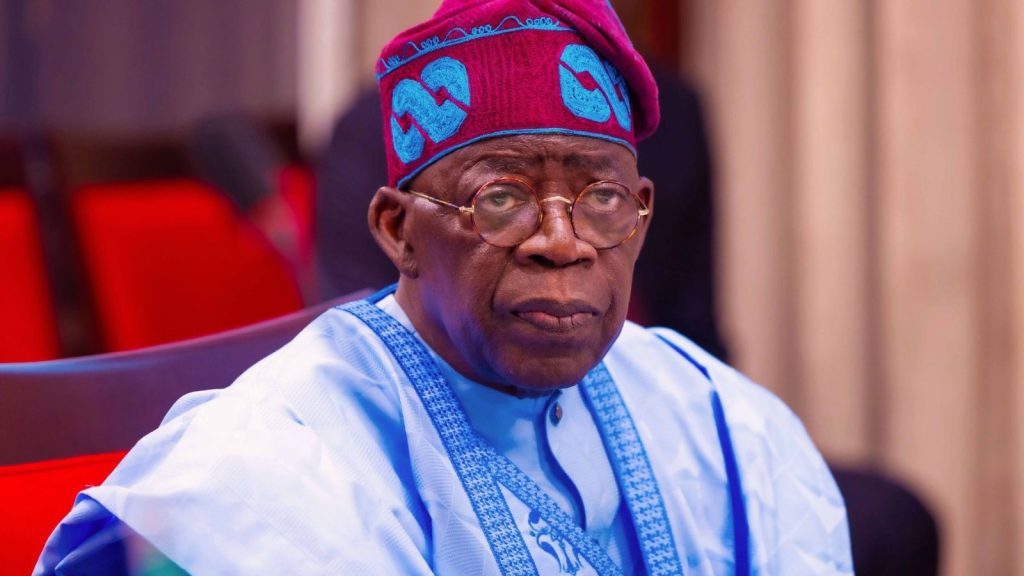
On Monday, November 3, the Presidential Fiscal Policy & Tax Reforms Committee released a list of 50 tax exemptions that will take effect from January 1, 2026. While that’s definitely good news, it’s still hard to tell where the president truly stands on taxing Nigerians, especially because his administration has also recently rolled out new taxes that could make the cost of living so much worse in the coming year.
Here are four taxes you might want to watch out for in 2026:
15% import tariff on fuel and diesel
On Wednesday, October 29, President Tinubu woke up and got the genius idea to approve a 15% import tariff on petroleum products. As a result of this approval, Nigerians will start paying as much as ₦100 extra per litre of petrol. Diesel was also included in the recent development, but there’s a possibility that the price increase will exceed ₦100.
According to a document seen by THISDAY, the new tariff will take effect immediately despite an earlier plan for a 30-day transition period to allow importers to adjust. The President reportedly decided that it was best for the tariff to take effect immediately. Even though the government set the projected increment at ₦99.72 per litre, it’s safer to expect the worst, as we all watched petrol prices go from ₦600 to nearly ₦1,000 in less than a year.
The federal government and the Manufacturers Association of Nigeria (MAN) have branded this price increment as a win for local production, but is it really a win if it comes at the expense of Nigerians who are already struggling to survive the harsh effects of the President’s reforms?
Between August 2024 and the first 10 days of October 2025, the country imported nearly 69% of its total national petrol supply. This gives you an idea of how many Nigerians will feel the effect of this price increase. While we agree that the tariff will give more room for local manufacturers to dominate the market, we’re highly concerned about the bandwidth of the manufacturers in question. The Dangote Refinery has the capacity to meet Nigeria’s domestic demand, which is about 50 million litres daily, yet the refinery currently supplies only 20 million litres daily, according to the Nigerian Midstream and Downstream Petroleum Regulatory Authority (NMDPRA).
The five other functional refineries produce between 5,000 and 10,000 barrels per day. If you do the math, you’d realise that there’s still going to be a demand for imported fuel if these local refineries continue to function at their present capacity, leaving vulnerable Nigerians no choice but to purchase petroleum products for a higher price — and that has already been estimated to add an extra ₦1 trillion to what we spend on fuel annually.
$11.50 travel charge
The Nigerian Civil Aviation Authority (NCAA) announced on Tuesday, October 28, that passengers flying into and out of the country will now have to pay an additional $11.50 charge per ticket, in addition to the $20 security charge and other charges collected by the Federal Airports Authority of Nigeria (FAAN). This tax, which seems almost little on paper, is already expected to generate up to $1 billion in federal revenue over the next two decades. Industry experts and passengers have condemned this move, raising concerns that the new levy will make flight tickets even more expensive, especially given that prices are already high due to inflation and unstable exchange rates. But from what we know, the criticisms haven’t moved President Tinubu, and this new charge is expected to take effect on December 1, 2025. Good luck to everyone whose New Year’s resolution is to catch flights, not feelings.
25% maximum tax for remote workers
Dollar-earning remote workers in Nigeria have been God’s favourites for the longest time, but they might be getting reassigned to the strongest soldiers list in 2026. As part of the tax laws signed by President Tinubu in June 2025, remote workers and freelancers will now have to pay income tax just like regular employees.
Their salaries will be taxed up to 25%. That’s still lower than what people pay in countries like South Africa (45%), Kenya (35%), Egypt (27.5%), and Algeria (35%). The good news is that if your income was already taxed in the country where your company is based, you’ll get some relief under the new law.
For Nigerian remote workers earning below $538 annually, the taxes will not be applied. Here’s how the new tax rates will work: Nigerians who earn about $1,478 a year will pay 15% in tax. Those earning around $6,047 a year will pay 18%, while people making up to $33,596 a year will be taxed at the highest rate of 25%.
Like the other tax reforms in the newly approved tax laws, this will take effect in January 2026.
25% maximum taxes on crypto transactions
Crypto bros have also caught some painful strays from the soon-to-be-implemented tax laws. Come January 2026, cryptocurrency exchange companies registered in the country will have to report all user transactions or face heavy punishments, including losing their licenses.
Under the new tax law, profits made from trading or selling digital assets like crypto will now be treated as taxable income that is subject to as much as 25% in taxes. This replaces the old 10% capital gains tax introduced in 2022.
Crypto companies, known as Virtual Asset Service Providers (VASPs), will also have to pay a 30% corporate income tax on profits they make from their services, such as transaction fees. To make sure these taxes are paid, the law requires the companies to submit full transaction reports to the government. These reports must include details like the type and value of each transaction, the date and description, whether any crypto was sold, and the personal details of everyone involved.
Any company that refuses to follow these rules will pay a fine of ₦10 million for the first month and ₦1 million for every extra month they delay. They could also have their licenses suspended or permanently revoked by the Securities and Exchange Commission (SEC).
As bad as this sounds, it’s still much better than Kenya’s former Digital Asset Tax (DAT), which charged 3% on every crypto sale regardless of profit or loss.
What Can You Do About This?
You don’t have to sit and watch as these taxes make life harder. Nigerians can and should contest policies that don’t make sense, like the 15% fuel import tariff. You can use your social media accounts to demand that the president implement the promised 30-day transition period and reduce the tariff to ease the pressure on citizens.
You can also demand transparency from the government. Taxes are supposed to fund public services, not disappear into thin air. Ask where the money is going — is it fixing hospitals, improving transport, or just entering the same old corrupt pockets? You can also take things a step further by partnering with Civil society groups like BudgIT and other Nigerians to push for clearer tax communication and public reporting on spending.